
Later School Start Times: What Are the Real Benefits?

Is your child hard to get out of bed in the morning, sitting in class looking tired, and having trouble concentrating? You’re not alone in facing this problem. The debate over later school start times has been on the minds of parents, teachers, sleep researchers, and—not least—students for years. That’s because starting school at 8:00 a.m. or earlier can lead to sleep deprivation, fatigue, and concentration problems, yet it also fits well into many parents’ daily routines. We’ll examine the key arguments for and against later school start times.

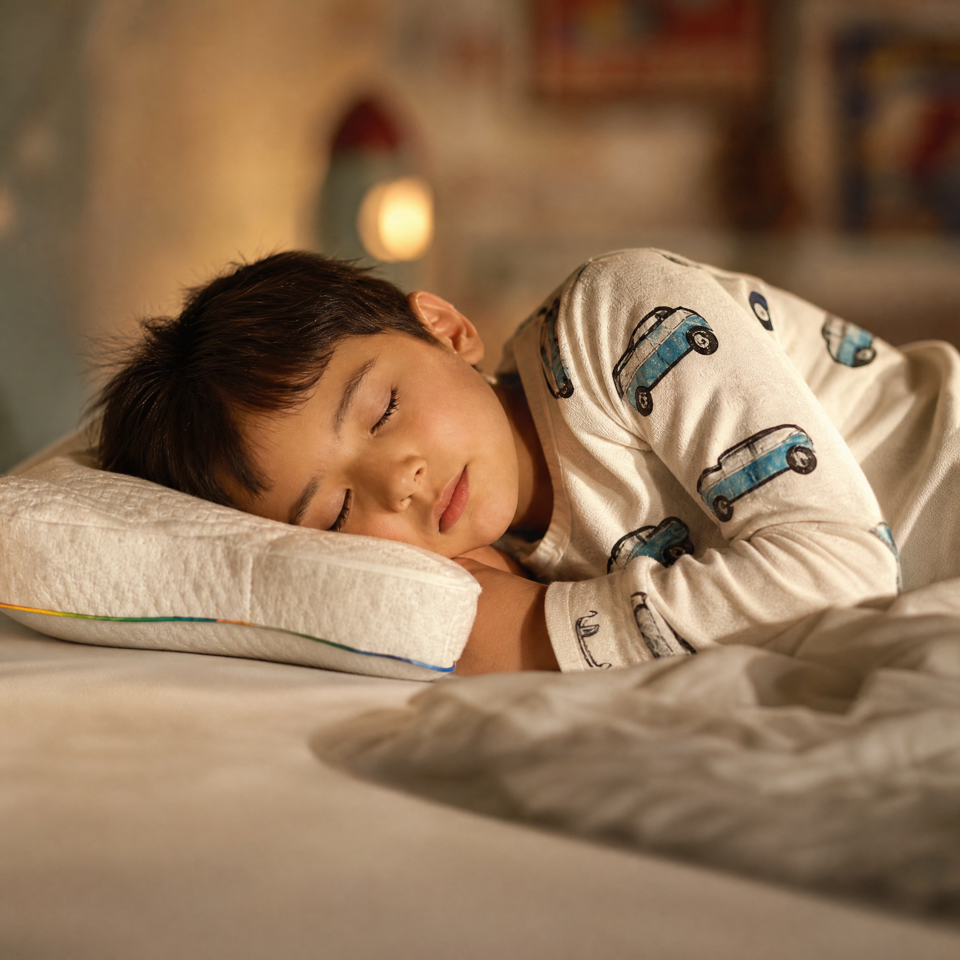

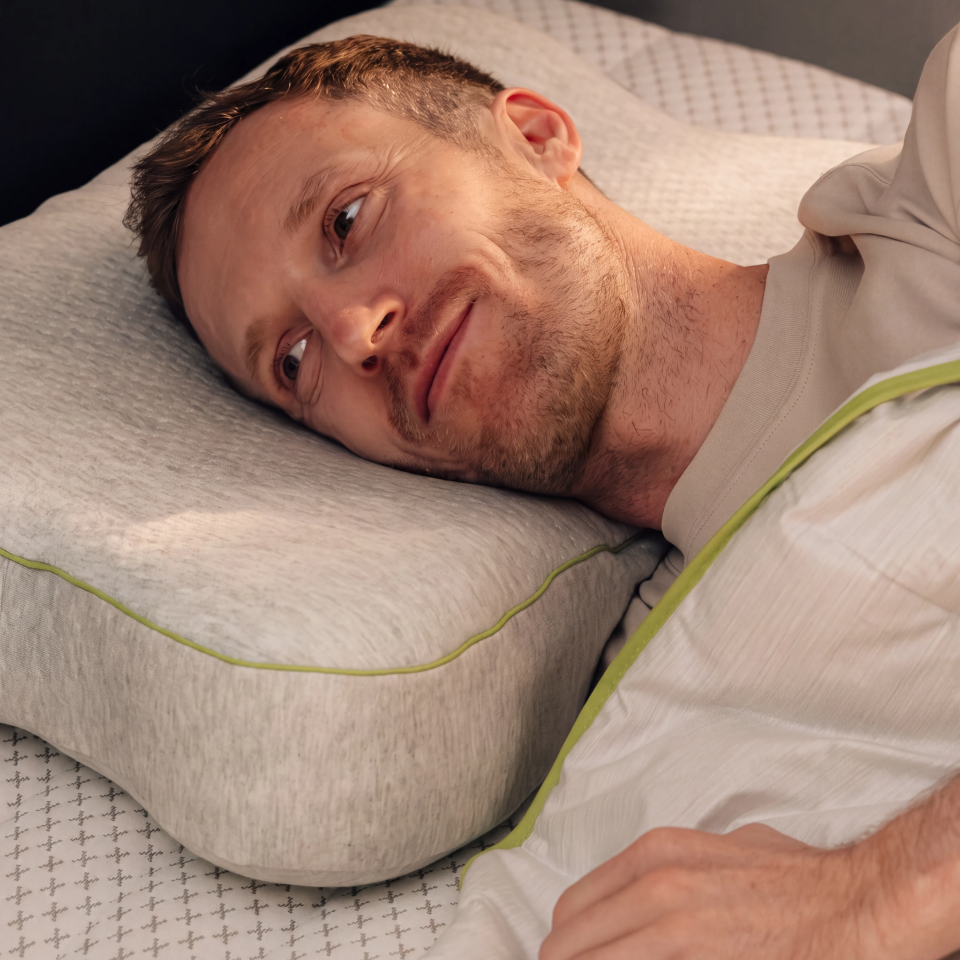


Why can starting school early be problematic for children?
Whether we’re reminiscing about our own school days or looking into our children’s tired eyes during the week, one thing quickly becomes clear: Starting school early presents challenges and can have serious consequences in some cases.
For elementary school children: A high need for sleep clashes with early wake-up times
Even though most elementary school-aged children don’t find it all that hard to get up early, children between the ages of 6 and 12 need about 9 to 11 hours of sleep per night to develop optimally, learn, and stay healthy. With school starting at 8 a.m., many children have to get up as early as 7 a.m. or even earlier—especially if their commute to school is longer.
This means your elementary school-aged child should ideally go to bed between 8 and 9 p.m. That’s quite early and often difficult for many parents to manage. Homework, hobbies, family time, and often media use push bedtime later and later. As a result, many elementary school children suffer from chronic sleep deprivation because they can’t meet their sleep needs. In the morning, they’re exhausted before the school day has even begun. Nevertheless, parents can counteract sleep deprivation in younger schoolchildren by structuring their daily routine around an appropriate bedtime and, above all, by limiting evening media use. This would have the advantage of helping children get used to avoiding media use in the evenings and at night from an early age. Therefore, the question of a later school start time does not arise for elementary school-aged children; the recommendations apply to students starting in 9th grade.
For adolescents: Biological rhythms shift
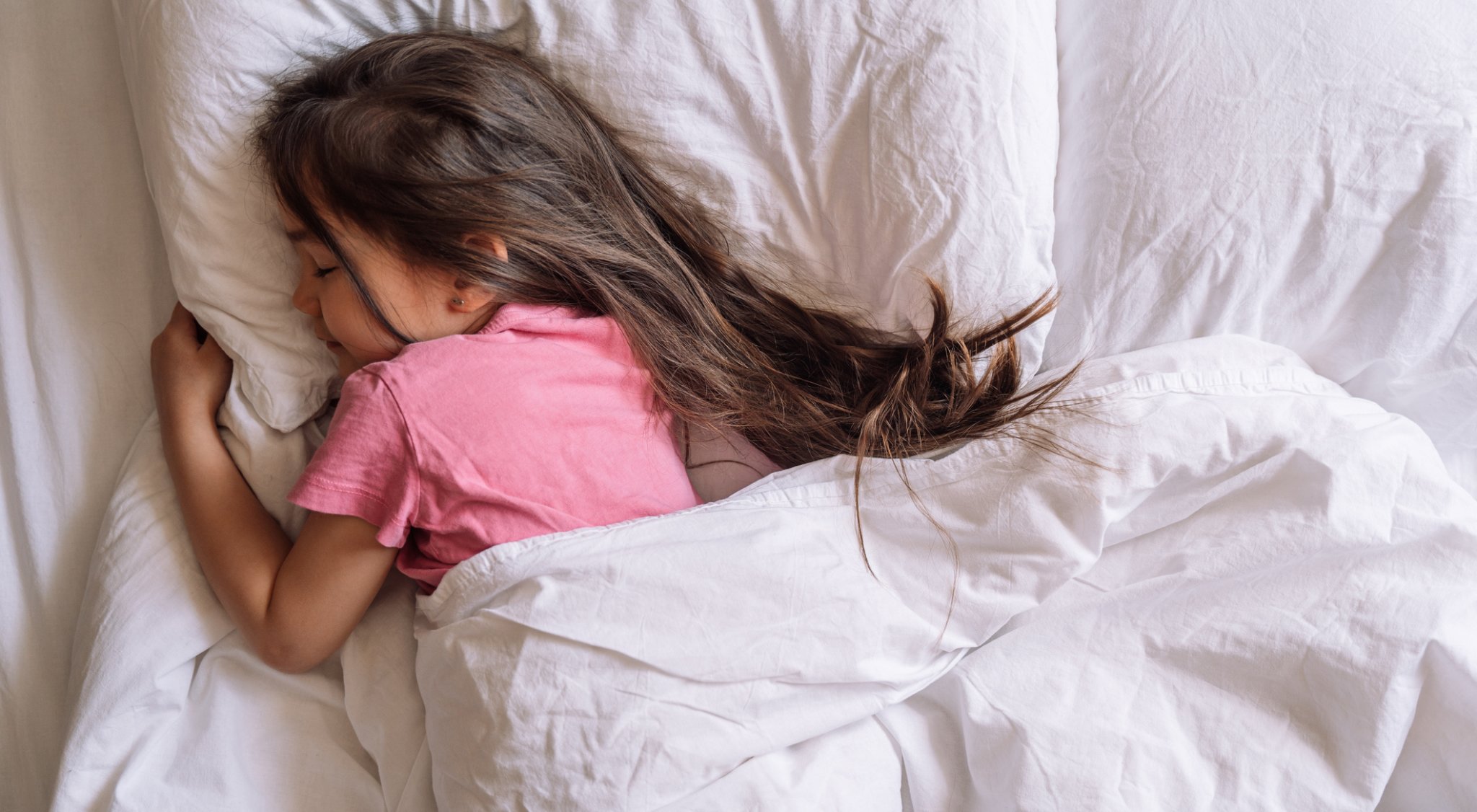
For teenagers, the situation is far more problematic. Does your teenager not get tired in the evening and can’t be pried out of bed in the morning? That’s not laziness —it’s biology. With puberty, the internal clock of all adolescents shifts dramatically later. Early risers become late sleepers.
The reason: The sleep hormone melatonin is released one to two hours later in teenagers than in younger children. Even if your 15-year-old is in bed by 10 p.m., her brain is biologically wide awake until midnight. If she has to get up at 6:30 a.m., she’s missing out on crucial hours of sleep—and her biological rhythms are still in night mode. Chronic morning fatigue is the result.
Good to know: Sleep research distinguishes between early, neutral, and late types. Early types are described as “larks,” late types as “owls”—and the names aren’t just random: larks chirp at sunrise, while owls are nocturnal. It’s the same with us humans: Some get tired early in the evening and jump out of bed feeling refreshed in the morning (larks), while others are wide awake at night and need three alarm clocks in the morning (owls). This so-called chronotype is genetically determined, but it changes over the course of a person’s life. During puberty, for example, there’s a shift toward the owl type.
Dr. Alfred Wiater, MD, expert in pediatric sleep medicine, pediatrician, and sleep researcher

Arguments for a later school start time
Would a later start to the school day really solve the problems faced by many tired children and frustrated parents? In any case, there are certainly some arguments in favor of a later start to the school day:
Here’s why a later school start time makes sense
One advantage of a later school start time is obvious: teenagers could sleep longer in the morning and thus meet their sleep needs. A meta-analysis that evaluated 37 scientific studies confirms this: Later school start times significantly increase the amount of sleep teenagers get and reduce what’s known as “social jet lag”—that is, the discrepancy between the body’s internal biological clock and social obligations such as school hours.
For elementary school children, more sleep means:
better growth and physical development
a stronger immune system (fewer infections)
better emotional regulation
more energy for the school day
For adolescents, this also means:
less anxiety and depression
lower risk of obesity and high blood pressure
better mood and less irritability
improved chronotype balance (less struggle against the biological clock)
Whether in third or tenth grade: Students who are well-rested can concentrate better, absorb information more quickly, and retain what they’ve learned over the long term. Studies show that adolescents who start school later achieve better grades. The brain needs sleep to process what it has learned and store it in long-term memory. Elementary school children who sit in class feeling tired cannot optimally retain what they learned the day before. For adolescents, there’s the added factor that, biologically speaking, they’re still in deep sleep during the first school period while going through puberty. Learning is particularly ineffective at this time.
Well-rested children are more motivated and punctual in the morning. Experience shows that schools with later start times have fewer absences and late arrivals. Children who aren’t overtired get sick less often and miss fewer classes overall.
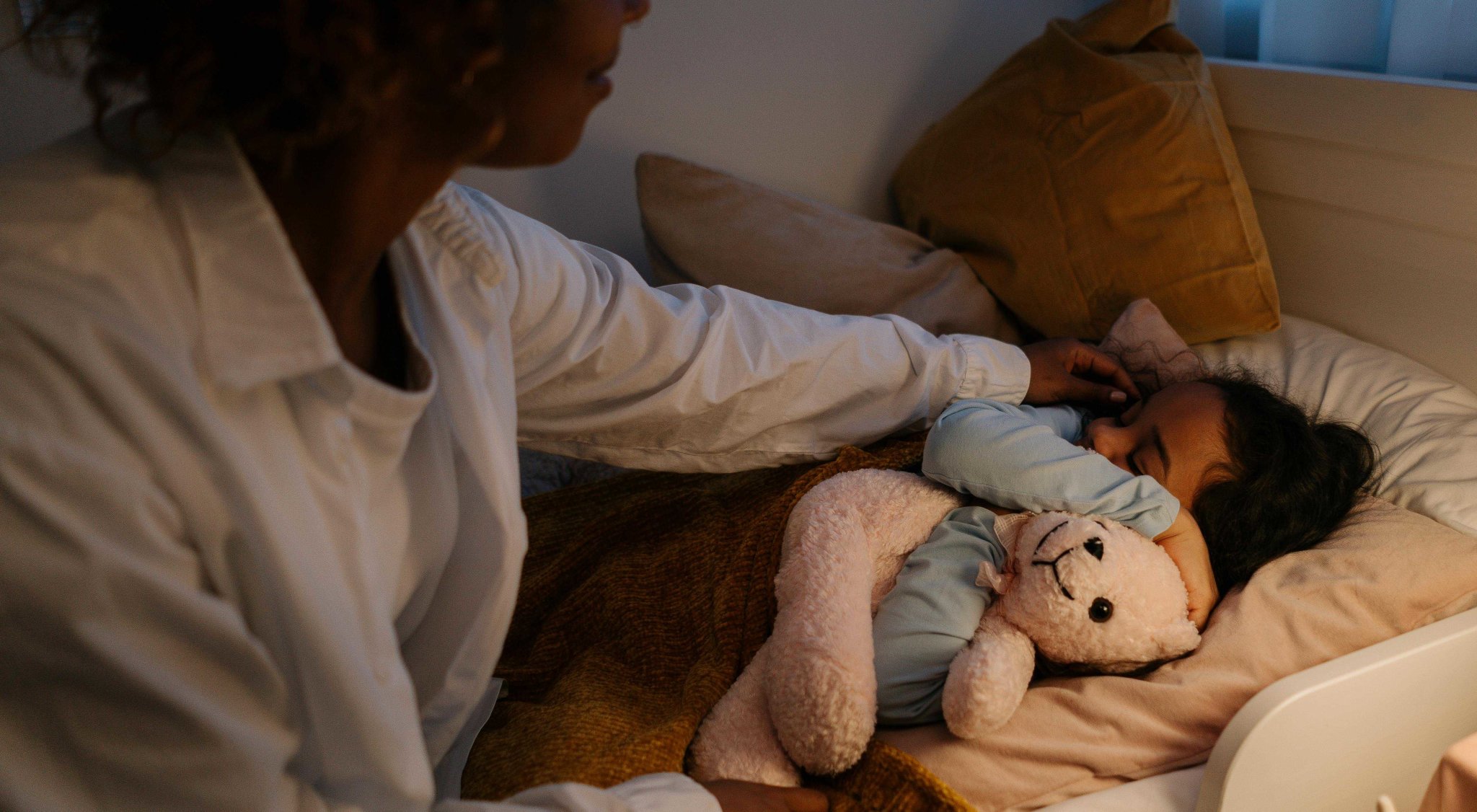
Does this sound familiar? A frantic wake-up call, grumpy kids at the breakfast table, arguments about getting dressed—and in the end, everyone rushes out the door stressed out. Consistent sleep hygiene for younger schoolchildren and a later school start time help ease this morning rush. Your child will wake up more easily, you can enjoy breakfast together in peace, and the day will start off much more relaxed for the whole family. Less stress in the morning also means a better mood for the rest of the day—for both you and your child.
Later school start times: the counterarguments
Reasons against a later school start time
Probably the most common argument against a later school start time: Many parents have to be at work by 8 a.m. or earlier. If school doesn’t start until 9 a.m. for everyone, there’s a childcare gap. This can be a real problem, especially for single parents or families without grandparents nearby—and particularly for parents of elementary school children who can’t stay home alone. The children would have to attend early-morning care, which incurs additional costs. For teenagers aged 12 or 13 and older, who are more independent, this argument no longer holds water.
A later start time also means a later end to the school day. This can limit the time available for hobbies, sports, music lessons, or hanging out with friends. For teens with part-time jobs, the daily schedule would become very tight.
If school starts at the same time as the usual commuting hours, this could lead to overcrowded buses and trains. Students would have to share public transportation with commuters: during rush hour, this isn’t always comfortable or safe for children.
A common counterargument is that if school starts later, children and teenagers would simply go to bed later, and the lack of sleep would persist. However, studies refute this argument: Research shows that children do not automatically go to bed later. For teenagers in particular, a later school start time simply better aligns with their natural wake-up rhythm: They sleep longer in the morning but go to bed at their usual time in the evening.
A later start time can significantly change the school day in middle and high school. For teachers, this means spending more time at school in the afternoon. For many, this is a challenge that requires adjusting their entire daily routine.
Pros and Cons of a Later School Start Time: Conclusion
The arguments for and against a later school start time show that there is no simple solution that works equally well for all families. The scientific arguments in favor of a later school start time are strong, especially when it comes to your child’s health and development . Arguments against it mainly concern practical challenges, which could, however, be overcome with creative solutions:
flexible public transit schedules
flexible scheduling for the first few school hours
adjusted class schedules (important subjects not in the first period)
Self-study periods in the morning
Opportunities for teachers to sleep in as well
If school started later, even a small adjustment would help: Experts often recommend that school should ideally not start before 8:30 a.m. Even 20 to 30 minutes more sleep can make a measurable difference —in terms of concentration, mood, and attention.


No later school start in sight? What you can do as a parent right now
Even if there are no changes to the school start time in your region for now, there are things you can do to help your child sleep better:
Improve sleep hygiene
Make sure your child has a regular bedtime and that the bedroom is cool (18 °C), dark, and quiet. An ergonomic sleep environment is especially important for elementary school children. A special children’s pillow like the RECOVERY PILLOW KIDS can help ensure your child lies in an anatomically correct position and sleeps more restfully: The cervical spine is optimally supported, helping to prevent tension.
Establishing Consistent Routines
For younger schoolchildren in particular, bedtime rituals help them wind down. These can include reading together, a warm bath, or simple relaxation exercises. For teenagers, it can be helpful to work together to establish an evening routine and tailor it to their age.
Limit screen time
The blue light from smartphones, tablets, and computers inhibits melatonin production. This is a particularly big problem for teenagers. Ideally, your child should avoid screens for at least one hour before bedtime.
Plan Realistically
Review your child’s daily schedule. Do they have too many afternoons filled with activities? Is there enough time for homework AND relaxation? Sometimes it helps to reevaluate priorities.
Keep the conversation going
Talk to teachers, other parents, and school administrators about this issue. If many parents raise this concern, schools are more likely to develop flexible solutions.


Frequently Asked Questions About a Later School Start Time
FAQs on a later school start time
Sleep experts recommend that school start no earlier than 8:30 a.m.—ideally at 9:00 a.m. Even a delay of 20 to 30 minutes can have measurable positive effects on concentration and well-being. A later start time is recommended for students in 9th grade and above.
Both age groups are affected, though for different reasons. Elementary school children have a very high sleep requirement (10 to 11 hours) and are often chronically overtired due to early commutes to school and, in particular, going to bed too late. For adolescents, biological rhythms shift later: they get tired later in the evening and need more sleep in the morning. They have been shown to benefit from a later school start time.
Scientific studies show that later school start times significantly increase the amount of sleep adolescents get. Even a delay of 20 to 30 minutes has a measurable positive effect. Your child can sleep longer, is more rested, and “social jet lag”—the discrepancy between their internal clock and school hours—is reduced.
You can make a big difference even without an official change to the school start time: Ensure consistent sleep hygiene with fixed bedtimes, a dark and cool bedroom, and a calming evening routine. Reduce screen time before bed and create an ergonomic sleeping environment. At the same time, it’s worth bringing up the topic at parent-teacher conferences or school meetings.
Yes, there are a few schools that are experimenting with flexible start times. A well-known example is the Gymnasium Alsdorf near Aachen, which has offered a later start time for upper-level students since 2017—with optional self-study sessions starting at 8 a.m. and regular classes beginning at 9 a.m. The school operates according to the Dalton model. After a trial period, it adopted the model permanently. There are currently a total of over 20 schools in Germany certified by the Dalton Association of Germany. In other countries, such as England, school typically starts between 8:30 and 9:00 a.m.
More Articles on Children’s Sleep





Studies & Sources
Alfonsi, V., Scarpelli, S., D’Atri, A., Stella, G., & De Gennaro, L. (2020). Later School Start Time: The Impact of Sleep on Academic Performance and Health in the Adolescent Population. International Journal of Environmental Research and Public Health, 17(7), 2574. https://doi.org/10.3390/ijerph17072574
American Academy of Pediatrics. (2014). School start times for adolescents. Pediatrics, 134(3), 642–649. https://doi.org/10.1542/peds.2014-1697
Dewald, J. F., Meijer, A. M., Oort, F. J., Kerkhof, G. A., & Bögels, S. M. (2010). The influence of sleep quality, sleep duration, and sleepiness on school performance in children and adolescents: A meta-analytic review. Sleep Medicine Reviews, 14(3), 179–189. https://doi.org/10.1016/j.smrv.2009.10.004
Owens, J. A., & Weiss, M. R. (2017). Insufficient sleep in adolescents: causes and consequences. *Minerva pediatrica*, 69(4), 326–336. https://doi.org/10.23736/S0026-4946.17.04914-3
Winnebeck, E. C., Vuori-Brodowski, M. T., Biller, A. M., Molenda, C., Fischer, D., Zerbini, G., & Roenneberg, T. (2020). Later school start times in a flexible system improve teenage sleep. Sleep, 43(6), zsz307. https://doi.org/10.1093/sleep/zsz307