
Menstrual Cramps: Causes, Immediate Relief, and Warning Signs

For many women, period pain is a monthly reality—and can significantly impact quality of life. Almost every woman experiences menstrual cramps and discomfort at some point in her life. Although menstruation is a natural and important part of our cycle, period pain doesn’t have to be normal or a regular part of daily life. There are effective ways to relieve it, and clear warning signs you should be aware of.
For many girls and women, painful periods (“dysmenorrhea”) are a normal part of life—while others barely notice the cramps at all. But when is the pain still within normal limits, and when might there actually be a serious underlying cause? Which methods really help relieve menstrual cramps—heat patches, gentle home remedies, or traditional pain relievers?
We’ll take a look at what’s scientifically proven—from typical symptoms like cramps, nausea, or headaches, to possible causes, and on to effective treatment options for menstrual pain.
This article explains:
- the causes and differences associated with menstrual cramps,
- what symptoms are typical and when caution is advised,
- which immediate relief measures—such as heat, exercise, or relaxation—are scientifically proven to help,
- when medication is appropriate,
- and which warning signs you should take seriously.
This will give you a clear overview of what really helps with menstrual cramps—and when it’s important to seek medical advice.
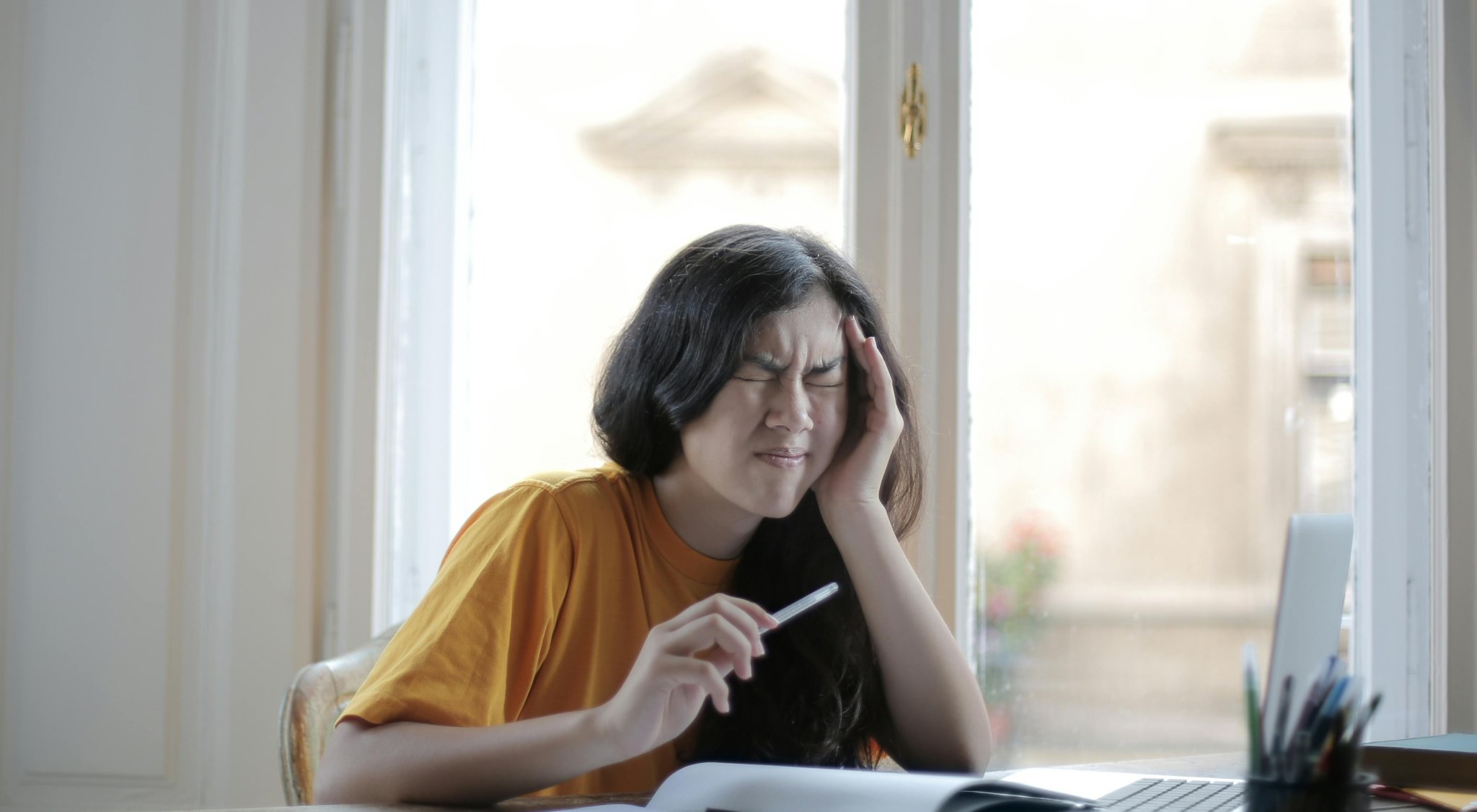

Primary and Secondary Menstrual Cramps: Causes, Symptoms, and Differences
On average, women go through a menstrual cycle every 28 days. Shortly before and during menstrual bleeding, menstrual cramps may occur—and significantly affect a woman’s well-being. Typical menstrual cramps are caused by contractions of the uterus, which shed the built-up endometrial lining and thus trigger bleeding. During this process, hormone-like messenger substances called prostaglandins are produced in increased amounts, triggering the muscle contractions. This leads to cramp-like pain in the lower abdomen, which can sometimes radiate to the lower back or legs.
In most cases, this type of menstrual pain is classified as primary dysmenorrhea. In this condition, pain occurs without any underlying organic diseases or causes—that is, there are no structural or pathological findings in the uterus or pelvic organs. The pain results from excessive production of prostaglandins and primarily affects younger women of reproductive age.
Typical characteristics of primary menstrual pain include:
- Pain shortly before and during the first 1–2 days of bleeding
- A gynecological examination reveals no organic disease
- Pain subsides with treatments such as heat or NSAIDs
(pain relievers)
- Regular, cyclical, and predictable
Secondary dysmenorrhea
This means that there is a recognizable organic cause behind the pain. As a result, the symptoms often occur independently of menstruation and frequently begin later in life, after age 30. Increasing or newly occurring pain, pain despite NSAIDs or hormonal therapy, as well as unusual accompanying symptoms such as heavy bleeding or pain during sexual intercourse, may indicate an organic cause. If secondary dysmenorrhea is suspected, a gynecological examination is essential.
Possible causes of secondary menstrual pain include, among others:
- Endometriosis: Tissue grows outside the uterus but behaves like the uterine lining. This can lead to severe pain, inflammation, adhesions, and infertility and should definitely be evaluated by a doctor.
- Fibroids: Benign muscle growths in the uterus that often cause cramping, persistent discomfort, and a strong feeling of pressure in the lower abdomen.
- Adenomyosis: In this condition, the uterine lining grows into the muscular wall of the uterus, which also leads to painful, cramping symptoms.
- Infections: Inflammation of the uterus or fallopian tubes can lead to excessive pain and unusual discharge.
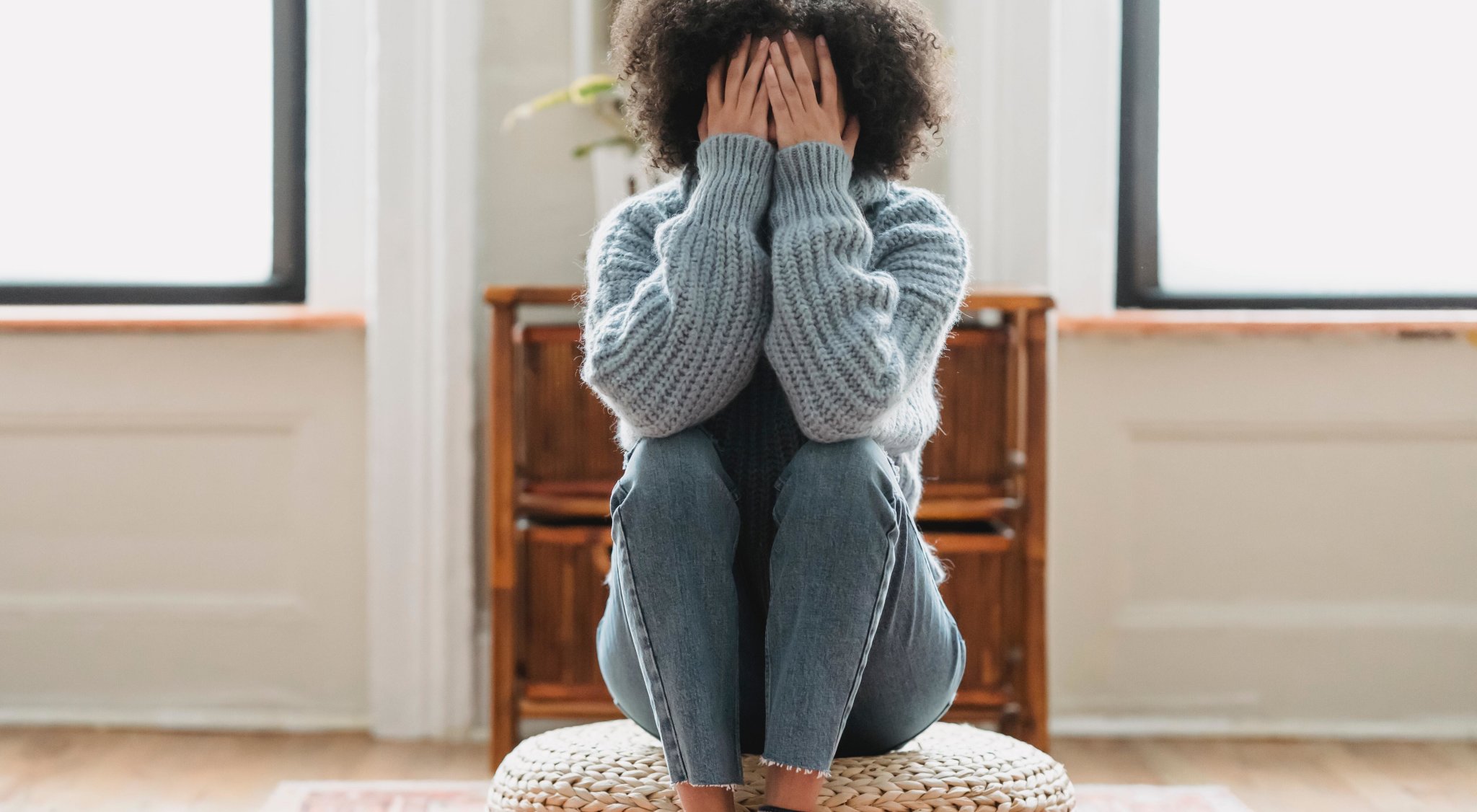

Understanding Menstrual Cramps: Typical Symptoms and Course
Typical symptoms of menstrual cramps, or dysmenorrhea, include lower abdominal cramps, lower back pain, and fatigue. Typically, symptoms begin a few years after the first menstrual period (menarche) and occur regularly and recurrently with each cycle. Symptoms usually begin shortly before or at the start of menstruation and peak during the first one to three days.
The intensity can vary from cycle to cycle:
- Sometimes cramp-like lower abdominal pain occurs; the pain often radiates to the lower back or manifests as an uncomfortable pulling sensation in the thighs.
- In addition, accompanying autonomic symptoms may occur, including nausea, vomiting, fatigue, headaches, or general malaise.
The duration, intensity, and frequency of menstrual cramps vary greatly and depend on many factors, including:
- hormonal fluctuations
- diet
- stress
- sleep
- physical activity
- Illnesses or inflammation
Personal sensitivity to pain also plays a role here. While some experience only mild discomfort, others perceive the pain so intensely that their daily life and well-being are significantly affected.
Studies show that a large proportion of those affected experience some form of menstrual pain. Even though this is a normal part of our cycle, the pain can be very distressing and may require targeted treatment if necessary.
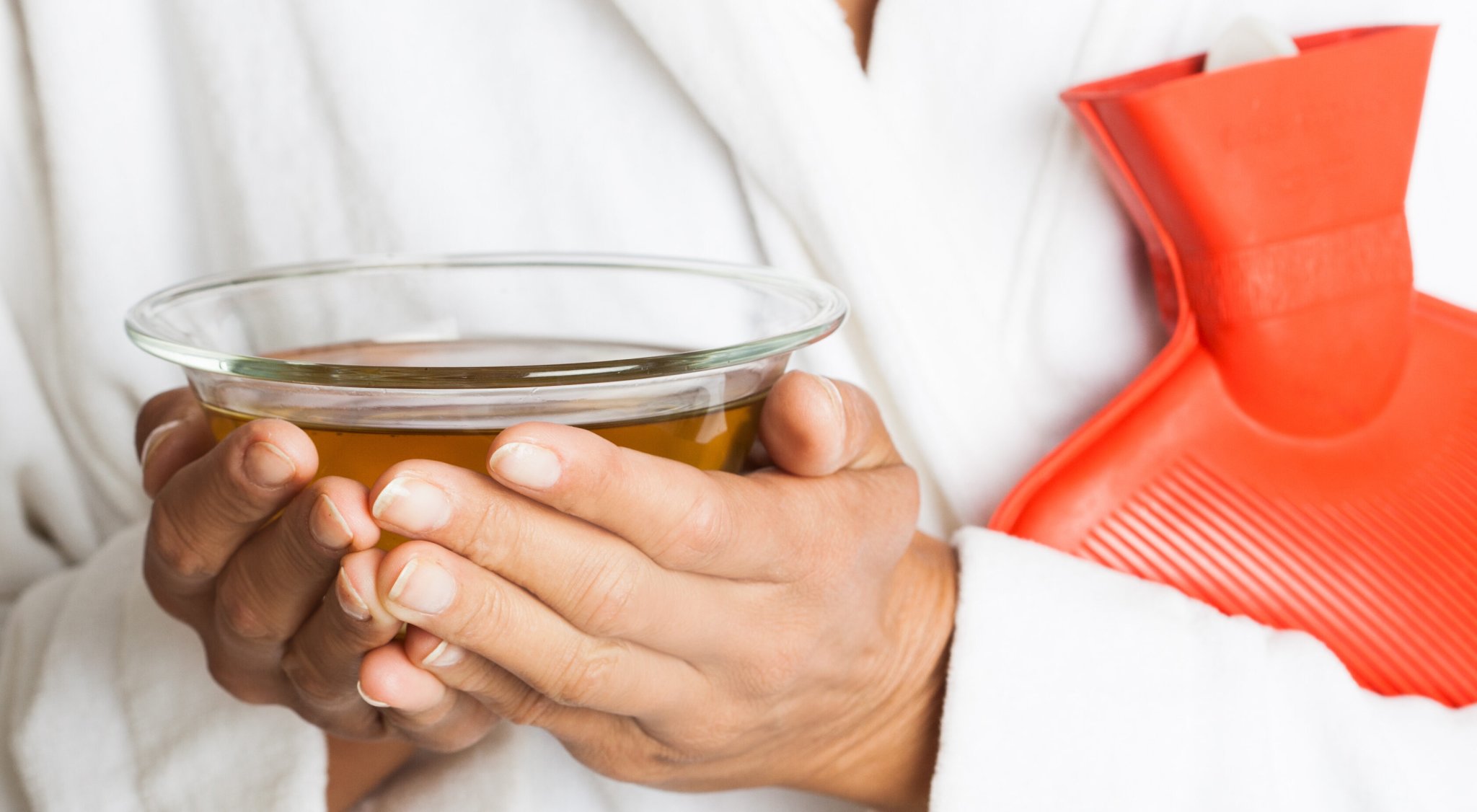
Immediate Relief: What Provides Quick Relief from Period Pain?
What provides the fastest and most effective relief for menstrual cramps? First and foremost, depending on the severity, we can always try to alleviate the symptoms without resorting to medication. This primarily includes heat, movement and gentle exercise, relaxation and breathing exercises, as well as a healthy diet and adequate sleep.
Heat as an Effective Remedy for Period Pain
Many studies show that heat has significant positive effects in relieving pain. Heat reduces muscle tension, dilates local blood vessels, and improves blood flow, which leads to a reduced sensation of pain. These physiological effects can help reduce the contractions caused by the production of prostaglandins. Heat therapy is a quick, simple, and easy-to-implement method for pain relief that, in some studies, even shows results comparable to or better than painkillers. Thanks to its relaxing and antispasmodic effects, heat is therefore one of the top “go-to” methods for relieving menstrual cramp symptoms. It doesn’t matter whether you use a heating pad, a hot water bottle, or a heating patch—all forms are effective and easy to use.
Exercise Methods to Reduce Menstrual Cramps
Regular, moderate exercise can effectively reduce menstrual cramps during your period. Some studies confirm the link between light aerobic endurance training, yoga, and gentle Pilates exercises and a reduction in pain during menstruation.
Pain Reduction Through Aerobic Exercise
A 2018 analysis (Mohebbi et al.) showed a significant reduction in pain associated with primary dysmenorrhea compared to the control group following an 8-week aerobic exercise program (3 times a week, 30 minutes), as well as an improvement in perceived quality of life. Gentle exercises such as yoga or Pilates were also found to significantly improve mood and sleep while simultaneously reducing various menstrual symptoms.
Exercise not only promotes blood circulation in the pelvic region and reduces pain stimuli there, but also increases the production of the body’s own endorphins, which have a pain-relieving effect. In other words, when we exercise, our bodies and minds are happier. Thanks to the cramp-relieving effects and muscle relaxation provided by physical activity, regular exercise offers an effective way to reduce menstrual cramps. According to a 2025 meta-analysis, the combination of Pilates and low-intensity exercise—twice a week for sessions lasting between 31 and 45 minutes over at least two menstrual cycles—is particularly effective in positively influencing menstrual cramps.
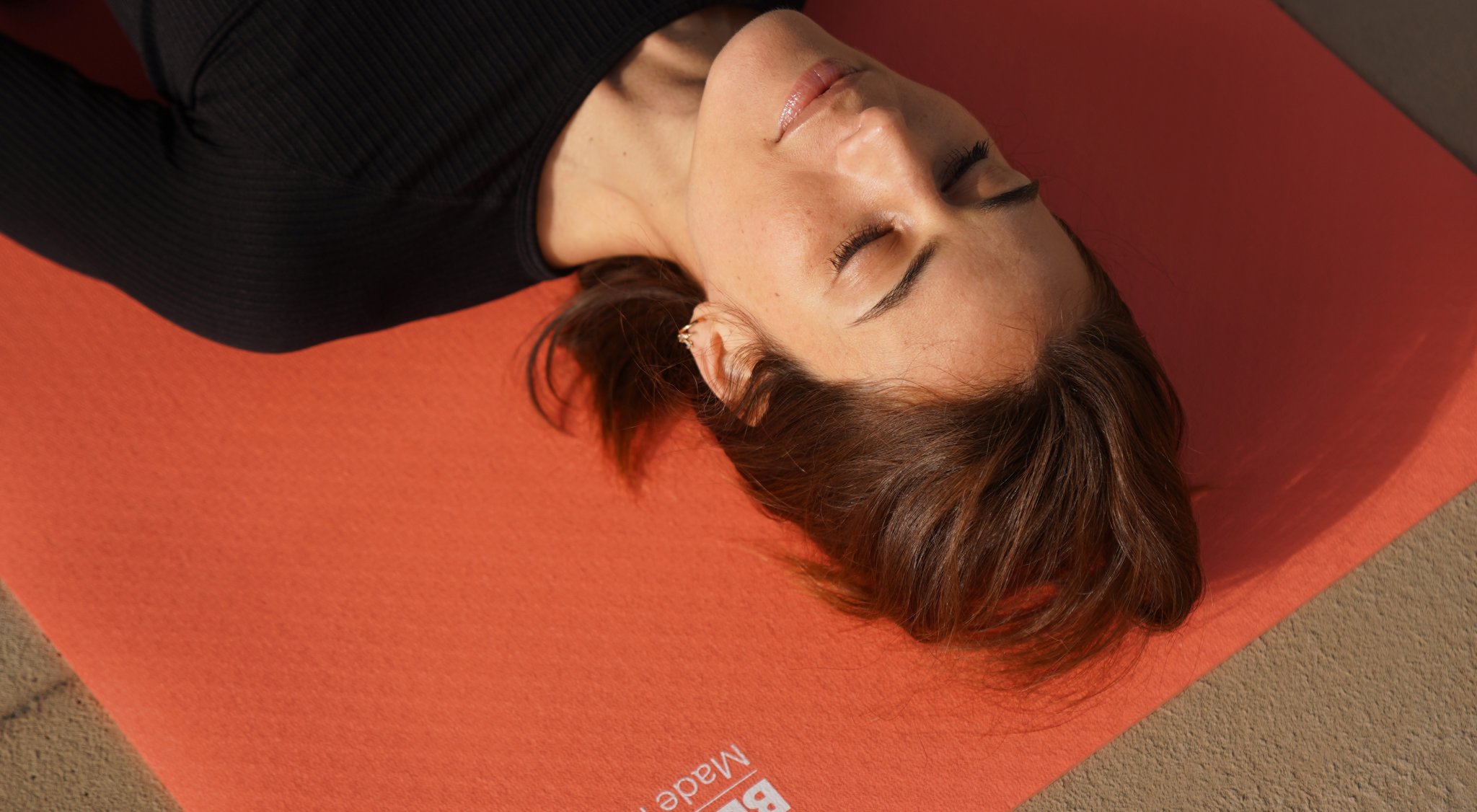

Relaxation Techniques as an Effective Method for Relieving Menstrual Cramps
The body and mind are closely connected. Through various relaxation techniques, we can reduce muscle tension and positively influence pain, anxiety, and autonomic tension.
The following techniques have been studied extensively using evidence-based methods and have been shown in various studies to have positive effects on perceived pain during menstruation:
Progressive muscle relaxation (PMR) according to Jacobson
Mindfulness-based programs (MBSR), with a focus on
- Mindful body awareness
- Breathing and meditation techniques such as diaphragmatic breathing
- Mindfulness exercises for emotional regulation
- Stress reduction strategies
Regular participation (at least 3 times a week, 30 minutes each session over 8 weeks) in these anti-stress programs can particularly improve stress-related pain perception and positively influence mood and sleep. The components of MBSR, in particular, show a correlation with pain modulation and reduced sensitivity to pain stimuli.
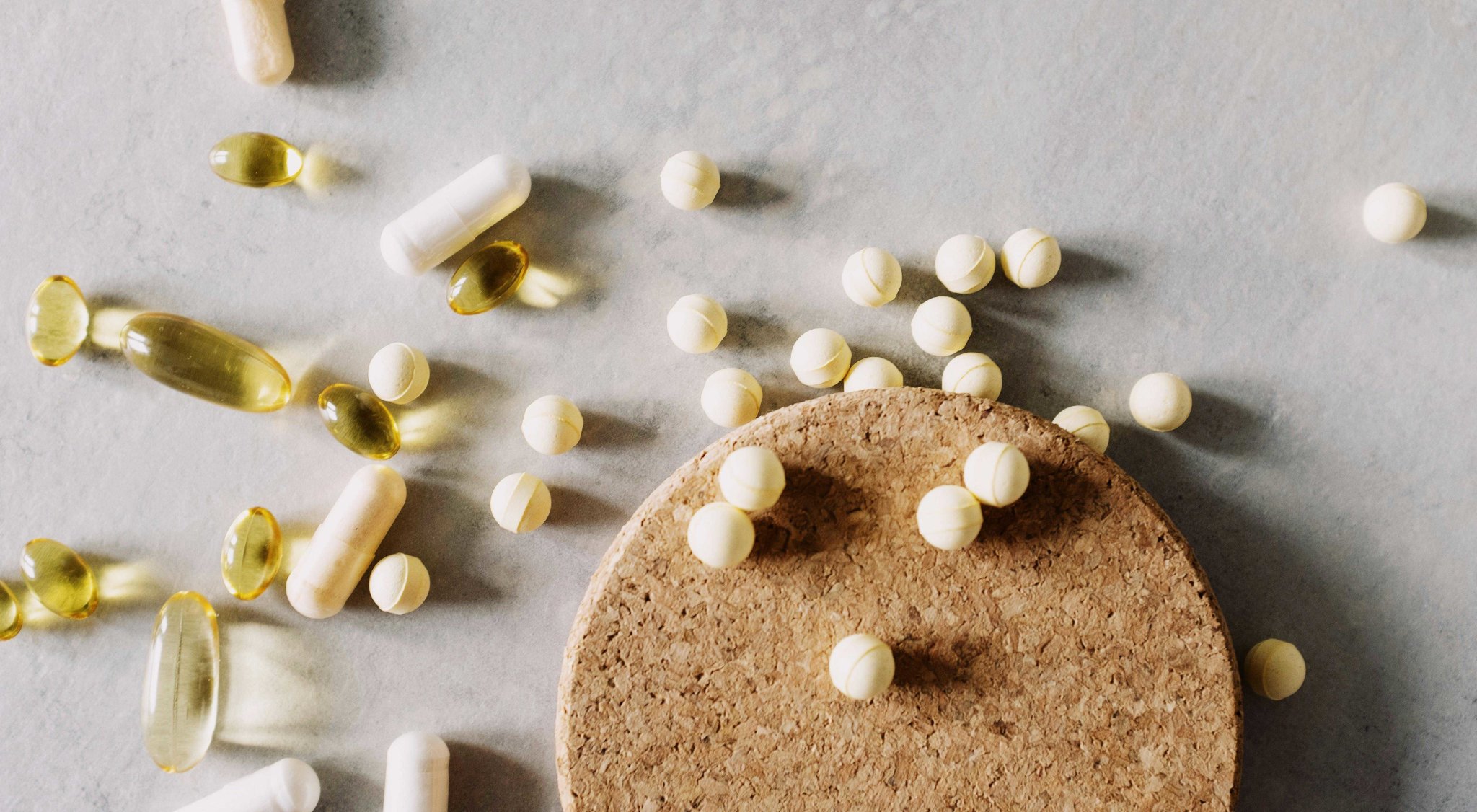

When conservative measures don’t help: Medications for menstrual cramps
Both pain relievers in the form of NSAIDs and hormonal contraceptives are suitable as non-conservative treatments for primary and secondary dysmenorrhea.
NSAIDs are nonsteroidal anti-inflammatory drugs, such as ibuprofen or naproxen; they block pain signals and reduce prostaglandin production in the uterus. This leads to weaker uterine contractions, fewer cramps, and has a mild anti-inflammatory effect—a suitable approach for pain relief in primary dysmenorrhea. The exact dosage should be discussed with a healthcare professional.
In some cases, your doctor may also recommend using hormonal contraceptives such as the birth control pill, an intrauterine device (IUD), or a hormonal patch. Hormonal medications interrupt the natural cycle, so you do not have a regular menstrual period but instead experience withdrawal bleeding every 4 weeks. This often significantly reduces pain. However, symptoms may return after stopping hormonal treatments. The use of hormonal contraceptives for menstrual cramps should always be under medical supervision


Heat for Menstrual Cramps – Use & Safety
Heat helps with menstrual cramps—as we’ve already confirmed above. But what types of heat therapy are available, and what’s the best way to use them?
Some effective and well-known heat therapies for menstrual cramps include:
- Heat patches
- Hot water bottle
- Infrared lamp
- Cherry pit pillow (warmed up)
- Warm shower or bath
- Sauna
The use of heat to relieve menstrual cramps is considered very safe and generally has no side effects. However, there are a few things you should keep in mind:
Apply heat for a maximum of 15–20 minutes per session. Some products, such as heat patches, can release heat for several hours, depending on the product.
If needed, you can repeat the treatment several times a day.
Remember: The heat should feel comfortably warm, but not too hot.
Check your skin regularly for redness, blisters, burns, etc. In short—perform a quick safety check every so often.
Use a protective cover or wrap your heat therapy product in a thin towel to prevent skin damage.
Tip: The effects of heat therapy can be further enhanced by combining it with exercise or relaxation exercises. A combination of several methods simultaneously affects muscle tissue, blood circulation, and central pain processing, often resulting in more lasting and significant pain relief.
Victorine Kullier, sports scientist & expert in women’s-specific training



Hot or cold—which helps with menstrual cramps?
Heat and cold are used for a wide variety of ailments—from tension and cramps to bruises or inflammation. As a general rule, cold works best during the acute inflammatory stage or for swelling, while heat is best for muscle cramps, chronic conditions, or to relax the muscles.
So if you injure yourself—for example, if you twist your ankle while running—you should apply a cold pack. For cramping and muscular pain, however, heat is recommended. It’s a clear favorite when it comes to effective immediate relief for menstrual cramps. At a glance:
Heat: For cramping and muscular pain (perfect for menstrual cramps, especially with primary dysmenorrhea).
Cold: For acute inflammation and localized swelling; possibly for secondary dysmenorrhea, depending on the cause.


When You Should See a Doctor for Menstrual Cramps—Red Flags & Warning Signs
Menstrual cramps are a recurring issue for many women and can usually be effectively relieved with conservative measures such as heat, light exercise, relaxation techniques, or, if necessary, mild pain relievers.
If the pain persists despite these measures or occurs even outside of your period, this may indicate an underlying cause.
You should seek medical advice if your menstrual cramps:
- Do not respond to pain relievers such as NSAIDs (e.g., ibuprofen, naproxen).
- Severely limit your daily activities or significantly impair your quality of life.
- Occur suddenly and severely, even though you haven’t had such symptoms before.
- Be accompanied by nausea, vomiting, fever, or fainting.
- Causing pain during sexual intercourse.
- In cases of infertility.
- The following are associated with very heavy bleeding:
- Bleeding that lasts longer than a week
- Having to change pads or tampons every hour
- Blood clots larger than a 50-cent coin
If you experience one or more of these symptoms on a regular basis, you should make an appointment with your gynecologist. These symptoms may be signs of conditions that require treatment, such as endometriosis, fibroids, or other gynecological issues.


FAQs: Tips and Information About Menstrual Cramps
Menstrual cramps occur shortly before and at the start of your period and should subside within the first 1–3 days. If the pain regularly lasts longer or is significantly more severe than usual, you should seek medical advice.
Yes—some studies show significant and promising results indicating that local heat promotes blood flow, reduces uterine muscle contractions, and can thus alleviate pain. Heat therapy is safe, has virtually no side effects, and can be used several times a day.
If pain relievers such as NSAIDs (e.g., ibuprofen, naproxen, etc.) no longer help, you should seek medical advice to rule out other causes or secondary dysmenorrhea.
Relaxation techniques such as progressive muscle relaxation (PMR), mindfulness exercises, breathing techniques, and Mindfulness-Based Stress Reduction (MBSR) can reduce the perception of pain. It is recommended to practice these techniques at least 3 times a week, for 30 minutes each session, over at least two menstrual cycles.
If you can no longer go about your daily life as usual, if the pain is sudden and severe, or if you experience nausea, vomiting, fever, or fainting, you should seek medical advice. Also, if NSAIDs aren’t effective, if your bleeding is very heavy, or if you experience pain during sexual intercourse, these could be red flags and should be further investigated.
Unusually heavy bleeding and menstrual cramps, pain outside of your menstrual cycle or during sexual intercourse, difficulty conceiving, infertility, or chronic fatigue can all be symptoms of endometriosis. If you regularly experience several of these symptoms, it’s advisable to undergo a gynecological examination.
More interesting articles

Sources & Studies
Cai, J., Liu, M., Jing, Y., Yin, Z., Kong, N., & Guo, C. (2025). Aerobic exercise to alleviate primary dysmenorrhea in adolescents and young women: A systematic review and meta-analysis of randomized controlled trials. Acta Obstetricia et Gynecologica Scandinavica, 104(5), 815–828. https://doi.org/10.1111/aogs.15042
Guimarães, I., & Póvoa, A. M. (2020). Primary dysmenorrhea: Assessment and treatment. Revista Brasileira de Ginecologia e Obstetrícia, 42(8), 501–507. https://doi.org/10.1055/s-0040-1712131
Jo, J., & Lee, S. H. (2018). Heat therapy for primary dysmenorrhea: A systematic review and meta-analysis of its effects on pain relief and quality of life. Scientific Reports, 8(1), 16252. https://doi.org/10.1038/s41598-018-34303-z
McKenna, K. A., & Fogleman, C. D. (2021). Dysmenorrhea. American Family Physician, 104(2), 164–170.
Mohebbi Dehnavi, Z., Jafarnejad, F., & Kamali, Z. (2018). The effect of aerobic exercise on primary dysmenorrhea: A clinical trial study. Journal of Education and Health Promotion, 7, 3. https://doi.org/10.4103/jehp.jehp_79_17
Osayande, A. S., & Mehulic, S. (2014). Diagnosis and initial management of dysmenorrhea. American Family Physician, 89(5), 341–346.