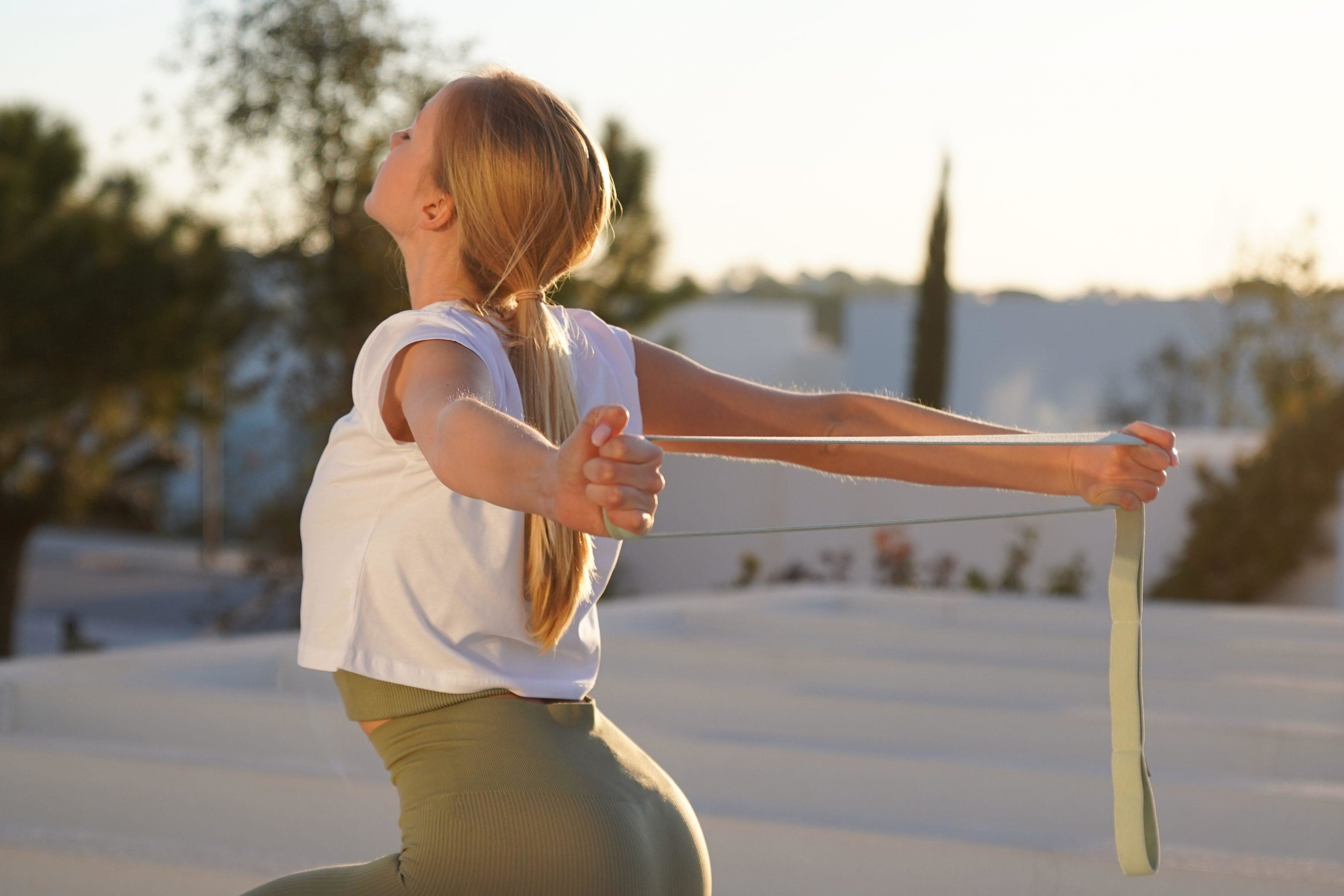
Women’s Health – A Holistic Understanding and Targeted Support

Women’s health is more than just a medical topic—it is the foundation for performance, well-being, and self-determination in one’s own body.
This guide provides a holistic overview of:
- Why women function physiologically differently than men
- How the menstrual cycle affects exercise, energy, and recovery
- What role nutrition plays in different stages of life
- How pregnancy, hormonal birth control, and menopause affect performance
- What strategies specifically help alleviate symptoms such as PMS, back pain, or pelvic floor weakness
Holistic women’s health means: understanding the cycle, intelligently managing physical stress, and consciously integrating recovery.

What does women’s health mean?
Women’s health encompasses all the specific physical, hormonal, and cyclical processes in a woman’s body and how these influence performance, recovery, mental health, and well-being. The focus is on natural hormonal fluctuations and changes throughout life—from the menstrual cycle through pregnancy to the unique dynamics of menopause.
Estrogen and progesterone are the primary hormones that regulate the female body and influence the menstrual cycle, fertility, and bone health, as well as mental health and overall well-being. Especially within the natural cycle, we experience cyclical differences depending on the menstrual phase, which can affect performance and the need for recovery.
These natural fluctuations vary depending on the stage of life and demonstrate that women do not always have the same capacity for performance or resilience:
- Puberty: Many different hormonal shifts and changes, both external and internal.
- Menstrual cycle: An interplay of various hormones—such as FSH, LH, estrogen, and progesterone—determines the course of the female cycle and influences performance, well-being, and recovery.
- Pregnancy: Drastic changes in hormone levels and extensive physical adaptations.
- Menopause: A decline in reproductive hormones with typical symptoms such as hot flashes, sleep disturbances, and weight gain during menopause.
Your cycle. Your warmth. Your rhythm.


The female cycle—the foundation of many bodily processes
Der weibliche Zyklus läuft nach einem monatlichen Rhythmus und steuert den Energiehaushalt, die sportliche Leistungsfähigkeit sowie Kraft, Erholung und Regeneration. Je nach Zyklusphase können die weiblichen Hormone, insbesondere Östrogen und Progesteron, unterschiedliche Anforderungen an Regeneration, Schlaf oder Nährstoffe stellen..
Inder ersten Zyklusphase kurbelt Östrogen den Stoffwechsel an, unterstützt den Muskelaufbau und kann uns leistungsstark und energiegeladen fühlen lassen. In der zweiten Zyklushälfte sorgt Progesteron dafür, dass typische Beschwerden wie Müdigkeit, Stimmungsschwankungen oder vermehrtes Hungergefühl auftreten können.
Wenn du den weiblichen Zyklus verstehst, kannst du Training, Alltag und Ernährung gezielt darauf abstimmen. Dazu gehört ein vertiefter Einblick in:
- zyklusbasiertes Training
- zyklusspezifische Ernährung
- regenerative Strategien für den weiblichen Zyklus
- hormonelle Einflüsse je nach Zyklusphase
- Einfluss von hormoneller Verhütung
- Hormonelle Veränderungen in den Wechseljahren (Menopause)
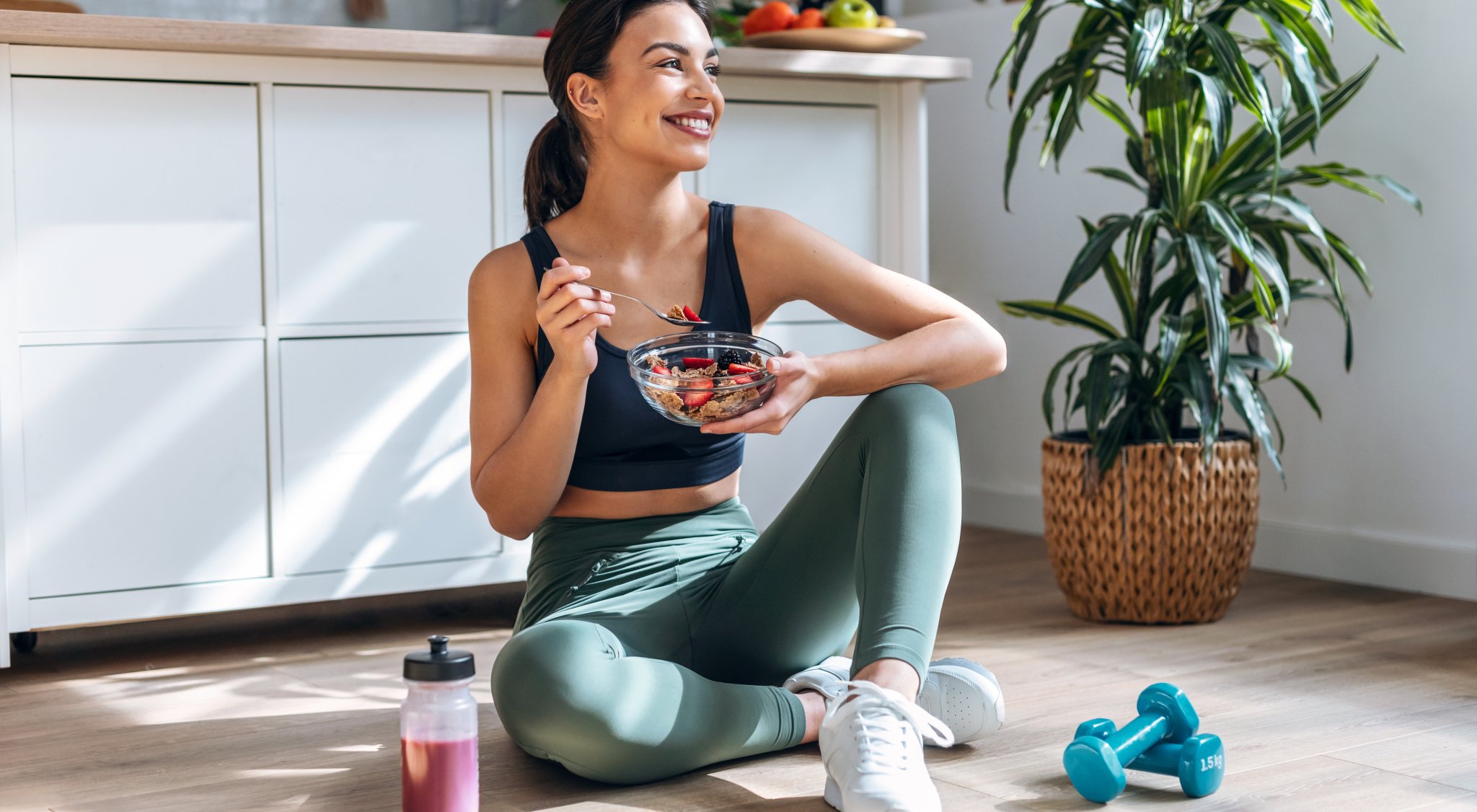

Cycle-Based Training & Exercise
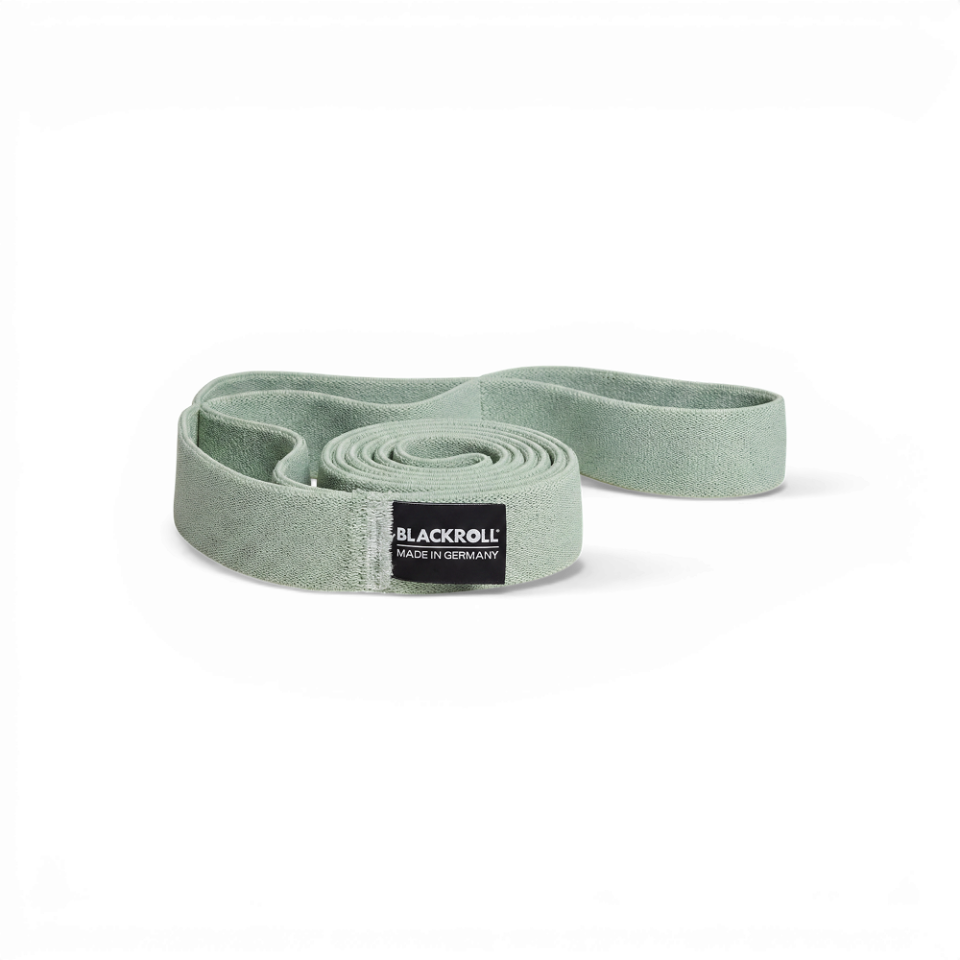
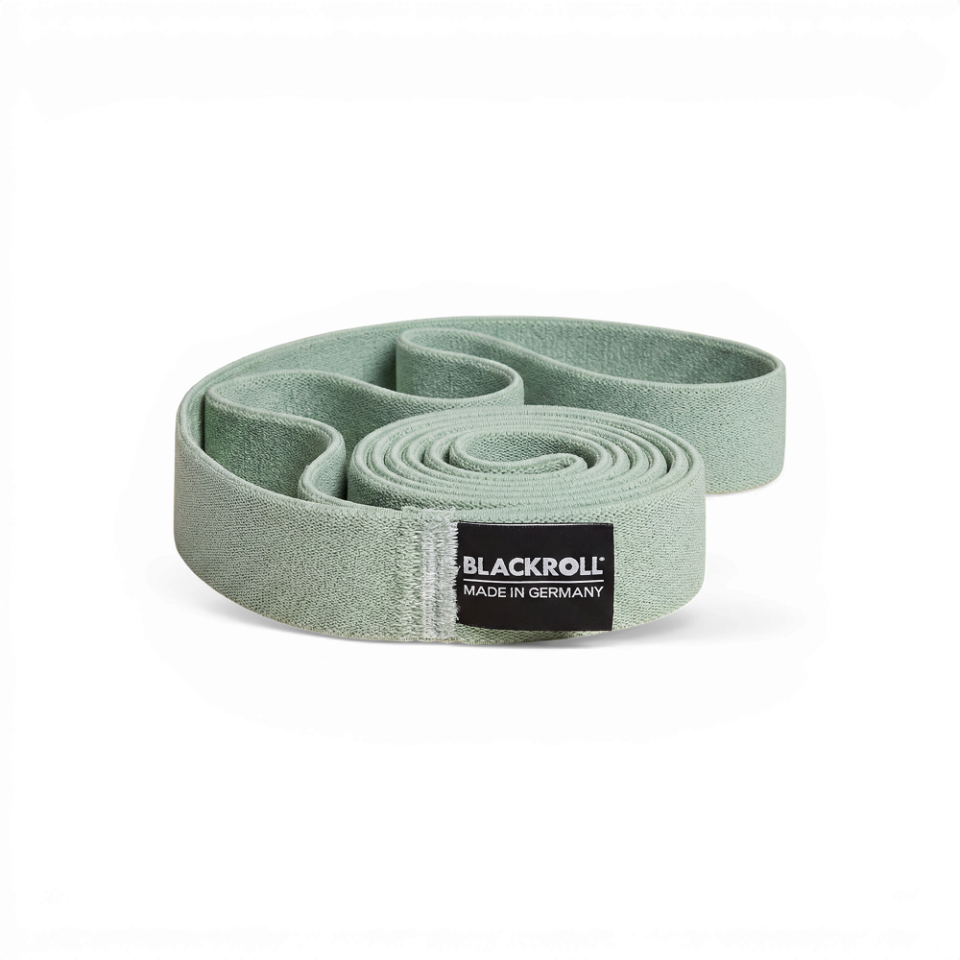
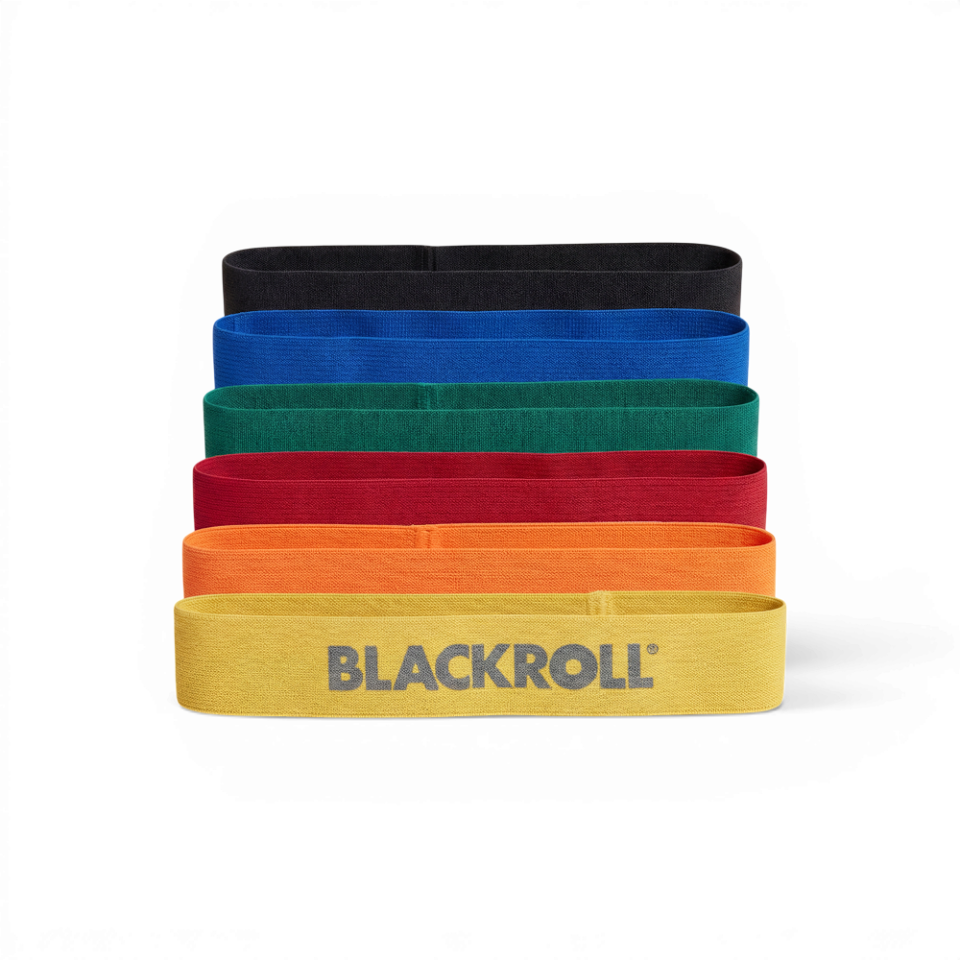
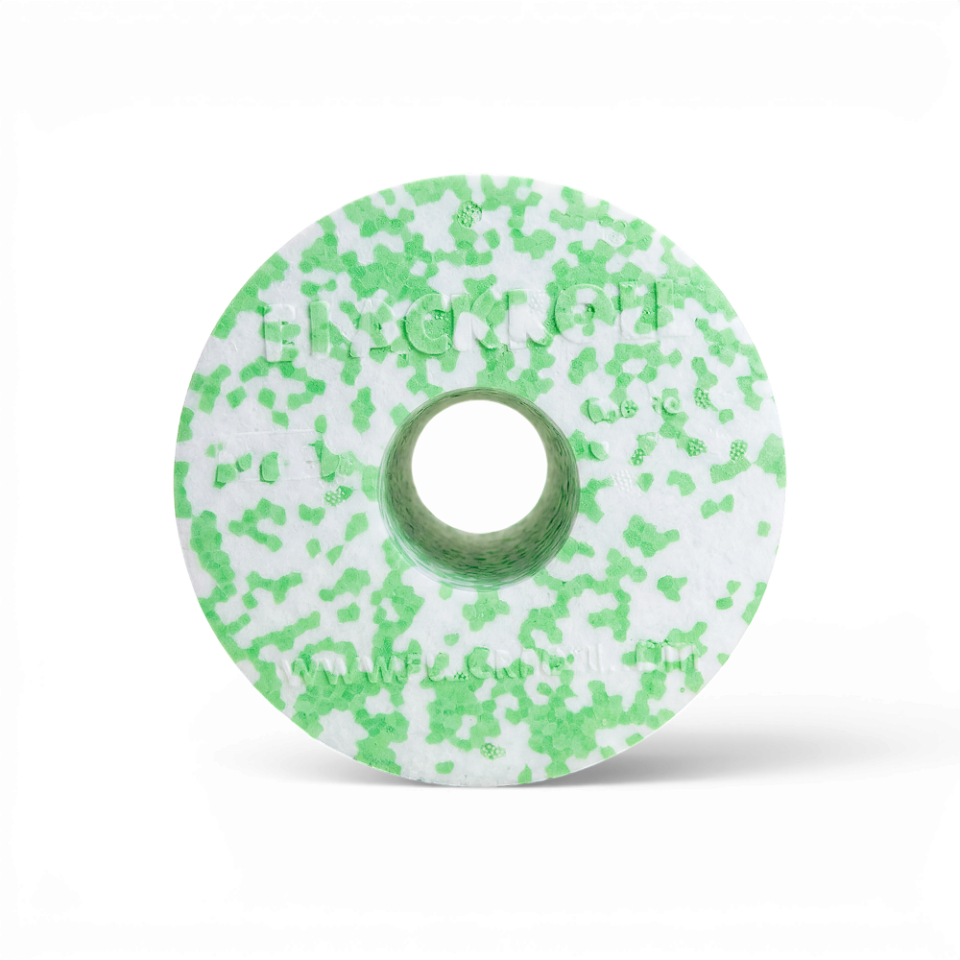
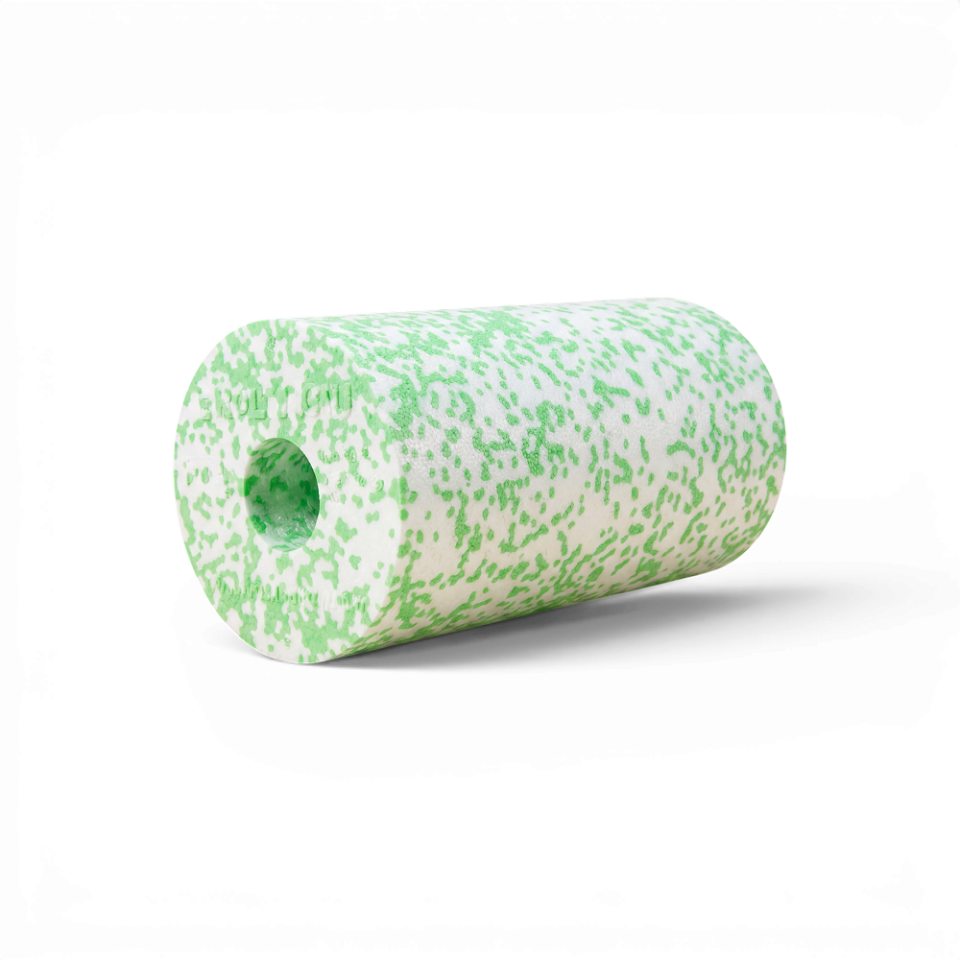
Product Inspiration for Cycle-Based Training & Recovery
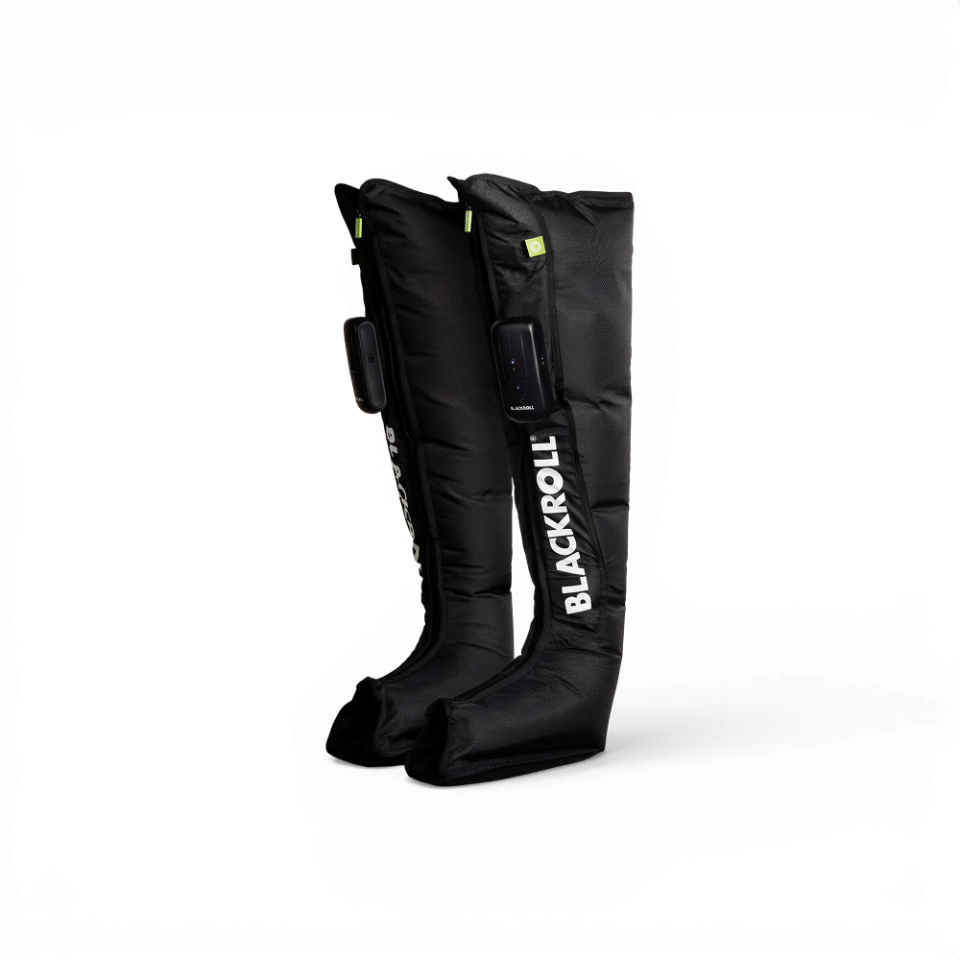
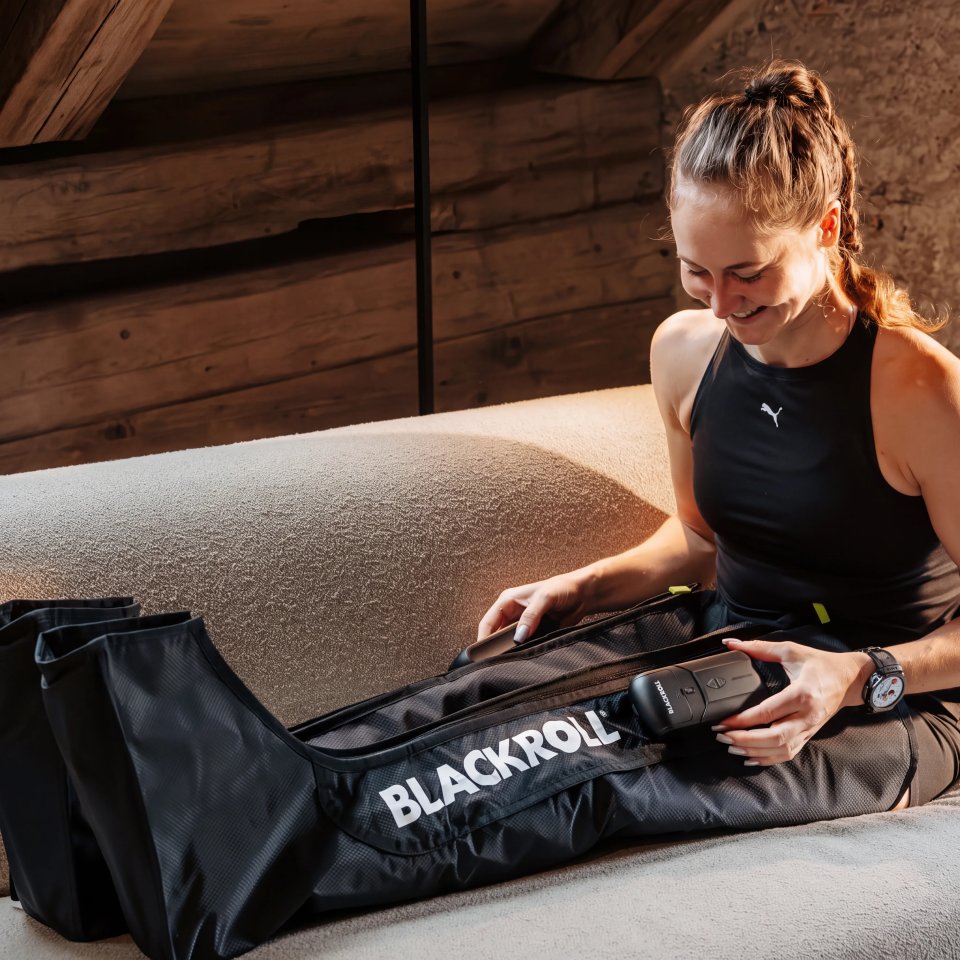
Compression Boots 2.0
Available in multiple variants
Zyklusbasiertes Training bedeutet, im Einklang mit den weiblichen Hormonen je nach Zyklusphase zu trainieren. Dazu gehört die gezielte Anpassung von Training und Bewegung je nach hormoneller Lage. Ein starres Trainingsprogramm kann an manchen Tagen im Zyklus Überforderung verursachen und das Verletzungsrisiko erhöhen. Ein zyklusorientiertes Training hingegen berücksichtigt die hormonellen Schwankungen von Östrogen und Progesteron und unterstützt Energielevel, Kraft und Regeneration:
- Follikelphase (erste Zyklushälfte): höhere Intensitäten im Training, gezielter Kraftaufbau und neue Trainingsreize.
- Lutealphase (zweite Zyklushälfte): Fokus auf Technik, moderate Ausdauereinheiten und Regeneration.
Ein Training nach Zyklusphase nutzt das Wissen um hormonelle Schwankungen für optimale Anpassungen im Körper - ein starkes Zeichen für weibliche Gesundheit: - Zyklusbasiertes Training
- Herzfrequenzvariabilität im weiblichen Zyklus
- Die wichtigsten Hormone für sportliche Leistung und Regeneration

Learn more about cycle-based training
Discover now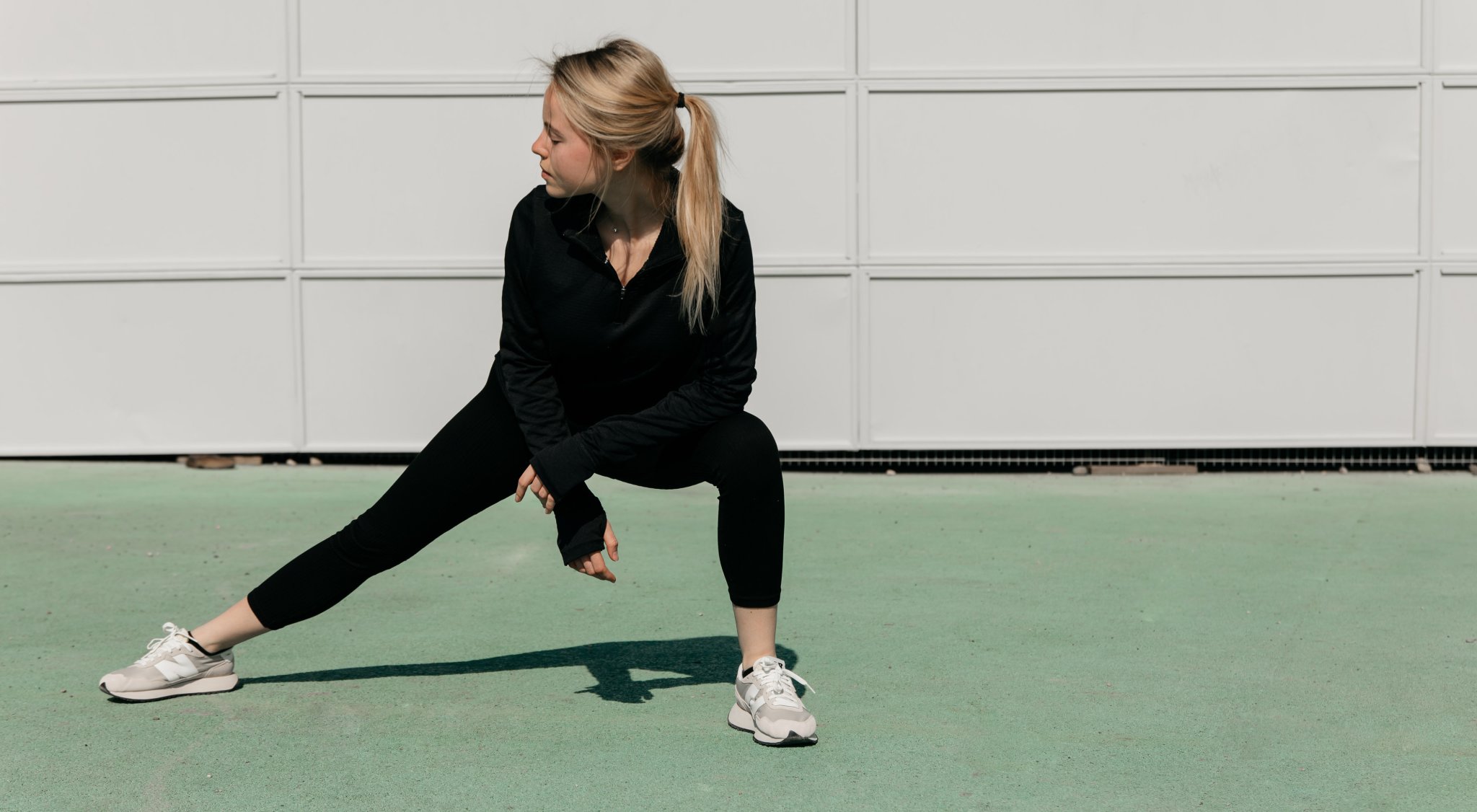
Nutrition & Recovery During Your Cycle
A cycle-based nutrition plan takes into account the hormonal changes that occur during the different phases of the menstrual cycle and illustrates how hormones, nutrients, and recovery are interconnected. These natural fluctuations affect not only performance, energy levels, and well-being, but also individual energy needs.
By specifically adjusting macro- and micronutrients, energy balance can be stabilized and both physical and mental performance optimized. Recovery and regeneration, in particular, take on central importance depending on the phase of the cycle, as hormonal fluctuations affect energy metabolism, sleep, and recovery.
For sustainable self-management and prevention, it’s worthwhile to better understand the female cycle and tailor nutrition and rest to the specific phase of the cycle.
Further resources offer in-depth insights into:
- cycle-based training
- cycle-based nutrition
- regenerative strategies for the female cycle
You might also be interested in



Pregnancy – Exercise, Nutrition & Recovery for Women
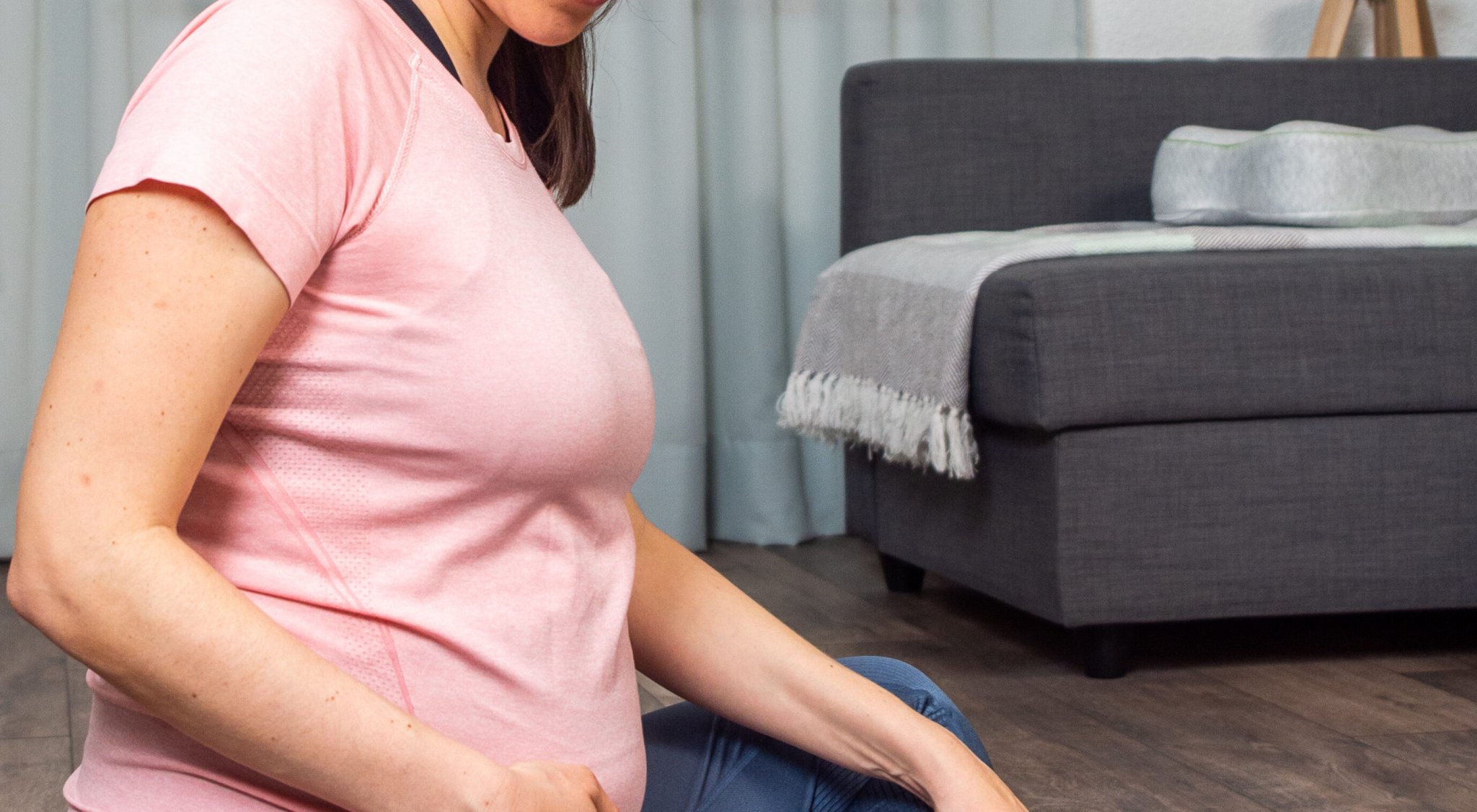
Pregnancy is a very special phase in a woman’s life and brings with it significant hormonal changes and needs that affect performance, energy, nutrition, and recovery. Women’s health during this phase of life means providing optimal support for the body and mind through exercise, nutrition, and recovery.
Exercise during and after pregnancy should be safe and individually tailored to the specific trimester. Targeted movement and strength-building exercises support the body during pregnancy and promote postpartum recovery. We debunk outdated guidelines and myths and provide evidence-based tips for the healthy and optimal care of both mother and child.
In-depth content offers, among other things, detailed insights into:
- Exercise During Pregnancy
- Exercise after pregnancy
- Nutritional needs
- Recovery & Self-Management
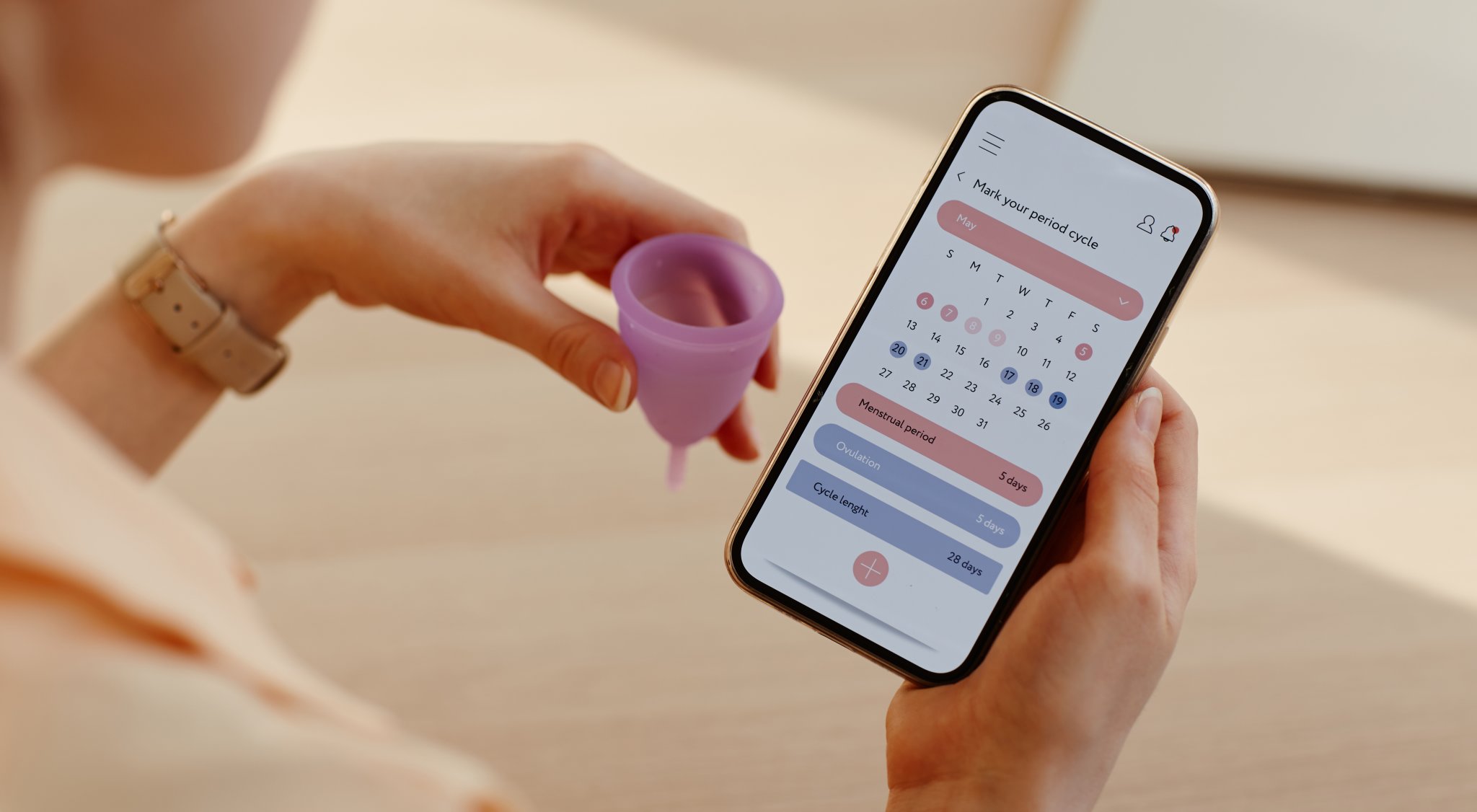
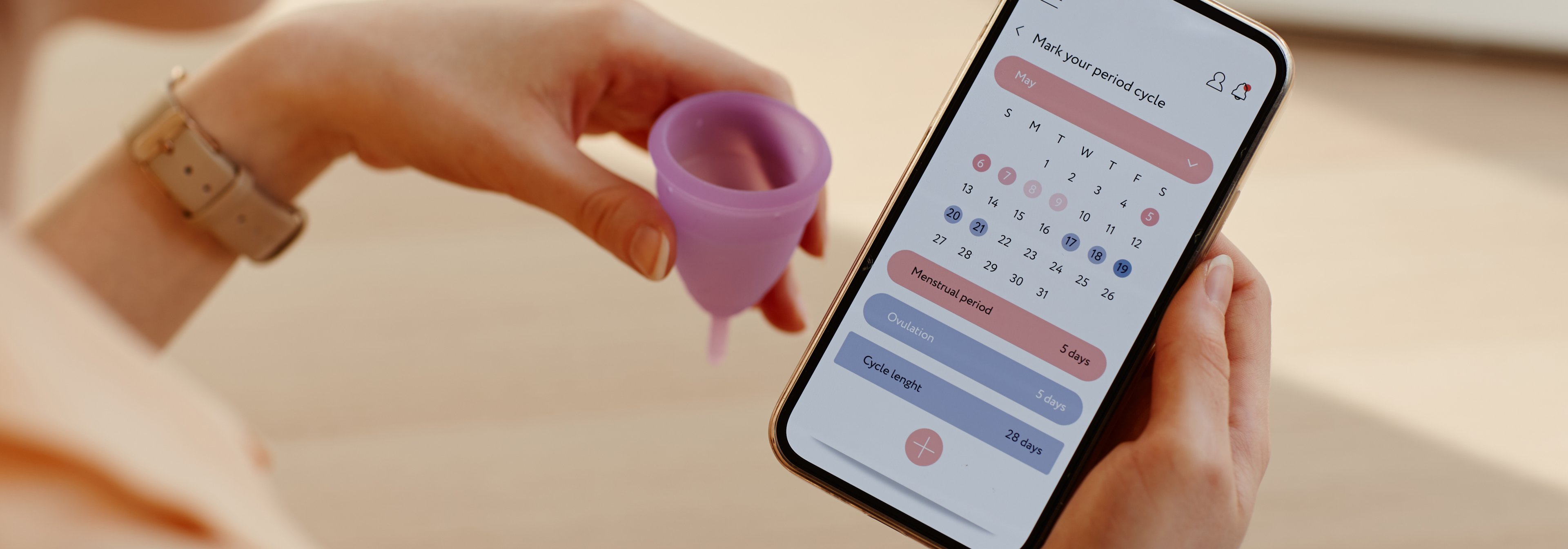
Hormonal contraception – effects on your cycle, performance, and well-being
Rund 60–70 % aller Frauen im gebärfähigen Alter nutzen hormonelle Verhütung, etwa in Form der Pille, des Pflasters, der Hormonspirale oder des Hormonstäbchens. Damit ist hormonelle Verhütung ein zentraler Faktor für die Frauengesundheit, denn sie unterdrückt den natürlichen weiblichen Zyklus und erzeugt ein künstliches Hormonprofil.
Je nach Präparat und individueller Sensibilität können hormonelle Verhütungsmittel Einfluss auf Energie, Regeneration, Wohlbefinden und sportliche Leistungsfähigkeit haben. Besonders für sportlich aktive Frauen kann eine unzureichende Energiezufuhr in Kombination mit hormoneller Verhütung zu RED-S (Relative Energy Deficiency in Sport) oder der Female Athlete Triad führen - mit Auswirkungen auf Menstruation, Knochengesundheit und Leistungsfähigkeit.
Ein grundlegendes Verständnis der hormonellen Wirkungsweisen ermöglicht es, Training, Ernährung und Regeneration gezielt anzupassen. So können Frauen ihre Leistungsfähigkeit, ihr Wohlbefinden und ihre Gesundheit trotz hormoneller Verhütung optimal unterstützen.


Menopause – Women’s Health During the Life Stage of Hormonal Changes
Menopause involves an age-related shift in the sex hormones estrogen and progesterone, typically occurring between the ages of 45 and 55. This leads to the cessation of menstruation and can cause symptoms such as hot flashes, sleep disturbances, night sweats, and mood swings. While some women experience these hormonal changes very strongly, others barely notice them.
Declining hormone levels affect both physical and mental health. During this phase, women have varying needs in terms of exercise, nutrition, and recovery.
A better understanding of hormonal dynamics enables targeted strategies to optimally support the body during this stage of life.
Further resources offer in-depth insights into:
- Exercise During Menopause
- Nutrition strategies for hormonal changes
- Recovery and self-management for women during this stage of life
Common Ailments in Women – Understanding & Relief
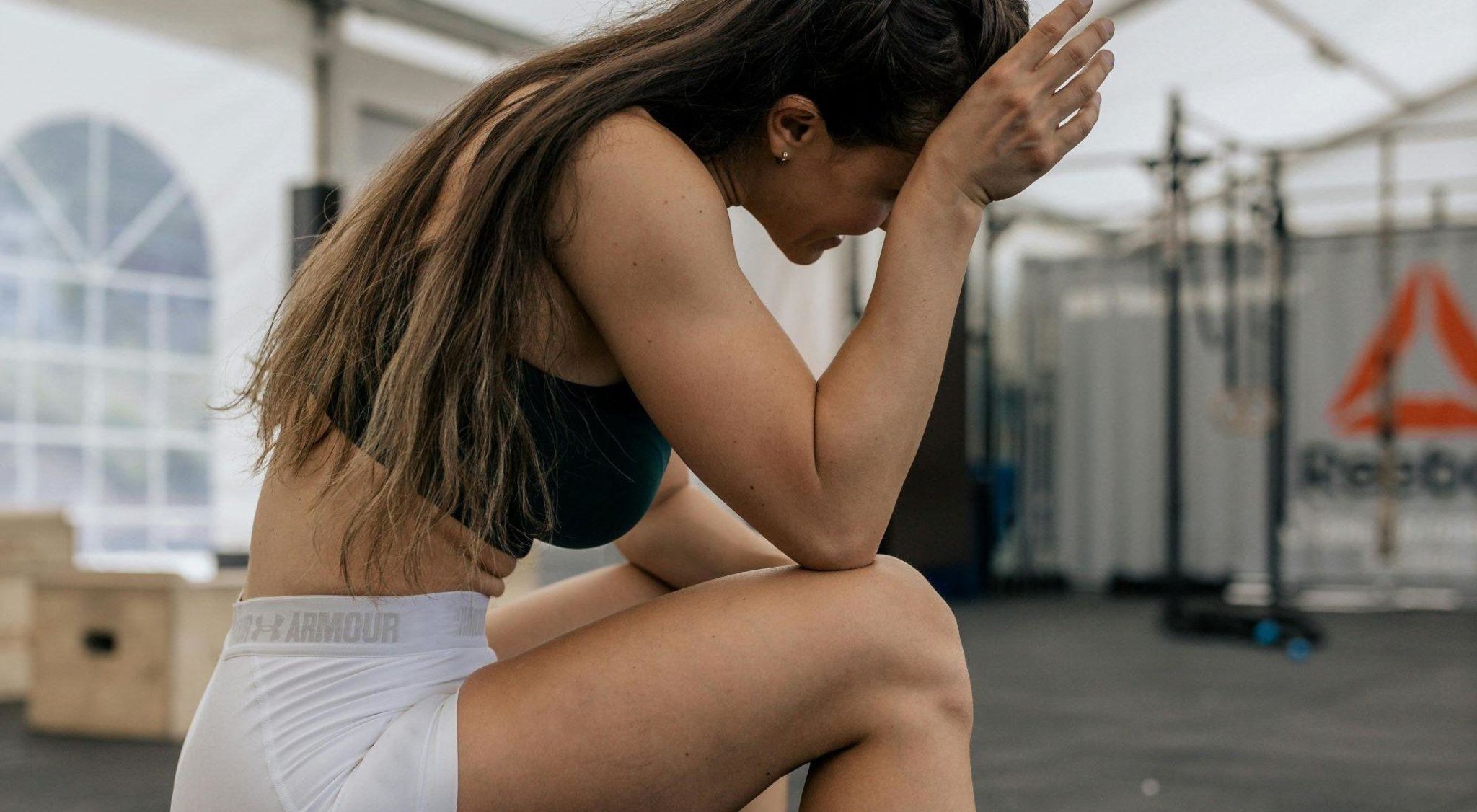
Women experience physical and psychological symptoms to varying degrees depending on their stage of life and menstrual cycle. Understanding these symptoms is the first step toward effectively managing them and supporting women’s health:
- PMS: Premenstrual syndrome causes symptoms such as mood swings, irritability, fatigue, abdominal pain, or headaches. More than 150 symptoms can occur, particularly during the second phase of the menstrual cycle. In a more severe form, premenstrual dysphoric disorder (PMDD), depressive moods and depression may even occur.
- Abdominal pain: Shortly before and during menstruation, pulling pains in the lower abdomen or cramps can interfere with daily life and limit performance and well-being.
- Venous insufficiency: Hormones such as progesterone and estrogen can affect the elasticity of vein walls and cause the tissue to loosen. This can contribute to the development of venous insufficiency.
- Pelvic floor problems: Pelvic floor weakness can develop during or after pregnancy, due to aging, or as a result of overexertion during exercise. Typical consequences include urinary incontinence—that is, involuntary urine leakage when coughing, laughing, sneezing, or exercising.
- Back pain & tension: Tension in the upper and lower back, as well as in the shoulder and neck area, often occurs in relation to the menstrual cycle, depending on hormonal levels.


Heat, Exercise & Self-Care – What Can Help Women
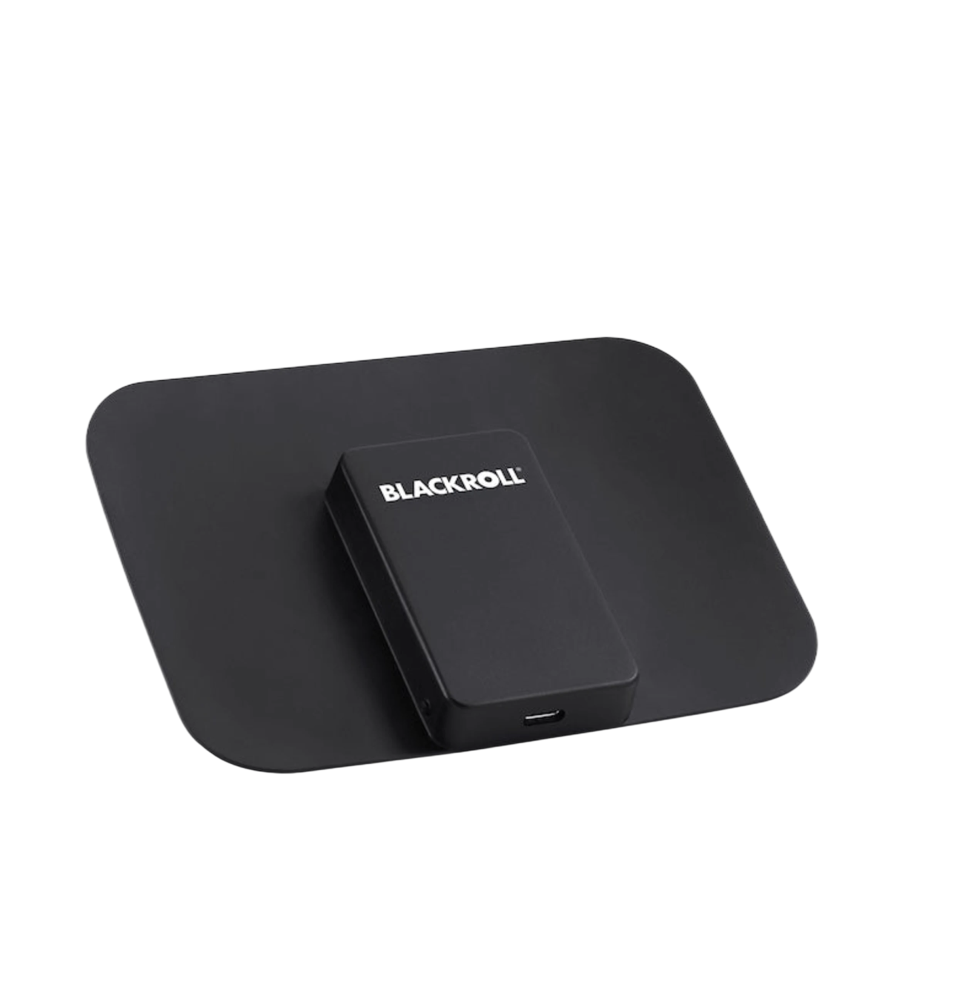
Heat is a natural and effective way to relieve pain in women. Heat therapy stimulates blood circulation, supports the transport of nutrients, and has a positive effect on our recovery. Heat and exercise can have particularly positive effects on cycle-related symptoms. Heat relaxes tense muscles and tissues and can therefore help relax the uterine muscles and reduce pain during menstrual cramps.
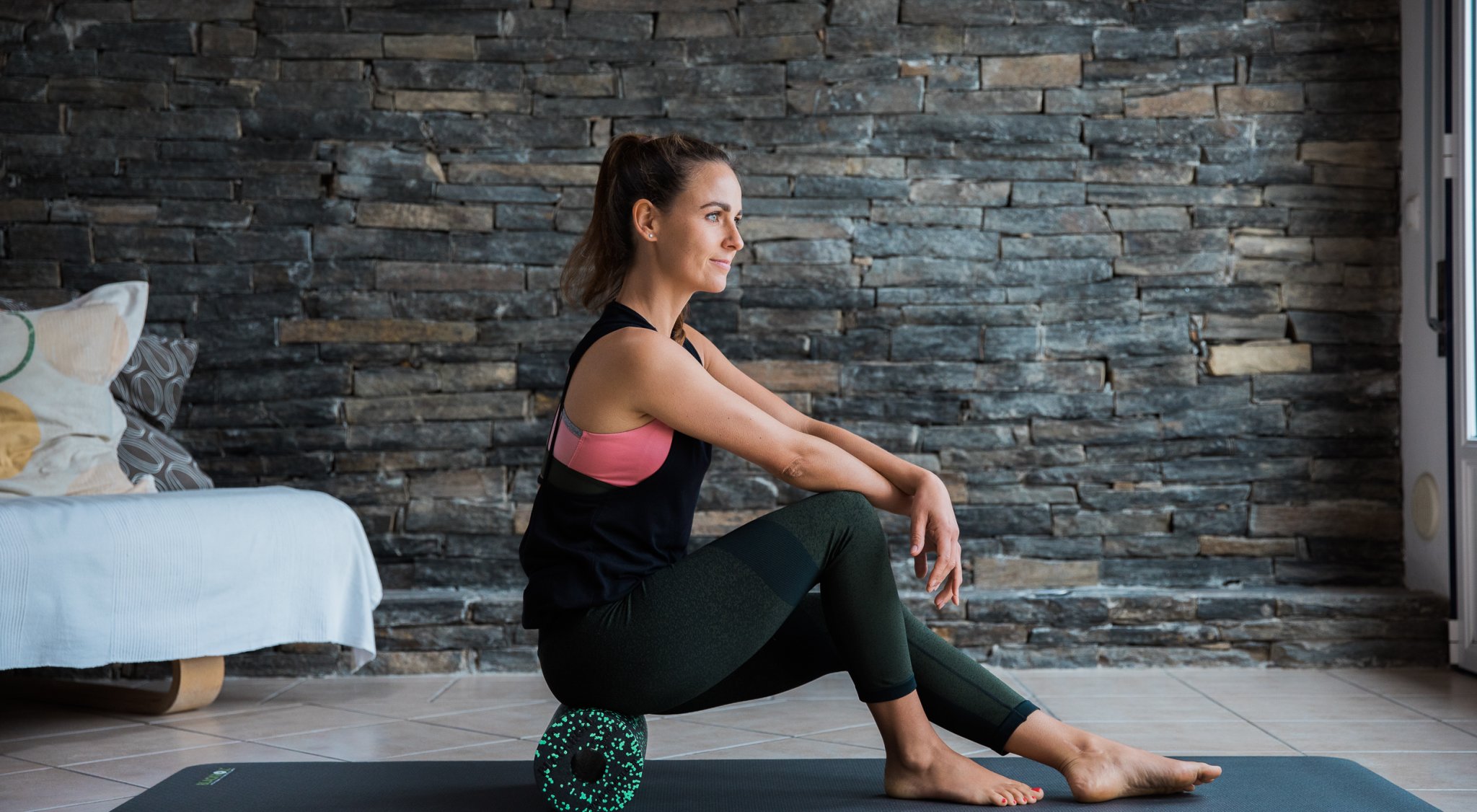
In addition to heat for pain relief, exercise plays a central role. Gentle stretching exercises, mobilization, or myofascial techniques—such as fascia training with rollers or balls—target and release tension while promoting blood circulation.
Through targeted self-care, women can actively support their recovery: exercise and fascia work reduce pain, improve mobility, and enhance body awareness—which is particularly relevant for women’s well-being depending on the phase of their cycle.

Women’s Health at BLACKROLL – A Holistic Approach
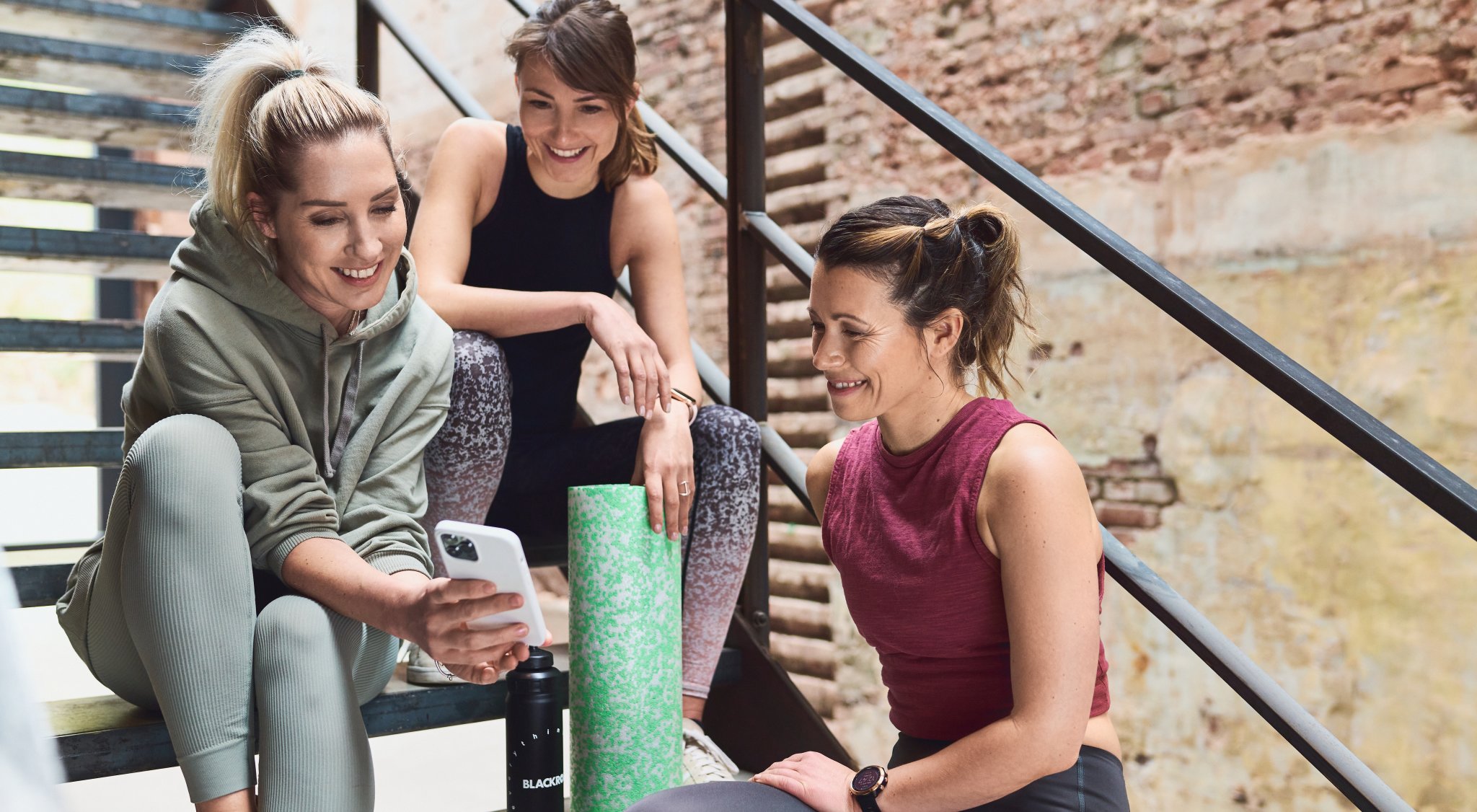
At BLACKROLL, we view women’s health as a holistic approach that combines knowledge of the female body and the menstrual cycle with practical recommendations for exercise, recovery, and nutrition. We aim to help bothwomen and men understand the unique demands of the menstrual cycle, hormonal fluctuations, and female physiology, and to develop personalized strategies for training, nutrition, and recovery in everyday life.
“Women are not small men.”— (Dr. Stacy Sims): We support the view that there should be significantly more scientific studies specifically tailored to female physiology. Women’s health should not simply be a derivative of general health recommendations based on men.
Our content is based on scientific findings and evidence-based methods: from cycle-based training and cycle-oriented nutrition to recovery strategies tailored to each phase of the cycle.
FAQs on Women’s Health
Women’s health encompasses physical, hormonal, and mental aspects—from the menstrual cycle and hormonal fluctuations to specific needs regarding recovery, nutrition, or different life stages such as pregnancy or menopause.
Yes, hormonal changes depending on the phase of the cycle can affect actual and subjective performance, metabolic status, and mental health.
The female sex hormones estrogen and progesterone are crucial for well-being, mood, sleep, and recovery needs, and they are subject to natural fluctuations throughout the menstrual cycle.
Regular exercise, a balanced diet, cycle-based training, and targeted recovery methods—such as heat and myofascial release—can positively influence typical symptoms like mood swings, fatigue, or lower abdominal pain.
Cycle-based training adjusts your workout, diet, and recovery based on your phase of the cycle and hormonal status. The goal is to train in harmony with your hormones, not against them.
A cycle-oriented diet takes into account the different hormonal needs and supports the body through an adjusted intake of micronutrients and macronutrients during the follicular and luteal phases.
Recovery is cycle-dependent: In some phases, we recover better and faster; other phases require more rest, sleep, and nutrients. Targeted recovery supports performance, well-being, and helps manage cycle-related symptoms.
Hormonal contraceptives, such as the birth control pill, interfere with the natural cycle by introducing artificial hormones. The individual effects on energy, recovery, and performance vary depending on the specific product and the person.
During menopause, estrogen and progesterone levels change, resulting in a permanent shift in hormonal balance. Symptoms such as hot flashes, sleep disturbances, or mood swings can be positively influenced through targeted exercise, nutrition, and recovery.
More interesting articles

Sources & Studies
Cabre, H. E., Gould, L. M., Redman, L. M., & Smith-Ryan, A. E. (2024). Effects of the menstrual cycle and hormonal contraceptive use on metabolic outcomes, strength performance, and recovery: A narrative review. Metabolites, 14(7), 347. https://doi.org/10.3390/metabo14070347
Elliott-Sale, K. J., McNulty, K. L., Dolan, E., Swinton, P. A., Ansdell, P., Goodall, S., Thomas, K., & Hicks, K. M. (2020). The effects of menstrual cycle phase on exercise performance in eumenorrheic women: A systematic review and meta-analysis. Sports Medicine, 50(10), 1813–1827. https://doi.org/10.1007/s40279-020-01319-3
Helm, M. M., McGinnis, G. R., & Basu, A. (2021). Impact of nutrition-based interventions on athletic performance during menstrual cycle phases: A review. International Journal of Environmental Research and Public Health, 18(12), 6294. https://doi.org/10.3390/ijerph18126294
Kirschbaum, E. M., Fischer, K., Speiser, D., Lautenbach, F., Schwenkreis, F., & Dathan-Stumpf, A. (2025). Prevalence of menstrual dysfunction and hormonal contraceptive use among elite female athletes from different sports in Germany. Sports Medicine - Open, 11(1), 49. https://doi.org/10.1186/s40798-025-00845-6
Redondo-Delgado, P., Blanco-Giménez, P., López-Ortiz, S., García-Chico, C., Vicente-Mampel, J., & Maroto-Izquierdo, S. (2025). Effects of strength training on quality of life in pregnant women: A systematic review. Acta Obstetricia et Gynecologica Scandinavica, 104(7), 1231–1243. https://doi.org/10.1111/aogs.15122
Jo, J., & Lee, S. H. (2018). Heat therapy for primary dysmenorrhea: A systematic review and meta-analysis of its effects on pain relief and quality of life. Scientific Reports, 8(1), 16252. https://doi.org/10.1038/s41598-018-34303-z
Liguori, F., Saraiello, E., & Calella, P. (2023). The impact of premenstrual syndrome and premenstrual dysphoric disorder on quality of life, and the role of physical activity. Medicina (Kaunas), 59(11), 2044. https://doi.org/10.3390/medicina59112044
Nolan, D., McNulty, K. L., Manninen, M., & Egan, B. (2024). The effect of hormonal contraceptive use on skeletal muscle hypertrophy, power, and strength adaptations to resistance exercise training: A systematic review and multilevel meta-analysis. Sports Medicine, 54(1), 105–125.