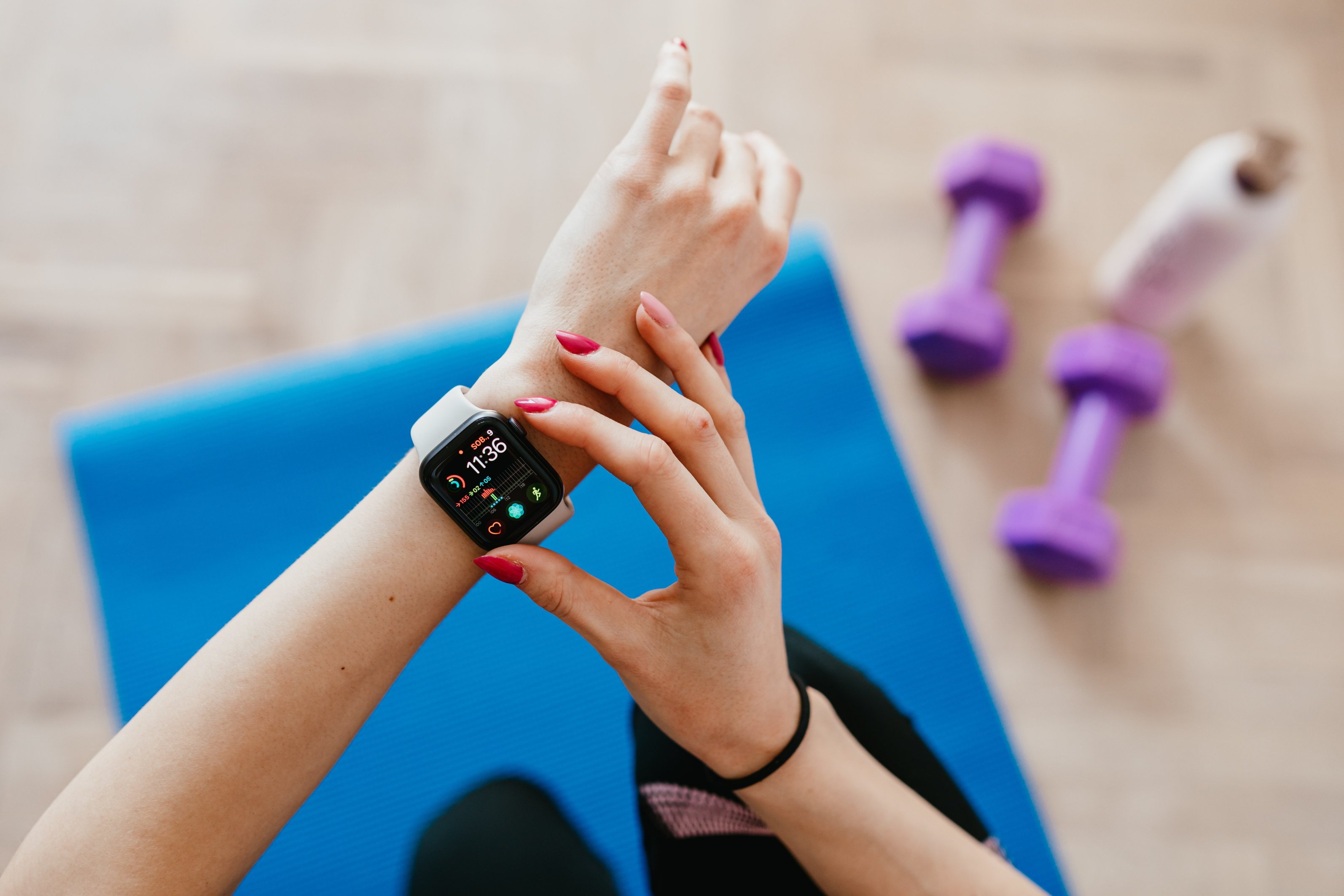
Heart Rate Variability in the Female Cycle: What You Need to Know

Heart rate variability (HRV) is an important indicator of the body’s ability to adapt to stress and physical strain, and it plays a particularly valuable role in the context of the female cycle. Hormonal fluctuations that occur during the cycle can directly affect HRV and thus influence physical well-being, performance, and the body’s ability to recover. In this article, we’ll show you how heart rate variability changes during the different phases of the female cycle and provide practical tips for female athletes and women to optimize their health and performance.


The Impact of the Menstrual Cycle on HRV
Heart rate variability has long been incorporated into sports as a tool for training management. Monitoring HRV is particularly interesting for female athletes, as it provides insights into training load, stress management, and cycle-related changes. Heart rate variability, often referred to as HRV, is a sensitive indicator of how our nervous system is regulated—and it reflects the body’s ability to adapt well or poorly to stress and physical exertion.
For women in particular, another crucial factor comes into play: the menstrual cycle. We know that the menstrual cycle brings about physical and emotional changes, but it can also influence measurable physiological markers such as heart rate variability . For women who are physically active, it’s therefore worth examining a possible connection between cycle phases, hormonal fluctuations, and HRV patterns. Depending on which phase of your cycle you’re currently in as an athlete, your HRV—and thus your stress level and ability to recover—can be affected.





What is heart rate variability, and why is it particularly important for women?
The heart functions like a pump that constantly circulates blood throughout our entire body. It beats regularly—at a rate of about 60 to 100 times per minute at rest, depending on fitness level, age, or even gender. Even though it may feel that way, the heart doesn’t beat as precisely as a metronome. The interval between two heartbeats is never exactly the same—and that’s a good thing. The more variable the intervals and fluctuations, the more adaptable your heart is. These differences in the interval between heartbeats are called heart rate variability.
HRV regulates our autonomic nervous system— that is, the balance between the sympathetic nervous system, which is responsible for performance and arousal, and the parasympathetic nervous system, which controls recovery and regeneration. A high HRV indicates an active parasympathetic nervous system and good adaptability to stress. Low HRV can indicate stress, psychological strain, or physical exhaustion, and may even provide early signs of overtraining. By the way, you can measure HRV via an ECG in a lab, with a chest strap, or using a stopwatch.
HRV is influenced by many different factors:
- Endogenous factors: Internal physical processes. These include stress, sleep quality, infections, or chronic inflammation, respiratory rate, and hormonal balance ( e.g., estrogen, cortisol)—all of which can influence the autonomic nervous system and, consequently, heart rate variability.
- Exogenous factors: Physical activity, diet, temperature, alcohol, nicotine, drugs, or medication use can lead to lower HRV in the short term.
- Constitutional factors such as age, gender, genetics, and fitness level also help determine the general HRV level. Well-trained athletes often exhibit elevated HRV at rest despite a low heart rate—a sign of good adaptability.
Heart rate variability is increasingly being used as an important marker in the training of athletes. Not only for assessing recovery and exertion, but also, in female athletes, for identifying cycle-related imbalances such as premenstrual syndrome (PMS). But how exactly does HRV change over the course of the female menstrual cycle—and what does that mean for training and recovery?

HRV and the Different Phases of the Cycle
The female cycle is constantly subject to hormonal fluctuations and is regulated by a complex interplay of various hormones (estrogen, progesterone, FSH, LH). Depending on the phase of the cycle, this can have a direct impact on various parameters: mood, energy levels and training load, sleep quality, pain perception, and even heart rate variability. Understanding these cycle-related fluctuations can help female athletes manage their training, recovery, and physical stress more effectively.
The average cycle lasts about 28 days and is divided into two main phases: the follicular phase and the luteal phase. Scientifically speaking, however, a more refined classification into the menstrual phase (early follicular phase), follicular phase, ovulatory phase, and luteal phase is more appropriate. Each phase is dominated by different hormones and therefore has varying effects on our autonomic nervous system.
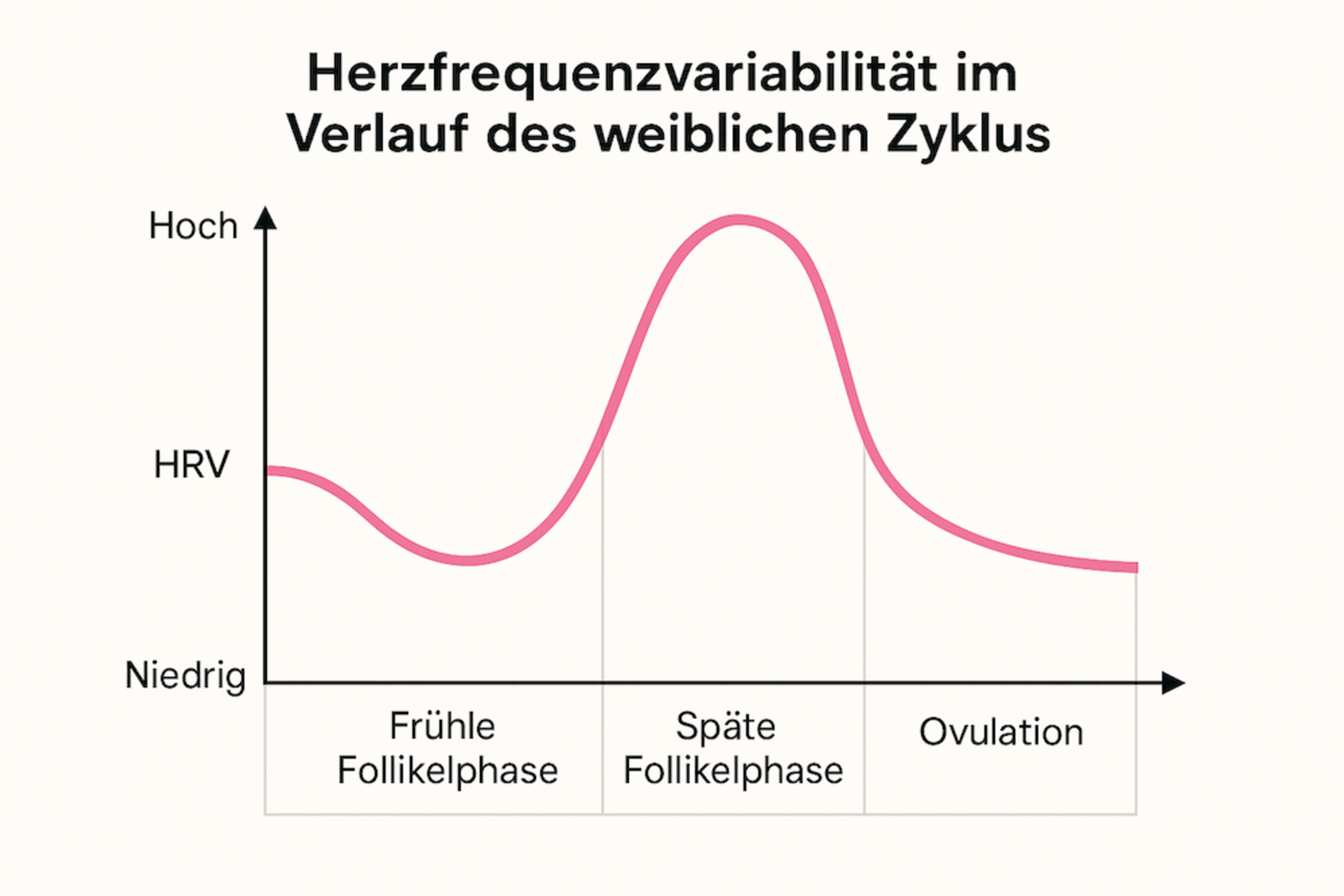
There are significant individual differences in HRV patterns throughout the cycle—but we can identify a trend: estrogen-dominant phases tend to be associated with higher HRV, while progesterone-rich and hormonally stable phases are often linked to reduced HRV. For female athletes, this knowledge can be a valuable component of individualized training and recovery management, especially when HRV measurements are taken regularly and interpreted in the context of the menstrual cycle. A sensitive approach to these natural fluctuations can not only improve the quality of training but also promote long-term health and resilience.
Here is an overview of typical HRV patterns throughout the female menstrual cycle:
HRV in the early follicular phase (menstrual days)
During the first few days of the cycle (roughly the first 3–6 days), hormone levels are low; the sex hormones estrogen and progesterone have dropped significantly. Although hormone levels are low, the female body is particularly active during this phase: The uterine lining is shed, the uterus contracts, and many women report increased fatigue, cramps, and a greater need for rest. This can lead to reduced energy levels and increased stress—meaning that even with a consistent training load, recovery is often slowed.
HRV reflects this state: Studies show that HRV tends to be lower in the early follicular phase, which is attributable to high activity of the sympathetic nervous system (Leicht et al., 2021). This underscores the importance of being mindful of your body, training, and recovery during this phase of the cycle—especially for female athletes with a high training load.
HRV in the Late Follicular Phase (Preovulatory)
Over the next 7–10 days, estrogen levels rise and HRV often improves noticeably. Estrogen activates the parasympathetic nervous system, which can have a positive effect on recovery, sleep quality, and training adaptation. Many female athletes often experience this phase as the period of peak performance in their menstrual cycle. Exercise tolerance increases, recovery is significantly improved, and mental well-being is often at its most stable during this time. HRV is usually at its highest during this phase.
HRV Around Ovulation
During this brief phase (usually 1–3 days), individual differences are particularly pronounced. While some studies continue to observe high HRV —presumably due to the parasympathetic effects of estrogen dominance—others point to increasing sympathetic activity.
These fluctuations are also evident in cycle-based training: Some women experience their peak performance during this phase, while others notice an increased susceptibility to injury (see article on the increased prevalence of cruciate ligament tears in women) or muscular instability, possibly due to hormonal effects on connective tissue, coordination, or neuromuscular control.
HRV in the Second Half of the Cycle (Luteal Phase)
The luteal phase lasts about 10 to 16 days and is perceived by many female athletes as particularly challenging. After ovulation, progesterone levels rise significantly—leading to an increased core body temperature, higher energy expenditure, and greater fatigue. At the same time, exercise tolerance decreases noticeably.
Heart rate variability (HRV) is usually lower during this phase than in the preceding phases of the cycle. In the days leading up to menstruation, both progesterone and estrogen levels drop sharply. This hormonal “withdrawal” can manifest as a further decrease in HRV, sleep disturbances, mood swings, and an increased perception of stress. A significantly reduced HRV is frequently observed, particularly in cases of PMS symptoms. In the next chapter, we will therefore take a closer look at how HRV changes during PMS and what effects this can have on well-being and exercise.
Heart Rate Variability and Premenstrual Syndrome
Premenstrual syndrome (PMS) typically occurs during the late luteal phase in the days leading up to menstruation and affects an estimated 50% of menstruating women—up to 10% suffer from particularly severe forms. This phase is characterized by both psychological symptoms (irritability, depressive moods, anxiety) and physical complaints (breast tenderness, fatigue, gastrointestinal symptoms). Heart rate variability reflects this particularly well. In PMS, HRV is often significantly reduced and provides important insights into the following parameters:
- Higher stress levels
- Imbalance in the autonomic nervous system (dominant sympathetic nervous system, stress response)
- Impaired emotional regulation
- Increased irritability and reduced resilience in daily life and in sports
For female athletes with PMS in particular, the stress on the autonomic nervous system can be further exacerbated. In addition to hormonal fluctuations, external factors such as food intake, caffeine, alcohol, or medications can also temporarily influence HRV during all phases of the menstrual cycle. Of particular relevance: Overtraining or insufficient energy availability, such as in the context of RED-S (Relative Energy Deficiency in Sport), can lead to chronically reduced HRV, which is often associated with menstrual irregularities.
Several studies show that women with severe PMS have significantly lower HRV values compared to symptom-free women, especially at night or at rest. The level of HRV also correlates with the severity of PMS symptoms.
Even well-trained women, who often exhibit higher HRV at rest than untrained athletes, are more sensitive to stress and hormonal changes during the PMS phase. Since the autonomic nervous system is under particular strain during this phase, heart rate variability can be used objectively as a marker to better track physical and psychological stress during PMS. If you notice that your HRV is significantly reduced during this time for several days in a row, you can work specifically to improve your ability to recover and reduce your PMS symptoms—but how?
More Articles





Practical Tips for Supporting HFV in PMS
1. Breathing Exercises & HRV Biofeedback
Regular breathing exercises can help promote parasympathetic activity in your nervous system, thereby increasing heart rate variability. A simple method: Breathe in for 4 seconds and out for 6 seconds every day—this calms your nervous system and boosts your ability to recover. Just 5 minutes of training per day is enough to regulate your nervous system.
In addition, HRV biofeedback training can be used in a targeted manner . This involves combining breathing and relaxation exercises with real-time feedback on your HRV—for example, via an app and in conjunction with a chest strap. This allows you to see directly how your body responds to the exercises and teaches you to actively manage your physiological stress response. Incidentally, biofeedback training has already been studied in research, such as the study by Blaser et al. (2024). The results showed a clear improvement in subjective symptoms through HRV biofeedback—though without significant changes in resting HRV. It’s still worth a try, especially since the sample size in that study was quite small.
2. Prioritize Sleep
Restful, high-quality sleep is a key factor in maintaining stable heart rate variability (HRV). The shorter or more restless your night’s sleep, the lower your HRV tends to be. Factors that can help include a regular evening routine, reduced screen time before bed, and an adequate intake of magnesium.

Sleep better, live healthier—with our sleep course. Get up to a 100% refund.
Discover the online sleep course now3. Regular Exercise
Moderate endurance training, in particular, specifically stimulates the parasympathetic nervous system—the system responsible for rest and recovery. Excessive training, on the other hand, can lower heart rate variability again and put too much strain on the body. Especially if you suffer from PMS, it’s advisable to focus on gentle exercise and scale back on intense endurance workouts.
4. Cycle-Based Stress Management
During the middle and late luteal phase, plan intentional breaks, reduce the intensity of your workouts, and focus on low-impact activities: recovery training, yoga, progressive muscle relaxation, walks in the fresh air, or techniques for processing emotions (journaling, meditation) can have a positive effect on HRV.
5. Nutrition Focused on the Nervous System & Hormonal Balance
Cycle-based nutrition may seem complex—but with a few simple tricks and tips, you can provide your body with excellent support here as well (see the article on cycle-based nutrition). Make sure to include complex carbohydrates, sufficient high-quality omega-3 fatty acids, and enough B vitamins to support your nervous system. Reduce your intake of alcohol, caffeine, and sugar if your basal body temperature (BBT) is consistently low during the luteal phase.


Conclusion: HRV as an important marker of stress and recovery in the female cycle
Heart rate variability is a sensitive and valuable marker for assessing stress, recovery, and training load, especially in the context of the female menstrual cycle. We have seen that hormonal fluctuations can once again affect our entire body—specifically our heart rate variability and, consequently, our athletic performance, sleep, mood, and recovery. Especially during the second half of the menstrual cycle and when experiencing PMS symptoms, it is worthwhile to monitor HRV as an objective indicator of one’s current state of stress and recovery.
However, practical approaches are still lacking, particularly in the scientific community. The differences in heart rate variability between the phases of the menstrual cycle have not yet been conclusively proven statistically, but they do reveal clear trends that can be valuable in practice. Simple measures such as breathing exercises, cycle-based stress management, sleep optimization, and targeted nutrition can positively influence heart rate variability. Monitor your HRV regularly and, ideally, keep a diary to track when it’s elevated and when it’s lowered—to develop your optimal individual approach.


FAQs
Heart rate variability measures the intervals and fluctuations between individual heartbeats. It indicates the balance between the sympathetic and parasympathetic branches of our autonomic nervous system and shows how well the body can adapt to stressful situations.
HRV fluctuates depending on the phase of the cycle: During the follicular phase, in the first half of the cycle, HRV increases due to high estrogen levels, while in the luteal phase (after ovulation), progesterone levels can lower HRV.
In short—no. Theoretically, you can achieve high athletic performance during any phase—at least according to current scientific knowledge. However, we are currently seeing a certain trend indicating that the late follicular phase (pre-ovulatory) is generally the phase with the highest performance potential in the cycle, as HRV tends to be higher and the body is better able to recover.
Make sure you get enough high-quality sleep, focus on moderate endurance training, and do targeted relaxation exercises such as breathing exercises or meditation to support the autonomic nervous system.
In women with severe PMS, HRV is often significantly reduced, indicating an imbalance in the autonomic nervous system, higher stress levels, and reduced resilience.
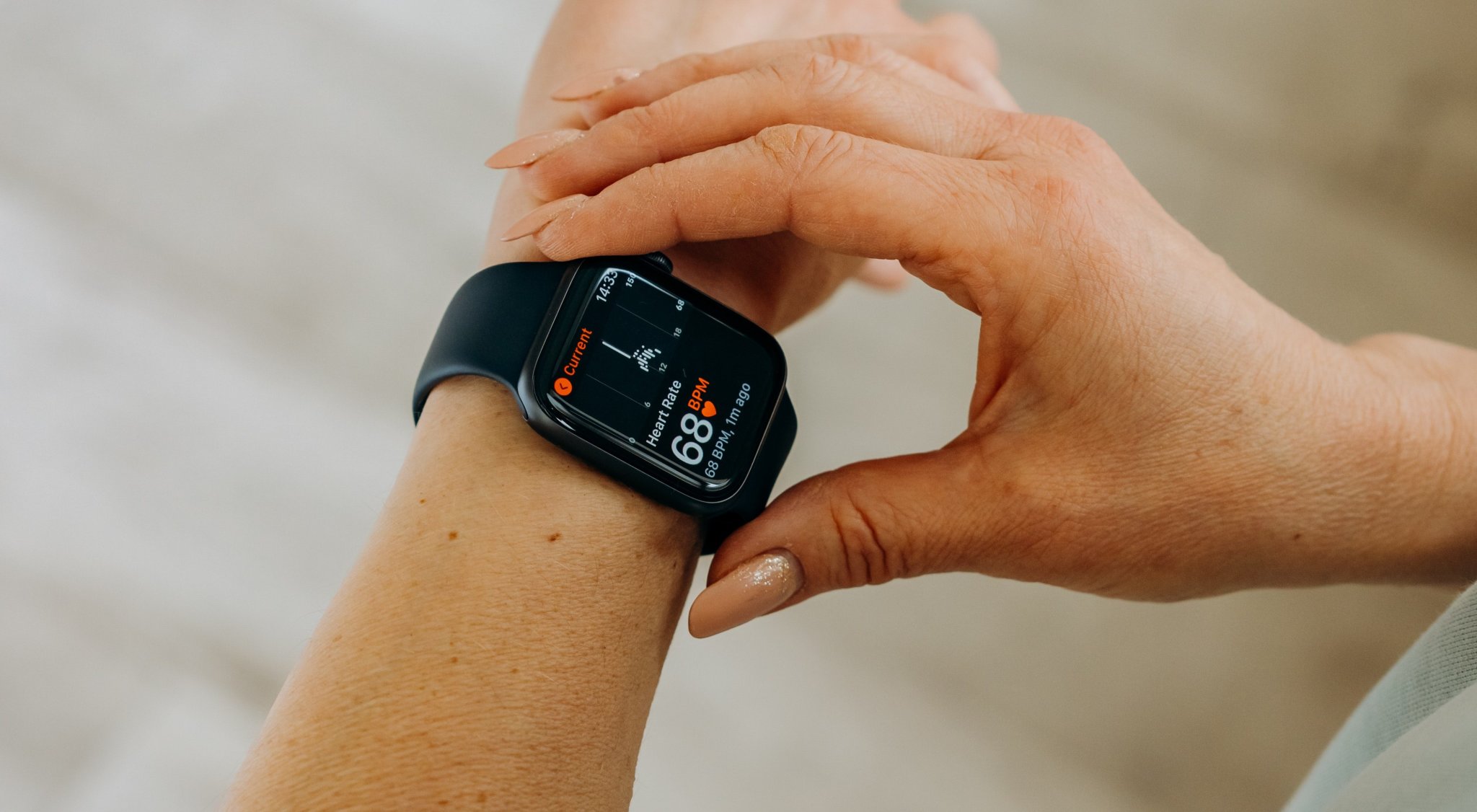
Yes, you can measure your HRV using your smartwatch, an ECG, or a chest strap in conjunction with an HRV app.
In addition to hormonal fluctuations, illness, sleep quality, diet, stress, intense training, overtraining, or medications can also influence HRV.
Training that is consciously adapted and appropriately varies in intensity depending on the phase of the cycle can positively influence HRV and maximize performance.
More Articles



Sources & Studies
Leicht, C. A., et al. (2021). Heart Rate Variability Across the Menstrual Cycle in Athletes: A Pilot Study. Journal of Sports Science & Medicine.
Blaser, P., et al. (2024). Effects of Estrogen on Heart Rate Variability in Female Athletes: Implications for Performance and Recovery. European Journal of Applied Physiology.
Kumar, S., et al. (2022). Heart Rate Variability and Premenstrual Syndrome: A Cross-Sectional Study of Women with and without PMS. Journal of Women's Health.
Sato, A., et al. (2023). Effects of the Menstrual Cycle on Heart Rate Variability and Recovery in Athletes: A Longitudinal Study. Sports Medicine.
Blumer, L., et al. (2020). HRV Biofeedback and Breathing Exercises: A Pilot Study on Stress Management in Women with Premenstrual Syndrome. Journal of Behavioral Medicine.
Ramesh, S., James, M. T., Holroyd-Leduc, J. M., Wilton, S. B., Sola, D. Y., & Ahmed, S. B. Heart Rate Variability as a Function of Menopausal Status, Menstrual Cycle Phase, and Estradiol Level.
Rael, B., Alfaro-Magallanes, V. M., Romero-Parra, N., Castro, E. A., Cupeiro, R., Janse de Jonge, X. A. K., Wehrwein, E. A., & Peinado, A. B. The Influence of Menstrual Cycle Phases on Cardiorespiratory Response to Exercise in Endurance-Trained Women.