
Muscle Fiber Tear: Causes, Symptoms, Treatment

A muscle fiber tear—also known as a muscle bundle tear in the case of deeper tears—is one of the most common sports injuries and is primarily caused by sudden movements. The prognosis for recovery is good, but those affected should remain active after the acute phase to support the muscle’s healing process. In our article, you’ll learn everything about symptoms, diagnosis, treatment, and prevention.


Overview of Muscle Fiber Tears
Muscles consist of individual muscle fibers, which in turn form bundles of fibers that make up muscle strands and the entire muscle. If the muscle is overloaded, the muscle fibers initially overstretch (muscle strain), but can also tear under greater stress. This usually occurs at the junction between the muscle and the tendon. Not only muscle cells, but often blood vessels, nerve fibers, and connective tissue can also be damaged by the tear.
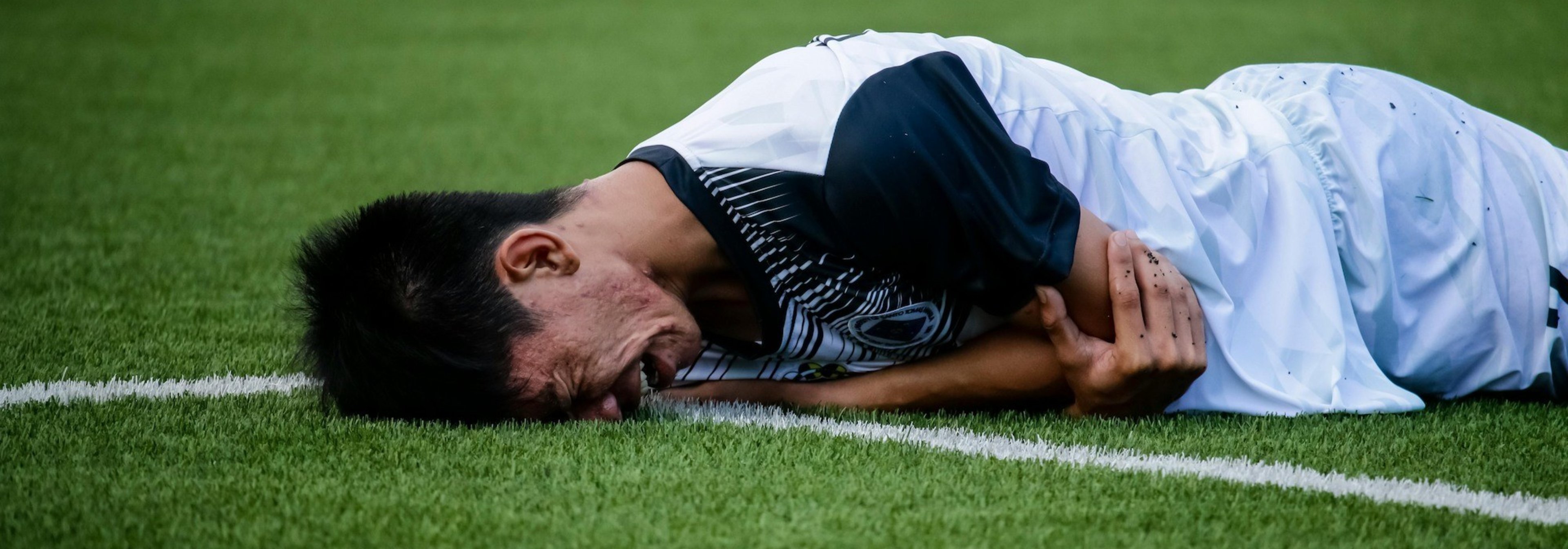
The injury usually occurs suddenly and is accompanied by severe pain. In about 90 percent of people, the muscles at the back of the thigh (the so-called hamstrings) are affected by a muscle fiber tear, followed by the calf muscles . The cause is particularly the practice of sports involving rapid movements, such as soccer, tennis, handball, rugby, skiing, or track and field.
Muscle fiber tears vary in severity: from mild strains, in which only a few fibers are affected, to more severe tears that affect the entire muscle. Such a tear impairs muscle function and, depending on the severity, requires appropriate treatment and rehabilitation.
Although healing from a muscle fiber tear takes several weeks, the injury usually heals on its own without any lasting effects. Those affected should take a break from sports for approximately two to eight weeks.

Recovery Blanket Summer
Available in multiple variants

Causes and Risk Factors
Muscle fiber tears are usually caused by a sudden, unusual strain on the muscle. Typical causes include explosive running and twisting movements, such as sprints, jumps, or abrupt changes in direction. Athletes who do not warm up their muscles sufficiently or who overexert themselvesare particularly at risk . Inadequate stretching before training can also increase the risk.
In addition, factors such as muscle fatigue, insufficient recovery, infections, cold, nutrient deficiencies, or muscular imbalances can also increase the risk of a muscle fiber tear. If the individual has previously suffered muscle injuries or sprains, the risk of sustaining a muscle fiber tear also increases. Age also plays a role, as muscle elasticity decreases with age, thereby increasing the risk of injury.



Symptoms and Diagnosis
A muscle fiber tear is characterized by sudden, stabbing pain, like needle pricks, in the affected muscle. Often, a “pop” or “snap” can be felt and heard, followed by intense pain that makes any further movement nearly impossible. In many cases, swelling, a dent, or hardening of the muscle occurs, and sometimes bruising (hematomas) as well.
A muscle fiber tear is typically diagnosed through a medical history and a physical examination, during which the doctor checks the affected muscle for tenderness and functional limitations. Doctors usually recognize the injury based on its typical symptoms. The physical examination reveals whether there is swelling or a gap in the tissue, which may indicate a tear of the entire muscle.
Swelling and tears in the muscle are usually clearly visible on an ultrasound. In some cases, an ultrasound or an MRI may be useful to determine the exact extent of the injury.


First Aid Measures
Following first aid measures for a muscle strain can minimize the severity of the injury. The RICE method (Rest, Ice, Compression, Elevation) is crucial here:
- Rest: Immediately stop the athletic activity to protect the muscle.
- Ice: Cool the affected area to reduce swelling and pain.
- Compression: Apply a compression bandage to reduce swelling.
- Elevation: Elevate the injured area to reduce blood flow.
Those affected should take these immediate measures right after the injury to minimize bruising and reduce pain.

Treatment Options and Therapeutic Approaches
Treatment for a muscle fiber tear depends on the severity of the injury. In most cases, conservative therapy is sufficient. This includes rest, cooling, compression, and elevation. Pain relievers or anti-inflammatory medications can help alleviate symptoms. However, they should be taken for no longer than one week. Bandages or taping are also used to treat a muscle fiber tear; in taping, an elastic adhesive tape (Kinesio tape) is applied to reduce tension in the muscle.
After a muscle fiber tear, scar tissue forms at the injured site as part of the healing process. New blood vessels grow into the affected area, allowing the muscle to regenerate. By resting the muscle sufficiently, those affected can support this healing process, as muscle contractions could cause the tissue to tear apart prematurely if the muscle is stressed too soon.
After the acute phase, patients typically begin physical therapy to rebuild muscle strength and improve mobility. In rare cases, particularly with severe tears, surgical treatment may be necessary to repair the muscle and restore its full function.


When to See a Doctor
People with a muscle fiber tear should always take it seriously. If the pain does not subside after a few days or even worsens, or if there is significant swelling, bruising, or a substantial limitation of mobility, it is advisable to see an orthopedic surgeon.
It is also important to see a doctor if similar injuries recur after a muscle strain, as this may indicate an underlying issue that requires specialized treatment.
Overall, it is important to listen to your body and seek professional help if you suspect a muscle strain in order to prevent long-term damage and ensure a quick return to normal activities.
Rehabilitation and Physical Therapy
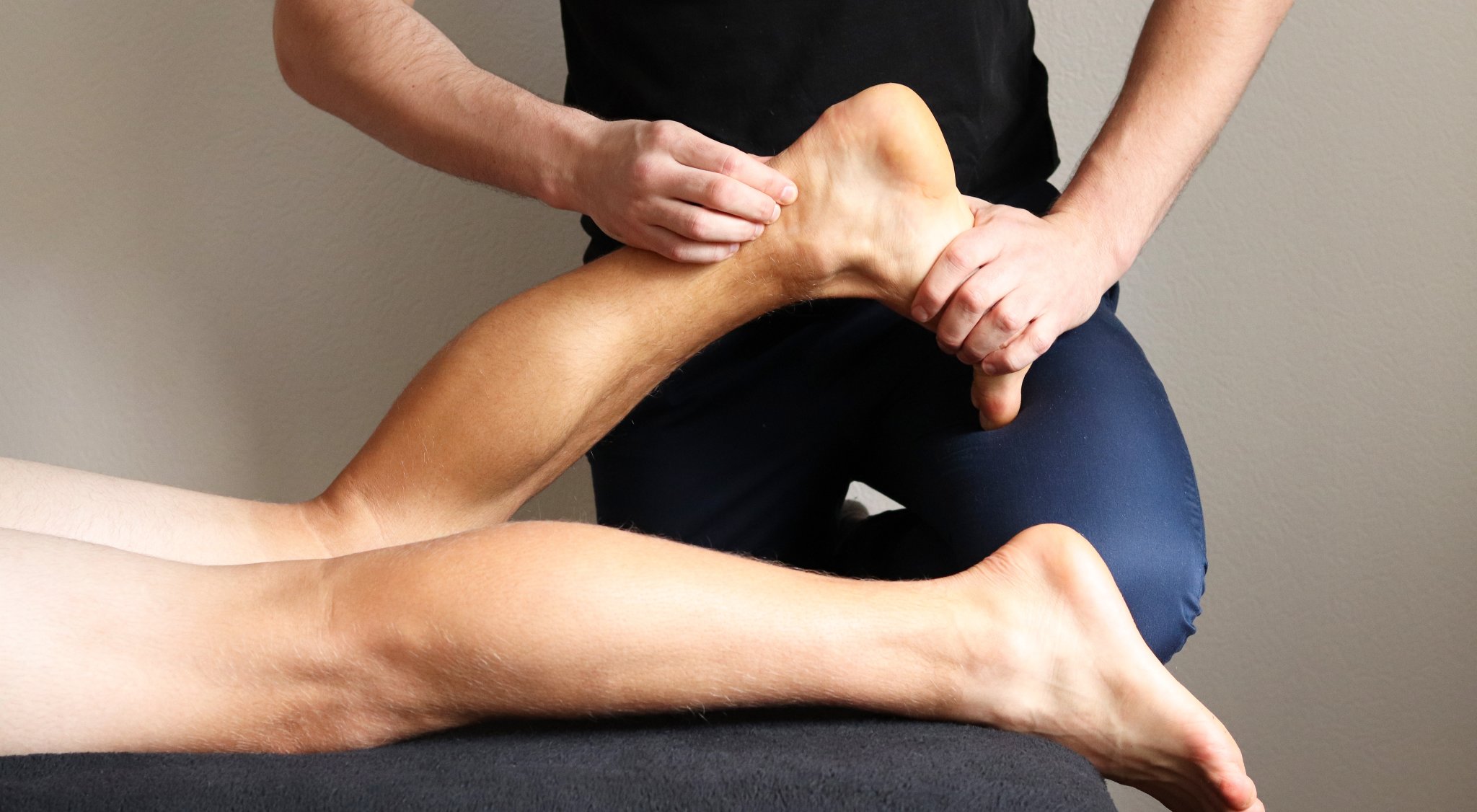
Rehabilitation following a muscle strain is crucial for restoring the muscle’s full function. Physical therapy plays a central role in this process, as it is specifically tailored to the patient’s needs and promotes healing through techniques such as massage and targeted exercises. It begins with gentle stretching and mobility exercises to improve range of motion without overloading the muscle.
As treatment progresses, strengthening exercises are introduced to support muscle rebuilding. Important: Patients should increase the intensity of the exercises gradually and tailor them to the healing process. This is because starting training too early or making it too intense can increase the risk of re-injury.
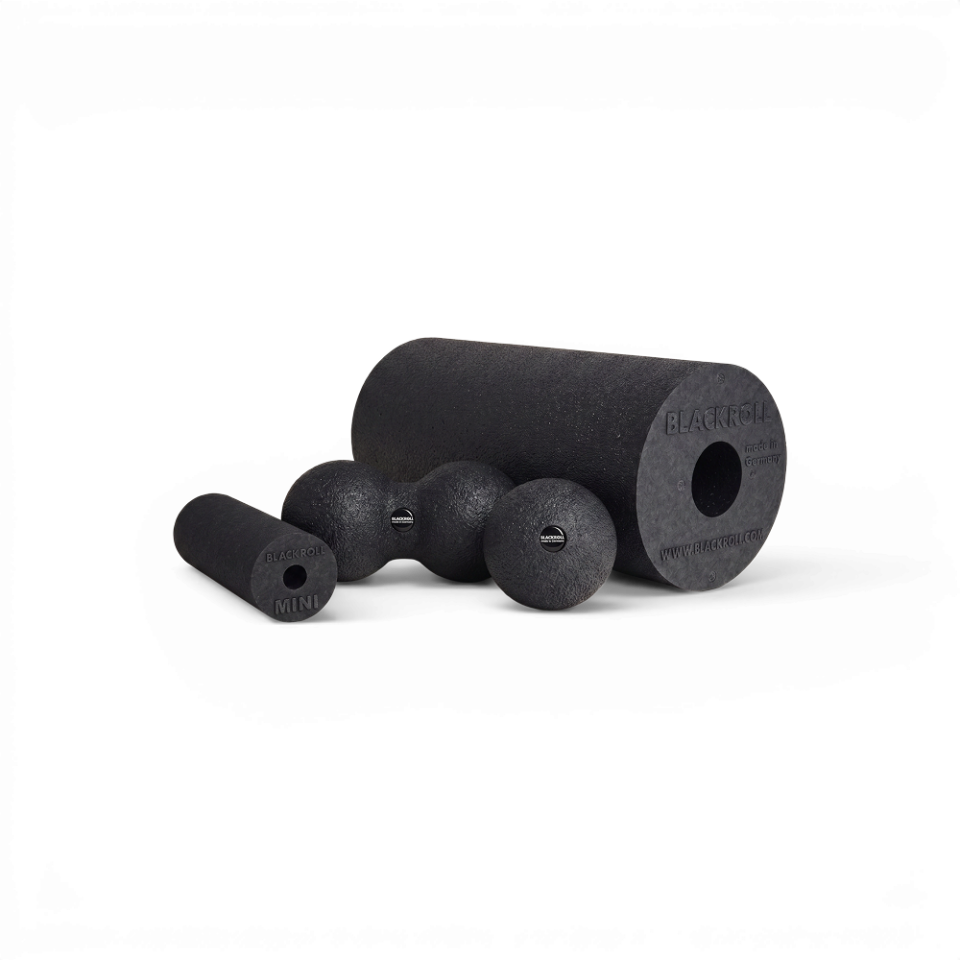
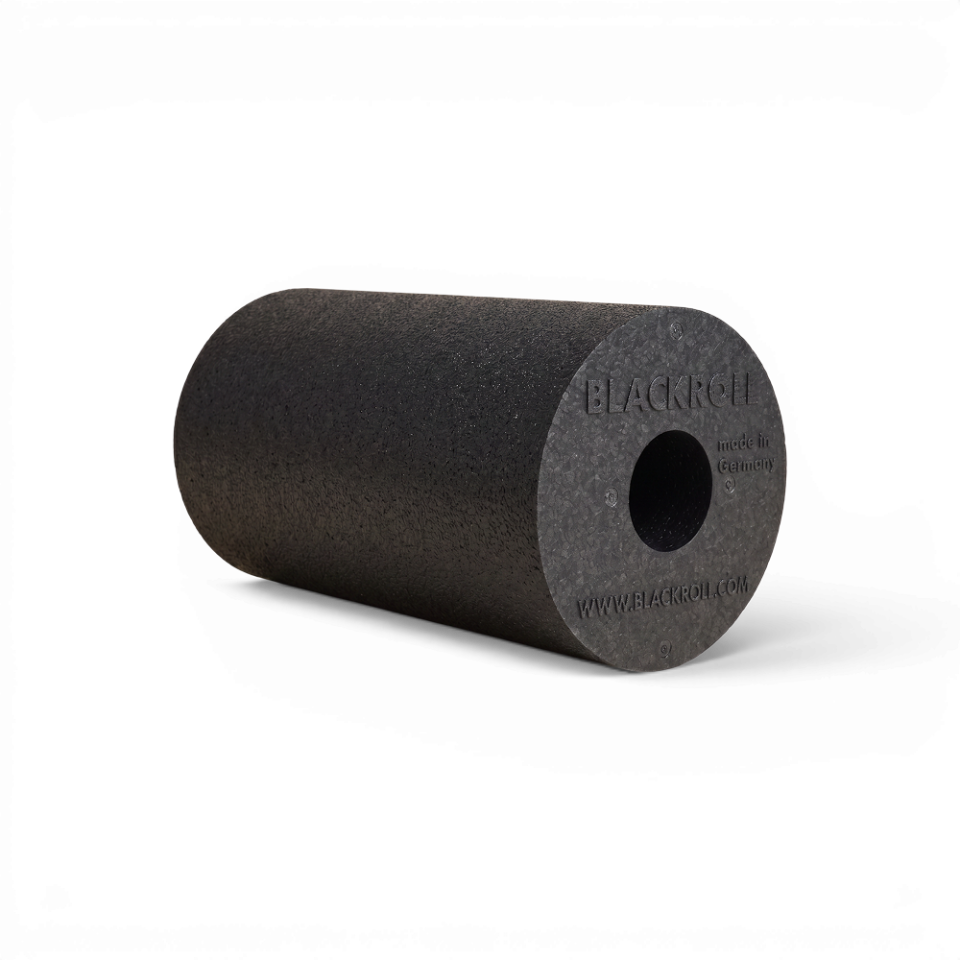
Once the acute phase is over, those affected should ideally incorporate fascia training into their treatment plan, as a torn muscle fiber can lead to adhesions in the fascia. At BLACKROLL, you’ll find suitable fascia roller exercises for the legs.
Preventive Exercises





Preventing Complications
A torn muscle fiber can lead to complications if not treated properly. These include chronic pain or permanent weakness in the affected muscle. To avoid this, those affected should not rush the healing process and should strictly adhere to the recommended rehabilitation program.
Recurrent muscle fiber tears are not uncommon, especially if the muscles are not sufficiently strengthened or if physical activity is resumed too soon. The exercise and sports program following the injury should therefore always be discussed with the treating physician and physical therapist to minimize the risk of complications.


Tips for Pain Relief
In addition to traditional measures such as icing and rest, other measures can also help relieve pain from a muscle strain:
Gentle stretching: After the acute phase, gentle stretching exercises can help improve blood circulation and speed up the healing process.
Heat therapy: After the first few days, heat helps relax the muscles and relieve pain.
Massage: Light massage can improve blood circulation and relieve muscle tension.
Pain medication: In consultation with a doctor, those affected can take pain relievers and anti-inflammatory medications.


Prevention of Muscle Strains
To prevent muscle fiber tears,athletes shouldmake sure to incorporate regular warm-ups and stretchinginto their training plan before every athletic activity. After all, a well-warmed-up muscle is more elastic and better able to withstand sudden stress.
A balanced approach to muscle strengthening and stretching to prevent imbalances is also important. Targeted strength training plays a major role here. It is equally important to listen to your body’s signals and take breaks in a timely manner when you feel fatigued or overworked.
A healthy diet and adequate hydration further support muscle health.


FAQ
Useful information
A muscle fiber tear is an injury in which one or more muscle fibers within a muscle tear. This injury usually occurs due to sudden, intense strain, such as during sprinting, jumping, or abrupt changes in direction during sports. The excessive stretching exceeds the elastic limit of the muscle fibers, leading to a tear. The main causes are often inadequate warm-ups, muscle fatigue, increasing training intensity too quickly, or muscular imbalances. External factors such as cold weather and previous muscle injuries also increase the risk.
A muscle fiber tear manifests as sudden, sharp pain in the affected muscle, often accompanied by an audible snap or pop. The pain is intense and often makes further movement impossible. Typical accompanying symptoms include swelling, stiffness, and sometimes bruising at the affected site. The muscle’s range of motion is significantly limited, and even minimal strain intensifies the pain. An accurate diagnosis by a doctor, often supported by ultrasound or MRI, is important to determine the extent of the injury.
A muscle fiber tear is typically diagnosed through a combination of a medical history—during which the doctor asks about the circumstances leading to the injury—and a physical examination of the affected muscle. The doctor assesses pain sensitivity and range of motion and may be able to detect a gap in the tissue by palpation, which indicates a tear. To confirm the diagnosis, imaging techniques such as ultrasound or MRI are used to visualize the tear and the extent of the injury and to determine the appropriate treatment.
Treatment for a muscle fiber tear depends on the severity of the injury. In most cases, conservative therapy is sufficient, consisting of rest, ice, compression, and elevation (the RICE method). Pain relievers or anti-inflammatory medications such as ibuprofen may also be used. After the acute phase, rehabilitation begins with physical therapy to gradually rebuild muscle strength and promote mobility. In rare cases involving severe tears, surgical treatment may be necessary to repair the muscle and restore its function.
Depending on the severity and individual predisposition, a muscle fiber tear takes about two to eight weeks to heal. During this time, it is important to consistently rest the affected muscle so as not to jeopardize the healing process. To prevent future muscle fiber tears, regular warm-ups and stretching before exercise, balanced muscle strengthening, and an appropriate training workload are crucial. Adequate recovery between training sessions and avoiding overexertion also play an important role in minimizing the risk of re-injury.