Runner’s knee (ITBS): symptoms, causes and treatment

Ifyou’re a runner, play football or take part in another running-intensive sportand you’re experiencing stabbing knee pain, a diagnosis of runner’s knee (ITBS) is likely.
Stabbing pain on the outside of the knee joint is typical of what’s known as runner’s knee, also called jumper’s knee or ITBS. The medical term for runner’s knee is ‘iliotibial band syndrome (ITBS)’ or ‘tractus iliotibialis syndrome’.
The pain usually starts during a run and may progress to walking. ITBS often appears when you increase the volume or intensity of your training. We recommend conventional methods such as muscle–fascia training to help manage your symptoms.
01. What is runner’s knee?
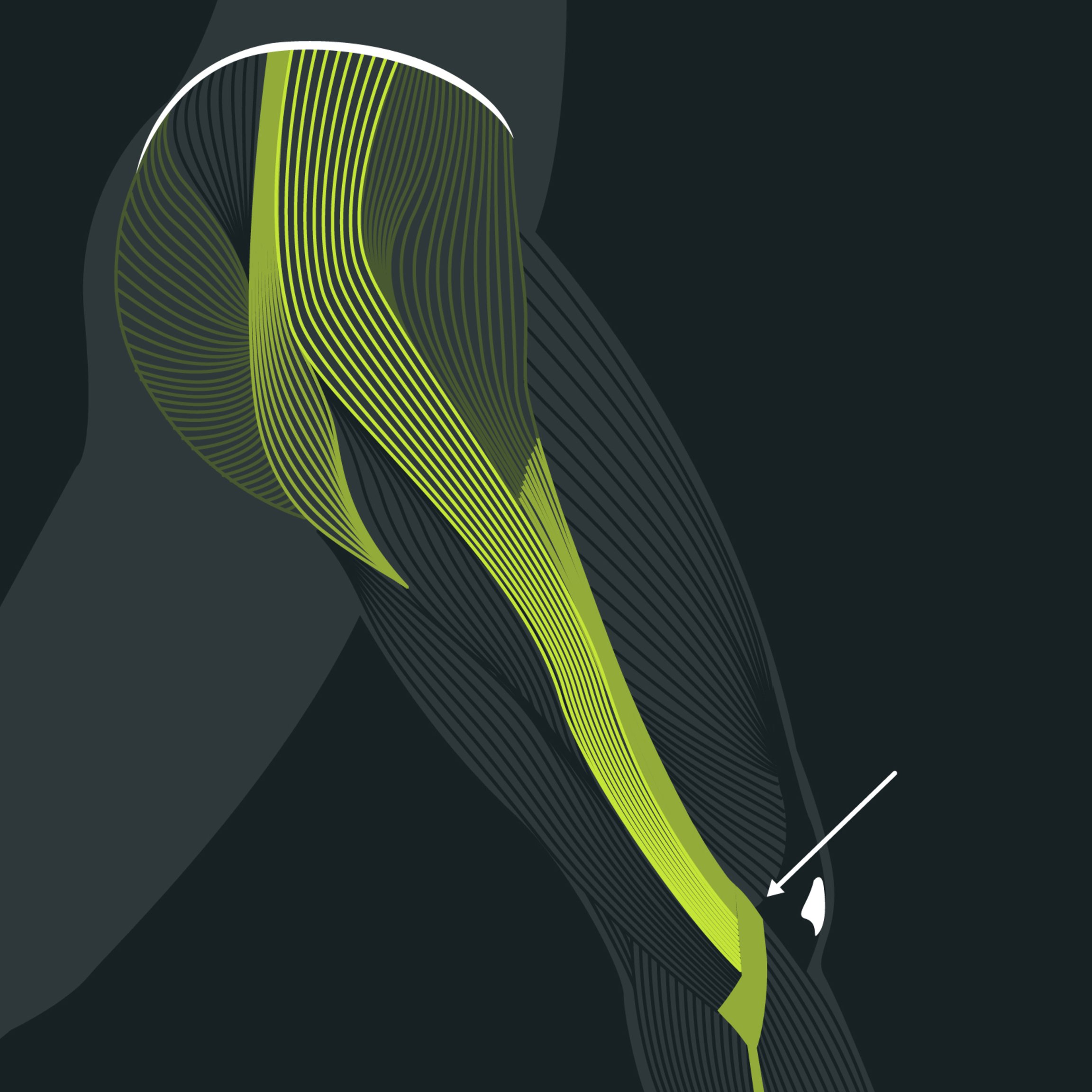
The broad, tough fascial band (iliotibial tract) is important when running because of its stabilising function for the hip and knee. It runs from the iliac crest along the side of the thigh, over the outside of the knee to the lateral condyle of the tibia below the knee and also connects the gluteal muscles to a muscle called the tensor fasciae latae. Together, they help stabilise your leg axis.
If this interaction is disrupted, unfavourable tensile stresses develop. In the case of runner’s knee, these lead to signs of overuse on the outer bony protrusion of the thigh bone. This results in the troublesome pain on the outside of the knee, known as runner’s knee.
02. What are the symptoms of runner’s knee (ITBS)?
You’ll feel a stabbing pain on the outer edge of your knee. The iliotibial tract runs from the edge of the pelvis, connecting to the gluteal muscles, down the outside of the thigh and laterally to the head of the fibula. This tough fascial structure is subjected to excessive and usually misdirected tension — making the surrounding muscles very sensitive to pressure.
Often the pain appears only after you've run a certain distance, indicating that even after treatment you're not yet fully fit and should avoid further irritation. Of course — pain is a nuisance and is associated with negative experiences. However, pain resulting from overuse conditions such as iliotibial band syndrome is an important warning sign that you should not ignore.
We recommend you seek a preliminary medical and diagnostic examination to rule out damage to the cartilage and passive structures. During this, the doctor should check for the following abnormalities:
- Swelling
- Pain during light activity and at rest
- Redness and increased local warmth
- Severe start-up pain
A professionally conducted gait analysis can also be helpful in achieving a healthy running style in the long term.
03. What causes runner’s knee?
It's an overuse injury triggered by a combination of myofascial shortening and tightness, restricted movement, strength deficits and the resulting imbalances.
Reduced mobility of the tensor fasciae latae as a cause of ITBS
The tensor fasciae latae and the gluteal muscles both insert into the ITB and pre-tension the band for its stabilising function. If the tensor fasciae latae becomes too tight (which can be caused by excessive sitting), the thigh rotates inwards and is pulled into a position of increased hip flexion. This also increases the tension across the entire iliotibial tract – resulting in increased friction on the outside of the knee. You can imagine this as a woollen cord rubbing repeatedly against a sharp stone edge. Sooner or later, irritation sets in
Lack of activity and weakness in the gluteal muscles as a cause of ITBS
Their main job is to extend the hip, keeping your body upright and aligning thighs, pelvis and upper body in a straight line. It's precisely our gluteal muscles that suffer from the seemingly comfortable conditions of constant sitting. This constant compression severely restricts both the mobility and the neuromuscular activity of these muscles. Once the gluteal muscles have weakened, they can no longer adequately maintain the balance with the tensor fasciae latae.
Inward rolling of the foot (overpronation) as a cause of ITBS
The biomechanics of the feet form the foundation of a healthy running style. Feet that roll inwards trigger a chain reaction: the knees and thighs follow suit. The iliotibial band on the outside of the thigh responds by becoming highly tense in order to stabilise the movement as effectively as possible and compensate for the inward roll of the foot.
Weak pelvic stabilisers as a cause of ITBS
Many runners show a pronounced inward roll of the lower leg, and while a slight roll is natural, excessive movement can indicate weak hip stabilisers. However, if the lower leg tilts excessively inwards, this may indicate that the pelvic stabilisers are too weak. When weakened, these muscles can no longer fulfil their role of keeping the outer thigh within a stable leg axis. This also increases the tension on the outer thigh and can lead to runner’s knee (ITBS).
When running, the lower limb chain functions as a single unit, so loosening tight calf muscles is also important for the knee: if the calves lack flexibility, the push-off phase during the running stride changes — and the load shifts upwards.
04. How long does runner’s knee last?
With targeted treatment for runner’s knee, you can quickly relieve your symptoms. However, it can take up to 12 wk for tendons, fascia and ligaments to heal completely. This is particularly important when it comes to managing your workload: increase your running distances and intensity gradually in the first few weeks, even if the runner’s knee (ITBS) appears to have disappeared and you’re pain-free. Follow our advice on rest and running shoes and do the exercises consistently to prevent and relieve runner’s knee.
05. How long should you rest?
Stick to the rest period while you work through the corrective exercises. Fresh irritation will delay long-term recovery and undo your training. Remember, your ITBS arose from the one-sided strain of running. If you return to running too soon you’ll simply go round in circles. Give your body the time it needs to recover before your runner’s knee and the pain become chronic. Take the break and you’ll usually see a rapid improvement.
06. Which running shoes/knee brace for runner’s knee (ITBS)?
A brace can help stabilise theknee and provide some relief. In some cases — and this depends both on the individual and the brace — it can lead to increased pain due to additional pressure. Try it yourself to see if a knee brace is right for you. Remember, a brace can only support; it can’t remedy the causes of runner’s knee described above.
Which running shoes should you use? It's difficult to give a general answer to this question. The choice depends on factors such as body mechanics, muscle tension, running style and running volume. Sometimes, in cases of overpronation of the foot as described above, appropriate insoles can help. In general, we recommend using the following exercises and adjusting your running style to utilise the arch of the foot and the ascending muscle-fascia chains as actively working and shock-absorbing structures, rather than relying on the bone-joint chain. This approach corresponds to a healthy barefoot running technique and effectively amounts to a recommendation for barefoot running shoes. Please note: making the transition takes time.
‘Runner’s knee — one of the most common diagnoses for knee pain — can be effectively treated through regulatory measures and adjustments to activity levels.’
Dr Torsten Pfitzer, holistic pain therapist and health coach

‘Runner’s knee is one of the most common diagnoses for knee pain, particularly among young and active people. Tissue changes such as shortened muscles and stuck fascia often lead to joint misalignment caused by a counter-rotation of the thigh and lower leg, as well as to unphysiological pressure and tension on the outer knee joint. Runner’s knee can be effectively treated by taking appropriate measures to correct these imbalances and by adjusting one’s activity levels.’ Dr Torsten Pfitzer, holistic pain therapist and health coach
07. How can I treat my runner’s knee at home?
- As part of ITBS treatment, we recommend fascia training combined with targeted strength exercises for the muscles that stabilise the pelvis and hips. Relax the often over-tensioned tensor fasciae latae, loosen tight calf muscles and hip flexors so your hip can return to its anatomically correct position. BLACKROLL® products can be very helpful here.
- Train motor control of the gluteal and trunk stabilisers to support long-term healthy running. As already described, the foundation of a stable knee and leg position is a healthy arch of the foot that doesn't tilt inwards too much. The simplest way to train the foot stabilisers is to walk barefoot and to exercise the abductor and adductor muscles of the big toe.
- Current research shows that the iliotibial tract isn’t actually inflamed, so anti-inflammatory and pain-relieving medication isn’t needed.
08. Iliotibial band syndrome
It’s a common problem among runners and is often linked to runner’s knee. It’s a band of connective tissue that runs along the outside of your thigh and attaches to your knee, and when it’s overused or irritated it can cause pain from the hip down to the outer knee.
It’s common among runners, especially those covering long distances or training intensively. Causes often include biomechanical issues such as overpronation (the foot rolling inwards upon landing), weak hip or leg muscles and excessive running on hard surfaces.
You'll feel pain on the outside of the knee that worsens when you run or climb stairs; it can be dull and aching or a burning sensation, and you might notice swelling or irritation around the outer knee.
Rest, avoid activities that worsen symptoms and complete physiotherapy exercises to strengthen your hip and leg muscles. Stretch the iliotibial band to reduce tension.
09. Tensor fasciae latae pain
The tensor fasciae latae is a muscle on the outer side of the thigh that plays an important role in running, particularly in stabilising the pelvis and hip whilst running. Pain in this area is often associated with runner’s knee.
The tensor fasciae latae can play a role in runner’s knee, as an imbalance or weakness in this muscle can impair the running motion, leading to poor alignment of the kneecap. This can result in excessive friction and pressure on the kneecap, which in turn causes pain.
You may feel pain on the outside of the knee, stiffness or a sense of instability around the kneecap, symptoms that tend to worsen during running or other high-impact activities.
10. Physiotherapy and rehabilitation for runner’s knee
Physiotherapy and rehabilitation play a crucial role in the treatment of runner’s knee (ITBS). As part of a personalised programme, physiotherapists focus on strengthening and stretching the affected muscle groups, as well as on improving the movement patterns that led to overload. Targeted exercises strengthen the hip and gluteal muscles and stabilise the knee, which helps to reduce strain on the iliotibial tract and prevent future injuries. We also teach techniques for self-massage and fascia training that support recovery and improve tissue flexibility. Gradually resume running under professional supervision to avoid disrupting healing.
11. Various pain relief techniques
We use various pain relief techniques to manage the discomfort associated with runner’s knee (ITBS). In addition to cold or heat therapy, which can soothe inflamed areas and boost circulation, manual therapies such as trigger point treatment or gentle massage also play an important role. These help to release tension in the affected muscles and fascia, thereby reducing pain. Furthermore, targeted stretching exercises for the iliotibial tract and adjacent muscle groups can help with pain relief by reducing tension in the tissue. Another approach is taping techniques, which relieve pressure on the affected area whilst improving range of motion. Finally, anti-inflammatory medication may be considered; however, always consult a doctor so that the cause of the symptoms can be treated rather than merely alleviated.
12. How to prevent runner’s knee (ITBS)
Of course, it’s best to prevent runner’s knee (ITBS) from occurring in the first place. To do this, a holistic approach is important, one that takes into account various aspects of your training and your general fitness. Here’s how you can minimise the risk of runner’s knee:
Optimise your running style
- Running technique coaching: Professional running analyses and technique coaching can help you identify and correct incorrect loading patterns. An efficient running technique reduces the strain on your knees.
- Ensure a smooth and soft mid-foot landing to minimise impact forces.
Incorporate three-dimensional mobility
- Include side steps, cross-steps, running backwards, jumps, squat jumps and lunges to strengthen and stabilise the muscles around the knee.
- Train on varied surfaces such as soft forest paths, firm tarmac and uneven trails to improve muscle and joint adaptability.
Choose the right kit
- Seekadvice from a specialist shop to find running shoes that suit your running style and foot type.
- Replace your runningshoes regularly to ensure they provide sufficient cushioning and stability.
Recovery and prevention
- Plan regularrecovery periods and rest days to avoid overtraining and resulting injuries.
- Incorporate other sports such as swimming, cycling or yoga into yourtraining programme to avoid one-sided strain and improve your overall fitness.
- Use a BLACKROLL® regularly formyofascial self-massage to relieve tension and maintain tissue flexibility, targeting the areas around the iliotibial tract in particular.
Strength and flexibility
- Strengthen your hips, glutes and thighs to correct imbalances and maintain stable posture when you run.
- Stretch your leg and hip muscles regularly to improve flexibility and reduce tension.
Combine these steps to guard against runner’s knee, enhance your running performance and support your overall well-being.
13. Adjustments to your running training and training tips
Adjustments to your running training are essential for treating runner’s knee (ITBS) and preventing it in future. In particular, reducing the volume and intensity of your training may initially be necessary to lessen the strain on your knee and give your body the time it needs to heal. Here are a few tips to optimise your running training and help prevent runner’s knee:
1. Training adjustments
- Reduce your training volume and intensity: To begin with, it’s important to reduce your running distance and speed to minimise the strain on your knee.
- Include rest days: schedule days without running to give your body time to recover.
- Try swimming, cycling or aqua jogging to maintain cardiovascular fitness without stressing the knee.
2. Running technique
- Check and adjust your running technique: ensure your feet land in the correct position and that your body weight is distributed evenly whilst running.
- A professional running analysis carried out by qualified professionals can identify any individual strain issues and provide targeted suggestions for improvement.
3. Strength and stabilisation training
- Strengthen your hip and gluteal muscles with targeted exercises to stabilise your leg axis while running and relieve pressure on the iliotibial band.
- Strengthen your core muscles – a stable core supports efficient running movement and minimises strain on your knees.
- Use a foam roller to improve flexibility in the iliotibial band and aid muscle recovery.
4. Specific exercises
- Perform exercises to improve foot stability and strengthen the muscles around your feet to prevent overpronation and enhance stability.
- Dynamic warm-up: Warm up before you run to prepare your muscles and joints for the strain and help prevent injuries.
5. Gradual increase
- Increase your running distance gradually: After a period of recovery, increase the intensity of your running training gradually to avoid putting excessive strain on your knee again.
By taking these adjustments and training tips into account, you can not only effectively treat existing runner’s knee but also take preventative action to protect the long-term health of your knees and improve your running performance.
14. Remedies to relieve symptoms
To relieve the symptoms of runner’s knee (ITBS), there are various remedies and approaches that you can incorporate into your treatment strategy. Here are some effective methods:
1. Cold and heat therapy
- Apply ice or cold packs shortly after pain first occurs or following an intense training session to reduce inflammation and swelling.
- For chronic symptoms or to prepare for training, apply heat packs or enjoy a warm bath to boost circulation and relax the muscles.
2. Physiotherapy treatments
- Techniques such as massage, mobilisation and manipulation carried out by a physiotherapist can relieve tension and improve mobility.
- Ultrasound therapy uses sound waves to penetrate deep into the tissue and support healing.
3. Medication
- Anti-inflammatory medication: Non-steroidal anti-inflammatory drugs (NSAIDs) can be used temporarily to reduce inflammation and pain. However, their application should always be in consultation with a doctor.
4. Fascia training and stretching exercises
- Use afoam roller to release adhesions in the iliotibial tract and surrounding muscles.
- Perform targetedstretches for the hip, gluteal and thigh muscles to reduce tension and increase flexibility.
5. Strengthening exercises
- Strengthen your hip abductors: exercises that target the gluteal muscles and other hip abductors can correct imbalances and reduce strain on the iliotibial band.
6. Taping, bandages and ointments
- Kinesio taping: special taping techniques can stabilise the knee and reduce strain on the affected tissue.
- Knee supports: Some people find relief by wearing special knee supports that apply pressure to the iliotibial band, thereby minimising discomfort.
- Ointments: Sports ointments such as Recovery Balm may also help ease symptoms.
Use these remedies and methods alone or in combination to relieve symptoms and support your recovery. Consult a specialist before you begin treatment so we can help you optimise your recovery.

View exercises for runner’s knee (ITBS)
Get Rid of Runner's Knee: 8 Exercises for ITBS15. How to prevent runner’s knee (ITBS)
Prevent runner’s knee (ITBS) by optimising your running style and incorporating more three-dimensional movements into your training, such as side steps, cross steps, running backwards and running on different surfaces. Wear well-fitted shoes and allow adequate recovery. Use BLACKROLL® products to maintain balanced myofascial tissue.
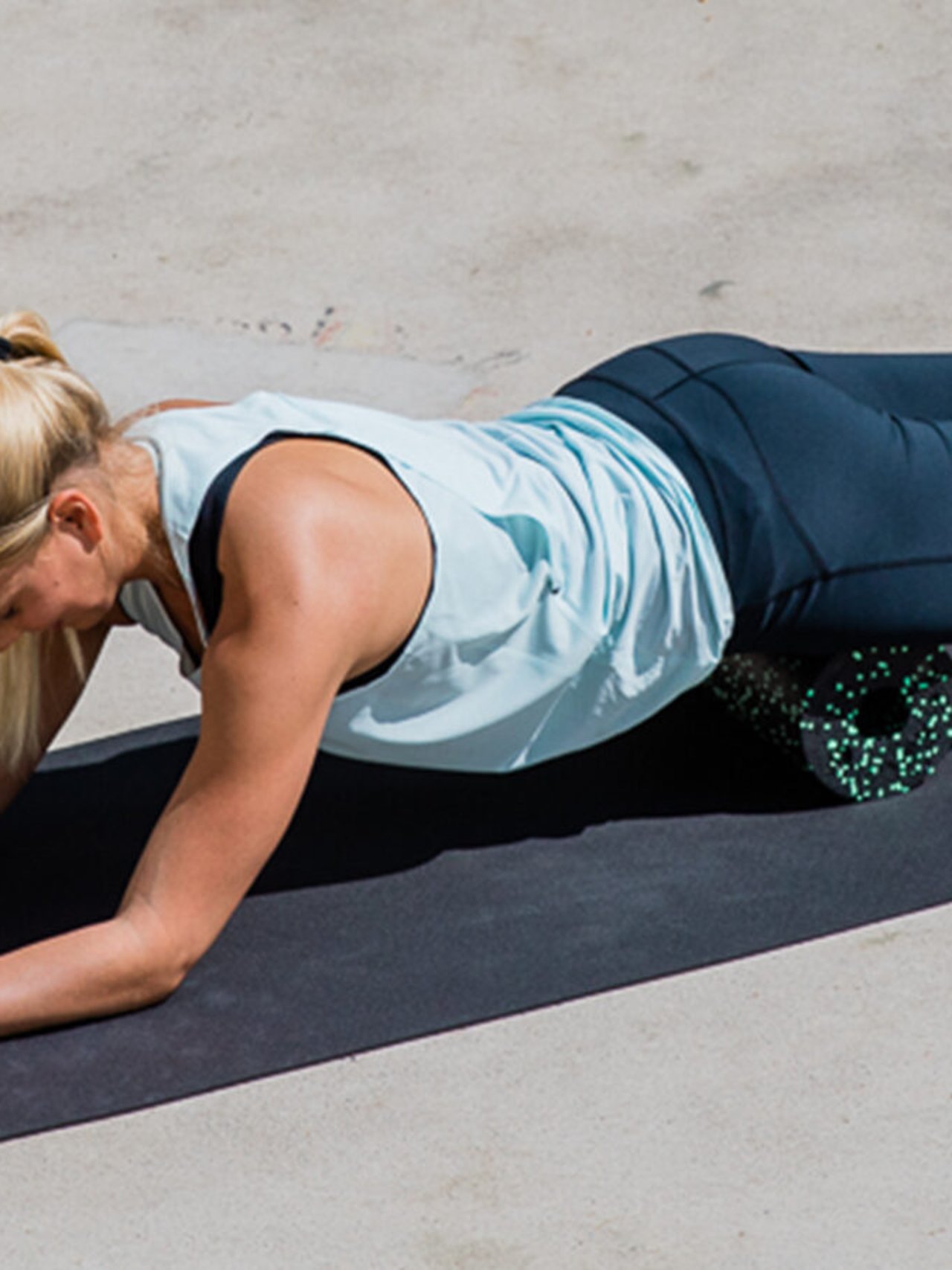
Your all-round solution for knee pain
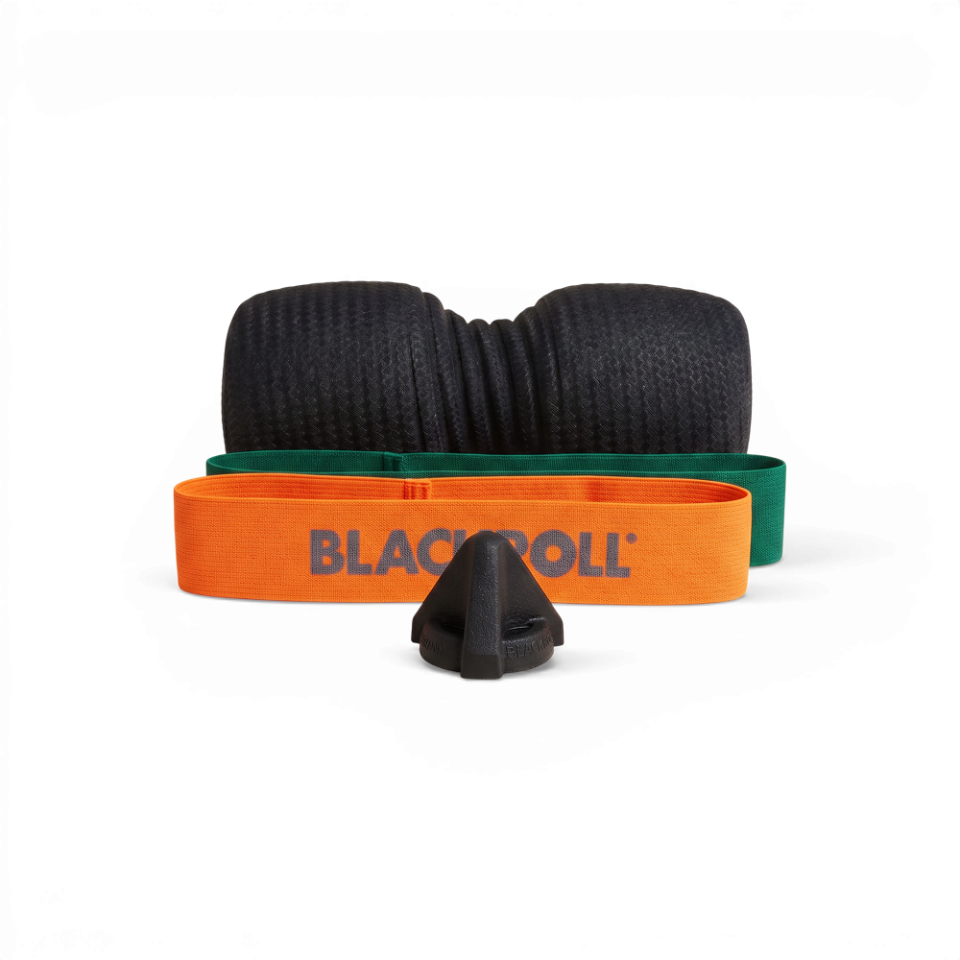
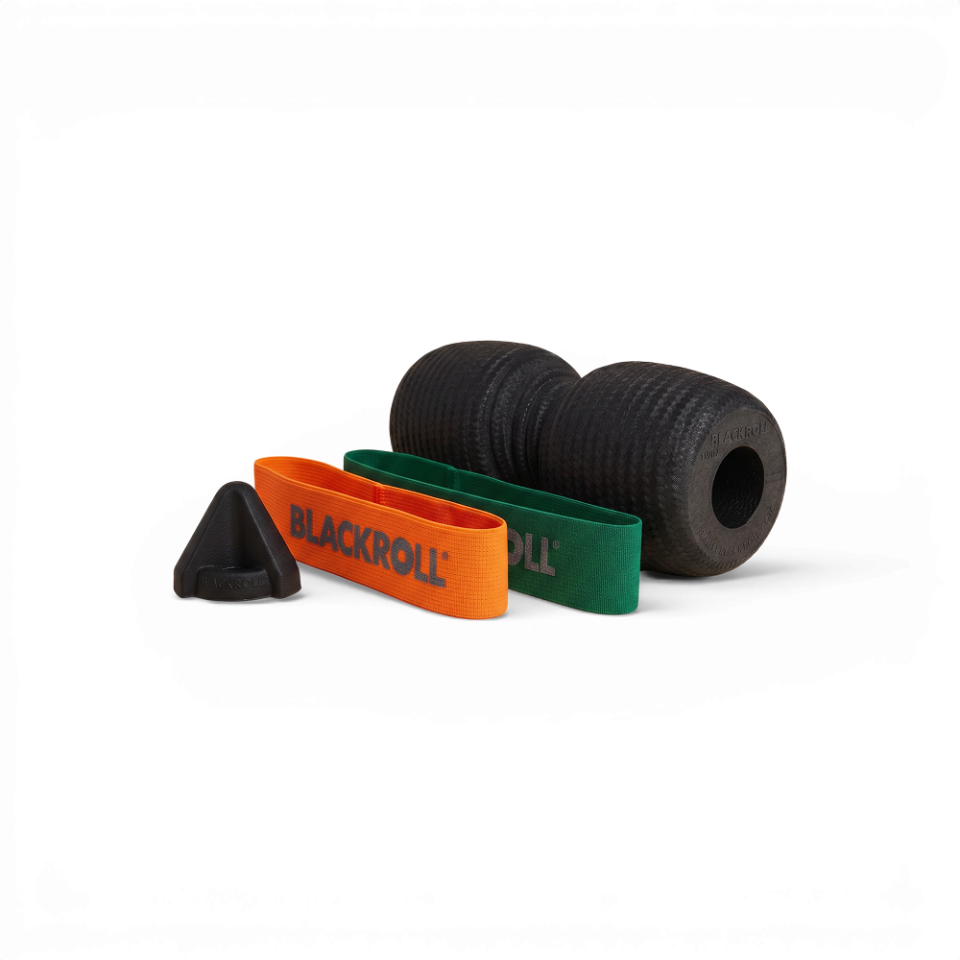
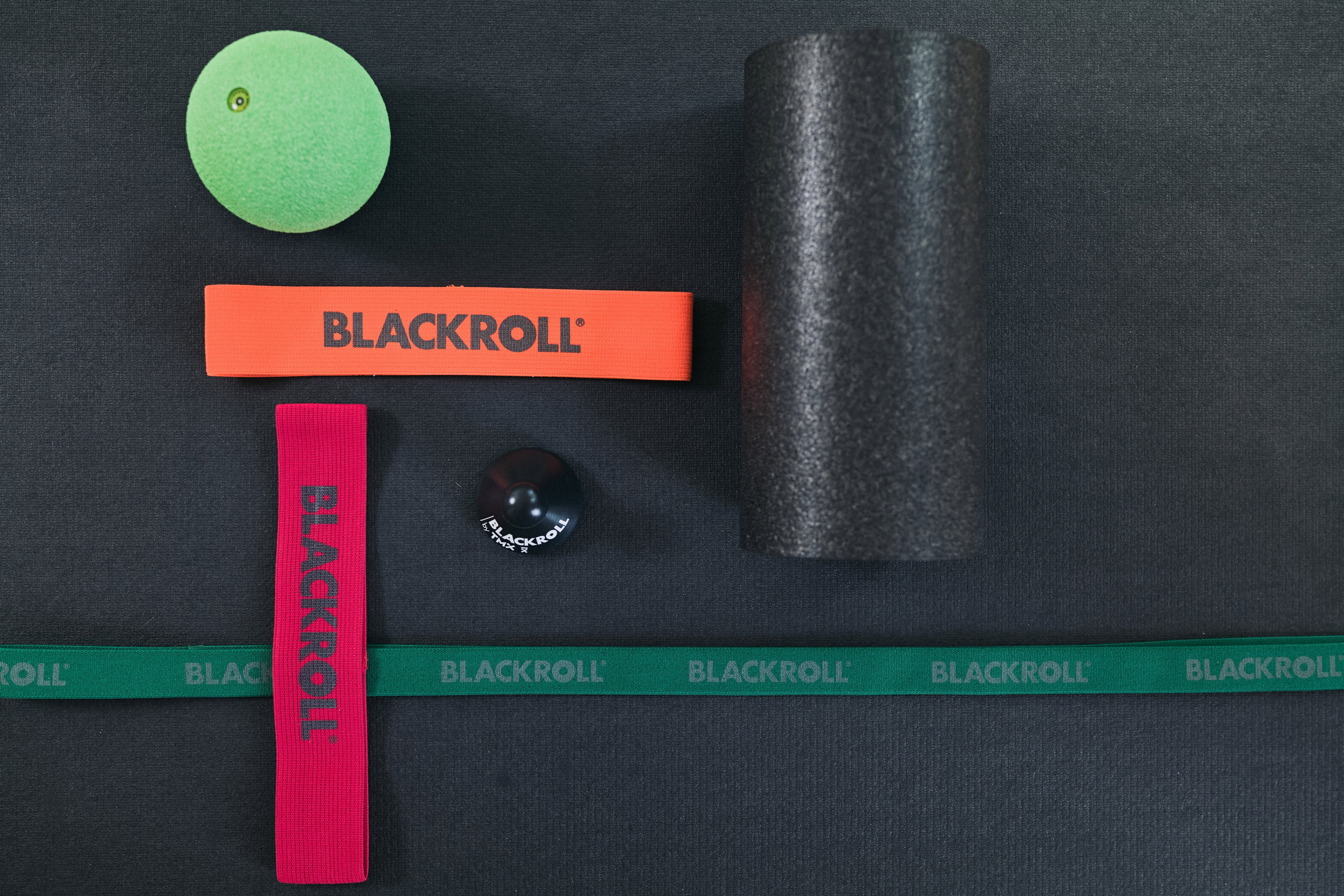
Your tools for exercises to combat runner’s knee
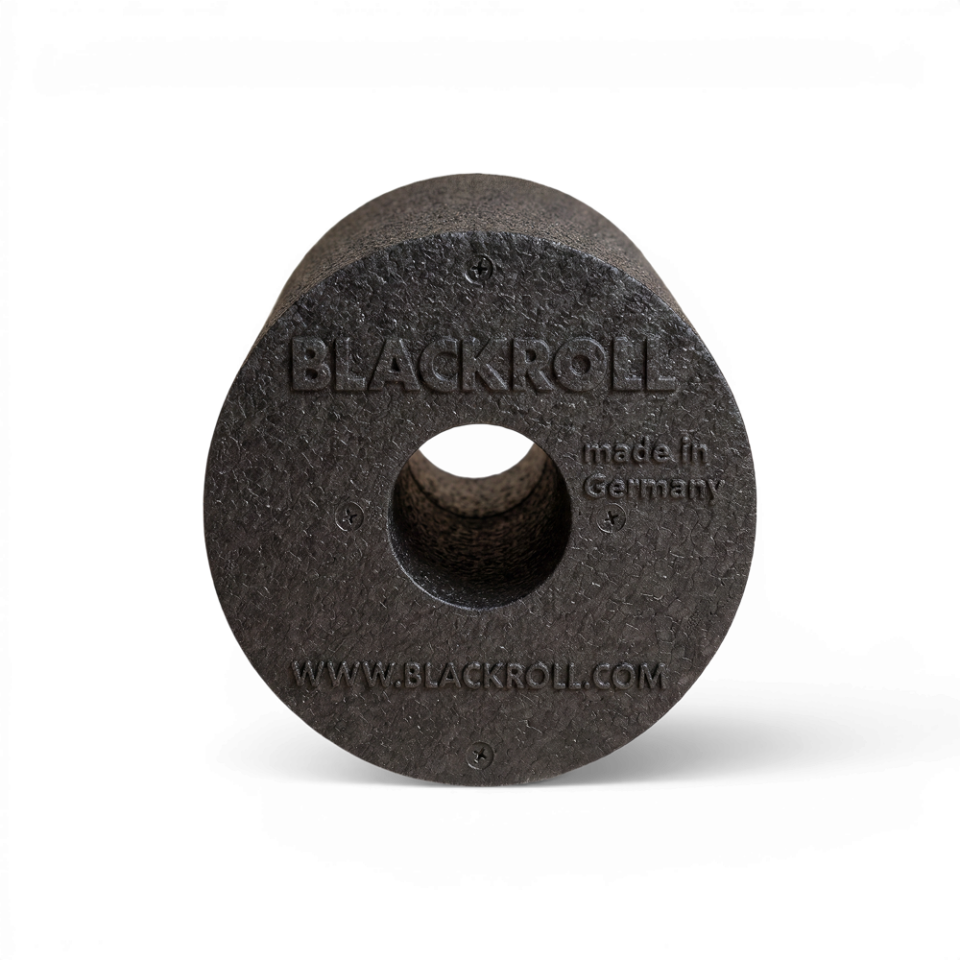
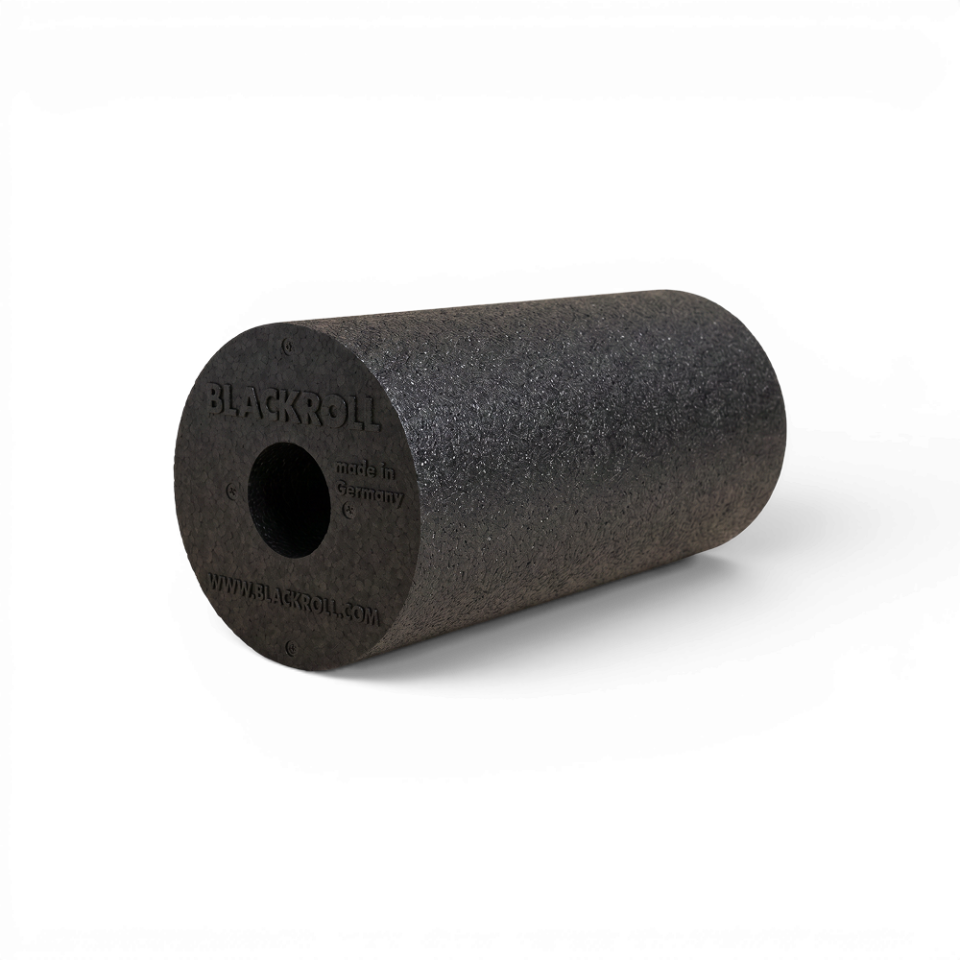
Standard
Available in multiple variants
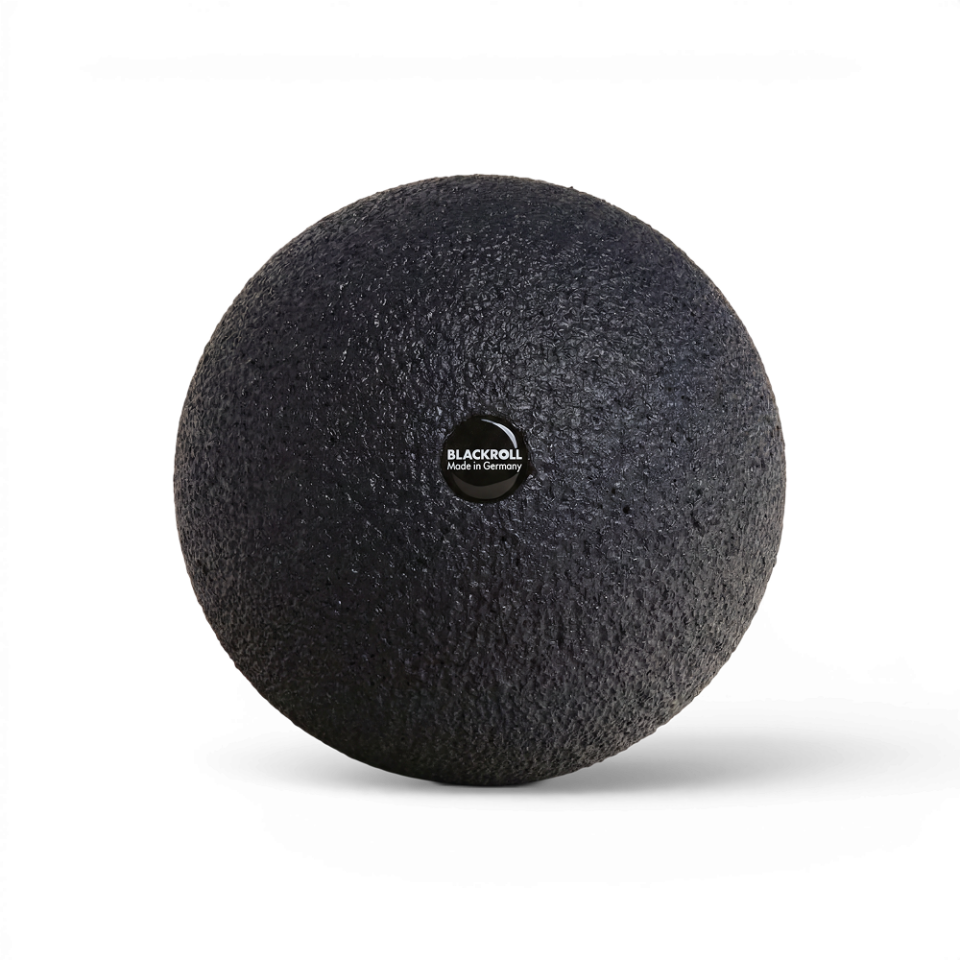
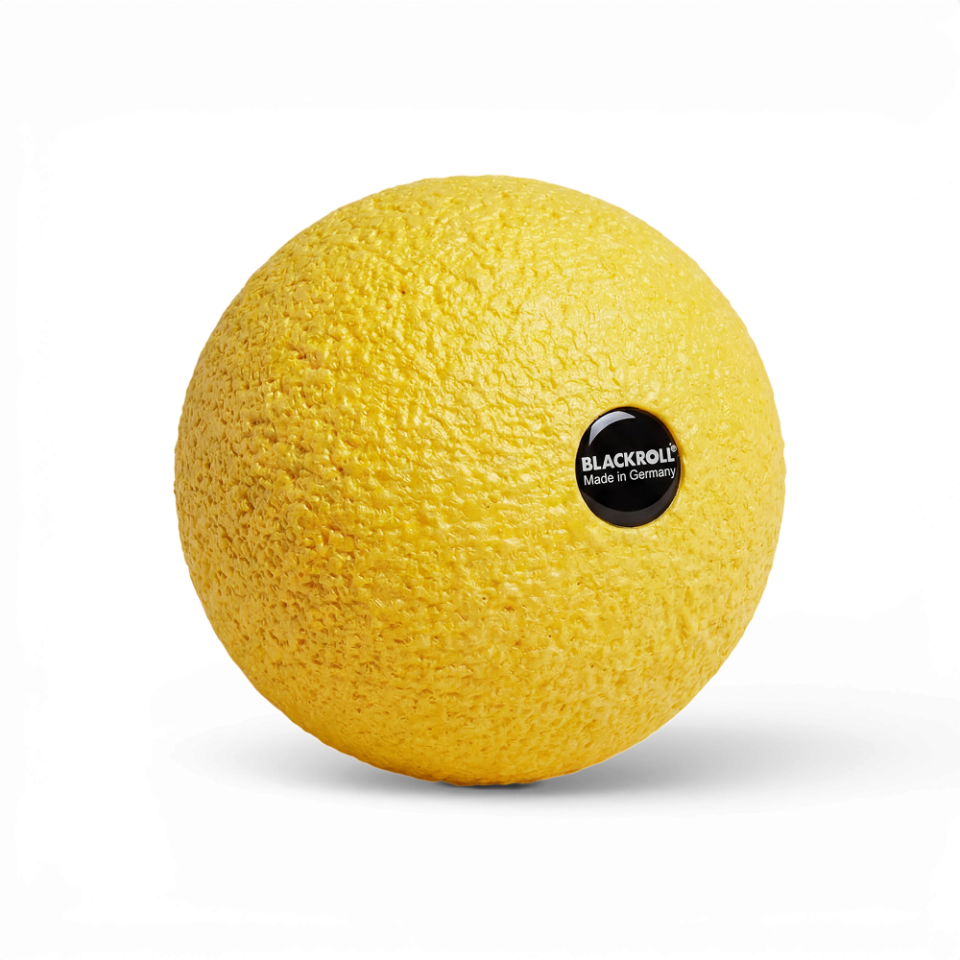
Ball 12
Available in multiple variants
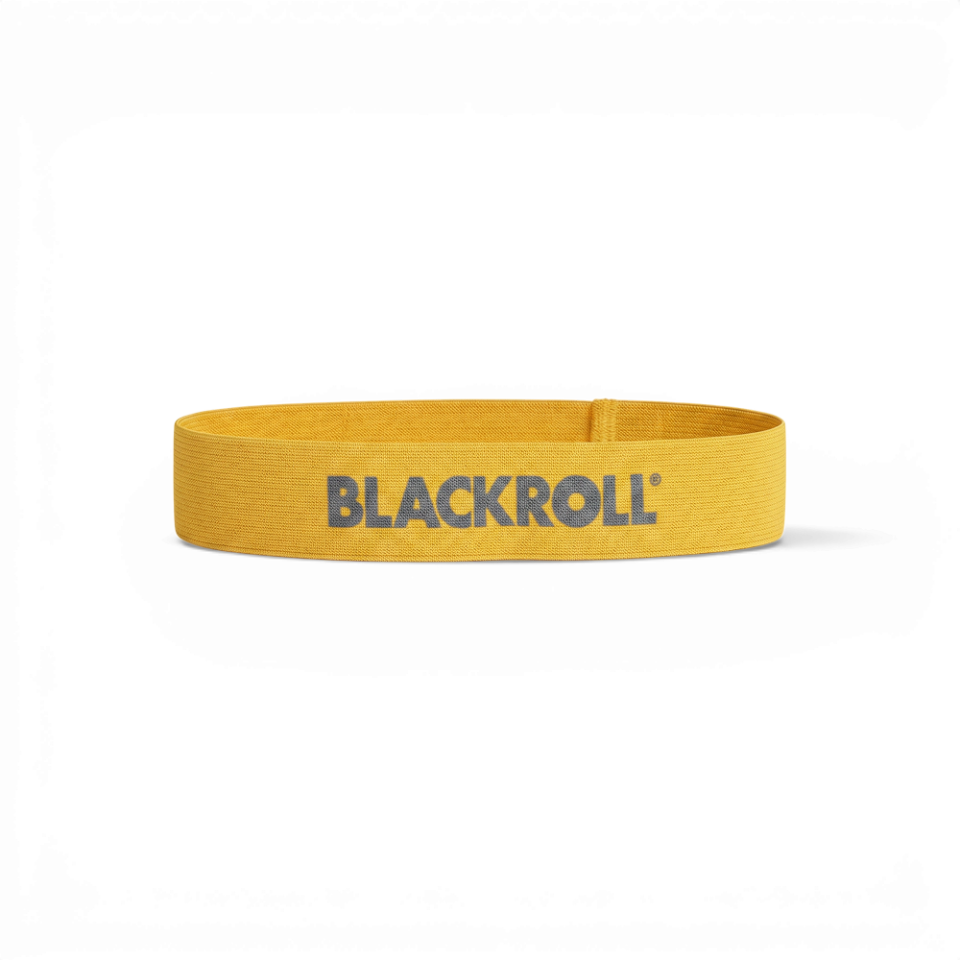
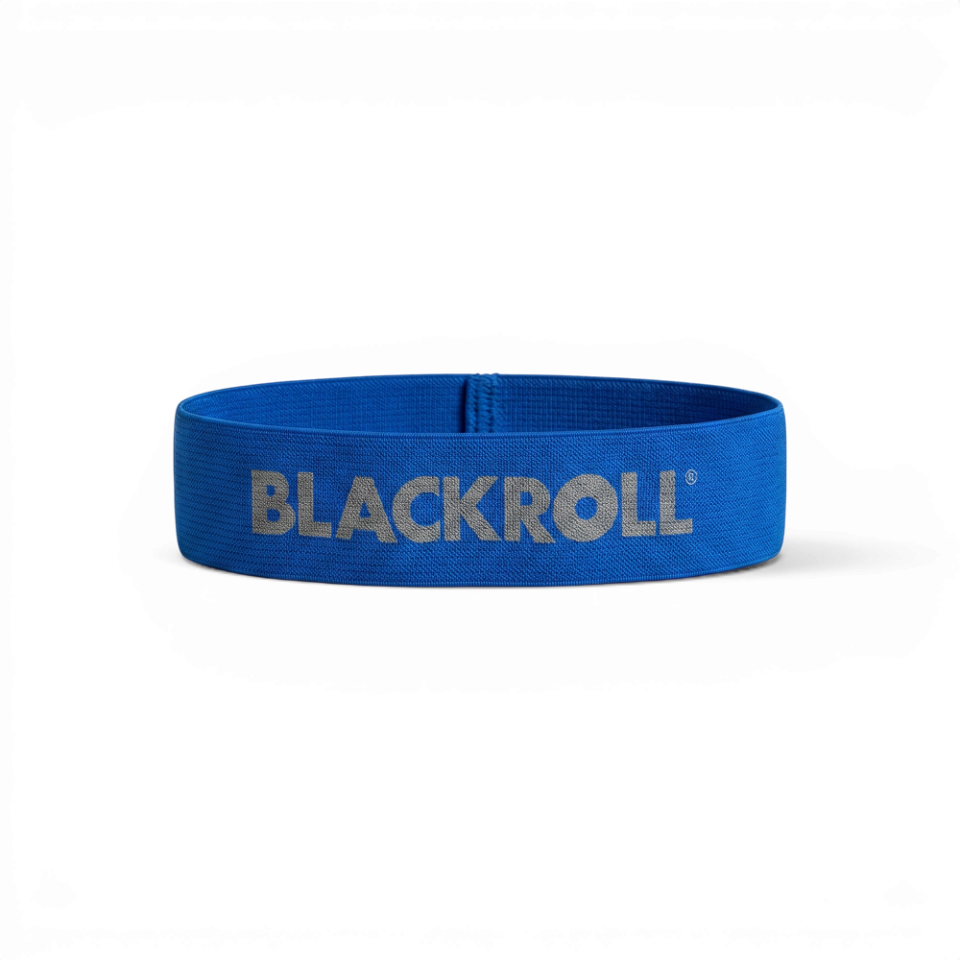
Loop Band
Available in multiple variants
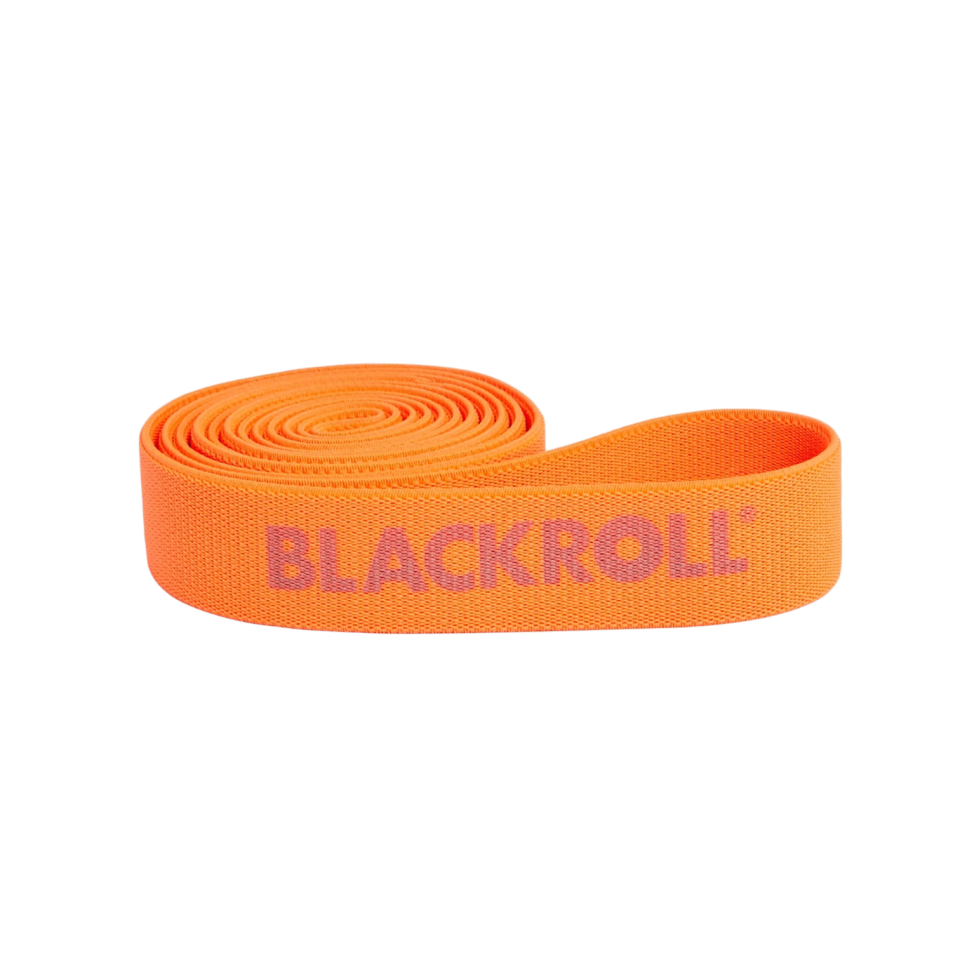
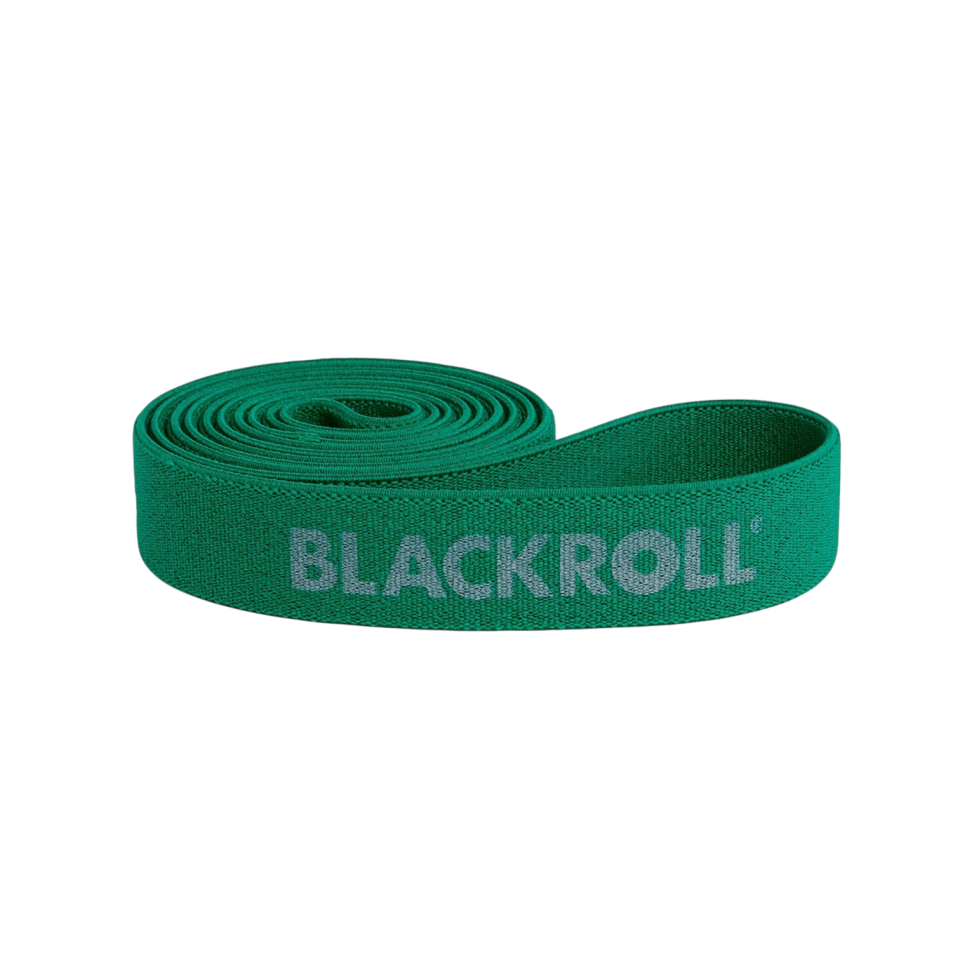
Super Band
Available in multiple variants