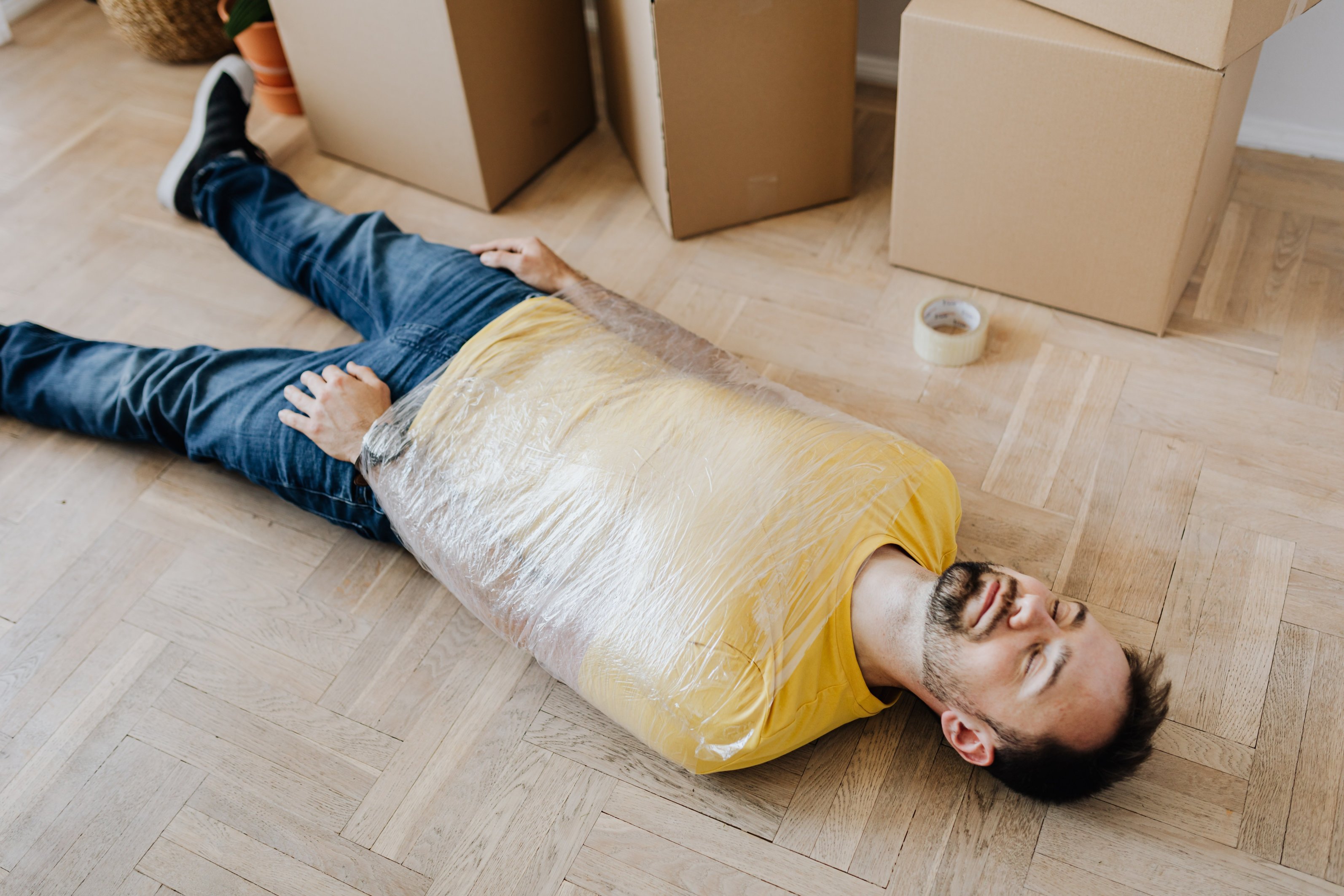
Sleep Paralysis: How Dangerous Is This Nighttime Paralysis?

Sleep paralysis, sleep stiffness, or “witch’s grip”—there are various terms for a very frightening but harmless phenomenon: sleep paralysis. Those affected wake up at night and cannot move, or feel paralyzed just before falling asleep. As eerie as it may sound, this sleep disorder is not dangerous. Nevertheless, it can be a real nightmare.
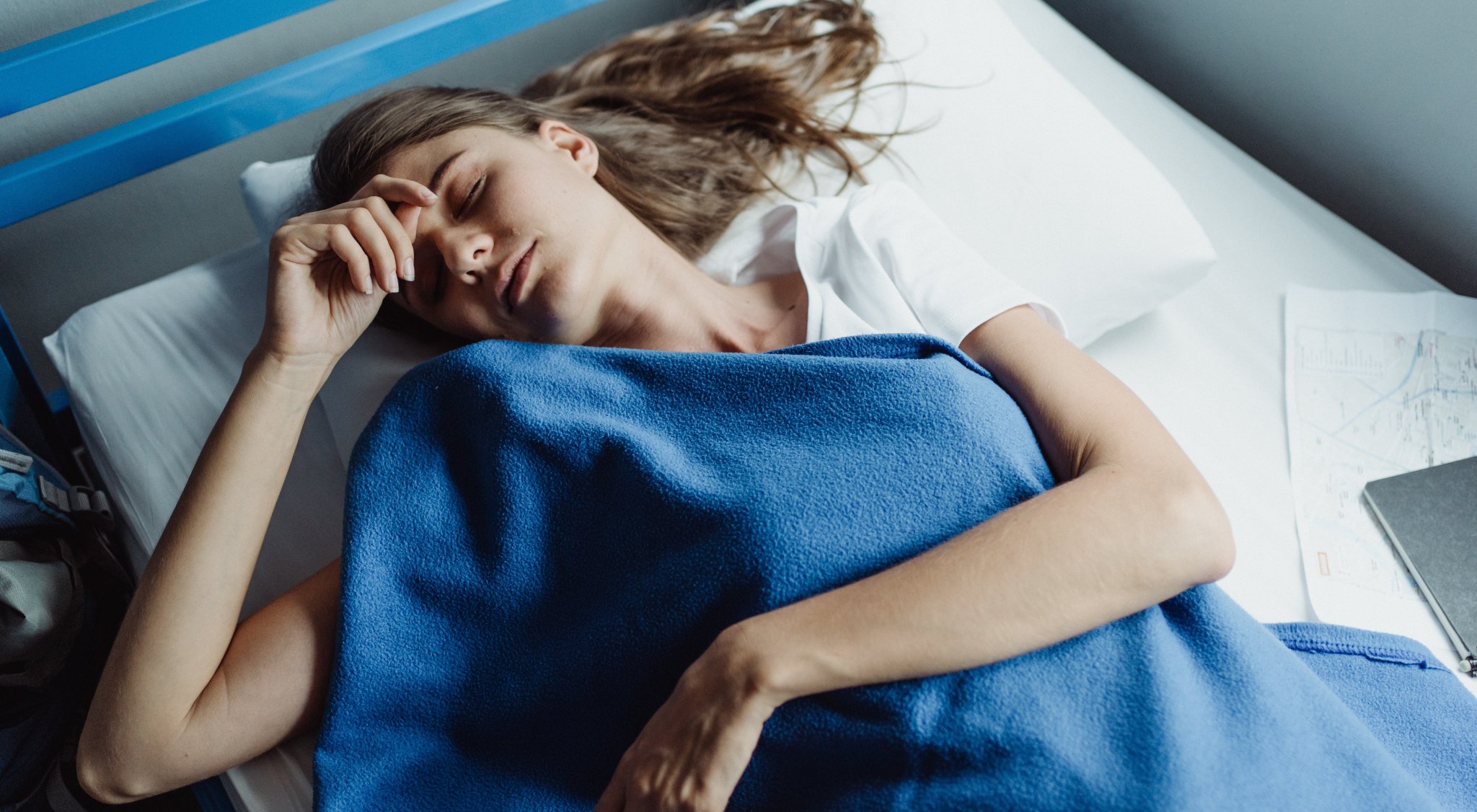

What is sleep paralysis?
Sleep paralysis is a temporary paralysis that interrupts the normal process of falling asleep or waking up. The phenomenon is therefore scientifically classified as a sleep disorder. Our sleep proceeds through various phases that flow into one another, forming a cycle that repeats four to five times per night: We drift from wakefulness into sleep, our muscles relax, we sink into deep sleep, and finally into REM sleep, during which the brain processes the day’s experiences. Sleep paralysis occurs during this phase.
REM stands for Rapid Eye Movement, which means that only the eye muscles move rapidly during deep sleep. The rest of the body—with the exception of breathing—is paralyzed during this sleep phase; otherwise, you would actively carry out the movements in your dreams and might fall out of bed. Imagine you’re having very vivid dreams in which you’re climbing mountains, flying, rolling around on the ground, or fighting an enemy. If you were to actively experience all these dreams with your body, you’d never get any rest.
So during REM sleep, muscle tone is inhibited to prevent you from falling out of bed and hurting yourself. Movement is therefore impossible. This paralysis is therefore purely a protective function and completely normal. It only becomes unsettling when you wake up from your dream too early and slip back into wakefulness before your body has caught up. Then your brain, so to speak, overtakes your body, and you experience sleep paralysis while fully conscious.
"Sleep paralysis is, in most cases, a harmless—albeit very unpleasant—experience in which the body is briefly paralyzed upon waking or falling asleep. However, getting regular sleep, reducing stress, and avoiding sleeping on your back can help reduce the risk."
Dr. Fabian Krapf, sleep expert


Sleep Paralysis—The Causes
The causes of sleep paralysis are not yet fully understood. In principle, sleep paralysis can affect anyone, but it occurs more frequently in people who suffer from mental health conditions, obstructive sleep apnea (OSA), or narcolepsy, a neurological sleep disorder. A genetic predisposition is also suspected to be behind the phenomenon. In addition, certain factors appear to increase the likelihood of sleep paralysis:
- Stress
- an irregular sleep-wake cycle
- general sleep disturbances
- Sleep deprivation
- jet lag
- Sleeping on your back
- Nighttime cramps
- Depression
- Medications
- Alcohol
- Drugs
Sleep paralysis often occurs in people who work shifts and have irregular sleep schedules. Younger people who maintain an irregular sleep-wake cycle may also experience sleep paralysis, especially when they are under stress or have consumed alcohol or drugs.


Typical sleep paralysis symptoms
Various studies have concluded that younger people and those with mental health conditions are particularly at risk of developing sleep paralysis. In people with narcolepsy, it frequently occurs as a symptom of this neurological disorder. Aside from their eyes, those affected are unable to move any part of their body for a few seconds to several minutes. Typical symptoms of sleep paralysis include:
- body stiffness
- paralyzed arms and legs
- Inability to speak
- hallucinations and sensory distortions
- nightmares
- Chest tightness
- Shortness of breath
- Fear of suffocating
- Panic
- Heart palpitations
Even though sleep paralysis has no direct impact on health, the symptoms of paralysis are a major burden for those affected. If sleep paralysis occurs frequently, it disrupts restful sleep, which can impair performance, stress resilience, and quality of life in the long term.
About 8% of people have experienced sleep paralysis at least once in their lives. Women are affected slightly more often than men. For some, sleep paralysis is a one-time experience, while others are jolted awake several times a week or even per night. Accordingly, sleep paralysis is classified into two types: isolated and recurrent episodes.


Sleep Paralysis and Hallucinations
Sleep paralysis is often accompanied by hallucinations. As if the temporary paralysis weren’t frightening enough, those affected see eerie creatures or experience terrifying scenarios. This is because the brain awakens too early from the REM phase and continues to project parts of the dreams into the space around the bed. The disconnect between conscious experience and the inability to act becomes sheer horror for those affected, as the hallucinations can trigger fear and panic.
Those affected see figures in the room, are threatened by monsters or demons, or feel helplessly at the mercy of torture. They hear voices or noises, perhaps even screams. They sense the presence of other people in the room but cannot see them. Their chest feels constricted, and they have the sensation of suffocating. Some people even believe they are leaving their own bodies and have what is known as an out-of-body experience (OBE). It all sounds pretty creepy—which it certainly is in the moment. However, once the sleep paralysis subsides after a few minutes, relief quickly sets in.
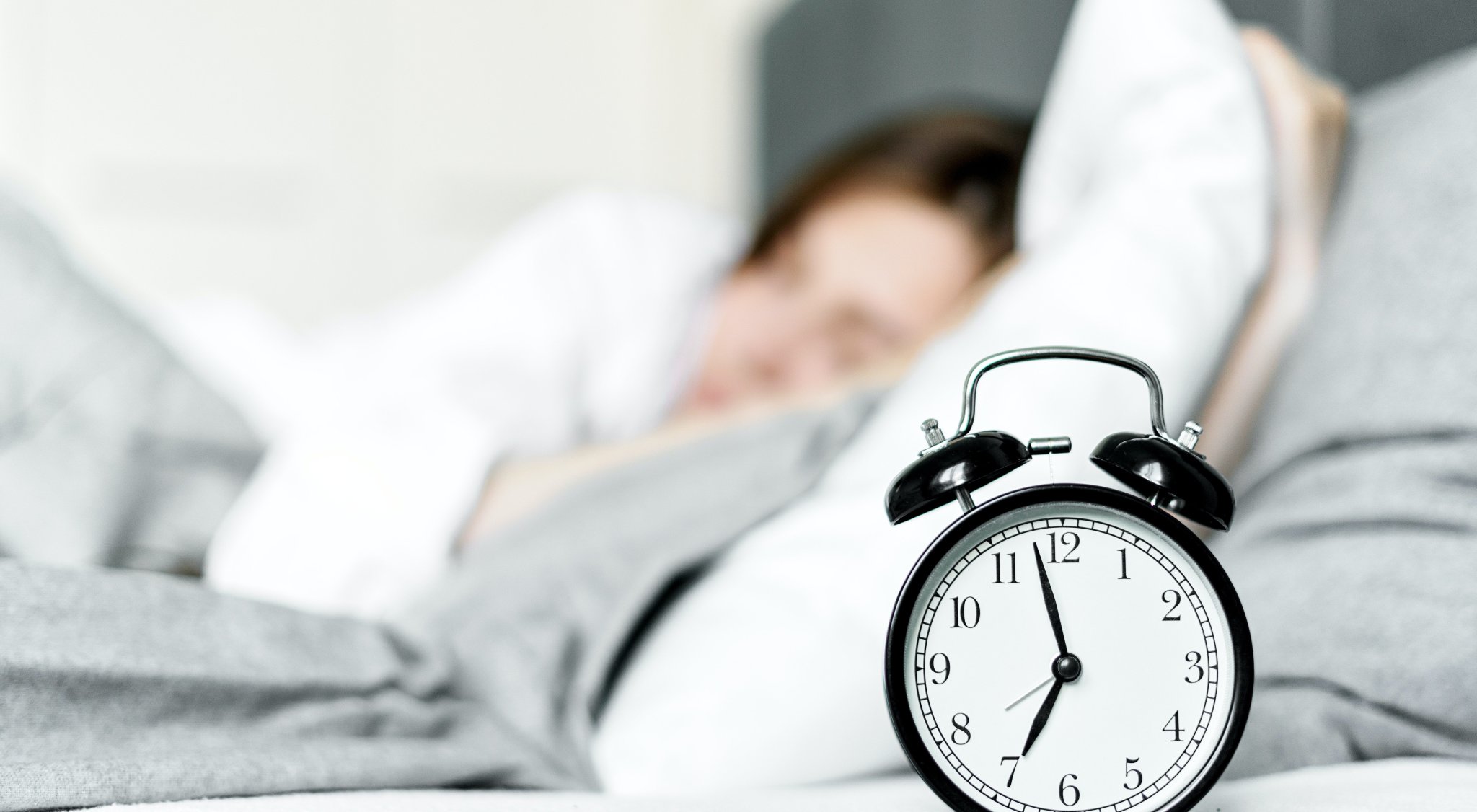

Sleep paralysis when falling asleep or waking up
Some people experience sleep paralysis when falling asleep, others when waking up. In both cases, the normal transition from the REM phase to wakefulness is disrupted:
- hypnagogic paralysis: If sleep paralysis occurs while falling asleep, it is medically referred to as hypnagogic paralysis. You’re lying comfortably in bed, feeling tired, slowly drifting off to sleep, but suddenly your brain is awake again, while your body is already in a state of paralysis.
- hypnopompic paralysis: People often experience sleep paralysis when waking up in the middle of the night or in the morning. The medical term for this is “hypnopompic paralysis.” You’re actually in deep sleep, in the middle of your dreams, processing the day’s experiences. All of a sudden, your brain is wide awake, but your body isn’t responding yet. You can’t move, but you feel as though you’re awake. This can be accompanied by hallucinations, which make the situation even more eerie.


Sleep Paralysis: Duration and Treatment
Sleep paralysis usually lasts only a few seconds, but to those experiencing it, it feels like an eternity. Sometimes it can even last several minutes. In rare, extreme cases, the paralysis may not subside until an hour has passed. So if you find yourself in the unpleasant situation of waking up before your body has fully awakened, stay calm and wait until sensation returns to your limbs. Sleep paralysis always resolves on its own and has no further consequences or complications for those affected. Treatment is therefore not necessary.
However, if these nighttime episodes of paralysis are causing you significant distress, you can investigate the underlying causes and avoid potential triggers such as stress, alcohol, and medications. When you should still see a doctor:
- If you frequently experience sleep paralysis and it regularly disrupts your sleep.
- If you’re afraid to go to sleep because of it.
During an examination, the doctor can make a diagnosis and determine whether treatment with medication or perhaps psychotherapy is appropriate. In extreme cases, antidepressants may be prescribed. You may undergo an evaluation in a sleep lab to monitor your sleep patterns and measure your vital signs—such as heart rate, blood pressure, brain activity, and breathing—during sleep. This also helps determine whether other sleep disorders, such as sleep apnea or narcolepsy, are underlying your symptoms and require treatment.


How to Avoid Sleep Paralysis
Many people who experience this wonder anxiously: Is it even possible to avoid sleep paralysis? And what can I do to stop having those terrifying moments? There are actually a few tips that can help:
- Sleeping on your side: Get into the habit of sleeping on your side. Sleeping on your back seems to increase the likelihood of sleep paralysis. To do this, make sure to choose a pillow with the right height for side sleepers to avoid poor spinal alignment.
- Sleep-Wake Cycle: To address sleep disturbances, maintaining a regular sleep-wake cycle and getting 7 to 9 hours of sleep daily is helpful. Go to bed at the same time every night and try to wake up at the same time every morning, even on weekends.
- Relaxation: Extreme stress impairs your sleep quality and can contribute to sleep paralysis. Therefore, make sure to relax sufficiently through breathing exercises, meditation, yoga, or self-massage with fascia products to restore your balance after a stressful day.
- Avoid Triggers: Since the abuse of alcohol, drugs, and medications is often the trigger for sleep paralysis, you should avoid consuming them. Caffeine, nicotine, and heavy meals in the evening also interfere with your sleep and should be avoided.
- Sleep Diary: To identify a connection between stress, alcohol consumption, or lack of sleep, it’s recommended to keep a sleep diary in which you document your habits, sleep times, and the occurrence of sleep paralysis over an extended period.
- Therapy: If sleep paralysis and its accompanying symptoms—such as hallucinations and nightmares—are distressing to you, psychological counseling can be helpful in learning to cope better. If the cause is a mental health condition such as depression, therapy is generally advisable.
If none of these attempts help and you still wake up in that frightening state, take deep, calm breaths in and out. Your heartbeat and breathing are functioning normally, so there’s no need to be afraid. The pressure on your chest and the difficulty breathing are due to the fact that your respiratory muscles are less tense during the REM phase. Therefore, concentrate fully on breathing calmly until the sensation returns to your body. To distract and calm yourself until then, focus on one part of your body and try to move just your big toe or a finger.






Is sleep paralysis dangerous?
Sleep paralysis is generally not dangerous, as it does not result in any lasting paralysis. After a few seconds or minutes, the episode is over and you can move normally again. Sleep paralysis is therefore not a serious threat to your health.
However, sleep paralysis can, of course, trigger panic, especially when accompanied by frightening hallucinations. Feeling helpless and unable to act—even if only for a short time—is distressing for those affected. Your heart races, your adrenaline surges, but no matter how hard you try, you simply cannot move. The pressure on your chest constricts your throat; you can neither speak nor breathe. At that point, the best thing to do is stay calm and wait it out.
If sleep paralysis occurs more frequently, you’ll learn over time that there’s no real danger. However, waking up in the middle of the night and the panic that comes with it disrupts your restful sleep. If you only experience sleep paralysis occasionally, your body handles it well. But if you suffer from regular sleep disturbances as a result, this can naturally affect your quality of life. You’ll often feel tired during the day, have trouble concentrating, and feel less productive.
While sleep paralysis itself isn’t dangerous, it’s still important to promote restful sleep for various health reasons. Our BLACKROLL® blankets, pillows, and mattresses can help you do just that.


Sleep paralysis—a harmless phenomenon that frightens those affected
During sleep paralysis, the brain wakes up too early from REM sleep while the body is still in the paralysis phase—a completely normal part of sleep and a purely protective function of the body. Some people also experience hallucinations, nightmares, or chest tightness during this period of sleep paralysis.
Since the paralysis resolves on its own after a few seconds, treatment is not necessary. However, if it occurs very frequently, it should be evaluated by a doctor to rule out other sleep disorders or conditions such as narcolepsy.
How BLACKROLL® can improve your sleep quality:
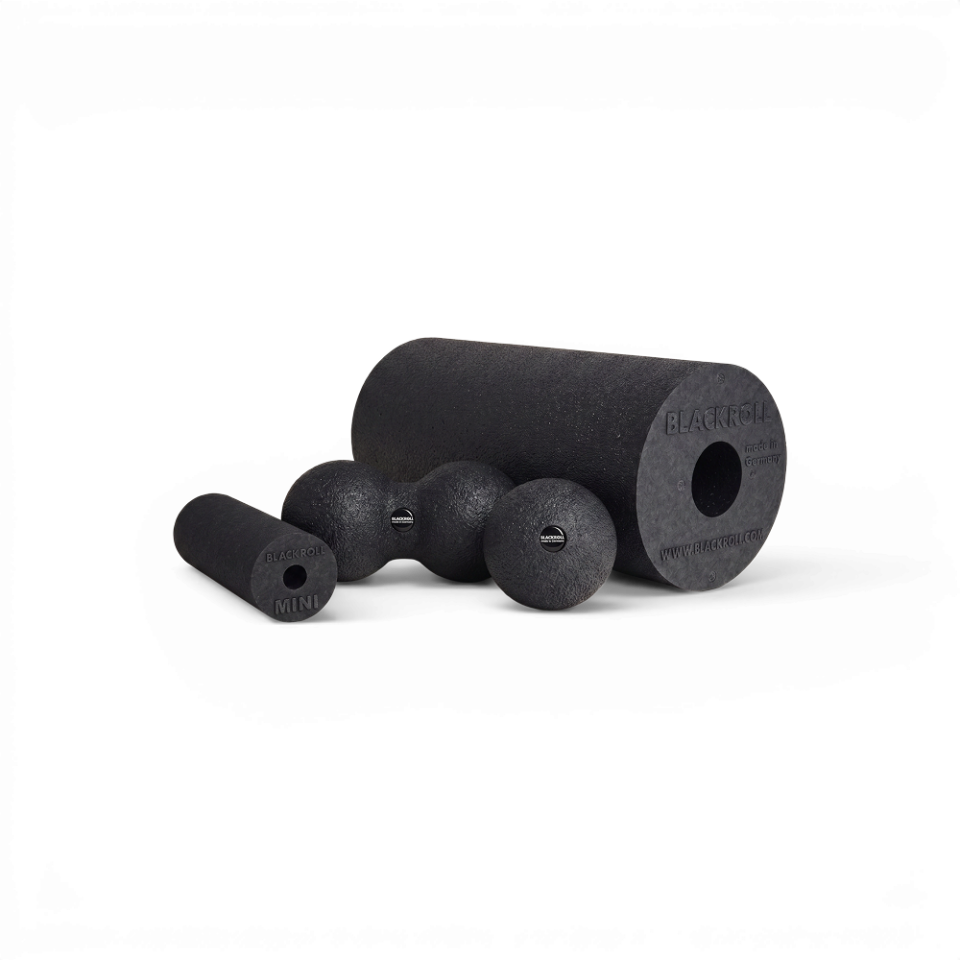
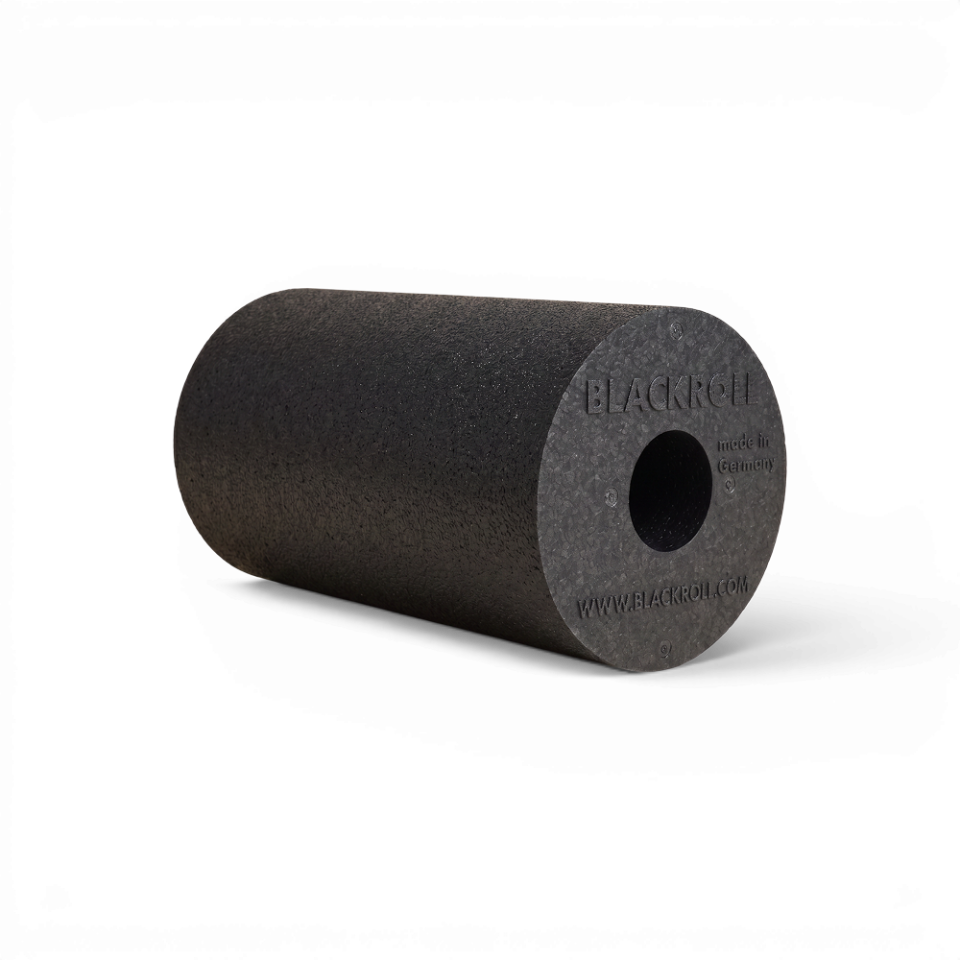

Standard
Available in multiple variants