Vulture Neck Exercises

Exercises for Vulture Neck & Text Neck
Focus areas
- Nacken
- Rücken
Time
- 15 minutes
- 8 exercises
Want to make your neck pain exercises even more targeted? Get yourNECK BOX, which includes online training, and benefit from expert guidance.

Get Rid of Your Forward-Head Posture
Can you really get rid of your forward head posture with exercises? Does that sound unimaginable to you?
A vulture neck often occurs in conjunction with a rounded back and an overextended cervical spine. For example, if the thoracic spine isn’t kept upright while sitting, the upper body tends to round more and more. This can cause pain between the shoulder blades and lead to muscular and fascial tension in the back muscles. To compensate for the rounded back, those affected shift their head forward and lift their chin, which leads to the development of vulture neck.
Do you want to get rid of your “vulture neck” through exercise?
Vulture neck often occurs in conjunction with a rounded back and an hyperextended cervical spine. For example, if the thoracic spine is not kept upright while sitting, the upper body gradually rounds more and more. This can cause pain between the shoulder blades and lead to muscular and fascial tension in the back muscles. To compensate for the rounded back, those affected shift their head forward and lift their chin, which leads to the development of a vulture neck.
With the help of simple exercises, you can correct this head and neck posture and thus eliminate your “vulture neck.” Master Trainer Stefan shows you how this works in the following video.
More effective exercises for a vulture neck:
Since “vulture neck” is often caused by a rounded back, you should regularly mobilize your thoracic spine. Below are a few exercises you can do to supplement the exercise video.
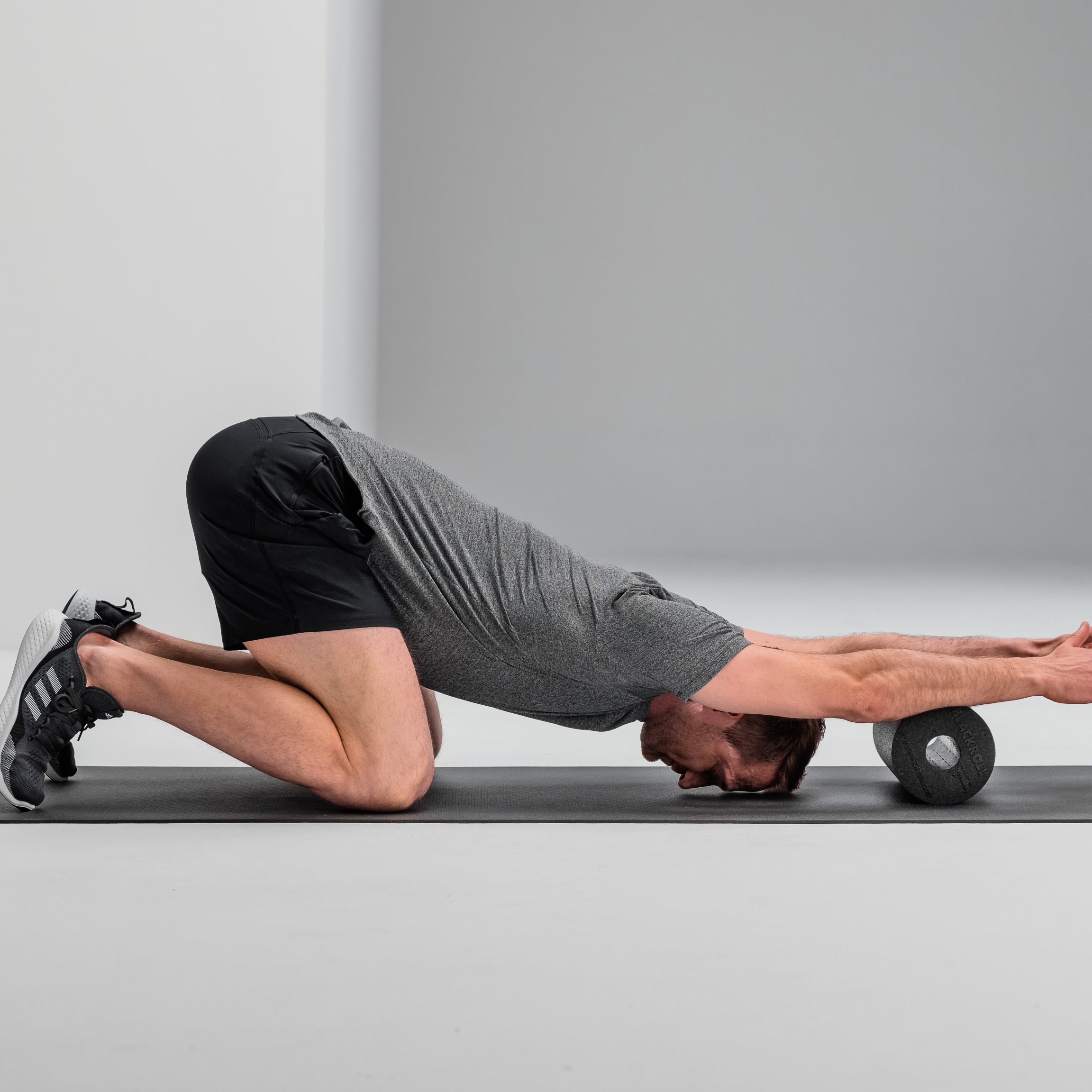
Preacher Stretch
Start on all fours. Place your hands on the BLACKROLL. Now slowly roll forward with the roller. Lower your chest toward the floor between your arms. Throughout the entire exercise, push your sternum forward to straighten your thoracic spine. To further mobilize your shoulders, you can rotate your hands outward and inward. Hold the stretch for 60 seconds.
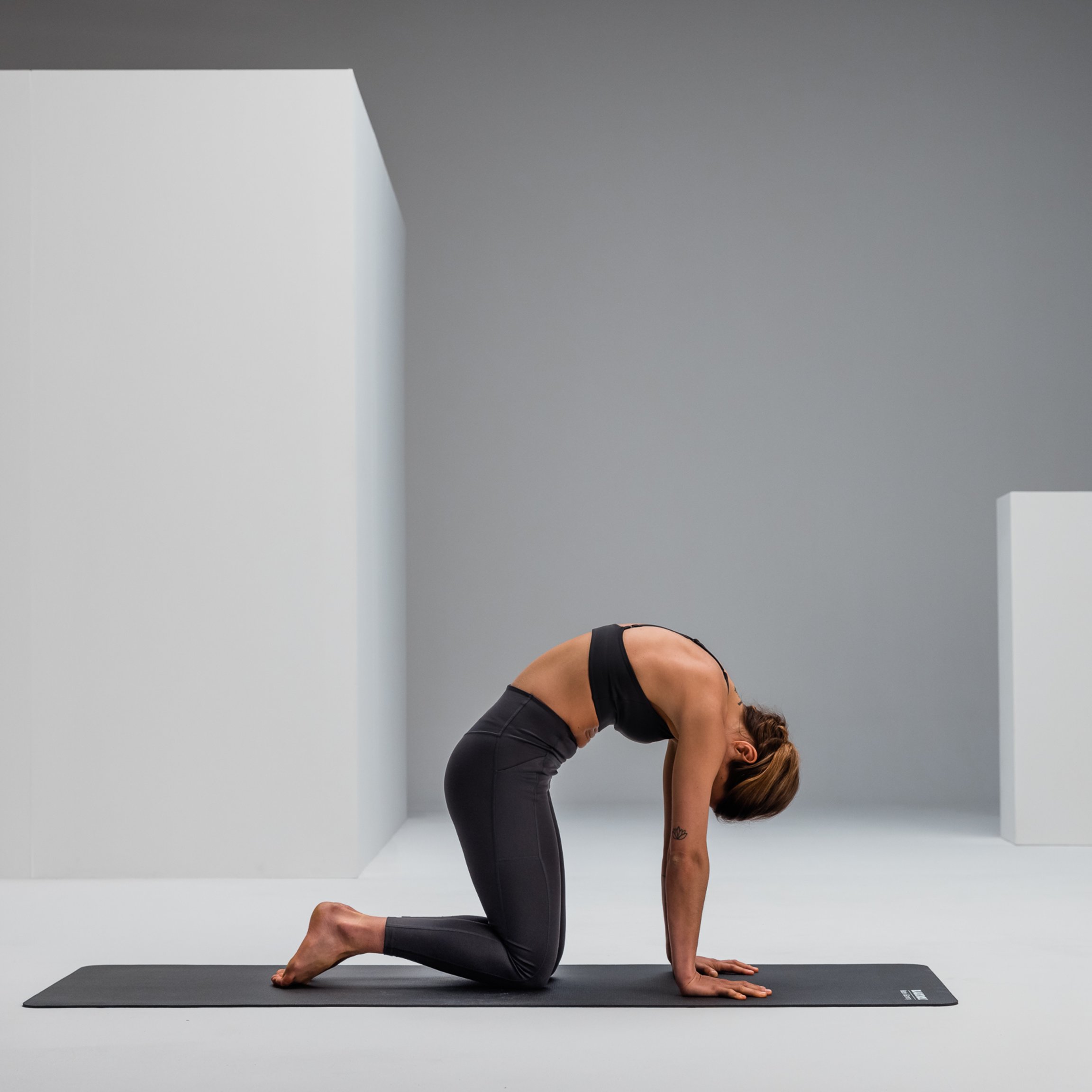
Cat-Cow
Start on all fours with your head in line with your spine. As you exhale, round your back. Pull your abdomen in and bring your chin toward your chest. As you inhale, arch your lower back.
Your hands should be directly under your shoulders. Your hips should be directly over your knees. Perform this movement for 60 seconds.
A tense neck is also one of the most common causes of a “vulture neck.” Therefore, make sure to stretch your neck regularly to keep it supple.
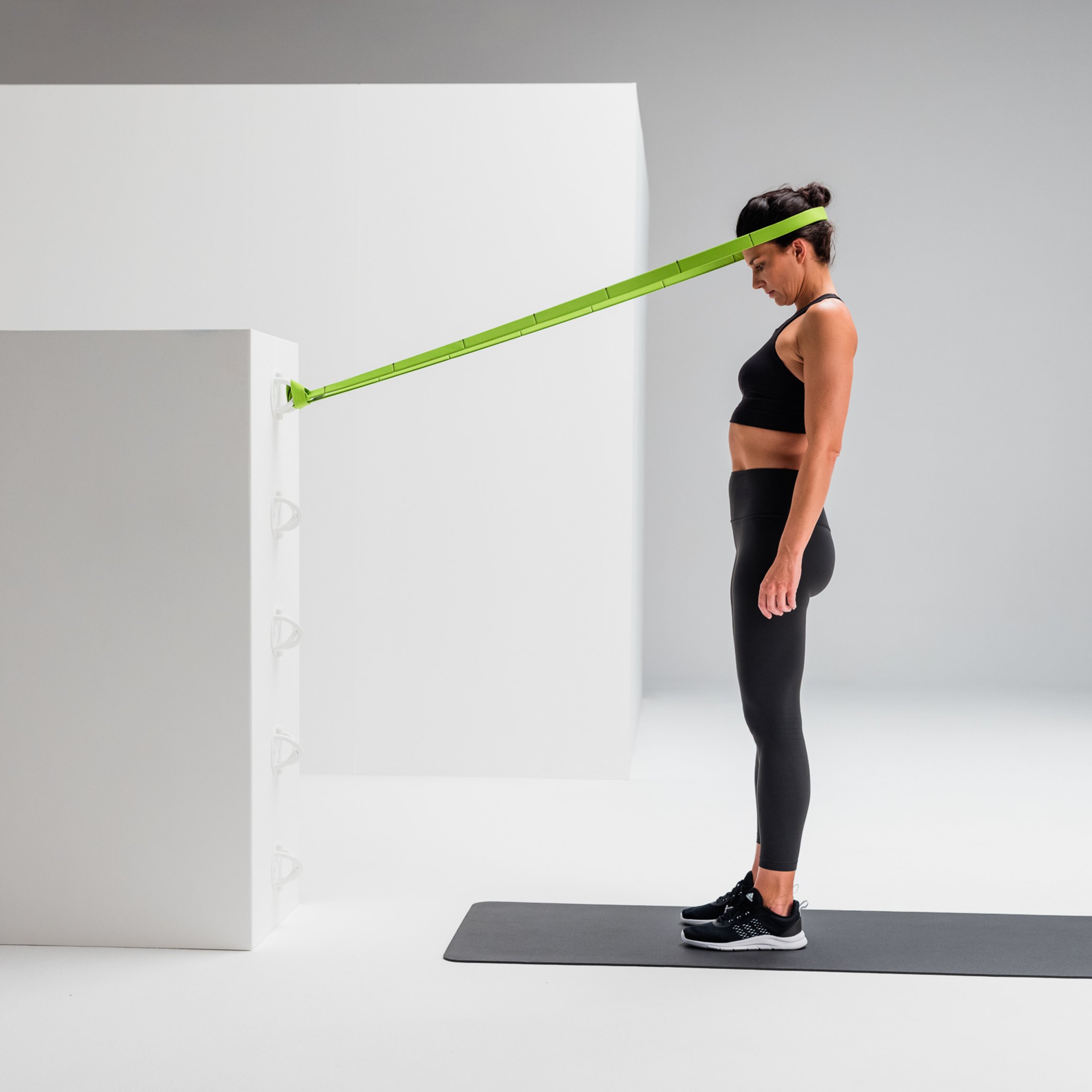
Neck Stretch
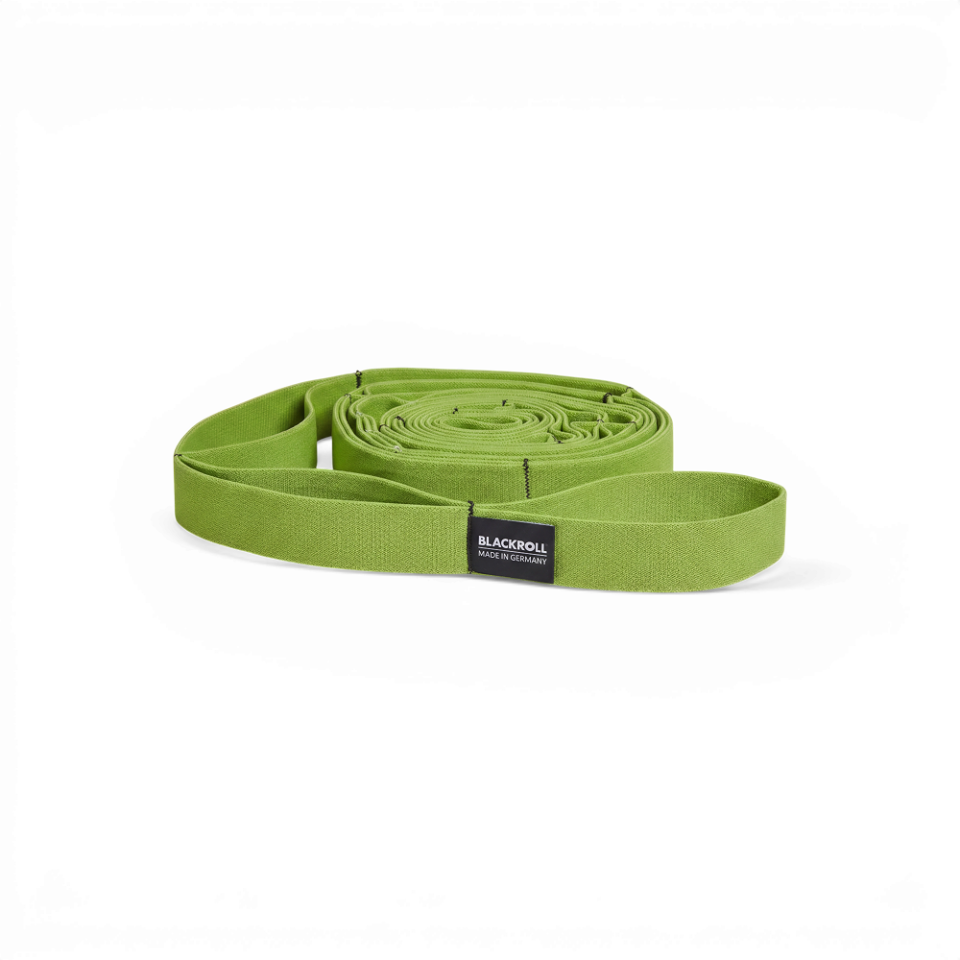
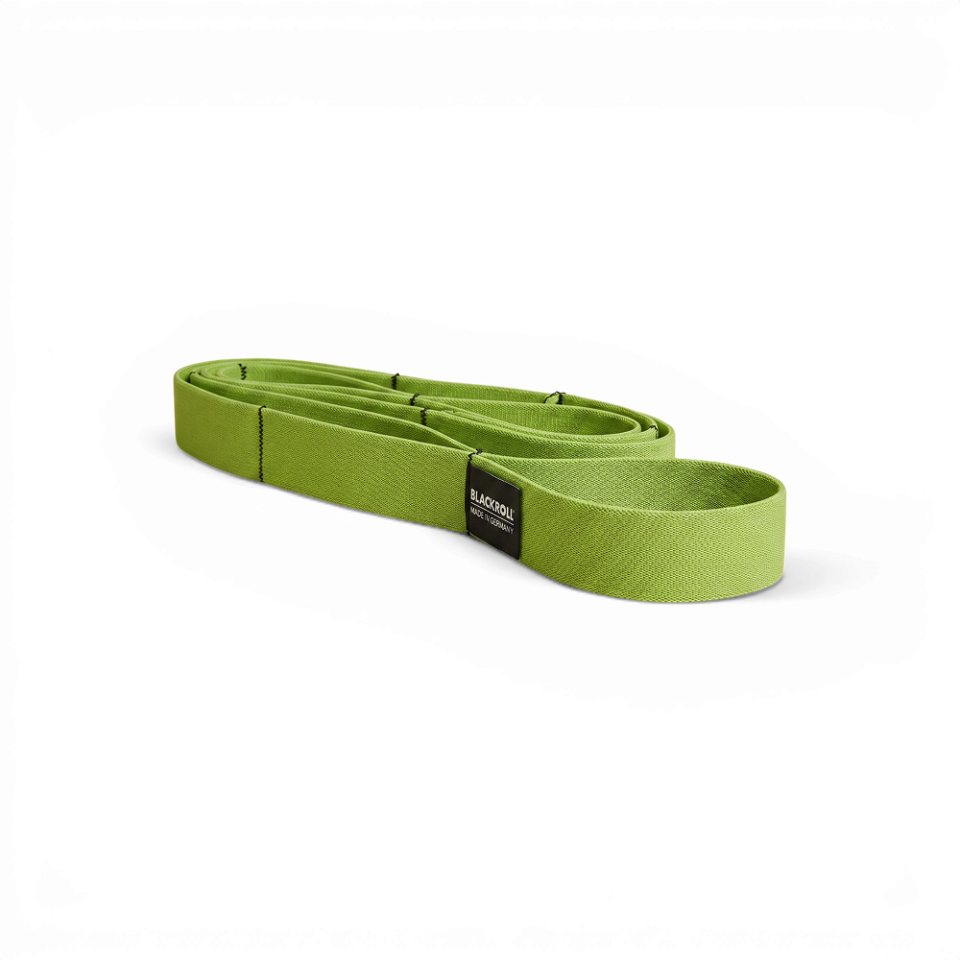
Attach the MULTI BAND to an anchor point at chest height so that a loop forms on the other side. Place the loop around the middle of the back of your head and slowly lower yourself into the band so that your chin tugs slightly toward your chest. Hold the stretch for 60 seconds.
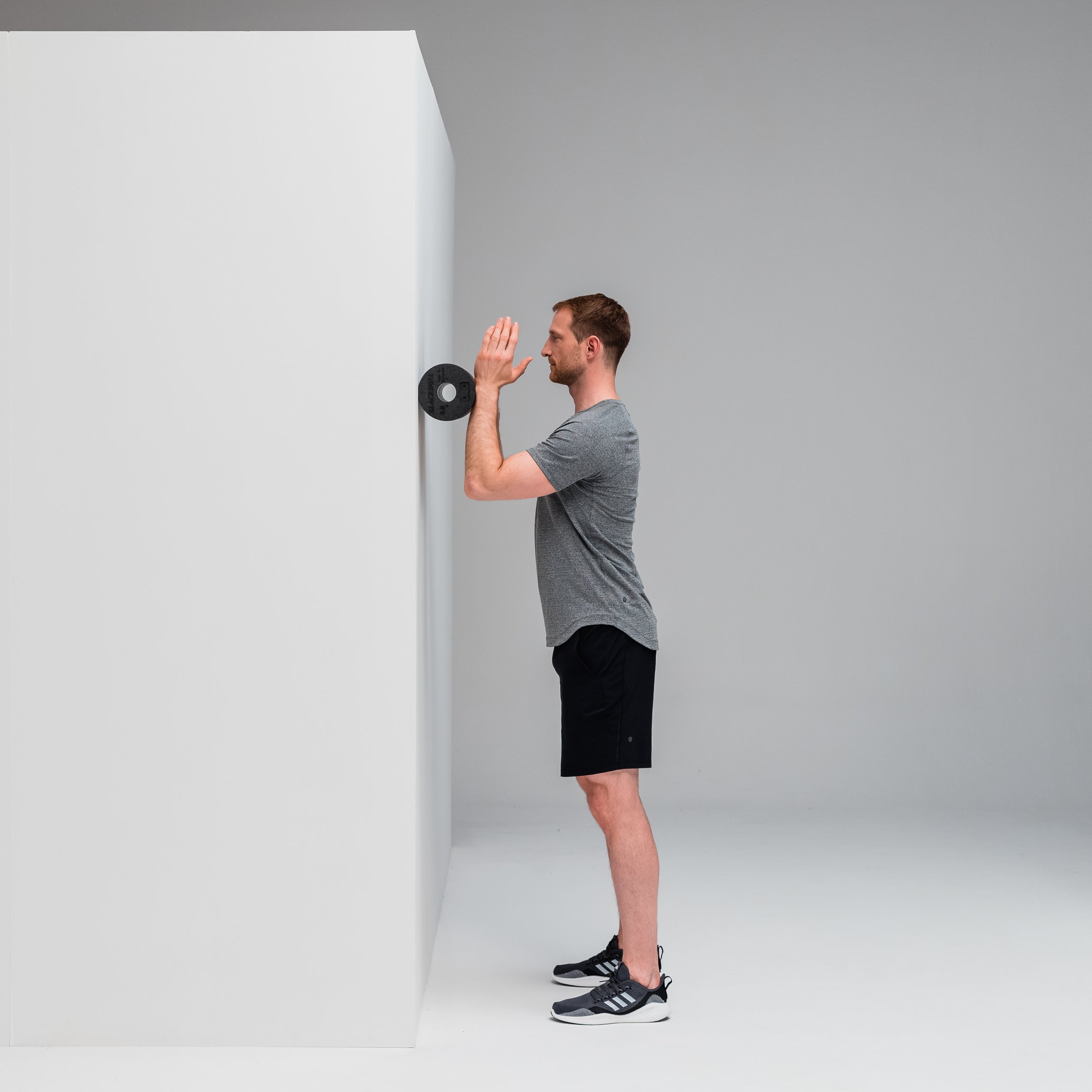
Scapula Push
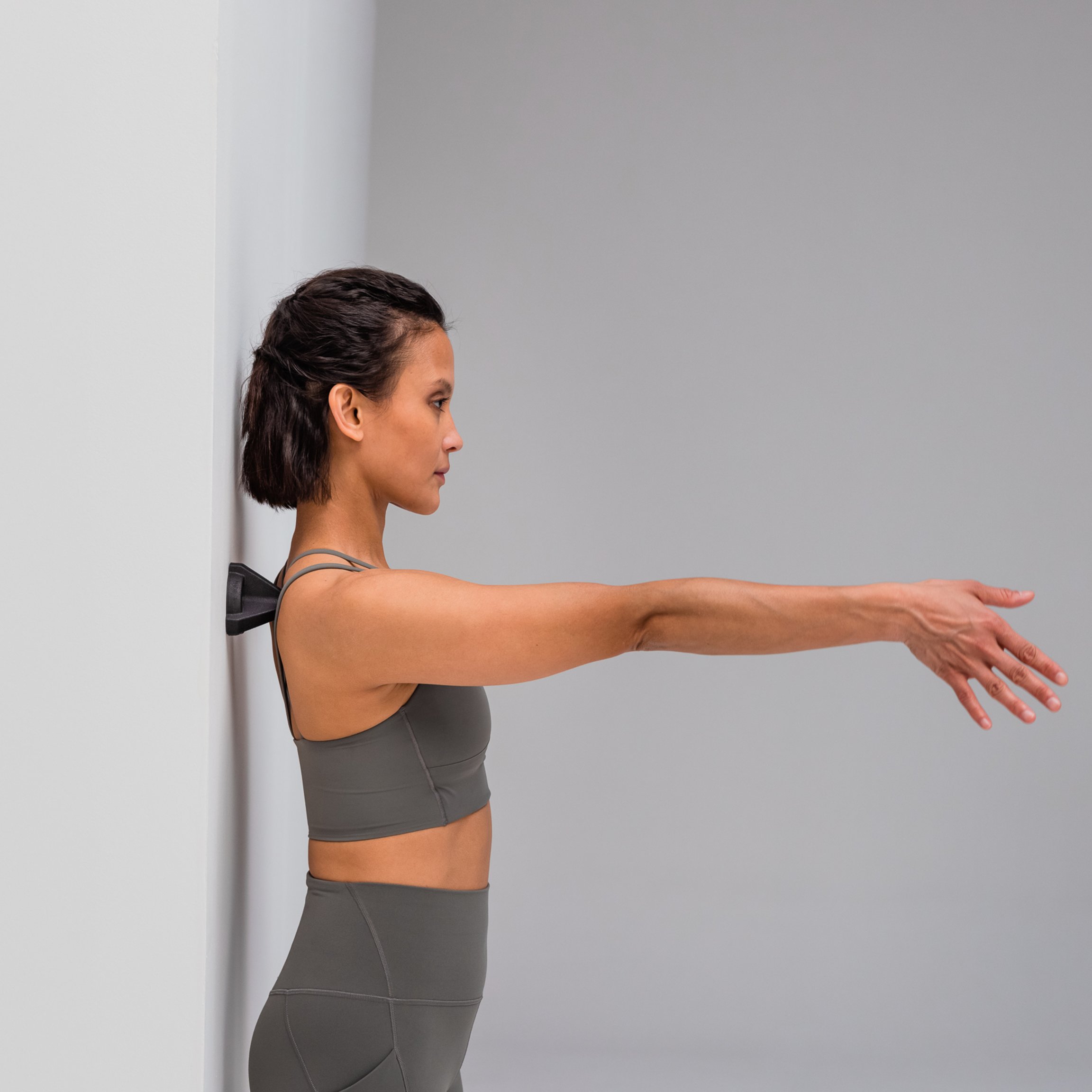
Start in an upright standing position facing a wall. Place the BLACKROLL at neck height. Secure it with your wrists. Apply pressure with your forearms. Let your shoulder blades slide forward as a result. Push the BLACKROLL upward while maintaining the pressure. Keep your core engaged and your torso straight throughout the entire movement. The movement is generated exclusively from your shoulders and shoulder blades. Perform 12–15 repetitions and 2–3 sets.
Eliminate a hunch in the neck with simple exercises
To counteract a hunched neck, it can be helpful to mobilize and open up the anterior fascial chain.
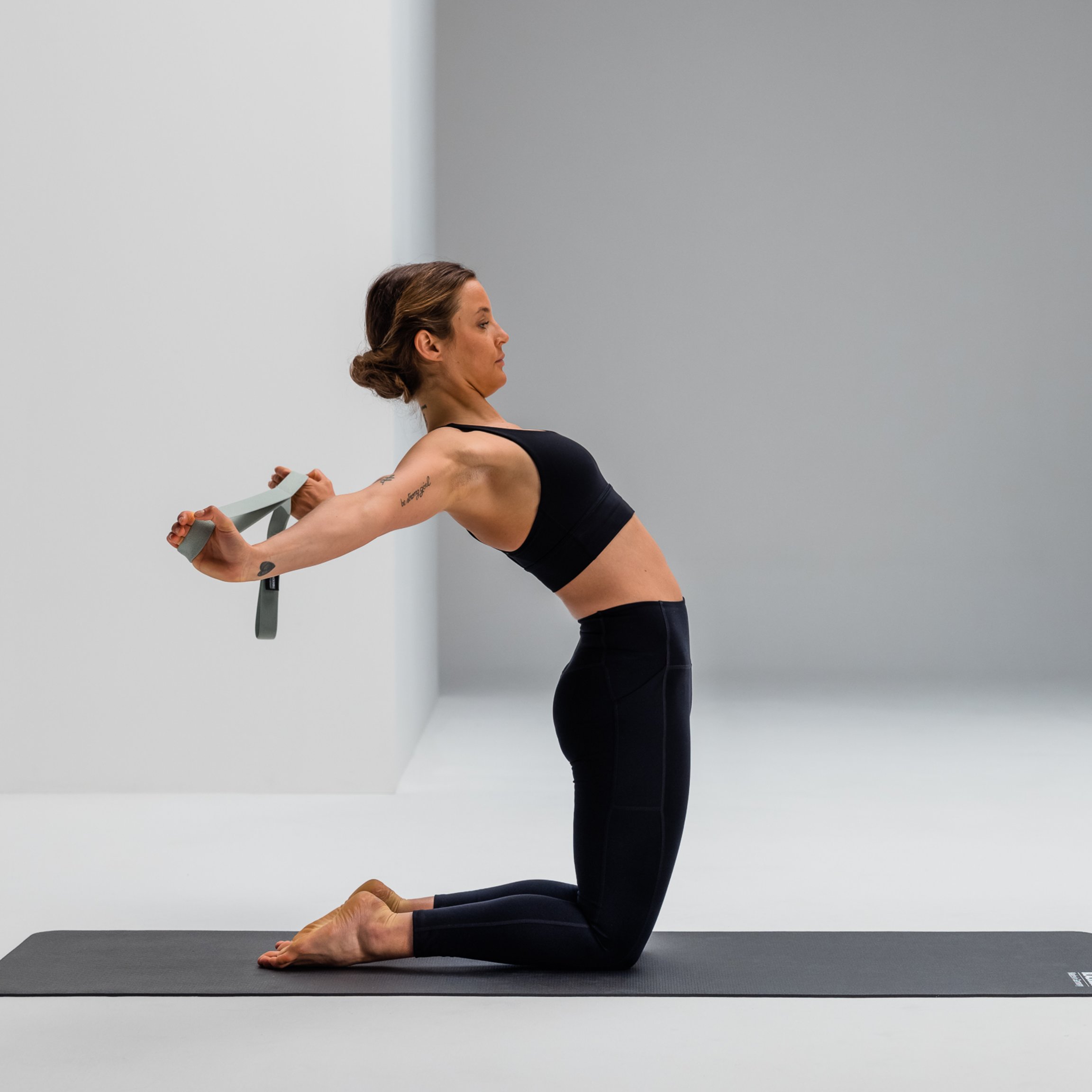
Starfish Back Bend
Stand upright. Grasp the STRETCH BAND with your fingertips. Reach your arms back and move the band over your head. Push your hips forward and your upper body backward. Lift your sternum. Bring your chin to your chest. Hold the position. Do not exceed your pain threshold under any circumstances. Hold the position for 6–10 breaths and repeat the exercise 2–3 times.
Triggering the Chest Muscles
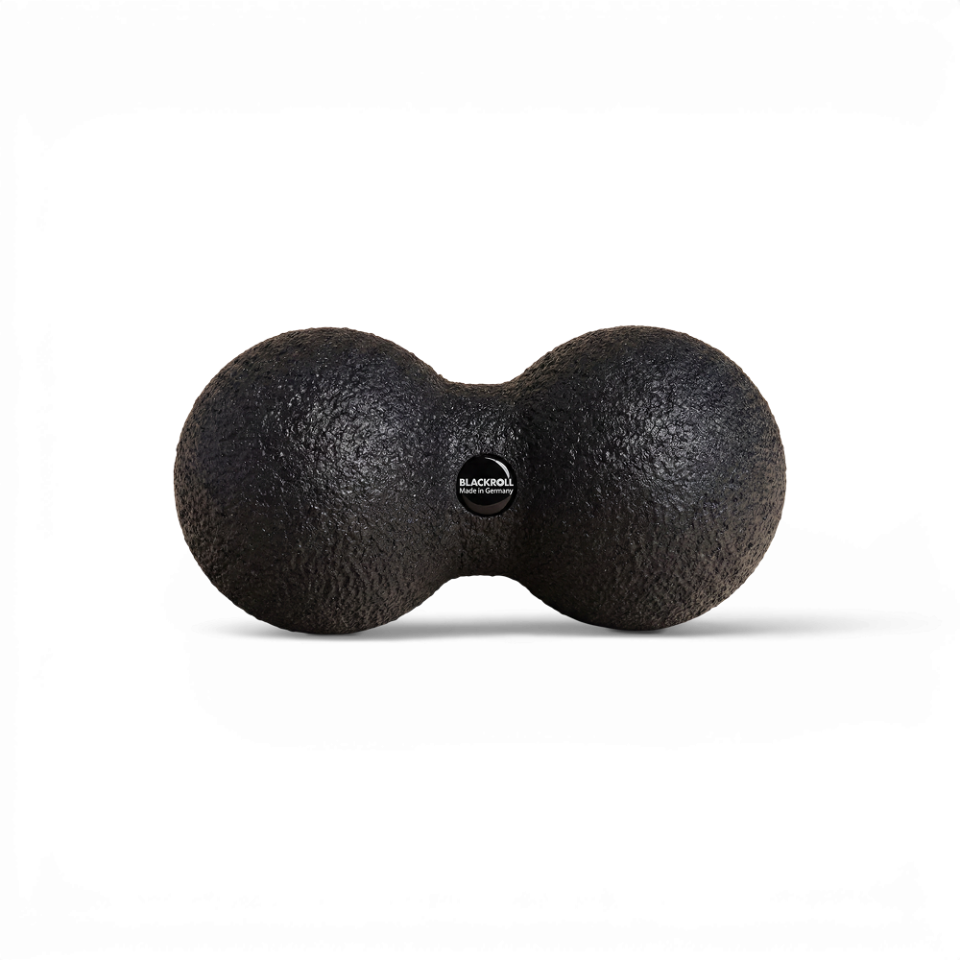
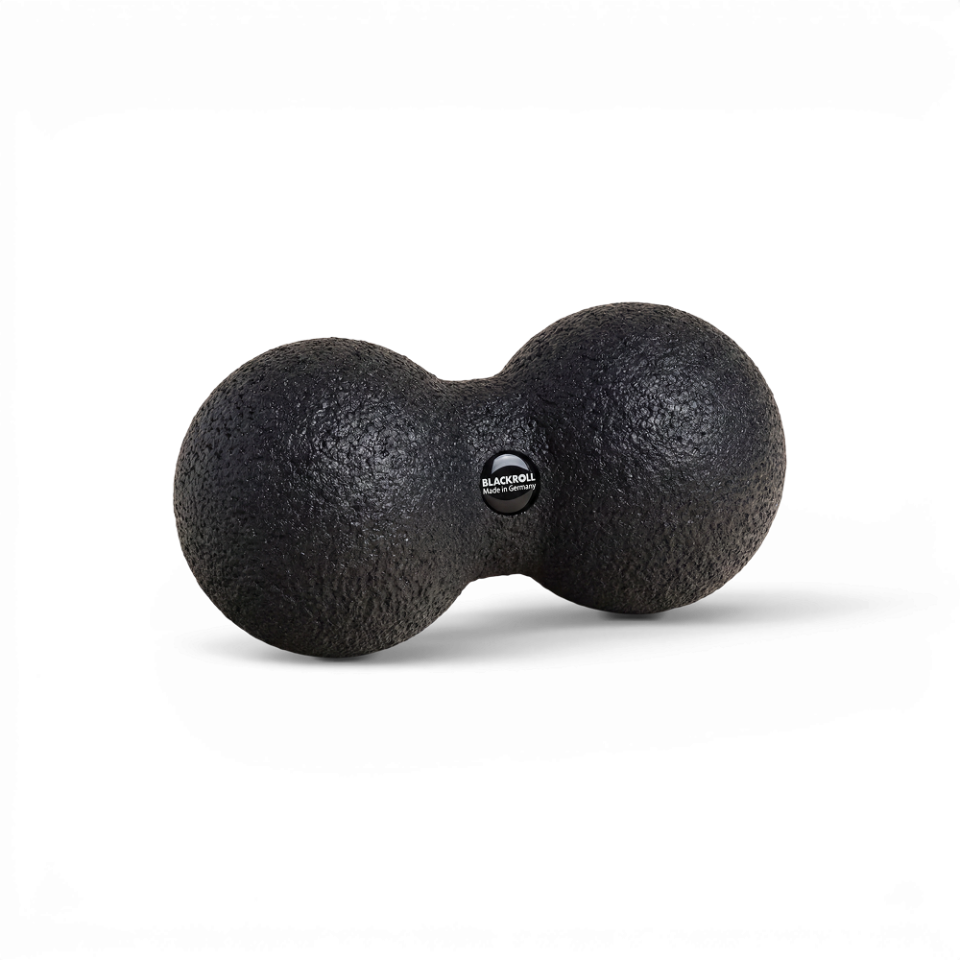
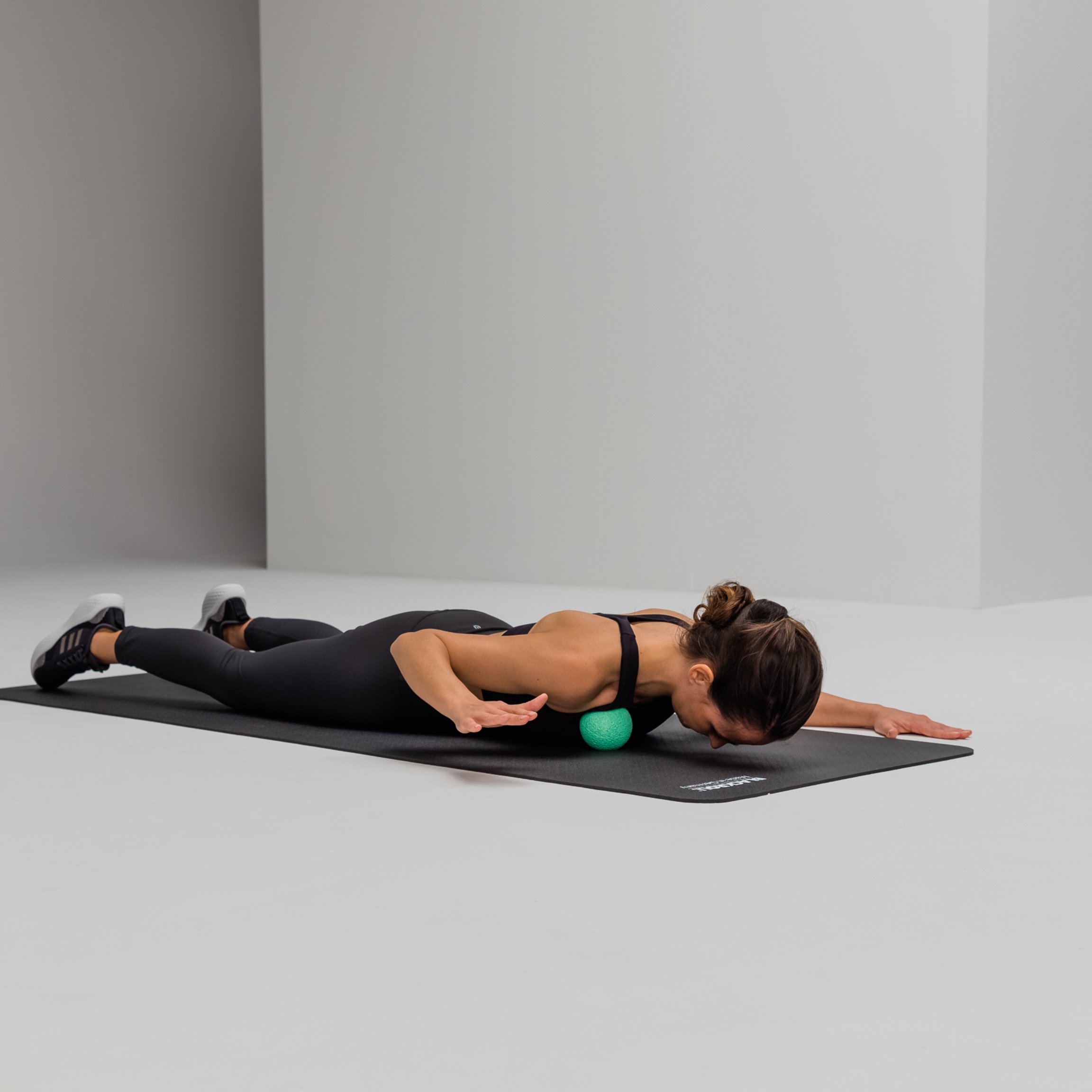
Start in a prone position. Place the BALL under your chest. Look for a tender spot. Hold this position. Focus on your breathing while doing so. As soon as the pain subsides, raise and lower your arm. Perform the exercise for about 60 seconds.
Stretching the Chest Muscles
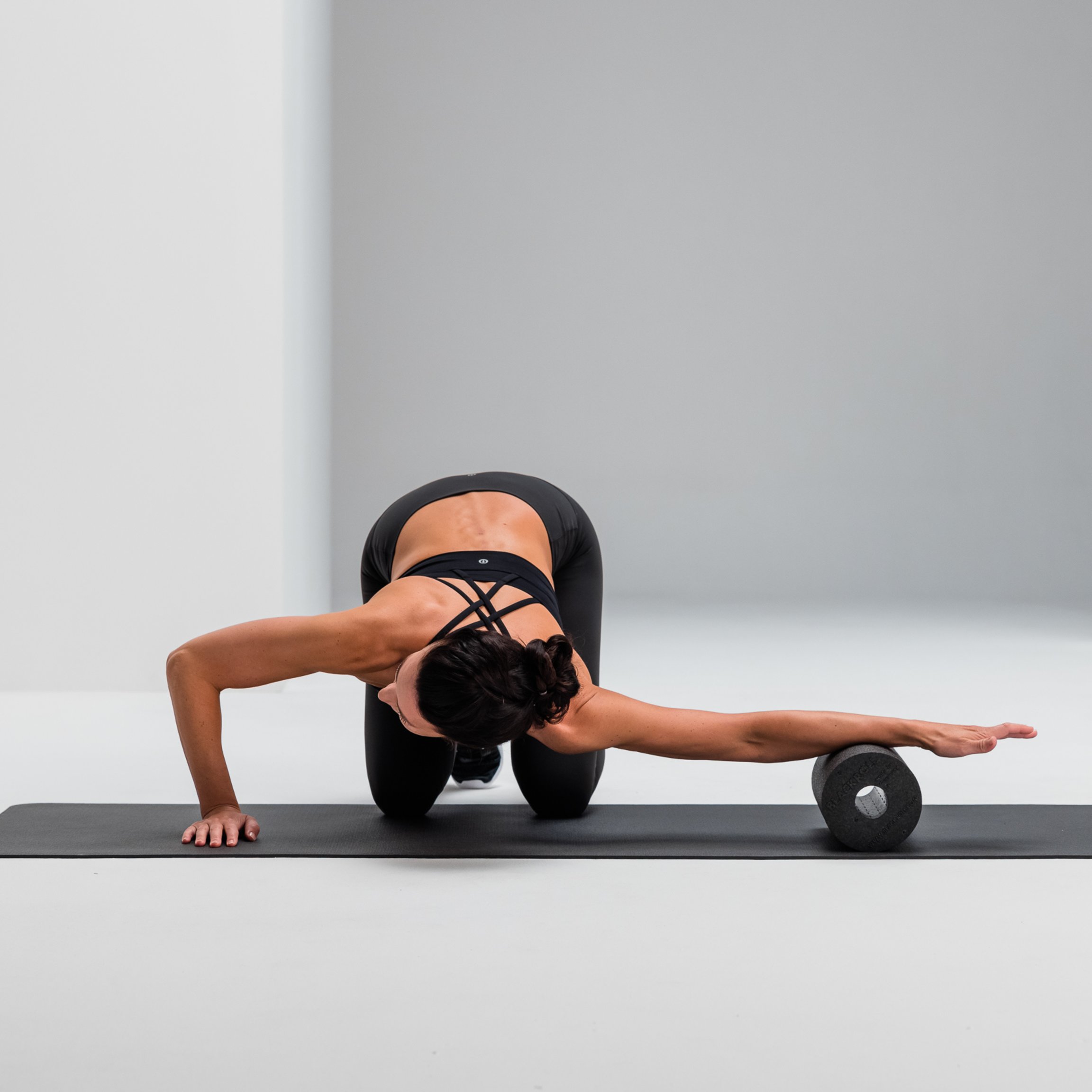
Place the BLACKROLL next to the mat. Start on all fours. Extend your arm to the side. Place your forearm on the BLACKROLL. Push the foam roller away to the side. Let your upper body sink toward the floor. To increase the stretch, you can twist your torso across your thoracic spine toward the opposite side. Hold the stretch for about 60 seconds.
Shoulder Blade Push-Ups
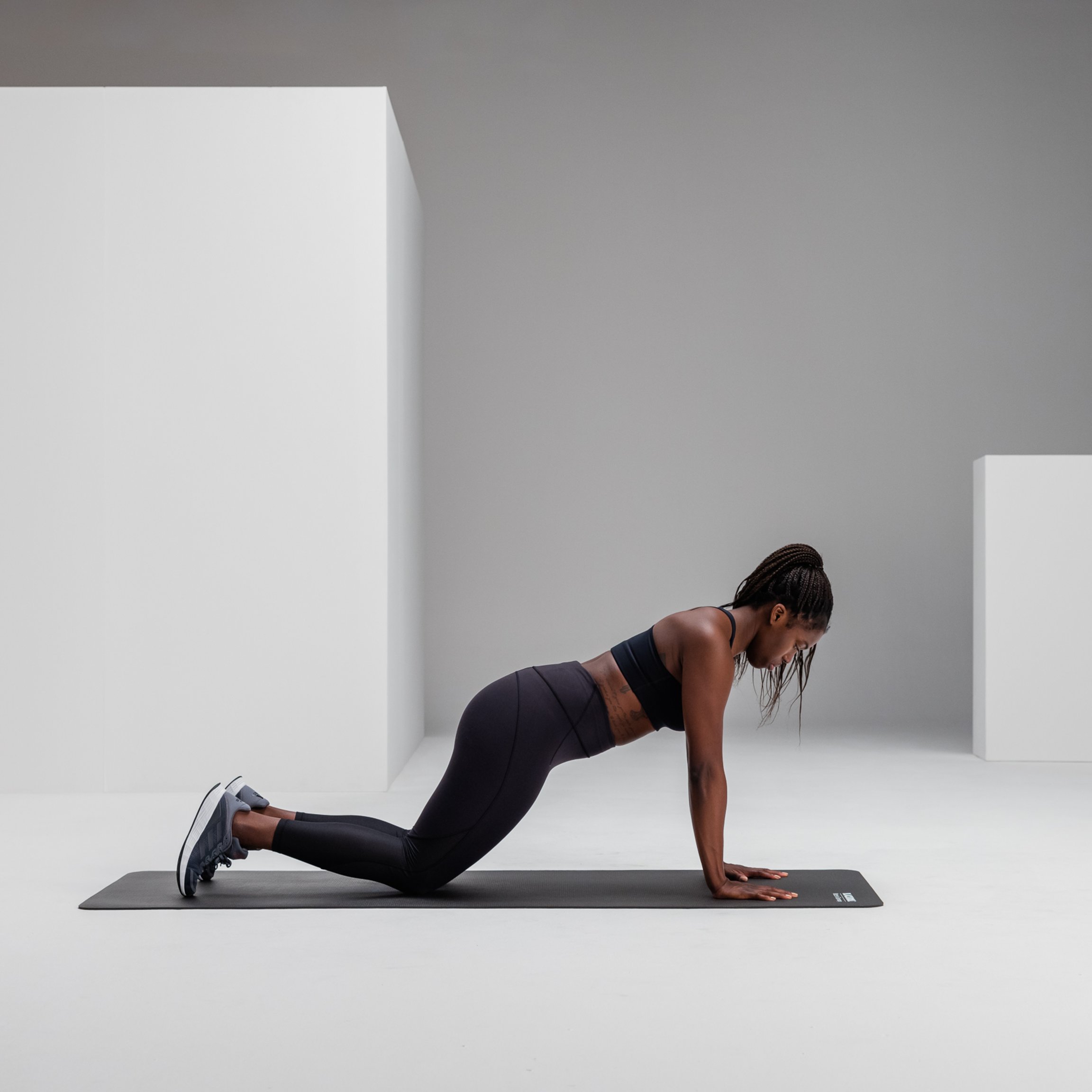
Start in a push-up position. Lower your upper body toward the floor, keeping your arms straight. Then push yourself back up as far as you can. Hold the position for a few seconds. Repeat the movement. Make sure your body forms a straight line. To start, you can stay on your knees. As you push up, let your shoulder blades slide forward. Perform 12–15 repetitions and 2–3 sets.
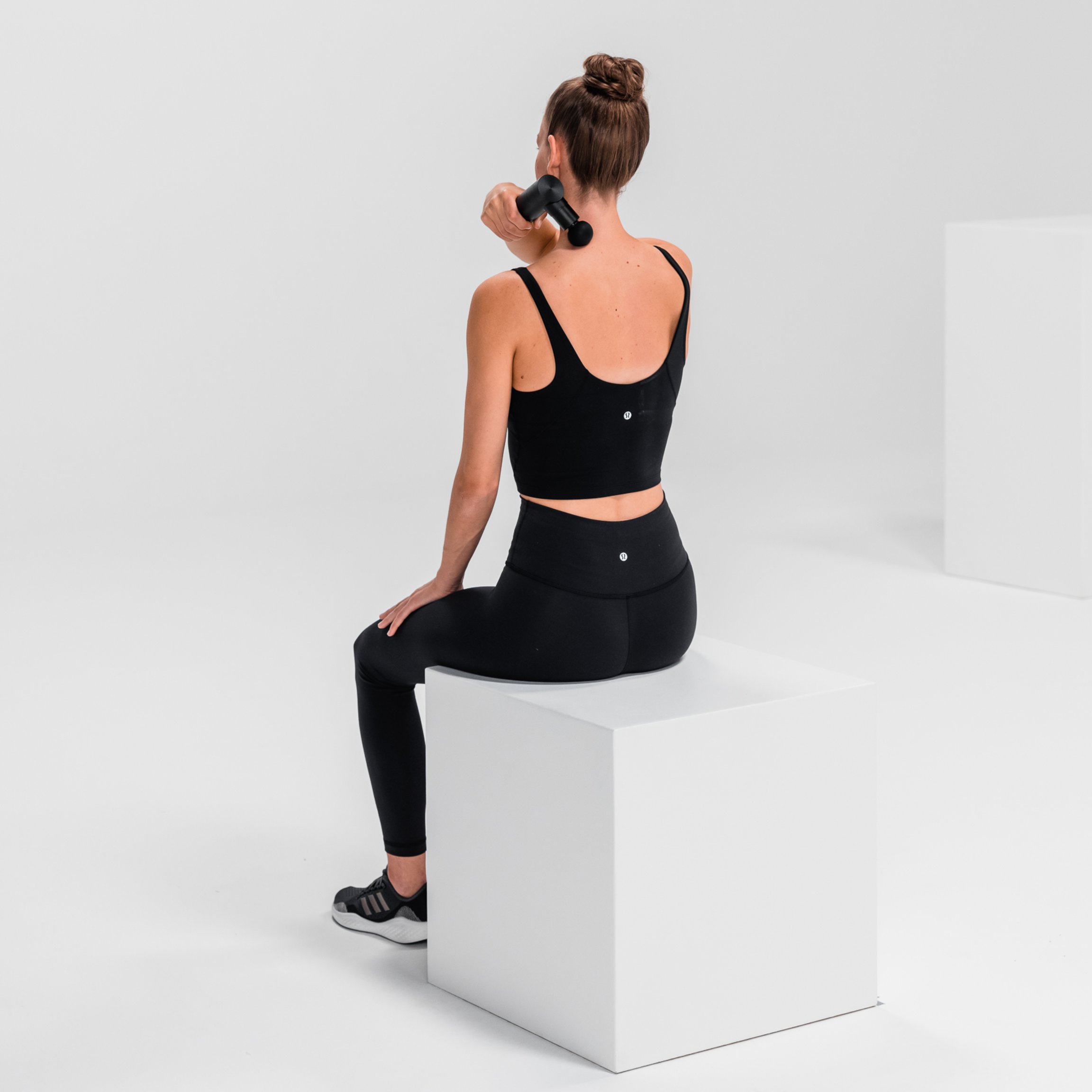
Massaging your neck with a massage gun or trigger point tool can also be very relaxing and helpful.
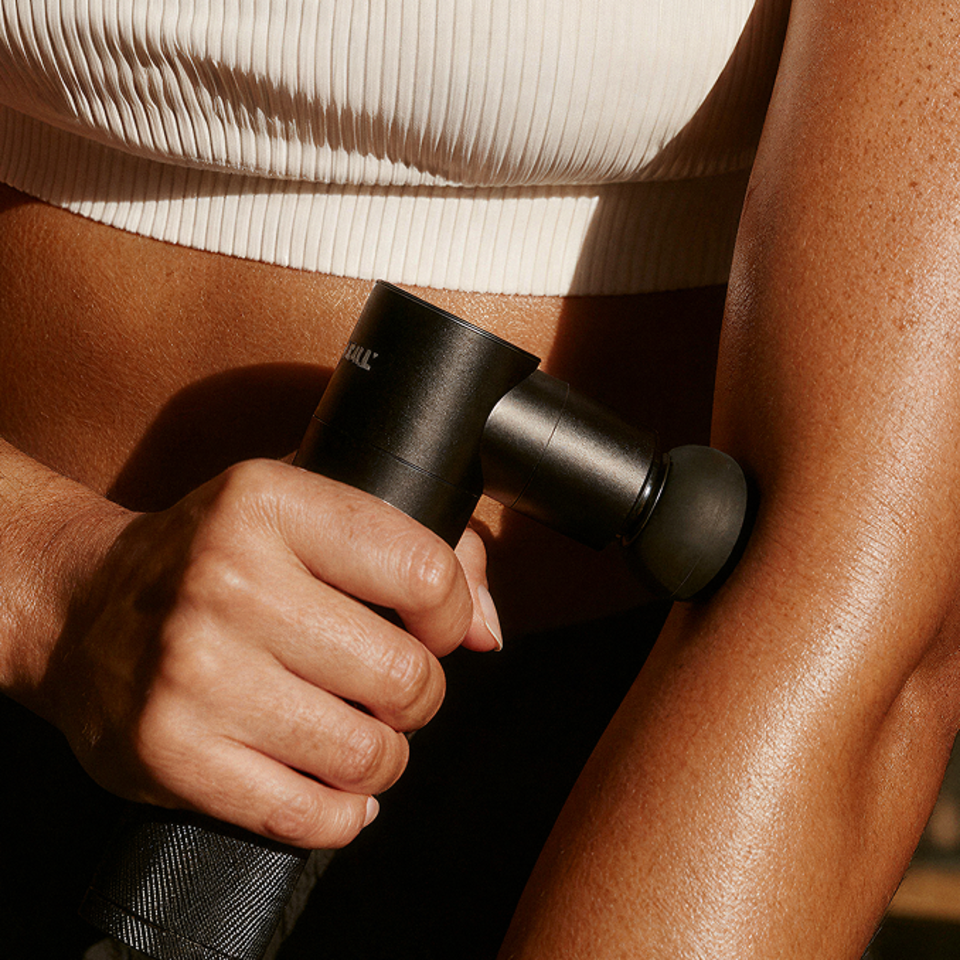
Trapezius Massage with the Fascia Gun
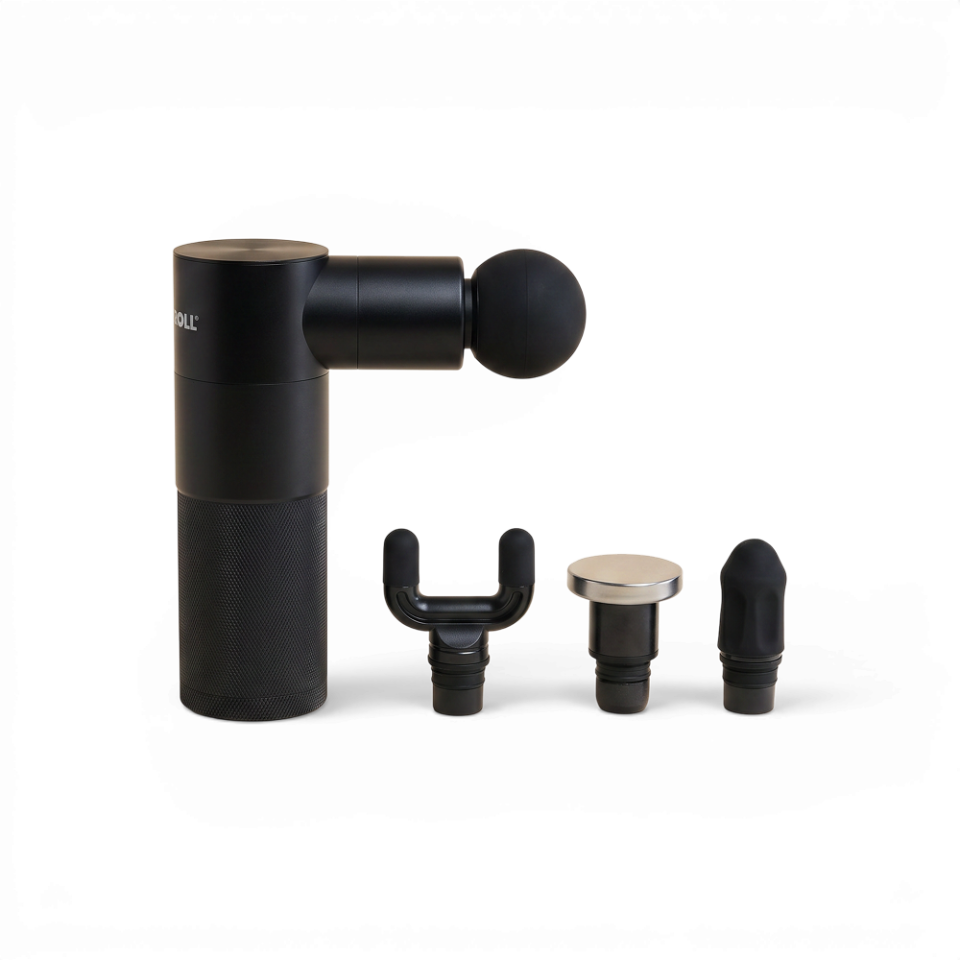
Start in a seated position. Treat the tissue between the shoulder and the cervical spine. The GUN should only be used on soft tissue. Avoid the cervical spine. We recommend massage levels 1–2.
Trigger Point Massage for the Neck
While standing, place your shoulder/neck on the TRIGGER. Locate a tender spot. Remain on the spot. Focus on your breathing.
Vulture Neck: Symptoms and Causes
Have you ever wondered what exactly a vulture neck is and how it develops? Perhaps you’ve even noticed yourself that you often unconsciously stick your head very far forward past your shoulders? This is precisely a sign of a vulture neck. Here, we’ve summarized some symptoms and causes of vulture neck for you.
What exactly is a vulture neck:
A “vulture neck” is when your neck is constantly tilted forward, causing your chin to rest in front of your chest.
This posture resembles that of a vulture, which is why it’s called that. This shifts the body’s center of gravity forward, which not only looks unattractive but also makes the head feel even heavier. Every centimeter your head protrudes forward increases the strain on your cervical spine by two kilograms.
A common cause of vulture neck is a rounded back (hyperkyphosis in the thoracic spine).
Vulture Neck Symptoms:
Typical symptoms and signs of hyperkyphosis may include:
- Forward-tilted neck: This is the most distinctive feature of a vulture neck, in which the neck is bent forward, positioning the chin in front of the chest.
- Hunchback: The thoracic spine is excessively curved backward, resulting in a hunchback.
- Pain and stiffness: The abnormal curvature of the spine can cause pain and stiffness in the neck, shoulders, and upper back.
- Breathing difficulties: In severe cases, hyperkyphosis can impair lung function and lead to breathing difficulties.
- Limited mobility: The restricted mobility of the spine can impair the ability to perform everyday activities.
- Aesthetic concerns: A vulture neck can be perceived as aesthetically unappealing and lead to a negative self-image.
- Long-term consequences: If left untreated, hyperkyphosis can lead to long-term spinal damage, disc problems, and chronic back and neck pain.
Causes of a "vulture neck":
While hyperkyphosis is congenital in some people, in most cases it develops over time due to poor posture, prolonged sitting, or one-sided strength training. Learn more about the causes of a vulture neck here:
- Poor Posture:
One of the most common causes of a vulture neck is consistently poor posture. This can be exacerbated by prolonged sitting—especially in a poor sitting position—bad daily habits, and poor ergonomic conditions in the workplace. - Lack of physical activity:
A sedentary lifestyle and a lack of sufficient exercise can cause the muscles that support the spine to weaken, which can lead to the development of a vulture neck. - Osteoporosis:
Osteoporosis is a bone disease in which bones lose density and strength. This can weaken the spine and lead to excessive curvature, including a vulture neck. - Age-related changes:
With age, age-related changes can develop in the spine, which may lead to hyperkyphosis. - Anatomical factors:
In some people, anatomical factors, such as congenital spinal problems or birth defects, can contribute to the development of a vulture neck. - Injuries:
Back injuries or accidents can affect the spine and lead to hyperkyphosis. - Muscle imbalance:
An imbalance among the muscles that support the upper body can promote an unhealthy curvature of the spine.
These factors not only lead to a “vulture neck” and muscle tension but can also cause long-term damage and discomfort to the vertebrae and intervertebral discs, which can result in chronic back and neck pain. Therefore, it is all the more important to counteract this poor posture with targeted exercises.
Correcting a "vulture neck"
There are also great everyday exercises you can do to correct your “vulture neck.” They don’t require much effort and can be integrated into your daily routine—whether at the office or at home while watching your favorite TV show.
- Neck Stretch
Sit or stand upright for this exercise. Stretch your neck upward as far as possible by pointing your chin toward the ceiling. Hold this position for 5 to 10 seconds, then relax all your muscles. Breathe deeply and consciously into your neck and shoulder area. Repeat the neck stretch about 10 times. It’s also great as a quick “text neck exercise for in between.”
- Neck Tilt
Sit or stand upright and tilt your head to the left so that your ear moves closer to your left shoulder. Hold this position for a few seconds, then return to the starting position. Now perform the same steps on the right side and repeat the exercise 10 times on each side. This stretches your neck muscles and keeps them supple.
- Shoulder Rolls
For this exercise, stand or sit on a chair. Slowly roll your shoulders forward and then backward. This exercise can help relieve tension in your shoulders and upper back caused by “vulture neck.”
- Chest Stretch
Stand with your back against a wall and extend your arms out to the sides. They should form a straight line. Press your palms against the wall and slowly move your arms up and back down. This exercise can help stretch your chest muscles and improve your posture.
- Book Balance
Sit down with your favorite book and place it on your head. Try to balance the book and keep your head as straight as possible. This will help you develop a good sense of the correct posture for your neck and head.
It’s best to try these exercises for yourself. The important thing is to listen to your body’s signals. Hopefully, you’ll soon be rid of your forward head posture and the pain that comes with it.
Tips for a Healthy Neck
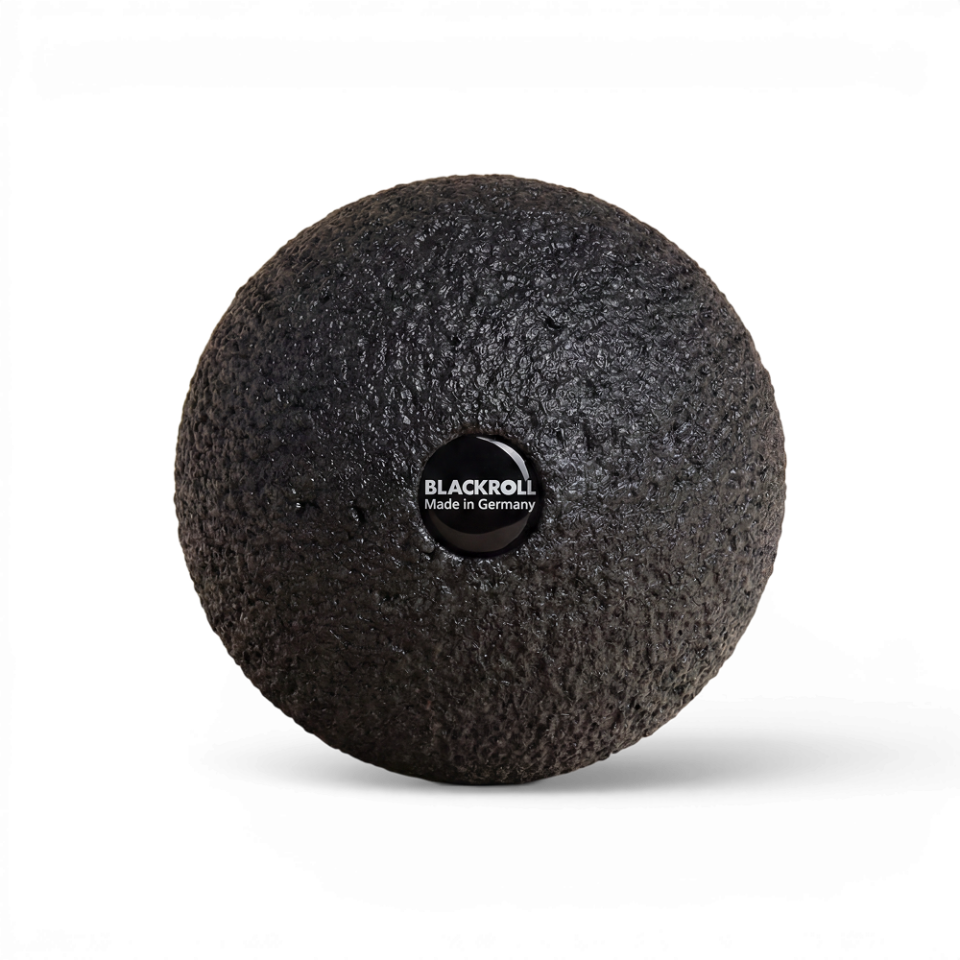
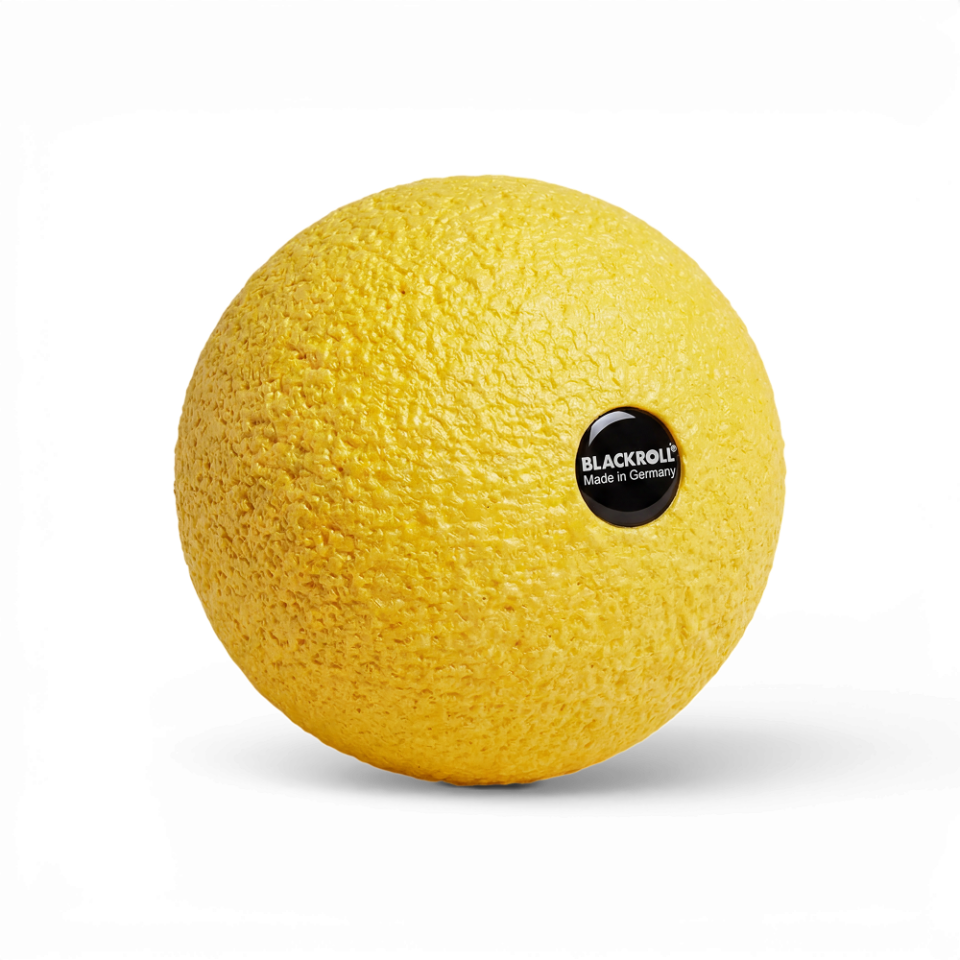
Ball 08
Available in multiple variants