
A nap at the gym?
BLACKROLL® CEO Marius Keckeisen discusses health, passive recovery, and the importance of good sleep in an interview.
Whether in the scientific community, society at large, or at trade shows like FIBO, a clear trend is currently emerging: People are craving good sleep more than ever. And for good reason! Sleep not only has a direct impact on our physical and mental state the next day, but also has a lasting effect on our health. And even in the competitive world of sports and fitness, from recreational to professional levels, there is a consensus that the importance of sleep must be given greater attention, and that good sleep should be as much a part of training as stretching or staying hydrated.
Our CEO, Marius Keckeisen, shares fascinating insights on the topics of sleep and recovery and explains why BLACKROLL® has long been committed to developing effective products for passive recovery during sleep. He also explains how the fitness industry can benefit from this new awareness.
It’s common knowledge that sleep and recovery are important for health. But both topics seem to be gaining even more popularity right now. Why?
I think the growing interest in sleep and recovery in society stems from a combination of various factors. For example, the ever-increasing stresses of modern life are intersecting with new research findings, a general shift in awareness regarding health issues, and a growing interest in preventive healthcare. Or, to be more precise:
Shift in Awareness: As a brand with a strong focus on recovery, we know that sleep is the most important component of passive recovery. People are generally becoming increasingly aware that sufficient sleep positively influences health, well-being, and quality of life—or negatively, when it is lacking.
Research and Science: Scientific research has shown that sleep deprivation has serious effects on the body and mind and can lead to a variety of health problems. These findings have sparked greater interest in sleep and health throughout society.
Preventive Healthcare: In general, there is a growing emphasis on and understanding of preventive measures, as promoting healthy sleep is a very simple way to prevent illness and reduce healthcare costs in the long term. There is significant potential for improvement in our bedrooms, and noticeable results can be achieved very quickly with simple tools.
Stress, Work Culture, and Media Consumption:
Modern lifestyles are often characterized by stress, whether due to professional demands, the pressure to be constantly available, or the constant influence of digital technologies. These factors can lead to sleep disturbances. Growing awareness of the negative effects of stress on health has contributed to greater attention being paid to sleep and rest.
At various sports and fitness trade shows, it’s also evident that the topics of sleep, rest, and passive recovery are playing a greater role in both recreational and professional sports. What are your thoughts on this?
“No peak performance without recovery.”
That’s the DNA of BLACKROLL®, so to speak. Through self-massage with the BLACKROLL®, we promote active recovery, and through good sleep, passive recovery. In competitive sports, athletes are always looking for the next way to further optimize their training and improve their results. Sleep has tended to be neglected in this context, even though it plays a crucial role in muscle recovery, hormone production, and energy generation. With sufficient rest, athletes can boost their performance and reduce the risk of injury.
Intense training puts stress on the body and leads to muscle soreness and inflammation. Sleep and recovery are necessary to alleviate this stress and allow the body to regenerate. The fitness industry is also increasingly recognizing the importance of recovery techniques such as massage, stretching, meditation, and relaxation exercises to prevent injuries and promote recovery. In addition, the fitness industry is increasingly shifting away from a sole focus on physical fitness and placing greater emphasis on holistic well-being. Peak performance requires not only physical strength but also mental health, effective stress management, and adequate rest. Sleep is increasingly viewed as an integral part of a healthy lifestyle and comprehensive fitness.
You’ve surely had many interesting conversations with fitness professionals in your day-to-day business and at trade shows. How are they reacting to the fact that “sleep” is now making its way into the gym?
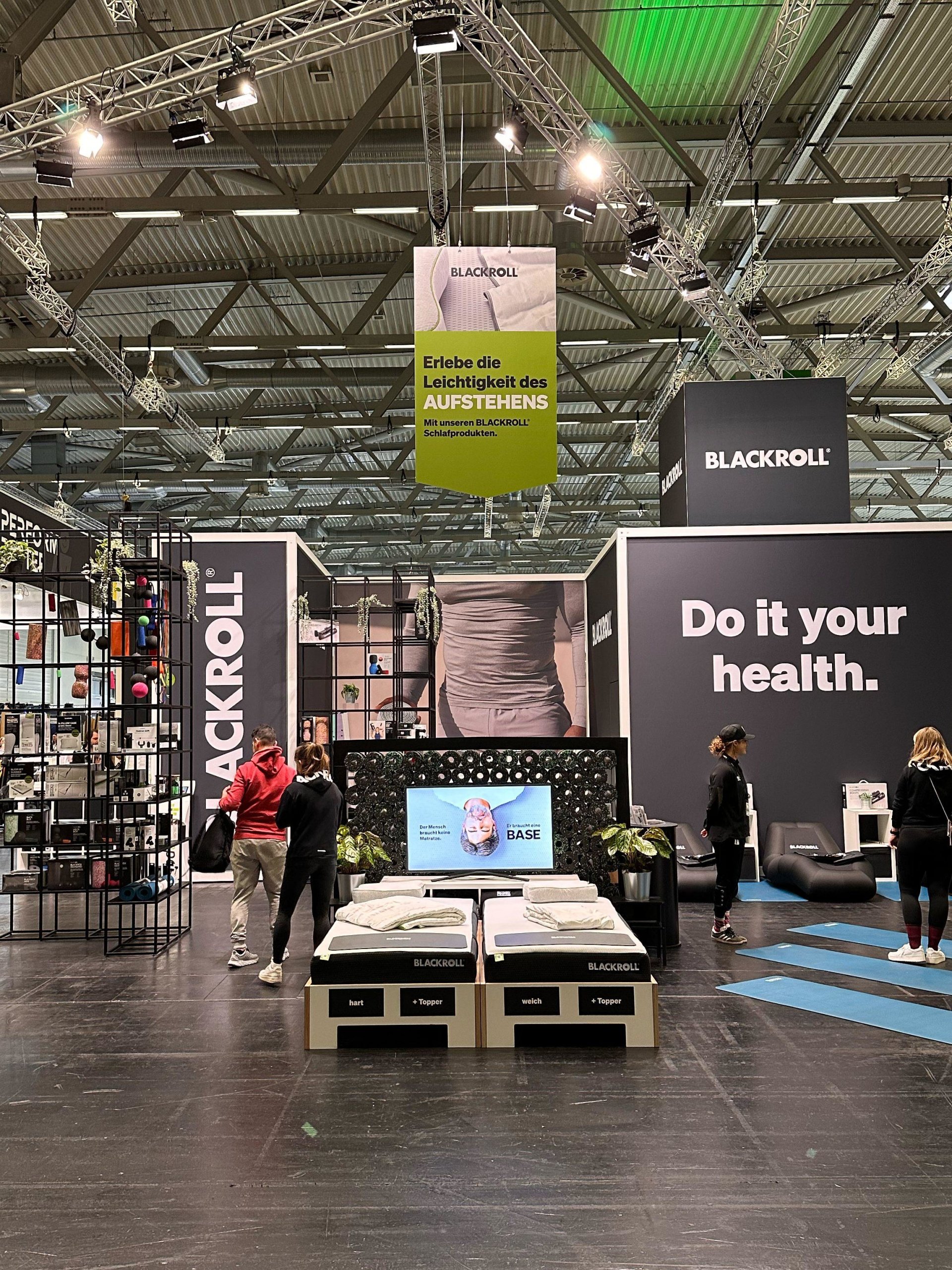
Interest in the topic of recovery is extremely high. The connection to sleep becomes clear quite quickly: There are already gyms that have experience with “power nap” classes during lunch breaks and are getting great feedback. At the same time, space is becoming available as interest in tanning beds declines and people look for new, innovative concepts. At first, we thought we’d encounter a lot more skepticism when we approached gyms, sports stores, or companies with the topic of sleep through sleep products and expertise. But the interest is much higher than expected, and the social relevance of the topic is quickly recognized.
"The market is looking for good ‘sleep’ solutions."
What business tips do you have for gym owners or trainers who want to capitalize on the sleep trend, meet their customers’ needs, and make money in the process?
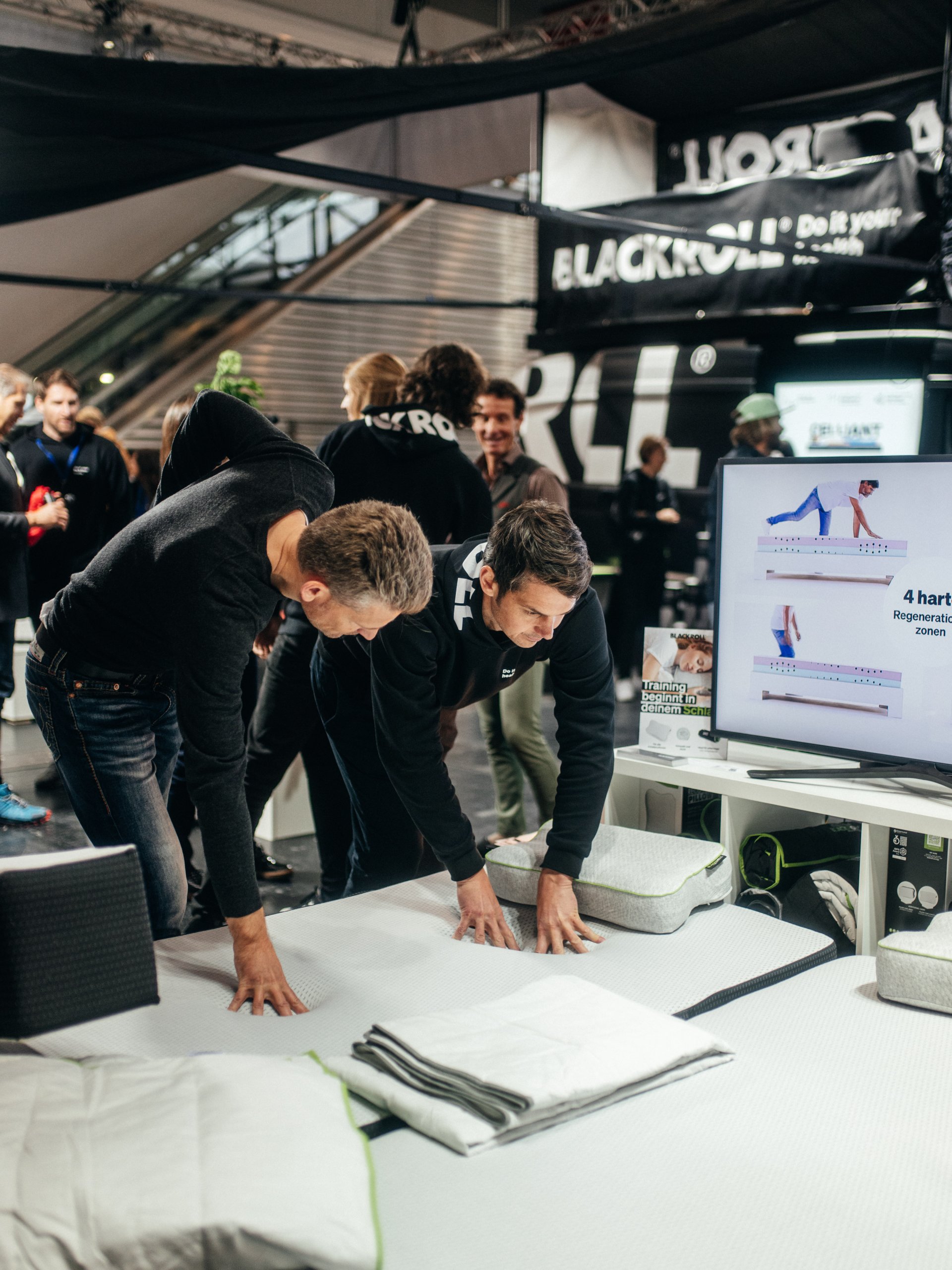
Fitness studios and fitness companies have realized that they can set themselves apart from the competition by offering their customers programs and services designed to promote sleep and recovery. There’s a wealth of expertise to share here—from routines and tips to effective products that deliver immediate, noticeable results. Trainers, therapists, and studio owners alike should capitalize on this trend. You can earn money here by sharing knowledge, providing tracking and coaching, or by selling products. For example, we offer gyms and practices affiliate solutions for selling our sleep products, which customers can test right there on-site. Anyone who wants to be innovative in the gym industry should focus on creating solutions for passive recovery, sleep, and relaxation in the future —and we’re happy to support you with advice, practical help, and effective products!
How have you tailored your products to sleep and passive recovery?
We draw most of our insights for product development from scientific research and the day-to-day realities of competitive sports. Among other things, our pillow can easily be taken anywhere to keep the sleep environment as consistent as possible. After all, routine and a consistent sleep environment play a disproportionately large role in helping people sleep better. Competitive athletes and people who train a lot often sleep too hot, which is why our blanket collection is specifically designed to help prevent overheating during sleep. But good sleep is truly very individual. That’s why we’ve integrated 8 configuration options into our BASE line, which customers can customize to their needs—and high-tech fibers in the mattress cover further support recovery.
Sleep Solutions from BLACKROLL®

The RECOVERY BLANKET SUMMER by BLACKROLL®


