
Back to Everyday Life: How to Keep That Vacation Feeling Alive
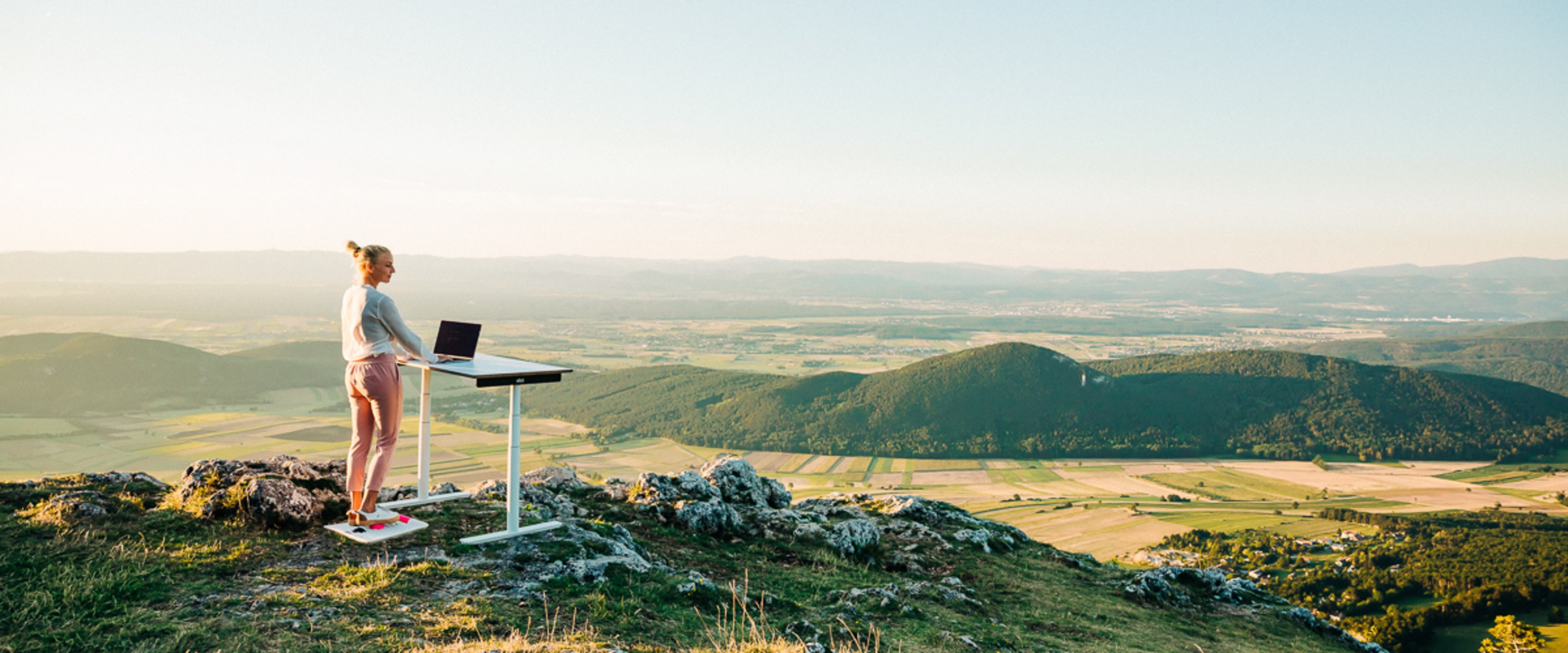
Your vacation is over; the sun, the sand, and those relaxing days by the sea, in the mountains, and elsewhere are now just memories. The thought of returning to your daily routine at the office might be hard to face, especially if you felt less stressed and tense while on vacation and were even able to stick to your exercise routine.
But don’t worry—we’ve got some tips to help you take better care of yourself in your daily life and maintain a balance between rest and activity. While on vacation, you may have realized how important it is to make time for yourself and your health. So keep that balance in your everyday life—that way, you won’t need to wait for your next vacation to feel good.
The Art of Switching Gears
The transition from relaxed vacation mode back to the workday can be challenging. Here are 7 proven methods to make this transition smoother:
1. Planning Is Everything
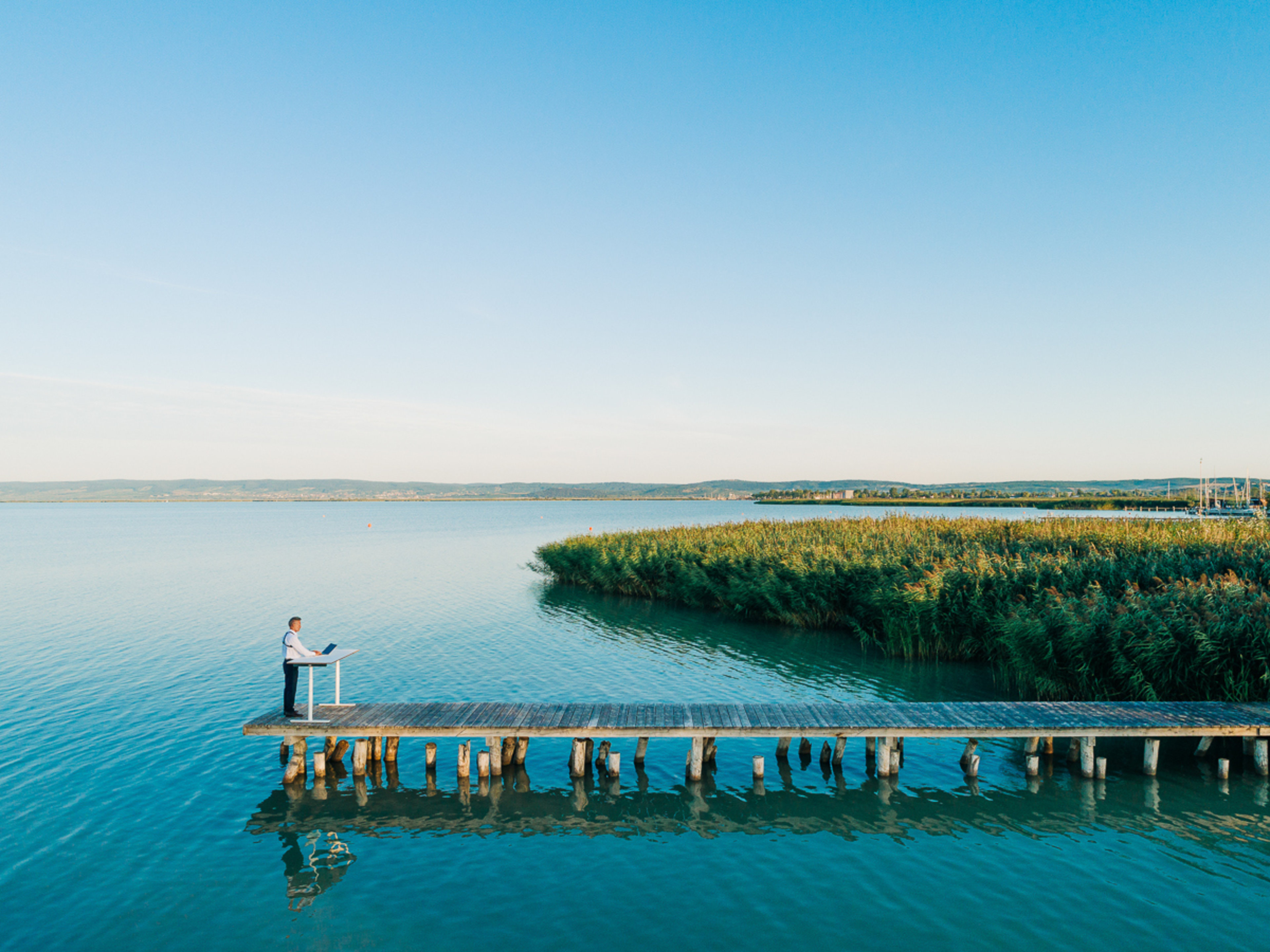
Start mentally preparing for your return even before your vacation ends. Set clear goals and priorities for the coming weeks to make the transition back easier. If possible, don’t plan your first day back at work to be too stressful. Start with tasks that are less urgent and slowly work your way back into your usual routine. Avoid multitasking—it just adds stress. By the way: Taking a break every now and then to look away from your screen or your work and gaze into the distance can relieve eye strain and improve your concentration. And imagining the sound of ocean waves every now and then certainly can’t hurt.
2. Breaks & Effective Time Management
Use effective time management techniques, such as the Pomodoro Technique, to get your work done efficiently. This time-management method can help you work more productively while also scheduling breaks. Focus on your work for 25 minutes, then take a 5-minute break. After four cycles, treat yourself to a longer break of 15–30 minutes. Use these moments to take a deep breath or do a short relaxation exercise. A short nap of about 20–30 minutes can work wonders for boosting your energy and concentration in the afternoon. Find a quiet place, close your eyes, and relax.
3. Exercise and FreshAir
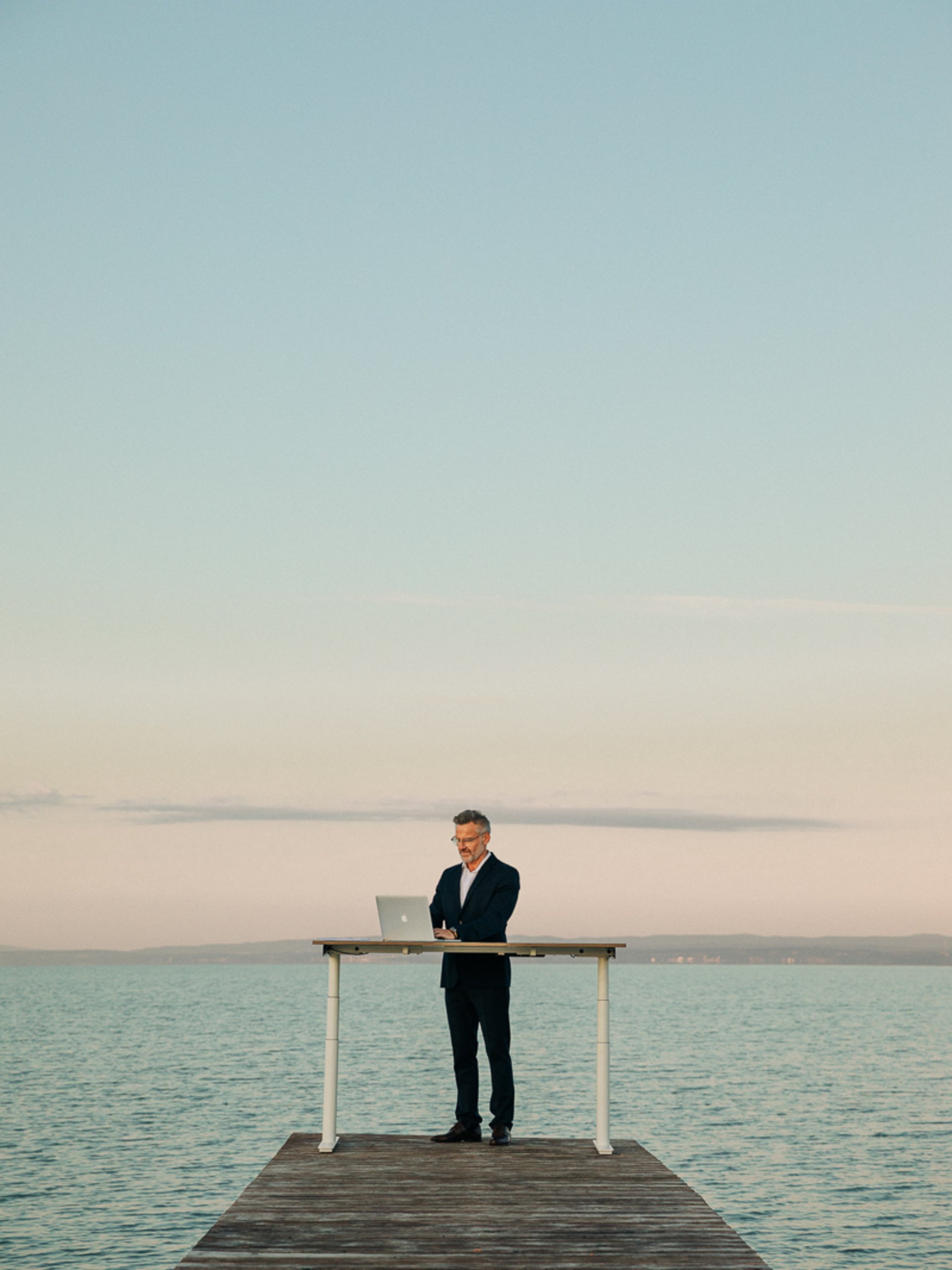
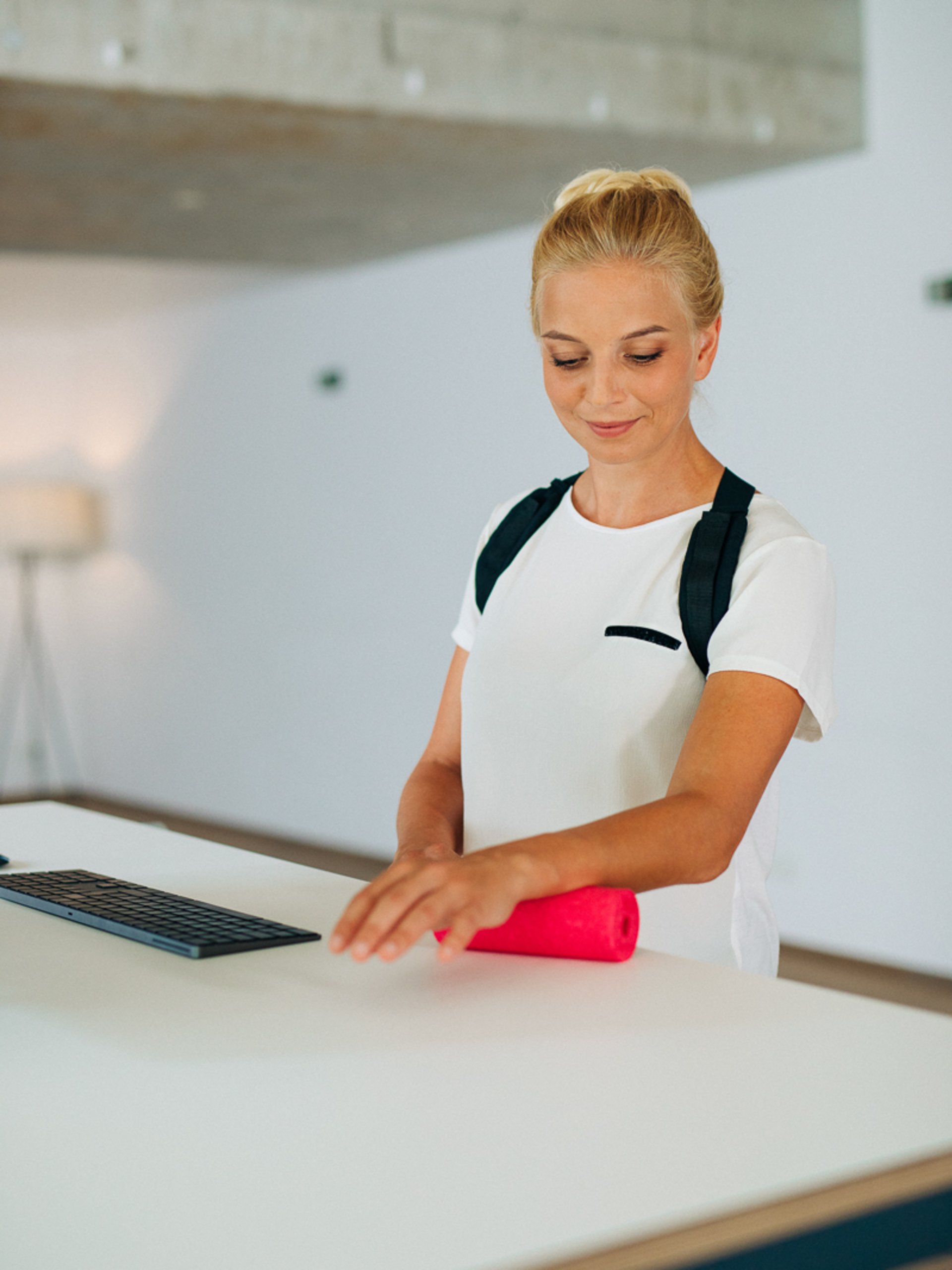
Use your lunch break for a short walk or some stretching exercises. Fresh air and movement can work wonders for clearing your head and keeping your energy levels up. Even when working at a desk, you should try to stay active. Get up regularly, drink water, and give yourself short massages on your SMOOVE BOARD. If possible, use a standing desk or ergonomic seating to reduce strain on your back. Schedule regular workouts into your weekly routine, just as you did on vacation. Find sports or activities that you enjoy so you stay motivated.

Stretch in between.

Back relaxation for your break.

Muscle activation—even at the office.
4. Nutrition & Meal Prep
Make sure to eat a balanced diet that gives you energy for the day. Avoid heavy meals that might make you feel sluggish. It’s best to prepare your meals in individual portions and have healthy snacks on hand. That way, you’ll be less tempted by everyday indulgences. Stay focused while you eat! That’s the only way you’ll know when you’re full, chew mindfully, and truly enjoy your meal. Under no circumstances should you eat while looking at a screen.
5. Maintain a routine
Try to incorporate parts of your vacation routine into your daily life. Perhaps you can start your mornings with a short meditation or yoga session to begin the day in a relaxed way. Habits are an important part of our daily lives. Set clear goals for changes in your life and try to gradually incorporate them into your routine. For example, you could resolve to meditate for 10 minutes every morning or schedule a short workout each day. Identify bad habits that weigh you down in your daily life and work on changing them. This often requires patience and perseverance, but small steps in the right direction can lead to big changes in the long run.
6. Social Interaction & Self-Care
Nurture your social connections and spend time with friends and family. Shared activities can help reduce stress and lift your spirits.
But don’t forget to take care of yourself—and don’t overfill your calendar with leisure activities. Set small goals for yourself regularly and reward yourself for reaching milestones. For example, get a massage regularly or treat yourself to one using the FASCIA GUN. Time spent with yourself is precious. Enjoy it!
7. Conscious Breathing
Proper breathing can work wonders for reducing stress and improving concentration. Try to consciously take deep breaths in and out repeatedly to calm yourself and stay focused. This activates the parasympathetic nervous system—the calming part of your nervous system. If you breathe shallowly and rapidly, the opposing system is activated, and you’ll only increase your tension further.
Conclusion
The transition from vacation back to everyday life may seem difficult at first, but with the right approach and the tips mentioned above, you can extend that vacation feeling. Remember that the balance between rest and activity is crucial for feeling more comfortable and balanced. Consciously set aside small breaks and pay attention to your needs—this will help you ease back into your daily routine and maintain the sense of balance you enjoyed on vacation.


