Because BLACKROLL® embodies true regeneration
Balance comes from a constant alternation between activity and relaxation—and is fundamental to your well-being.
Life is cyclical: when you’re active, you need to rest. If you’re active during the day, you need restorative sleep at night. If you engage in intense sports, you should recover after your workout. It is this constant alternation between activity and rest that creates balance—which is fundamental to your well-being. In short, stimulation and recovery always go hand in hand.
Calm, relaxation, sleep, the moments when you rest and recharge—the rest phases; many people don’t make enough room for them in their lives and fail to compensate for all the effort they put in every day. A nationwide study on stress conducted in Germany by the Techniker Krankenkasse shows this. The result: six out of ten people feel stressed in their professional or private lives. These people feel an imbalance between effort and relaxation.
Stressors and stimuli cause fatigue
In everyday life, things aren’t always in balance. A hectic pace, pressure, and stress weigh heavily as stressors. Illnesses also take their toll. Added to this are the challenges of daily life, such as balancing family and work life. As the day goes on and time passes, we lose energy—our batteries run low. The reason is quite simple: our bodies must cope with numerous external influences, scientifically referred to as stressors. This term has a negative connotation, but these influences can also be called “stimuli.” Stressors, or stimuli, create a psychological and physical imbalance. Homeostasis is disrupted. While we may actively seek this imbalance through exercise to improve our performance and adaptability, it is counterproductive in many areas of daily life.
Heat, cold, joy, sadness, anger, overwork, and pain—whether physical, psychological, or emotional in origin—are stressors. They create an imbalance and trigger reactions in our bodies. Everyone has heard of cortisol, the stress hormone.
It’s not good to just collapse into bed at night
We face stimuli day after day. This makes it all the more important to actively recover. We need to give our bodies—and thus our minds as well—the chance to step back—which doesn’t just mean sleeping a lot. By the way, if you collapse into bed and fall asleep within seconds, it means you’re already exhausted and have started to tap into your body’s reserves.
Recovery is the key to regaining balance.
Definition: What is recovery?
We use this overused term without thinking about what we’re saying. The term is derived from the Latin word for “to take back.” Recovery involves leaving physical and mental fatigue behind—and regaining strength. The related term “regeneration” can also be broken down into three parts that, when taken together, show what recovery really means:
- RE: The syllable “re-” means “again” or “once more”; it indicates that productivity and physical and mental strength return during recovery. When you’ve lost your natural balance, you regain it.
- GENE: Genes define us and form the basis of the human body—and thus of our capacity forregeneration. Every living being needs an alternation of activity and rest, of day and night—it’s written into our biological makeup, our natural rhythm. But your personal rhythm follows the rhythm defined by your genes. And these genes determine, among other things, the timing and type of recovery that is best for you.
- RATION: The term “ration” refers to a unit, a portion. Because recovery follows the principle of balance: the more effort you exert, the more rest you need. It’s all about finding the right balance.
The human body strives for balance and harmony
Recovery is therefore a fundamental part of life—and the key to a life full of energy and success. But what promotes recovery? And how do you restore balance? There are no ready-made answers to these questions. Because rest is as individual as the effort you put in. Above all, you need the right technique at the right time.
Give your (training) potential free rein to reveal its full scope, and actively care for your body by ensuring you get sufficient and regular rest—both mentally and physically. And do so at your own pace and at the intensity that feels right for you. Remember that recovery must be tailored to your current state of health, your needs, and your training. Everyone has their own way. There’s no one-size-fits-all solution. Some find a source of energy in yoga; others relax through gardening. We distinguish between active and passive recovery methods.
Passive recovery
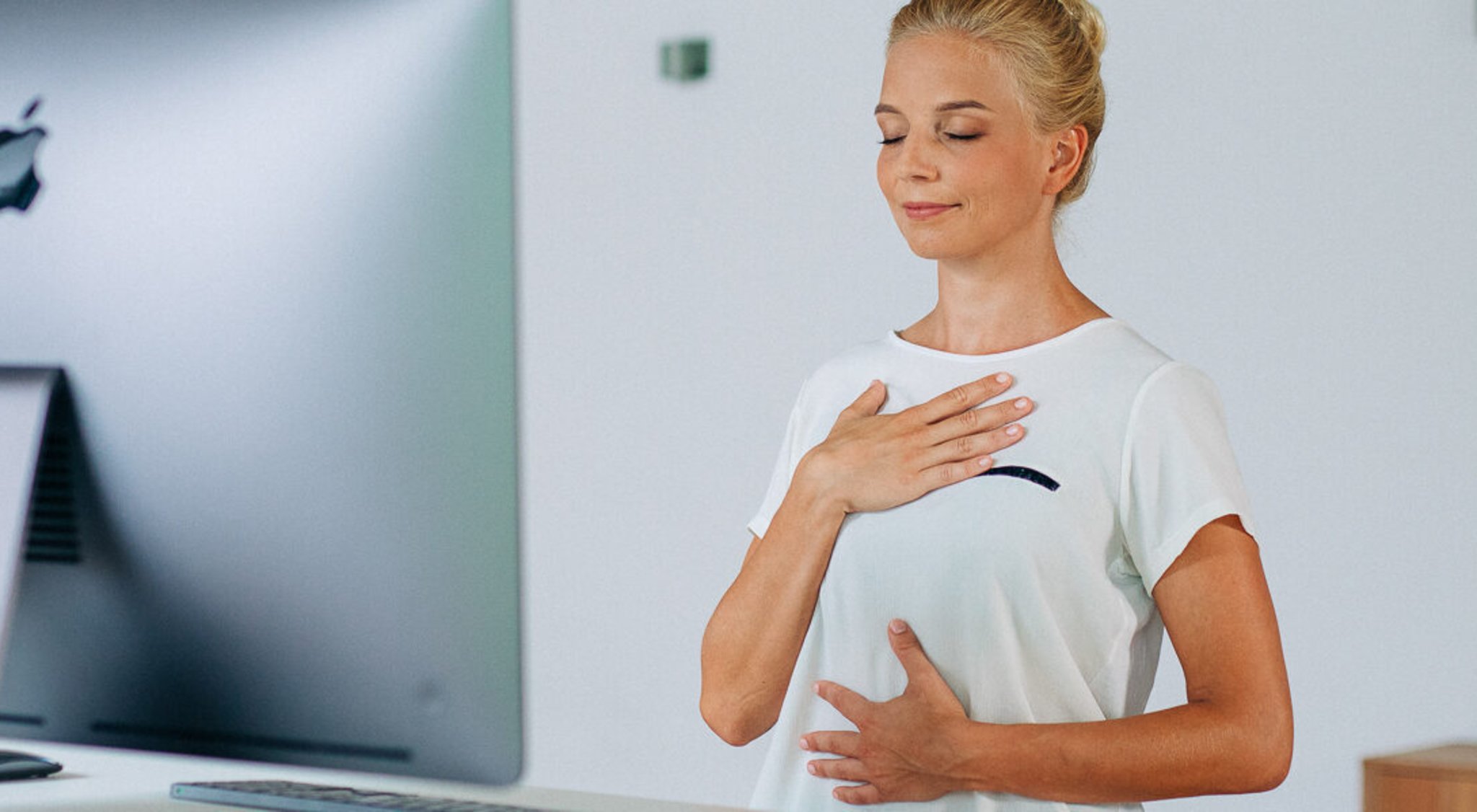
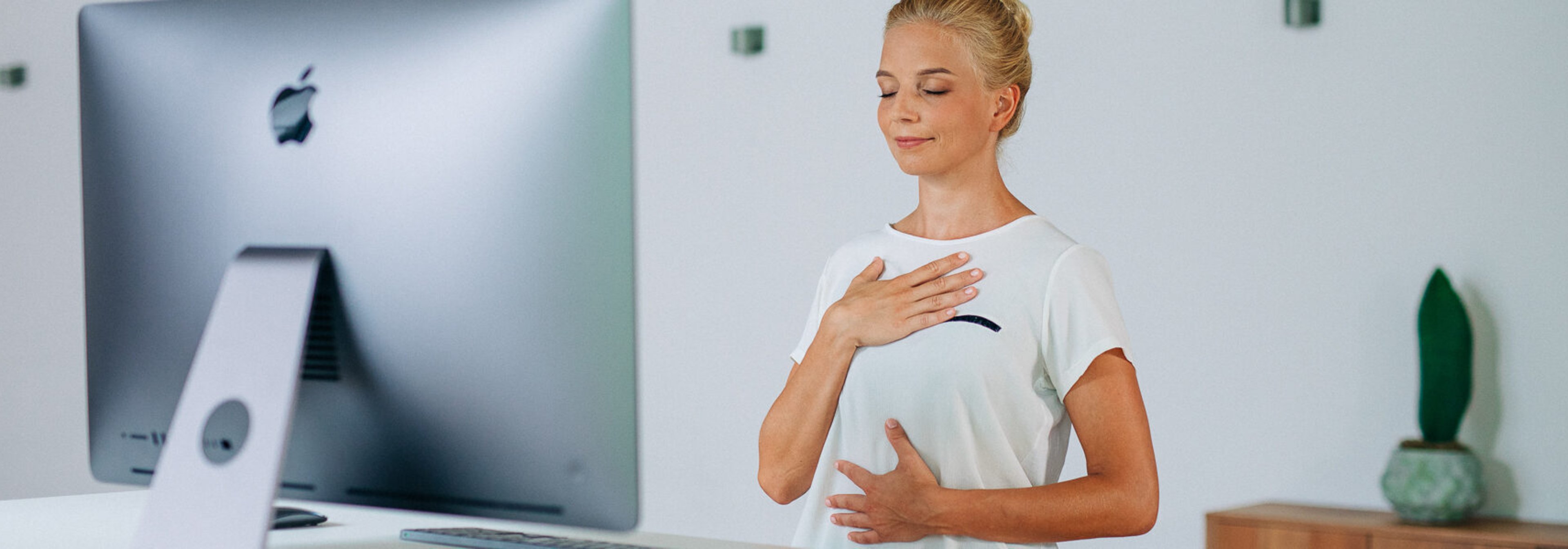
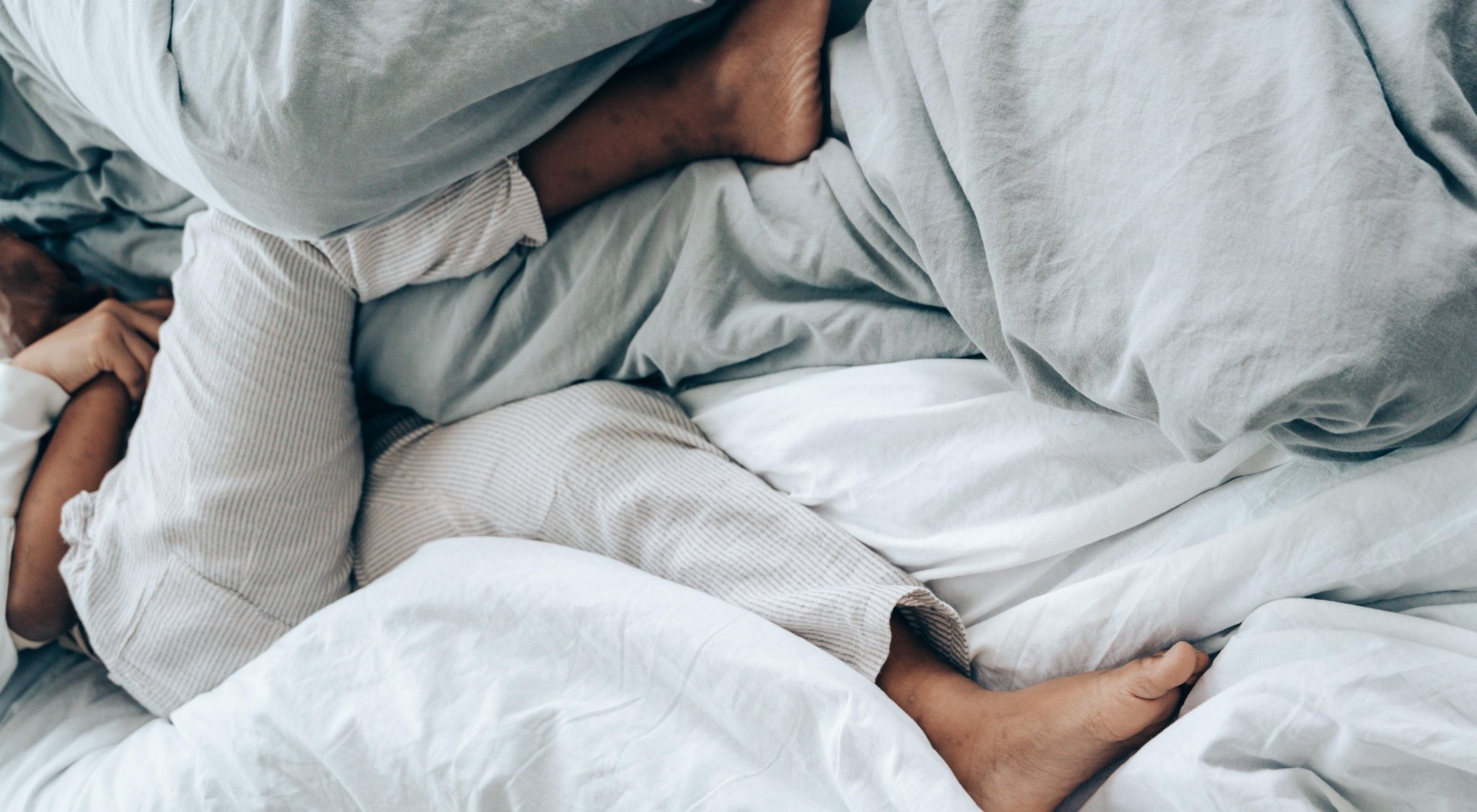
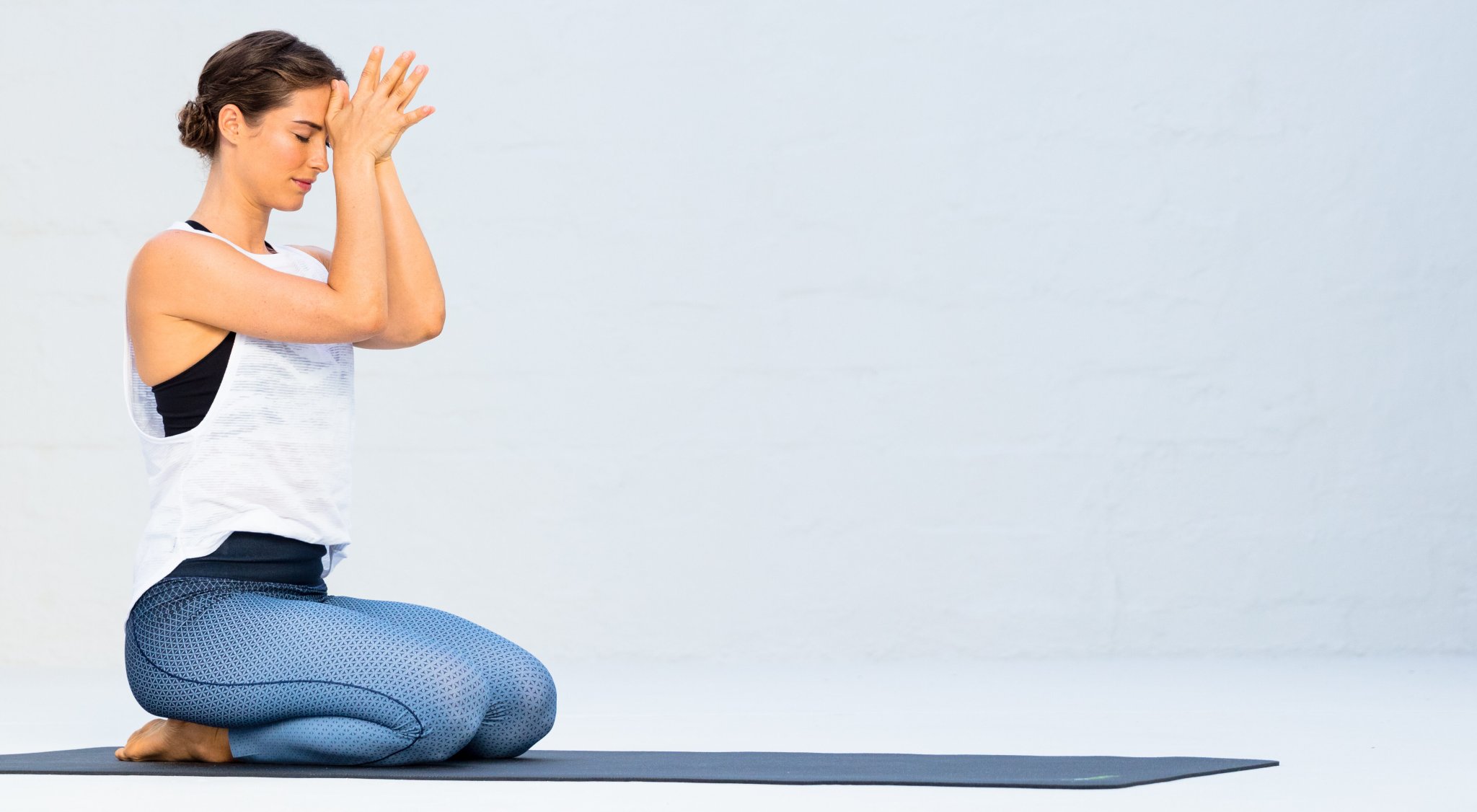
Passive recovery refers to all techniques in which you are not physically active. This term includes, for example, breathing exercises or relaxation methods such as meditation or autogenic training. Targeted rest using frequency modulation is also part of passive recovery: you listen to music specifically designed to help your body unwind and relax.
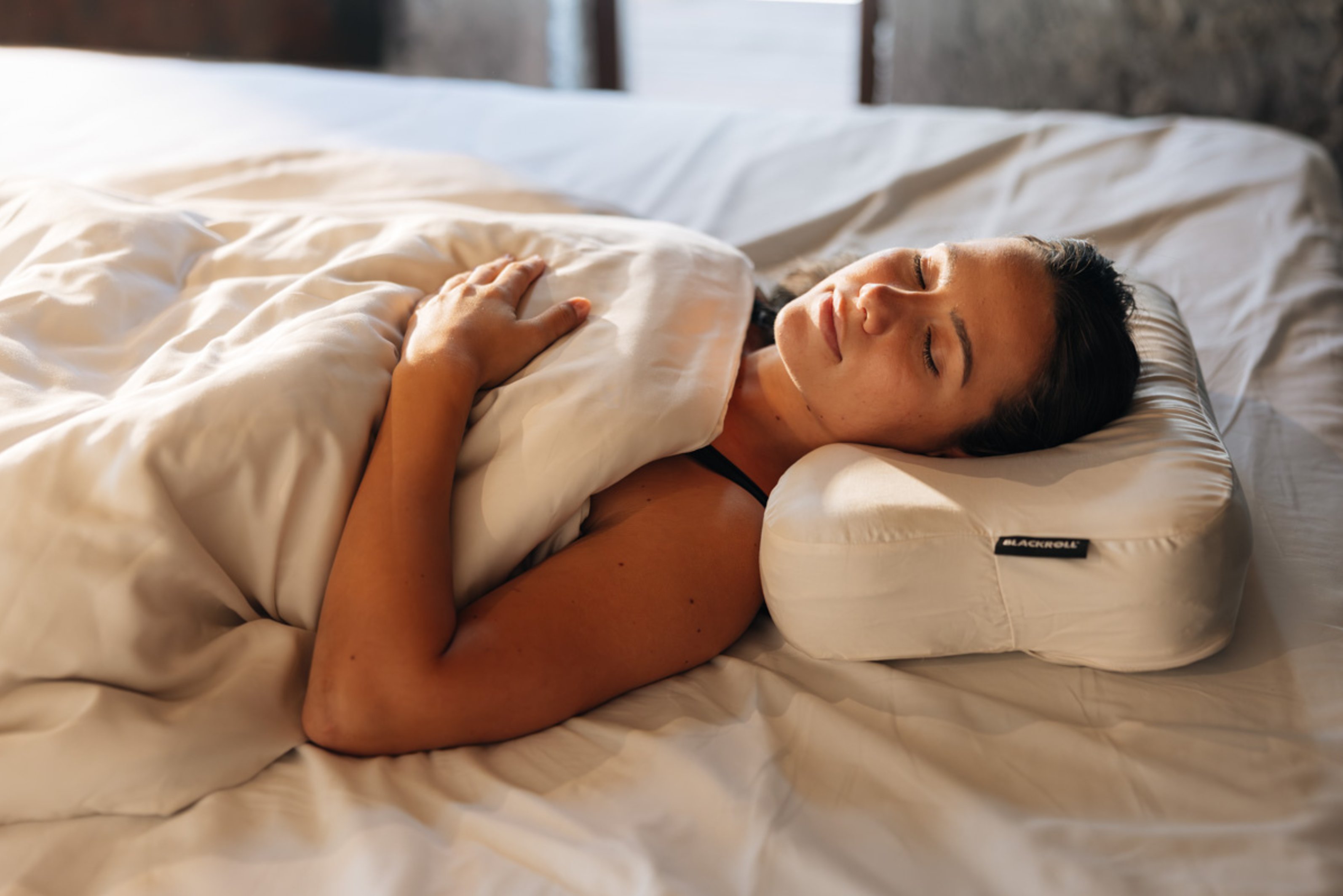
The most important form of passive rest is restorative sleep. While you rest at night, your body and mind—your physical and mental selves—recover. You regain your strength to face the day with renewed vigor. In addition to good sleep, a healthy diet is essential. It provides the body with energy to stay active without weighing it down during rest periods.
Physical therapy, such as massage, is another aspect of passive recovery. Naturopathy offers treatments such as matrix regeneration therapy, which is said to detoxify and release blockages. Skin stimulation can also promote relaxation, for example through the use of compression garments. Heat or cold therapy, such as Kneipp baths or cryotherapy, is another option. Cold relieves pain and prevents swelling and inflammation. Heat, such as in a sauna, has relaxing properties and soothes the muscles.

Maximum passive regeneration with our bedding
Recovery Pillow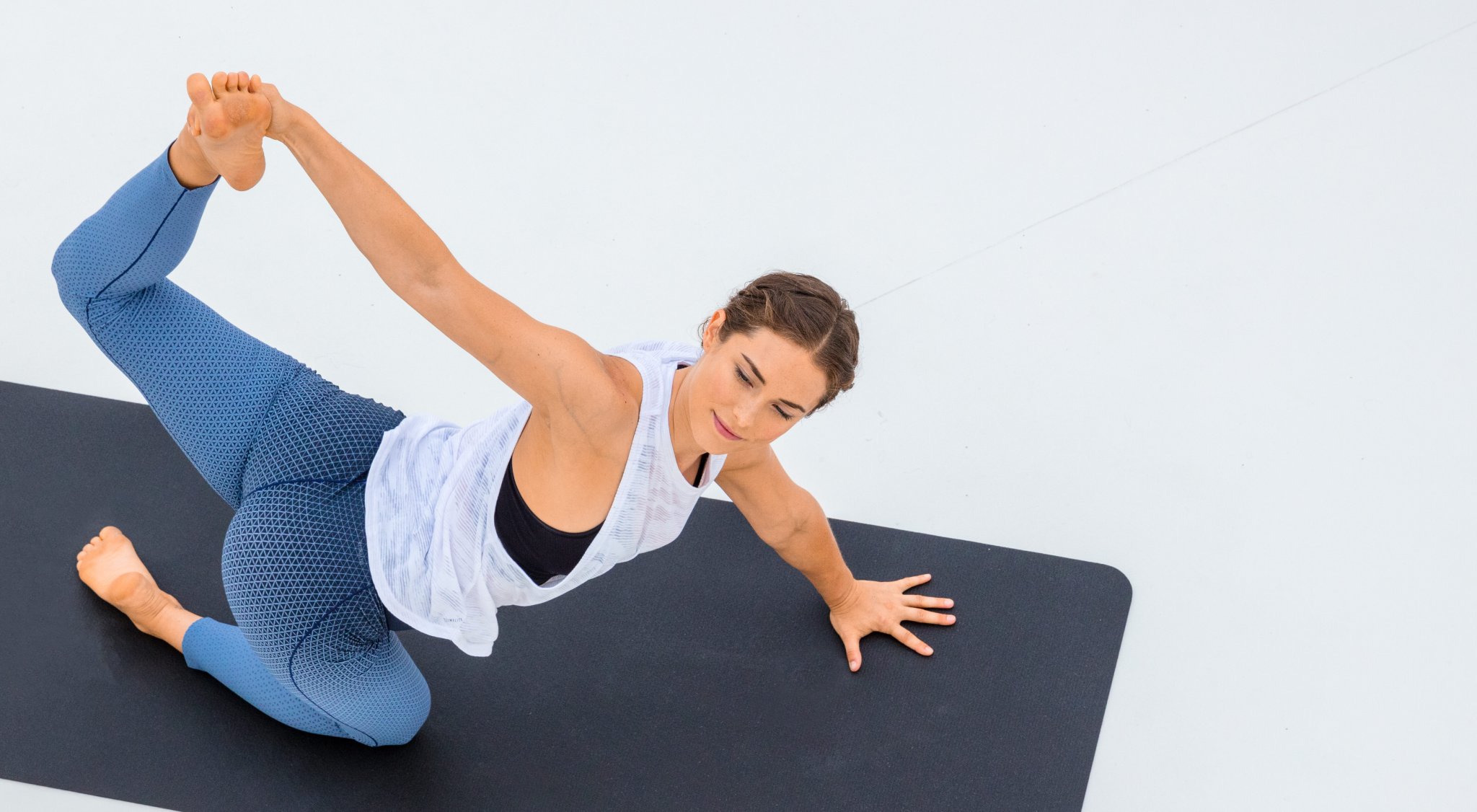
Active recovery
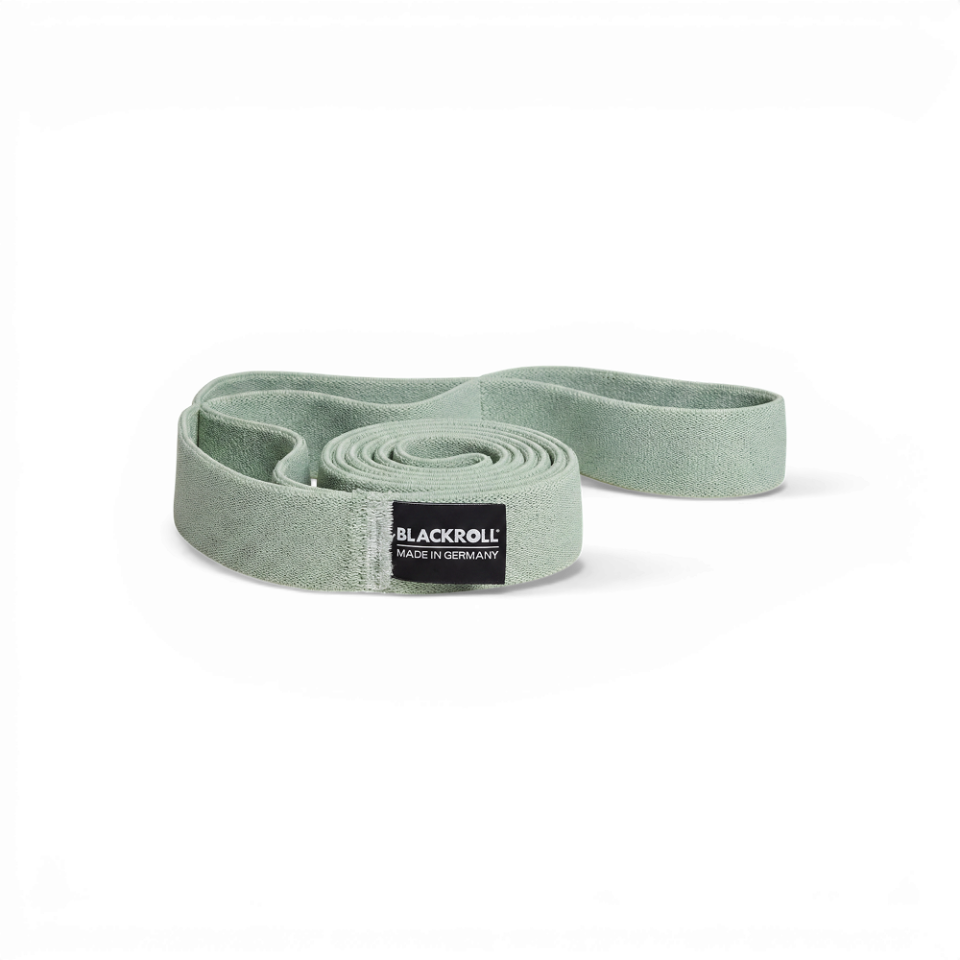
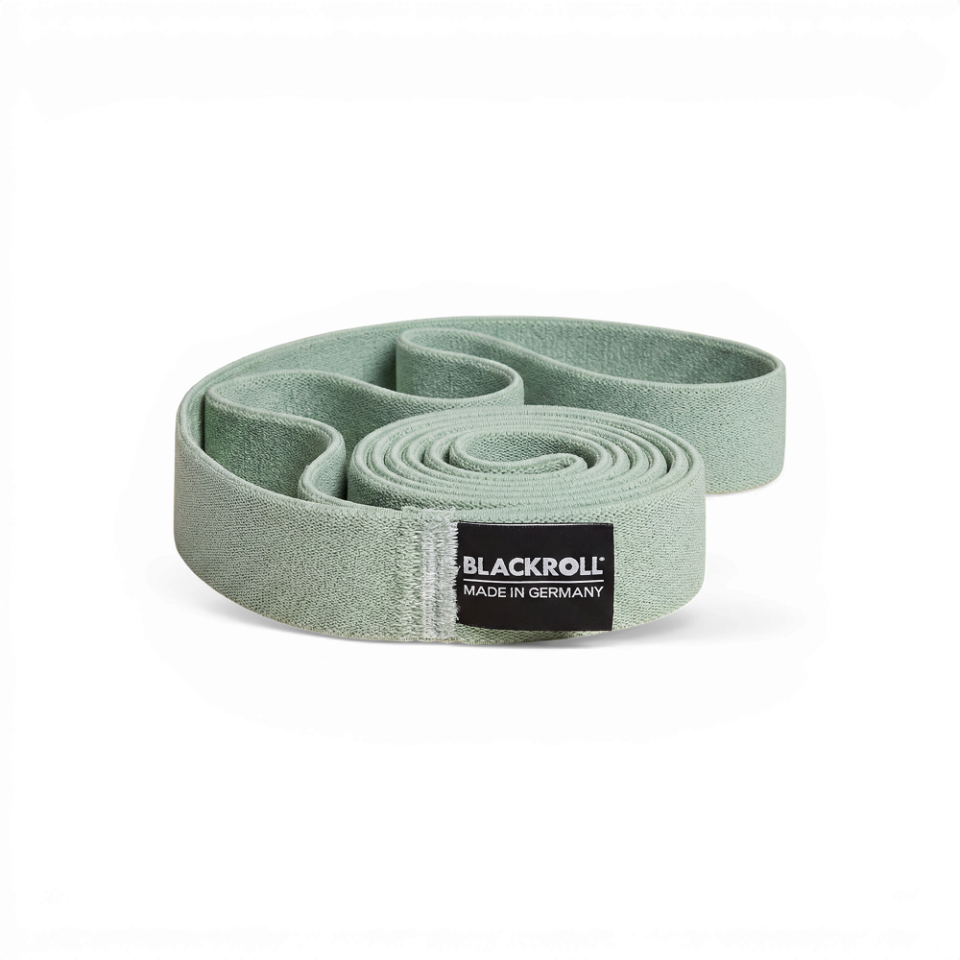
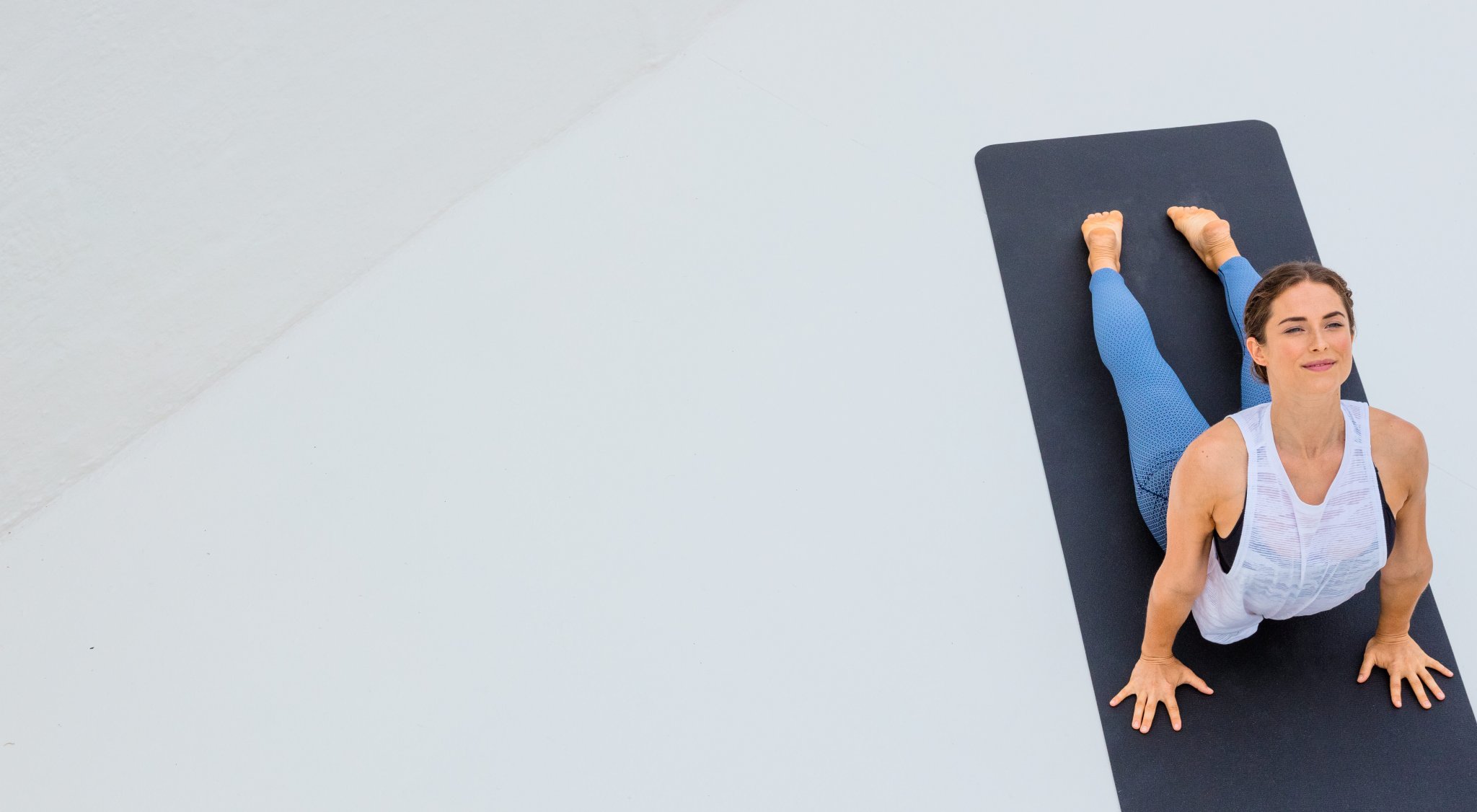
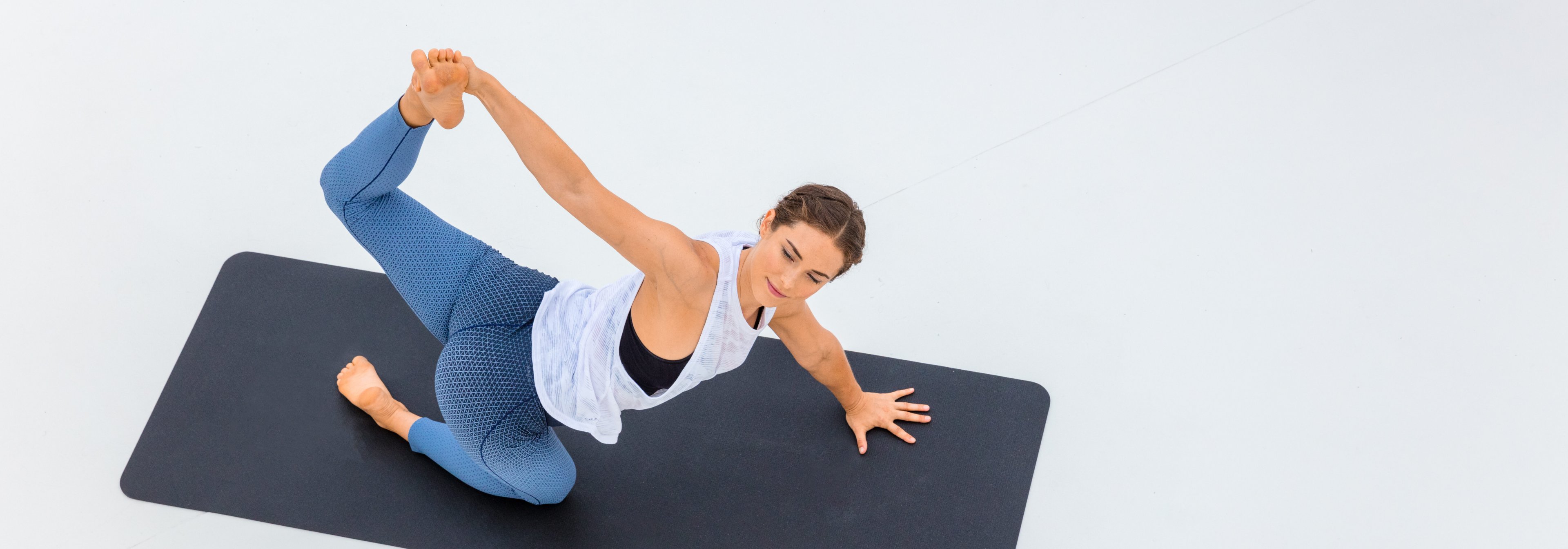
Active recovery aims to quickly replace damaged body tissue and eliminate metabolic waste. This goal is achieved through low-impact movements. Simple exercises, gentle stretches, and self-massage promote blood circulation and supply the muscles with energy—ideal conditions for ensuring performance and resilience.
Cool-down phases after exercise are part of active recovery. Wide, gentle movements and dynamic stretches allow your body to gradually return to a state of calm after exercise. This helps prevent injuries, circulatory problems, cramps, and muscle knots. Water sports can also serve as a form of active recovery, as water pressure has a relaxing effect on the nervous system and muscles, soothing both body and mind. Thus, swimming, water aerobics, water jogging, and even water cycling are ideal sports for recovery.
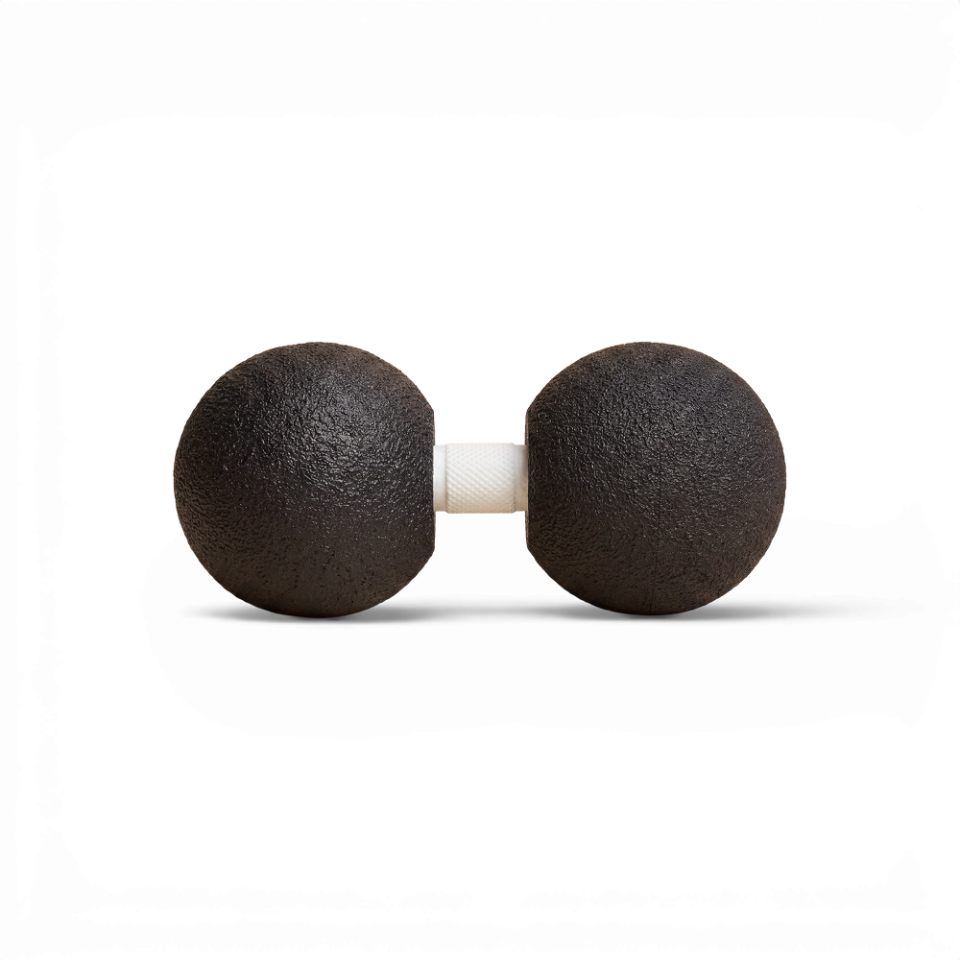
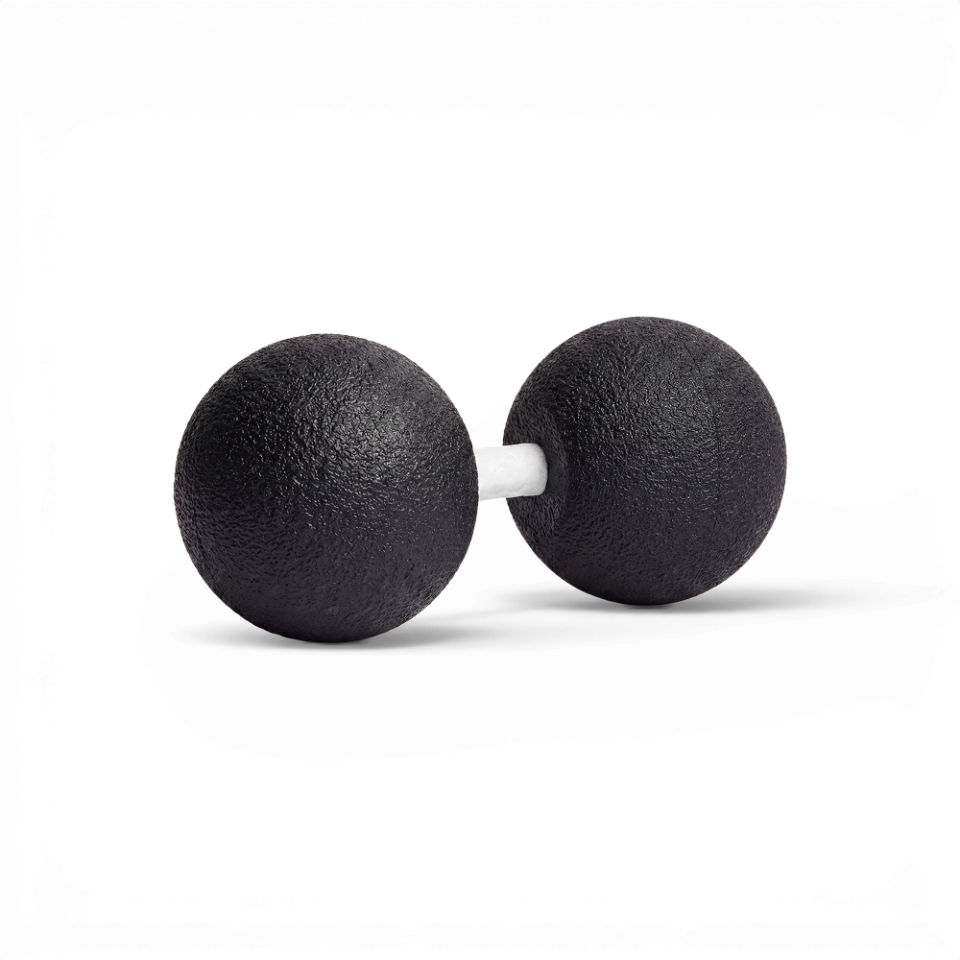
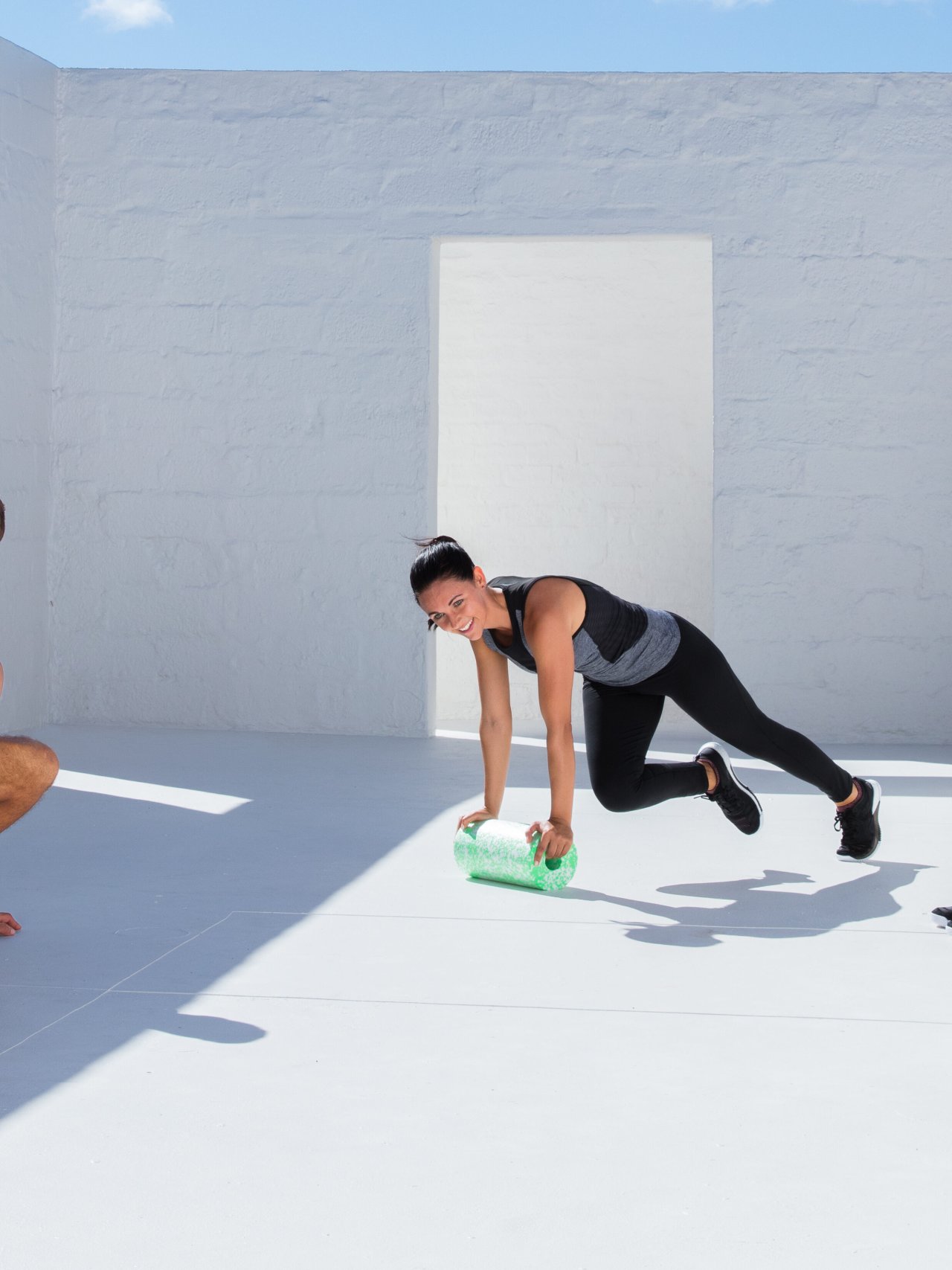
You can also recover actively throughself-massage. By combining movement with pressure points, the BLACKROLL® massage roller stimulates blood circulation and breaks up calcifications and knots in the muscles, tendons, and fascia—the connective tissues. This technique may cause sensations of “soothing pain”—a type of pain that indicates tension is being released. As you know, stimulation and recovery always go hand in hand. Try this form of active recovery to restore balance using the massage roller. Because life is cyclical.
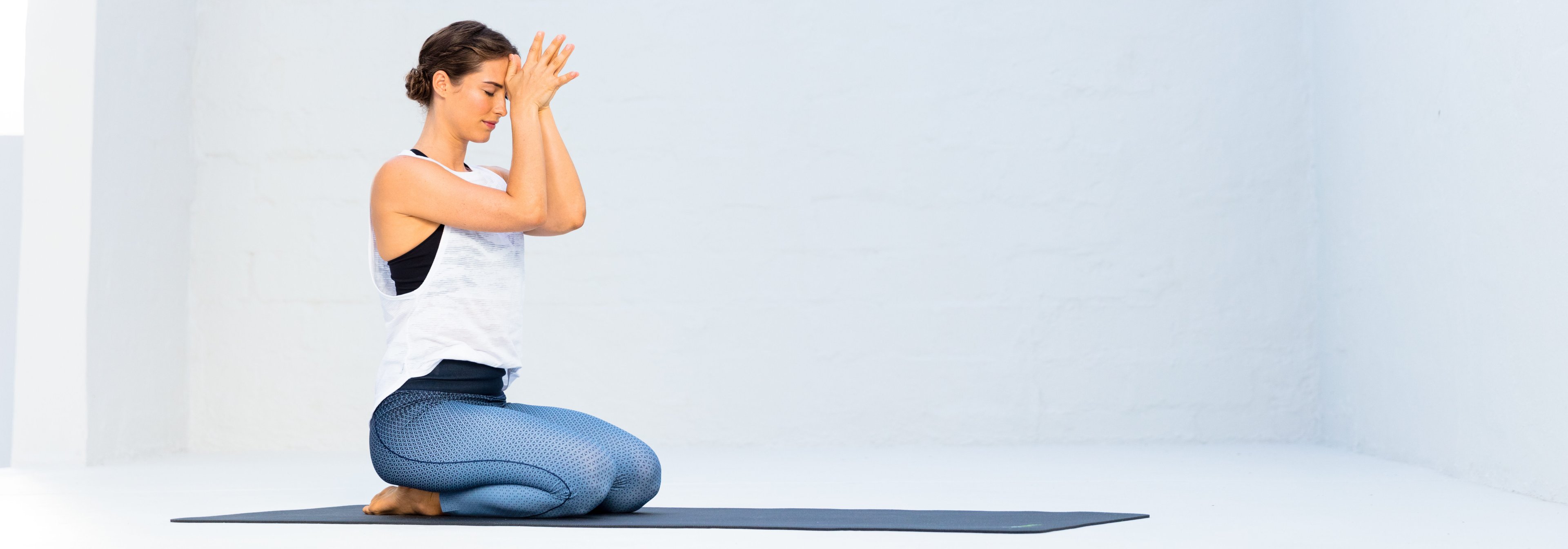
Incorporate recovery phases into your daily routine
Be sure to incorporate rest periods throughout the day.
Doctors often speak of a cycle of rest and activity that not only varies between night and day but also divides the day into different phases of activity and rest. Actively creating free spaces where we allow ourselves the luxury of focusing on beautiful things helps us let go and recover.
When we deprive ourselves of these recovery periods, we’re bound to eventually face exhaustion, persistent pain, and chronic illnesses. None of that is desirable.
You now have important information about daily recovery. It’s up to you to find your own personal routine so you can regain balance at any time.
Exercise Ideas for Active Recovery
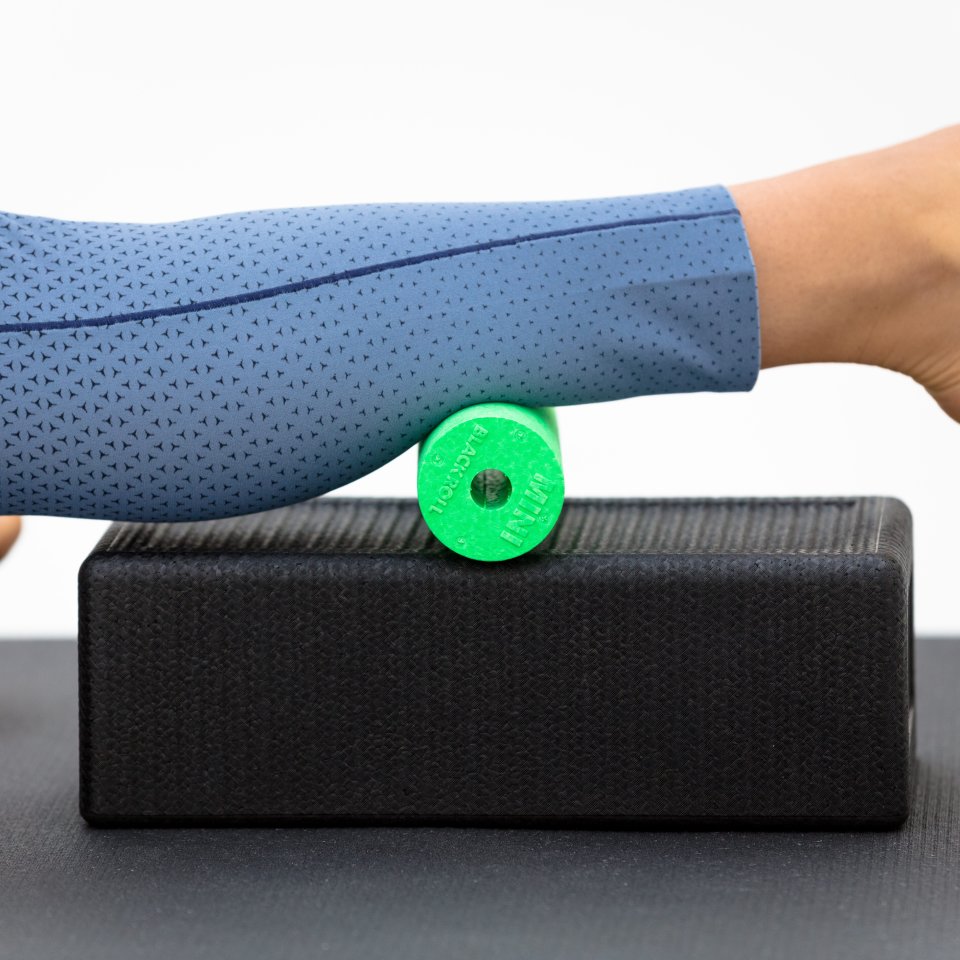
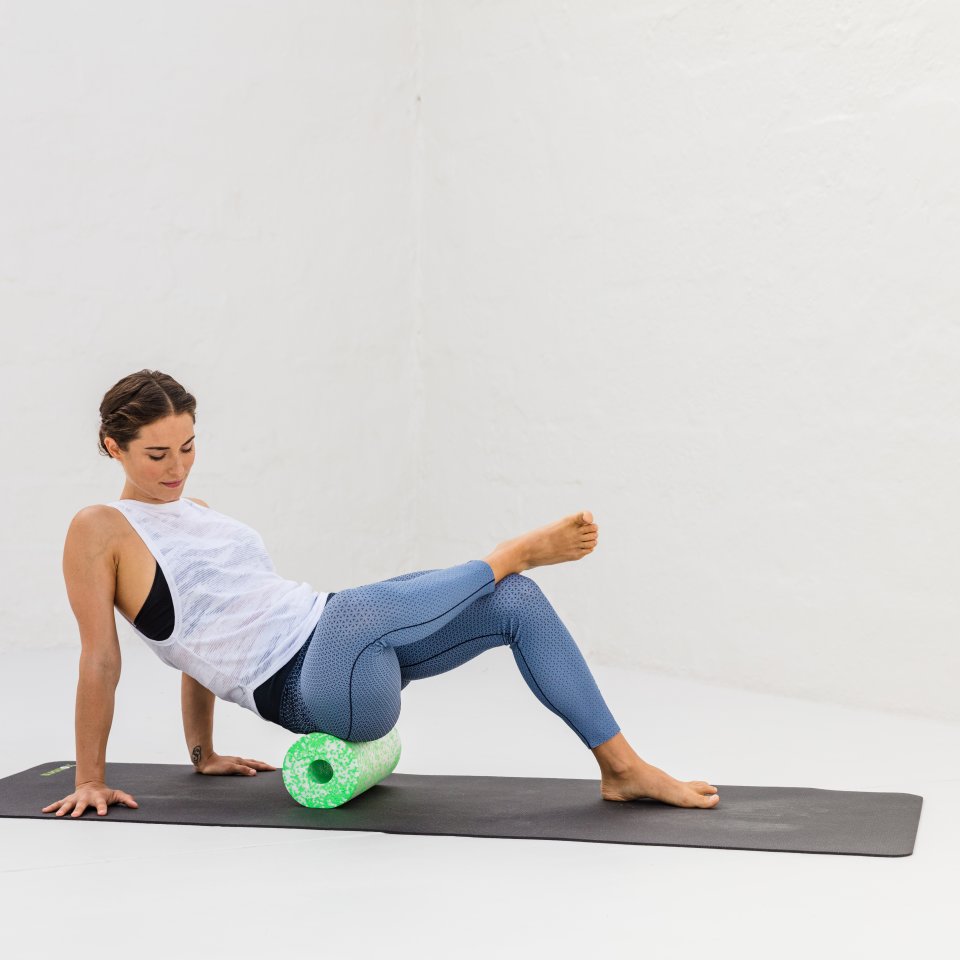

Products for your active and passive recovery:
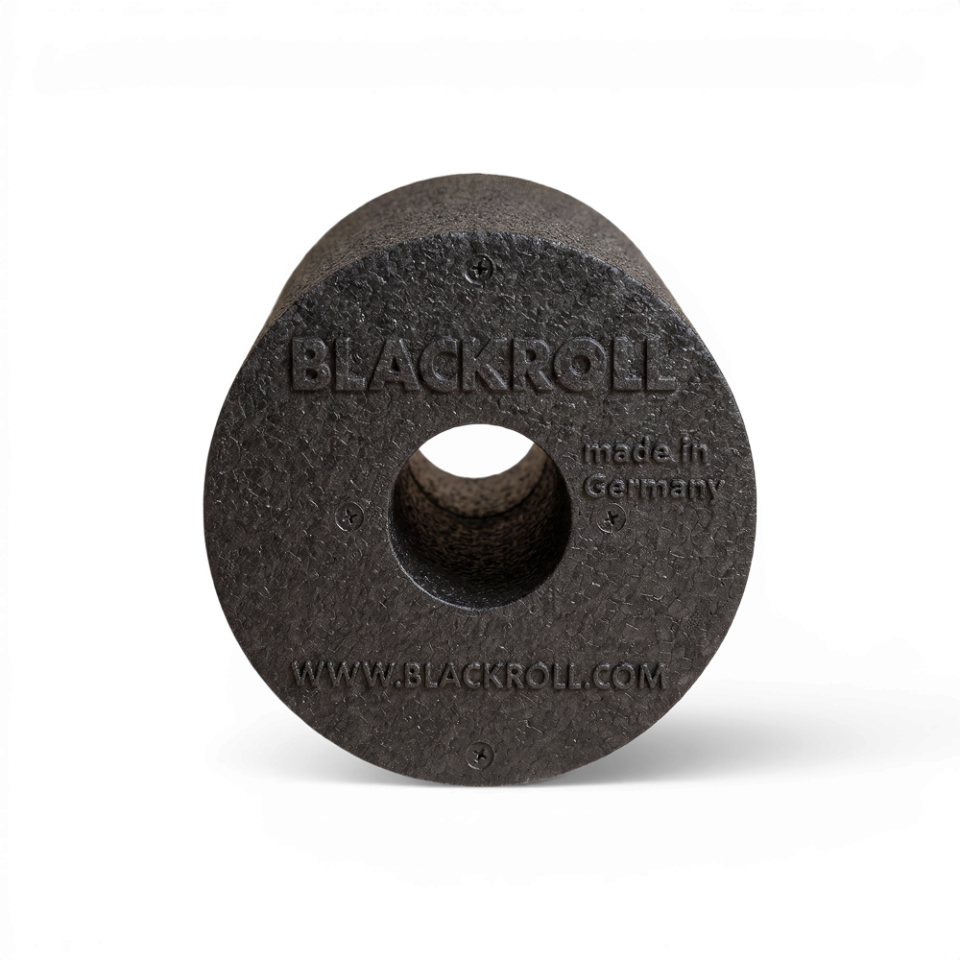
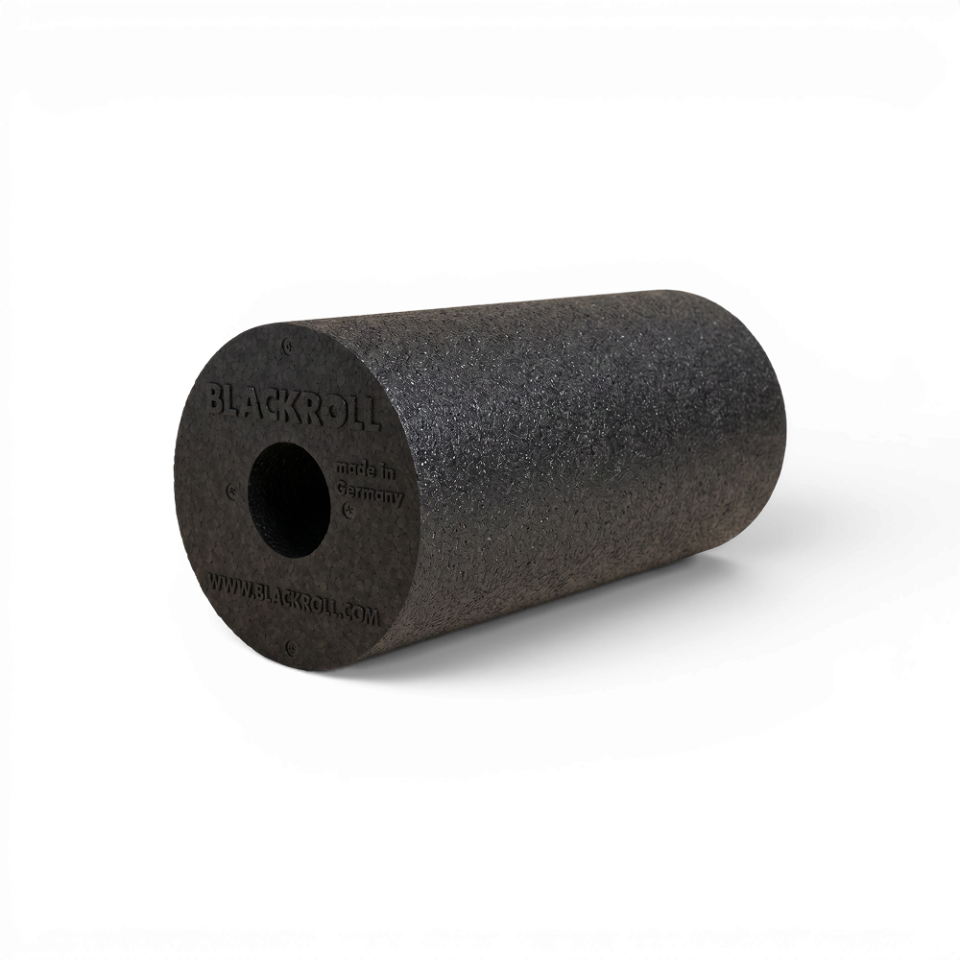
Standard
Available in multiple variants
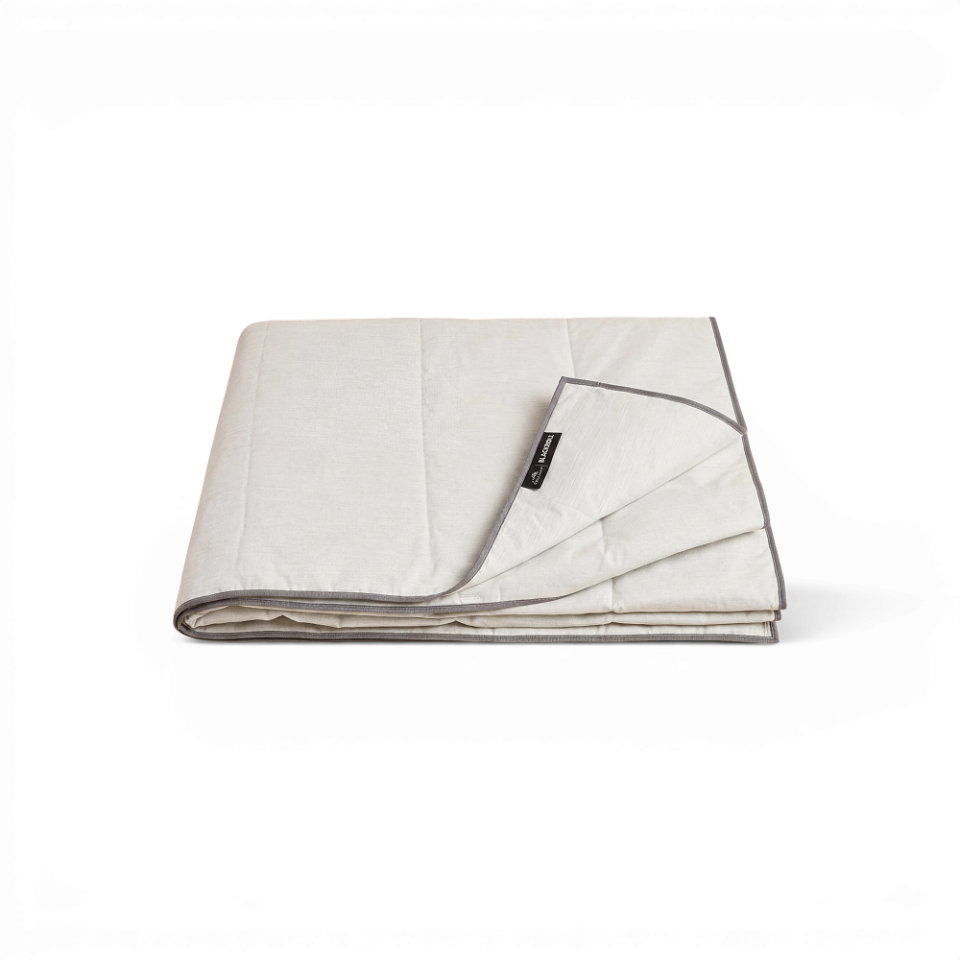
Recovery Blanket Summer
Available in multiple variants