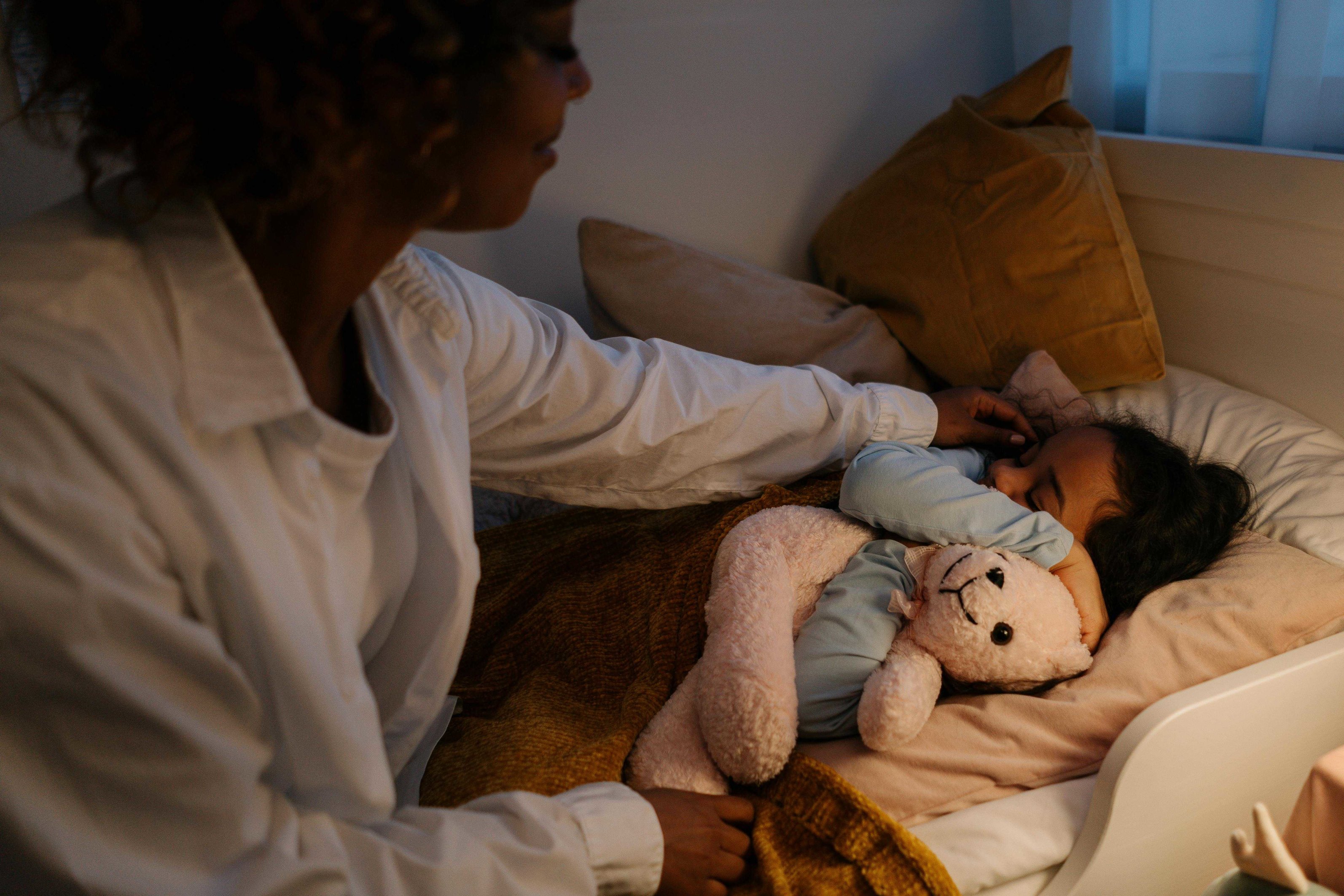
Bedtime routines for children: How to ensure a relaxed bedtime and good sleep

Everyone’s tired, but no one’s asleep? After a tiring day, we adults usually look forward to getting into bed. This isn’t necessarily the case for children: even when they’re tired, the transition from day to night isn’t always easy for them. This is because, for a child, sleep always means being separated from their parents – though this also helps the child develop a sense of independence. Habits and routines can help make this process more pleasant for you and your children. Here you can find out what bedtime and sleep rituals are available for children and how they can make your evenings more relaxed.
Why are bedtime routines important for children?
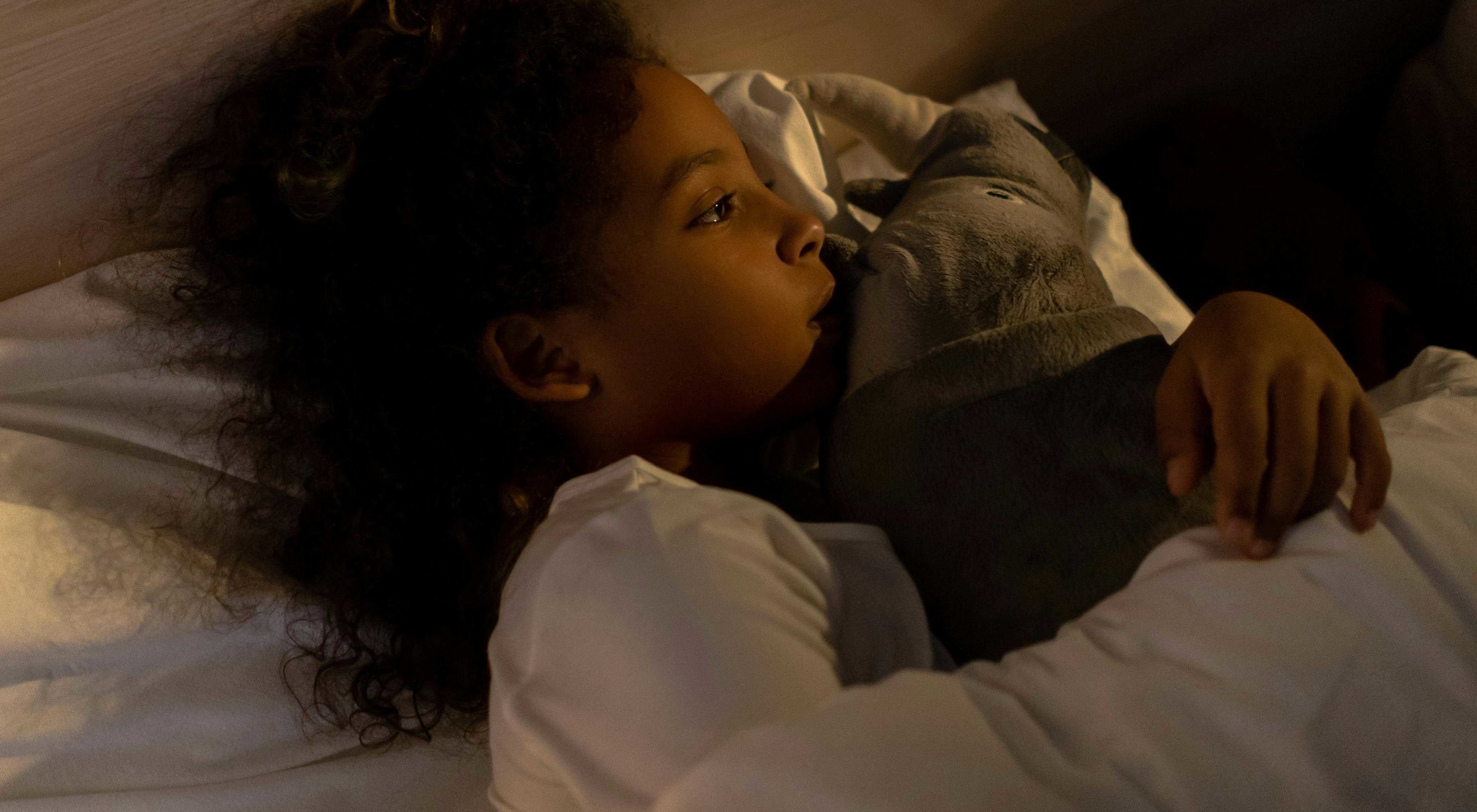
To ensure a smooth transition from the day to a good night’s sleep, children need one thing above all else: consistent habits and structure. They need to be able to process the day’s events so they can then fall asleep feeling relaxed. Even as adults, we benefit from consciously planning our bedtime and the preparations leading up to it. But for little ones, this process is essential. It gives them a sense of stability and security.
It’s best to end the day with a child-friendly evening routine: putting on pyjamas after dinner, perhaps tidying away the last few toys, and brushing their teeth. This helps your child understand that the active part of the day is over and it’s time to get ready for bed.
This is what happens when you have bedtime rituals
Evening routines provide your child with security and structure, which can be further enhanced by age-appropriate bedtime rituals. Whilst the former cover the practical steps before going to bed, bedtime rituals are specifically designed to put your child’s body and mind into a relaxing state. Your child’s nervous system relaxes and winds down. This is important so that your child falls asleep easily and doesn’t develop any fears.
Rituals make bedtime a positive experience. If you start these when your child is still a baby, you’ll save yourself a lot of stress as they get older.
It is not just your child’s mind but also their body that benefits from such habits. Through specific relaxation rituals, their heart rate and breathing slow down at bedtime. Their muscles also relax. Once children get used to this state and realise what Relaxation feels like, they will later be able to put themselves into this state on their own. You can also support your child’s development by involving them in creating their bedtime rituals once they’re old enough.
Did you know? As well as the positive effects on body and mind, bedtime rituals can also strengthen the bond between you and your child. During this time, your child receives your full and undivided attention. This makes children feel loved, cared for and safe. Not only does this help them sleep better, but it can also strengthen your relationship in the long term.







Bedtime rituals for babies, toddlers, nursery and school-age children
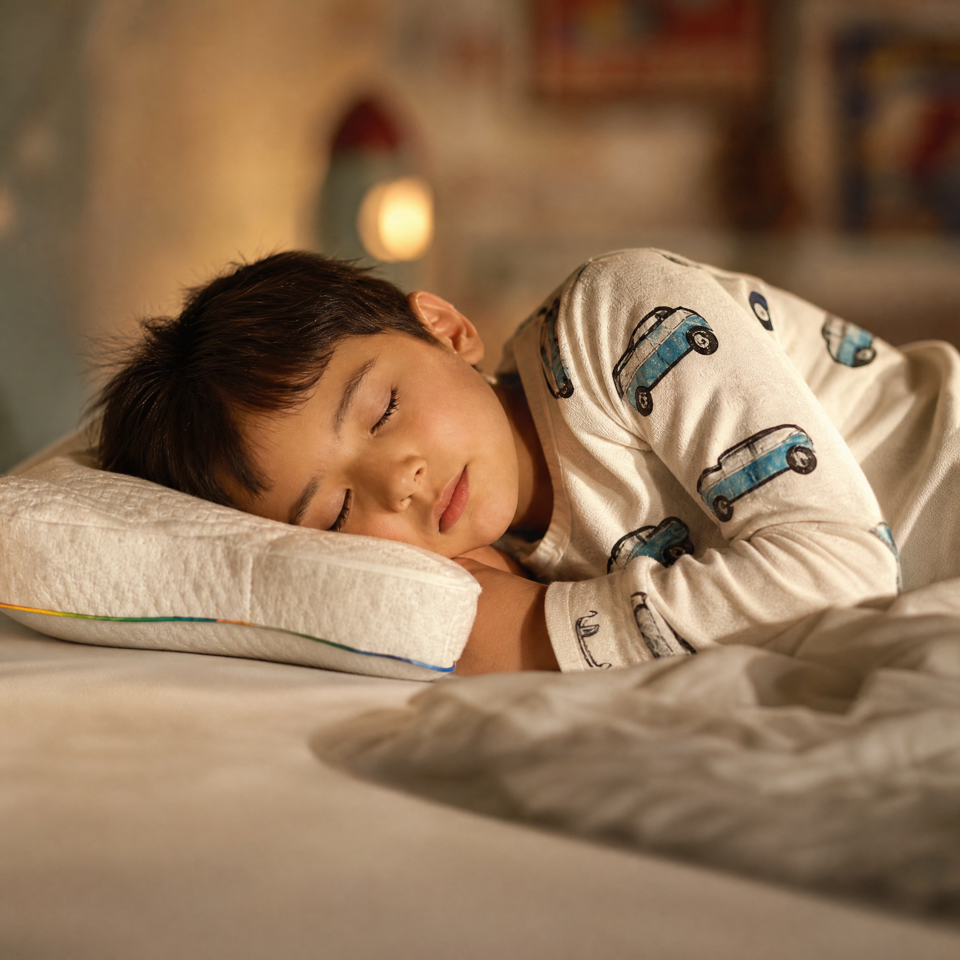
Which bedtime routines are suitable for children depends primarily on their age. From as early as six months, babies can stick to fixed bedtimes because their sleep patterns are, at least to some extent, already established by this stage. This means that you can start introducing bedtime routines for children at this age.
What starts small with babies should be adapted over time. As your child gets older, they’ll need different routines tailored to their daily routine and personality development. It’s always important to remember that bedtime routines for children shouldn’t take too long. Half an hour at most should be enough for your child to either fall asleep or be ready for you to leave the room so they can fall asleep on their own.
Suitable bedtime rituals for babies and children up to two years old
When it comes to getting babies to fall asleep, parents are best guided by their intuition: mums breastfeed their children, parents sing to them, rock them, carry them or bounce them, and cuddle them. It is precisely these things that are ideal as bedtime rituals for the very youngest. This is how we soothe their nervous system.
Physical contact, warmth and – particularly during breastfeeding or bottle-feeding – the parents’ calm breathing and slow heartbeat are passed on to the child. Rhythmic movements, such as rocking, also stimulate the parasympathetic nervous system– the part of the nervous system responsible for Recovery. This brings about a further sense of calm. Continue other bedtime rituals for babies and toddlers:
- Singing: Soft humming or singing calms your child’s nervous system. Their heart rate and breathing slow down, promoting relaxation. The vibrations remind babies of the sounds in the womb, so they automatically feel safe and secure. With repetitive songs, this bedtime ritual can also be continued as your child gets older.
- Massages: Gentle touch, for example on the back or Feet, strengthens the bond between you and your child and also promotes relaxation. It’s important to make sure your baby is nice and warm during this. Feeling cold stimulates the nervous system and makes us more alert.


Helping nursery children fall asleep
As your child gets older, bedtime rituals become all the more important. Whilst babies and toddlers often have no trouble going to bed, nursery age marks the start of a phase where many children don’t want to sleep. It’s important to engage both body and mind equally. With so many changes in everyday life, children of this age have a lot to process.
Bedtime stories are a proven way of doing this. It’s best to choose simple stories that don’t require the children to think too hard. There’s bound to be a favourite book or picture book you can use for this. Audio stories, music or singing together are also suitable and help your child transition from an exciting day to a peaceful night.
At nursery age, children are particularly receptive to recurring, ritualised routines. This applies to getting ready in the morning, coming home from nursery and, in particular, in the evening. You could try out the following bedtime rituals and routines:
The ‘cuddly toy of the day’
Just before bedtime, let your child choose which of their soft toys they’d like to take to bed with them tonight. This can be particularly effective for children who are reluctant to sleep alone. Instead of Mummy or Daddy, their favourite soft toy comes to bed with them and looks after them throughout the night. Rituals like these provide a sense of security. If you also tell a story or have other rituals, you can involve the soft toy directly.
Goodnight, dear world
As part of your bedtime ritual, wish everyone around you a good night. Soft toys are ideal for this, but so is nature. You and your child can decide together who or what you’d like to include in this ritual – perhaps the sun, moon and Stars, or the birds and animals in the woods and meadows. If your child already falls asleep on their own, you can also say goodnight to each other and tell each other that you’re looking forward to seeing each other again the next day. Finish off with a goodnight kiss – a little love always helps you drift off to sleep best.
Progressive muscle relaxation
Exercises that we adults may be familiar with from mindfulness or autogenic training are also beneficial for our children. Various breathing exercises can help you fall asleep more easily. With child-friendly progressive muscle relaxation – that is, consciously tensing and relaxing individual parts of the body – your child can say goodnight to their own body bit by bit. This strengthens body awareness and calms the nervous system.
Letting go of worries
At nursery age, children often start to experience their first worries and fears. If you get the impression that worries or fears are keeping your child from falling asleep, take a moment to reassure them: let these worries drift away so that your child doesn’t take them to bed with them. How you visualise this in practice is entirely up to you. From imaginary worry birds that you watch as they fly away, to soap bubbles into which your child can blow their worries and then watch them pop, to a strong wind that blows the worries out of the window – there are many lovely ways to do this.
Bedtime rituals for schoolchildren
How long your child wants to stick to familiar rituals and a bedtime routine varies from child to child. For most children, this comes to an end by the time they reach puberty and their teenage years at the latest. The little ones are growing up, becoming independent and forming their own habits. However, bedtime rituals are still important for children, particularly during primary school. This is the best time for you and your child to think together about what feels right before going to bed. Here are a few ideas:
- Reflect on the day together: Take some time in the evening to talk about what’s happened and to sort out any questions or uncertainties. There should also be space here to discuss worries and concerns.
- Practise gratitude: Each of youshould highlight one thing from the past day that was particularly lovely and for which you’re grateful. It can even be something small. This helps your child develop a sense of gratitude from an early age and become more resilient.
- Find calm through movement: Gentle , slow movement, such as child-friendly Yoga, calms your child’s nervous system.
- Do an imaginary journey or visualisation exercises: Imagination exercisesalso strengthen your child’s resilience and provide a sense of inner security. This helps them process their worries and build their self-confidence.
Example exercise: the safe place
In this visualisation exercise, guide your child in a calm, gentle voice: “Imagine a place where you feel completely safe and at ease. It could be your bedroom, a spot in nature or a place you’ve made up.” Let your child explore this place with all their senses – what do they see, hear, smell or feel there? Who is with them? Encourage them to make themselves really comfortable in this safe place and to feel how calm and secure they feel there. Your child can then return to this inner place at any time – even on their own – to feel safe.
Conclusion: Bedtime rituals as the foundation for good sleep
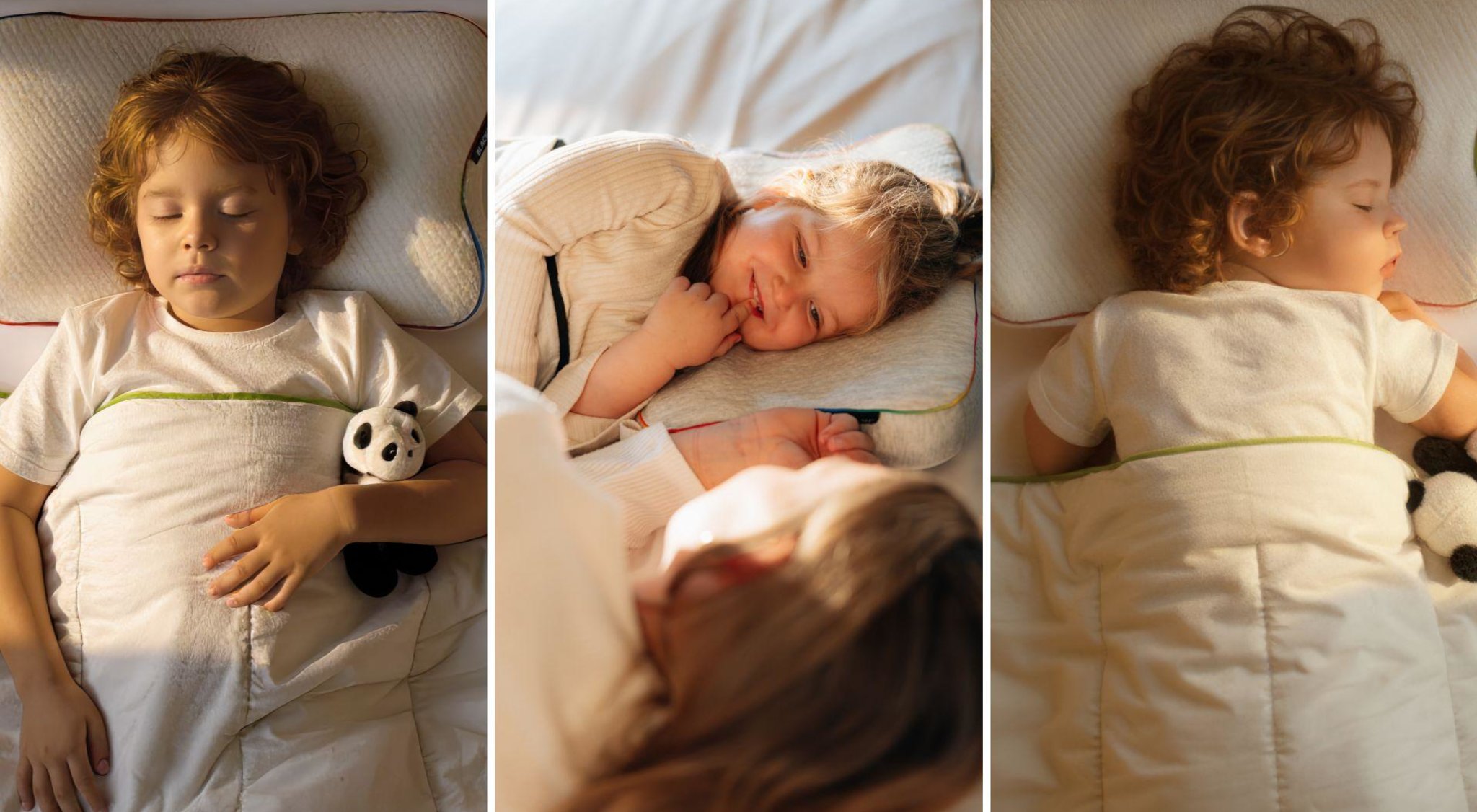
Whatever their age: bedtime rituals only strengthen the parent-child bond if they are carried out in person. Digital media cannot replace personal attention. Bedtime rituals work best when the sleeping environment is right too. This includes a comfortable room temperature (18 °C), darkness, quiet – and an ergonomic sleeping position. Children’s cervical spine, in particular, is still developing and requires age-appropriate support. A pillow specially designed for children, such as the RECOVERY PILLOW KIDS, ensures that the head and neck are optimally supported. This can not only promote restful sleep but also support the healthy development of the spine.
FAQ: Bedtime Routines for Children
Bedtime routines provide children with structure and a sense of security, and help them make the transition from an active day to a good night’s sleep. They calm the nervous system, slow the heart rate and breathing, and at the same time strengthen the parent-child bond, as children experience undivided attention, closeness and a sense of security during this time.
The text explains that babies from around six months of age can stick to a regular bedtime routine, as their sleep rhythm has developed to some extent by then. Therefore, you can start introducing the first bedtime routines at this age – and adapt them later to suit the child’s age and development.
For the very youngest, rituals such as breastfeeding or bottle-feeding, singing, rocking, cuddling, gentle massages or rhythmic movements are suitable. These calm the nervous system, convey warmth and a sense of security, and help babies and children up to the age of two to fall asleep relaxing.
Bedtime stories, music or audio plays
Selecta cuddly toy of the day
the‘Goodnight, dear world’ ritual
Progressive muscle relaxation or breathing exercises
Letting worries fly away (e.g. as soap bubbles or worry birds)
These help children process their experiences and wind down.
Schoolchildren benefit from rituals such as:
reflecting on the day
practising gratitude
child-friendly Yoga or gentle exercise
Imaginary journeys / visualisation exercises such as ‘the safe place’
These rituals build resilience, body awareness and a sense of inner security, and help children fall asleep feeling relaxed.
