
Deep Heat vs. Surface Heat: How Deep Heat Relieves Pain

Heat feels good and can help us heal and recover—anyone who has ever soothed themselves with a hot water bottle or a cup of hot tea knows that. But not all heat is created equal. In heat therapy, a distinction is often made between deep heat and surface heat. The key distinction is whether the heat treatment acts only on the surface of the skin or whether it also penetrates deeper layers of tissue and muscles.
If you understand the difference between deep heat and surface heat, you’ll be better able to decide when and how to help your body regenerate with targeted heat treatments. Here, we’ll explain the mechanisms and effects of deep heat in a clear, science-based way.
In a nutshell
- Deep heat is a form of heat therapy that penetrates muscles and fascia—unlike the short-term surface heat provided by a hot water bottle.
- Surface heat penetrates only 1 to 2 mm beneath the skin and cools down quickly. Deep heat reaches deeper tissue layers over a longer, constant application period.
- 42 to 43 °C is the optimal therapeutic temperature: warm enough to produce measurable effects on muscles and blood circulation, yet safe enough for prolonged use without the risk of burns.
- Heat is beneficial for muscle tension, back pain, and after physical exertion. Not suitable for acute inflammation accompanied by swelling, fever, circulatory disorders, or impaired temperature sensation.


What is deep heat?
Deep heat does not just act on the skin’s surface but is intended to affect deeper tissue layers such as muscles and fascia.
The term “deep heat” is often used to distinguish it from superficial heat applications. While the heat from short-term hot water bottles or heating pads penetrates only a few millimeters beneath the skin, deep heat applications promise better healing through longer-lasting and deeper effects.
Deep heat refers to heat applications that aim to thermally affect not only the skin’s surface but also deeper tissue layers (muscles and fascia)
If you place a hot water bottle on a sore spot for a while, it can feel good and provide some relief. But this comfort heat isn’t necessarily medically effective. Only when constant heat at the appropriate temperature has the opportunity to penetrate deep into the affected tissue and act there for an extended period can we speak of medically relevant effectiveness.
Deep heat vs. surface heat—what’s the difference?
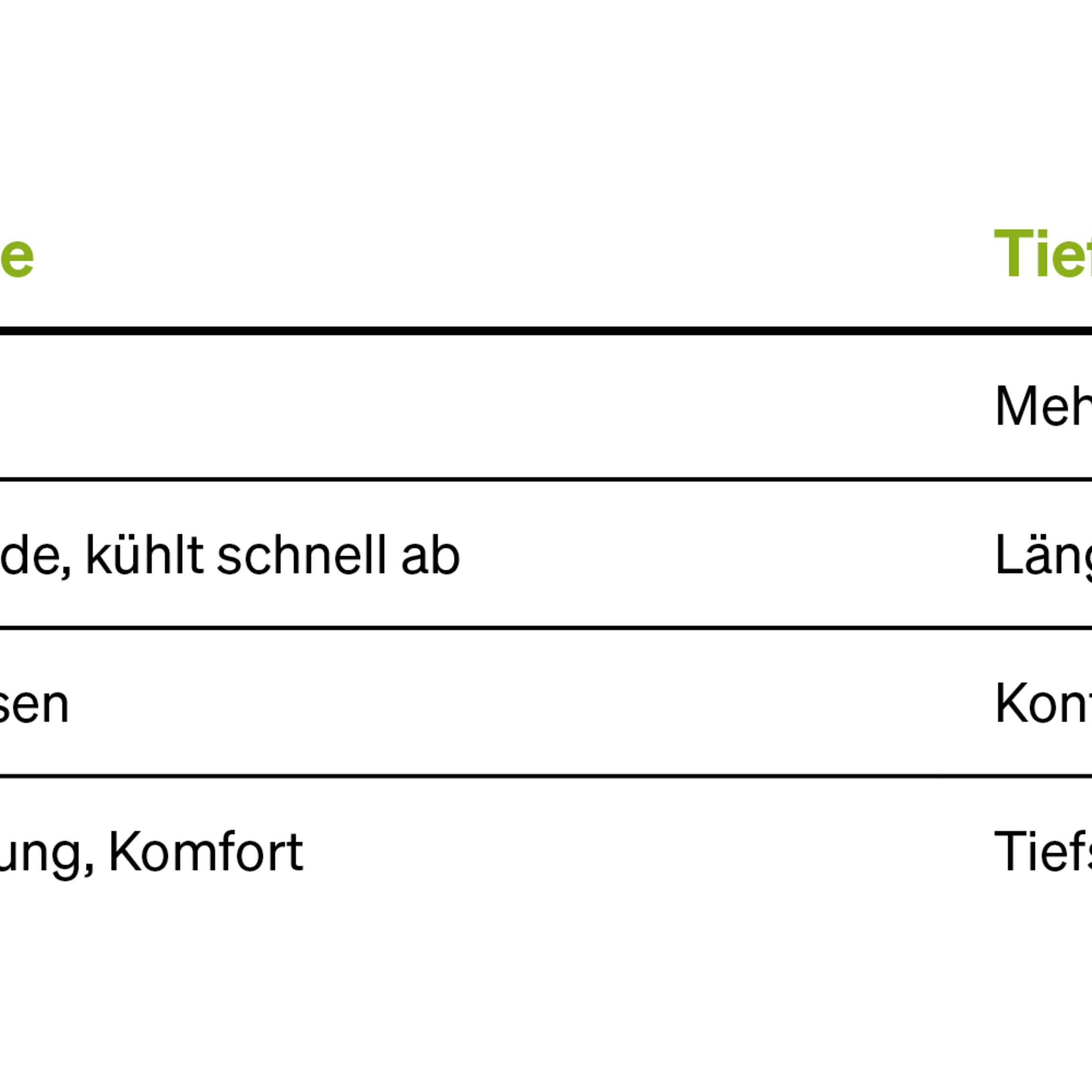
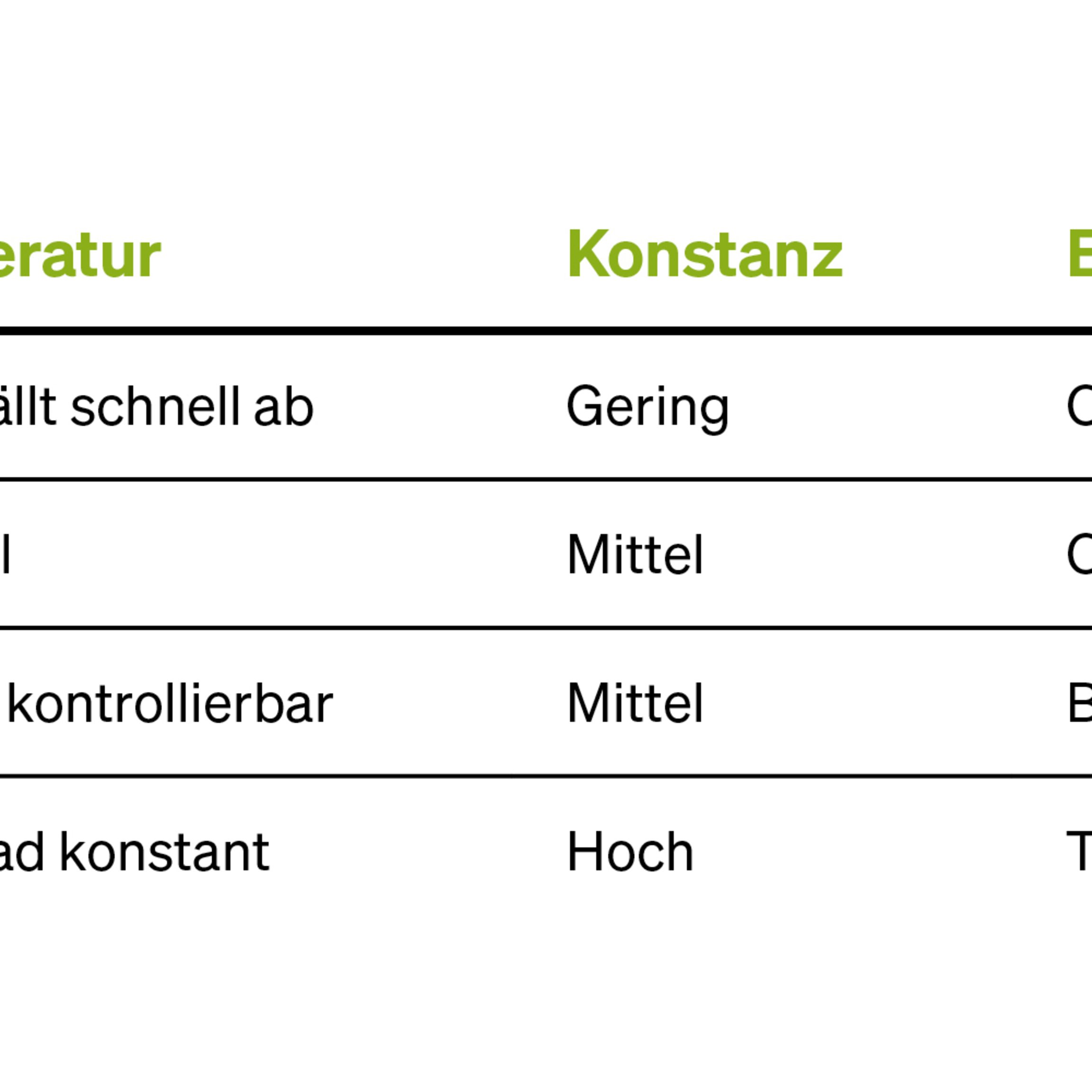
Surface heat and deep-acting heat applications differ primarily in their temperature profile, duration, and potential penetration depth into the tissue. Which approach makes sense depends less on a general “better or worse” distinction and more on the specific symptoms, the treatment goal, and the patient’s tolerance.
How Heat Therapy Works in the Body
Targeted heat affects several processes in the body—including pain regulation, muscle and fascia mobility, and blood circulation. The versatile effects of heat treatments on the body can relieve symptoms such as muscle tension, back pain, and strain-related discomfort.
Deep Heat for Pain
When heat is applied to the body, nerve cells respond. Specific receptors are activated by the heat and transmit this information to the central nervous system. This triggers mechanisms that can inhibit the transmission of pain signals.
At the same time, studies have shown that deep heat helps relax muscles—when muscles are unconsciously tensed as a protective mechanism against injury, heat can also provide pain relief in this way.
The Effects of Heat on Muscles and Fascia
A higher temperature also affects the condition of muscles, tendons, and fascia. Deep heat makes these tissue structures more supple and elastic, making it easier to release tension.
Studies have shown that moderate heat applications can significantly reduce muscle stiffness and measurably improve mobility.
Improved Blood Circulation
When tissue temperature rises, blood vessel walls relax—allowing more blood to flow through the treated area. The tissue receives a better supply of oxygen and nutrients, and metabolic byproducts such as lactate are removed more efficiently. This effect has been demonstrated in studies on the local application of heat to skeletal muscle.

Heat that penetrates deep. The new BLACKROLL® THERMO PAD
Delivers targeted deep heat exactly where your body needs it—cordless, discreet, and at the push of a button.

43-degree heat therapy—maintaining the right temperature
For deep heat to provide therapeutic benefits, a temperature of 42 to 43 °C is considered ideal. Soif you want to reap the benefits of deep heat, you need to make sure you’re using the ideal temperature. Research shows that the range between 38 and 43 degrees Celsius is warm enough to have positive effects and safe enough for prolonged use.
Temperatures above 43 °C can be dangerous—the body overheats, important proteins begin to denature, and the risk of burns increases. This is especially true for longer-term use.
Below 38 °C—that is, normal body temperature—the body does not receive any additional thermal energy, so measurable effects are not possible.
The ideal temperature is therefore just below 43 °C. When using deep heat, make sure to maintain a constant temperature as much as possible.
More interesting articles




What is deep heat used for?
The benefits of deep heat are particularly evident in cases of muscular discomfort. Studies show that continuous heat application can relieve mild to moderate back pain, improve mobility, and positively impact daily functioning. At the same time, it is considered well-tolerated—especially compared to medication-based alternatives.
Typical uses for deep heat applications
For muscle tension
- Neck, shoulder, or back area
- Relieves painful protective muscle tension
- Promotes blood circulation in the stiffened muscle
- Supports the restoration of mobility
For back pain
- Particularly suitable for mild to moderate, nonspecific symptoms
- Can reduce pain and make everyday movements easier
- A useful complement to exercise or physical therapy
After physical activity
- Promotes muscle recovery
- Helps remove metabolic waste products
- May reduce muscle stiffness after intense exercise
- Ideal when combined with light mobilization
For stress-related tension
- Relieves increased baseline muscle tension
- Activates the parasympathetic nervous system through thermal stimulation
- Supports mental and physical relaxation


The Limits of Deep Heat Applications
Deep heat can relieve discomfort and support recovery, but it cannot address every underlying cause. Deep heat therapies can be helpful for various conditions—but they are not a cure-all.
What heat therapy cannot do:
- repair structural damage
- eliminate the causes of inflammation
- cure the causes of chronic conditions
- treat herniated discs
Improper use can also increase the risks associated with heat therapy:
- Skin irritation or burns
- A drop in blood pressure
- Increased heart rate
Increased swelling and inflammation
When Heat Isn’t the Right Choice
You should avoid using heat if you experience the following symptoms:
- Acute inflammation with swelling, redness, or localized heat—in these cases, cold is preferable
- Fever
- Unexplained severe pain—consult a doctor first
- Sensitive skin or circulatory disorders (e.g., peripheral arterial disease)
- Impaired temperature sensation (e.g., diabetic neuropathy)—risk of burns due to insufficient pain sensation


Which heat therapy is right for me?


How to Use Deep Heat Therapy Correctly
Deep heat works best when you maintain a constant temperature and use it regularly for longer periods of time.
A hot water bottle, for example, cannot easily generate deep heat because it’s often too hot at the start of the treatment and cools down quickly afterward. The window of time during which the temperature remains at the ideal range of 42 to 43 °C is too short to reach deeper tissue layers. So when using deep heat therapy, make sure the heat remains constant and can take effect over an extended period.
Duration, Frequency, and Warning Signs
- Surface heat: 20 to 30 minutes per session
- Controlled deep heat (~42 °C): up to several hours possible; effects measurable from the first hour onward
- Frequency for acute conditions: 1 to 2 times daily
- Preventive frequency: 2 to 3 times per week
- Positive signs: reduced tension, improved mobility, pleasant sensation of warmth
- Signs to stop treatment: increasing pain, severe skin redness, discomfort, dizziness
If symptoms persist, you should seek medical advice.


Heat, Movement, and Fascia
Heat can help relax your body and support recovery. But heat therapy alone isn’t enough. Recommendations for problems like back pain therefore always include a combination of different measures.
In addition to heat treatments, the following may also help you:
- Physical exercise
- (Self-)massage treatments
- Acupuncture
- Mindfulness exercises
- Progressive muscle relaxation
To treat and prevent muscle tension, you can create your own personalized routine that combines movement, fascia care, mindfulness, and heat therapy.
Example of a restorative routine with supportive heat
- 10 minutes of relaxation meditation
- 15 minutes of warming fascia massage with the BLACKROLL FASCIA GUN with HEAT HEAD
- 10 minutes of stretching exercises to finish
This sequence helps reduce pain and restore mobility—and can be easily incorporated into a daily routine involving desk work or after physical activity.


Deep Heat as Part of Your Recovery
Deep heat is effective when used correctly. The key factors are temperature (42 to 43 °C), consistency, and penetration depth. Deep heat can lower muscle tone, improve blood circulation, and modulate pain signals. This can help with back pain, muscle tension, and stiff joints.
Incorporate heat treatments strategically into your daily routine—before a workout, after a long day at work, or as a regular part of your recovery routine. Your body will benefit if you know how to use heat effectively.


FAQ: The Most Important Questions About Deep Heat
Deep heat refers to heat therapies that penetrate beyond the skin’s surface into deeper tissue layers such as muscles and fascia. Unlike short-term comfort heat—such as that provided by a hot water bottle—deep heat has a longer-lasting and more consistent effect on the affected tissue. This can relieve muscle tension, improve blood circulation, and dampen pain signals in the nervous system.
Surface heat, such as that from hot water bottles or heating pads, penetrates only 1 to 2 mm beneath the skin and cools down quickly. Deep heat reaches several millimeters to centimeters into the tissue and exerts a constant effect over a longer period of time. It is this depth of penetration and duration of application that enable measurable effects on muscles, fascia, and blood circulation.
In research, 42 to 43 °C is considered the optimal therapeutic temperature: warm enough to relax muscles and fascia and promote blood circulation, yet safe enough for prolonged use. Above this range, the risk of overheating, skin damage, and burns increases significantly. Below 38 °C—normal body temperature—no measurable thermal effects are possible.
A hot water bottle is sufficient for short-term relaxation. A hot water bottle can subjectively alleviate discomfort significantly. Its disadvantage lies less in a lack of effectiveness than in its limited temperature stability and reduced controllability.
For back pain, controlled deep heat is more effective: A hot water bottle rarely reaches the ideal temperature of 42 to 43 °C for a sufficiently long period of time. Controlled heat sources, such as infrared treatments, maintain a constant temperature and thus allow the necessary depth of penetration into the tissue.
Heat is contraindicated in cases of acute inflammation with swelling, redness, or localized overheating—cold is more effective in these situations. You should also avoid heat if you have a fever, unexplained severe pain, impaired temperature sensation (e.g., diabetic neuropathy), or circulatory disorders. If in doubt, consult a doctor before starting heat therapy.