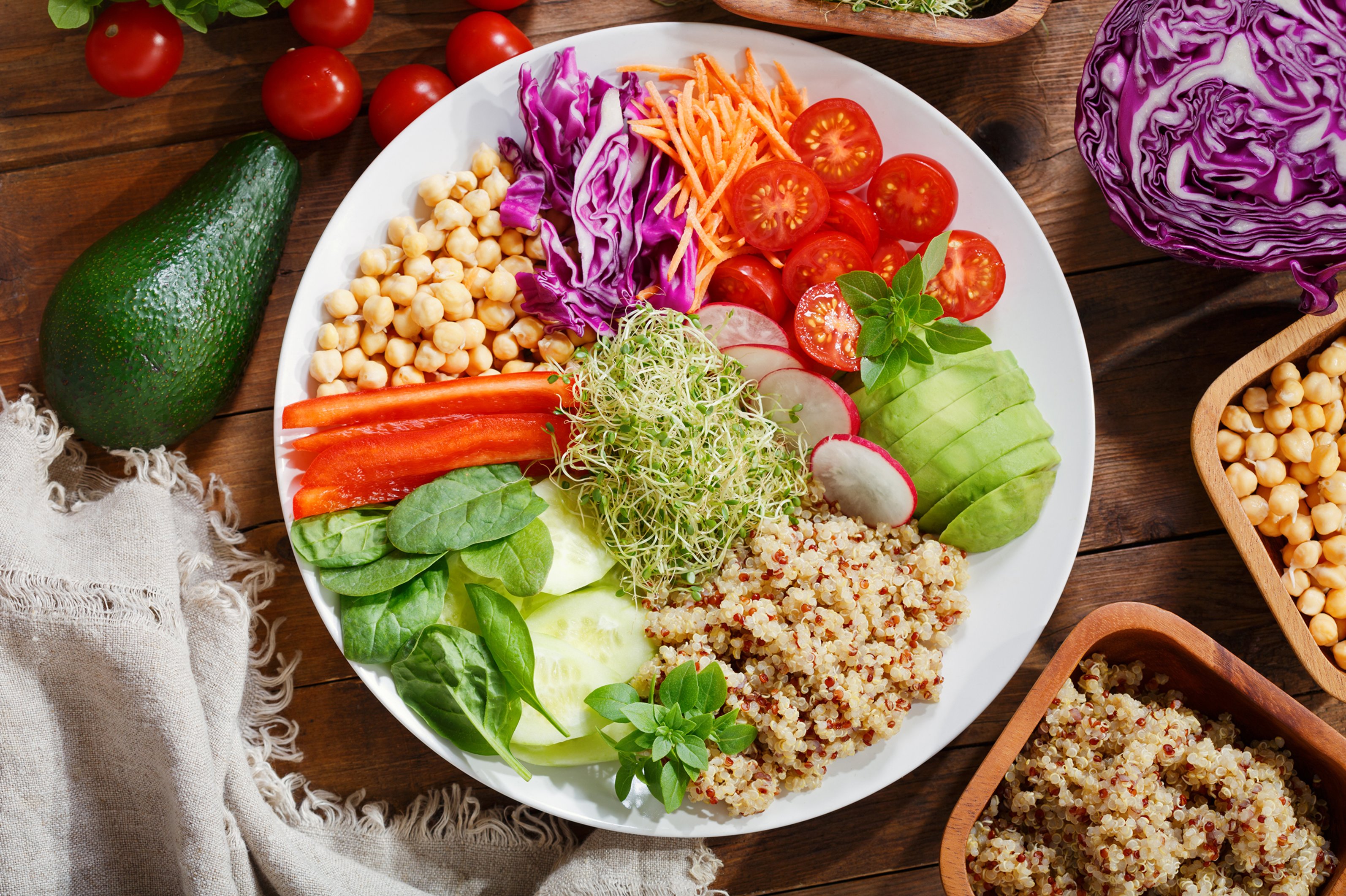
Fascia Nutrition: Eating Right for Your Fascia

Counteracting Sticky Fascia Through Nutrition.
You probably already know that you can benefit your connective tissue with the various BLACKROLL® tools. Through myofascial self-massage, you can strengthen your connective tissue, loosen adhesions in the fascia, release tight and painful areas, improve mobility, and reduce tension—to name just a few of the wonderful benefits.
But you can care for your fascia not only from the outside but also from the inside: with the right nutrition for your fascia. Eating right for your fascia also means preventing adhesions through nutrition.
Musculoskeletal disorders are more common than any other chronic conditions. They can cause significant pain and thus greatly reduce our quality of life.
One consequence of inflammatory reactions in the body is the release of cytotoxic and cell-destructive substances, which lead to tissue damage in the fascia. Fortunately, the food we eat is capable of reducing inflammation in our bodies and significantly improving the function of the skeleton, muscles, and the all-encompassing fascial tissue.
Essential nutritional building blocks that benefit more than just connective tissue:
- Fluids
- Macronutrients
- Carbohydrates (sugar)
- Proteins
- Lipids (fats)
- Micronutrients
- Vitamins
- Macronutrients
- Trace elements
- Bioactive substances
- Phytochemicals
- Dietary fiber
- Fermented foods
But don’t worry: To ensure good connective tissue health, it’s not essential that you consume all the essential nutrients at every single meal of the day—and in just the right proportions, at that. What matters most of all is that you enjoy your food and that the foods you eat agree with you personally. Everything else just requires a little adjustment and a willingness to adopt a long-term, balanced, and primarily plant-based diet. Then, as a rule, nothing will stand in the way of a healthy, vibrant body and functional, resilient fascia and organs.


Fluid
Fluids – an important component of your fascia nutrition
So everything hinges on maintaining a balanced fluid balance. An adult should consume about 1.5 liters of fluid in the form of water and unsweetened herbal or fruit teas.
If you’d like to take this step to support your micronutrient intake: Mineral waters that are high in calcium (>150 mg/l), magnesium (>50 mg/l), potassium (>25 mg/l), and sodium (>200 mg/l) can help ensure a balanced supply of essential nutrients. Note: People with high blood pressure should opt for low-sodium mineral waters (<20 mg/l).
Water makes up approximately 60% of an adult’s total body weight. Over the course of our lives, we lose body water, which, among other things, keeps our musculoskeletal system and connective tissue—the fascia—soft and supple.
The water content in muscle and fascial tissue is as high as approximately 75%. As we age, total body water content decreases to about 50%. In addition, our bodies redistribute this water in ways that are not to our advantage. The amount of water decreases in the skin (hence the wrinkles), the central nervous system (which protects the brain and spinal cord), and the subcutaneous fat tissue, while more water is stored in muscles and fat.
So what does this have to do with our fascia?
One of the functions of fascia is to supply tissues with nutrients. This occurs through fluid transport. Only when sufficient fluid is present can nutrients and oxygen be transported to the target tissues as effectively as possible.
Likewise, the removal of metabolic waste products from the tissues can only function optimally when there is an adequate supply of fluid. When metabolic waste products accumulate amid fluid deficiency, the risk of micro-inflammation—and thus adhesions in the connective tissue—increases. Diffuse pain and pain points (hotspots) can develop, impairing our mobility and well-being.
In general, the amount of waste products in the tissue increases after physical activity. A myofascial massage using a foam roller—known as Self Myofascial Treatment (SMT)—following a workout helps the body eliminate these waste products—ideally with sufficient fluid in the tissue. During exercise, fluid is excreted in the form of sweat and is subsequently pushed out of the tissue through myofascial self-treatment exercises.
Both factors mean that the “lost” fluid must be replenished; otherwise, the fascial gliding layers risk sticking together (so-called crosslinks). The collagen fibers, which make up the majority of our fascia, can remain elastic and slippery thanks to sufficient fluid in the connective tissue.
Try this test yourself:
Pinch the skin on the back of your hand with two fingers of your other hand and lift it up. Release the resulting skin fold. If it disappears within two to three seconds, you’re sufficiently hydrated. If it remains visible longer, that’s a sign you should increase your fluid intake.


Macronutrients
Macronutrients for Your Connective TissueNutrition
To produce energy, our bodies need energy sources—the macronutrients. These include carbohydrates (sugars), proteins, and lipids (fats).
Carbohydrates
They provide our bodies with important structural building blocks that are needed in our fascial tissue to bind water and ensure the fascial layers can glide smoothly over one another. Together with proteins, carbohydrates counteract collagen breakdown and inflammatory reactions in the fascia.
They are classified as:
- monosaccharides (consisting of a single molecule),
- Disaccharides (consisting of two molecules),
- complex sugars (consisting of three to ten molecules),
- and complex sugars (consisting of more than 10 molecules).
The largest portion of sugar we consume through our diet is typically starch, a complex sugar. It is found in potatoes, legumes (e.g., beans, peas, lentils, chickpeas), and grains (e.g., wheat, barley, oats, spelt, rye).
The higher the number of sugar molecules, the longer it takes for them to break down in our digestive tract; consequently, our blood sugar level rises more slowly, and this level remains constant for a longer period, keeping us feeling full. A striking contrast to this is provided by isolated simple sugars, which we find in sweetened soft drinks, such as soda. After consuming them, blood sugar levels rise rapidly (insulin spike) and then drop just as quickly. This puts unnecessary strain on our bodies.
Our diet should therefore focus on starchy foods. Other examples include bread, pasta, and bananas. Carbohydrates should account for at least 25%, and preferably more than 50%, of our total daily energy intake. Carbohydrates also serve as energy stores. They help the body replenish its energy reserves, which are then available to us as energy during physical activity.
Proteins
Proteins have a wide variety of functions in the body. In addition to serving as an energy source alongside sugars and fats, proteins act as building blocks for the body’s own tissues. It is likely this property that accounts for the popularity of protein among some athletes, who consume it in every form to boost muscle growth.
Collagen, which makes up our connective tissue, accounts for about one-third of our body’s protein. The German Nutrition Society’s recommended protein intake for a healthy adult is 0.8 g per kilogram of body weight. A balanced diet—preferably plant-based—can fully meet the daily protein requirement through food alone.
Good plant-based sources of protein include legumes, grains, gluten-free pseudo-grains (buckwheat, quinoa, amaranth), nuts, seeds, sprouts, vegetables, and nutritional yeast. Skillfully combining food groups increases the amount of protein absorbed from food; for example, pairing whole grains with legumes is a good choice. A simple example would be whole-grain bread with hummus. Protein should account for approximately 10% of total daily calorie intake.
Lipids
They are classified based on their chain length and degree of saturation. Saturation describes their chemical structure. You’ve probably heard of (un)saturated fatty acids or long- and short-chain fatty acids. In short: Focus primarily on unsaturated fatty acids. Saturated fatty acids, on the other hand, should make up a significantly smaller portion of your fat intake.
Also: The more liquid a fat is, the better it is for your body. Whenever possible, avoid fats that have been hydrogenated (e.g., in the form of butter). Among other things, fats in the diet play an important role in making fat-soluble vitamins (A, D, E, K) available to the body. However, an excess of fat in our diet can quickly lead to the storage of excess energy. Fats are the most energy-dense of the macronutrients, and with an energy content of 9.3 kcal/g, they are more than twice as energy-dense as carbohydrates or proteins. The total proportion of fats in your daily caloric intake should not exceed approximately 30%.
Fatty acids in general are responsible for the course of inflammatory processes throughout our entire body, as well as specifically in the fascial tissue. Here, we distinguish, among other things, between fatty acids that have an anti-inflammatory effect (omega-3 fatty acids) on the one hand, and those that promote inflammation (omega-6 fatty acids) on the other.
Consuming sufficient omega-3 fatty acids is therefore advisable when aiming for an anti-inflammatory diet, which generally has a positive effect on our connective tissue and actively counteracts adhesions in the fascia through anti-inflammatory processes.
These are found primarily in flaxseeds, walnuts, and chia seeds. In contrast, we consume omega-6 fatty acids through animal products such as meat, fish, and eggs, which promote inflammatory processes—that is, they are pro-inflammatory. However, omega-6 fatty acids are also present in plant-based foods such as sunflower seeds and sesame seeds.
It is important to maintain a balanced ratio of anti-inflammatory to pro-inflammatory fatty acids. The optimal ratio is approximately 3:1 to 5:1 (omega-6 to omega-3). However, the average diet in industrialized nations tends to have a ratio in which pro-inflammatory fatty acids significantly predominate.
When it comes to recovery and healing micro-injuries after workouts, our bodies benefit both from sufficient omega-3 fatty acids and from a balanced ratio of omega-3 to omega-6 fatty acids. If your needs are higher—for example, if you’re a very active athlete, are pregnant, or are breastfeeding—you can also use microalgae oil to meet those needs.
So, olive oil instead of painkillers? Olive oil, which belongs to the group of unsaturated fatty acids, has the ability to reduce inflammation and alleviate pain, not only in connective tissue. 50 ml of olive oil taken orally has the same pain-relieving effect as 200 mg of ibuprofen, which is usually equivalent to half a tablet.
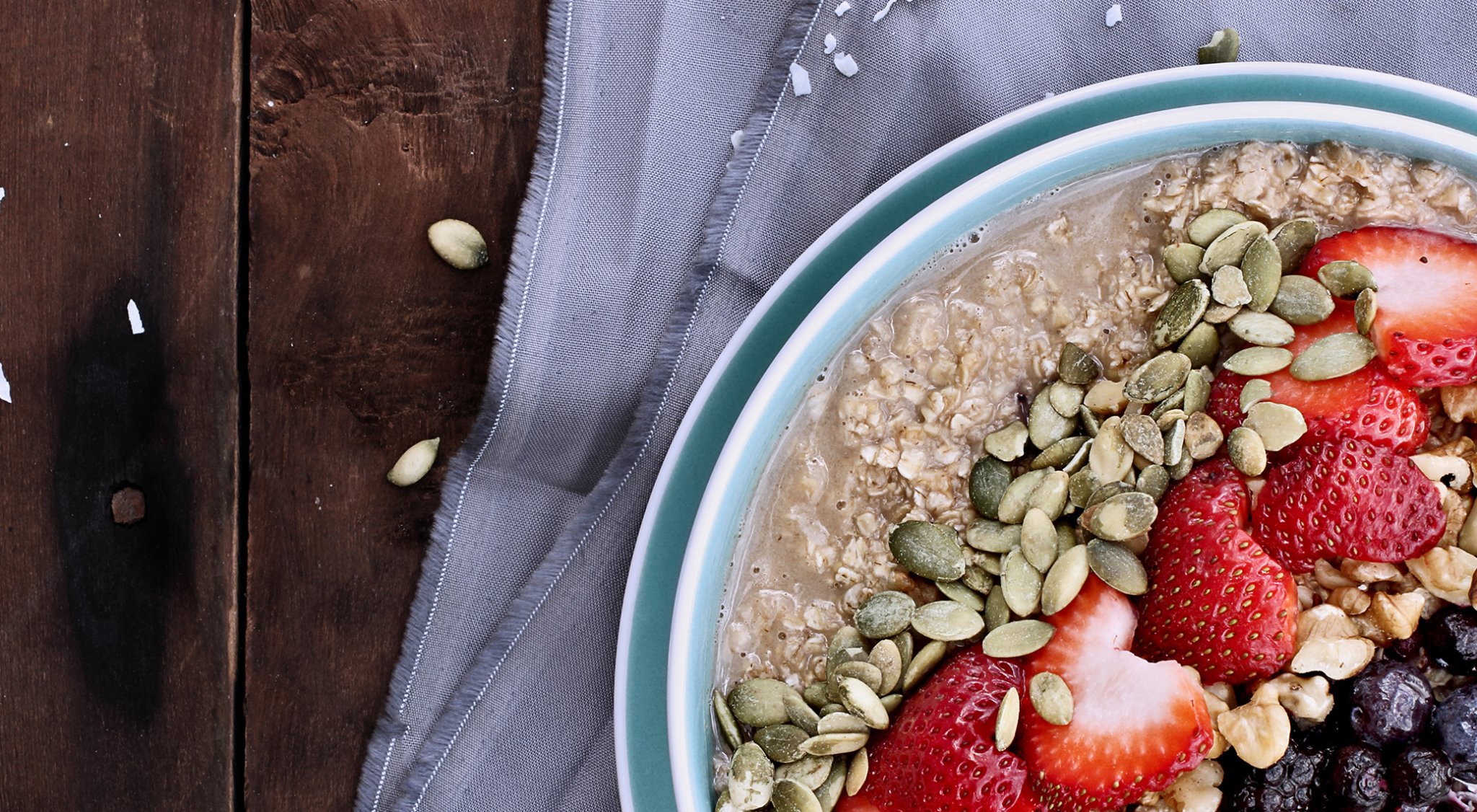

Micronutrients
Micronutrients – Another Important Component of Fascial Nutrition
Micronutrients—which include vitamins and minerals—are indispensable—that is, essential—nutrients for maintaining our bodily and metabolic functions.
Caution: When it comes to micronutrient intake, “more is not always better”! Some micronutrients can be toxic and cause harm if taken in excess. Anyone taking micronutrients in addition to their basic diet should do so with caution, consulting a nutritionist, naturopath, or doctor if necessary.
Regular blood tests are certainly advisable. A deficiency in nutrients in the diet can lead to structural and functional limitations in the myofascial tissue. The fascia loses elasticity, and functional limitations are more likely to occur. An adequate supply is therefore essential.
Vitamins
Vitamins are classified as either fat-soluble or water-soluble. Another difference lies in their storage capacity. The fat-soluble vitamins A, D, E, and K can be stored in the body, which carries the risk of excessive accumulation.
The water-soluble vitamins B1, B2, B3, B5, B6, B7, B9, and C, on the other hand, cannot be stored. Our bodies rely on a very regular supply. Vitamin B12 is an exception among the water-soluble vitamins; it can be stored in the body.
Vitamins are involved in structural synthesis and breakdown processes in muscle and fascia tissue, as well as in important detoxification reactions. In general, different dietary patterns entail different nutrient requirements.
Across all dietary patterns, vitamin D is a critical nutrient in Central Europe, especially during the winter months. Our bodies can produce vitamin D with the help of sunlight. However, UV-B radiation is insufficient for this during the winter months.
A blood test can determine whether a deficiency actually exists. If a vitamin D deficiency is present, it is advisable to replenish stores with supplements. People who follow a diet free of any animal products should take vitamin B12 in the form of supplements. For physically active people, vitamins B1, B2, B3, and B6 are also important. A varied and wholesome diet plays a crucial role in ensuring an adequate supply of vitamins.
Ascorbic acid, better known as vitamin C, also plays an important role in the health and function of the fascia. Here are the 5 most important reasons why vitamin C is important for your fascia:
Collagen production: Like amino acids, vitamin C is essential for the synthesis of collagen, the main component of fascia. Collagen provides connective tissue with stability and flexibility.
Repair and healing: Vitamin C supports the repair of fascia. In the event of injuries or damage to connective tissue, an adequate supply of vitamin C is important for rapid healing.
Anti-inflammatory effects: Vitamin C has anti-inflammatory properties that can help alleviate inflammation in the body, including inflammation in the fascia.
Hydration and elasticity: Vitamin C helps increase water retention in the tissues, which in turn promotes the elasticity and flexibility of the fascia.
Protection against damage: Vitamin C acts as an antioxidant and protects cells from damage caused by free radicals, which can result from environmental factors or metabolism. This protection is also relevant for the fascia.
Major Elements
They differ from trace elements—which, as the name suggests, are present only in very small amounts—in the quantities found in our bodies. Major elements include, among others , sodium, chlorine (chloride), potassium, calcium, phosphorus, and magnesium. They also perform a variety of functions in our bodies, ranging from regulating the body’s water balance to serving as structural building blocks.
Calcium, for example, is very important for teeth and bones; it is also crucial for the viscoelasticity of the fasciae due to its influence on collagen and elastin. However, only one in two people gets enough calcium. That’s why it’s worth keeping an eye on this nutrient.
Some macrominerals are needed as buffers to neutralize highly acid-forming foods, such as gluten-containing grains. They are therefore partly responsible for the body’s acid-base balance. In an overly acidic environment, the fascia suffers and, in response, increases its tension—thereby restricting movement, limiting mobility, and potentially causing pain.
By playing a role in electrolyte balance, minerals generally ensure the necessary suppleness and “calmness” in the fascial tissue. You can therefore counteract adhesions in the fascia with the right diet.
Dark green leafy vegetables, legumes, nuts, and mineral-rich mineral waters, for example, can contribute significantly to your overall intake of micronutrients. For very active individuals who follow a strictly plant-based diet, magnesium is another important mineral that is found in abundance in whole-grain products, nuts, and seeds, for example.
Trace Elements
They make up only a very small proportion of total body mass, but are nonetheless essential for life. Despite their small proportion relative to our body mass, they play a crucial role in the production of collagen and elastin, the main components of fascia.
Some of them possess a pronounced ability to bind water, which ensures high lubricity and elasticity in the fascial tissue. Just like the major elements, they play a role in detoxification processes within the connective tissue. For some minerals, the concentration in the soil is decisive for the subsequent concentration in the food grown there.
Central Europe is considered an iodine-deficient region, so the use of iodized table salt is recommended. Just 5 grams of iodized salt provides approximately 100 µg of iodine, covering about half of the daily requirement.
Iron is another micronutrient that many people do not get enough of, regardless of their diet. Iron supplies our muscles with sufficient oxygen and keeps them functioning at peak performance. Regular blood tests are therefore recommended. Taking iron supplements without a diagnosed deficiency can lead to an overdose, which may be dangerous under certain circumstances.
For vegans, the trace element selenium is also important. Just two Brazil nuts a day meet this need. Vegans who are very active in sports should also ensure an adequate intake of zinc.
Valuable information about minerals in general:
By soaking whole grains, legumes, seeds, and nuts for about six hours, sprouting them (usually two to three days), and fermenting them, the body can better absorb iron, calcium, magnesium, and zinc—the bioavailability of these nutrients increases. Adding acids (e.g., lemon juice) to a meal has the same effect.
And here’s another useful tip:
If you skip coffee and black tea at breakfast, you’ll simultaneously increase your absorption of iron, calcium, and zinc. That’s because the tannins they contain inhibit the absorption of these nutrients. You’re welcome to drink your coffee or black tea well before or after a meal. Please consider coffee a luxury item and consume it sparingly and mindfully. By the way, coffee raises blood pressure and should therefore be consumed in moderation, especially by people with high blood pressure.


Bioactive Substances
The anti-inflammatory properties of bioactive substances are just one example of their many beneficial effects. However, they aren’t strictly necessary in our diet. But if you take a closer look at the potential of these substances, you’ll understand how important they are for maintaining a healthy body.
Phytochemicals
(e.g., beta-carotene, from which our bodies can produce vitamin A) have many other beneficial effects. These include: antioxidant (cell protection), anticarcinogenic (preventing cancer), blood pressure-regulating, immune-stimulating, cholesterol-lowering, blood sugar-regulating, antithrombotic, and antimicrobial.
Dietaryfiber
It has a positive effect on cholesterol levels. It also ensures a slow rise in blood sugar levels, provides a quick sense of fullness, and keeps us feeling full for a long time. Stool volume increases, the transit time of our food bolus through the intestines is shortened, and thus our digestion is stimulated. This reduces, for example, the risk of malignant tumors in the lower digestive tract. Dietary fiber nourishes the intestinal mucosa, which benefits our immune system. The healthier the gut, the better our body’s defense system functions. Just 200 g of whole grains and 125 g of legumes cover the recommended daily intake of dietary fiber.
Fermented foods
such as tempeh or miso promote iron absorption from food.


Summary recommendations for a diet that strengthens your connective tissue
- Increased consumption of plant-based, unprocessed foods—and, consequently, a reduction in animal products—avoidance of gluten-containing grain products, avoid simple sugars, significantly reduce saturated and trans fats (e.g., in the form of butter and highly processed foods), increase your intake of essential, polyunsaturated omega-3 fatty acids, maintain an optimal ratio of these to omega-6 fatty acids, use anti-inflammatory spices such as cayenne pepper, rosemary, and cinnamon, as well as drinking green tea (not with meals) can have a very positive effect on the quality of body tissue and the condition of the fascia.
- A sustained calorie restriction of 10–30% can also have a significant positive effect on inflammation in connective tissue, counteract adhesions in the fascia, and even prolong life (as proven by studies!)
- Eating regular meals with sufficient spacing—at least 4 hours—between main meals, without constant snacking, helps maintain a steady blood sugar level without insulin spikes, which in turn has a positive effect on inflammatory and thus damaging processes in our fascia.
- An increased intake of alkaline-metabolized foods can provide the fascia with an environment in which it thrives. The viscoelasticity of the fascia—which refers, on the one hand, to the connective tissue’s elasticity and, on the other, to its resistance to tensile and compressive stresses—can best manifest itself in a slightly acidic, rather alkaline environment; accordingly, acidification of the fascial tissue can be counteracted through diet. It is reasonable to assume that, in an overly acidic environment, the fascia loses its ability to bind water and thereby becomes brittle and prone to injury.
- Eat slowly and mindfully. Chew thoroughly. Digestion begins as soon as you start chewing, and nutrients are released.
- Choose steaming or braising over frying, baking, or boiling as your cooking method. When boiling, nutrients may leach into the cooking water.
- It’s best to store fruits and vegetables in a dark place. Some nutrients are sensitive to light and will otherwise be lost. The nutrient content also decreases as the storage period increases

Keep your fascia supple
Fascia Training