Fascia Roller: Which Direction Should You Roll In?

In which direction should you roll the foam roller?
The question of which direction to roll in during classic foam roller training is a topic of intense debate, even among experts. Opinions range from “roll in all directions” to “roll only toward the heart” to “roll the foam roller in only one direction.”
After doing some online research, you’re no wiser than before—and the conflicting information on various websites has left you unsure of what’s actually correct. We’d like to offer as objective a perspective as possible on the topic of “fascia rollers and rolling direction” and share our experiences free from dogma. We’ve been working with leading fascia researchers since 2007, when the first BLACKROLL® hit the market, and we keep a close eye on the latest scientific developments.
In this post, we’d like to share our thoughts on the topic of direction during self-massage with a fascia roller.
You’ll also find important information about the most common mistakes made with the BLACKROLL in the video below. Watch it right away so you can avoid making these mistakes. Learn how to use the BLACKROLL correctly, reduce pain, and optimize the recovery of your fascia. Enjoy!
Statement 1: Rolling should only be done in the direction of venous return.
This statement primarily refers to fascia massage on the leg. It is claimed that excessive rolling in the direction opposite to the venous valves—that is, away from the heart—is harmful and can lead to varicose veins.
However, this hypothesis has not been confirmed by any scientific studies and is based solely on assumptions. We assume that using the fascia roller in both directions is safe. After all, fascia training is performed dynamically while moving, not statically. Blood flow is therefore restricted only for a moment. Furthermore, numerous competitive athletes have been rolling in both directions daily for years. To our knowledge, however, there has not yet been a case of an athlete suffering from venous valve insufficiency due to excessive rolling in both directions.
It is also important to consider the pressure and intensity of the rolling. Excessive pressure in the opposite direction might be uncomfortable, but there is no concrete evidence that it is harmful. Rather, it is important to pay attention to your own body’s signals and adjust the intensity of the rolling so that it feels comfortable and effective, thereby preventing excessive pain. As always, you should listen to your body.
Another aspect you should definitely keep in mind is the condition of your veins and your overall health. If you have known vein problems or other medical conditions, you should seek medical advice before using the roller. In such cases, specific instructions or adjustments to the exercises and various techniques may be necessary.
Statement 2: Body fluids should only be pushed in one direction.
One of the most important effects of fascia training is the removal of spent fluids and metabolic waste products. Just like with a sponge, the spent cellular fluid should be squeezed out so that the fascia can refill with fresh, nutrient-rich fluid.
This claim assumes that rolling back and forth merely distributes the tissue fluid. The argument is that lymph flow leads toward the center of the body. The problem with this assumption is that 90 percent of the water we “squeeze” out of the tissue like a sponge during fascia training does not flow along the lymphatic pathway but rather along the veins—that is, in all directions.
Leading German fascia researcher Dr. Robert Schleip believes that the direction of rolling might only be important if inflammatory messengers are present in the connective tissue and one wishes to support lymphatic flow. From this perspective, a general approach of working from body parts distant from the torso toward the body’s center certainly makes sense. More on this later.
The human body is a highly complex system in which fluids and substances flow along various pathways and in different directions. A multidirectional approach to fascia training can therefore be quite beneficial, as it allows for more comprehensive stimulation and blood flow to the tissues.
You should also always take your body’s needs into account. For example, people with certain medical conditions, such as lymphedema or venous disorders, might benefit from rolling in a different direction. However, this must be decided on an individual basis.
Rolling not only moves fluid but also affects the fascia itself. Rolling in different directions releases adhesions and supports the elasticity of the connective tissue. This, in turn, leads to improved mobility and can positively influence the risk of injury.
Exercise inspiration with the fascia roller:
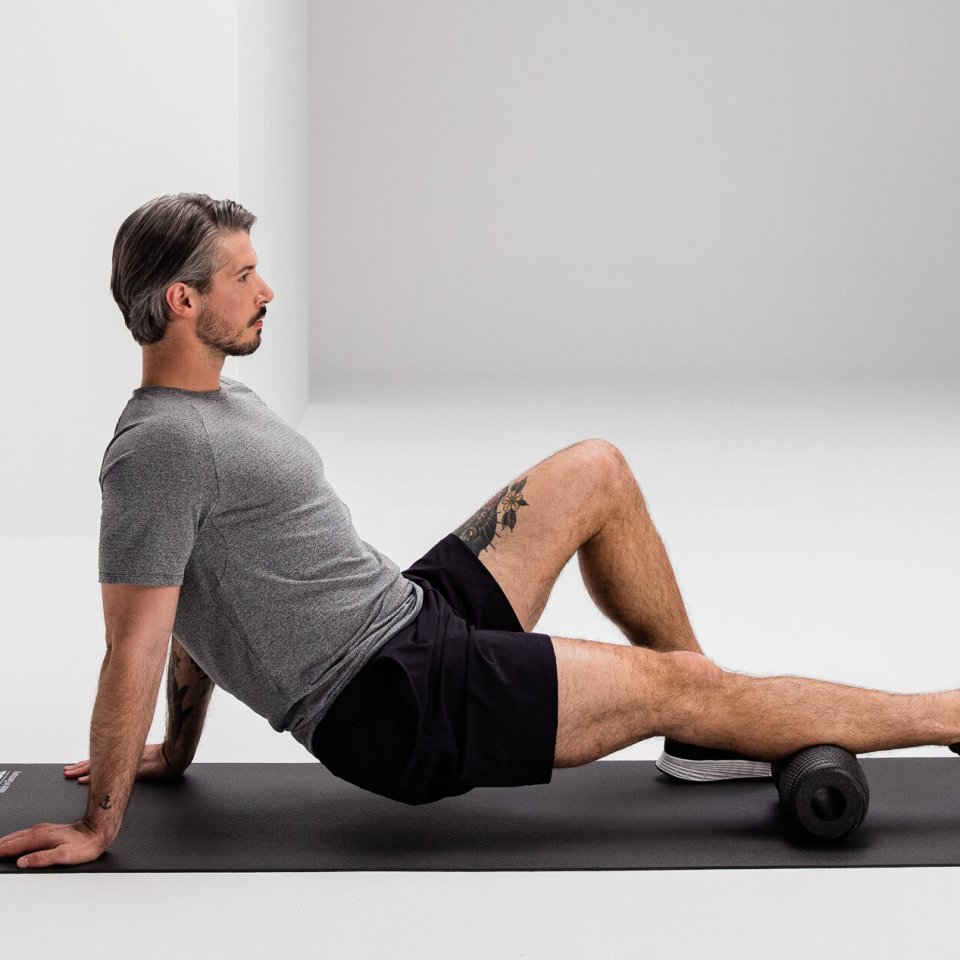
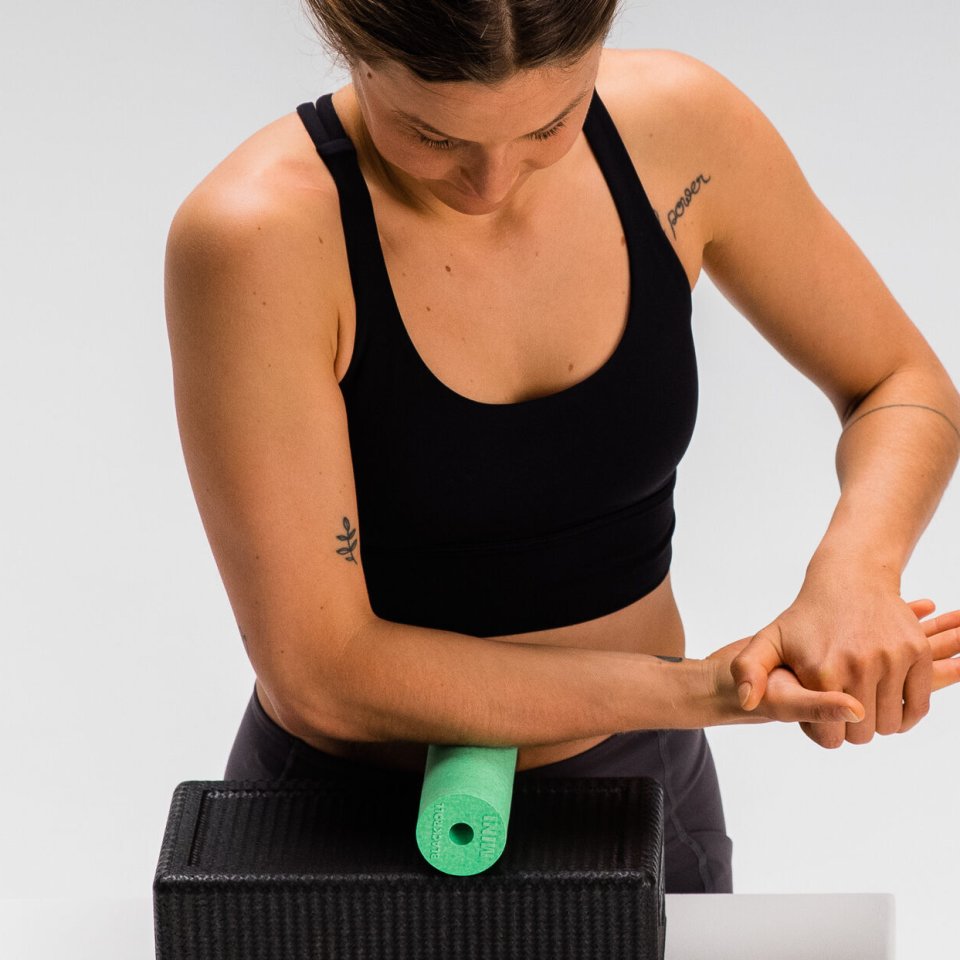
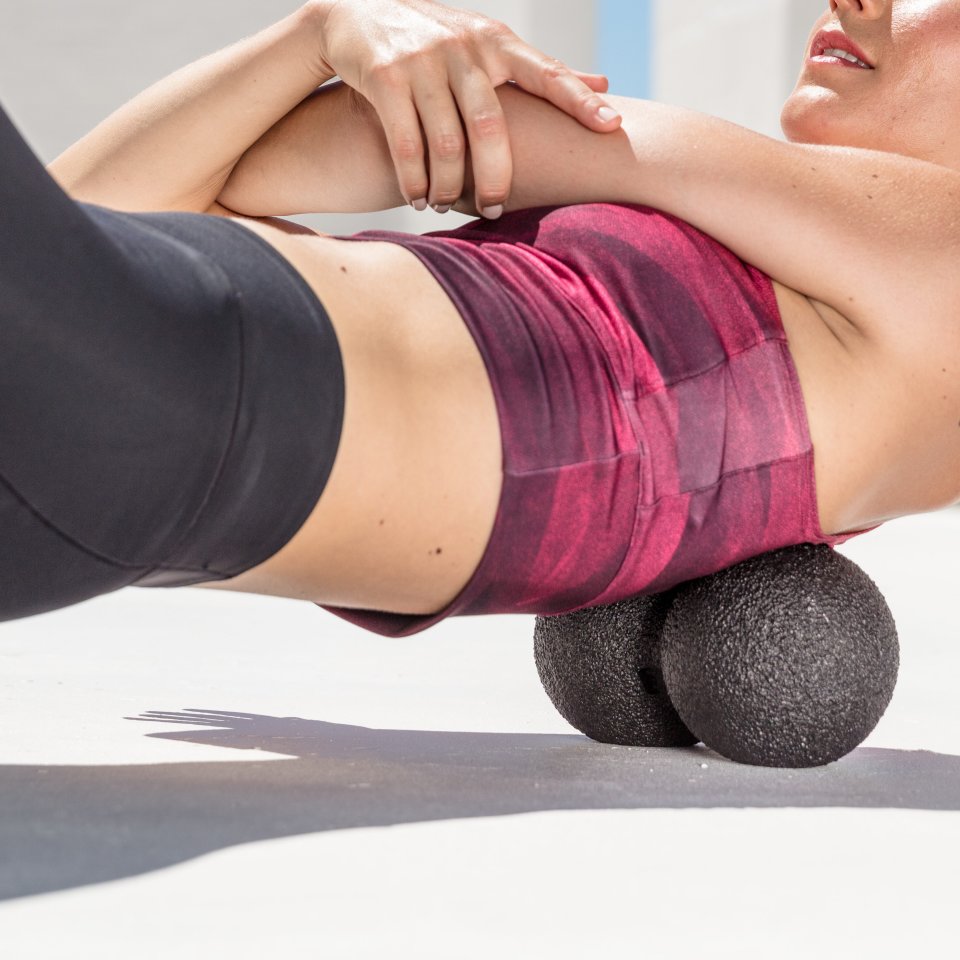
Who says there are only two rolling directions, anyway?
It surprises us a little that the discussion about direction during training with a fascia roller always seems to focus solely on longitudinal massage.
The fact that massage can also be performed across the grain of the muscle fibers or in circular motions is rarely discussed. At BLACKROLL®, we talk about a total of eight self-massage techniques. This combination of rolling, acupressure, and mobilization techniques relieves tension in the fascia and generally makes the tissue network more supple.
In addition to the classic longitudinal and transverse movements, these techniques also include the targeted rolling of specific points, similar to trigger point therapy, in which pressure is applied to certain areas to release tension. Furthermore, training with the fascia roller also includes stretching exercises that help you improve the elasticity of your fascia and increase your overall flexibility.
Another important factor is the speed and rhythm with which you use the foam roller. Slow, deliberate movements can help reach deeper layers of the fascia and promote more intense relaxation, while faster rolling stimulates blood flow and also helps warm up the muscles.
In addition, combining different techniques can be crucial. By adapting to individual needs, you can achieve a more comprehensive and effective fascia training routine.
For example, starting with gentle longitudinal movements followed by targeted work on the muscle fascia and concluding with stretching exercises can enable a holistic treatment of the tissue.
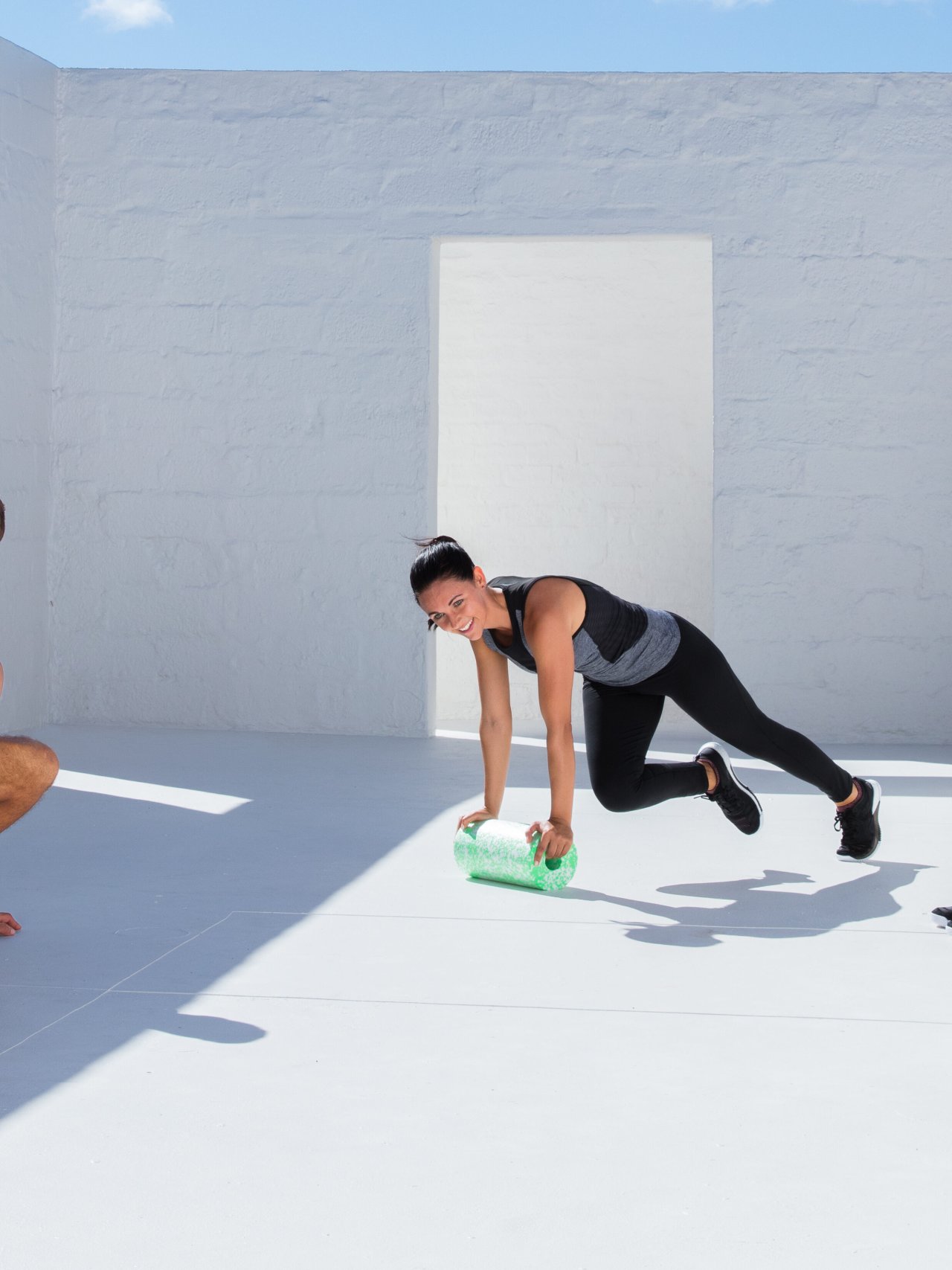

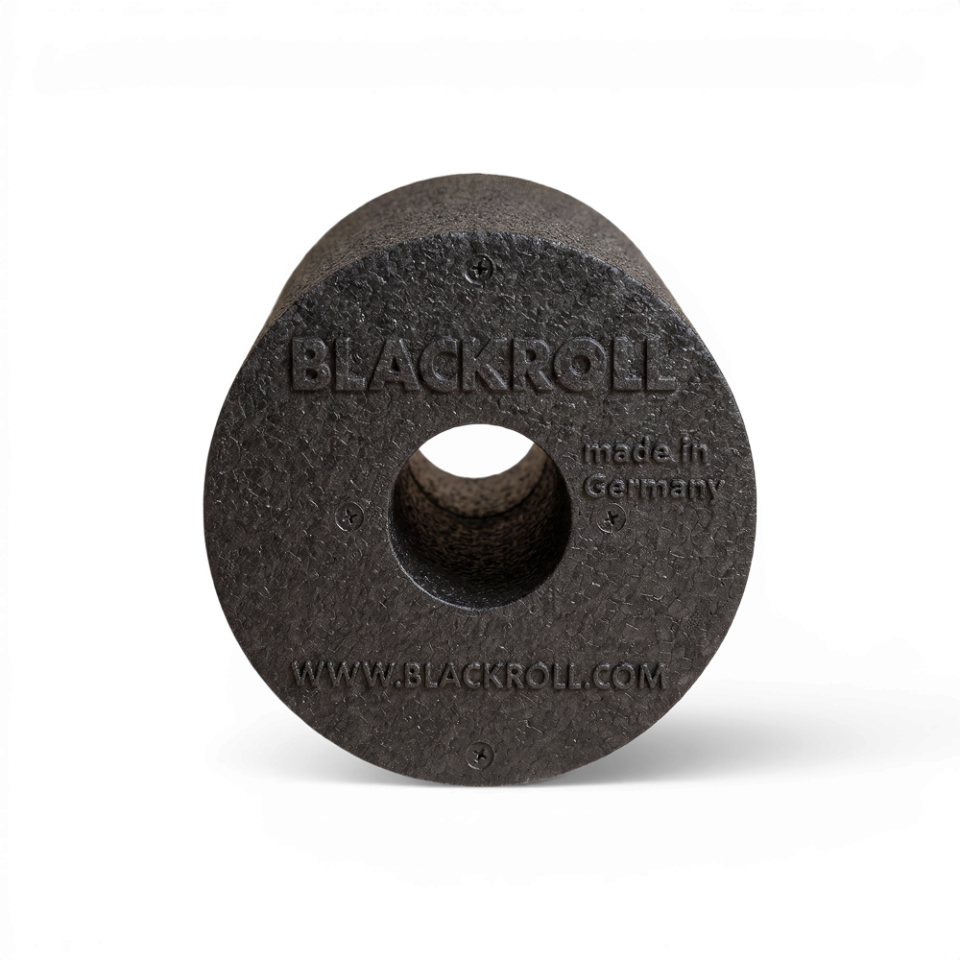
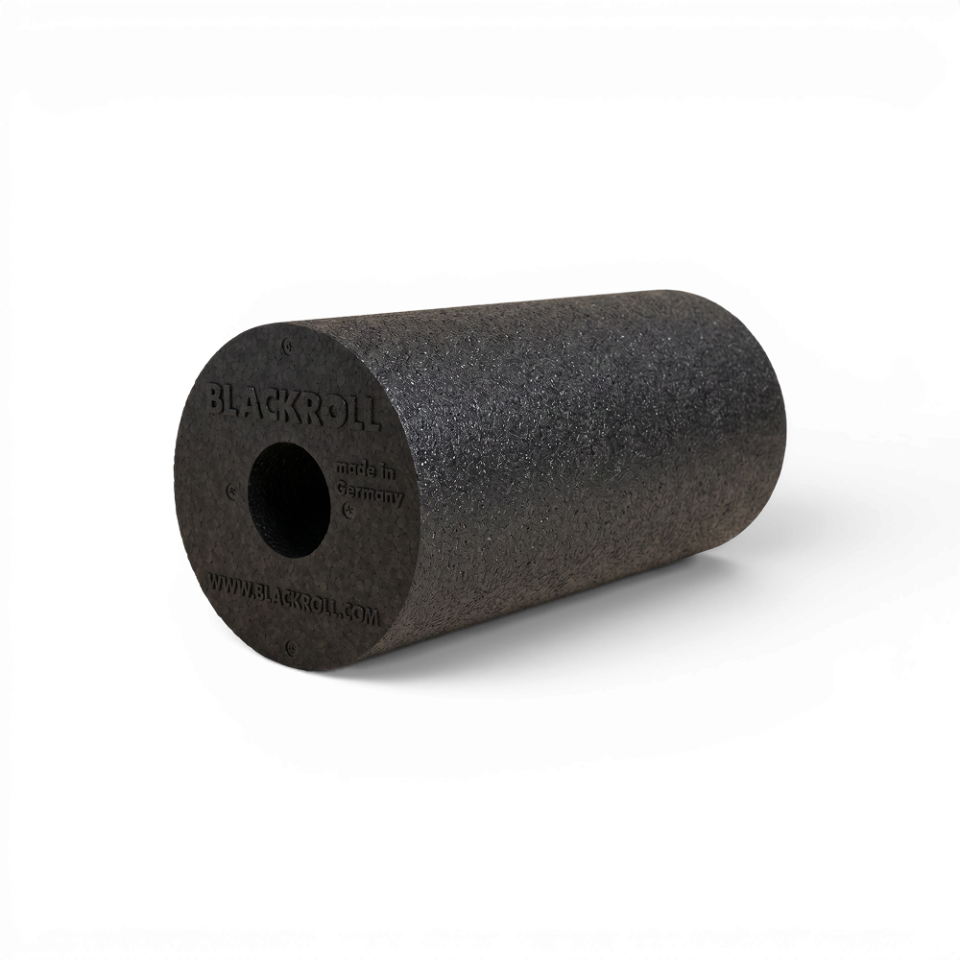
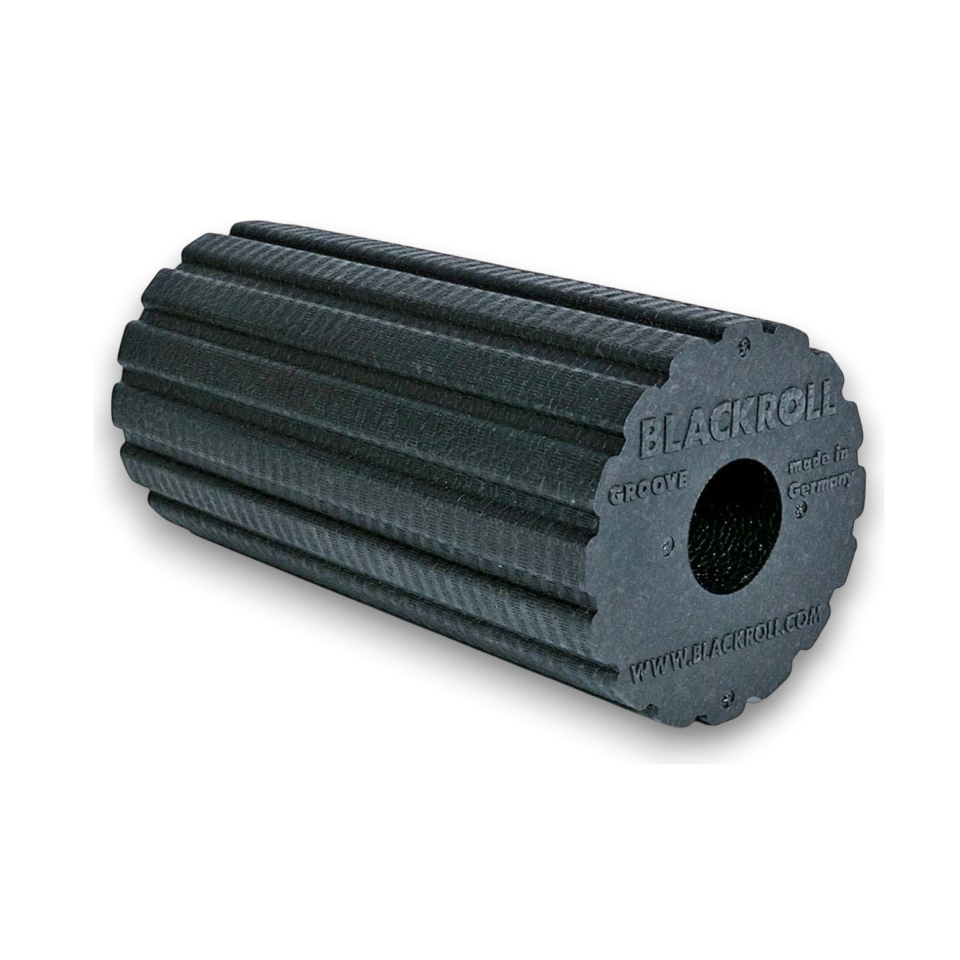
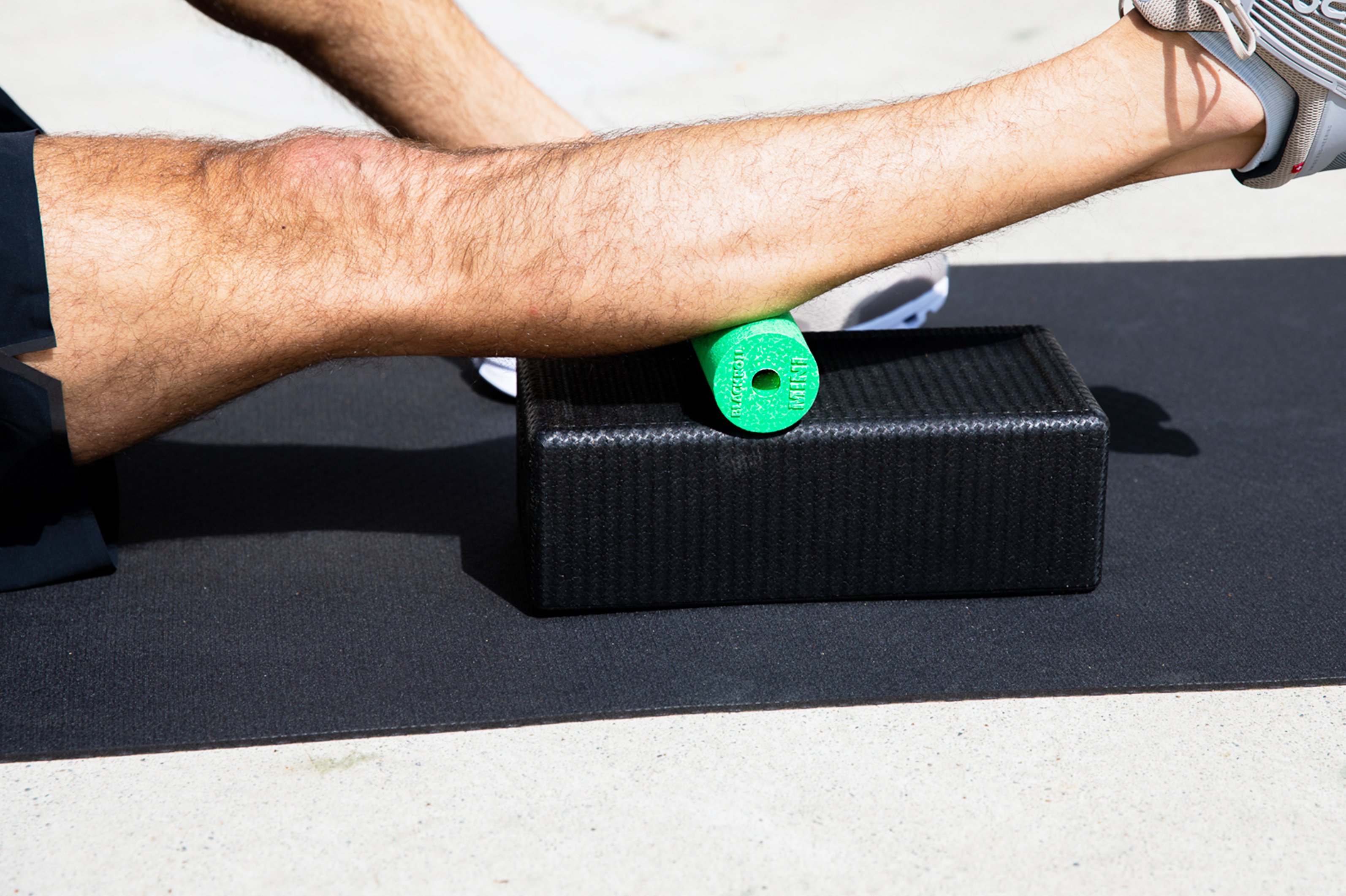
Fascia rollers come in various sizes, firmness levels, and surface textures
Fascia RollsConclusion: In which direction should you roll the foam roller?
We’re happy to answer this question by using the example of rolling out pizza dough.
You can picture it like this: When we make a pizza, we press, knead, pull, and roll the dough in all directions. We can apply this admittedly simplified analogy to our fascia as well. Just like when rolling out dough, adhesions and tight spots are better released when you roll back and forth over the area multiple times. If you try to soften a lump in your pizza dough by rolling your rolling pin in just one direction, it’ll take longer than if you work the dough thoroughly in all directions.
Our fascial network and venous blood vessels also run in all directions. If you want to release adhesions—for example, on your back—and promote the drainage of spent tissue fluid, you should therefore work in multiple directions during a fascial massage—forward, backward, crisscrossing, and in all directions.However, due to the body’s systems—the lymphatic system, veins, and nerves—it still makes sense to work your way toward the body’s center. But we don’t do this by rolling in just one direction; instead, we use the fascia roller to work on the respective body parts in various directions, moving from the extremities farthest from the torso toward the body’s center. This also takes fluid transport into account.
It’s not just the direction that matters in fascia training, but also the way the techniques are combined and applied. The goal should always be to find an approach tailored specifically to you that meets your needs, so that you’ll soon feel a noticeable improvement in your well-being.
It’s important not to let any uncertainty about the direction spoil the positive benefits of training with the fascia roller. The effects after a self-massage session speak for themselves. Whether it’s about pain relief, improving your mobility, or simply general relaxation, using the fascia roller correctly can make a significant difference in your well-being. Experiment with different techniques and find out what works best for your body.
It’s best to start your fascia training today—whether before or after exercise—your fascia will thank you for it. We’ve summarized plenty more information and practical tips on how to use the foam roller correctly to achieve the best results after your self-massage session and relax your muscles in our article “Foam Rolling for the.”