Heat Therapy: When Heat Helps—and When You Should Avoid It

Heat therapy is one of the most commonly used treatments for pain and muscle tension—because it’s easy to apply at home. But heat isn’t the right solution in every situation. Here, we’ll tell you which conditions heat therapy can help with—and when you’re better off avoiding it.
In a nutshell:
- Heat therapy is the targeted application of heat for therapeutic purposes and can promote blood circulation, muscle relaxation, and pain relief.
- Heat can be helpful for chronic tension, muscle stiffness, osteoarthritis, and non-inflammatory back pain.
- You shouldn’t use heat for acute inflammation, swelling, fever, or fresh injuries—in these cases, cold therapy may be the better choice.
- At home, 15 to 20 minutes per session at a comfortable, not-too-high temperature is sufficient.
- Heat can be effectively combined with exercise and myofascial release—as part of an active recovery strategy.
What is heat therapy?
Heat therapy, also known asthermotherapy, is the targeted application of heat for therapeutic purposes—it is a classic method of physical therapy.
Any method in which heat is applied specifically to areas of the body to relieve pain, relax muscles, or improve blood circulation can be described as heat therapy. Its counterpart is cold therapy (cryotherapy), which is used to treat other conditions.
Heat therapy can be performed at home (hot water bottle, heat patches) or in a physical therapy practice (fango, hot roll, infrared). The effect depends heavily on the method of application, the depth of penetration, and the specific condition being treated.

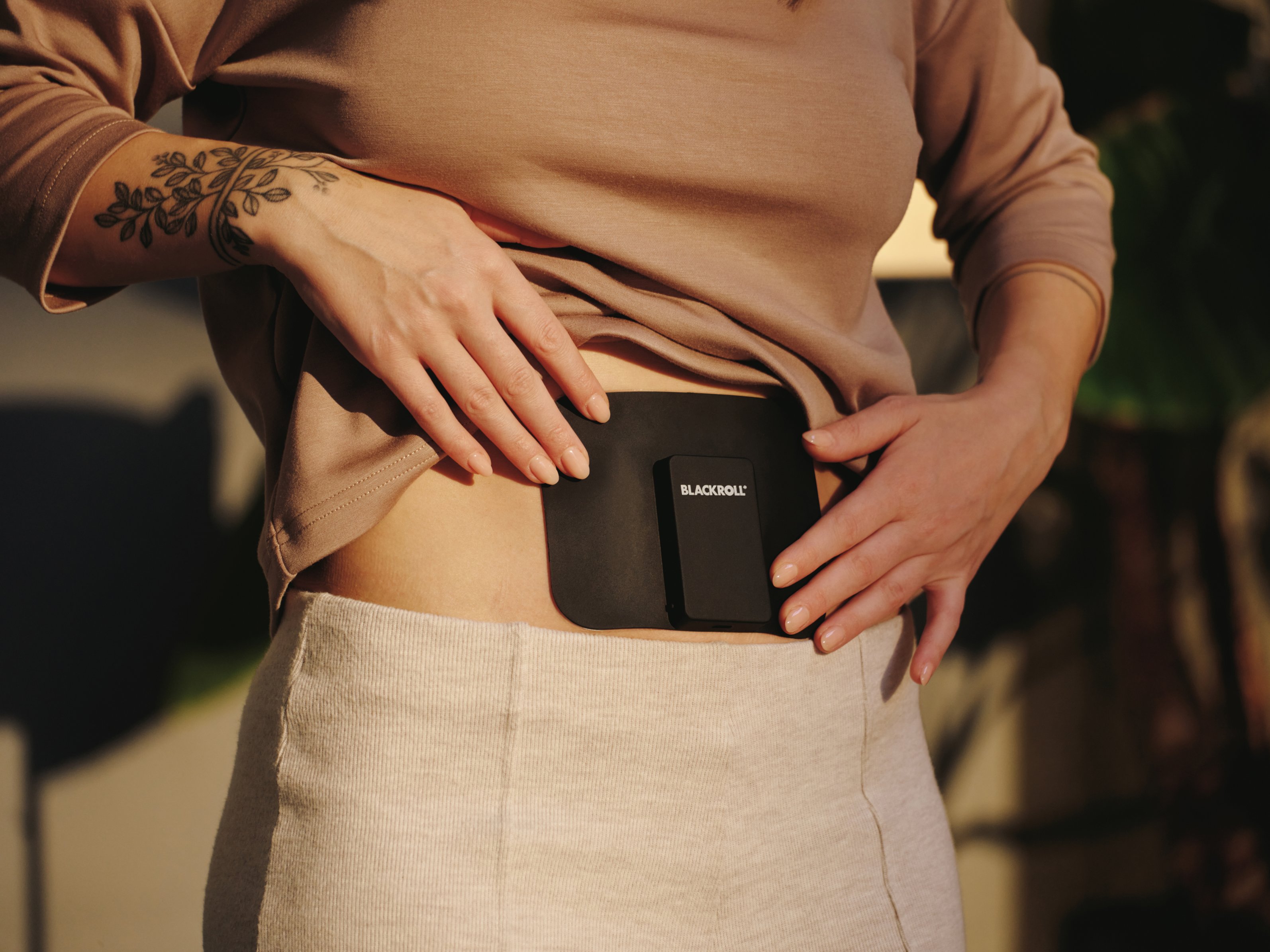
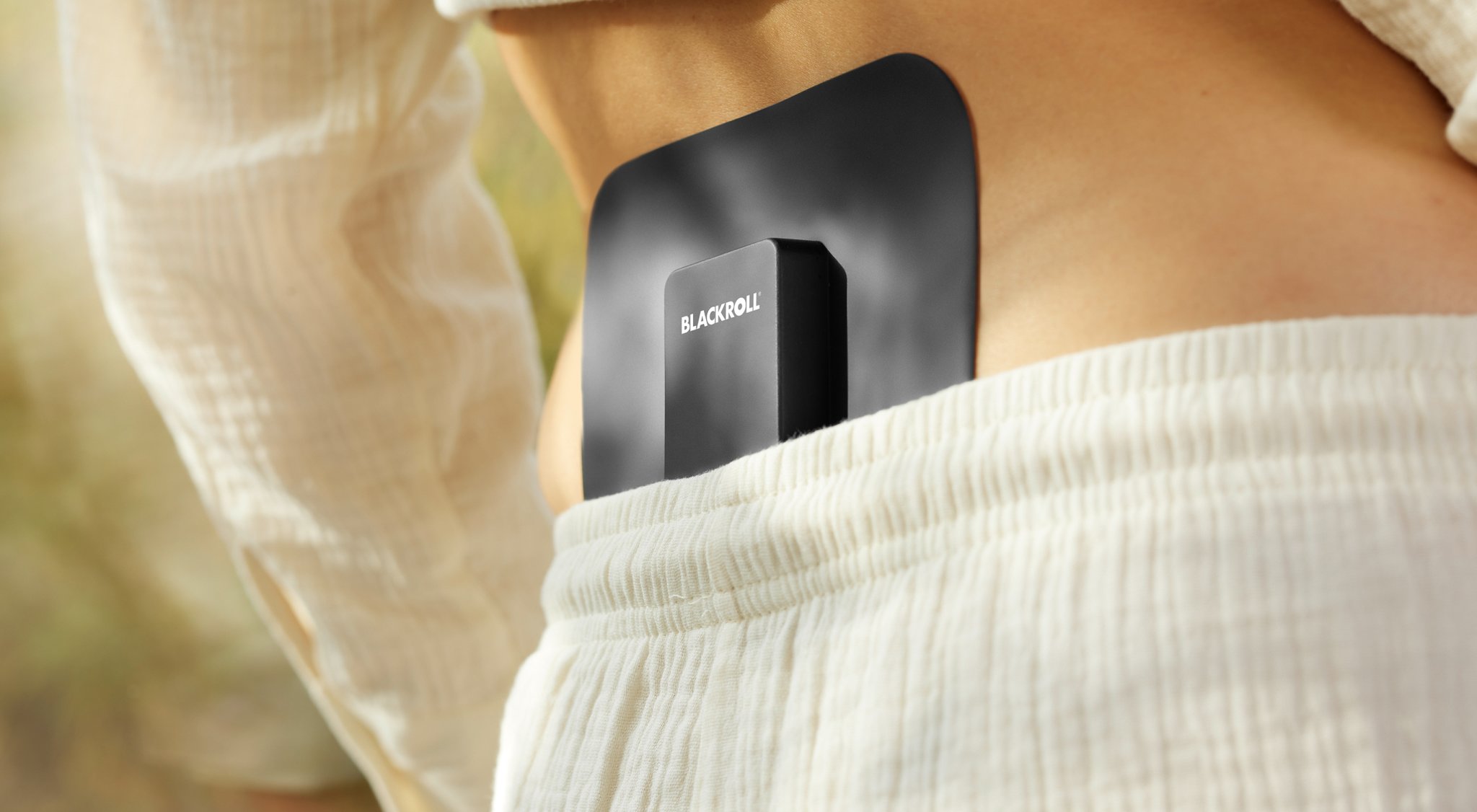
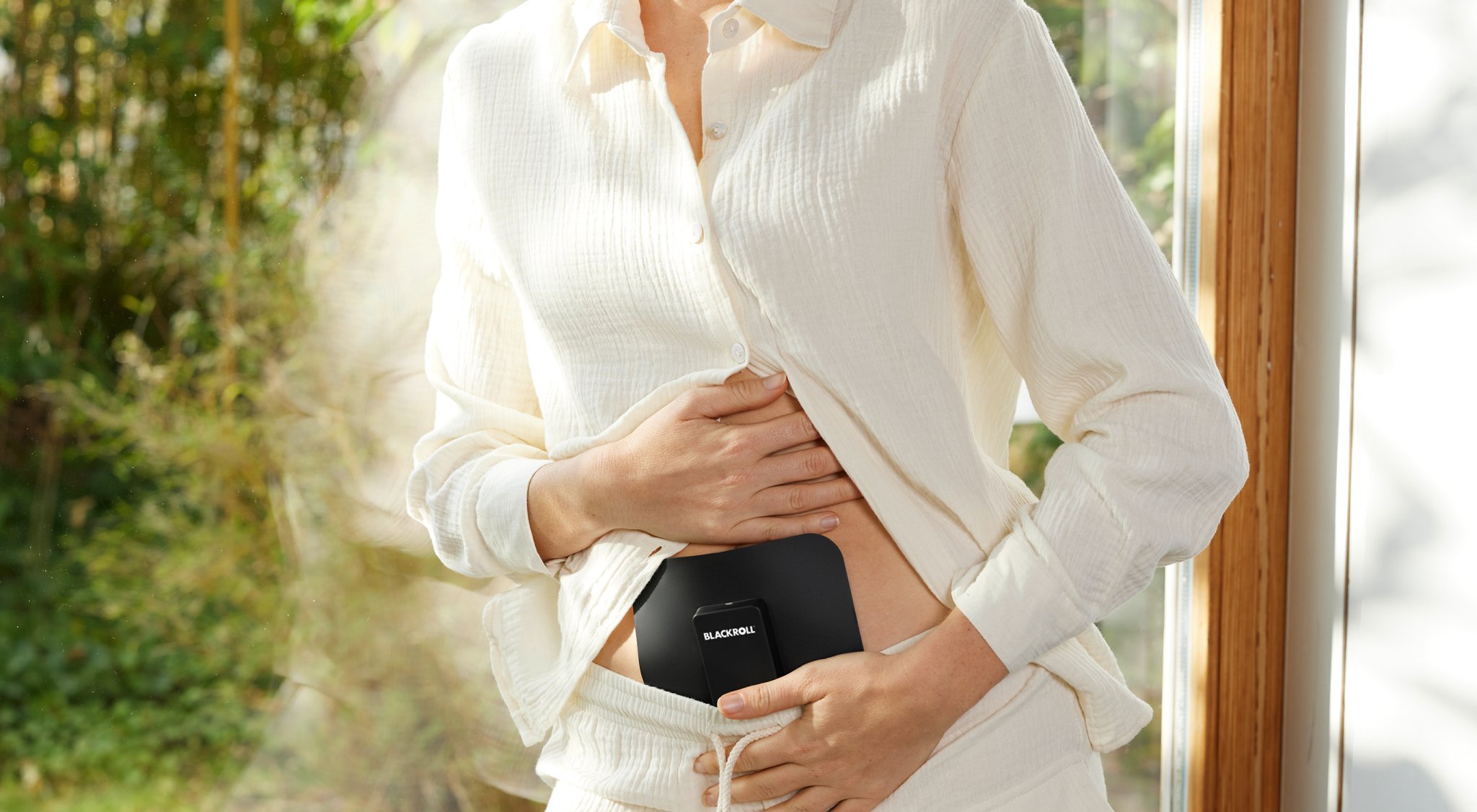
Heat that penetrates deep. The new BLACKROLL® THERMO PAD
Delivers targeted deep heat exactly where your body needs it—cordless, discreet, and at the push of a button.

How does heat therapy work in the body?
Heat treatments can promote blood circulation, relieve muscle stiffness, and alleviate pain. And they feel pleasant, too.
Blood Circulation and Vasodilation
Heat dilates blood vessels, which, when applied specifically, can lead to improved local blood circulation.
Studies show that local heating (e.g., through a hot water bath, heated clothing, or diathermy) has been proven to increase blood flow and vascular conductivity in the extremities. Even with home use, improved blood circulation in the skeletal muscles has been demonstrated—with potentially positive effects on endurance and recovery capacity. The extent of the effect depends on one’s health status and the method of application.
Muscle Relaxation and Mobility
Heat therapy can help relieve stiff muscles and improve the elasticity of connective tissue. This can enhance your range of motion.
Local heat applications, such as heat packs or heat wraps, can increase tissue elasticity in cases of acute and chronic musculoskeletal complaints. This can promote pain relief, function, mobility, and strength, as shown by analyses of the mechanisms of action of heat and cold therapy.
Pain Relief
Localized pain can often be relieved (when appropriately indicated) with local heat applications—inexpensive, effective, and without side effects.
The reason heat helps with pain is attributed to a combination of effects: The increased body temperature leads to the dilation of blood vessels (vasodilation), which allows for greater oxygen uptake in the tissue. This can support local metabolic and circulatory processes and thereby accelerate biochemical healing processes. Pain caused by muscle tension can also be relieved in this way, as shown byclinical reviews on the use of local heat applications for musculoskeletal complaints .


When can heat therapy be beneficial?
Heat therapy is most effective for chronic, non-inflammatory conditions—especially when tension, stiffness, or restricted blood flow are the underlying issues.
Conditions where heat can help:
Tension (neck, shoulders, back): Heat reduces muscle tone and can provide short-term pain relief, as shown by mechanistic analyses of heat and cold therapy .
Muscle stiffness / myogelosis: Heat makes the tissue more supple, which can support fascia work and stretching—subjective tolerance is particularly crucial here. This is supported both by the physiological mechanisms of thermotherapy and by clinical reviews on local heat applications.
Sore muscles: Heat applications can reduce pain associated with sore muscles, as demonstrated by a systematic review on DOMS.
Chronic back pain: The effectiveness of heat for non-inflammatory back pain is well documented, including through evidence-based analyses of thermotherapy for musculoskeletal conditions.
Osteoarthritis: Heat can temporarily relieve stiffness and discomfort, particularly as a complementary measure to exercise and training, as highlighted in the guidelines of the American College of Rheumatology.
Menstrual cramps: Heat applied to the abdominal area can relieve cramps, as supported by systematic reviews on physical therapy approaches for dysmenorrhea.
However, if you’re experiencing pain caused by inflammation, acute injuries, or open wounds, you shouldn’t apply heat—it could make the symptoms worse. In this case, consider whether cold therapy might be helpful.
Dr. Lutz Graumann



When should you not use heat?
Heat therapy can be counterproductive or even harmful for certain conditions.
You should not use heat for:
- acute inflammation (e.g., rheumatoid arthritis): Deep heat can exacerbate inflammatory processes, as shown byclinical guidelines for the treatment of osteoarthritis and inflammation.
- Swelling/edema as well as fresh bruises or strains: Heat promotes blood circulation and can worsen swelling
- Fever: Heat further increases core body temperature
- open wounds or damaged skin
- acute cardiovascular conditions: such as unstable angina pectoris, a recent heart attack, or stroke— physiological studies on the effects of heat on the cardiovascular system clearly indicate risks in these cases.
Improper use also carries a risk of burns. This risk is further increased in people with diabetes mellitus, multiple sclerosis, impaired blood circulation, or spinal cord injuries—special caution is required in these cases.
Symptom Matrix
Symptom | Heat is appropriate | Avoid heat | Consult a doctor first |
Tension (neck, back) | ✓ |
|
|
Acute injury (<48 hours) |
| ✓ |
|
Chronic back pain | ✓ |
|
|
Swelling/Edema |
| ✓ |
|
Osteoarthritis | ✓ |
|
|
Herniated disc (acute) |
|
| ✓ |
Menstrual cramps | ✓ |
|
|
Rheumatoid arthritis (deep heat) |
| ✓ | ✓ |


Heat or Cold: When Should You Use Which?
As a general rule, cold should be used for acute and inflammatory conditions, while heat is more likely to help with chronic and tense conditions.
- Cold (cryotherapy) inhibits inflammatory processes, constricts blood vessels, and reduces swelling. This can be helpful for fresh injuries, acute joint inflammation, or immediately after physical exertion.
- Heat, on the other hand, promotes blood circulation, lowers muscle tone, and improves tissue elasticity. You can therefore use heat treatments for chronic conditions, muscle tension, and as preparation for exercise.
If you’re unsure whether cold or heat therapy would be more beneficial for you, it’s best to consult a medical professional or a physical therapist.


What forms of heat therapy are there?
There are various ways to apply soothing heat to your body. Many of them can be used at home, while others require professional guidance.
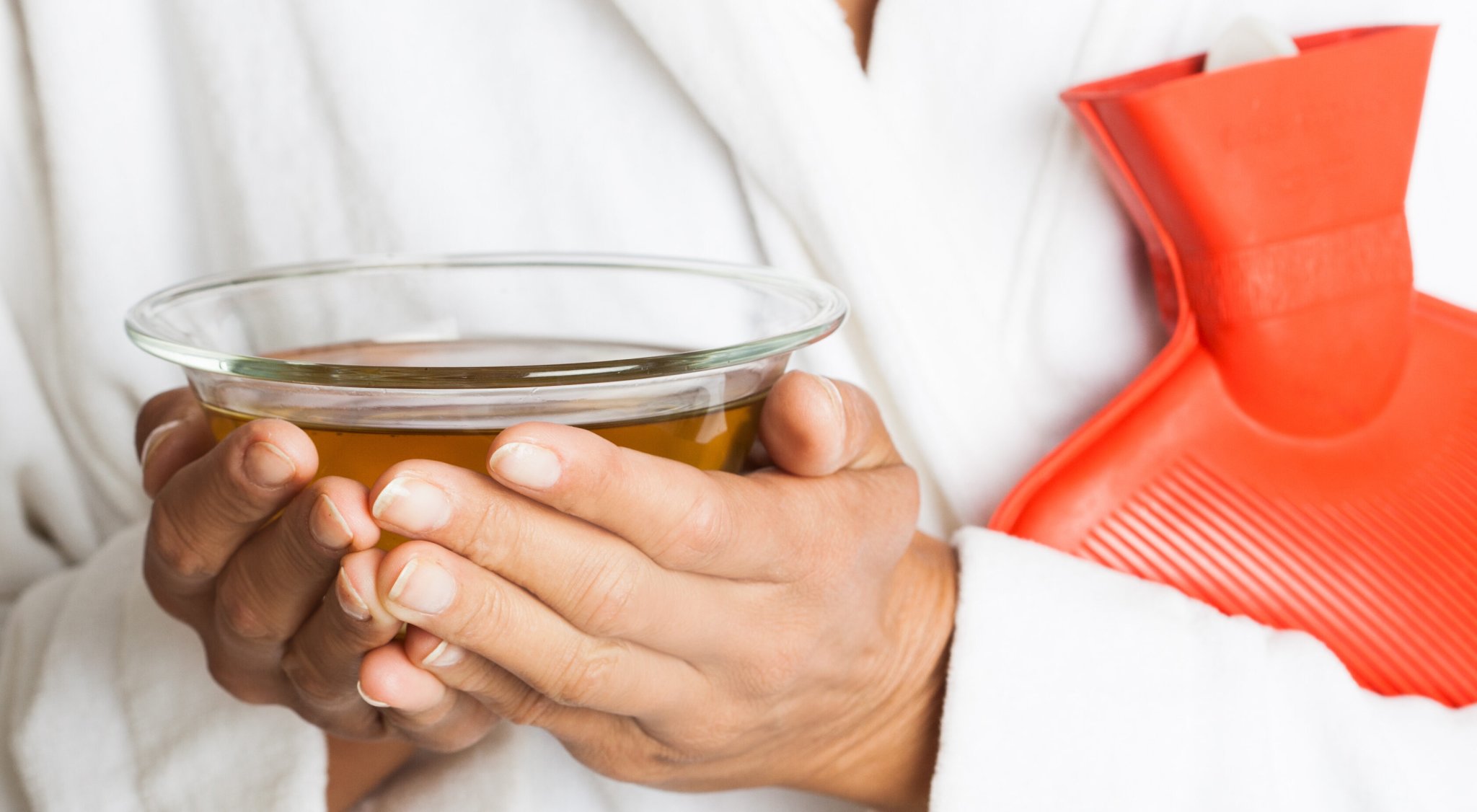
- Hot water bottles, heating pads, and grain pillows: They’re easy to use and well-suited for localized, superficial tension. The heat primarily affects the skin and upper muscle layers.
- Heat patches: Ideal for on-the-go use in everyday life; they provide steady heat for several hours—handy for chronic back pain or neck tension when you’re out and about.
- Fango, mud, and peloids: Mud and peat packs are primarily used in physical therapy.
- Hot roll or heat wrap: Aphysical therapy technique—a cloth dipped in hot water is rolled onto the skin. It combines moist heat with mechanical stimulation and specifically promotes tissue blood flow.
- Infrared, red light, and deep heat: Infrared and short-wave radiation are used in physical therapy, particularly for deep-seated muscle tension.

Using Heat Therapy Correctly at Home – Practical Tips
Heat therapy is easy to perform at home using hot water bottles or heat patches. Be sure to pay attention to the duration, temperature, and frequency of use.
- Duration: 15 to 20 minutes per application is typical. Never longer than 30 minutes without a break.
- Frequency: 1 to 3 times a day is possible, depending on tolerance and symptoms.
- Temperature: Comfortably warm, not hot. Always cover the hot water bottle with a cloth.
- When to stop: If pain worsens, severe skin redness occurs, or you feel unwell, you should stop the heat treatment.
Common mistakes: too high a temperature, using it for too long, and using it for the wrong symptoms (e.g., acute inflammation or a fresh injury). People with reduced sensitivity (diabetes, nerve damage) should monitor the temperature particularly carefully. The optimal dosage depends on your health status—if you have pre-existing conditions, clinical supervision is recommended.

Heat for Fascia and Recovery
Heat therapy can alleviate discomfort before and after exercise—especially as part of a holistic recovery strategy.
Heat can be beneficial as part of the recovery process—especially when muscle tension, stiffness, or a subjective feeling of tightness are the primary concerns. It does not replace training or active recovery, but it can make it easier to start moving. In practice, this means: start with moderate heat, followed by mobilization, light movement, or gentle myofascial work.
Heat therapy is proven and beneficial
Heat therapy is a well-established treatment for chronic tension, muscle stiffness, and circulatory disorders. However, you should know which conditions heat can be used for—and which ones it shouldn’t. In cases of acute inflammation, swelling, or unstable heart conditions, it’s advisable to avoid heat. When used correctly, heat therapy can effectively support your recovery.
For the best results, you can combine heat with movement and myofascial release. Be sure to listen to your body. If symptoms persist or are unclear, it’s always a good idea to see a doctor or physical therapist.


FAQ on Heat Therapy
Heat therapy promotes blood circulation, reduces muscle tone, and can provide short-term pain relief, especially in cases of muscle tension. Heat dilates blood vessels (vasodilation), improves the elasticity of connective tissue, and activates cellular defense mechanisms. The effects are moderate and depend on the dosage and the individual’s health status.
Heat can help with chronic tension, muscle stiffness, osteoarthritis, and non-inflammatory back pain. It is not suitable for acute inflammation, fresh injuries, or swelling—in these cases, cold therapy is more effective. As a rule of thumb: chronic and tense conditions tend to respond better to heat, while acute and inflammatory conditions do not.
Contraindications include acute inflammation, swelling, fever, recent trauma, open wounds, and unstable cardiovascular conditions. Improper use carries an increased risk of burns. People with diabetes, multiple sclerosis, and impaired blood circulation are at higher risk for side effects. If in doubt, consult a doctor before using heat therapy.
There is no one-size-fits-all “better” option. Cold is recommended for acute inflammation, swelling, and fresh injuries. Heat is effective for chronic tension, stiffness, and related pain. The rule of thumb: acute and inflammatory → cold. Chronic and tense → heat. If you’re unsure, you should seek advice from a physical therapist.
A hot water bottle provides dry, superficial heat—good for home use. Fango (moist heat from volcanic minerals) is mostly used in physical therapy. Infrared (deep heat) acts on deeper tissue layers via electromagnetic radiation and is considered more intense and penetrating than superficial methods.
More on the topic of heat




Sources & Studies