Lymphatic Drainage: How to Help Your Body Detox and Eliminate Toxins

If our body’s lymphatic system is disrupted, fluids can no longer drain properly—resulting in painful tissue swelling. However, lymphatic drainage can help restore the flow of lymphatic fluid and gently treat fluid buildup in the tissues. In the following article, you’ll learn exactly how it works, when it’s recommended, and when it’s best to avoid this treatment.
Lymphatic drainage offers many benefits and can help with a wide range of conditions. It can help reduce swelling, improve blood circulation, stimulate metabolism, and strengthen the immune system. In addition, it is often used to treat conditions such as lymphedema, rheumatoid arthritis, and fibromyalgia, among others. We’ll explain everything you need to know about the benefits of lymphatic drainage, who it’s suitable for, and exactly how the procedure works.
01. The Lymphatic Circulation Explained in 4 Steps
To understand what specialized decongestive therapy can achieve, it’s worth taking a look at the lymphatic circulation in the body. The lymphatic circulation is part of the body’s immune system and plays an important role in removing harmful substances and microorganisms from the tissues, transporting nutrients, and supporting immune defense.
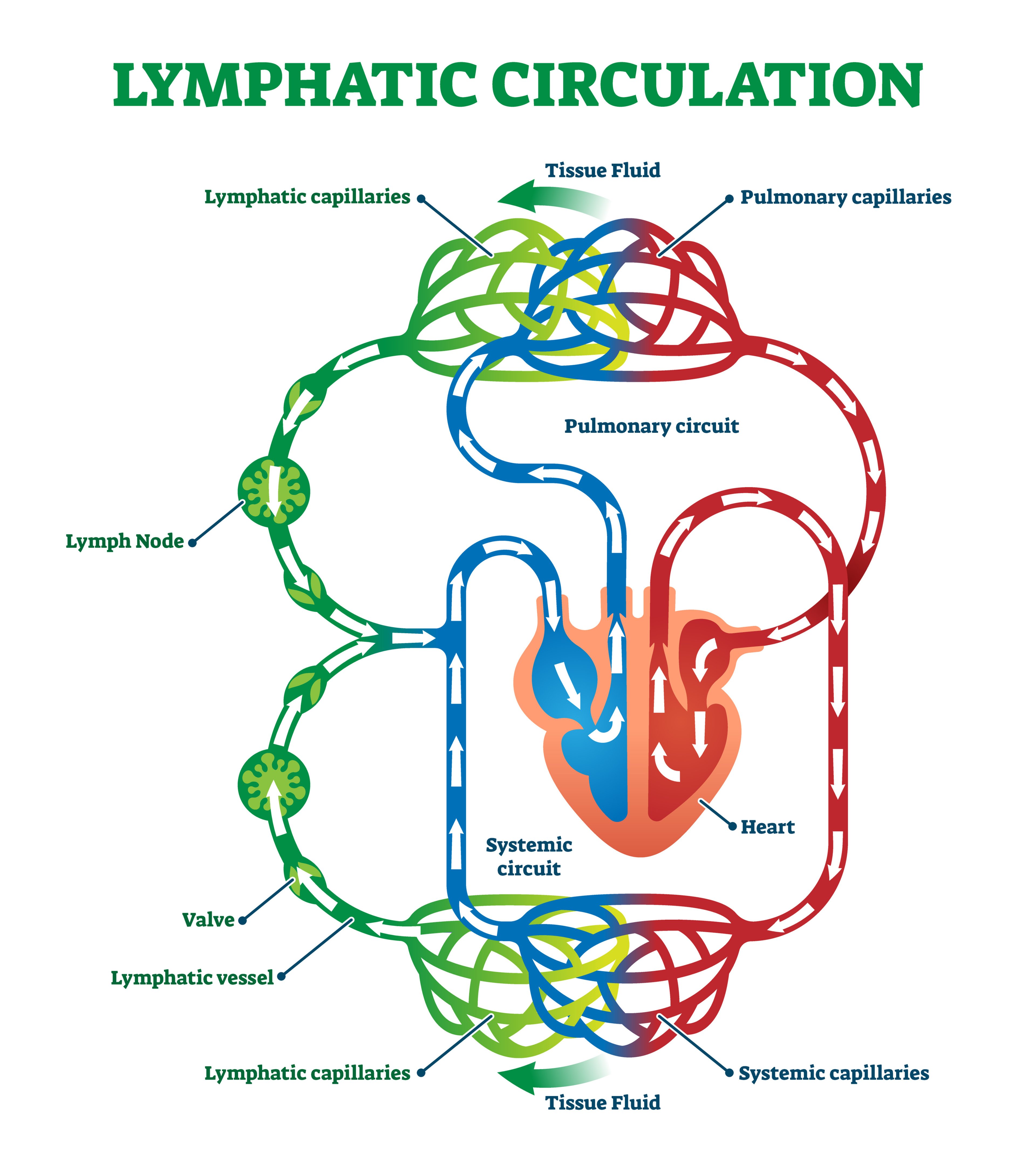
The lymphatic system consists of a network of lymph nodes, organs, and lymphatic vessels that run through the body much like blood vessels. These vessels are connected to the lymph nodes, which act as filters and remove pathogens and waste products. Here’s how the system works:
- A clear fluid accumulates in the body’s tissues from the finest blood vessels. This fluid then becomes lymph, which contains not only waste products from cellular metabolism but also white blood cells (lymphocytes) responsible for immune defense. In addition, larger, water-insoluble substances such as proteins and lipids are transported via the lymph.
- The lymph accumulates in the tissues and is then absorbed from the interstitial space by the finest lymphatic vessels. These vessels have built-in valves that ensure the lymph flows in only one direction.
- The lymphatic vessels transport the lymph to the lymph nodes. Here, waste products and pathogens (viruses, bacteria, etc.) are filtered out, and the white blood cells can destroy the harmful microorganisms.
- After the lymph fluid has been purified by the lymph nodes, it enters larger lymphatic vessels and eventually returns to the circulatory system via the venous anastomoses.
Every day, two to three liters of this tissue fluid are flushed through the body.
The transport through the body described above occurs mainly through movements of the extremities (“muscle pump”). But it also occurs through other internal compressions such as breathing, organ movements, and vascular contraction. External influence is also possible—this is where lymphatic drainage comes into play.
We notice that the lymphatic system is working at full capacity especially when our lymph nodes are noticeably swollen. This is because they are then producing more immune cells—for example, in response to viral infections like the common cold or the flu—which often manifests as movable, pressure-sensitive lumps (for example, in the neck, under the armpits, or in the groin).
Lymphedema occurs when excess fluid accumulates in the tissues and does not drain properly. This can have various causes. In medicine, a distinction is made between primary and secondary lymphedema. Primary lymphedema is less common and has genetic causes. It may be present at birth or develop over the course of a person’s life. Secondary lymphedema, on the other hand, occurs as a result of another condition, such as lipedema, or trauma. For example, surgeries, cancer treatments, or infections can increase the risk of secondary lymphedema.
Note: Lymphedema often begins gradually and may worsen over time. Symptoms typically include swelling, a feeling of heaviness, tightness, and skin changes. In advanced cases, restricted mobility and chronic inflammation may occur.
02. What Is Lymphatic Drainage?
To alleviate these symptoms and stimulate lymph flow, lymphatic drainage is used as part of physical therapy. This gentle massage technique helps mobilize the lymph, improve the transport of fluid through the lymphatic system, and drain lymph fluid from swollen limbs. This reduces swelling and restores a healthy balance in the body.
You can visualize this as a house with a plumbing system. If the plumbing system is clogged or damaged, water cannot flow properly, leading to backups and flooding. Just like our lymphatic system, the plumbing system can be repaired and cleaned to restore flow. Lymphatic drainage works like a plumber in a house for your lymphatic system.
Studies have shown that lymphatic drainage can provide relief for numerous conditions—not only in the short term but also in the long term.
- A study published in 2018 demonstrated that manual lymphatic drainage led to a significant reduction in swelling in up to 75% of patients with lymphedema.
- A study conducted in 2020 found that regular lymphatic drainage can reduce the risk of lymph-related complications following breast-conserving surgery—for example, after breast cancer—by up to 25%.
- According to the German Society for Lymphology, manual lymphatic drainage is performed approximately 6 million times annually in Germany and plays a significant role in the treatment of lymphedema.
In addition to lymphatic drainage, other approaches to treating lymphedema are available, such as medication or compression stockings. Therefore, as someone affected by lymphedema, you should keep in mind that every case is unique—what works for one person may not necessarily work for everyone else. Always consult a specialist or therapist about your treatment options and choose the one that is recommended for you.
03. Indications for Lymphatic Drainage
Manual lymphatic drainage can be used in many cases. Here are some of the most common indications.
- Lymphedema: Lymphedema is swelling caused by a buildup of lymph fluid (see above). Lymphatic drainage can help reduce this swelling, especially in cases of chronic lymphedema.
- After surgical procedures: After surgical procedures, especially those that affect the lymphatic system (e.g., lymph node removal), lymphatic drainage can help minimize swelling and promote recovery.
- Injuries and trauma: (Sports) injuries, trauma, or burns can lead to swelling. In such cases, lymphatic drainage can help promote lymph flow and relieve pain.
- Rheumatoid arthritis: Lymphatic drainage can also help reduce swelling and inflammation in conditions such as rheumatoid arthritis.
- Chronic venous insufficiency: People with chronic venous insufficiency, a condition in which blood flows backward in the legs, can benefit from lymphatic drainage to support the lymphatic system.
- Migraines and Headaches: For some people, migraines and headaches may be caused by tension and fluid buildup in the head and neck area. Lymphatic drainage can also provide relief for these issues.
- Cellulite and skin problems: Lymphatic drainage is occasionally used to treat cellulite and skin problems, as it can promote lymphatic flow and support the elimination of toxins.
- Immune System Support: It is generally accepted in medicine that lymphatic drainage can help strengthen the immune system by improving lymphatic flow.
04. Contraindications for Lymphatic Drainage
As beneficial as lymphatic drainage may be, not every patient benefits from this treatment. In certain medical conditions, it may even worsen a patient’s health. These include:
- Acute infections: If a person is suffering from an acute infection, lymphatic drainage may actually promote the spread of the infection. Therefore, treatment should definitely be postponed until the infection has subsided.
- Acute thrombosis or embolism: If a patient has acute thrombosis (a blood clot) or a pulmonary embolism, lymphatic drainage may accelerate the spread of the blood clot.
- Heart failure: People with severe heart failure should also avoid lymphatic drainage, as it can affect circulation.
- Very low blood pressure: If your average blood pressure is below 100/60 mmHg, you should not undergo lymphatic drainage, as the massage technique can cause your blood pressure to drop further, which may lead to dizziness, lightheadedness, and even fainting.
- Acute kidney failure: In cases of acute kidney failure or severe kidney problems, lymphatic drainage may be contraindicated, as the body may not be able to effectively process the flushed-out substances (especially proteins) through the kidneys.
- Malignant tumors and cancer: Lymphatic drainage should be avoided in cases of certain cancers or near tumor sites to minimize the risk of tumor spread.
- Open wounds or skin infections: Lymphatic drainage should not be performed on open wounds or infected skin areas to prevent the further spread of infection.
- Thyroid disorders: For some thyroid disorders, lymphatic drainage should be performed with caution to avoid interfering with hormone production.
- Advanced peripheral arterial occlusive disease: In cases of advanced arterial occlusive disease in the extremities, lymphatic drainage may not be advisable, as it increases the tissue’s oxygen demand, which may not be met due to restricted blood flow.
Always consult a doctor or physical therapist for comprehensive advice before undergoing lymphatic drainage, taking into account any potential medical conditions. This is the only way to ensure that the treatment will have a positive effect on your health.
05. Manual Lymphatic Drainage Techniques
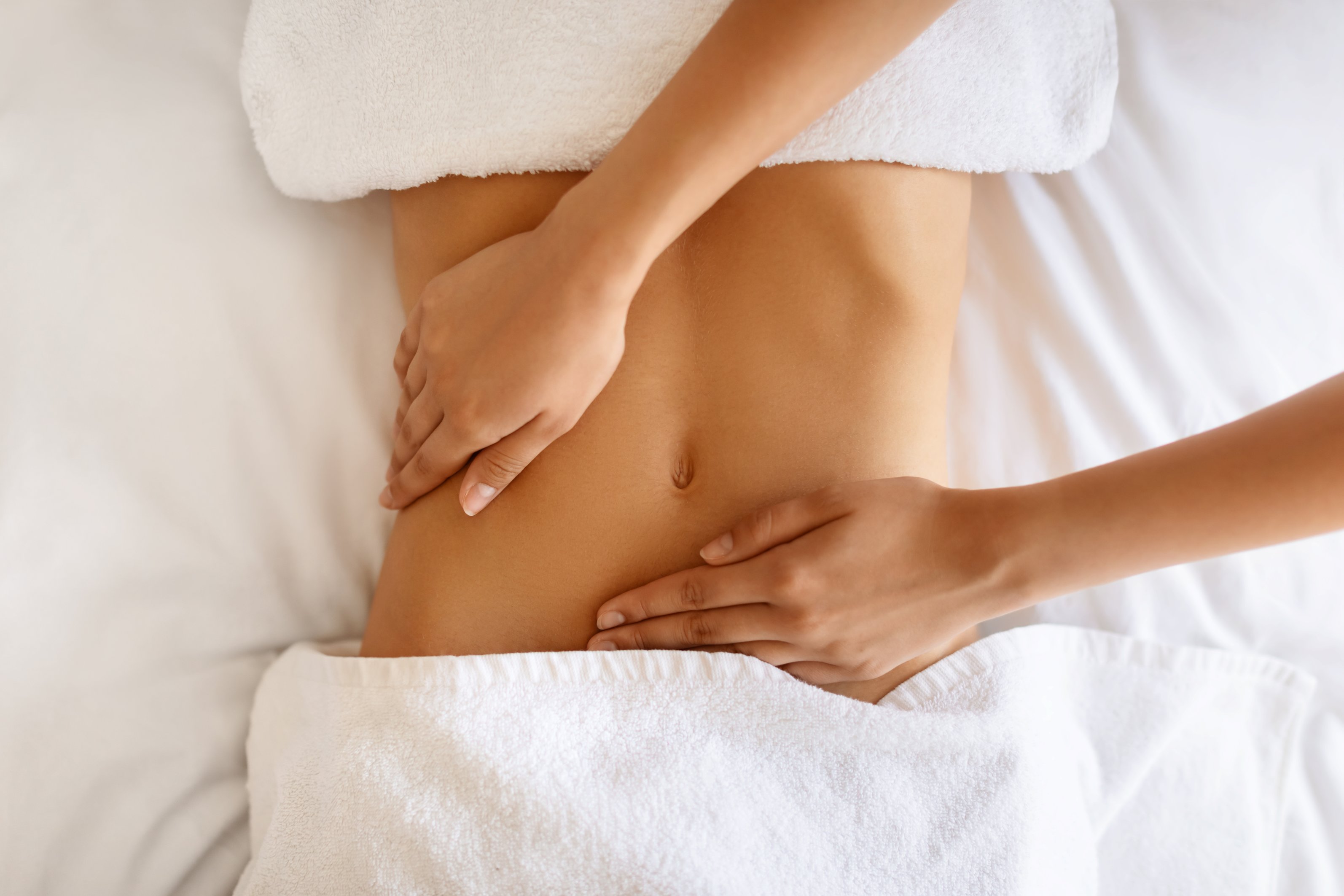
Manual lymphatic drainage is a decongestive therapy that involves a superficial massage using circular, rotating, pumping, and scooping techniques. Gentle stroking movements, pressure, negative pressure, and suction during the treatment are intended to stimulate the body’s natural contraction of the lymphatic vessels and, consequently, lymphatic drainage.
Lymphatic drainage is offered not only in physical therapy practices but also in beauty salons. You should always ensure that the practitioners have completed the appropriate additional training at a recognized educational institution.
Lymphatic drainage is a component of what is known as Complex Physical Decongestive Therapy (CPT) and typically lasts 30, 45, or 60 minutes, depending on the severity of the condition. During the acute decongestive phase, it is usually performed daily, and thereafter once or twice a week.
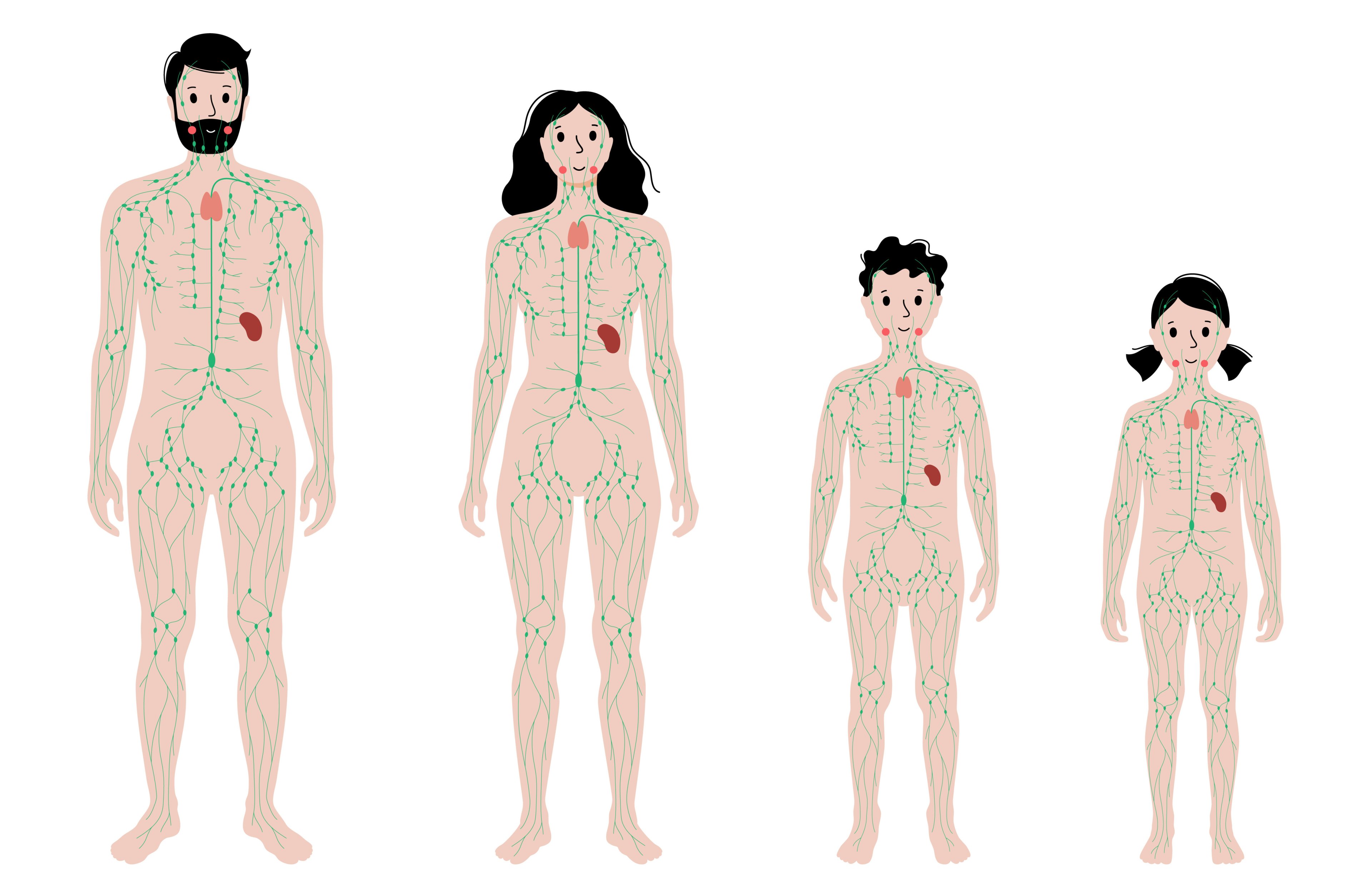
With the help of decongestive therapy, the therapist systematically clears the drainage pathways in cases of lymphedema. In doing so, they treat multiple regions of the body to activate different parts of the lymphatic system. Specific techniques are applied primarily at the body’s main lymphatic drainage points—such as the neck, groin, and armpits.
Treatment usually begins at the neck and collarbone, where there are a particularly large number of lymph nodes. From there, treatment proceeds across the torso toward the site of the edema. The majority of the treatment is then focused on the swollen limb—most often the arms or legs. Afterward, the physical therapist works their way back up toward the neck to direct the lymph toward the central, largest lymphatic trunks.
Lymphatic drainage is usually followed by compression therapy. Applying special compression bandages prevents the lymph from flowing backward. Medical compression stockings also serve this purpose.
06. 10 Tips for Preparing for a Lymphatic Drainage Session
With the right preparation, you can ensure your lymphatic drainage session goes smoothly and help your therapist make the treatment comfortable and effective. Here are our 10 tips for preparation:
- Consult a professional: Before a lymphatic drainage session, discuss any potential health concerns with a physical therapist or certified lymphatic drainage therapist and determine whether the treatment is right for you.
- Share your medical history: Provide your therapist with all relevant information about your medical history, including existing conditions, surgeries, medications, or allergies. This helps identify any potential contraindications.
- Wear comfortable clothing: Wearing loose, comfortable clothing allows the therapist to easily access your skin. Avoid tight clothing that could restrict blood and lymph flow.
- Hygiene: Practice good personal hygiene before the session to prevent possible infections.
- Hydration: Drink plenty of water before and after the treatment. Staying well-hydrated supports lymphatic flow and thus helps flush toxins from the body.
- Eat an Easily Digestible Meal: It is not usually necessary to fast before a lymphatic drainage session. However, eat only easily digestible meals and avoid heavy meals shortly before the treatment, as therapists usually work on the abdomen as well.
- Adopt a relaxed mindset: Approach the session with a relaxed mindset. Lymphatic drainage doesn’t hurt and is designed to relieve stress.
- Ask questions: Don’t be shy about asking questions. Clarify any uncertainties regarding the course of treatment, the techniques used, or any recommendations for the time afterward.
- Plan for follow-up care: Discuss with your therapist how you should take care of yourself after the treatment and clarify what follow-up care or exercises would be beneficial to support the treatment’s effectiveness.
- Avoid caffeine and nicotine: It’s generally recommended to avoid caffeine and smoking before lymphatic drainage, as these substances can affect blood pressure.
07. Procedure for a Lymphatic Drainage Session
Lymphatic drainage sessions vary depending on the diagnosis, the patient’s individual needs, and the techniques used by the therapist. However, the following elements are part of the standard treatment:
- Medical history and preliminary consultation: The session begins with a review of the patient’s medical history and a preliminary consultation between the patient and the therapist. During this time, the therapist discusses the patient’s medical history, any complaints or symptoms, and personal goals for the treatment.
- Examination and Assessment: The therapist conducts a physical examination to identify areas where lymph flow may be impaired. This may also include an assessment of swelling, range of motion, and other relevant factors.
- Patient Positioning: The patient assumes a comfortable position. Typically, the patient lies on a special massage table or is slightly reclined. Clothing should be comfortable and loose to allow easy access to the areas to be treated.
- Application of Lymphatic Drainage Techniques: The therapist uses specific, gentle, rhythmic movements to promote lymphatic flow. These techniques may include circular, pumping, and stroking movements. The pressure is light and is intended to stimulate the skin and underlying tissue without impairing blood flow.
- Treatment Areas: Lymphatic drainage can be applied to various areas of the body, depending on the patient’s individual needs. This may include the face, neck, arms, legs, or other regions.
- Relaxation and Well-Being: During the session, the therapist will ensure that you, as the patient, are relaxed. Lymphatic drainage is not only intended to improve lymphatic flow but also to reduce stress and promote a sense of well-being.
- Follow-up and Recommendations: After the treatment, the therapist will provide recommendations for aftercare. This may include drinking water, light exercise, or other instructions to support lymphatic flow.
- Scheduling Appointments: Depending on the goals of the therapy and your individual needs, the therapist can discuss a schedule for future appointments with you.
08. Frequently Asked Questions About Lymphatic Drainage
Do you still have questions about lymphatic drainage? Here are the answers to the most common questions you might still have about lymphatic drainage:
- Is lymphatic drainage painful?
Normally, lymphatic drainage is not painful and—provided there are no contraindications—can be performed without the risk of side effects. The techniques used in lymphatic drainage are gentle, light, and rhythmic. The pressure applied to the tissue during the treatment is significantly less than with other massage methods. The main goal of lymphatic drainage is to promote lymph flow, reduce swelling, and support the immune system without causing pain.
- Can lymphatic drainage be performed during pregnancy?
As long as pregnant women do not have any acute symptoms, lymphatic drainage can also be performed on them. This specialized massage technique can be particularly helpful in alleviating water retention—a common occurrence during pregnancy—and relieving associated discomfort. If you are pregnant, discuss treatment options with your doctor beforehand and be sure to inform your therapist about your pregnancy afterward.
- Can you perform lymphatic drainage on your own at home?
Lymphatic drainage is typically performed by specially trained therapists. To apply the correct basic techniques, proper training beforehand is essential to achieve maximum results. Massaging the lymphatic vessels in the wrong direction can actually worsen symptoms and further impair fluid drainage. For this reason, it is generally not recommended to perform the treatment on your own. In less severe cases, however, it is certainly possible to do it yourself with proper guidance. Otherwise, exercise, as described above, is a good way to support lymphatic drainage.
- How does lymphatic drainage differ from a classic massage?
Lymphatic drainage and classic massage are two different forms of massage with distinct techniques, goals, and applications. The main goal of lymphatic drainage is to stimulate lymph flow in order to reduce swelling, detoxify the body, and support the immune system. Classic massage performed by a massage therapist, on the other hand, aims to relax the muscles, relieve tension, promote blood circulation, and enhance overall well-being.
- How much does a lymphatic drainage treatment cost?
Depending on the duration of the treatment (usually 30, 45, or 60 minutes), the cost ranges from 20 to 60 euros. However, costs may vary from practitioner to practitioner.
- Does public health insurance cover the costs of lymphatic drainage?
If it is medically necessary and lymphatic drainage is prescribed by a doctor, statutory health insurance covers the treatment costs. Typically, a doctor prescribes—depending on the nature of the symptoms—between six and ten sessions lasting 30 or 60 minutes. The copayment for treatment by a therapist is usually ten euros per prescription, plus ten percent of the cost of the treatment. Without a valid prescription, manual lymphatic drainage is considered a wellness treatment and must be paid for privately.
- How can I find qualified lymphatic drainage therapists near me?
Ask the doctor who writes your prescription for lymphatic drainage for a referral to a practitioner in your area. Alternatively, you can also ask hospitals, rehabilitation centers, and nursing facilities for recommendations for qualified professionals. If you’re searching online on your own for suitable practitioners, make sure the practitioner has completed advanced training in this field at a recognized educational institution.
09. Follow-up Care and Maintenance
Follow-up care after lymphatic drainage is important to support the positive effects of the treatment and promote long-term results, and there are several ways you can take action on your own. Drink enough water to support lymphatic flow and eliminate toxins drawn from the tissues. This is especially important in the first 24 to 48 hours after lymphatic drainage. You can also further promote lymphatic flow through light physical activity, such as walks and gentle stretching and yoga exercises. You should also reduce your intake of caffeine and alcohol, as both substances have a dehydrating effect on the body. Additionally, watch for symptoms such aspain, swelling, or redness, and inform your therapist if you notice anything unusual after the treatment. Plan your follow-up treatments carefully, as a single session is often not enough to benefit from the decongestive effects.
10. Summary
If, for example, you suffer from lymphedema, venous problems, injuries that result in swelling and inflammation, swollen legs during pregnancy, or have undergone surgery, lymphatic drainage—with its decongestive effect—can be a good treatment option. Discuss the options for lymphatic drainage with your doctor; they can write you a prescription so that the treatment with a therapist is free of charge for you. Choose trained physical therapists or practitioners with certified advanced training to perform the lymphatic drainage.
You can support the success of the treatment by avoiding caffeine and nicotine, drinking plenty of fluids (preferably still water), and engaging in light exercise after your sessions. Always inform your therapist about your medical history. This is the only way they can perform the correct techniques and prevent your condition from worsening in rare cases. After just a few lymphatic drainage sessions, you’ll surely benefit from the relaxing effect, feel better, and experience relief from your symptoms.