Heavy Legs: Causes, Risk Factors, and Treatment

Tired and heavy legs can often be a sign of weak veins. In our article, we explain everything about the causes and symptoms of heavy legs and how home remedies can support conservative treatment methods.
Causes of Heavy Legs and Risk Factors
Heavy legs are a common sensation that many of us are probably familiar with—especially after a long, sedentary day spent standing (for example, in heels) and/or sitting. This discomfort, accompanied by pressure, fatigue, and tension in the legs, can have various causes—ranging from harmless, temporary conditions to more serious medical problems. We’d like to explain the causes in more detail.
- Venous valve insufficiency/venous insufficiency in the legs:
In cases of congenital venous valve insufficiency or leg vein insufficiency, the veins have difficulty efficiently returning blood to the heart. Because blood accumulates in the feet and legs, this leads to swelling and a feeling of heaviness. In addition to congenital venous valve insufficiency, acquired dysfunction of the leg veins can also develop over the course of a person’s life, depending on lifestyle factors. Learn more about venous insufficiency.
- Edema:
Fluid retention or edema caused by heart, kidney, or liver problems can also lead to heavy legs. This is usually water retention, but lymphedema is also possible.
- Muscle fatigue and overexertion:
Excessive strain on the leg muscles—for example, from hiking, exercise, or prolonged periods of standing at work—can lead to muscle fatigue, which in turn can cause a feeling of heaviness in the legs. - Blood pooling:
Sitting or standing for long periods without moving your muscles causes blood to “pool” in the legs, and due to a lack of muscle activity, it cannot be adequately returned to the heart. This can be compared to doing a handstand. At some point, the pressure on the head increases, and the face becomes warm and turns red. The reason for this is that the blood follows gravity and collects at the base of the head. The same thing happens to our legs when we stand all day. Since all the blood flows downward, the veins and the muscle pump have to work extremely hard to transport the blood back toward the heart—resulting in tired, heavy legs. - Lymphatic Insufficiency:
The lymphatic system consists of a network of lymphatic vessels and is responsible, among other things, for transporting excess fluid and non-water-soluble metabolic waste products out of the tissues in the human body. If this system is disrupted and lymph flow is impaired as a result, too much lymphatic fluid can accumulate in the tissues—which can also manifest as heavy legs.
- Obesity:
Being overweight not only increases the pressure on the legs—since the muscles have to bear more weight—but also impairs venous circulation. This results in muscles tiring more quickly and heavy legs.
- Pregnancy:
Heavy legs are a common side effect of pregnancy. This is no surprise, since the blood vessels in pregnant women are working at full capacity. After all, they have to transport much more blood to optimally supply the uterus and the unborn baby. In addition, hormonal changes and the extra weight gained during pregnancy often affect blood flow in the legs as well. In general, more women than men suffer from heavy legs and varicose veins, which is believed to be due to female hormone balance.
By the way: The season also plays a role in the cause, and the problem often worsens in the summer. Due to the heat, the blood vessels dilate, making it even harder for the veins and the muscle pump to pump the blood back. The blood cannot flow back and pools in the legs.
Physical Therapy and Exercises to Relieve Heavy Legs
There are various treatment options available for heavy legs that can alleviate the symptoms. In particular, physical therapy and targeted exercises can help strengthen the muscles, promote blood circulation, and relieve the associated discomfort of heavy legs.
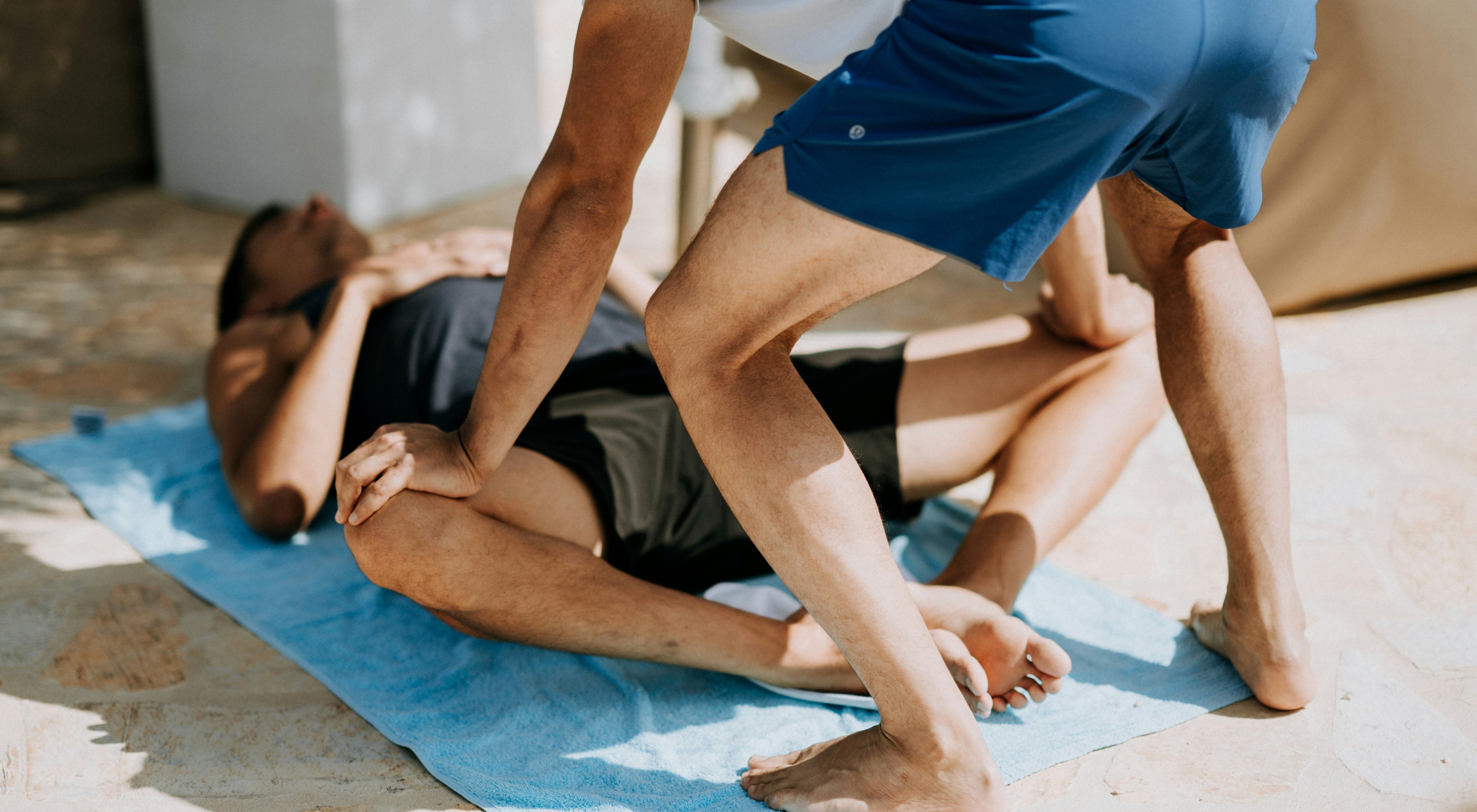
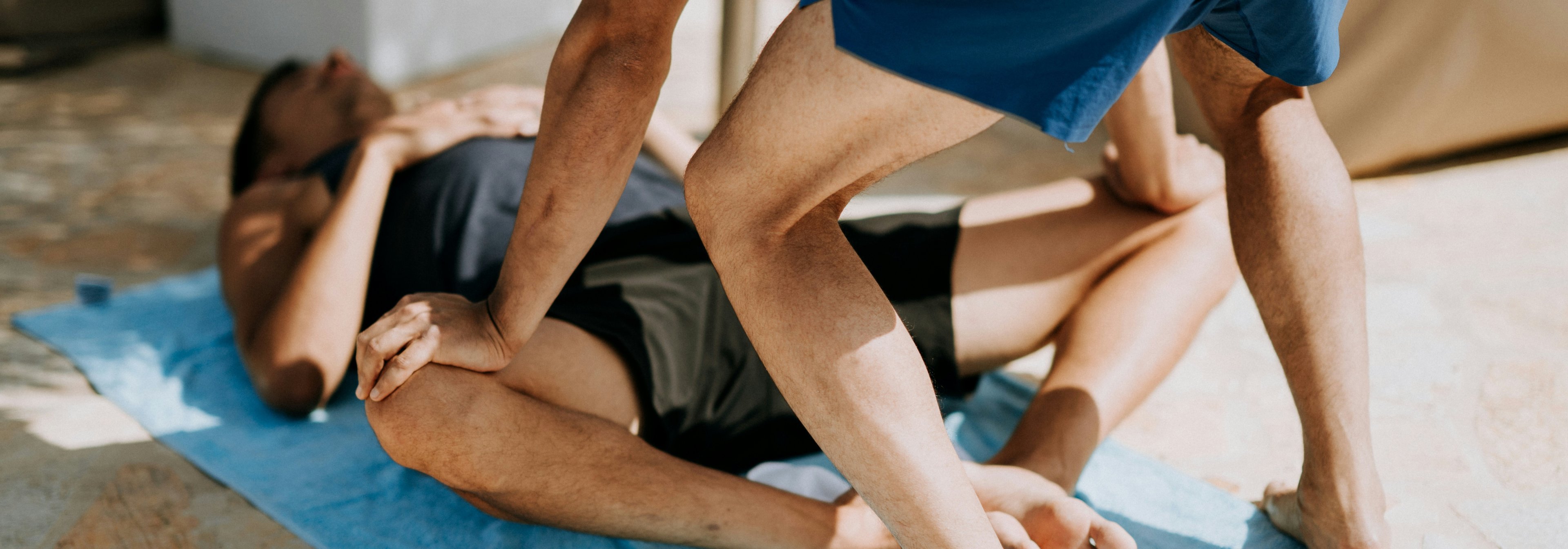
Manual lymphatic drainage is the primary technique used in physical therapy. This is a decongestive therapy performed as a superficial massage using circular, rotating, pumping, and scooping movements, which effectively flushes excess fluid out through the veins and stimulates the body’s natural contraction of the lymphatic vessels, thereby promoting lymphatic drainage. This reduces swelling and fluid retention. Lymphatic drainage is very effective for heavy legs, as it stimulates both venous and lymphatic drainage, thereby relieving pressure on the tissues. In addition, it stimulates blood circulation and improves blood flow—resulting in lighter legs and a reduction in symptoms.
Lymphatic drainage is offered at physical therapy practices, among other places. When looking for a therapist, you should make sure that the practitioners have completed the appropriate additional training at a recognized educational institution.
Lymphatic drainage is a component of Complex Physical Decongestive Therapy (KPE) and lasts 30, 45, or 60 minutes, depending on the severity of the condition. During the acute decongestive phase, it is usually performed daily, and once or twice a week thereafter.
Special stretching exercises and fascia massage can also help relieve heavy legs:
Wall support: Stand with your feet shoulder-width apart in front of a wall and rest your arms against it. Now bend your front leg and shift your weight forward. Keep your back leg straight and your toes pointed upward. Slowly raise and lower the heel of your back leg about three times in a row, holding the stretch for 20 seconds each time. Repeat the exercise after switching leg positions.
Activating your venous pump: By the way, you can even activate your venous pump through vein exercises while sitting; on a long workday, it’s best to repeat the exercise regularly. To do this, lift your feet and circle your ankles for eight to ten repetitions before switching directions. Alternatively, you can flex your feet every now and then throughout the day while sitting in your office chair or on the couch by pulling your toes toward your shins (also eight to ten times). Hold the position briefly, then stretch your feet forward all the way to your toes.
Fascia Massage: Fascia massage can help loosen tight fascia, including in the legs. This stimulates fluid exchange and blood circulation and accelerates the recovery process. In general, fascia massage can also help if you suffer from heavy legs. However, keep in mind that the causes of your symptoms should be clarified beforehand. If they stem from a condition such as thrombosis, for example, myofascial massage can actually make the symptoms worse. But if you’ve gotten the go-ahead from your doctor, we recommend our myofascial training for the legs.
Compression Therapy for Heavy Legs
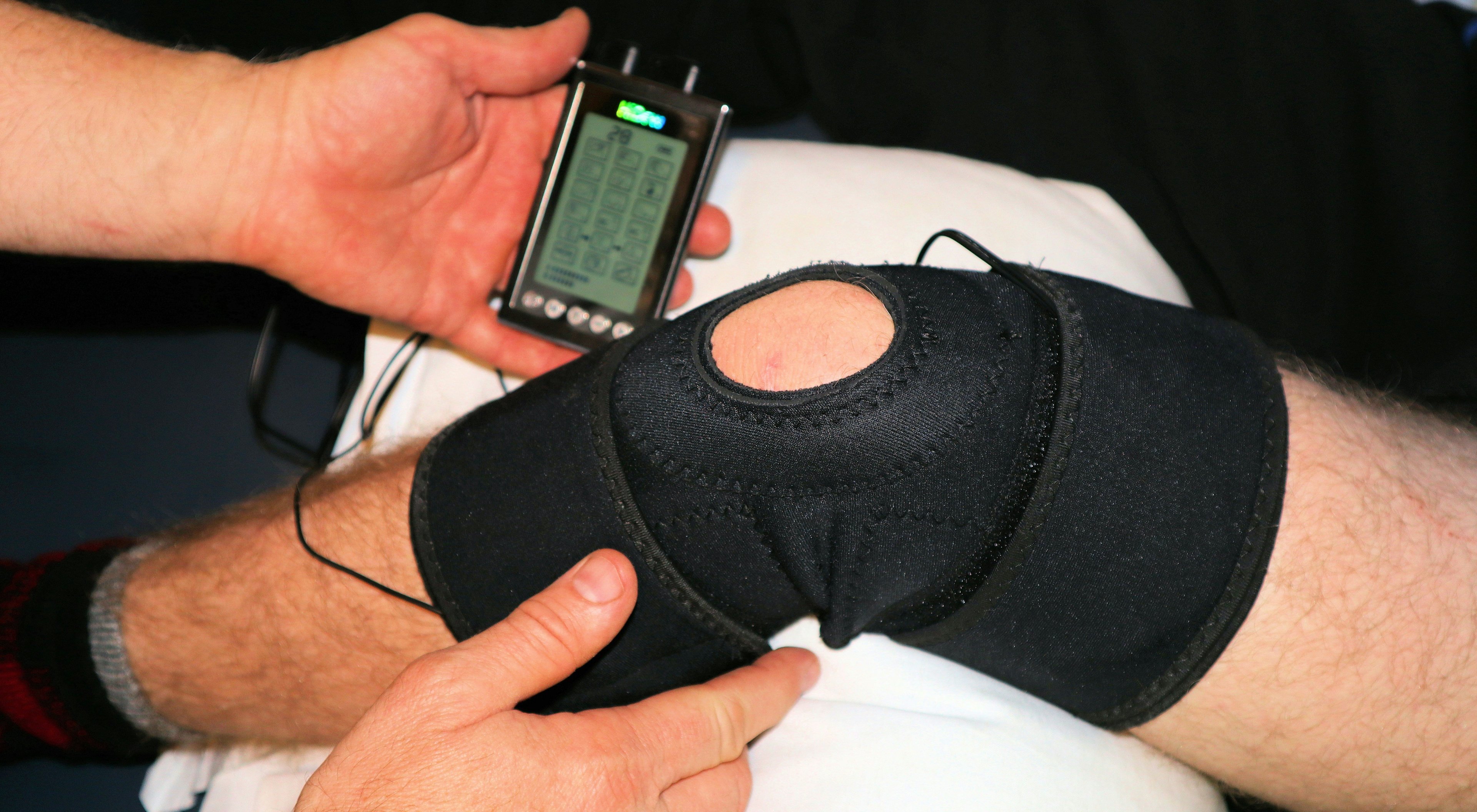
Another important measure for managing heavy legs is compression therapy, which should ideally be performed following lymphatic drainage by a physical therapist or practitioner with appropriate additional training. This type of compression therapy offers many benefits: By applying controlled external pressure to the tissue and the underlying venous system, the diameter of the veins can be reduced, which in turn has a positive effect on impaired blood circulation.
Since the blood flow velocity increases in the compressed veins, return flow to the heart is improved and blood pressure in the venous system is lowered. Another advantage of compression therapy is that the reduced vein diameter allows the venous valves to close more effectively. Furthermore, compression therapy causes the veins to absorb more fluid from the surrounding tissue, thereby reducing edema (fluid retention) and the resulting swelling. Consequently, the sensation of heavy legs also diminishes.
Compression stockings are the most commonly used form of compression therapy, as patients can purchase them at medical supply stores and use them on their own. However, the legs can also be wrapped with special tight-fitting bandages—a method that is normally used only temporarily for decongestion.
The COMPRESSION BOOTS from BLACKROLL are ideal for home use. These are compression boots with individual air chambers that inflate in sequence, thereby providing a 360° compression massage—similar to a manual lymphatic massage. This promotes blood circulation and can thus not only stimulate fluid and lymphatic drainage but also accelerate recovery.

3 Lifestyle Tips for Relieving Heavy Legs
Lifestyle changes can support conservative treatment and help prevent heavy legs.
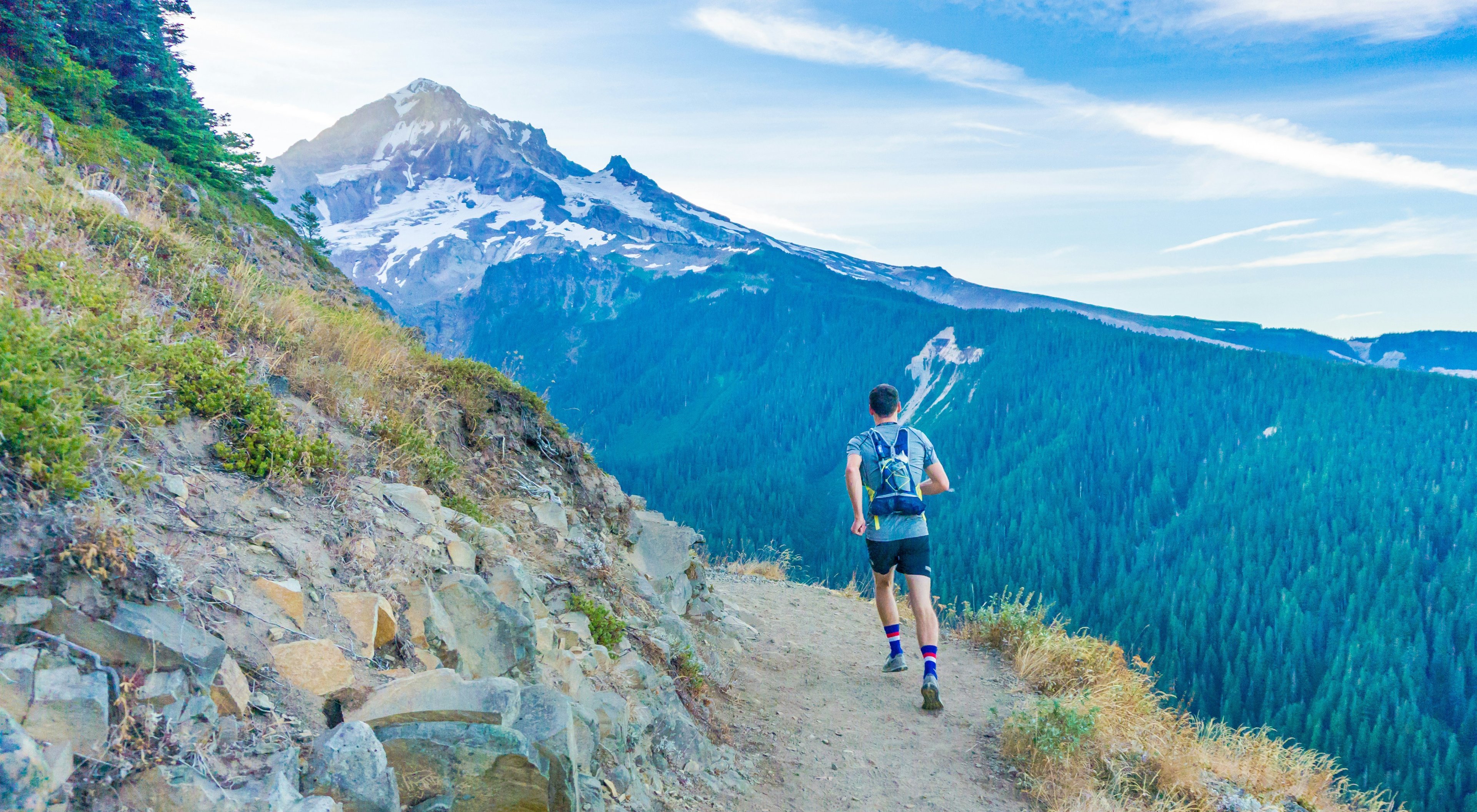
- Exercise: Regular exercise is one of the most important measures for combating heavy legs. But you don’t have to jump right into a grueling workout at the gym. Some moderate exercise—such as walking, jogging, or cycling—is enough to stimulate muscle activity and blood flow in your legs and produce a positive effect.
- Contrast showers: Alternate between warm and cold water while showering . This causes the blood vessels to constrict and dilate in turn, which promotes blood circulation. Be sure, however, to always end the contrast shower with cold water and to start with your right foot, since that’s the point farthest from the heart.
- Elevating your legs: Elevating your legs—for example, on a stack of pillows or the armrest of a sofa—facilitates the return of blood to the heart, as it reduces pressure in the leg veins. This improves blood flow and reduces swelling.
Important: Your legs must be elevated above heart level to effectively relieve pressure on the veins.
Medications and Natural Home Remedies for Treating Heavy Legs
The treatment of heavy legs also depends on their cause and should always be discussed with a doctor. While you can initially address heavy legs with the home remedies mentioned above, However, if venous insufficiency or edema has been diagnosed, a doctor will typically prescribe medications that reduce fluid retention in the tissues (known as diuretics) and improve blood flow (edema-protective agents). So-called venous tonics are used to strengthen the vein walls, supporting the elasticity of the veins and blood flow.
But there is also a wide variety of active ingredients known to be present in natural, plant-based vein remedies. Among the most important groups of active ingredients, whose effects have been demonstrated in placebo-controlled studies, are the following:
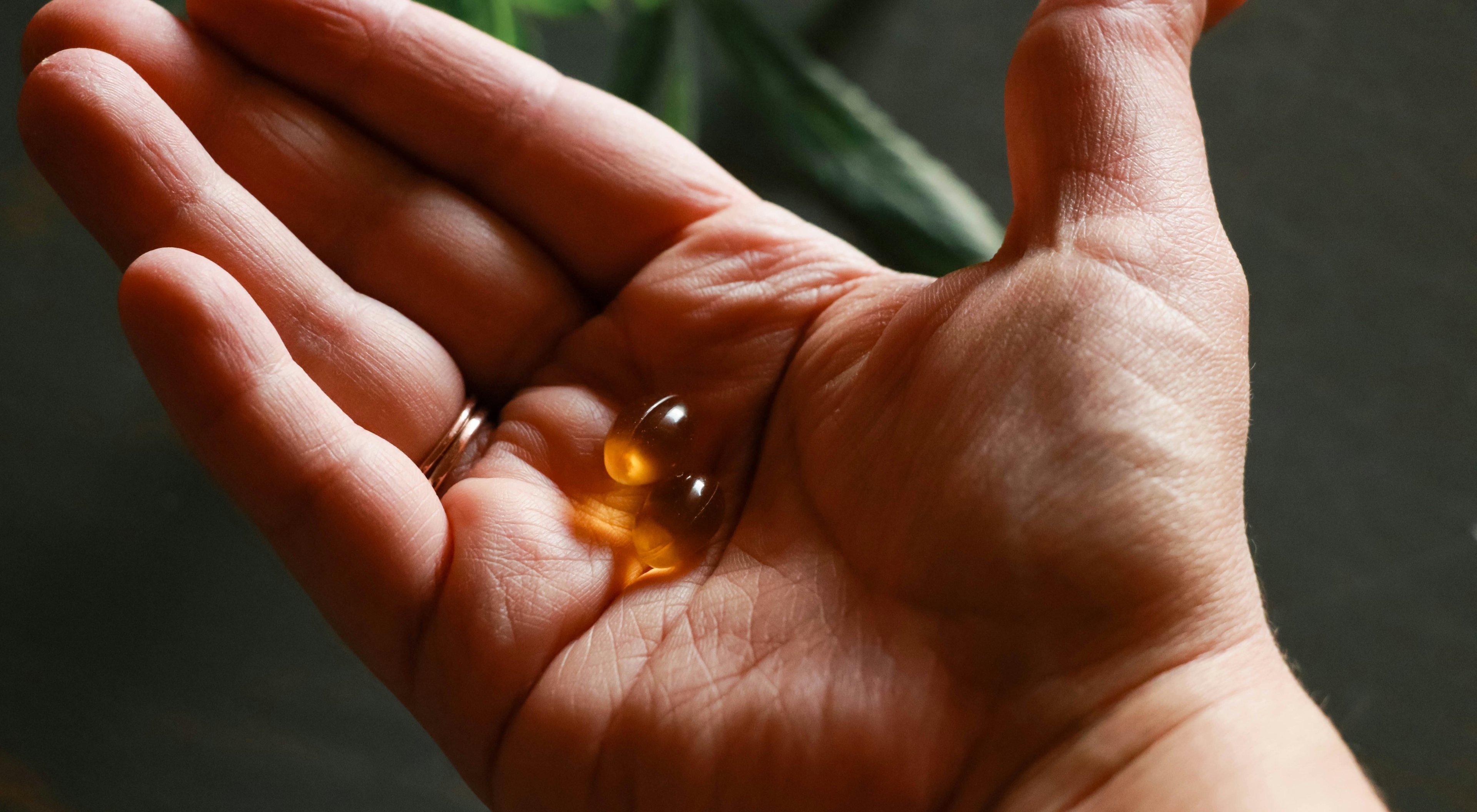
- Aescin, also known as horse chestnut saponins, is said to reduce not only swelling, bruises, and hematomas, but also fluid retention in the tissues and swelling in tired legs. Horse chestnut has a long tradition as a remedy for heavy legs and venous disorders, as its seeds contain substances that have a positive effect on blood vessels and inhibit inflammation. In addition to products such as tablets and capsules containing aescin, there are also vein creams, ointments, or gels available that are massaged into the affected areas several times a day.
- Rutoside/rutin is also a proven natural active ingredient that is frequently used to treat venous disorders. Rutoside/rutin belongs to the flavonoid group, which has been shown to have antioxidant effects. Found in red vine leaves, these compounds strengthen the walls of blood vessels and keep them elastic, thereby reducing the accumulation of fluid in the tissues.
In addition to the remedies mentioned above, there are many other options that can support conventional vein therapy. These include, for example, preparations made from extracts of sweet clover, buckwheat herb, and butcher’s broom rootstock. Be sure to seek detailed advice from a doctor, naturopath, or pharmacist beforehand.
Important: The natural vein remedies listed above should only be used to support other therapeutic measures and should not replace them.

When to See a Doctor: 9 Warning Signs of Heavy Legs
Normally, heavy legs are just a nuisance and shouldn’t cause you immediate concern. However, there are warning signs that you should definitely pay attention to and for which you should ideally consult a doctor. These include:
1. Pain and swelling: Severe , persistent pain in the legs accompanied by swelling can indicate serious problems such as blood clots or other vascular diseases. In such cases, prompt action is needed to minimize the risk of serious health complications.
2. Changes in skin color: If younotice bluish or reddish discoloration of the skin on your legs, this may be a sign of circulatory disorders or other vascular diseases.
3. Skin changes and ulcers: Skin changes such as dryness, itching, brownish discoloration, or the appearance of ulcers can also be signs of advanced venous problems.
4. Calf cramps and twitching: Recurrent calf cramps and uncontrolled muscle twitching may indicate circulatory problems or venous insufficiency.
5. Temperature differences: If you notice noticeable temperature differences between your legs,especially when combined with a feeling of heaviness, you should have yourself examined for circulatory problems.
6. Swollen veins (varicose veins) and spider veins: The appearance of visible swollen veins, especially if they are painful, can be a sign of varicose veins. Spider veins, in which tiny veins are visible on the skin, can also be a sign that the connective tissue of the vein wall is weakening.
7. Numb or tingling legs: Sensory disturbances such as numbness or tingling in the legs can indicate, among other things, pinched nerves.
8. Changes in gait: An altered gait or difficulty walking can be a sign not only of muscle or joint problems but also of venous disorders.
9. Changes in nail or hair structure: Abnormal nail or hairstructure on the legs may indicate circulation problems.
Important: If home remedies don’tprovide relief, if your symptoms are actually getting worse, or if you’re simply unsure, be sure to see a doctor and get a thorough checkup. This is the only way to ensure that your symptoms have harmless causes.