
Narcolepsy: Causes and Symptoms of Sleep Attacks

Falling asleep in the middle of the day—what seems strange to outsiders is a real burden for people with narcolepsy.
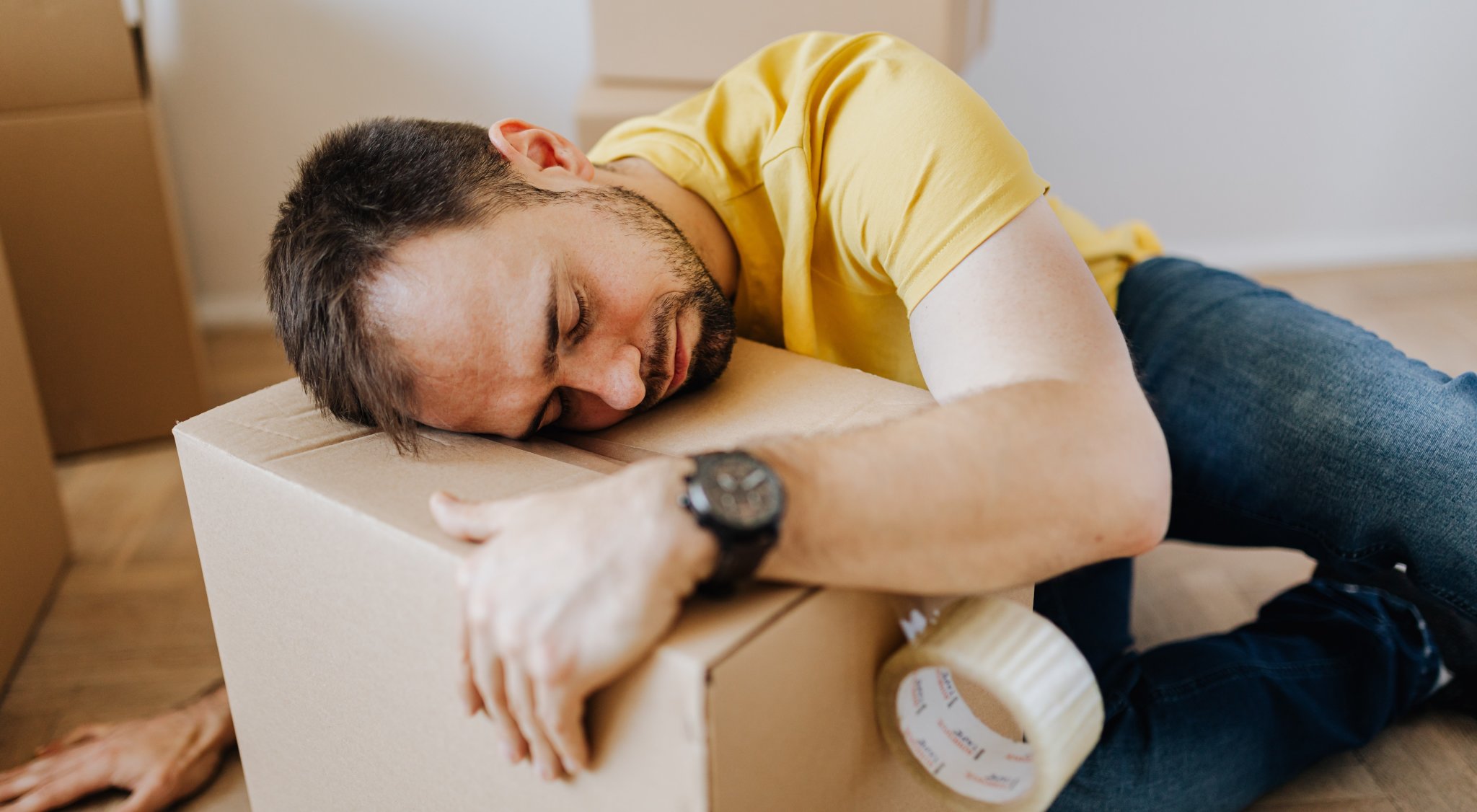
Those who suffer from this sleep disorder simply cannot resist the sudden urge to sleep. Their head grows heavy, their knees buckle, their body goes limp, and sleep often overwhelms them in the middle of a conversation, while laughing, while eating, or at work.
But what causes narcolepsy, and how does it affect a person’s life?


What is narcolepsy?
Narcolepsy is a neurological disorder in which those affected suddenly fall asleep in the middle of the day. It is classified as a form of hypersomnia and was first described by the German physician Carl Westphal in a lecture in 1877. However, it was not until 1880 that the French physician Jean-Baptiste-Edouard Gélineau gave it the name that is still commonly used today.
Typical symptoms of narcolepsy include sleep attacks that seem to come out of nowhere. For example, people with narcolepsy may suddenly nod off in the middle of a conversation, slump over while eating, or fall asleep at their desk while working.
Colloquially, the condition is also referred to as “sleep addiction” or “dozing addiction” because the body repeatedly and abruptly switches into a sleep phase. Once those affected have slept long enough—typically 15 to 30 minutes—they wake up again. They can also be woken from this sleep phase, though they usually nod off again immediately when their body demands sleep.
For those affected, this is, of course, an embarrassing situation time and again, especially when a sleep attack occurs in public among strangers. In certain situations, narcolepsy can even be life-threatening, such as while driving or operating machinery. This is also why those affected are not issued a driver’s license and cannot pursue certain professions. Even though narcolepsy itself is harmless, it severely limits quality of life.


Causes of Narcolepsy
In narcolepsy, an autoimmune reaction is thought to destroy cells in the hypothalamus of the brain that produce the hormones hypocretin and orexin and regulate the sleep-wake cycle. While healthy people go through four sleep stages per sleep cycle—which allow them to gradually transition from wakefulness to deep sleep and the REM stage—these transitional stages are absent in people with narcolepsy. Those affected fall directly into the REM stage and thus into deep sleep.
Narcolepsy may be hereditary, but the causes of the condition have not yet been conclusively proven. Certain factors are suspected of triggering the autoimmune reaction:
- genetic predisposition
- autoimmune disease
- environmental influences
- infections with influenza viruses or streptococci
Medically, narcolepsy is classified into different types:
- Type 1: Narcolepsy with cataplexy
- Type 2: Narcolepsy without cataplexy
- Secondary narcolepsy
Type 1 is considered the classic form of narcolepsy, as it affects 80 to 90 percent of patients. Cataplexy refers to muscle weakness. This means that those affected suddenly lose all muscle tone and collapse. This can happen even while they are fully conscious. They remember the episode but are unable to communicate at that moment. The episode usually lasts only a few seconds.
Strong emotional arousal is considered a trigger for these cataplexy episodes. Thus, muscle weakness can suddenly occur in the middle of laughter or during moments of great joy, but it can also be triggered by fear or a moment of startle. For this reason, many people with narcolepsy avoid strong emotional reactions and, as a result, may appear distant and unemotional to others.
Secondary narcolepsy occurs as a result of other diseases or injuries to certain areas of the brain, such as a circulatory disorder, a tumor in the hypothalamus, or the autoimmune disease neurosarcoidosis.

Narcolepsy Symptoms
For some people, narcolepsy develops gradually and goes unnoticed for a long time as a pathological sleep disorder. Others, however, experience the typical symptoms of narcolepsy suddenly:
- sudden sleep attacks in the middle of the day
- chronic daytime sleepiness
- a constant urge to sleep
- sudden muscle weakness (cataplexy)
In addition, other symptoms may develop over the years and disrupt nighttime sleep, such as
- sleep paralysis
- Hallucinations upon falling asleep or waking up
- Nightmares
- Vivid dreams
- Talking in your sleep
- Strong urge to move while sleeping
- Difficulty sleeping through the night
- Sleepwalking
- Night sweats
Even people without narcolepsy can suffer from daytime sleepiness and constant fatigue due to other medical conditions. For narcolepsy patients, however, it is simply impossible not to fall asleep in certain situations. As dusk falls or in dark rooms, the urge to sleep strikes suddenly. Even monotonous car rides as a passenger are impossible for those affected without taking a nap. When inactive, their head grows heavy, their jaw drops open, their knees go weak, and their body slumps forward.
Sleep attacks and cataplexy are usually preceded by behavioral changes: during conversation, speech becomes slurred, gait becomes unsteady, the eyes become glassy, and the gaze appears absent. Trusted individuals can then step in to provide support and prevent the person from falling. Some people with the condition even manage to sit or lie down in time, while others fall into a deep sleep from one second to the next.


Sudden falling asleep while sitting
Sudden sleep onset while sitting is one of the most common symptoms of narcolepsy. This is because the body relaxes when sitting. The inactivity causes the urge to sleep to grow stronger and stronger until those affected can no longer resist it. In most cases, the circumstances in which they are sitting are also very monotonous. When physical inactivity is combined with a tedious lecture, monotonous office work, or listening in meetings, staying awake becomes a real ordeal.
Drowsiness also sets in while watching TV, at the movies, or at the theater. Even healthy people zone out mentally and get tired in such situations. People with narcolepsy are then unable to fight off sleep and must give in to the urge to sleep.


Falling asleep without realizing it
Sometimes the body remains active and continues to perform actions, even though the mind is already in sleep mode. Those affected fall asleep without realizing it. If they wake up again after a short time, they cannot remember having slept.
Nor do they remember having performed certain actions. This automatic behavior is like sleepwalking in the middle of the day and usually occurs when those affected are trying with all their might to prevent themselves from falling asleep.


Prevalence of narcolepsy
Narcolepsy is not very common: According to estimates by the German Society for Sleep Medicine (DGSM), 40,000 people in Germany suffer from recurrent sleep attacks. Men and women are affected equally. Since the condition is often difficult to diagnose, it is believed that many cases go unreported.
In about 20 percent of those affected, symptoms appear before the age of 10. These children are unable to concentrate in class, are tired, and fall asleep repeatedly. Especially in childhood, narcolepsy is often not recognized as such and is mistaken for the general fatigue that children and adolescents experience as they grow. Since children also frequently fall down, their cataplexy episodes are not correctly interpreted either. As a result, those affected feel they are not taken seriously and develop a sense of shame at an early age, which they find difficult to shake off later in life.
In principle, narcolepsy can occur at any age. However, studies have shown that the condition tends to manifest for the first time somewhat more frequently during certain stages of life: between the ages of 15 and 25, and between 30 and 40. Once someone develops narcolepsy, they must expect to deal with sleepiness, sleep disturbances, and sudden sleep attacks in their daily lives for the rest of their lives.


Diagnosis of Narcolepsy
If you experience persistent sleepiness, a medical examination is strongly recommended to determine the underlying causes. You should consult a neurologist, who will refer you to a somnologist if narcolepsy is suspected. During the medical history interview, the doctor will first use a questionnaire to assess the onset, frequency, and intensity of your symptoms.
Since those affected often find it difficult to assess their own sleep attacks, it is helpful to interview family members as well. To diagnose narcolepsy, the symptoms must have recurred for at least six months.
In addition, an examination in a sleep lab usually follows:
- Polysomnography monitors all bodily functions, such as heart rate, muscle activity, eye movements, and brain activity.
- In the Multiple Sleep Latency Test (MSLT), the patient must take several 20-minute naps. The results provide information about the tendency to fall asleep.
- During a lumbar puncture, a small amount of cerebrospinal fluid is extracted from the spinal canal and examined. Low levels of orexin and hypocretin in the cerebrospinal fluid indicate narcolepsy.


Treatment of Narcolepsy
Narcolepsy is considered an incurable condition. It also does not go away on its own. Therefore, narcolepsy accompanies those affected for their entire lives. Nevertheless, many people with narcolepsy are able to control their sleep attacks. In many cases, medication and lifestyle changes help manage sleepiness and alleviate symptoms.
To counteract drowsiness, stimulants containing the active ingredients modafinil, armodafinil, or sodium oxybate are used, for example. Some narcolepsy patients also benefit from medications that are officially used to treat ADHD or depression.
In such cases, the doctor must determine on a case-by-case basis which medications are appropriate. To prevent sleep attacks, these medications must be taken long-term. However, they can cause side effects such as headaches, nausea, dizziness, or insomnia.
There are also alternative treatment methods that can help manage narcolepsy:
- A regular sleep-wake cycle: People with narcolepsy or other sleep disorders should establish a regular sleep-wake cycle. Irregular bedtimes can be counterproductive. This makes it all the more important to go to bed at the same time every day and wake up at the same time in the morning, even on weekends and during vacations.
- Sleep diary: By keeping a sleep diary, people with narcolepsy can track when the urge to sleep strikes. This often reveals a certain pattern that can be helpful in daily life. For example, they can do grocery shopping or prepare meals during times when the likelihood of a sleep attack is low.
- Scheduled naps: To stay one step ahead of the urge to sleep, those affected can intentionally take one or two naps during the day. When the urge to sleep strikes, they simply consciously take a half-hour break and allow themselves this time off instead of fighting the drowsiness.
- Avoiding triggers: If cataplexy is triggered by emotions such as laughter or anger, these triggers should be avoided as much as possible.
- Exercise: Regular physical activity in daily life helps prevent the monotony that often triggers drowsiness. An active lifestyle can reduce sleep attacks in the long term.
Every person with narcolepsy is different, which is why for some, simply adjusting their lifestyle is enough to manage mild symptoms and infrequent sleep attacks. In cases of severe symptoms and high psychological stress, psychotherapy may also be helpful in coping with the consequences of the condition.


Social Stigma Associated with Narcolepsy
To outsiders, people experiencing a narcolepsy attack appear as if they have been drinking alcohol or using drugs. Because of their constant sleepiness, they are often labeled as lazy, sluggish, or uninterested. This social stigma can become a psychological burden for those affected; after all, they cannot help falling asleep.
Many withdraw from social life and rarely venture out among other people. Avoiding emotional situations also influences their behavior. This withdrawal and the restriction of social contacts can therefore lead to personality changes and depression.
Another source of psychological distress is sleep paralysis, in which those affected are unable to move for a few seconds or minutes as they fall asleep or wake up. They lie helplessly in bed and cannot speak. Hallucinations often accompany this, which can be very frightening.
To prevent additional mental health issues and social isolation, it is particularly important to be open about the condition. Those affected should talk to family members, friends, and coworkers and explain why they are always tired and cannot resist the urge to sleep. By providing detailed information, those around them can develop an understanding of these involuntary sleep attacks. This relieves the pressure and feelings of shame for those affected.


Narcolepsy: What is the life expectancy?
Since narcolepsy itself is not life-threatening, it does not affect life expectancy. People with narcolepsy can therefore live just as long as people without the condition. However, depending on its severity, the disease can significantly impair quality of life.
People with narcolepsy often withdraw from social life to avoid the embarrassment of falling asleep in public. Romantic relationships can also become challenging due to the condition. Narcolepsy patients are often distant and appear aloof. On top of that, medications can affect sexual function. Another limitation arises when choosing a career. Monotonous jobs and professions involving heights, motor vehicles, or dangerous machinery are generally off the table.
In general, people with narcolepsy face a certain risk of being caught off guard by a sleep attack in a dangerous situation. Since falls occur more frequently, the risk of injury also increases. It can also be dangerous when those affected slip into a twilight sleep while performing an activity and become sleepwalkers.
In such cases, their consciousness is in the sleep phase, but their body continues to perform the activity. For example, they might simply walk across the street without paying attention to traffic, injure themselves while spreading butter on bread because they are still holding the knife, or drop a glass and step on the shards. After waking up, they have no memory of the actions they performed while asleep.


Narcolepsy Self-Test
Are you often tired during the day, do you sometimes fall asleep briefly, and do you find it difficult to fight off sleepiness? Most of the time, these symptoms are caused by completely different conditions, as narcolepsy is one of the very rare sleep disorders. Stress, not getting enough sleep at night, an irregular sleep-wake cycle, or hormonal changes can also be causes of persistent daytime sleepiness.
If you still suspect you might be suffering from narcolepsy, you can take a narcolepsy self-test. You can find questionnaires online that ask about your sleep habits and typical symptoms.
However, such self-tests are not a substitute for a medical diagnosis. If you’re often tired, you should always see a doctor and get a thorough examination. This is because fatigue is a symptom of a wide variety of conditions that should be investigated.


Do I have a sleep disorder if I’m always tired?
If you’re always tired, it doesn’t necessarily mean you have a sleep disorder. Many people experience chronic daytime fatigue, but in most cases, there’s a cause other than narcolepsy. Fatigue is a symptom of many other illnesses, nutritional deficiencies, or simply an unhealthy lifestyle. Here’s a list of possible causes:
- Iron deficiency
- Vitamin deficiency (e.g., vitamin E, vitamin B12)
- Lack of exercise
- Lack of oxygen
- Lack of sleep
- Irregular sleep-wake cycle
- Alcohol
- Coffee
- Unhealthy diet
- Stress
- Infections
- Allergies
- Thyroid disorders
- Sleep apnea
- Autoimmune diseases
- Fatigue syndrome
- Burnout
- Depression
Spring fatigue is a widespread phenomenon that affects many people for weeks on end every year. Fatigue can also be a sign that your immune system is working. In the case of an infection, a persistent allergy, or an autoimmune disease, your body’s defenses are constantly active, which makes you feel exhausted. Hormonal fluctuations also cause fatigue, which is why many women experience chronic fatigue.
Chronic fatigue naturally interferes with daily life. You’re less productive and have a harder time concentrating. If getting enough sleep and reducing stress don’t solve the problem, if the fatigue persists for several months, or if other symptoms develop, you should definitely see a doctor to determine the cause.
Treating the underlying conditions or correcting a nutrient deficiency can help alleviate the fatigue. Sometimes, regular exercise in the fresh air or a healthier diet rich in essential nutrients is enough to get your circulation going and provide your body with optimal nourishment.

Narcolepsy – With the Right Treatment, Those Affected Can Live Well With It
Narcolepsy is a rare, incurable neurological disorder. Typical symptoms include daytime sleepiness and sudden onset of muscle weakness; sleep paralysis, hallucinations, and difficulty staying asleep may also occur. The disease itself is not life-threatening, but sleep attacks sometimes occur in dangerous situations and can lead to falls or accidents.
Those affected experience a significantly reduced quality of life and may be unable to pursue certain professions. Added to this is social stigma, which causes many to withdraw from social life for fear of embarrassing situations. However, with the right treatment and an open approach to the condition, most patients can live well with narcolepsy.