
Night Shifts: Effects on Health and Mental Well-Being

There are certainly some night owls among us. Do you also find yourself working at night when your body is actually craving sleep? When this natural rhythm is disrupted and people have to work during the night, various changes occur in the body that can have a negative impact on health.
Find out here what effects your night shift has on your health, what this means exactly, and how you can counteract them.

Sleep better, live healthier—with our sleep course. Up to 100% refund.
Discover the online sleep course now
How shift work can affect your health
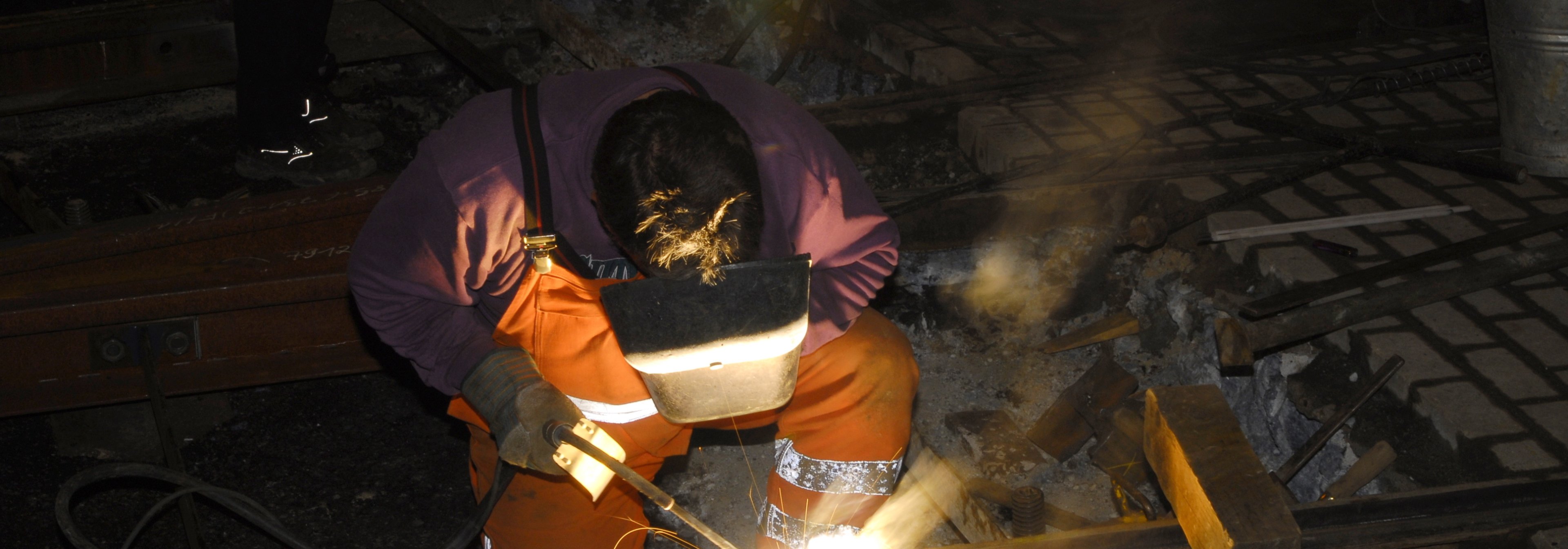
Humans are naturally diurnal creatures; their bodily functions are geared toward activity during the day and rest at night. That is why shift work affects health. Someone who works rotating or night shifts must be active against their “internal clock.”
Even after many night shifts, the body’s biological rhythms (e.g., sleep-wake cycle or digestion) only partially adjust, placing a strain on the body. Physical stress is often compounded by psychological and social stress, as well as unhealthy behaviors. Smoking, high consumption of coffee and/or energy drinks, and an irregular, high-calorie diet are often seen as ways to better cope with the demands of shift work.
Regular exercise also often falls by the wayside. As a result, scientific evidence confirms an increased health risk among employees who work shifts and/or night shifts. Accidents caused by fatigue and their potential consequences should also not be overlooked. The risk is particularly high for those who work night shifts on a permanent basis.
The most common health problems include:
- Sleep disorders: These are most common among shift workers who work night shifts. They often sleep for shorter periods than day workers. Sleep duration is generally shorter during daytime sleep than during nighttime sleep, and sleep quality is usually poorer during the day.
- Gastrointestinal disorders: In addition to sleep problems, gastrointestinal issues are among the most common complaints among shift workers and night workers. These include, for example, loss of appetite, digestive problems, heartburn, or bloating. In the long term, conditions such as chronic gastritis, inflammatory bowel disease, or stomach ulcers can develop. Eating habits during shift or night work play an important role. For example, unbalanced and high-calorie meals can lead to problems such as malnutrition and obesity.
- Cardiovascular problems: Various health risk factors that are common in shift or night work—such as time pressure, irregular sleep schedules, personal problems, poor diet, and lack of physical activity—contribute to their development. Regular occupational health examinations are therefore important for the early detection of health problems.
- Social problems: Changing work schedules pose a challenge to a functioning social and family life. It is often difficult to find a rhythm that allows people to maintain social contacts and enjoy leisure time together with family and friends. When both partners in a relationship work, this requires additional effort to coordinate schedules.
- Mental health issues: Common symptoms among shift and night workers include restlessness, nervousness, and depression.

Prevent Pain with Simple Habits
Simply sign up for free, and we’ll send you your office guide by email.

Effects of Working at Night
One of the most common effects of working at night is sleep disruption. The body is programmed to sleep at night and be awake during the day. When people work rotating shifts, they have to fight their natural rhythm to stay awake. This can lead to sleep disorders such as insomnia, restless sleep, and drowsiness during work hours. Sleep quality can also be compromised, as sleeping during the day is often more difficult than sleeping at night.
Working night shifts can also place increased strain on the cardiovascular system. The body is normally in a more restful state during the night, but working at night can lead to constant activation of the sympathetic nervous system. This raises blood pressure and increases the risk of cardiovascular diseases such as heart disease, high blood pressure, and strokes.
In addition, working night shifts can impair cognitive function and mental health. Sleep deprivation and irregular work hours can lead to problems such as difficulty concentrating, memory issues, and reduced mental performance. A higher prevalence of mood disorders such as depression and anxiety has also been observed among individuals who regularly work night shifts.
In addition to the direct physical effects, night shifts can also cause social and family problems. The unusual work hours can make it difficult to participate in social activities and interact with family and friends.
This can lead to social isolation and an impaired work-life balance, which in turn affects mental health.
Not everyone reacts the same way to being awake at night. Nevertheless, it is important to recognize the potential health effects and take steps to reduce the strain. This includes creating a healthy sleep environment and promoting a balanced lifestyle.


Effects of Night Shifts on Life Expectancy
The effects of night shifts on life expectancy are a complex issue that depends on various factors. However, scientific studies have provided some evidence that long-term night shift work may be associated with an increased risk of certain health problems and a potentially shorter lifespan.
A 2017 meta-analysis, which combined data from several studies, found an association between night shift work and an increased risk of various diseases such as heart disease, diabetes, obesity, and certain types of cancer. Health problems can contribute to a shorter life expectancy. Similarly, various studies suggest that night-shift workers have a life expectancy that is approximately 8 years shorter than that of workers on regular schedules.


Sleeping During the Day, Awake at Night: The Health Risks
Yes, sleeping during the day and staying awake at night can have a negative impact on health. The human body is naturally attuned to a specific sleep-wake cycle that follows daylight and darkness. When this cycle is disrupted, it can have various effects on health.
One of the main effects is a disruption of the circadian rhythm, also known as the body’s “internal clock.” The circadian rhythm regulates a variety of physiological processes in the body, including sleep, hormone production, metabolism, and cognitive functions. When the circadian rhythm is disrupted, it can lead to sleep disorders such as insomnia, irregular sleep patterns, and reduced sleep quality.
In addition, a shift in the sleep-wake cycle can also cause hormonal changes. The hormone melatonin, which is responsible for regulating sleep, is normally produced in the dark. If you sleep during the day and stay awake at night, melatonin production can be disrupted, which can lead to sleep problems. Furthermore, this can affect other hormones that regulate metabolism, digestion, and other important bodily functions.


Sleep Better During the Night Shift
Getting enough sleep during night shifts is often a challenge because the body is naturally programmed to sleep at night and be awake during the day. Nevertheless, adequate sleep is crucial for health and well-being, regardless of your work schedule.
Here are some tips that can help make it easier to sleep during the night shift:
- Establish a bedtime routine: Our bodies are creatures of habit that thrive on routines. If you establish a routine, your body will know even before you go to bed that you’re about to sleep and will begin releasing the sleep hormone melatonin. You’re free to choose whatever your routine is. The key is that it slows down your metabolism and isn’t too stimulating. Good bedtime rituals include, for example:
- Listening to soothing music
- Taking a walk
- A meditation or yoga session
- A dark bedroom: This is especially important for night shift workers. That’s because daylight causes our bodies to stop producing melatonin, making it difficult to fall asleep. Blackout curtains can make a real difference here. They not only block light from entering the bedroom but also dampen street noise or other sounds that might seep in from outside during the day.
- Good sleep hygiene: In addition to bedtime rituals, good sleep hygiene is very important for restful sleep. Sleep hygiene refers to the optimal conditions for healthy sleep. This includes, for example, the right sleeping temperature, regular exercise, and a balanced diet. You can find more on this topic in our guide to sleep hygiene.
- A daylight lamp: Strictly speaking, this isn’t a tip for falling asleep, but for waking up. If you work the night shift, use a daylight lamp to prevent the production of melatonin. This sleep hormone makes you feel tired. A daylight alarm clock is recommended for waking up. It gently wakes you by simulating a sunrise. This alone stops—or at least slows down—melatonin production.


Consequences of Night Shifts
One of the most obvious effects of night shift work is sleep disturbance. The body is programmed to sleep at night, and it can be difficult to achieve the same restful sleep during the day. Sleep disturbances such as insomnia, irregular sleep patterns, and poor sleep quality are common problems among people who work night shifts.
Another challenge of night shift work is the change in eating habits. Since meals are often eaten outside of regular mealtimes, there is an increased risk of an unhealthy diet that may be high in fatty and sugary foods. This can lead to weight gain, metabolic syndrome, and other health problems.
In addition, night shift work can also impair cognitive function and attention. Working during the night can lead to reduced concentration, slower reaction times, and limitations in working memory. This can not only affect job performance but also impair overall well-being and quality of life.

Effects of Night Shifts on Mental Health
Night shift work can have significant effects on mental health. The human body is naturally programmed to sleep at night and be awake during the day. When this natural rhythm is disrupted, it can lead to various mental health challenges.
Night shift work can also lead to emotional strain. The shift in the sleep-wake cycle and the departure from social norms can cause people who work at night to feel isolated or marginalized. The lack of social interaction and the limited availability of support systems can increase the risk of loneliness, depression, and anxiety.
Another factor that can affect mental health is the chronic stress associated with night shift work. Adapting to a reversed lifestyle and the constant challenge of overcoming one’s natural circadian rhythm can lead to persistent stress. Chronic stress is a known risk factor for the development of mental health conditions such as burnout, anxiety disorders, and depression.


Conclusion
The effects of night shifts on health are an important issue that both you as an employer and you as an employee should consider. Night shifts can lead to a range of negative health effects because they disrupt your body’s natural sleep-wake cycle.
For some professions, working shifts is unavoidable. It’s important to take steps to minimize the impact of night shifts on your health.
These include, for example, creating an appropriate work environment and promoting a healthy lifestyle, including regular exercise and a healthy diet.
For a Restful Night’s Sleep


Also interesting









Sleep better, live healthier—with our sleep course. Up to 100% reimbursement.
Discover the online sleep course now