Nighttime Calf Cramps: Causes, Prevention, and Treatment

While some people sleep peacefully at night, others are regularly woken up by a nasty twinge in their calves. This is caused by calf cramps, which tend to occur at night. With the right measures, they usually disappear just as quickly as they came—but the next one is already bound to happen. In this article, we explain the underlying causes of calf cramps, who is particularly affected, how you can prevent them, and what helps in an acute episode.
Causes of Nighttime Calf Cramps
Calf cramps are contractions of the lower leg muscles that can be very painful and often occur at night. Those affected describe them as an unpleasant tightening of the muscles that occurs very suddenly. The duration varies from seconds to minutes. As a rule, these uncomfortable cramps go away on their own. According to the *Ärzteblatt*, 33–50 percent of older adults over the age of 65 suffer from muscle cramps regularly—at least once a week. Women are affected more often than men.
Calf cramps are usually harmless, but they can also be a symptom of other medical conditions.
It is often impossible to pinpoint a direct cause for nighttime cramps, but there are factors that contribute to their occurrence. These include:
- Muscle overexertion due to intense exercise or prolonged physical strain, especially in hot weather
- Taking certain medications such as diuretics, cholesterol-lowering drugs (statins), or blood pressure medications
- Underlying medical conditions such as kidney disease, thyroid disorders, or diabetes
- Vascular conditions such as varicose veins, thrombosis, or circulatory disorders
- An existing muscle disorder (myopathy)
- Alcohol consumption
- Pregnancy, as pregnant women often experience a deficiency in the minerals , calcium, potassium, and magnesium, or a deficiency in vitamins, particularly E and D
- Dehydration
- Vomiting or diarrhea, which causes the body to lose many minerals, potentially leading to an imbalance
- Electrolyte imbalances, i.e., an imbalance of certain electrolytes such as potassium and sodium in the body
- The neurological condition polyneuropathy, which can cause sudden cramps as a side effect
- Poor sleeping position
Symptoms of Calf Cramps
Calf cramps are characterized by typical symptoms that make it easier to diagnose them. A characteristic symptom, for example, is sudden pain in the calf muscles, which is often accompanied by swelling or stiffness in the affected area. The muscles may feel stiff and tense, and the pain gradually subsides on its own after a certain amount of time. In some cases, the pain is also accompanied by numbness, muscle twitching, or tingling in the legs.
Risk Factors and Common Triggers
Overuse, but also underuse of the muscles, neurological disorders, hormonal influences, electrolyte imbalances, and poor sleeping positions are among the most common risk factors and triggers for nighttime calf cramps.
Older adults are also at higher risk for calf cramps due to muscle loss and changes in metabolic processes. If conditions such as diabetes, peripheral arterial disease (PAD), or thyroid disorders are already present, the risk of nighttime calf cramps may also be increased.
Preventive Measures to Avoid Calf Cramps
There are various preventive measures that can help prevent calf cramps or reduce their frequency and severity. The following tips can help you manage a calf cramp:

Adequate Hydration
Drink enough water to avoid dehydration, which can lead to electrolyte imbalances and calf cramps—especially during physical activity or in hot weather. When you sweat, your body loses important electrolytes. These electrolytes help maintain acid-base balance by flushing out lactic acid, which builds up in the muscles during physical activity. If these electrolytes are lacking, lactic acid can build up in the muscles and lead to acidosis.

Balanced Diet
Make sure to eat a balanced diet rich in magnesium, calcium, potassium, and other important nutrients. These minerals are essential for muscle health and can help prevent calf cramps.
Magnesium-rich foods:
- Nuts and seeds: Pumpkin seeds, almonds, and cashews are particularly rich in magnesium.
- Whole grains: For example, whole-grain bread, oatmeal, and quinoa.
- Green leafy vegetables: Spinach and Swiss chard are excellent sources.
Calcium-rich foods:
- Dairy products: Milk, yogurt, and cheese are classic sources of calcium.
- Green leafy vegetables: Broccoli, kale, and Chinese cabbage.
- Fish with bones: Sardines and canned salmon.
- Tofu and tempeh: Especially when made with calcium sulfate.
Potassium-rich foods:
- Fruits: Bananas, oranges, apricots, and avocados.
- Vegetables: Spinach, sweet potatoes, tomatoes, and broccoli.
- Legumes: White beans, lentils, and chickpeas.
- Nuts and seeds: Pistachios, pumpkin seeds, and walnuts.
Stretching Exercises and Heat Therapy
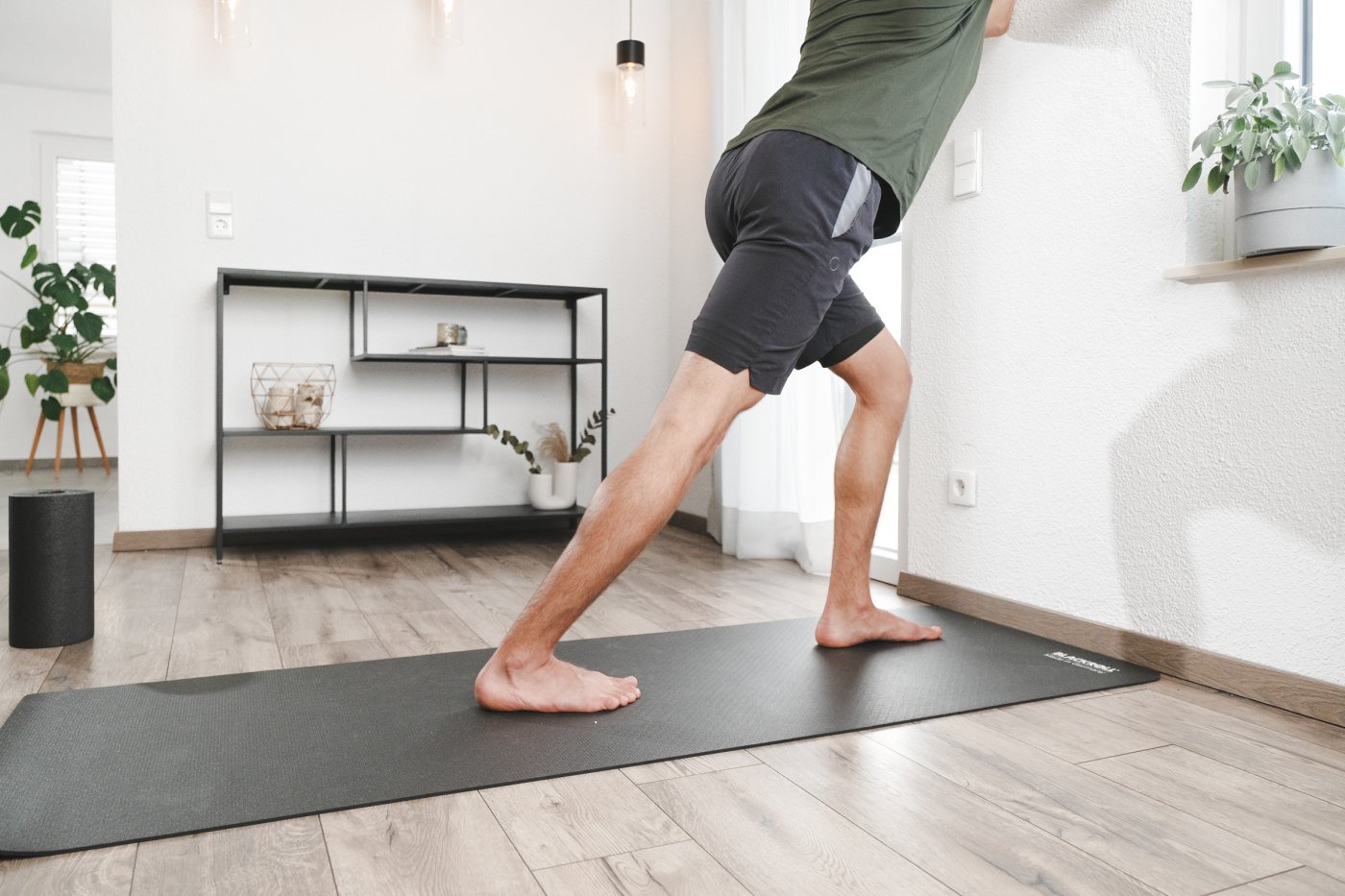
Regular stretching exercises for the calf muscles—especially before bedtime or before intense physical activity—can improve muscle flexibility and thereby reduce the risk of calf cramps. Just as an athlete warms up their legs before a competition, stretching before bedtime can also help reduce nighttime calf cramps. A warm bath or rinsing the lower legs with warm water before bedtime can also help prevent cramps.

Avoiding Excessive Strain
If you are already prone to calf cramps, avoid excessive physical exertion or intense workouts.

Avoiding Excessive Alcohol and Caffeine Consumption
High alcohol and caffeine consumption (<4 cups of coffee per day) can deplete the body of fluids and thereby increase the risk of dehydration—which in turn increases the risk of calf cramps.

Regular exercise
Incorporate regular physical activity into your daily routine, such as walking, jogging, biking, or swimming. Exercise can improve overall muscle health and reduce the risk of calf cramps.
Adequate Rest and Recovery
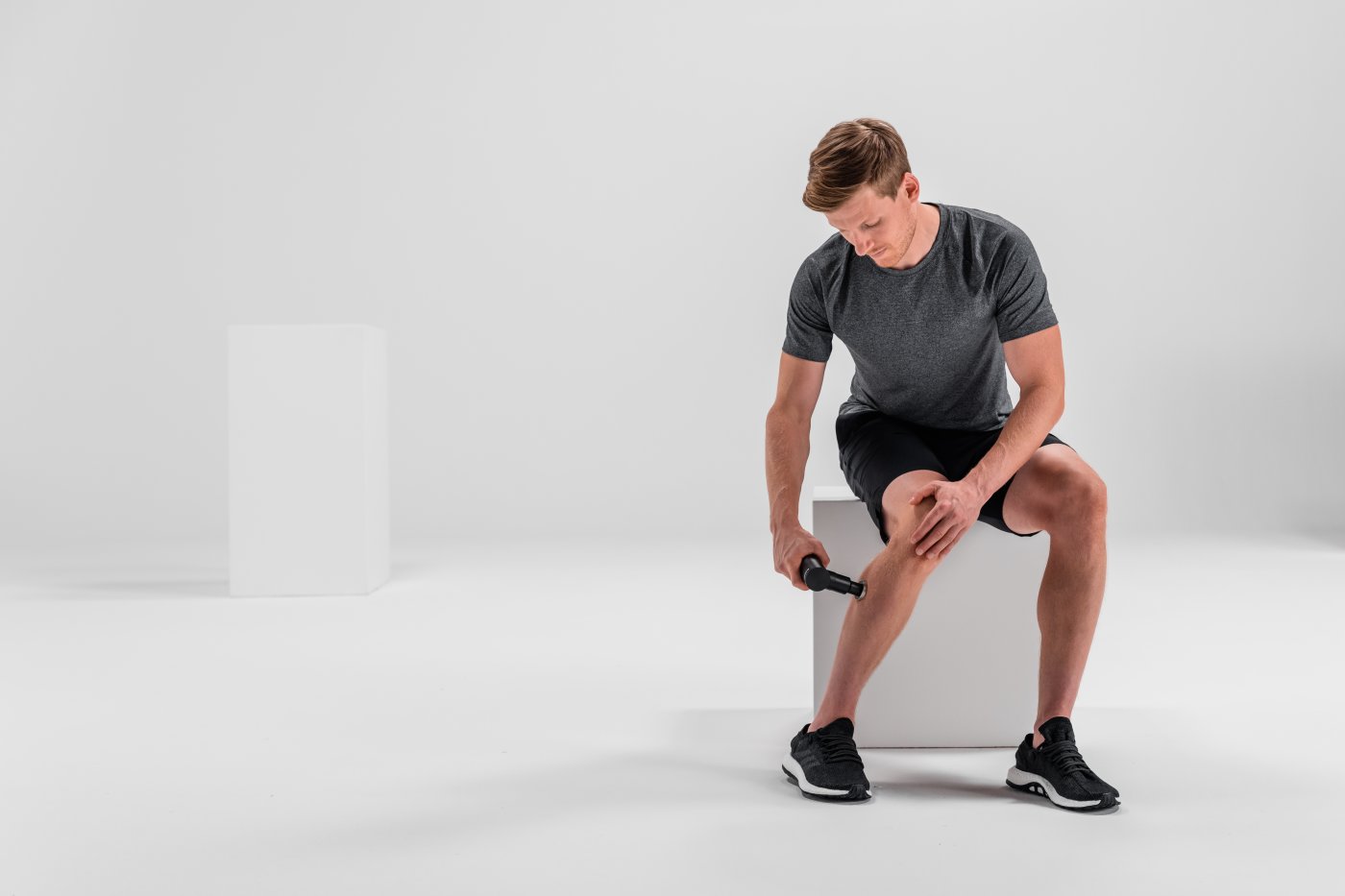
Make sure you get enough rest and pay attention to signs of muscle strain; it’s better to take a break sooner rather than later. The best way to begin recovery after physical exertion is with a self-massage of your feet and legs.

Proper Sleeping Position
Sleep with your legs slightly elevated by placing a pillow under your feet to improve blood circulation and reduce pressure on your calf muscles.
Treating Underlying Health Issues
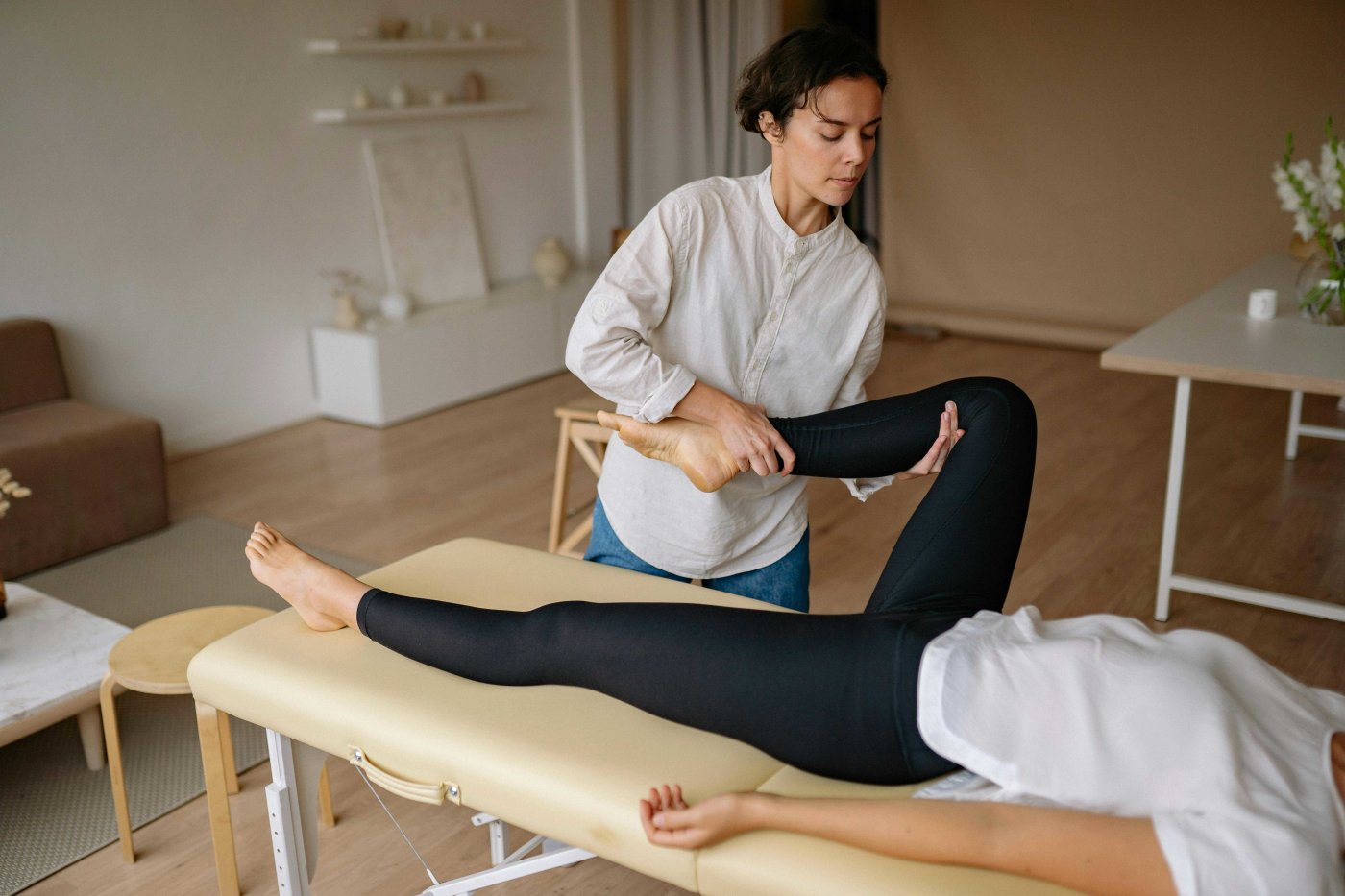
If you have an underlying medical condition, you should seek treatment for it to help reduce the occurrence of calf cramps.
Dietary Factors and Dietary Supplements for Calf Cramps
A mineral deficiency—such as low magnesium levels—is often suspected to be the cause of muscle cramps, which is believed to be treatable with dietary supplements. However, as widespread as the belief that magnesium helps with muscle cramps may be, studies have not yet been able to prove the supplement’s effectiveness . According to the *Ärzteblatt*, taking magnesium is reportedly no more effective than a placebo. Nevertheless, those affected may initially try taking magnesium due to its favorable side effect profile.
A loss of minerals is therefore less likely to be the cause of cramps than previously assumed. Consequently, experts generally do not recommend taking dietary supplements in tablet form that contain electrolytes such as magnesium, potassium, or sodium for (calf) cramps—neither for professional athletes nor for retirees. Far more important is a balanced diet that contains all essential micronutrients, as well as adequate fluid intake.
Medical treatment options for nighttime calf cramps
The goal of treatment is to relieve pain during a muscle cramp and, in the long term, reduce the frequency of episodes—for better sleep and less fatigue in daily life. In severe cases and when non-pharmacological treatment has been unsuccessful, medications containing quinine may be used and are also recommended in the current guidelines. These are typically used to treat malaria but can sometimes cause serious side effects.
Tip: If you suffer severely from cramps and your quality of life is impaired, consult a doctor to get all the necessary advice on how to improve your situation.
Alternative Treatment Approaches for Nighttime Calf Cramps
- Gentle stretching exercises, in which the person extends their leg and carefully pulls their toes toward their body, can quickly relieve a calf cramp. Relaxation exercises, such as shaking out the legs, and walking carefully can also alleviate cramp symptoms.
- Massaging the muscle with warmed hands and massage oil can provide relief in acute cases. The best way for those affected to relax the muscle is to apply pressure with their thumbs using small circular motions.
- Heat has also been shown to relieve cramps. So if you feel a calf cramp coming on, treat yourself to a warm bath or a hot shower, or place a grain pillow or hot water bottle on the affected area.
- Alternating between rinsing the calves with cold and warm water can relieve an acute calf cramp.

Home Remedies for Relieving Calf Cramps
In addition to the measures already described above—such as stretching, warm baths, and massaging the calf muscles—a trip to the refrigerator can actually provide relief. According to an American study, an unusual but effective home remedy for cramps is cucumber water —that is, the vinegar-based liquid in which cucumbers are pickled.
According to researchers, drinking cucumber water can even cut the duration of cramps in half. For dosage, those affected can follow the guidelines provided by the study’s authors: 1 ml of cucumber water per kilogram of body weight. Since the effect sets in immediately—before the cucumber water can pass through the stomach and be absorbed by the body—it is believed that the effect is due to the sour taste in the throat, which activates specific receptors in the mouth and throat, reduces nerve cell activity, and thereby has an antispasmodic effect.
Tips for Improving Sleep Quality Despite Nighttime Calf Cramps
If you suffer from nighttime calf cramps and want to improve your sleep quality, here are some tips that can help you sleep better despite these symptoms:
- Stretching exercises before bedtime: Perform regular stretching exercises for your calf muscles before going to bed. This helps relax the muscles and can reduce the occurrence of nighttime calf cramps.
- Calf massage: Gently massage your calf muscles before bedtime to relieve tension and improve blood circulation.

Calf Stretches: 3 Gentle Exercises
Calf Stretches: 3 Gentle Exercises- Warm Bath: Take a warm bath or shower with warm water before bed. This can help relax your muscles and improve the quality of your sleep.
- Hydration: Make sure to drink enough fluids throughout the day to avoid dehydration. But don’t drink too much right before bed—otherwise, your sleep won’t be disrupted by calf cramps, but instead by constant trips to the bathroom.
- Suitable sleeping environment: Create a comfortable sleeping environment that is cool, dark, and quiet, and use a comfortable mattress and pillows to provide optimal support for your body while you sleep.
- Regular bedtimes: Maintain a regular sleep-wake cycle by going to bed and waking up at the same time every day. This can help regulate your sleep-wake rhythm and improve the quality of your sleep.
- Stress management: Practice relaxation techniques such as meditation, breathing exercises, or progressive muscle relaxation to reduce stress and thereby promote better sleep quality.
- Sleep hygiene: Practice good sleep hygiene by turning off electronic devices such as smartphones and tablets before bedtime and establishing a relaxing routine to prepare your body for sleep.
- Consider Seeing a Doctor: If nighttime calf cramps significantly impair your sleep quality and thereby negatively affect your quality of life, consult a doctor for advice and appropriate treatment options.
Summary
Unless caused by an underlying medical condition, nighttime calf cramps are generally harmless. However, since they can be quite painful and interfere with sleep quality, there are various measures you can take to prevent them or, in acute cases, to ensure the cramp subsides quickly. If you’re unsure whether your calf cramps might be caused by an underlying medical condition, or if your cramps are very severe, see a doctor to have your problem evaluated. A doctor can also give you additional tips on prevention or what to do in an acute situation.