Contraindications: When Should You Avoid Fascia Training?

Fascia training is great. Anyone who has ever experienced the effects of a good roll-out will agree. Nevertheless, many people still feel uncertain about it from time to time.
There are certain situations and conditions in which fascia training is not recommended or may even be counterproductive. It’s important that you know your body and its limits.
If you’re unsure whether you can perform self-massage with a foam roller or similar tools due to pre-existing conditions or symptoms, this post will help you.
From acute inflammation to certain cardiovascular conditions and recent injuries—we’ll explain in which cases caution is advised and why. This knowledge will certainly help you make your training effective and, above all, safe

When do we advise against using a foam roller?
Generally speaking, there are three conditions that preclude the use of myofascial self-massage on the affected area. These three “hard contraindications” include:
- Redness
- Swelling
- Acute pain
These conditions occur in nearly all acute traumas and illnesses, such as fresh injuries and thrombosis. In the initial phase of recovery, inflammation levels are very high. Rolling on severely inflamed areas can worsen the condition. Using the BLACKROLL® is not recommended in this case.
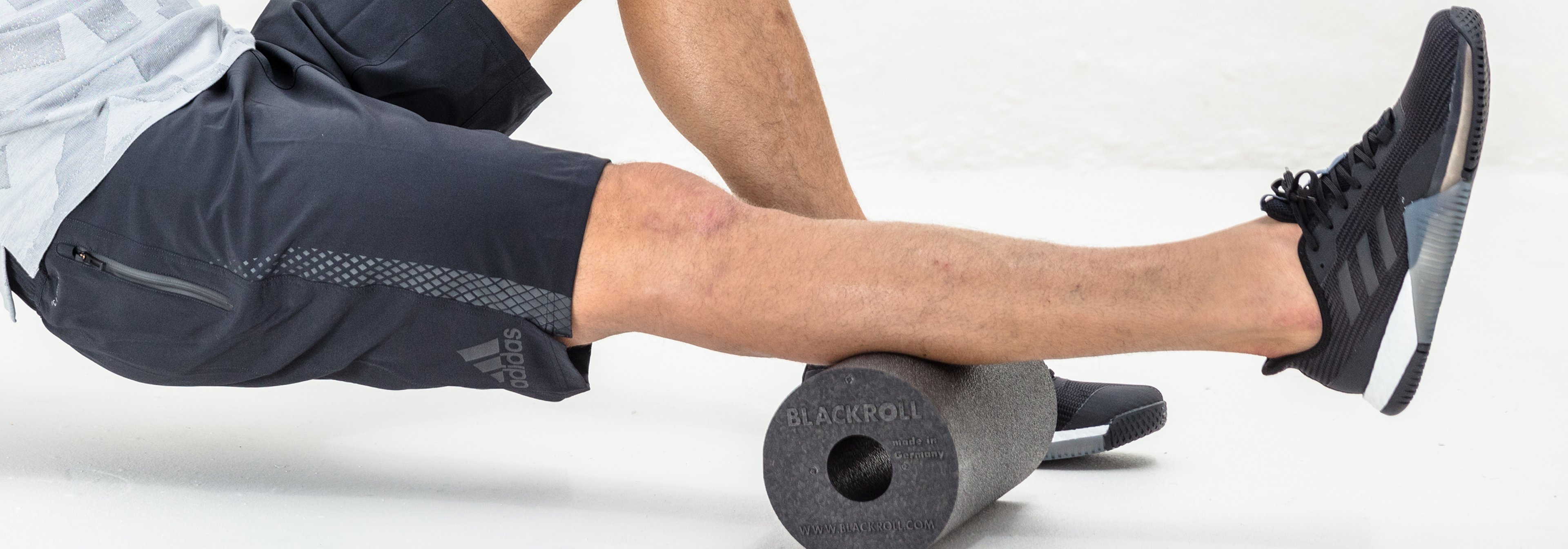
When should you exercise caution during fascia training?
In certain cases, a decision must be made on an individual basis as to whether myofascial self-massage is appropriate. We refer to these as “soft contraindications.” In these cases, you should consult your doctor to determine whether and in what form this technique is appropriate. For localized issues, unaffected body parts can usually be rolled out without concern. For certain conditions (e.g., herniated disc), this can even be beneficial.
The following conditions, among others, are considered soft contraindications:
Osteoporosis
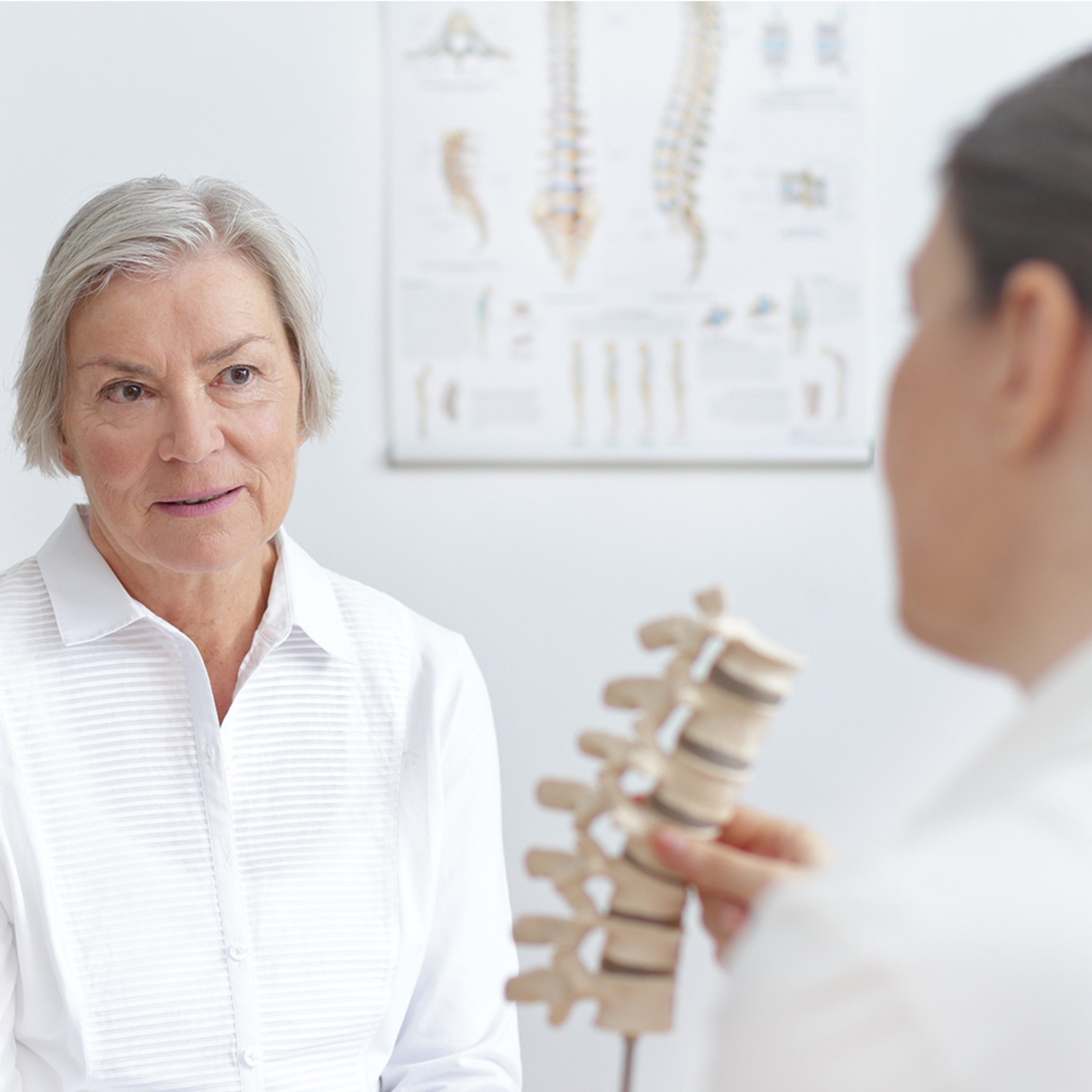
Osteoporosis is a condition in which the bones in the body become thinner and more porous, making them prone to fractures. Any bone can be affected. Under certain circumstances, the pressure you apply to the foam roller with your body may be too high and increase the risk of a fracture. Therefore, caution is advised.
Taking Blood-Thinning Medications
If you’re taking anticoagulants, you may experience more bruising during fascia training. That first look in the mirror after a session on the fascia roller can be quite alarming at first. Therefore, always get your doctor’s approval first

Herniated Disc
Herniated discs are a controversial topic. In most cases of back pain, the discs themselves aren’t the root cause. Often, it’s muscle and fascia tightness that triggers back pain. In this case, you can help relieve the pain with appropriate therapeutic support and exercises you can do at home. In the case of an acute herniated disc, we advise against rolling directly over the affected area. In this case, however, the pain will give us the right signal anyway.

Fibromyalgia
Conventional medicine advises against self-massage for fibromyalgia. However, there are promising observations suggesting that fascia training can also help people affected by this condition. Furthermore, the use of BLACKROLL® tools has proven beneficial, particularly for patients in whom conventional treatments have failed. Nevertheless, you should take the condition seriously and consult your doctor first before attempting this type of training.
Rheumatic Diseases
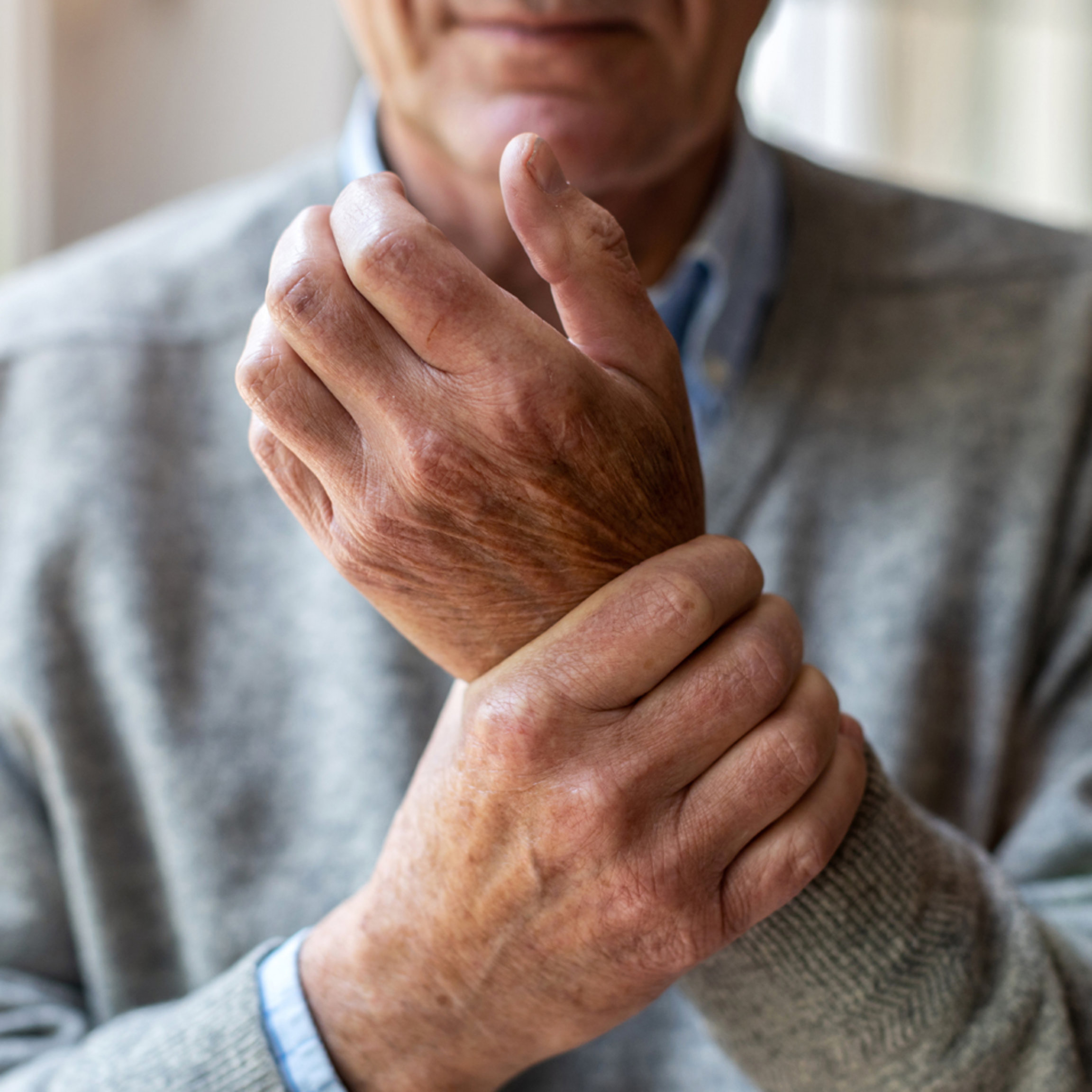
We refer to musculoskeletal disorders that are not caused by an acute injury or a tumor as rheumatic diseases. These conditions must be evaluated on a case-by-case basis, and ultimately only a doctor can determine whether a BLACKROLL® massage is appropriate. In general, myofascial massage has positive effects on metabolism and stimulates various repair processes in the body. A positive course of recovery could be facilitated by using the fascia roller.
Joint Replacement
Under normal circumstances, joint replacement is not a problem. Improved surgical techniques and modern artificial joints allow us to resume normal athletic activities after a sufficient period of rehabilitation. However, this can still be a contraindication, as every surgical procedure carries an inherent risk. You should definitely discuss with your treating surgeon whether and when you may resume foam rolling after surgery.
Cancer
The issue with cancer is that there are concerns that massage therapy could cause the cancer to spread. Whether this is actually the case requires further research. When in doubt, it’s better to take a step back and refrain from training with the foam roller.

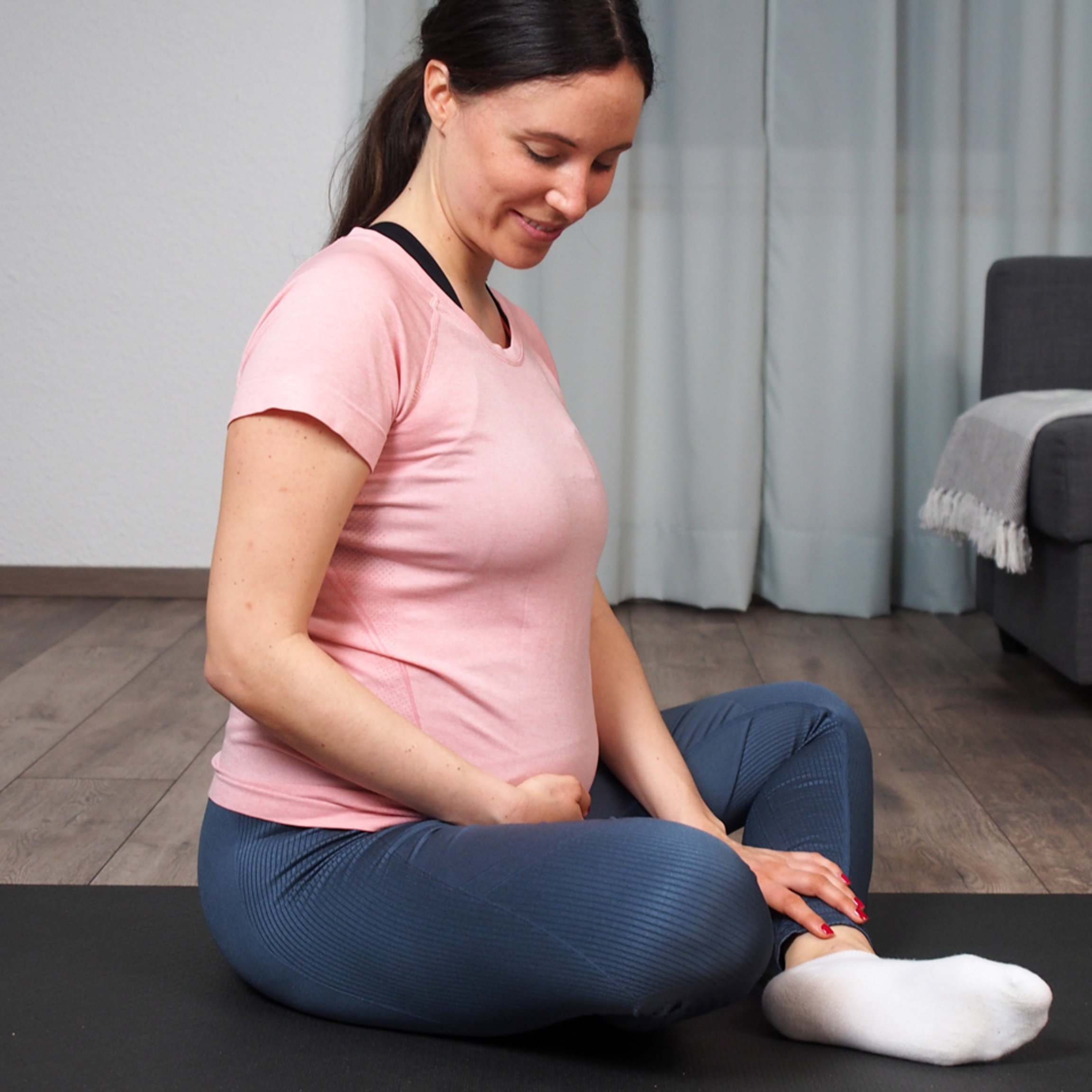
Pregnancy
If you are pregnant, you should also consult your doctor. Whether the foam roller can be used during pregnancy depends, among other things, on the stage of pregnancy. Special caution is advised during the first and last trimesters. In addition, sensitive reflex zones on the soles of the feet, the inner thighs, and the calves should be avoided. In general, care should be taken to apply less pressure.
Varicose Veins
Varicose veins are caused by weakness in the vein walls and valves, which leads to impaired venous return. This can result in swelling, pain, and an unpleasant feeling of heaviness in the legs. Fascia training, particularly rolling with a fascia roller, can have both positive and negative effects for people with varicose veins.
On the one hand, the exercise can help promote blood circulation, which may potentially help alleviate some symptoms. For example, massaging the legs can help relax the muscles and improve blood flow.
A negative effect could be that applying too much pressure to the affected veins with a foam roller could cause further damage and worsen the symptoms of varicose veins. So it always makes sense to talk to your doctor about this first.
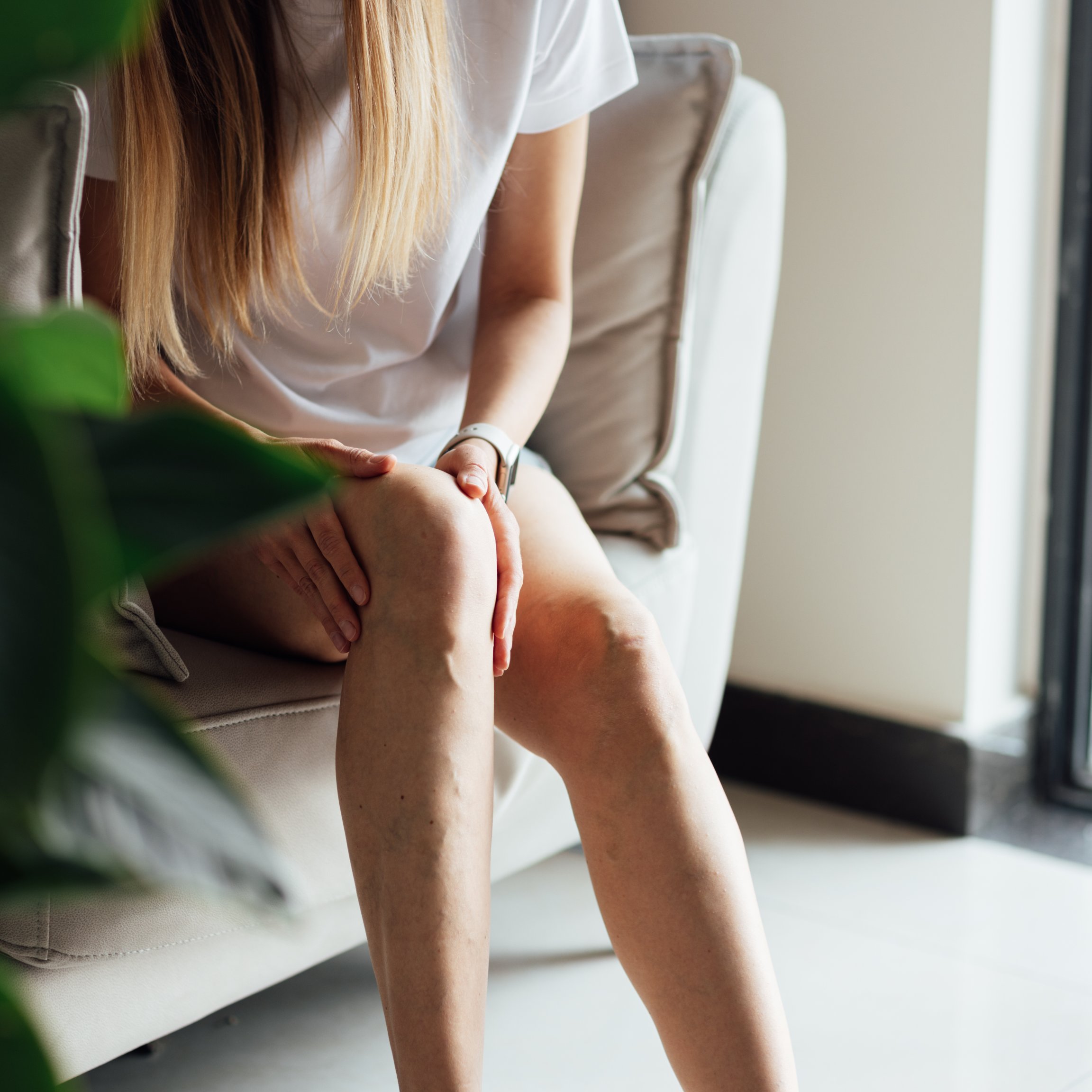
If you’d like to do fascia training despite having varicose veins, here are some tips for you:
- Gentle pressure: Use a softer roller and apply gentle pressure, especially around the varicose veins.
- Avoid direct pressure: Avoid rolling directly over large, visible varicose veins.
- Consult a professional: If you’re severely affected by varicose veins, it’s advisable to talk to your doctor before starting your training.
You should also consider not only the physical but also the mental aspects of fascia training. Stress, emotional strain, or fatigue can also influence how your body responds to the training. Therefore, pay attention not only to physical signals but also to mental signals from your body

Fascia Training During Pregnancy
Fascia Training During Pregnancy

Conclusion: Contraindications for Fascia Training
Always remember that fascia training is part of your health and fitness program, but not the only element. A balanced diet, regular exercise, and sufficient rest periods after exercise are also important for keeping your body healthy and performing at its best.
Fascia training should never be viewed as a chore, but rather as a pleasant and enriching experience that has a positive effect on your connective tissue, muscles, and flexibility.
Ultimately, every person is unique and experiences pain differently. All the recommendations we provide here are intended solely as guidance. The final decision always rests with you. Listen to your body’s signals.
When in doubt: It’s better to consult a doctor one more time. If the doctor gives their approval and all signs are green, there’s nothing standing in the way of using the BLACKROLL® fascia roller. Then all that’s left for us to do is wish you lots of fun with your training!
Take a holistic approach that also considers aspects such as mental health and stress management. Techniques like yoga or meditation can be a great complement to myofascial training to bring your entire body and mind into harmony. Also, be aware that overtraining can be just as harmful as not training at all. Find the right balance and set realistic goals.
Listen to your body and tailor your training to your individual needs and abilities. With the right approach and by taking your health and needs into account, fascia training can be a valuable tool for improving your health and well-being.