8 Gentle Exercises for a Herniated Disc
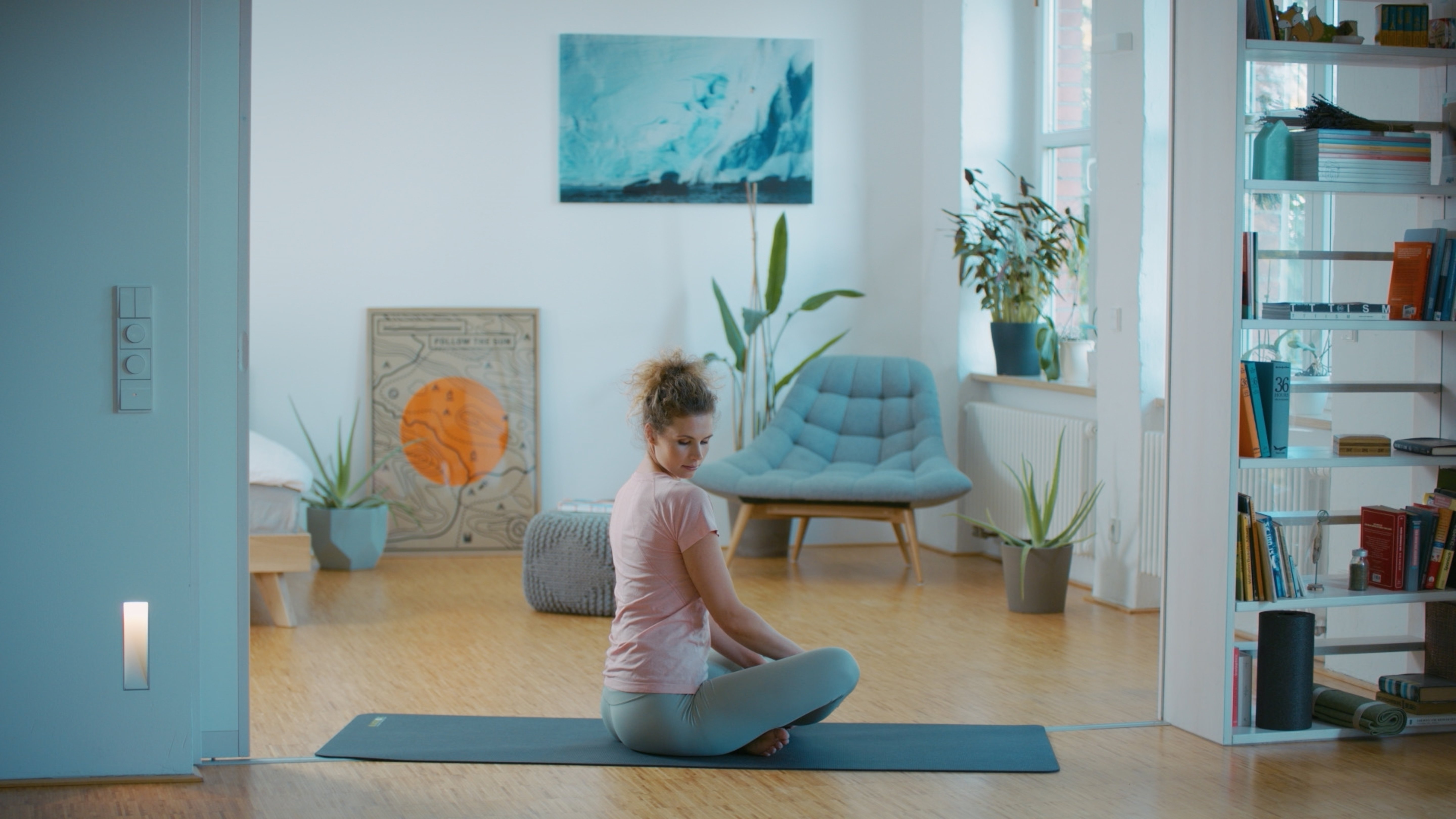
To Help Prevent and Relieve Pain
Time
- 22 minutes
- 7 exercises
Key Points at a Glance
• Suitable for: People with a herniated disc in the lumbar spine (LWS) once the acute phase has passed
• Frequency: 8 exercises in about 25 minutes, 2–3 times per week
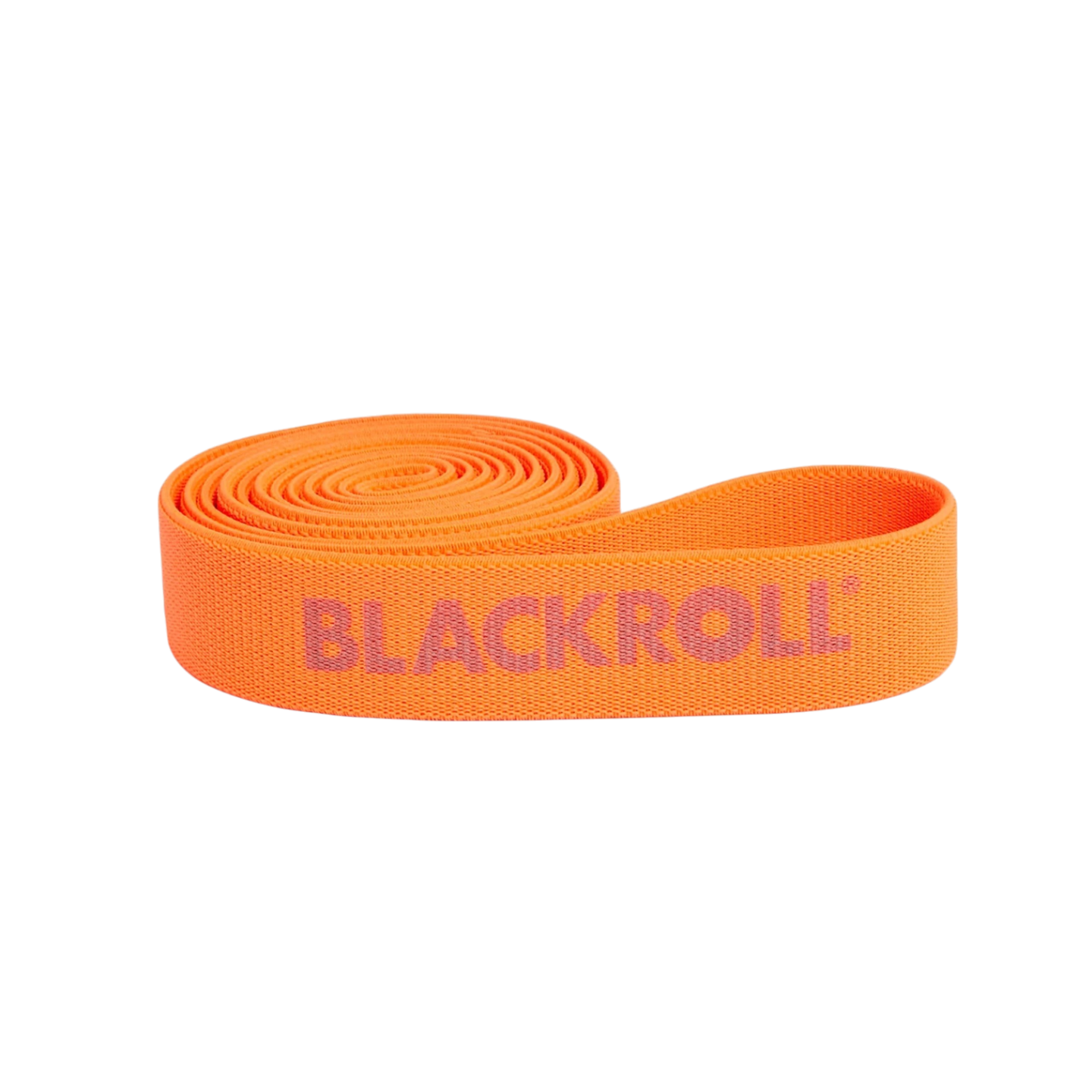
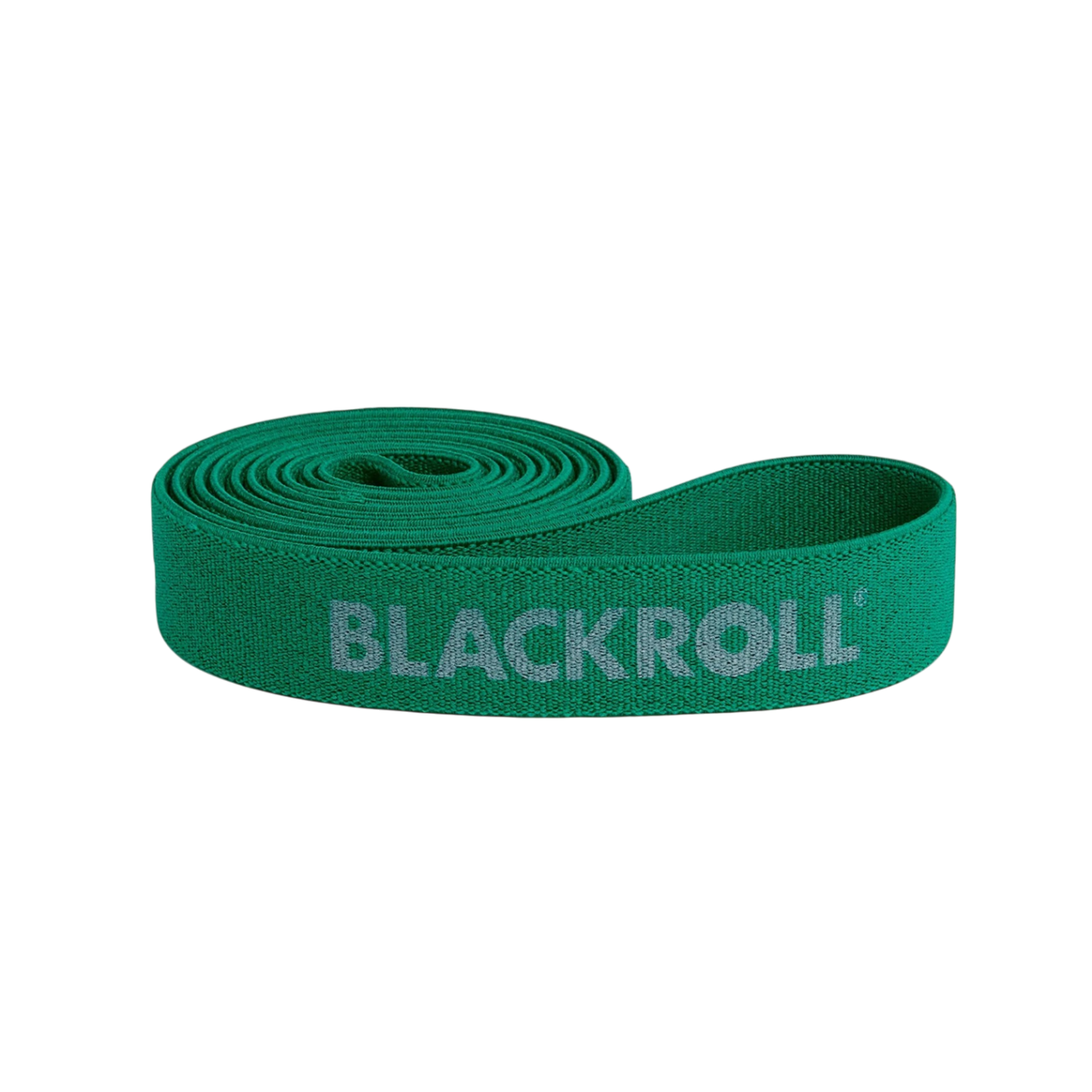
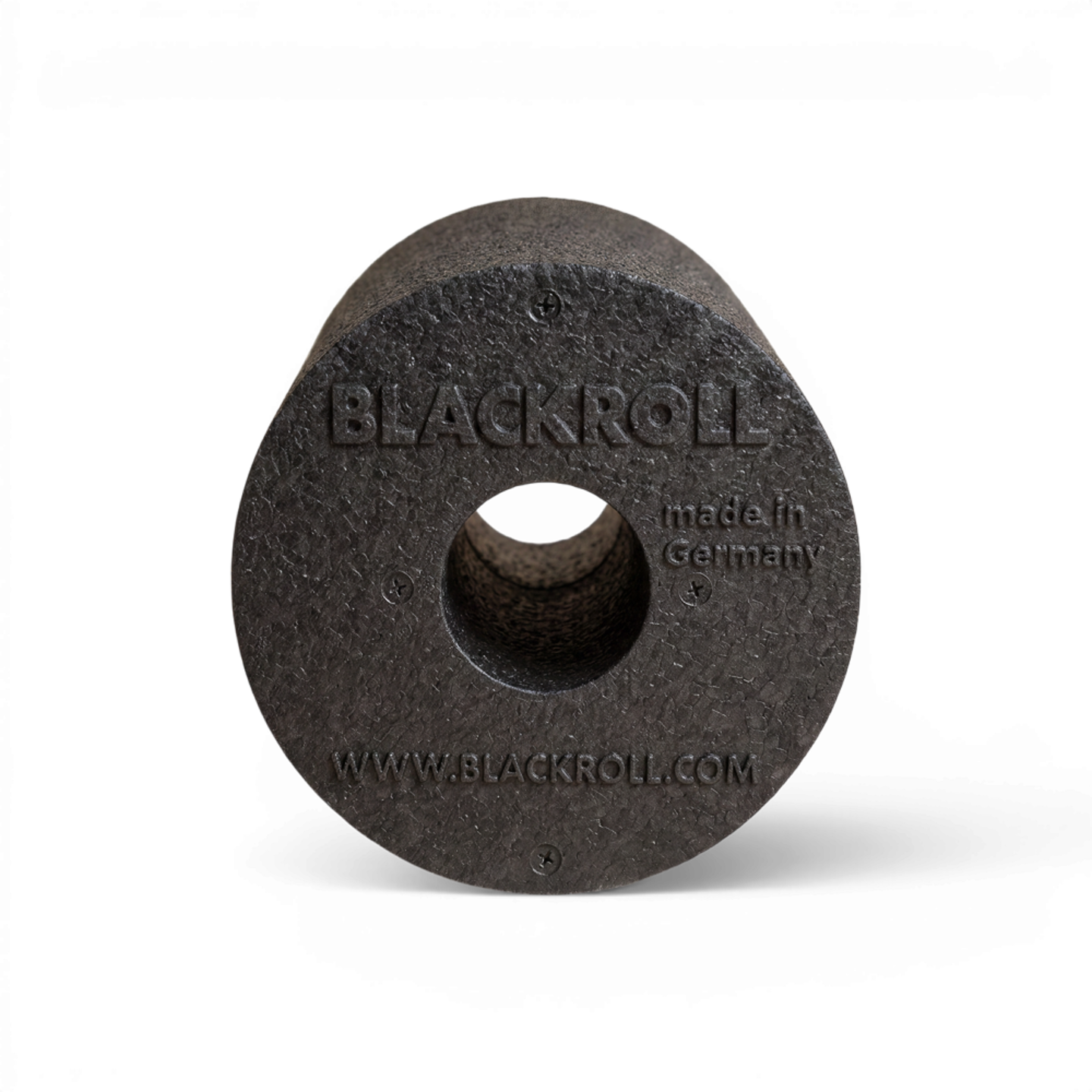
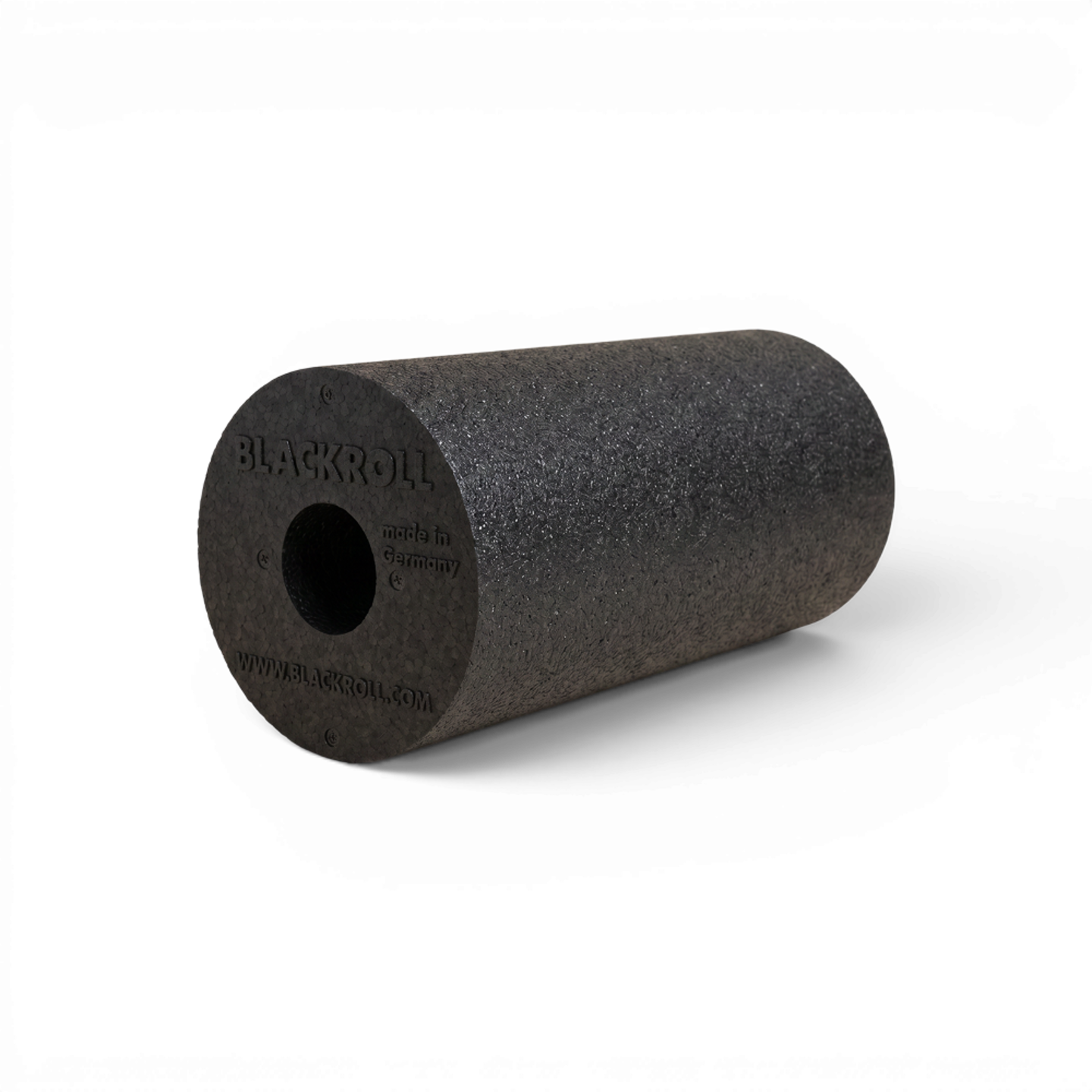
• Equipment needed: BLACKROLL® STANDARD, MAT, BALL 12, TRIGGER BOX, SUPER BAND, MED (alternatives available)
• Key Note: Severe pain during the exercise = skip the exercise
• Goal: To balance tension around the spine through self-massage, mobilization, and strengthening
Back pain caused by a herniated disc makes every step a challenge. But right now , exercise is the most important thing you can do. With a herniated disc, targeted exercises relieve tension, mobilize the spine, and strengthen the muscles that take the pressure off your discs. You don’t need a gym for this—just a little space and the right guidance.
As a general rule, approach these exercises slowly if you have a herniated disc. If any individual exercises cause you severe pain, you should skip them. And don’t start training until the herniated disc is no longer in the acute phase.
When should you see a doctor?
- If you experience symptoms of paralysis or severe loss of strength in your arms or legs
- If you experience tingling or numbness that worsens despite doing the exercises
- If you have bladder or bowel problems—see a doctor immediately (emergency)
- Do not start the exercises until the herniated disc is no longer acute.
This content is for general information purposes only and is not a substitute for a medical diagnosis.
Myofascial Self-Massage for a Herniated Disc
Phase One: Use myofascial techniques to work on the key areas of the body affected by a herniated disc. This reduces tension in the tissue and can help relieve your pain. Don’t be surprised that you’ll start by working on the front of your body. This is important for reducing the shortened anterior tension that develops during daily life.
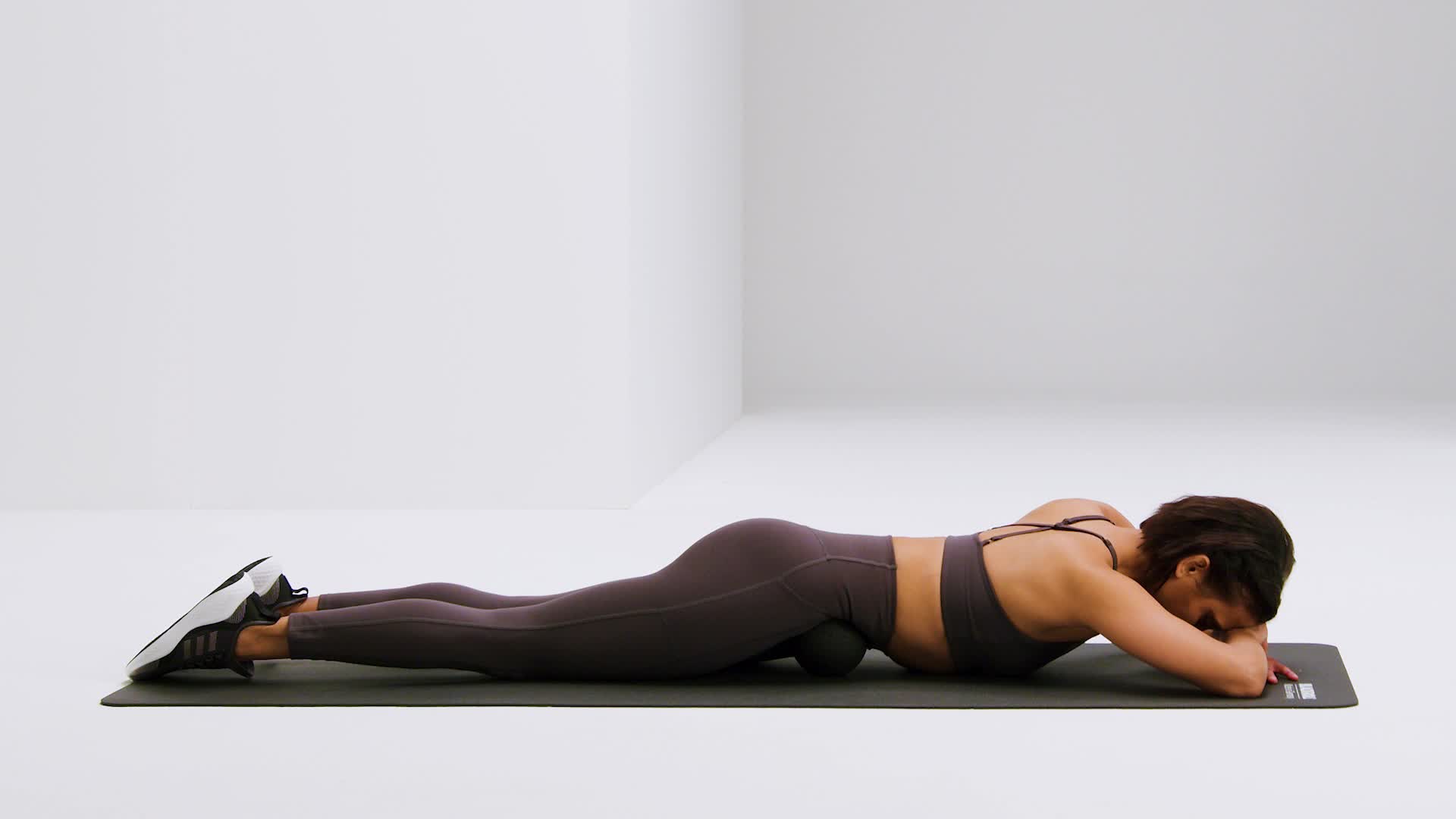
Herniated Disc Fascia Training: Relaxes Tense Hip Flexors
Lie on your stomach. Place your arms in front of your body, and rest your head loosely on the backs of your hands. Position the BALL 12 above your groin, between the pubic crest and your rectus abdominis muscles.
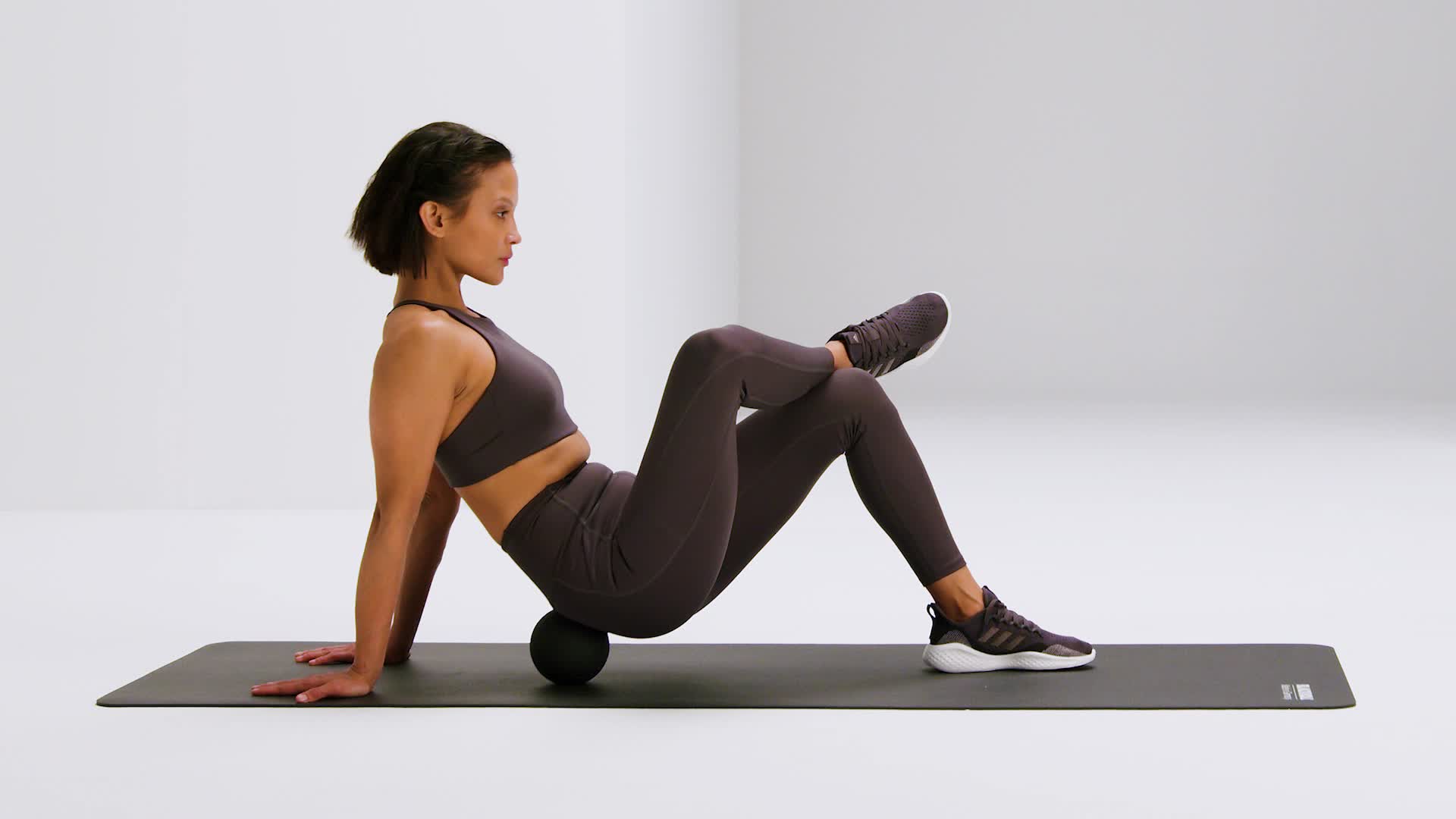
Targeting Deep Tension Points in a Herniated Disc
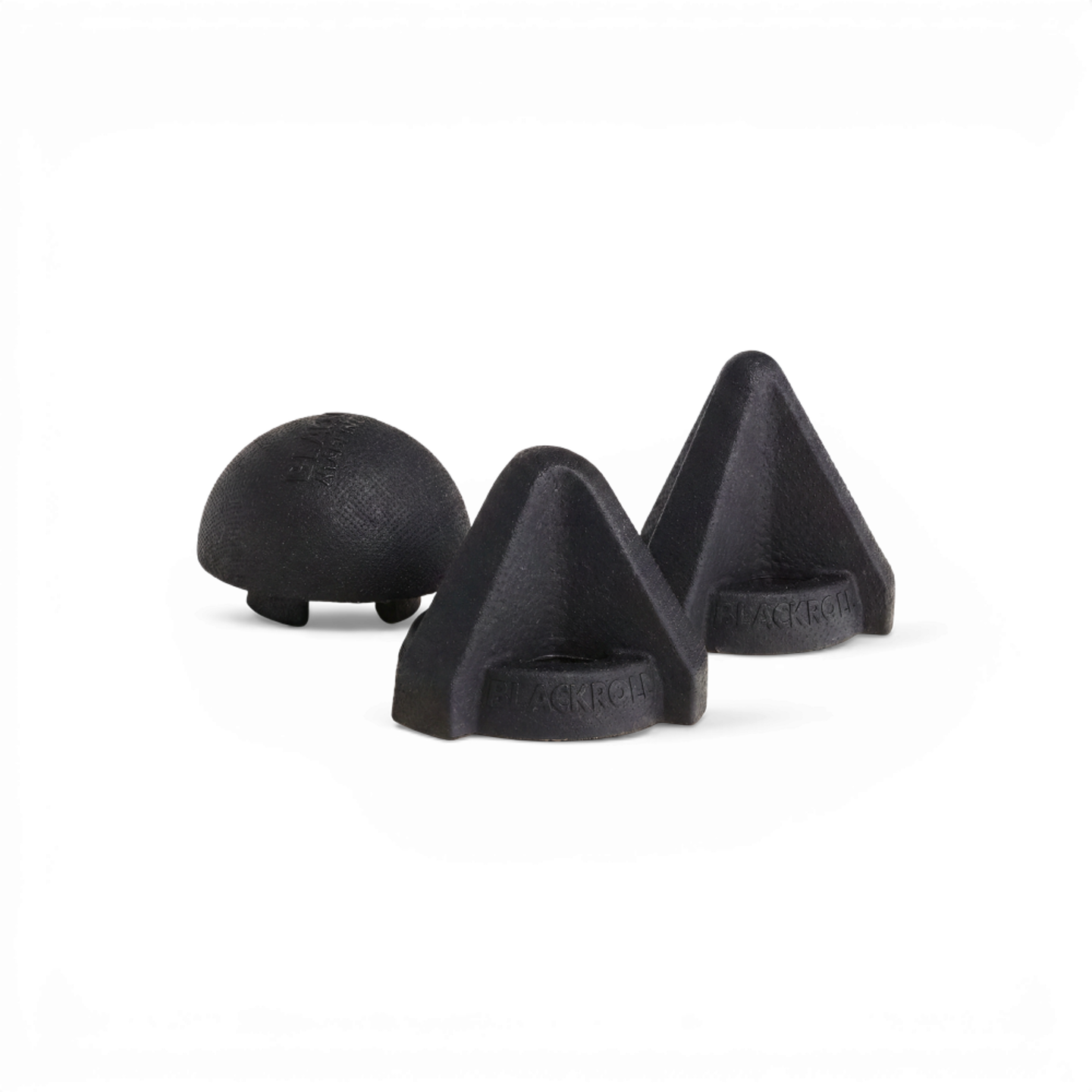
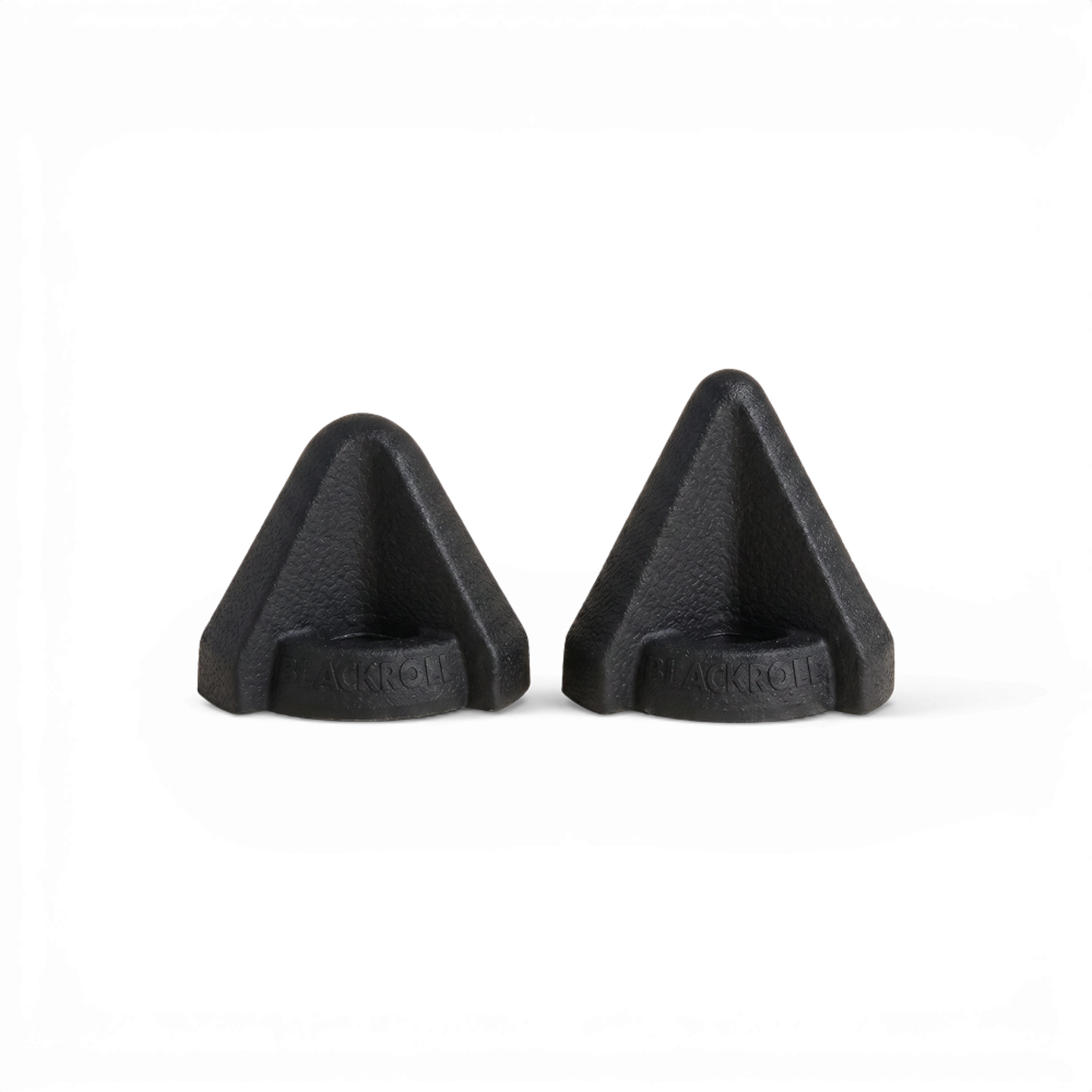
After myofascial self-massage, target your deep fascial adhesions with the TRIGGER . The targeted pressure helps release deep-seated tension in your gluteal region.
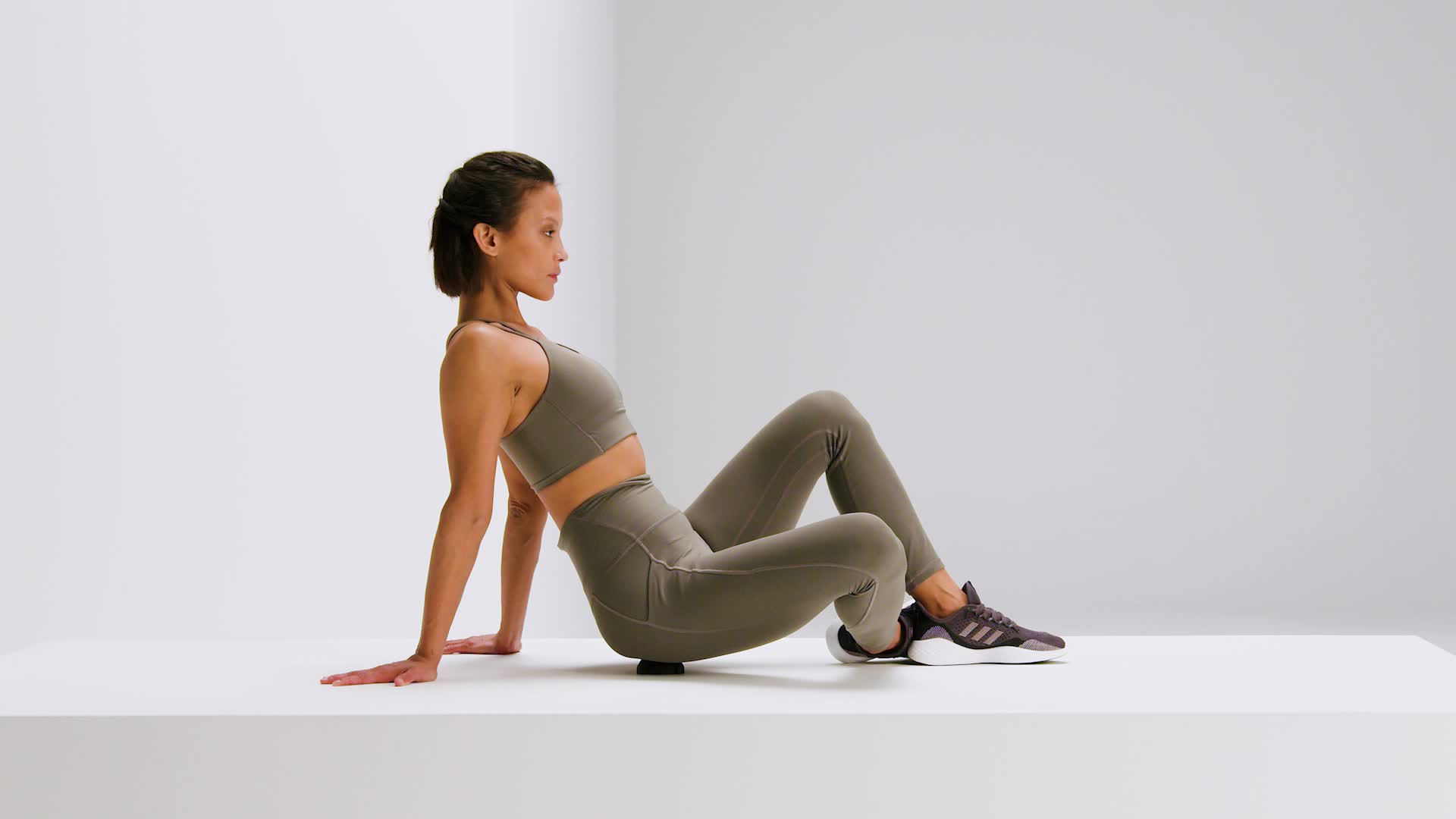
Herniated Disc Trigger Exercise: For Tense Gluteal Muscles
While lying down or sitting, position the TRIGGER RIGGER precisely on the painful spot on your glutes and slowly lower yourself onto the trigger point.
Mobilization and Stretching Exercises for a Herniated Disc
By performing the following exercises for a herniated disc—stretching the shortened fascia and muscles—you can reduce the tensile forces on the lumbar spine. This helps correct imbalances and thereby reduce your back pain in the lumbar spine.
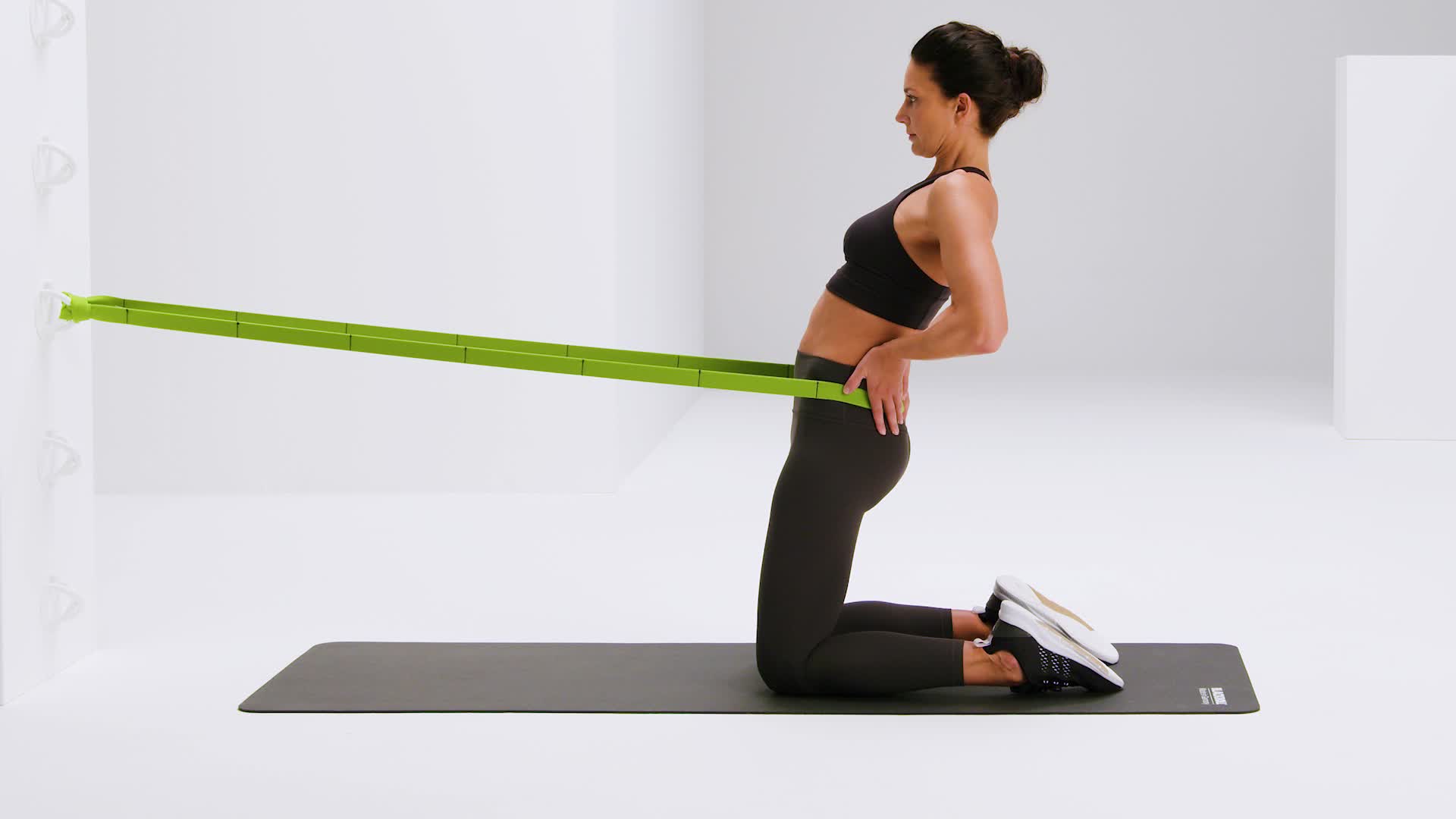
Herniated Disc Exercise: Stretches Your Hip Flexors
Start on your knees. Place the SUPER BAND or MULTI BAND around the back of your hips. Rise onto your toes and tuck your chin back toward your spine.
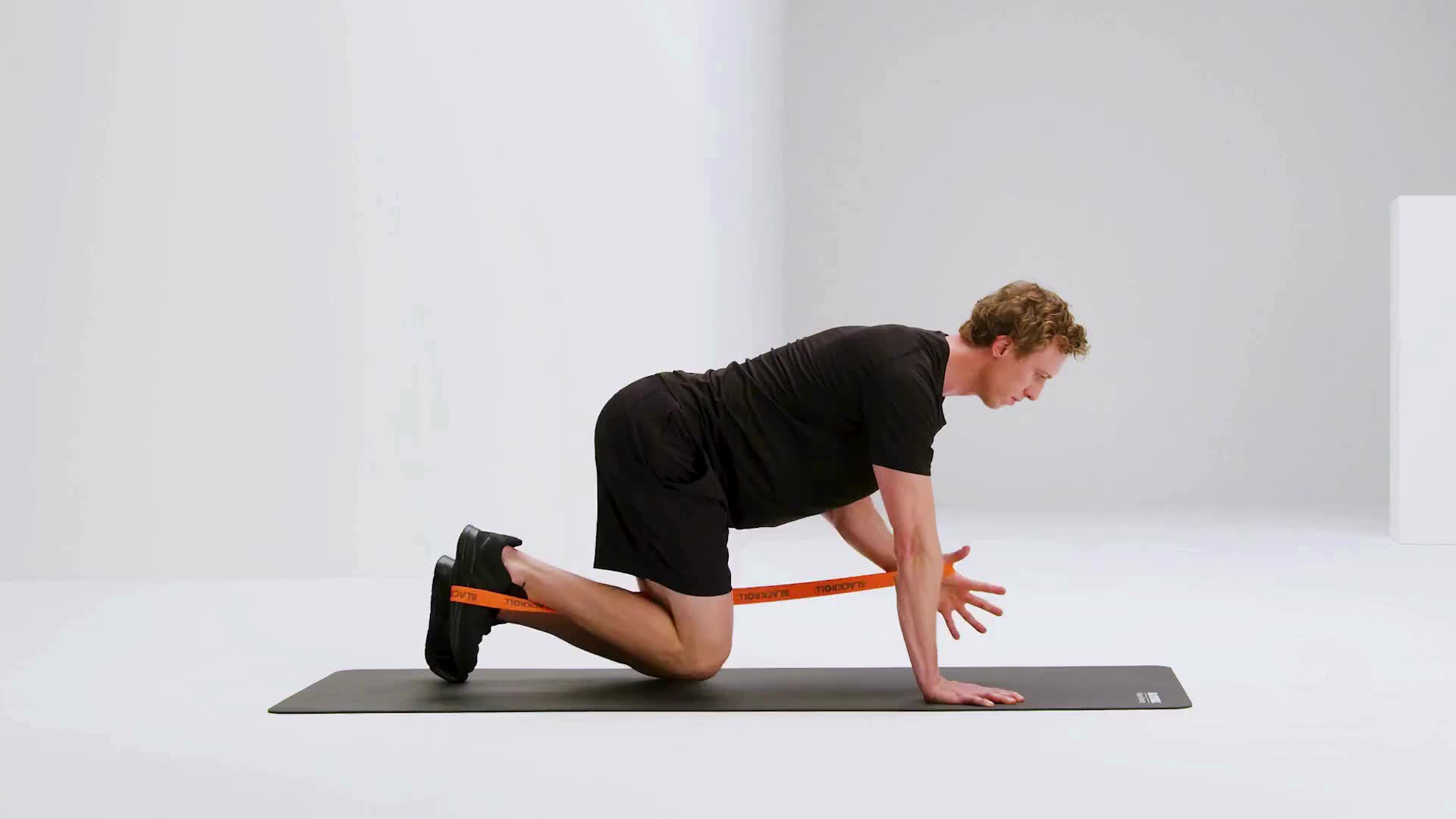
Herniated Disc Exercise: Helps Improve Your Hip Mobility
Start on all fours and wrap the SUPER BAND around the inside of your thigh. Place the band close to your hip.
Activation and Strengthening Exercises for a Herniated Disc
Last but not least, you should strengthen your core muscles to prevent another herniated disc. Important: You should only do the strengthening exercises after the SMT and mobilization/stretching exercises. By then, you’ll have already achieved noticeable relief from tense back muscles and can help prevent relapses. The following exercises for a herniated disc help build strong muscles around your spine. Think of them as a natural corset that stabilizes your spine.
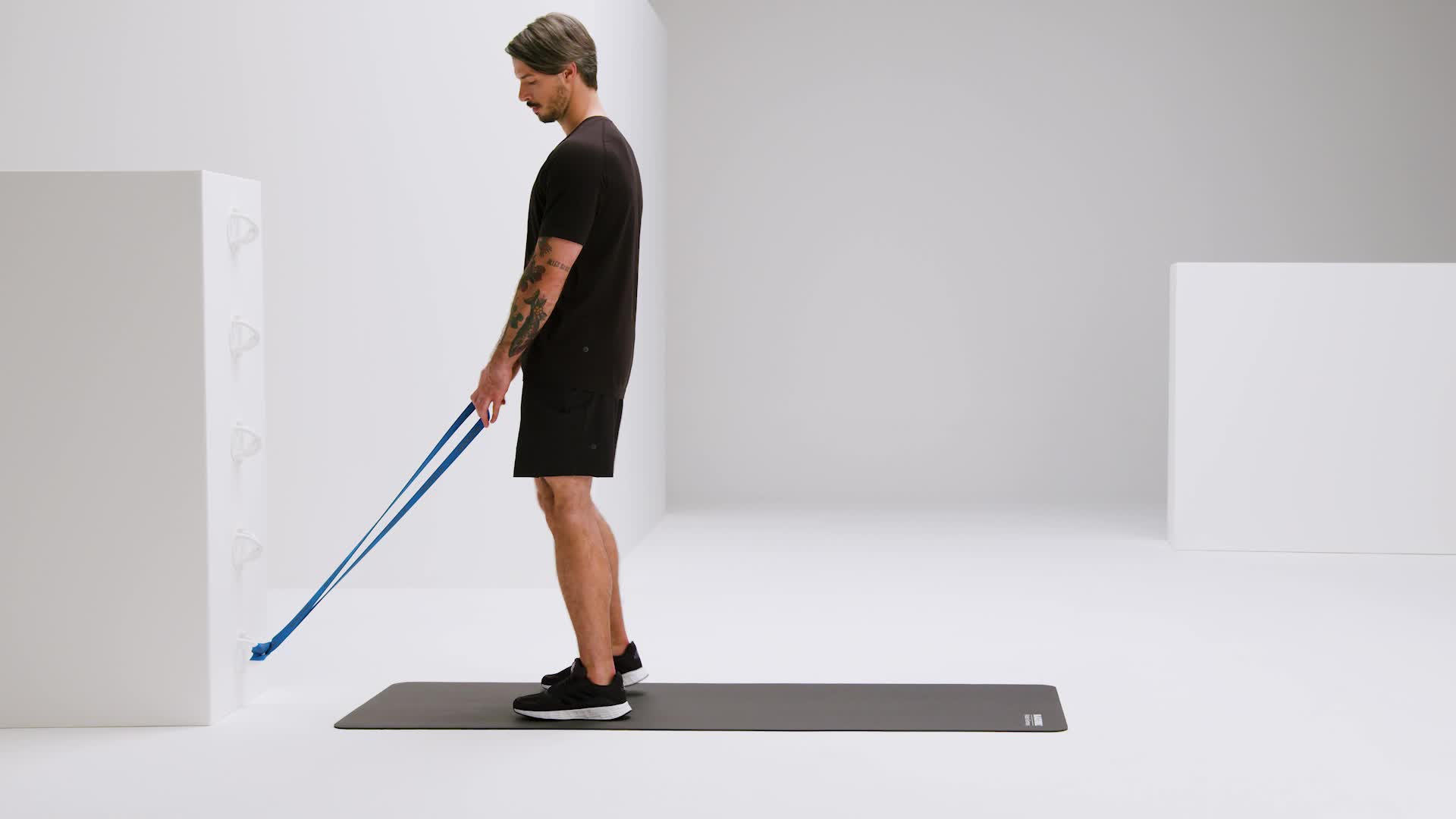
Herniated Disc Exercise: Promotes a Neutral Spine
Wrap the SUPER BAND around your foot and grasp the other end with the opposite hand.
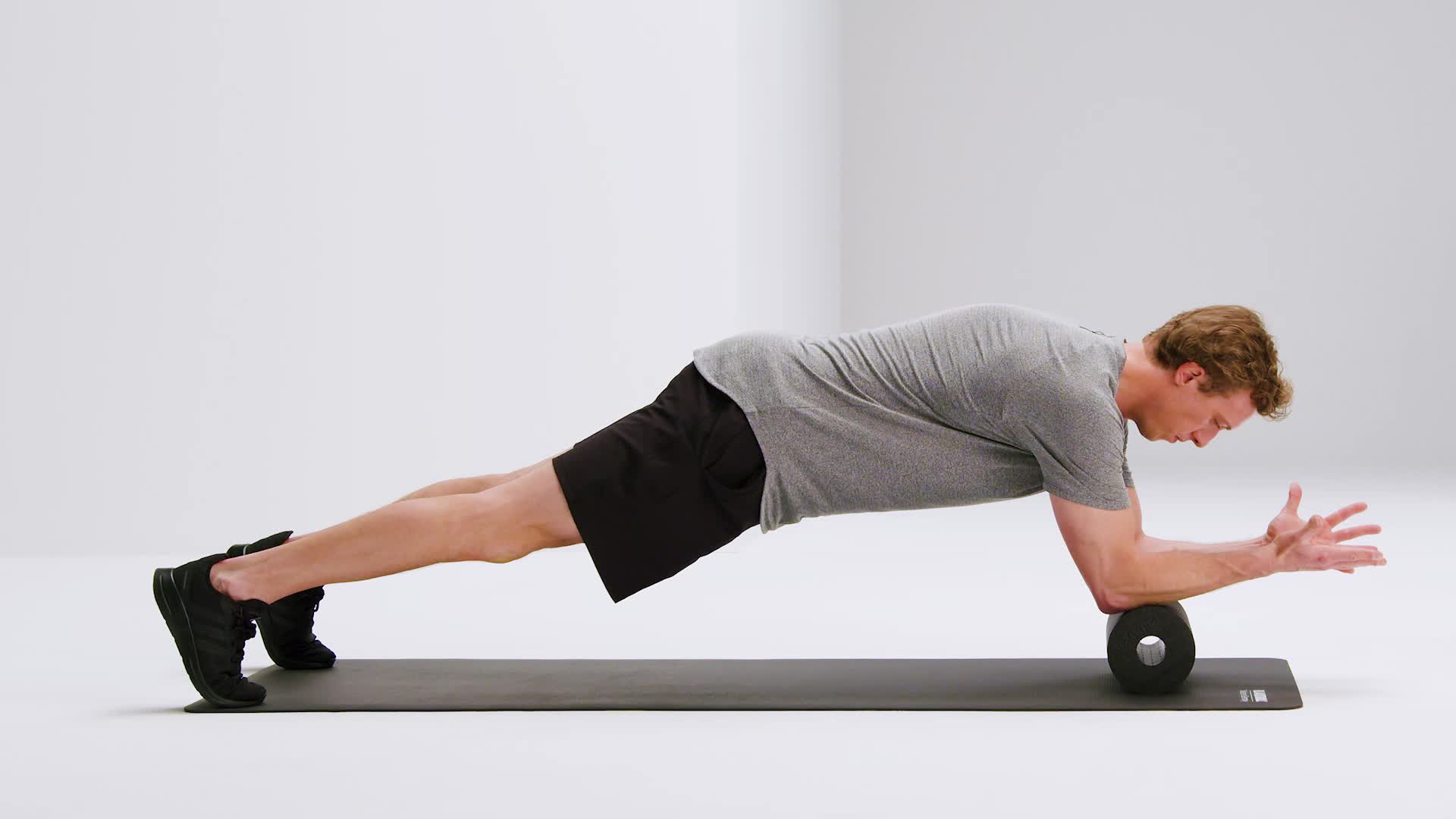
Herniated Disc Exercise: Strengthens Your Core Muscles
Get into a forearm plank position and place your forearms on a BLACKROLL®. Turn your palms toward the ceiling.

Herniated disc?
Your spine consists of many vertebrae stacked on top of one another.
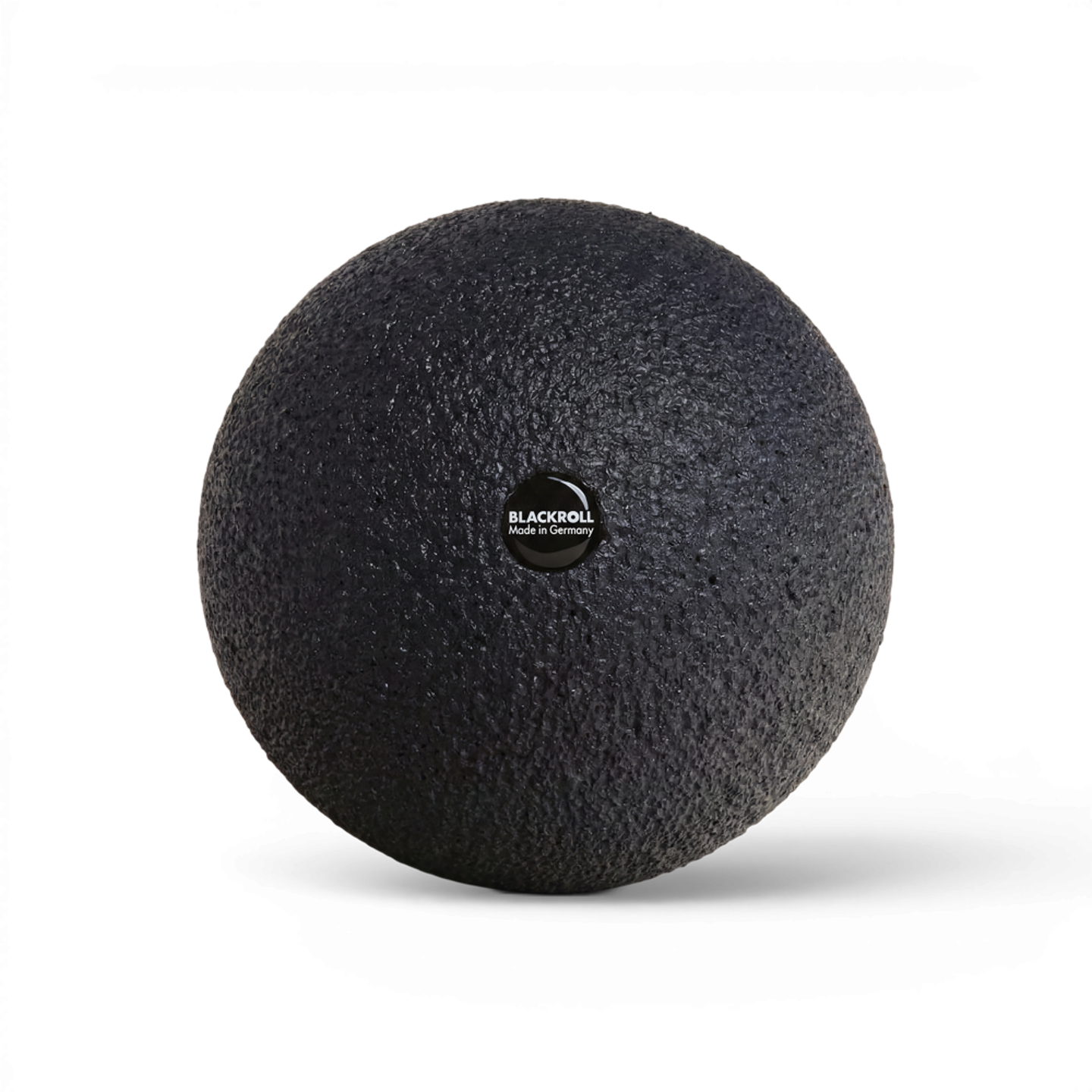
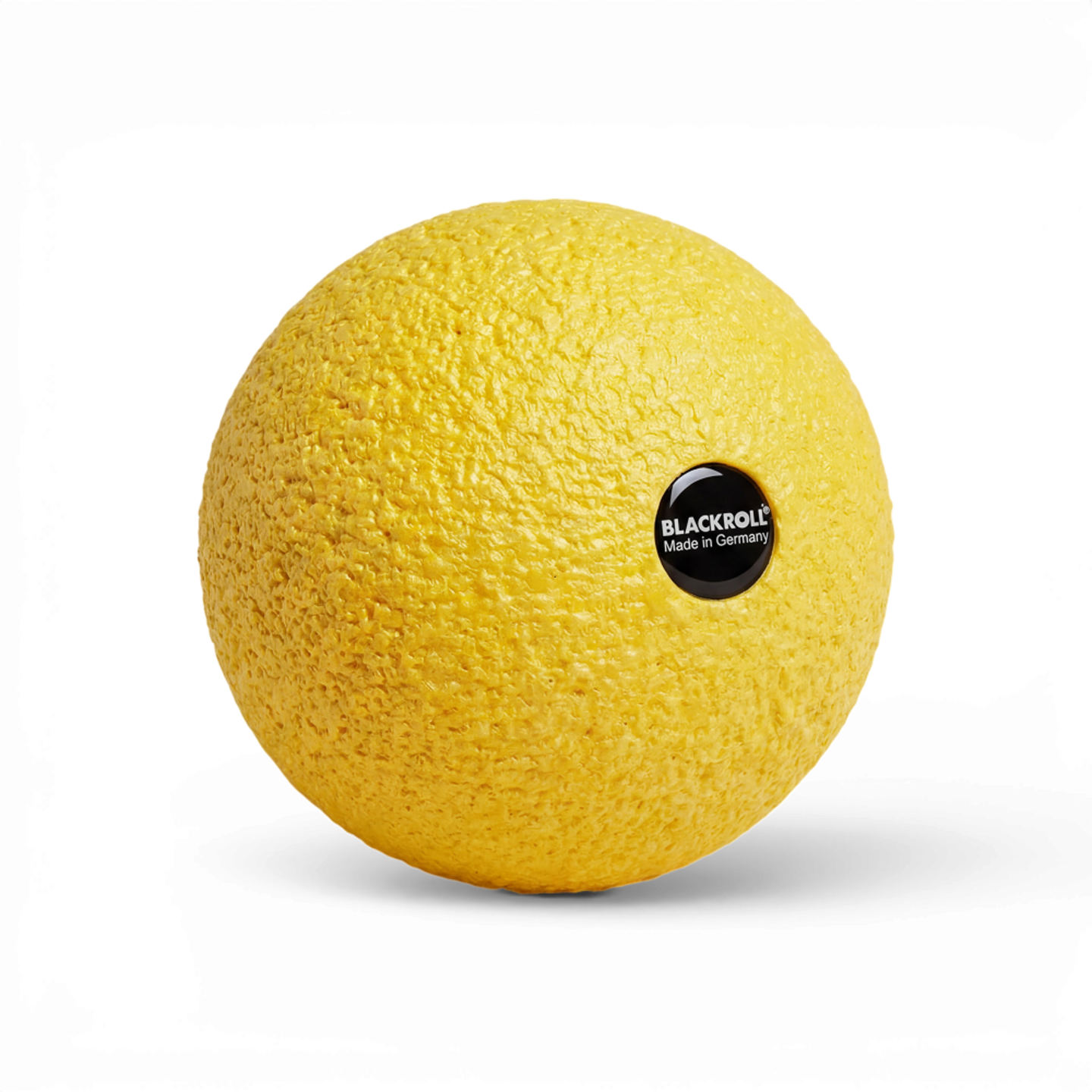
Ball 12
Available in multiple variants
Super Band
Available in multiple variants
Standard
Available in multiple variants


