Heel Spur: Exercises for Foot and Heel Pain
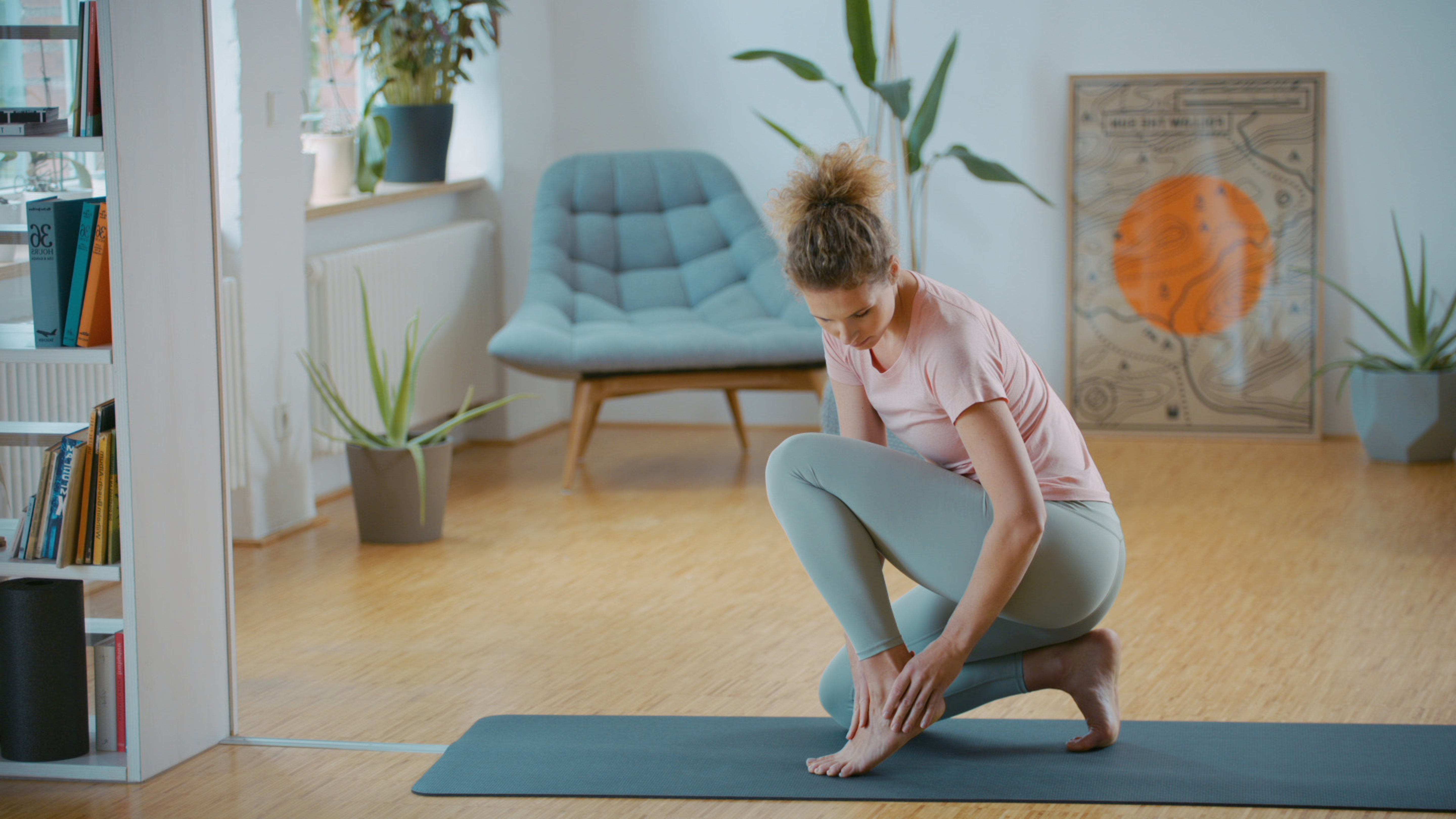
To Help Prevent and Relieve Pain
Time
- 27 minutes
- 7 exercises
Myofascial Self-Massage for Heel Spurs
In the foot area, myofascial trigger points are most commonly found at the tendon insertions, regardless of whether your heel spur is located on the bottom or the back of your heel. You can reduce your pain with myofascial self-massage. If you have a heel spur on the bottom of your heel, release tension in the sole of your foot. If the heel spur is felt at the back of your heel, work on your calf and Achilles tendon. Caution: Do not apply too much pressure to the painful area of the heel spur.
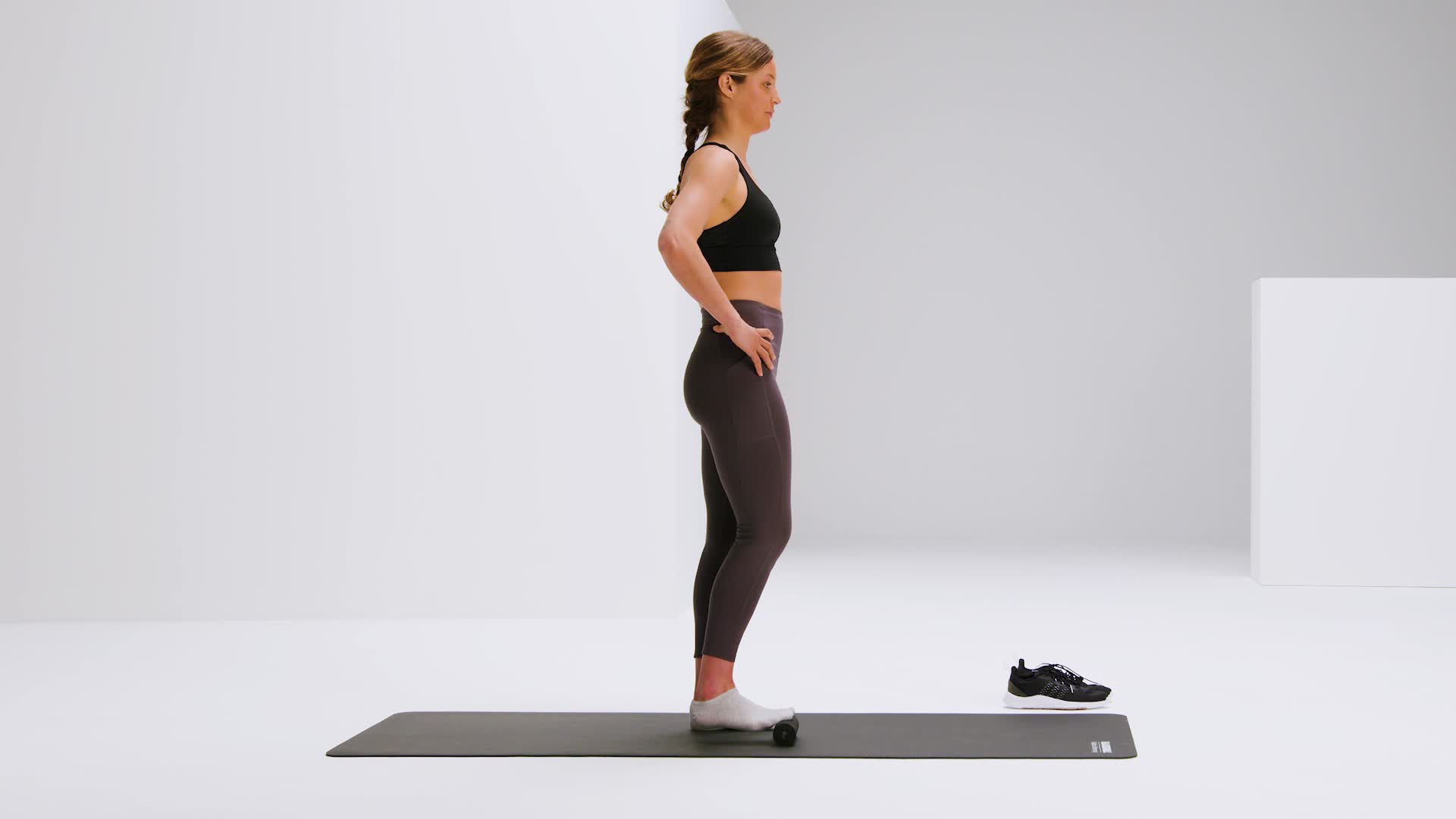
Heel Spur Massage Exercise: Relieves Tension in the Soles of the Feet
While standing, place the center of the sole of your foot on the MINI and let your toes hang loosely downward. Shift your body weight through your foot onto the MINI fascia roller.
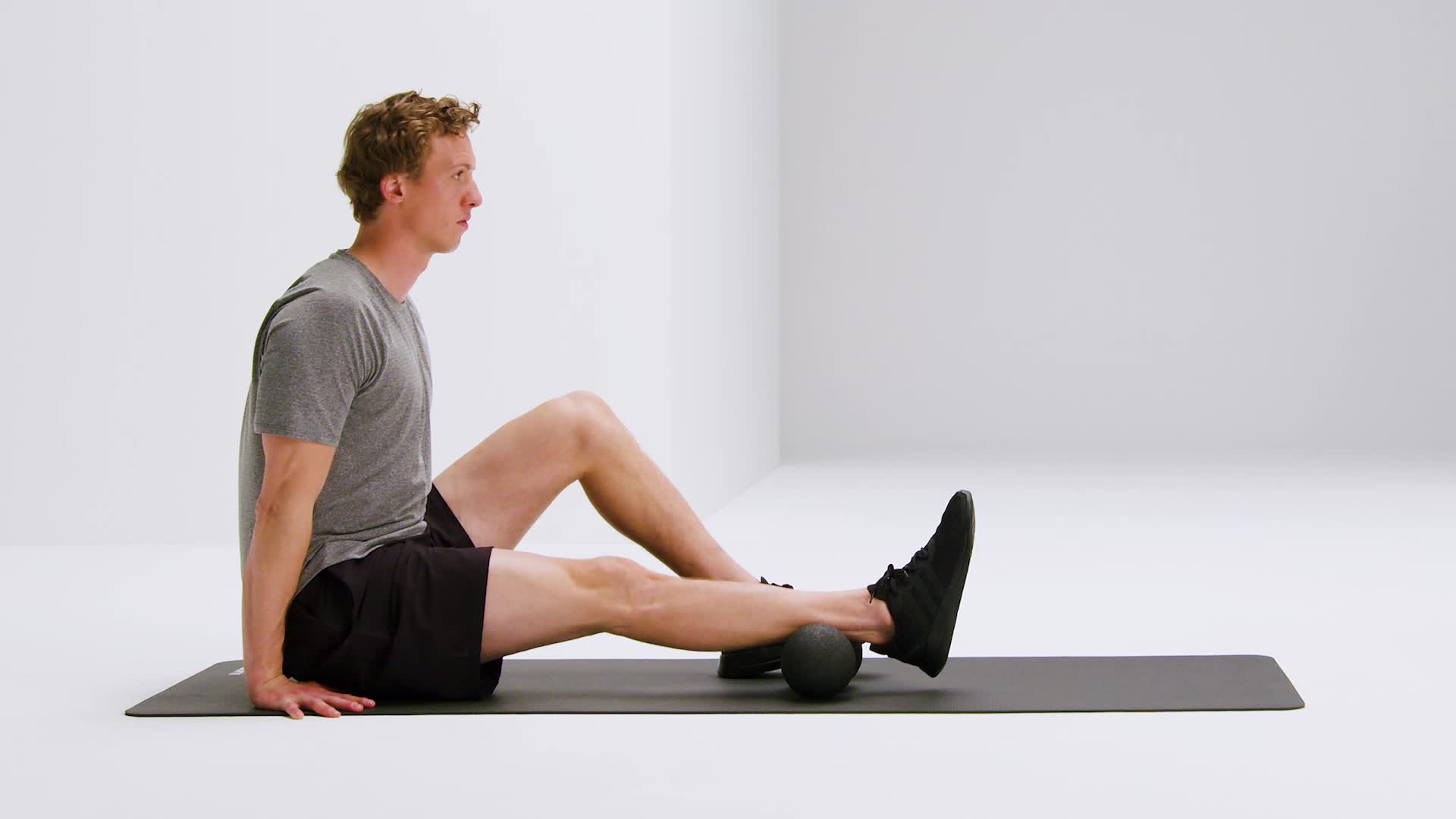
Heel Spur Massage Exercise: Relaxes Tense Calf Muscles
Sit on the floor with your legs extended. Stand on one leg and place the other on the DUOBALL. Depending on your calf circumference, either the smaller 08 or the larger 12 DUOBALL is better suited to support your heel spur treatment.
Targeting Deep Tension Points for Heel Spurs
After myofascial self-massage, work on your deep fascial adhesions with the TRIGGER. Using acupressure techniques allows you to target deep-seated tension in specific areas. If you have a lower heel spur, work on the sole of your foot. If the heel spur is on the back of your heel, target your calf muscles. We’ll show you two variations to complement your heel spur therapy.
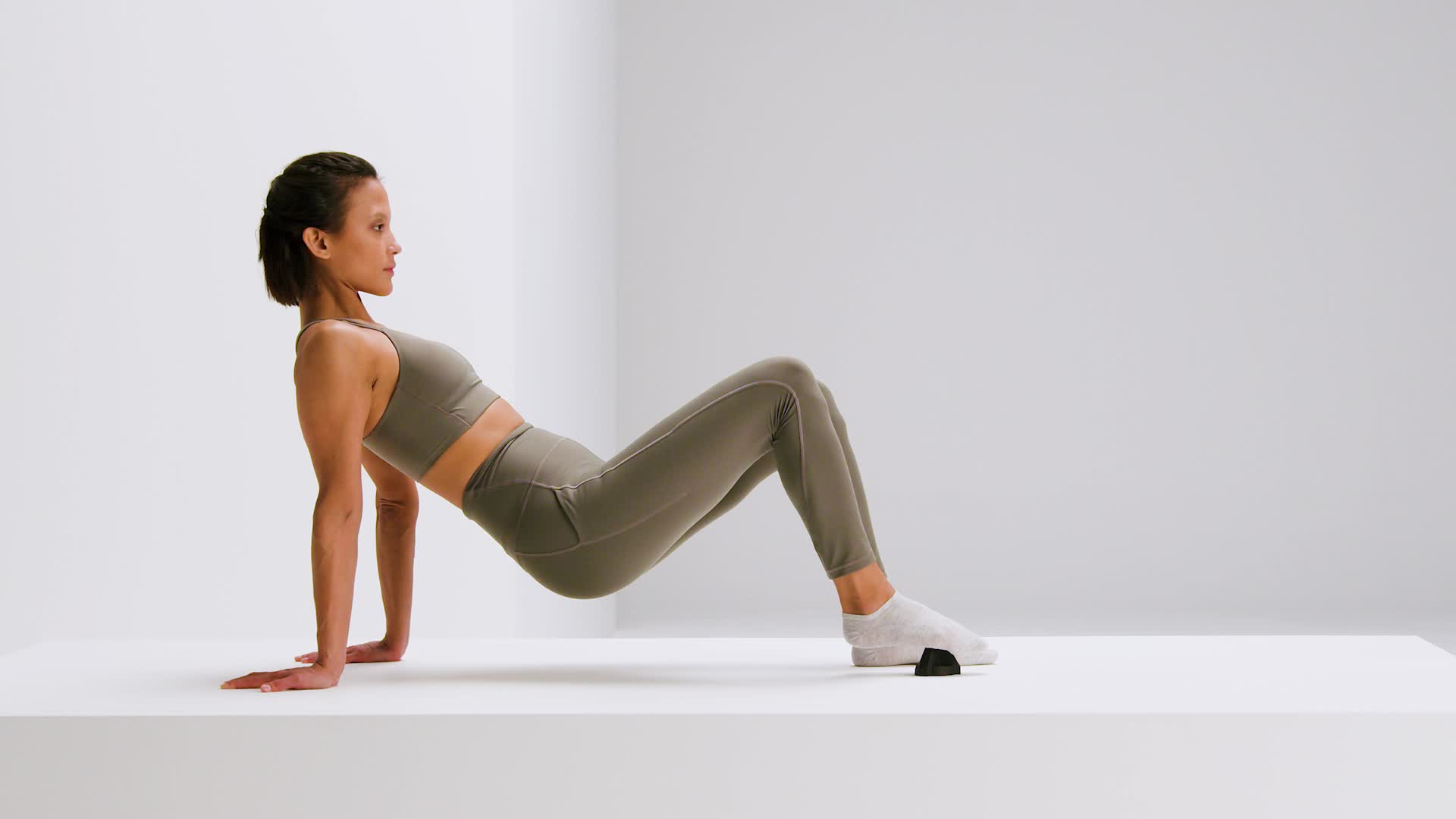
Heel Spur Trigger Exercise: For Deep Tension in the Sole of the Foot
Sit on a chair, place the TRIGGER on the floor, and rest your foot on it. Maintain light pressure. This will trigger the painful area.
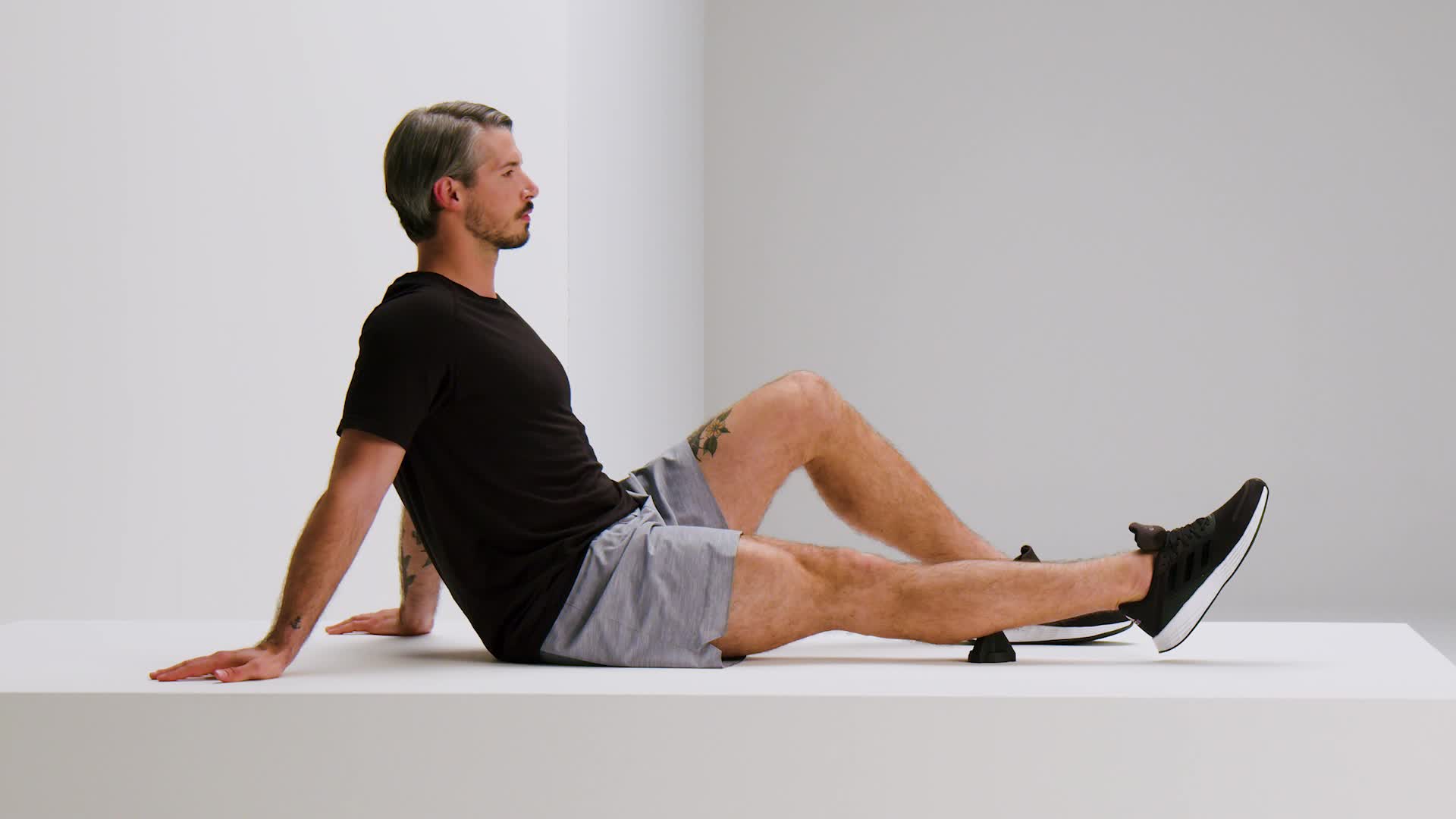
Heel Spur Trigger Exercise: For Deep Calf Tension
Start in a cross-legged sitting position, place the TRIGGER on the floor, and rest your calf on it. Find the spot where the pain is most intense.
Mobilization & Stretching Exercises for Heel Spurs
Targeted stretching exercises help reduce muscle tension. Often, a lack of mobility in the sacroiliac joint (SI joint) leads to a heel spur. This causes blockages and increased tension in the calf and plantar fascia. The result: inflammation. Therefore, in addition to improving the mobility of your ankle joint, mobilize your sacroiliac joint (SI joint).
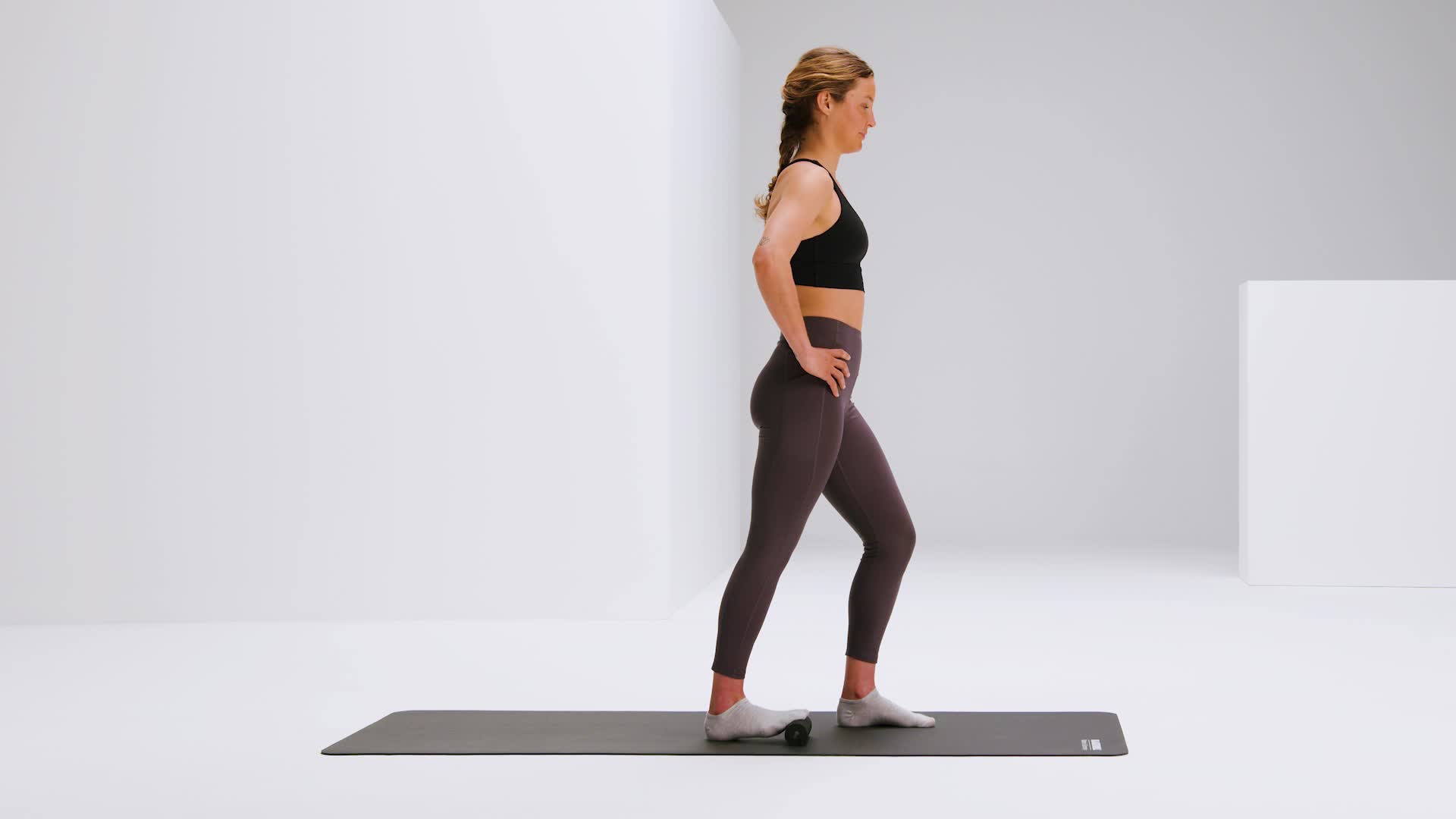
Heel Spur Stretching Exercises: Help Improve Mobility in the Ankle Joints and Midfoot
Start in an upright standing position and place the ball of your foot on the MINI. Bend your knee and lean your body forward to increase the stretch in your calf muscles and the sole of your foot.
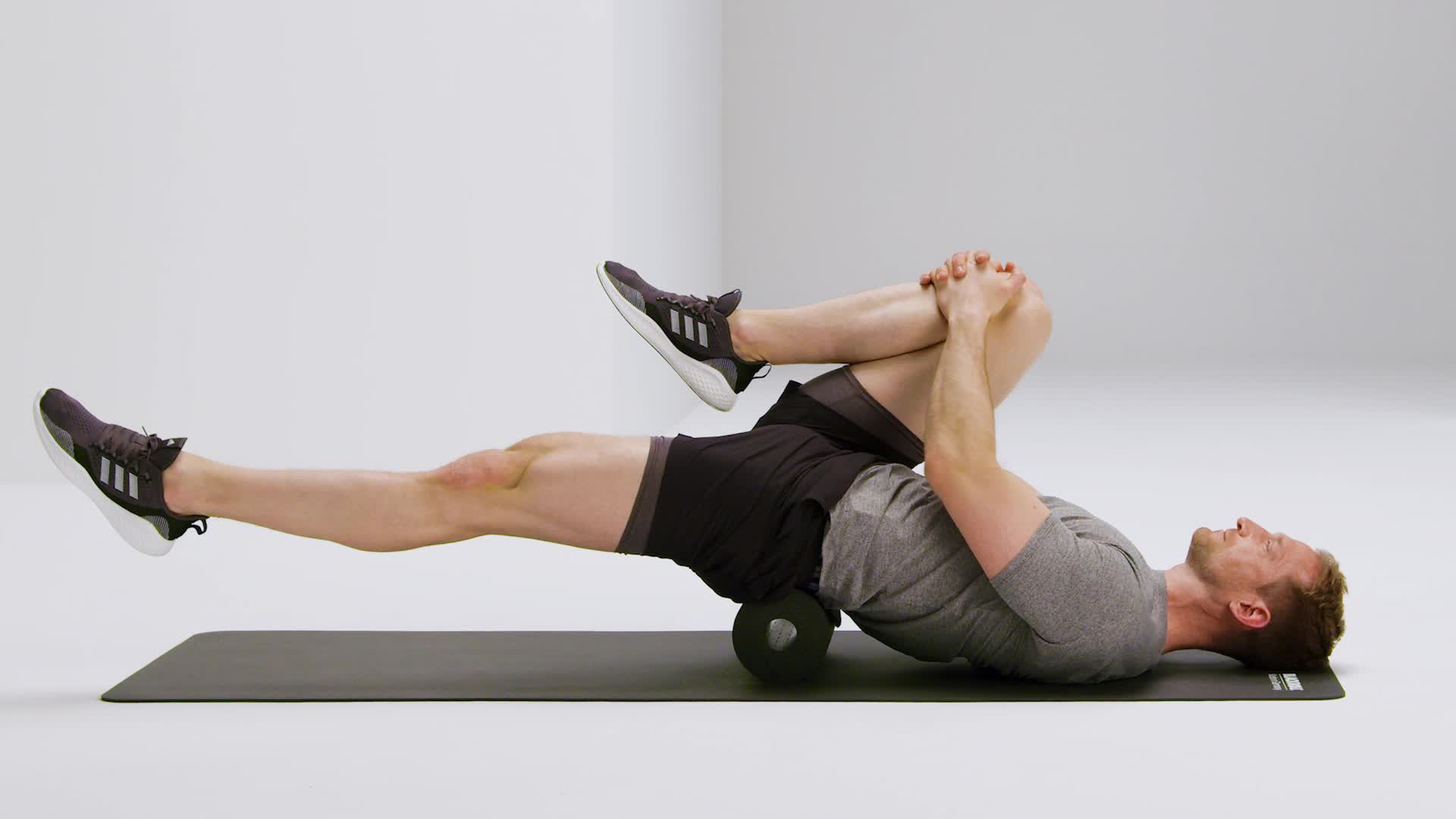
Heel Spur Stretching Exercises: Helps Improve Mobility of the Sacroiliac Joint
Place the BLACKROLL® on the floor and lie down with your lower sacrum on it. Use your hands to pull one leg toward your chest. Keep the other leg straight. Gently rock the straight leg up and down.
Activation and Strengthening Exercises for Heel Spurs
Supplement your heel spur treatment with activation exercises. Light jumping movements strengthen the foot and calf muscles. Our goal: to stimulate the regeneration of connective tissue through the impact.
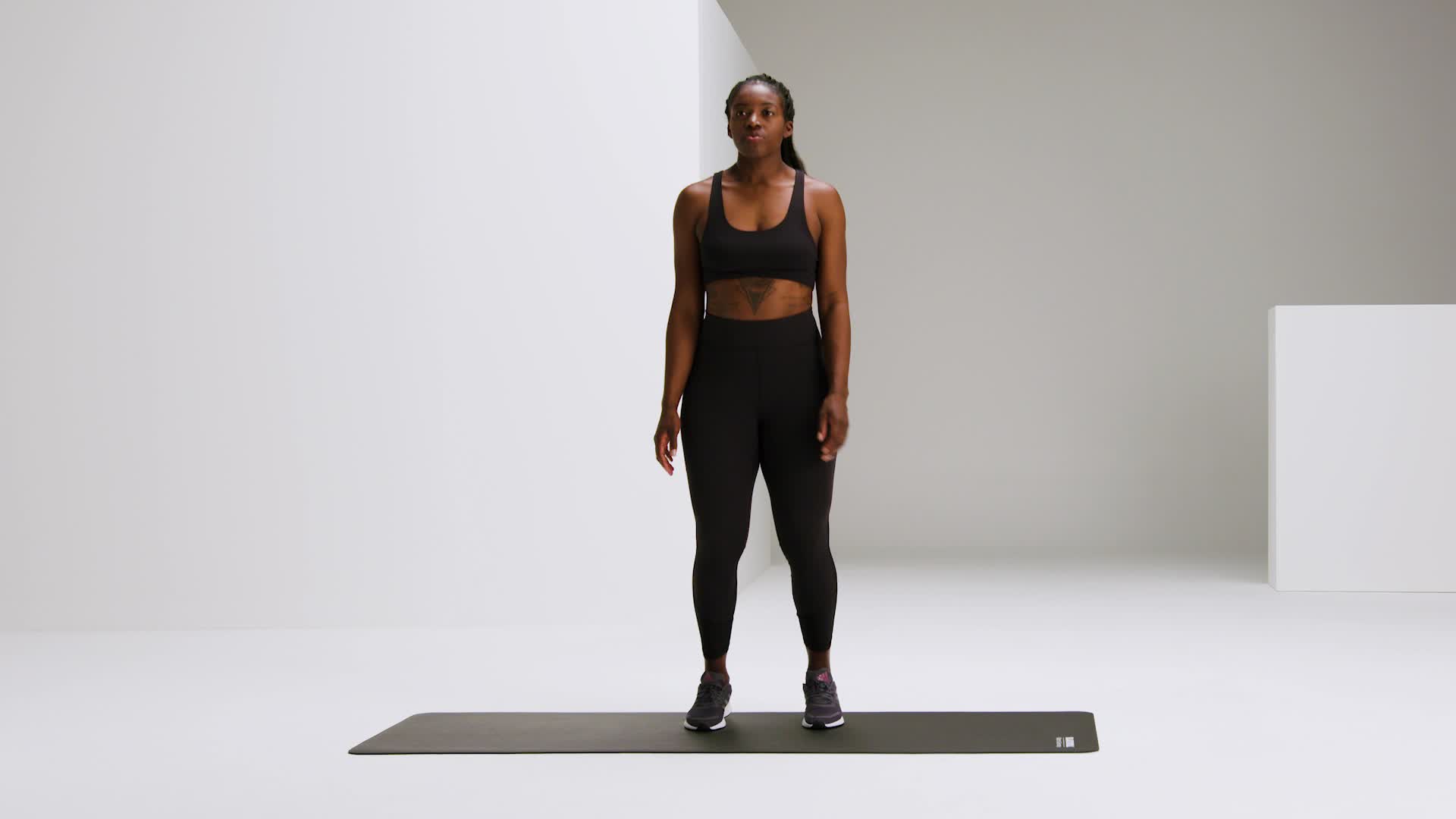
Heel Spur Activation Exercise: Strengthens Calves and Feet
Stand upright with your feet hip-width apart. Keep your knees slightly bent. Perform small jumping movements in place.
0

Heel Pain with Every Step
“You step down on your foot and it feels like you’re stepping on a thumbtack.”


