Hip Pain: 8 Effective Exercises to Do at Home

To Help Prevent and Relieve Pain
Time
- 32 minutes
- 8 exercises
Myofascial Self-Massage for Hip Pain
Your first goal: to release tension and adhesions in the hip area. The best way to achieve this is through targeted massage for hip pain. Myofascial self-massage with BLACKROLL® products makes your muscle-fascia tissue more supple.
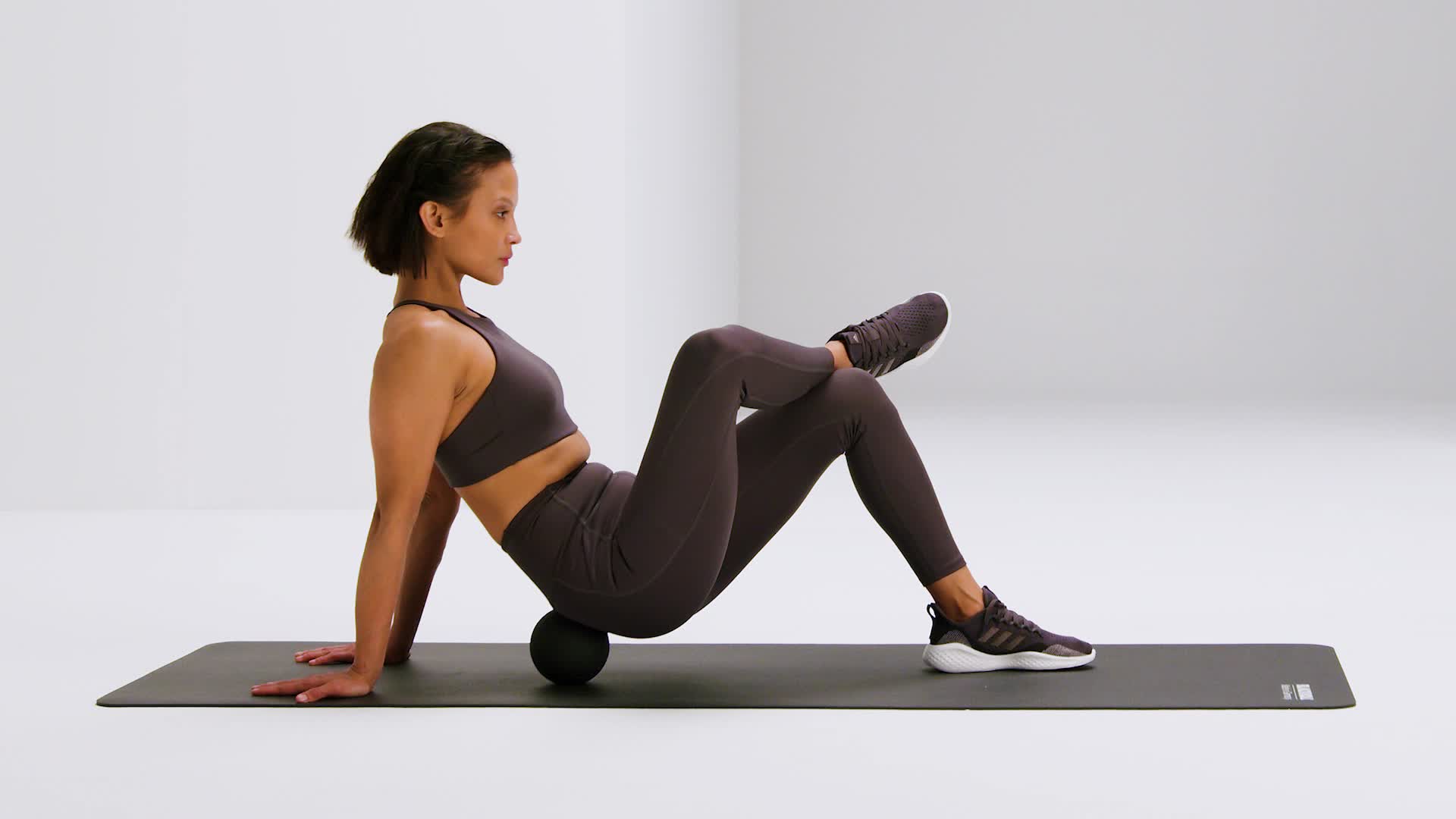
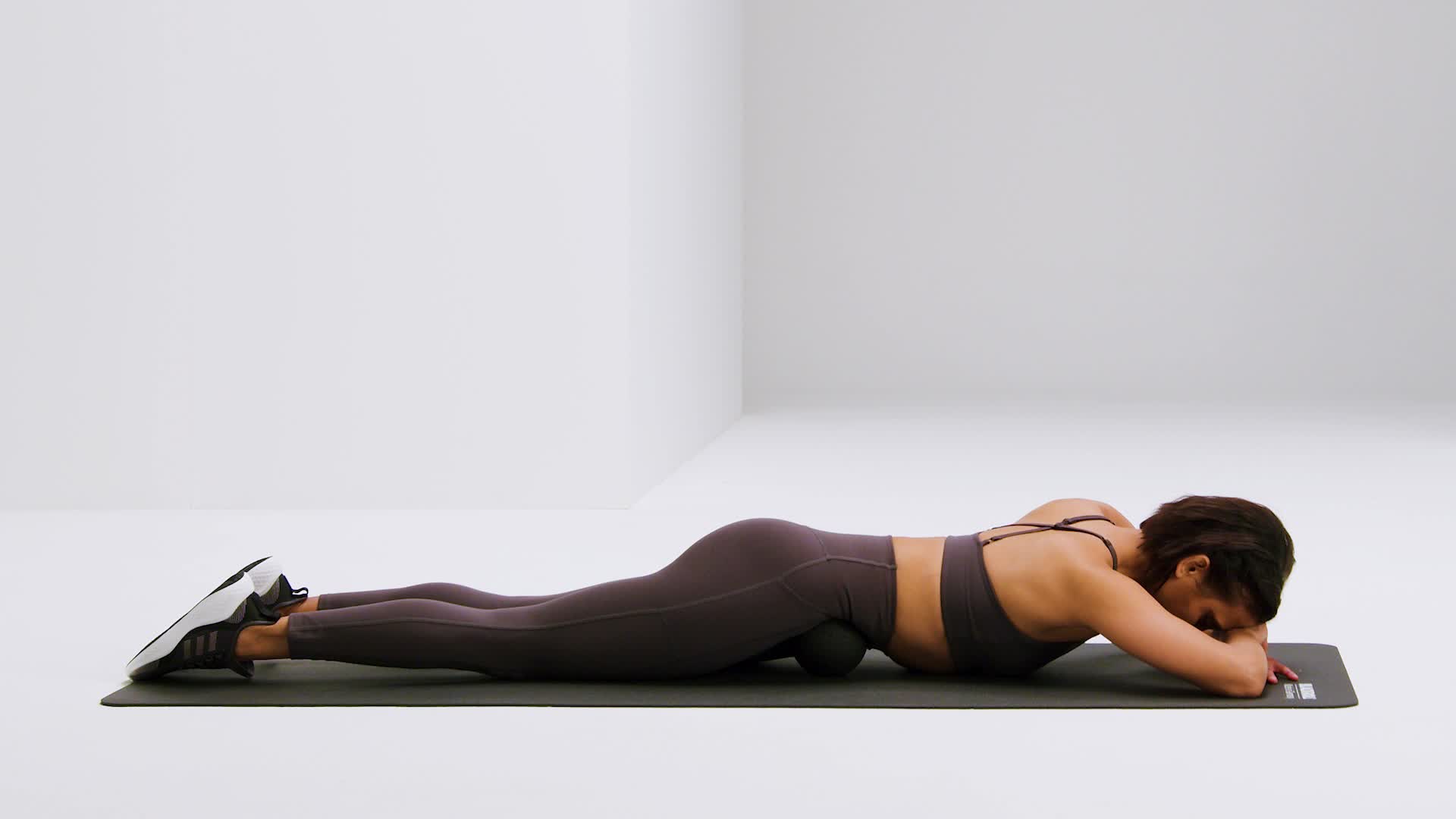
Massaging hip pain: relaxes tight hip flexor muscles
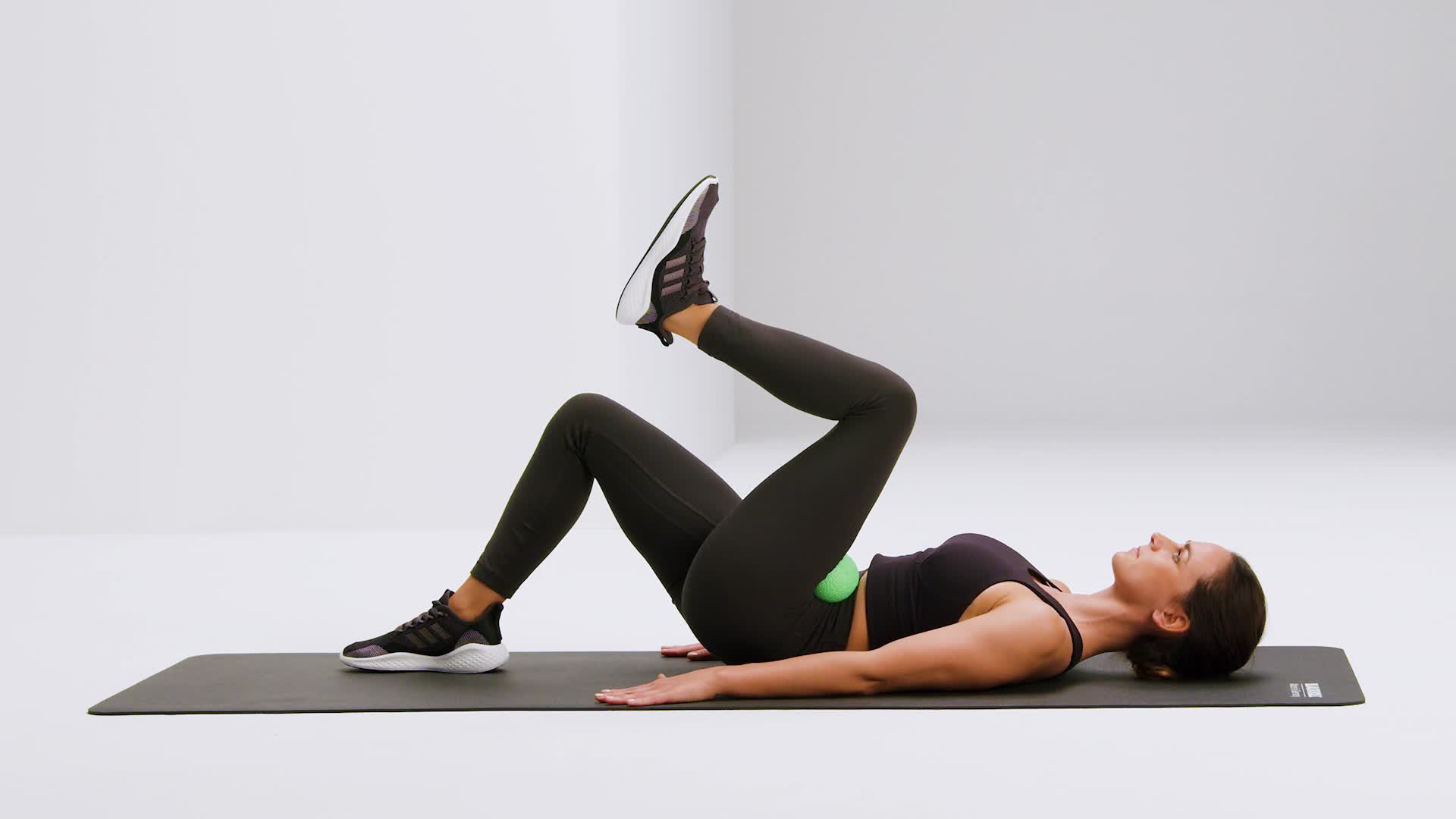
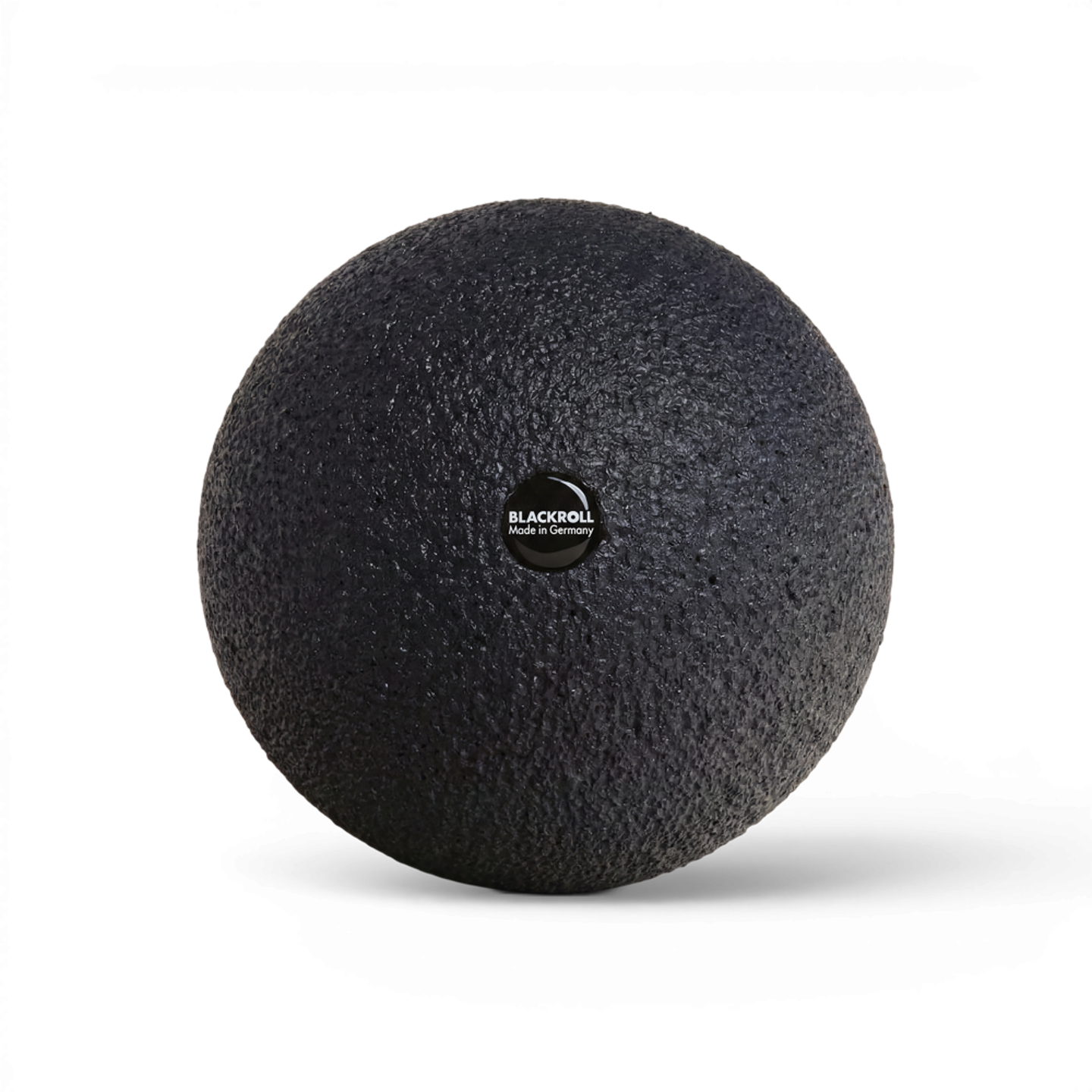
Lie on your stomach with your forearms propped up, your head resting loosely on the backs of your hands. Place the BALL 12 directly above your groin, between your rectus abdominis muscles and the lateral iliac crest.
Targeting Deep Tension Points for Hip Pain
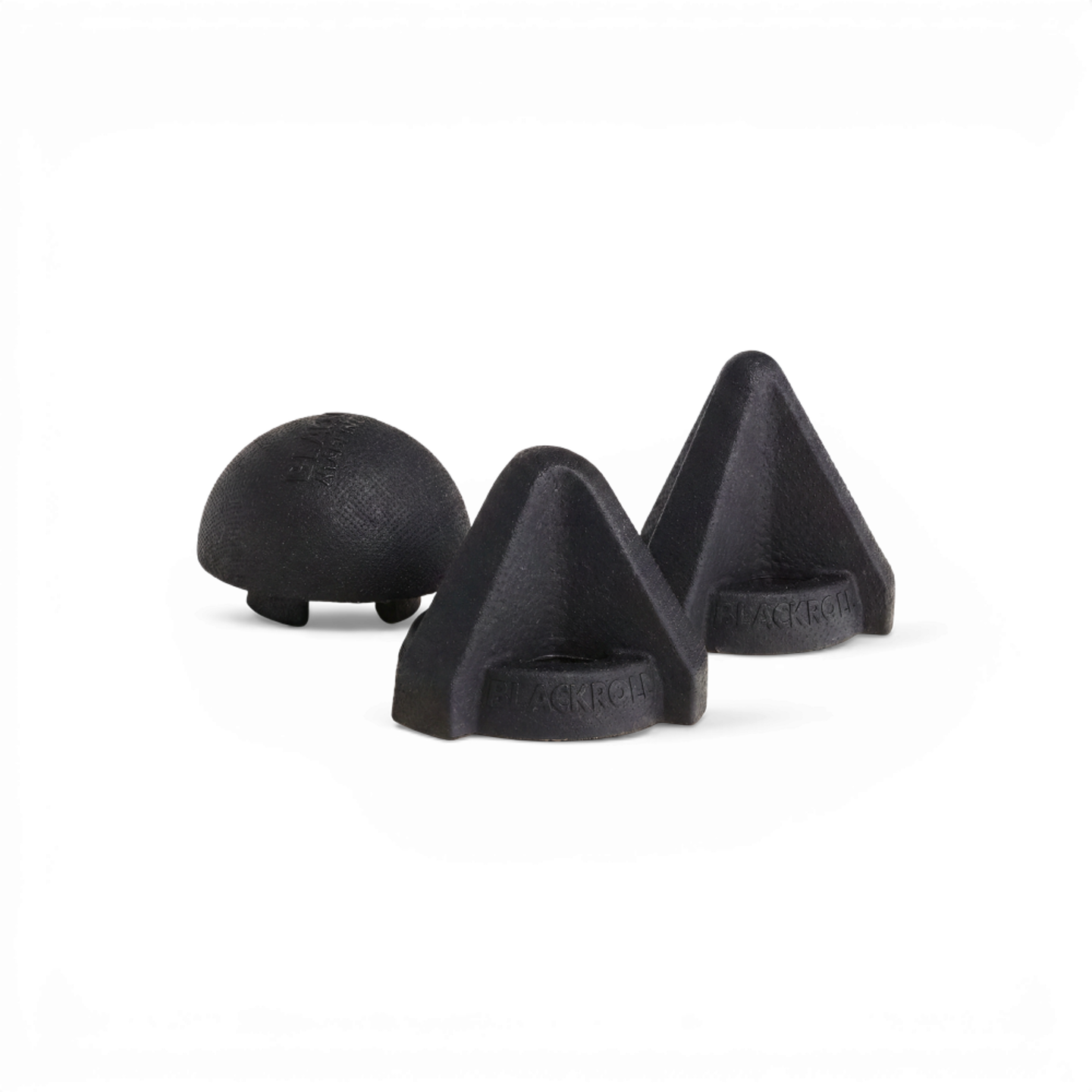
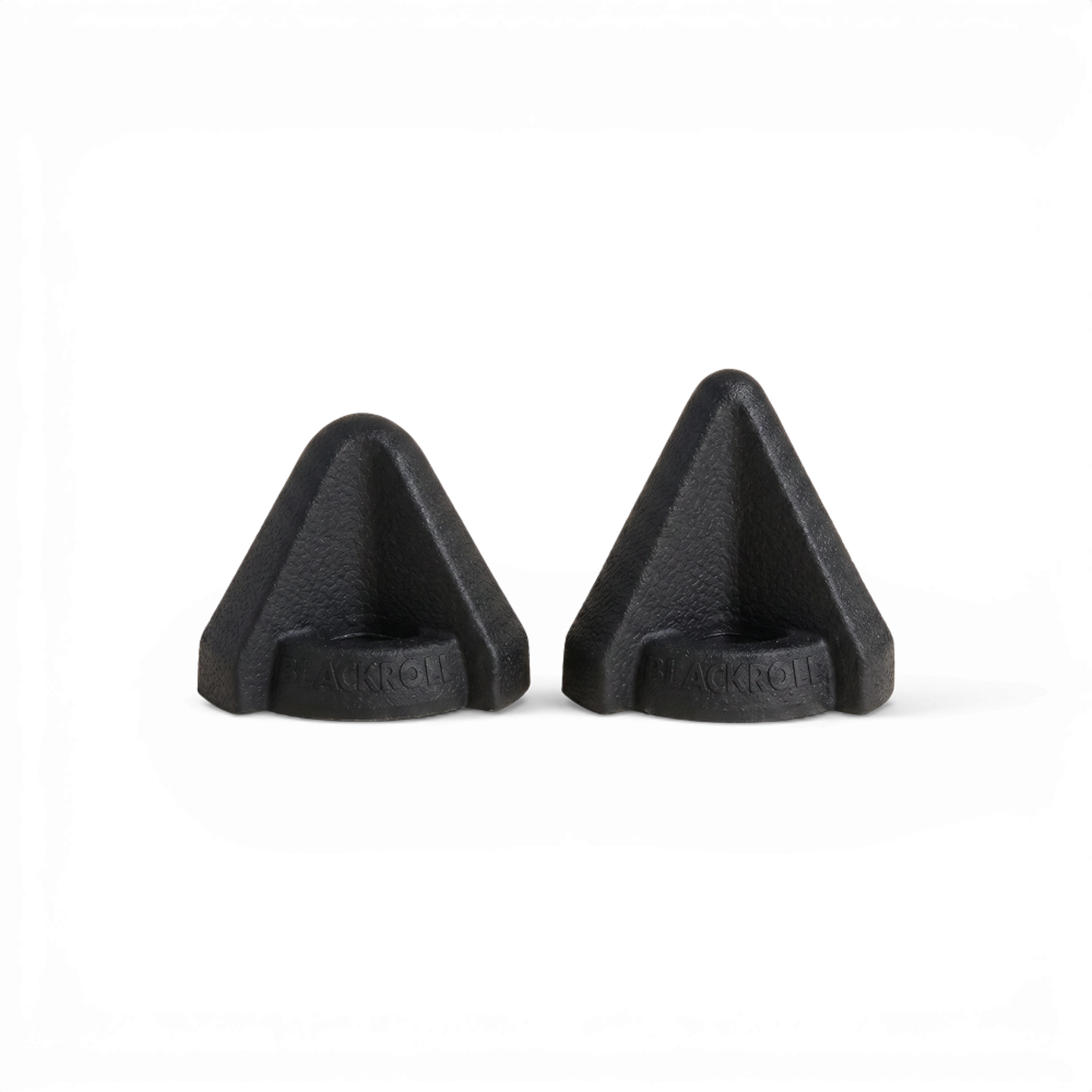
After the myofascial self-massage, target your deep fascial adhesions with the TRIGGER. By applying targeted pressure to your muscle, you can try to release deep-seated tension. Locate the spot where the pain is most intense.

Hip Pain Trigger Exercise: For a Tense Pelvis
Stand against a wall and position the TRIGGER on the painful area of your side pelvis. Hold this position and take deep breaths in and out until the pain subsides.
Mobilization and Stretching Exercise for Hip Pain
You can then address muscle tightness and imbalances with stretching and mobilization exercises. This will create more space in the hip joint.
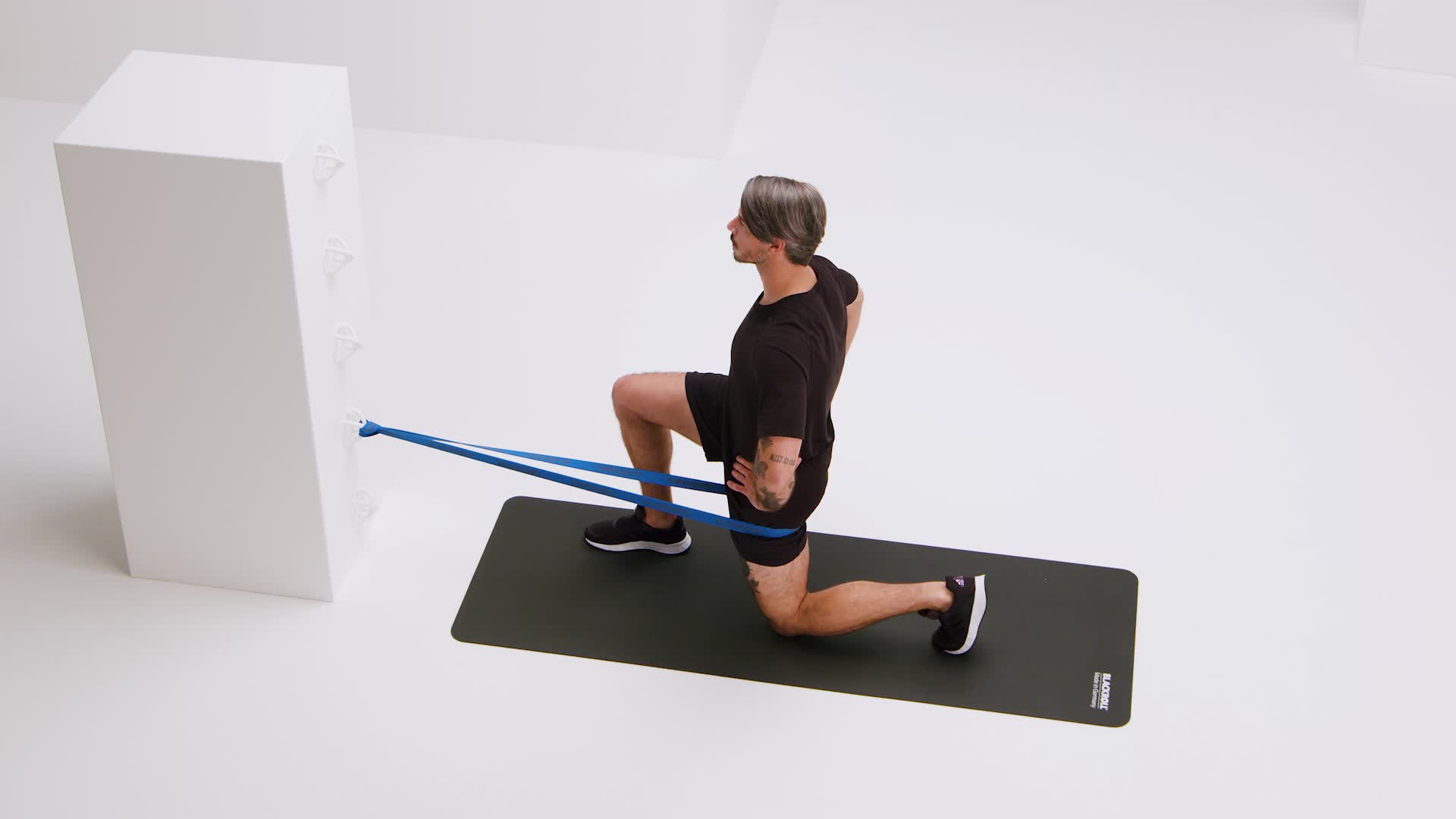
Hip Pain Stretching Exercise: Mobilizes Your Hip Flexor Muscles
Start in a one-legged kneeling position and place your knee directly under your hip. Wrap the SUPER BAND around your thigh from the front.
Hip Pain Stretching Exercise: Mobilizes Your Hips
Start on all fours and wrap the SUPER BAND around the inside of your thigh. Place the band as close to your hip as possible.
Activation and Strengthening Exercises to Stabilize the Hips
You’ve now loosened up and stretched your muscles—now it’s time to strengthen your hip muscles. Certain muscle groups tend to atrophy, especially in people who spend a lot of time sitting at a computer. With these hip-stabilizing exercises, you can activate underused muscles in the hip area.
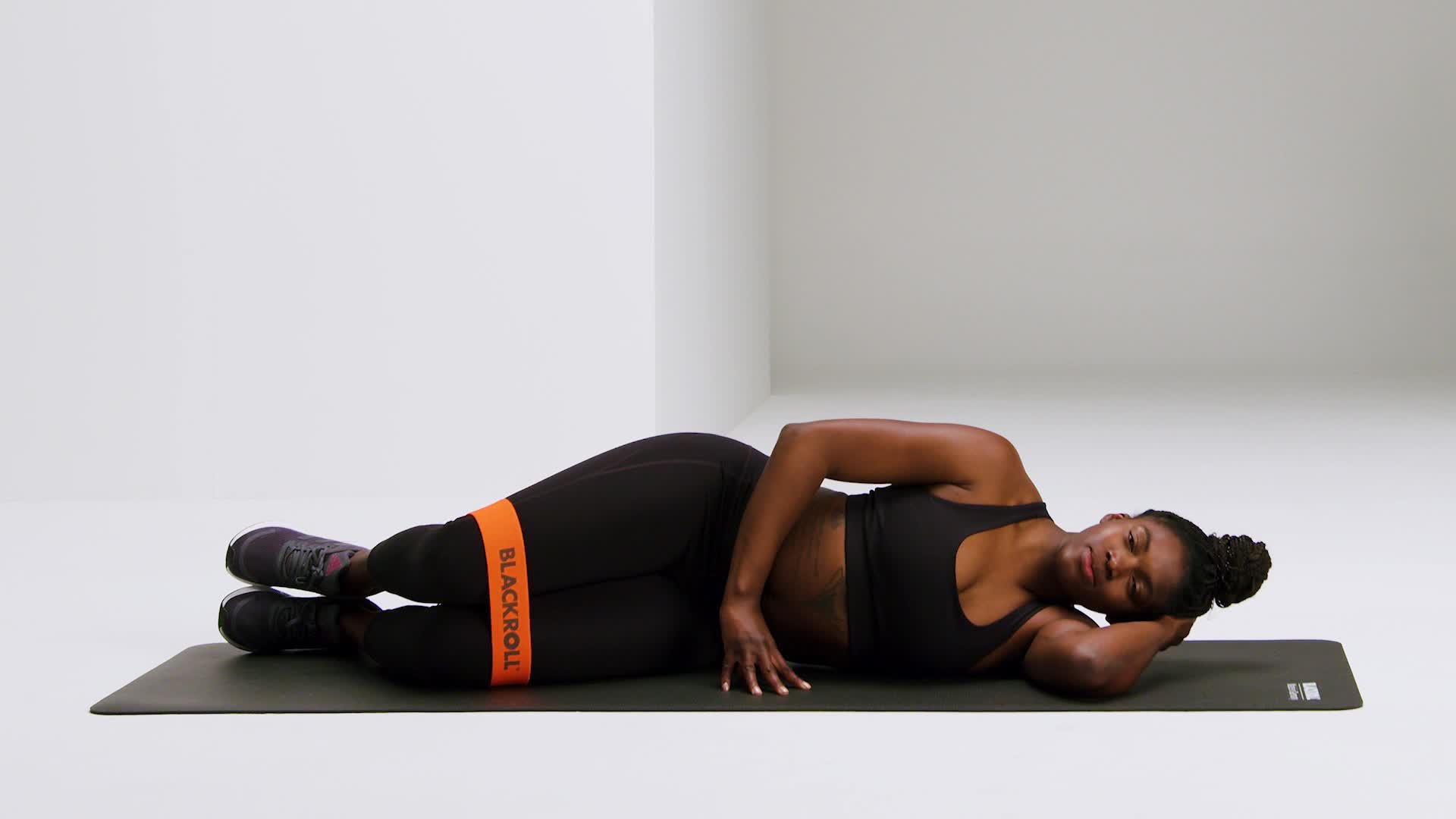
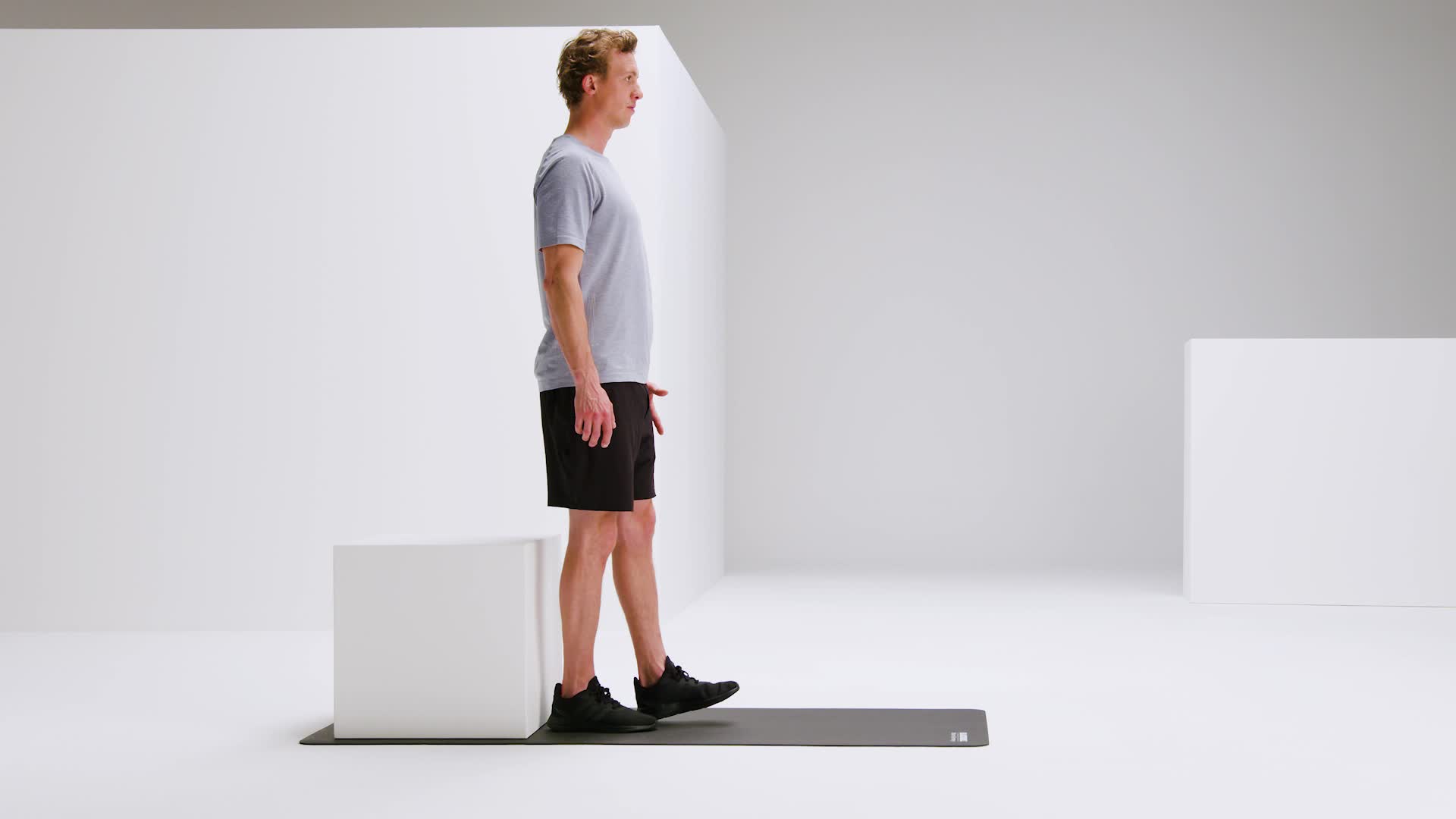
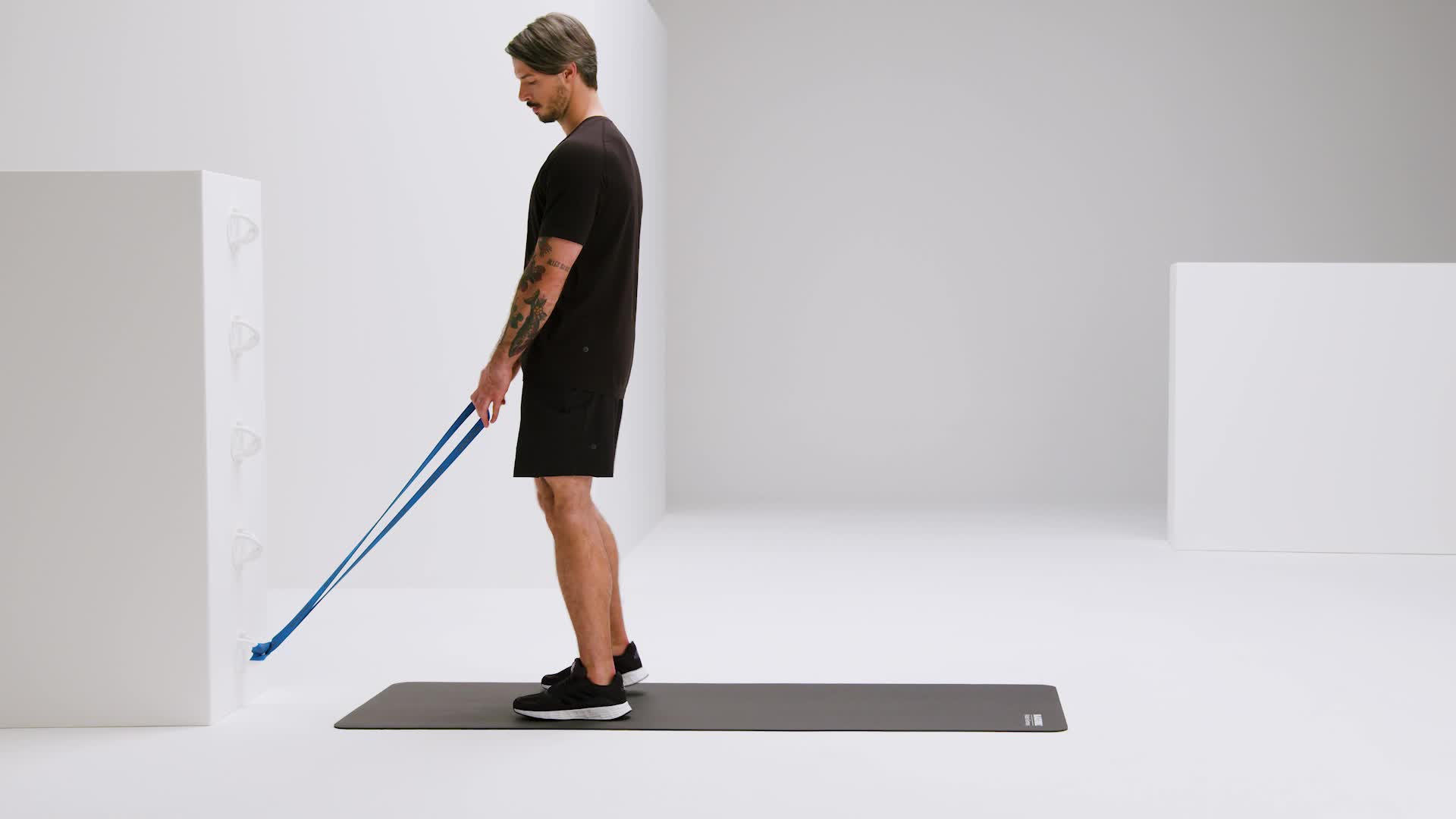
Hip Pain Exercise: Activates Gluteal and Thigh Muscles
Place a chair behind you that’s about shin- to knee-high, and stand upright with your feet shoulder-width apart in front of it. Shift your weight onto one leg and extend the other leg out in front of you.
0
Hip Pain After Jogging
Many runners are familiar with this problem: After jogging, hip pain suddenly sets in—an unpleasant pulling or stabbing sensation in the hip area, often accompanied by discomfort in the thighs or on the outer side of the buttocks. Such pain is not uncommon, especially among athletes who train regularly or intensively. But what causes it?
In many cases, it is due to overuse of the structures surrounding the hip joint—including muscles, tendons, ligaments, and bursae. Causes can include one-sided stress, muscular imbalances, limited mobility, or poor running form. These factors lead to irritation, inflammation, or—in the worst-case scenario—structural damage. Runners with poor pelvic stability (e.g., a weak gluteus medius) or tight hip flexors (e.g., iliopsoas) are particularly at risk. Structural causes such as femoro-acetabular impingement (FAI) or bursitis of the greater trochanter (trochanteric bursitis) are also possible. The pain often occurs on one side and can radiate down the leg or into the knee.
Early and accurate medical or physical therapy diagnosis is essential to rule out serious conditions (e.g., labral tears or osteoarthritis). In many cases, symptoms can be effectively managed through targeted movement and load management: individually tailored stretching exercises, myofascial self-treatment, mobilization techniques, and the development of stable core and hip muscles are key components. Optimizing running technique is also particularly important to prevent long-term overuse.
As a general rule: Symptoms should not be ignored. Early, measured rest, adapted training, and targeted exercises for mobilization, stabilization, and strengthening of the hip contribute significantly to recovery. In more severe cases, a medical evaluation and, if necessary, multimodal therapy (a combination of physical therapy, exercise therapy, and, if needed, medical supervision) are advisable to prevent chronic symptoms or permanent damage.
More interesting articles





Hip pain?
Find out here how hip pain develops and what you can do about it.

Ball 12
Available in multiple variants


Loop Band
Available in multiple variants


Super Band
Available in multiple variants