Get Rid of Runner's Knee: 8 Exercises for ITBS

Is pain your constant companion when you run? It doesn’t have to be. We’ll show you eight helpful exercises for runner’s knee.
Time
- 28 minutes
- 8 exercises
Tackle your pain head-on
We’re here to help. Get your products, including premium online training.
Myofascial Self-Massage for Runner’s Knee
Myofascial self-massage can help you release adhesions and tension on the outer side of your leg. Restrictions in the hip area cause the force generated while running to be transferred to the knee. In addition to the thigh muscles, the exercises should therefore focus on releasing the structures in the hip area.
Runner’s Knee Massage: Relaxes the Outer Thigh
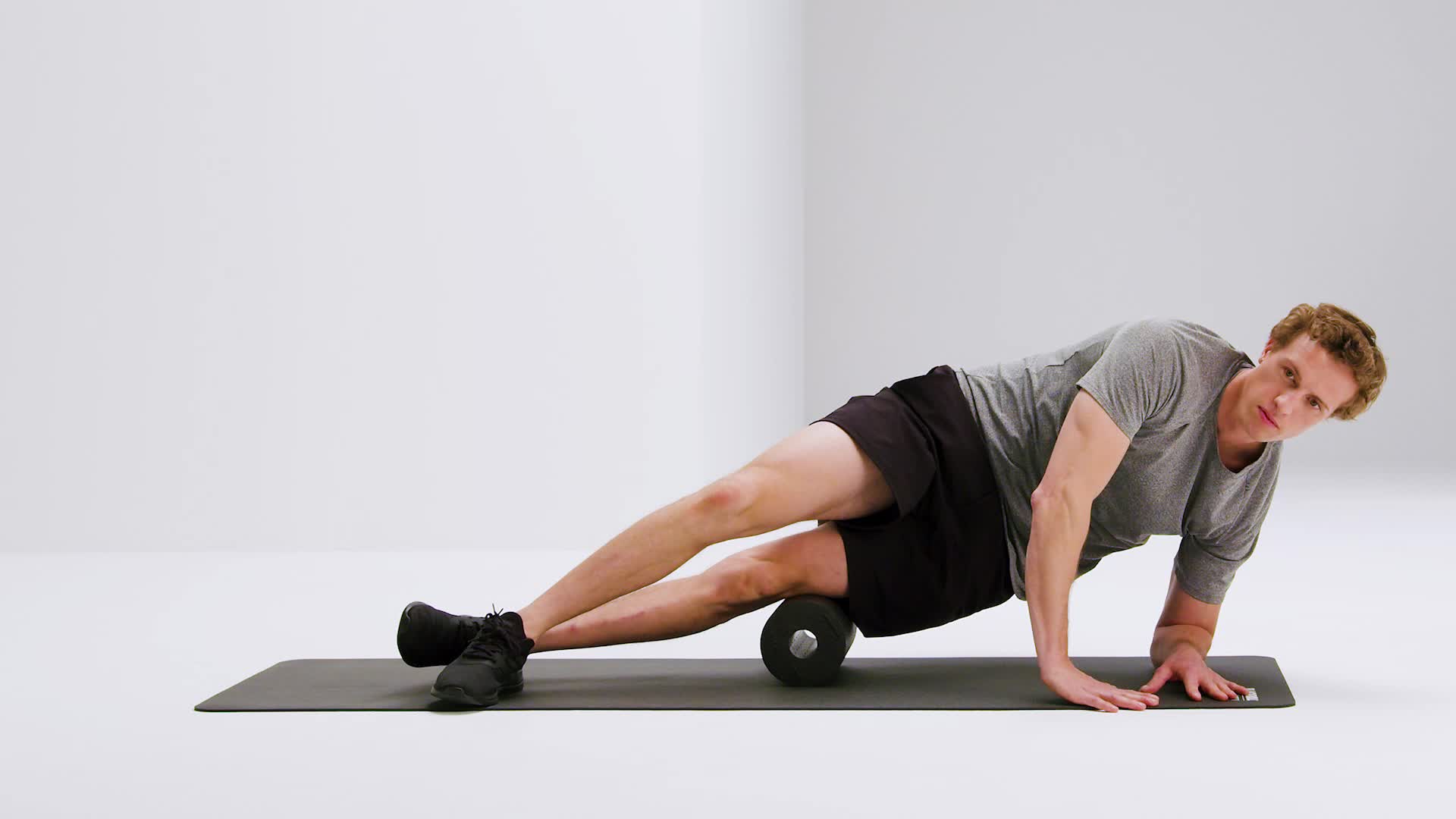
Lie on your side in a forearm-support position with the outer thigh resting on the BLACKROLL® so that it is centered on your thigh.
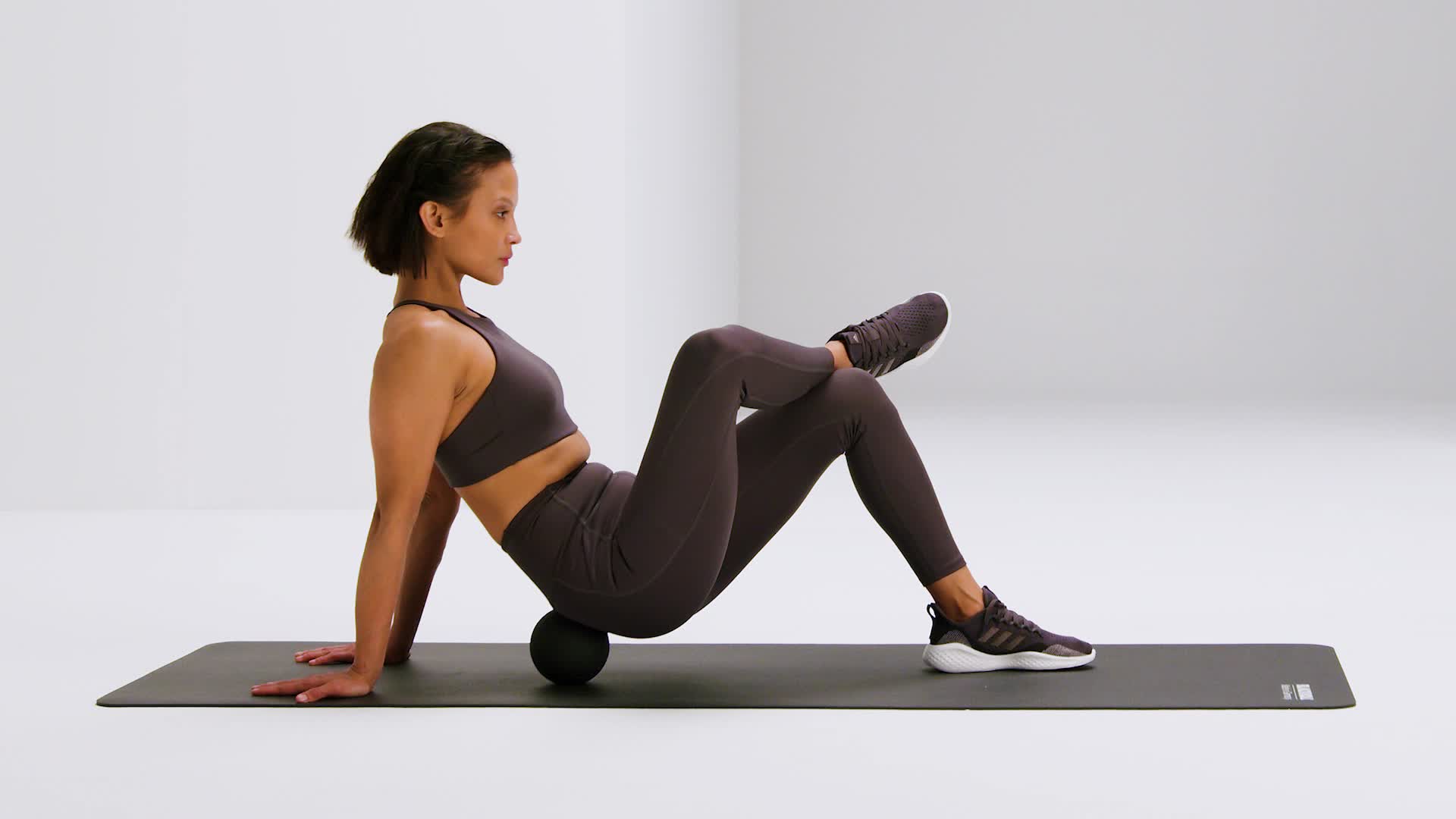
Runner’s Knee Massage: Relaxes Tight Gluteal Muscles
Place the BLACKROLL® BALL 12 on the floor and sit on it with one buttock. Rest the leg on the side you’re treating on the thigh of the other leg.
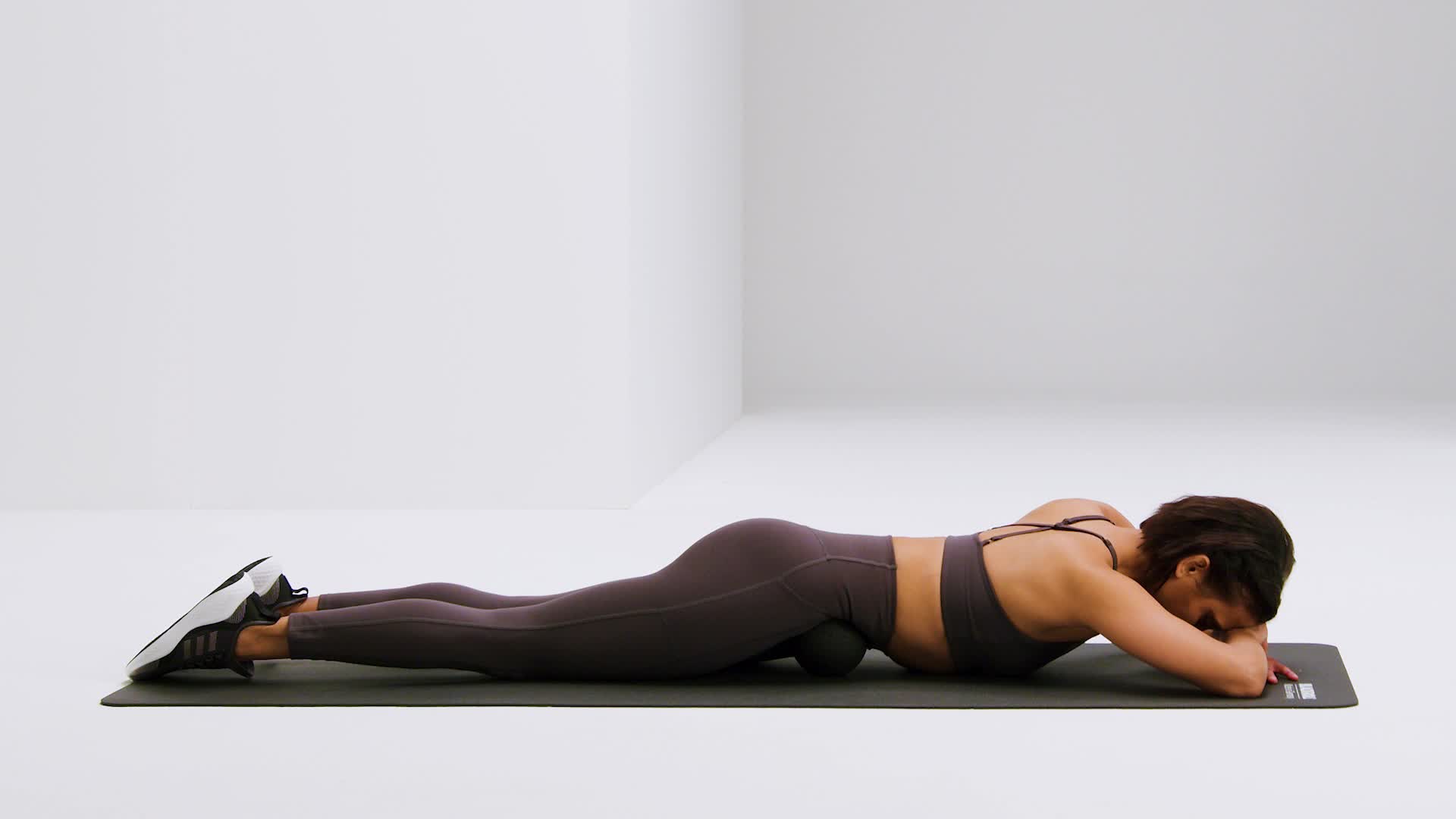
Runner’s Knee Massage: Relaxes Tense Hip Flexor Muscles
Lie on your stomach with your forearms propped up, your head resting loosely on the backs of your hands. Place the BALL 12 directly above your groin, between your rectus abdominis muscles and the lateral iliac crest.
Triggering Deep Tension Points for Runner’s Knee
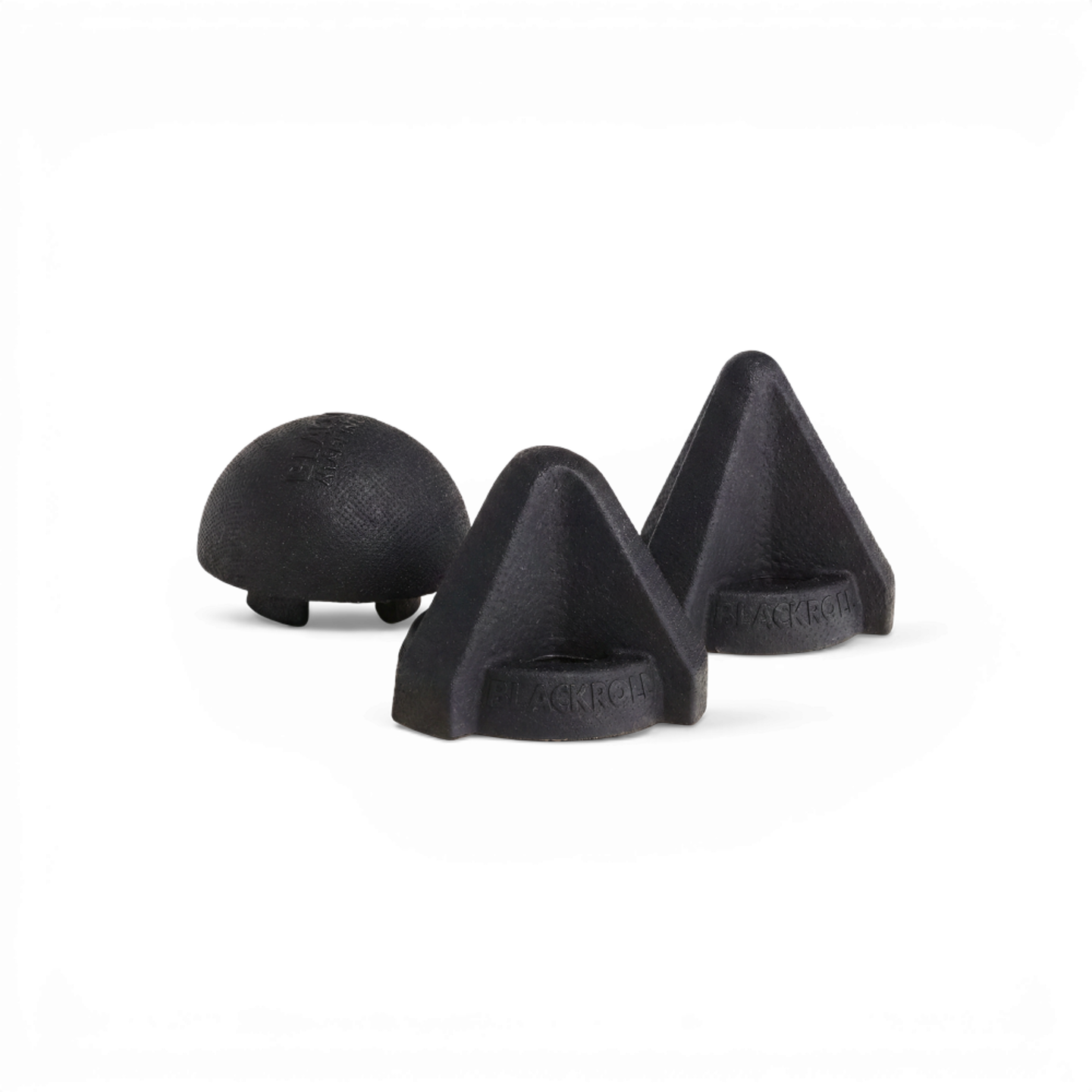
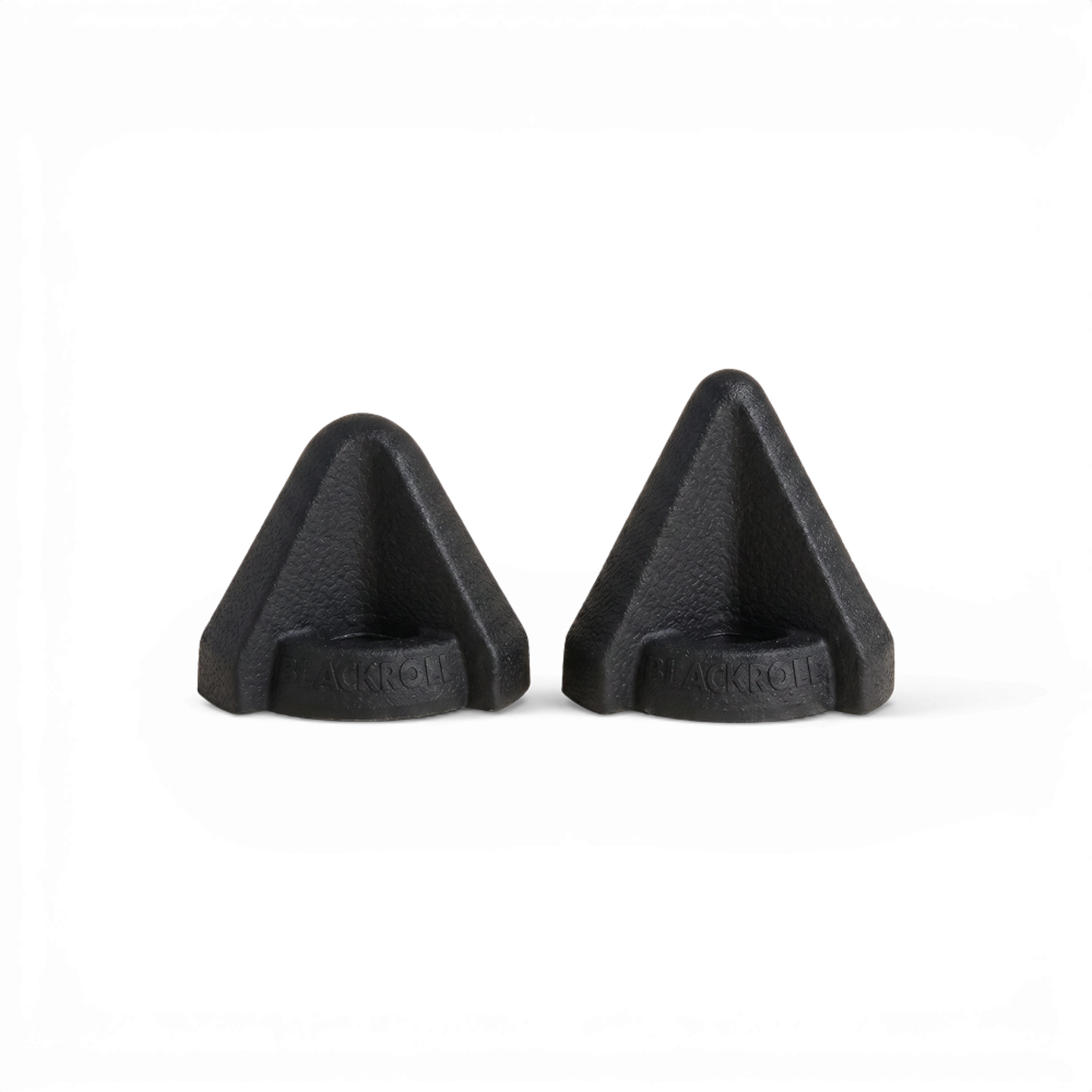
After myofascial self-massage, use the TRIGGER to target deep fascial adhesions. Applying targeted pressure to your muscle can release deep-seated tension. During each exercise, locate the spot that hurts the most.
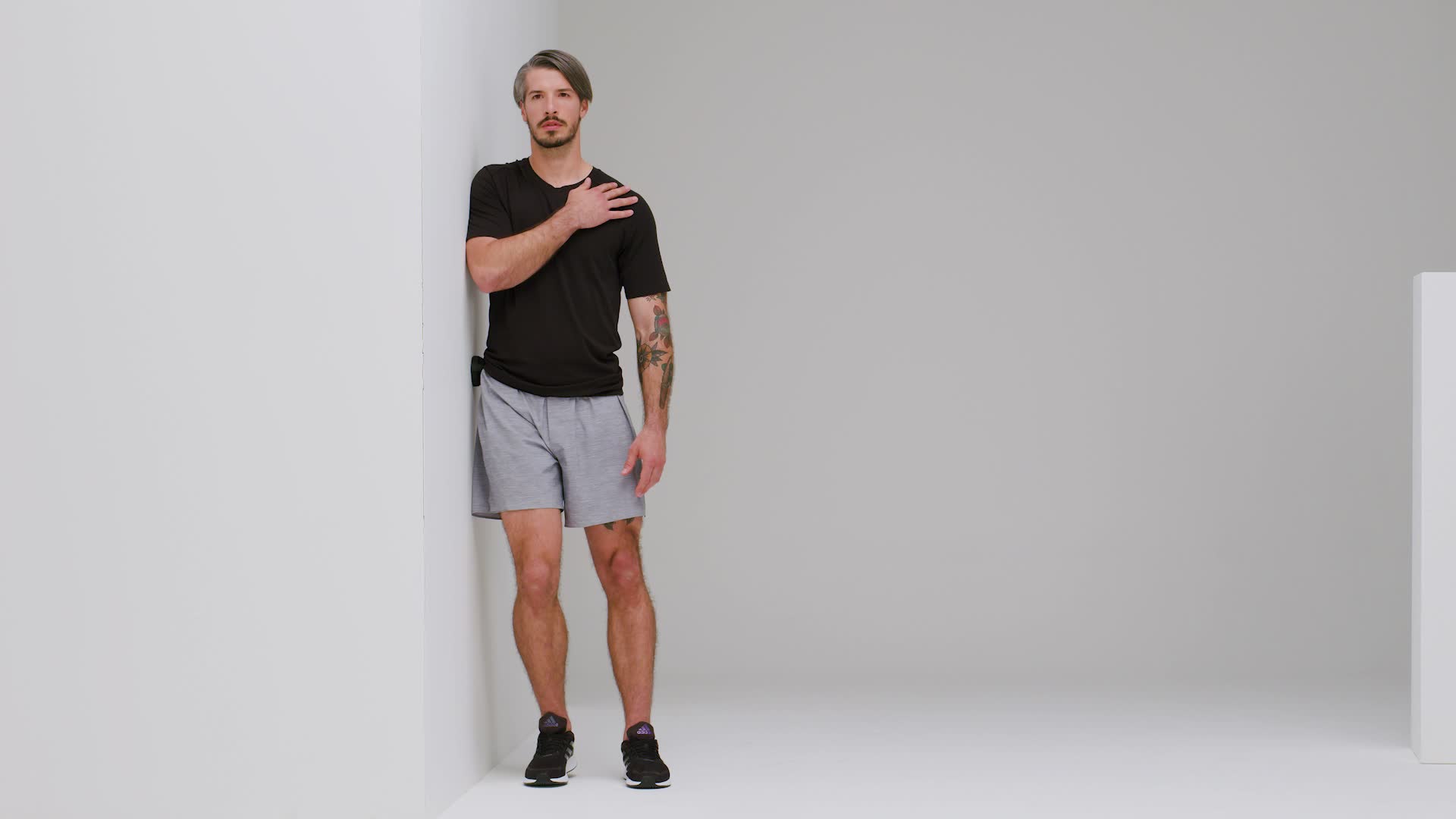
Runner’s Knee Trigger Exercise: For Tension in the Lateral Pelvis
Stand against a wall and position the side of your pelvis where you feel the pain point against the TRIGGER.
Mobilization and Stretching Exercises for Runner’s Knee
Have you loosened up your tissues? Very good. Now you’ll work on addressing muscle shortening and imbalances to improve mobility—using targeted stretching and mobilization exercises. This mobilizes the connective tissue, relieves pressure on the joints, and increases blood flow to the affected area. Your entire tissue becomes more supple and resilient.
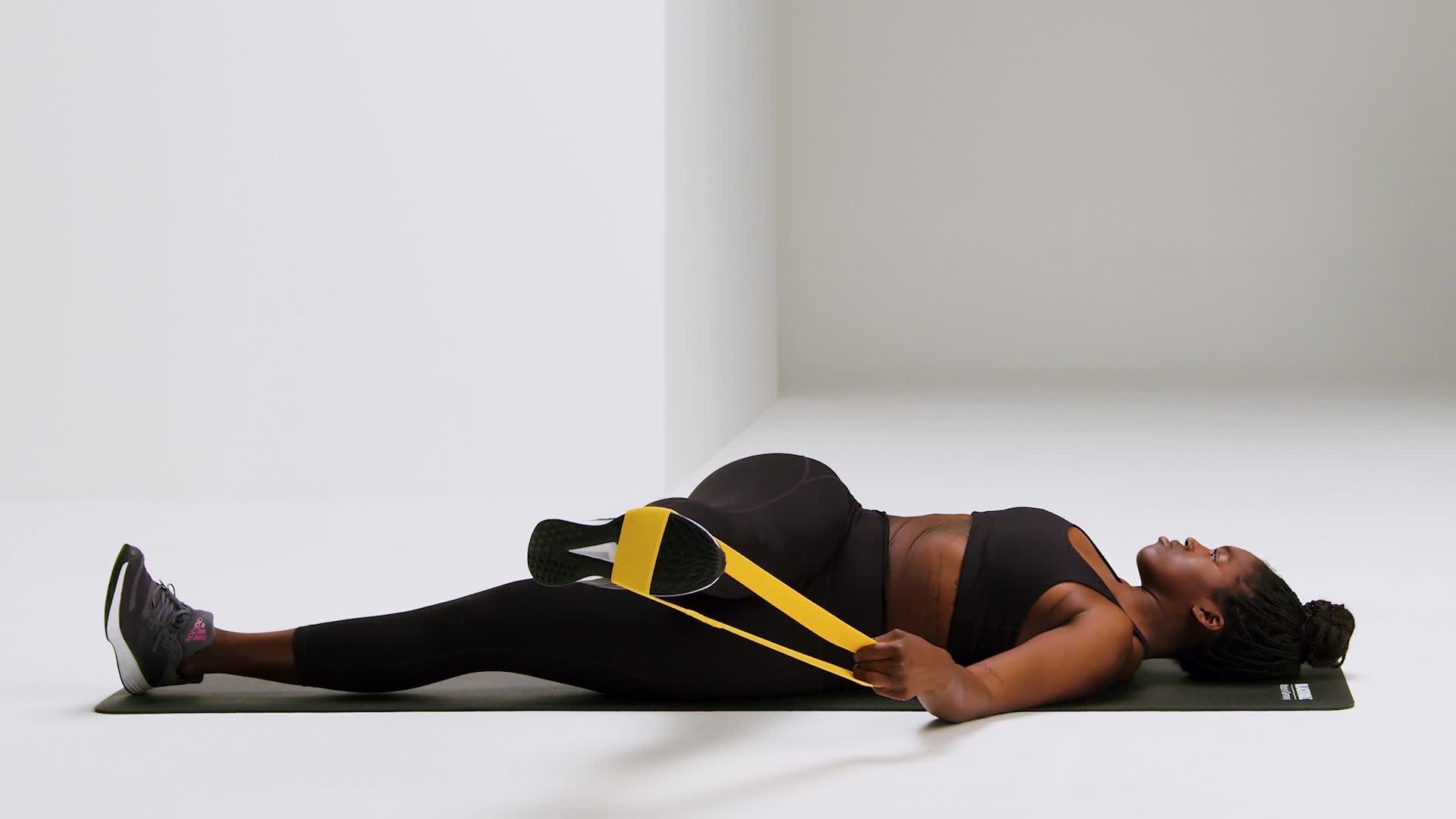
Runner’s Knee Stretching Exercise: Stretches Your IT Band
Start in an upright seated position and wrap the SUPER BAND around your foot. Grasp the band with both hands. Slowly lie on your back and place both legs on the floor.
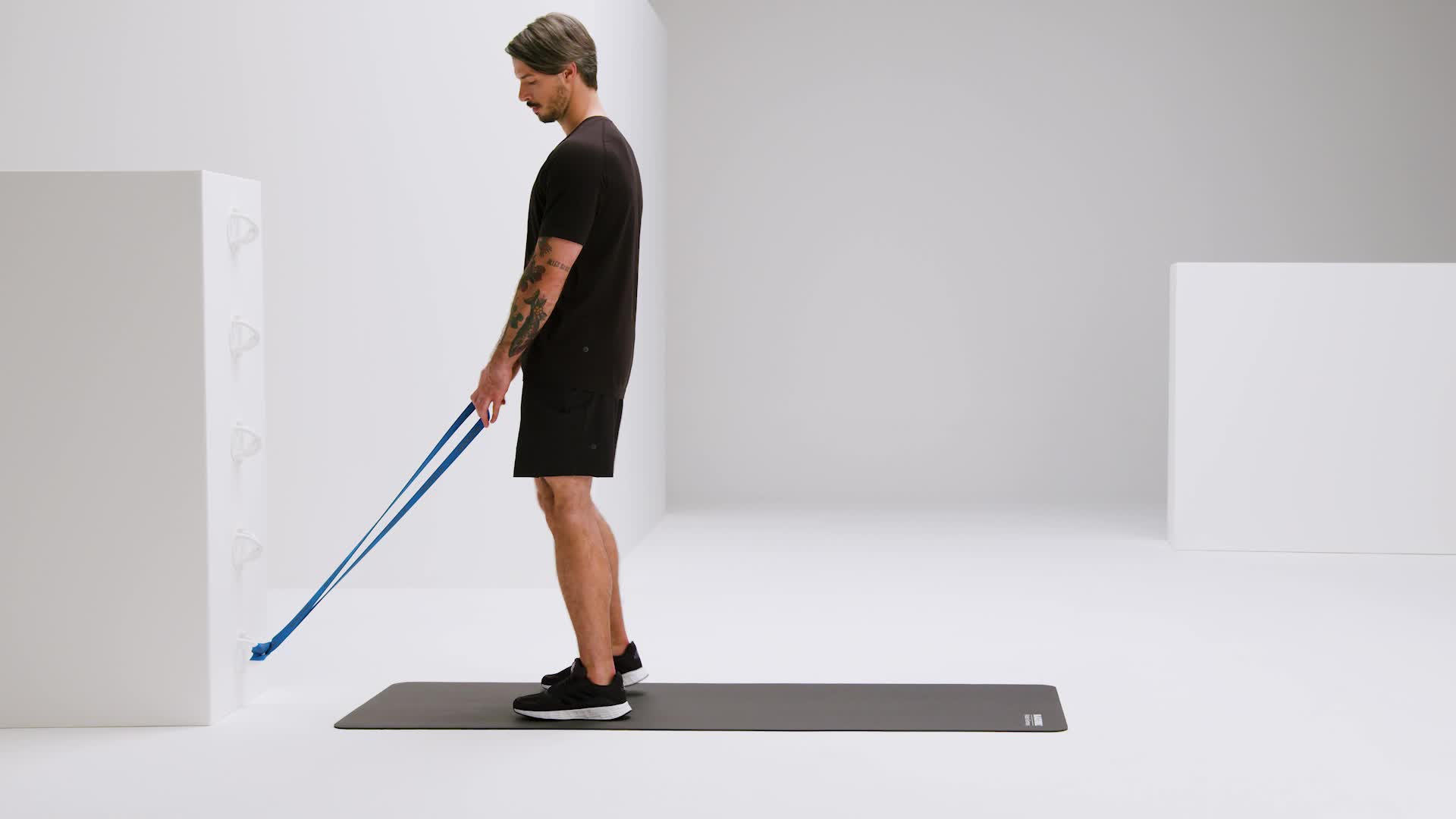
Runner’s Knee Stretch: Helps Improve Hip Joint Mobility
Start on all fours and wrap the SUPER BAND around the inside of your thigh. Place the band as close to your hip as possible.
Activation and Strengthening Exercise for Runner’s Knee
An unstable pelvis contributes to increased strain on the iliotibial band on the outside of the thigh. That’s why, in addition to classic exercises like squats or lunges, you should also do targeted activation exercises.
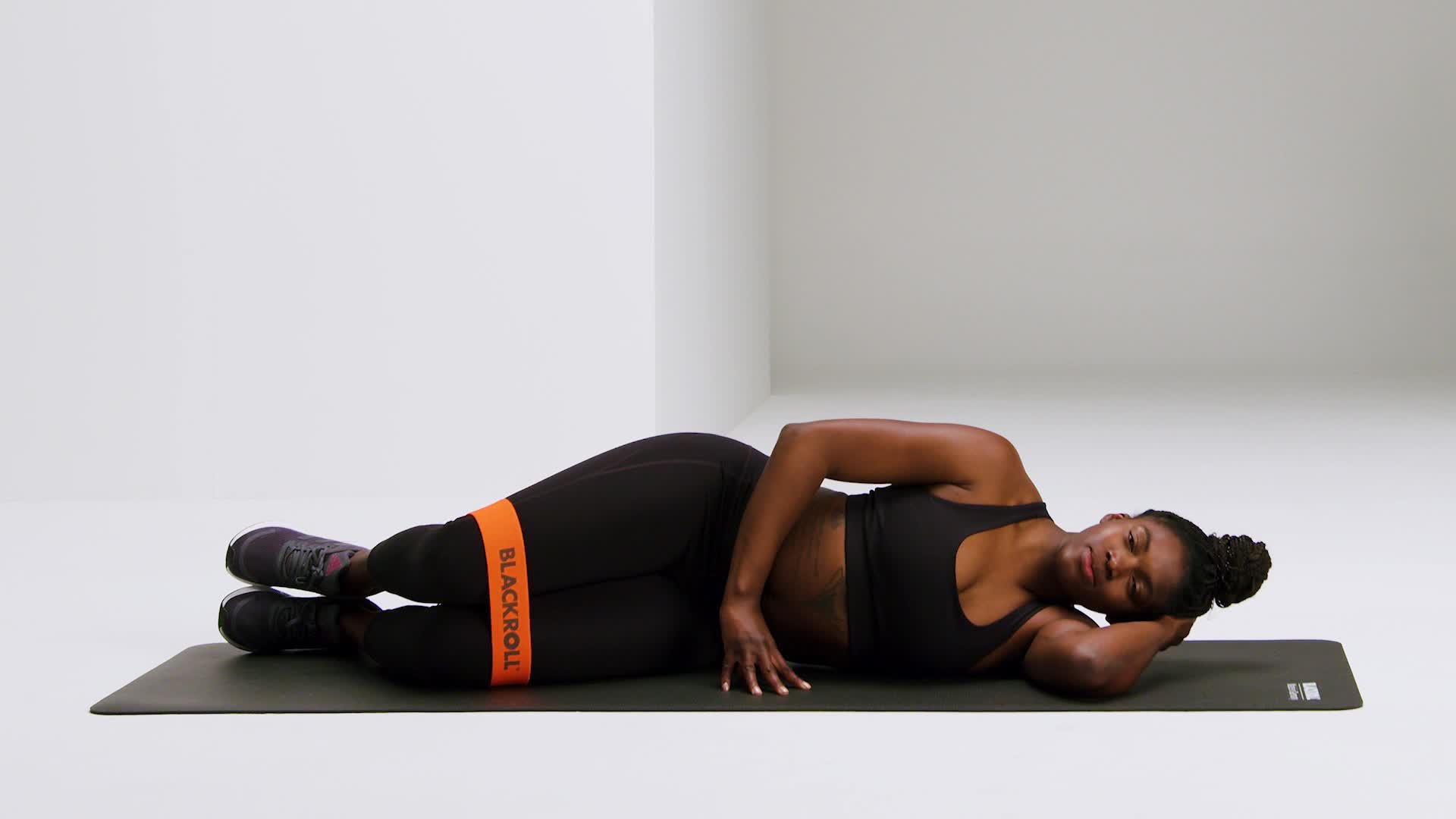

Runner’s Knee?
A sharp pain on the outside of the knee joint is typical of what’s known as runner’s knee, also called jumper’s knee or ITBS knee.
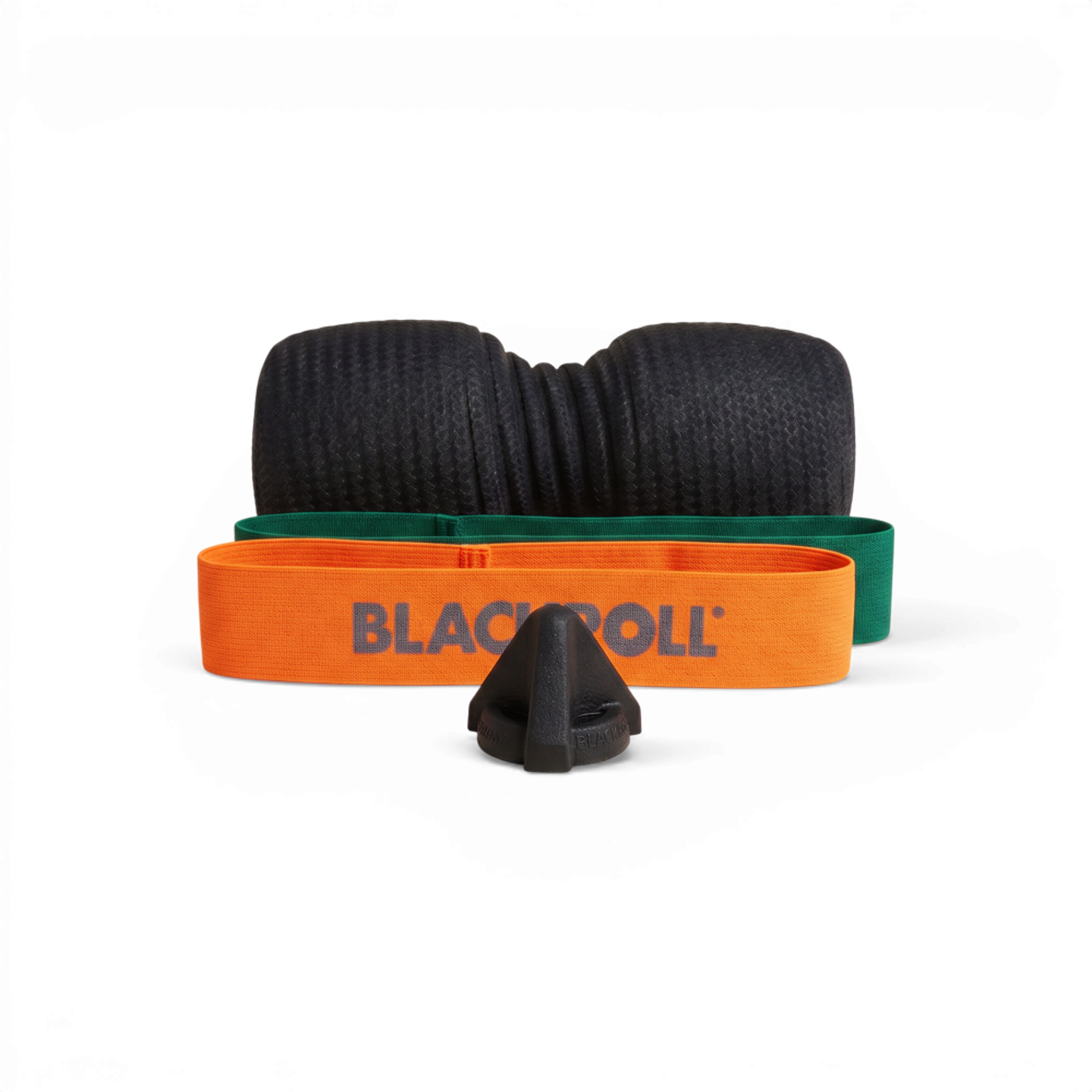
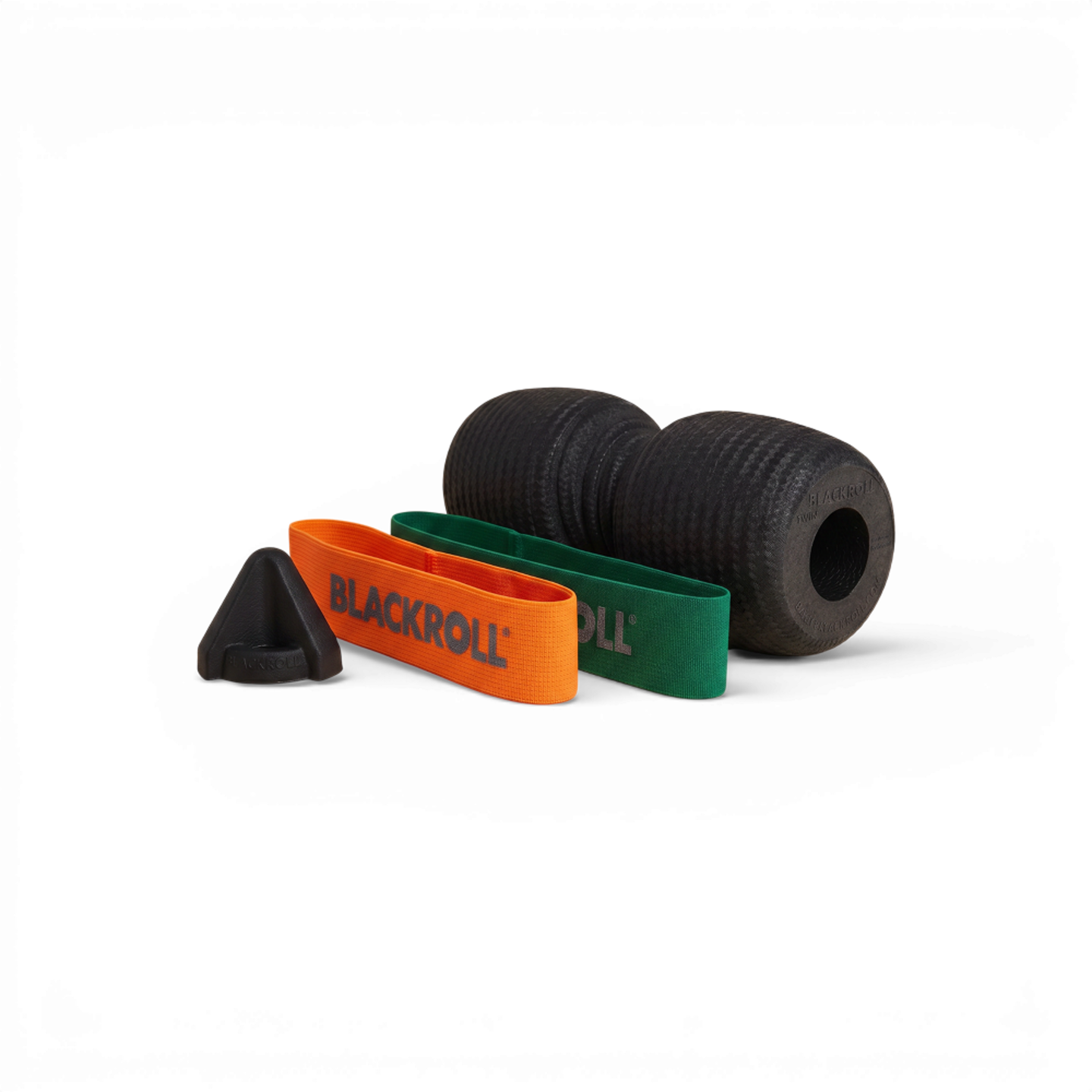
Your Kit for Knee Pain
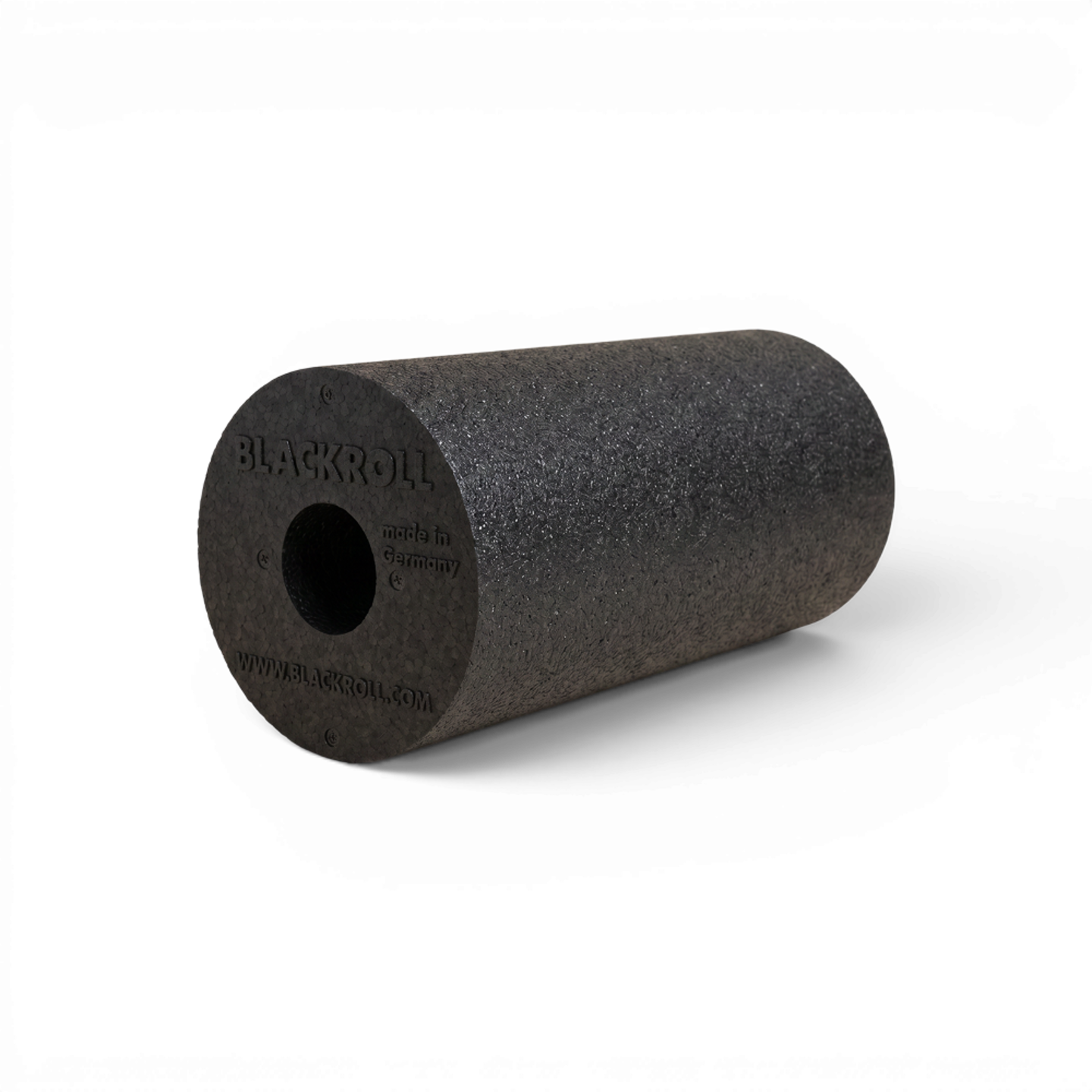
Standard
Available in multiple variants
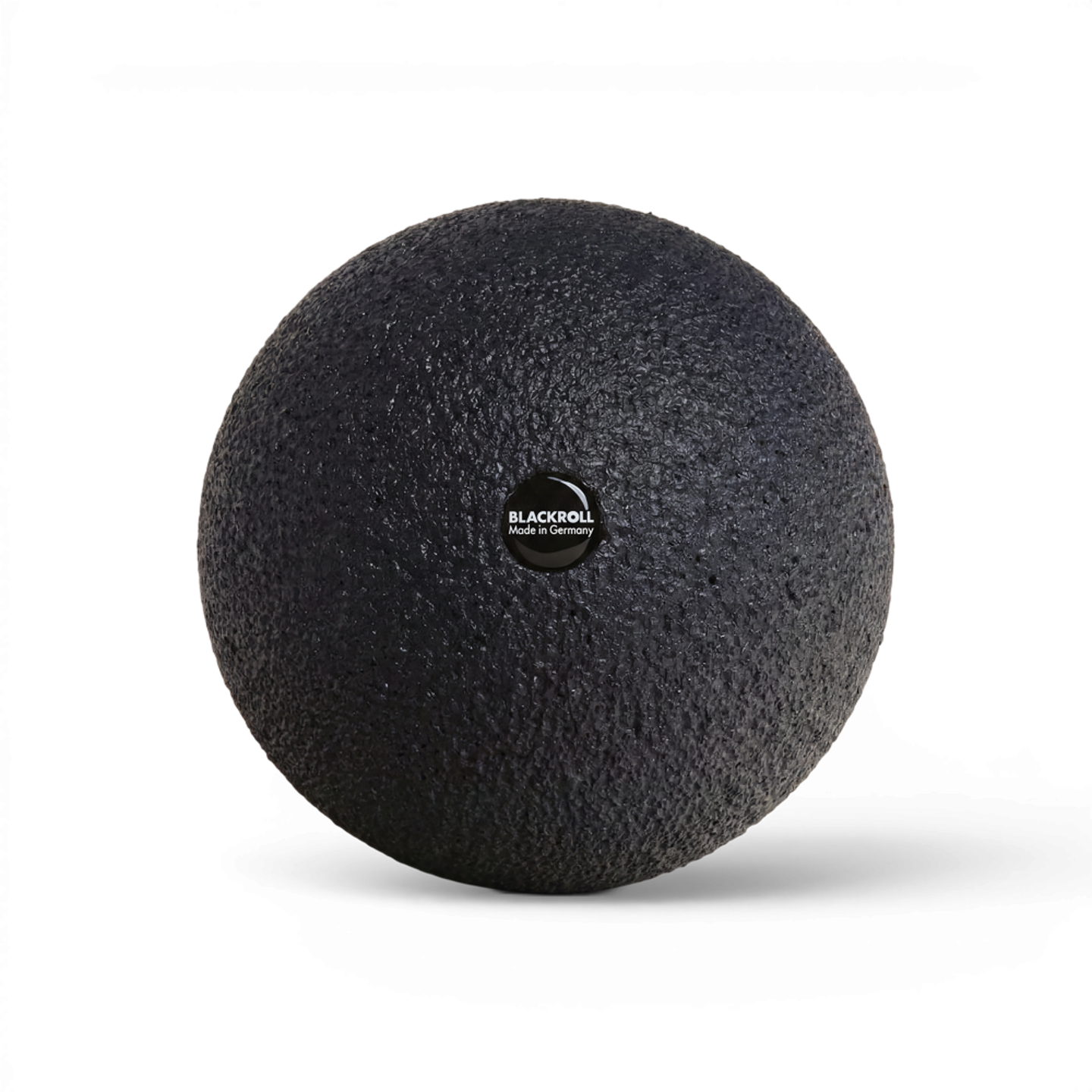

Ball 12
Available in multiple variants


Loop Band
Available in multiple variants


Super Band
Available in multiple variants