7 Exercises for Tinnitus

Do you suffer from annoying ringing in your ears? We’ll show you 7 effective exercises you can use to combat tinnitus.
Focus areas
- Kopf
Time
- 12 minutes
- 7 exercises
Get rid of dizziness and tinnitus fast—here’s how!
To get rid of tinnitus and dizziness quickly, it can be helpful to release trigger points in your muscles. Master Trainer Stefan shows you how in the following video.
Tinnitus—What Is It? Symptoms and Causes
Tinnitus is an auditory sensation perceived as a noise or ringing in the ears, even though there are no external sound sources present. This phenomenon can be extremely distressing for those affected. Tinnitus can manifest in many different forms, ranging from a constant tone to pulsating noises. Here are the symptoms and causes of tinnitus:
Noises in the ears: The main symptom is the perception of sounds that do not originate from external sources. These sounds can be perceived as ringing, buzzing, hissing, whistling, hissing, or pulsating sounds.
Constant or temporary: Tinnitus can be permanent or occur temporarily. Temporary tinnitus can occur after exposure to loud noises or stress and may resolve on its own.
Level of Disturbance: The degree of distress caused by tinnitus varies from mild discomfort to severe impairment of quality of life.

Noise Exposure: Long-term or short-term exposure to loud noises, such as loud music, workplace noise, or explosions, can trigger tinnitus.
Age: Tinnitus is often associated with the natural aging process, as hearing declines over time.
Hearing loss: Tinnitus can occur when the brain attempts to compensate for missing auditory signals, as is the case with hearing loss.
Earwax or foreign objects: Blockages in the ear canal, such as earwax or foreign objects, can cause tinnitus.
Medications: Certain medications, particularly those that are ototoxic (damaging to the inner ear), can cause tinnitus as a side effect.
Medical conditions: Tinnitus can be a symptom of medical conditions such as Meniere’s disease, inner ear infections, high blood pressure, or head and neck injuries.
Stress and anxiety: Emotional stress can intensify or trigger the perception of tinnitus.
Jaw problems: Disorders of the temporomandibular joint can cause or worsen tinnitus.

The treatment of tinnitus involves identifying and addressing the underlying cause. This may include the use of hearing aids, medication, psychotherapeutic support, or lifestyle changes. If you suspect you have tinnitus, you should always consult a doctor, as it may indicate serious health problems.
Tinnitus Cervical Spine Exercises
Tinnitus, that annoying ringing in the ears, is often linked to problems in the cervical spine and neck muscles. The good news is that targeted exercises for your cervical spine can help alleviate your tinnitus or even get rid of it. Here are some cervical spine exercises for tinnitus that might help you:
Cervical Muscle Stretch
Stand upright. Place your right hand on the left side of your head. Gently pull your head to the side. Push your left hand toward the floor to intensify the stretch. Vary the direction of the pull to stretch different parts of your neck muscles.

Side Neck Stretch
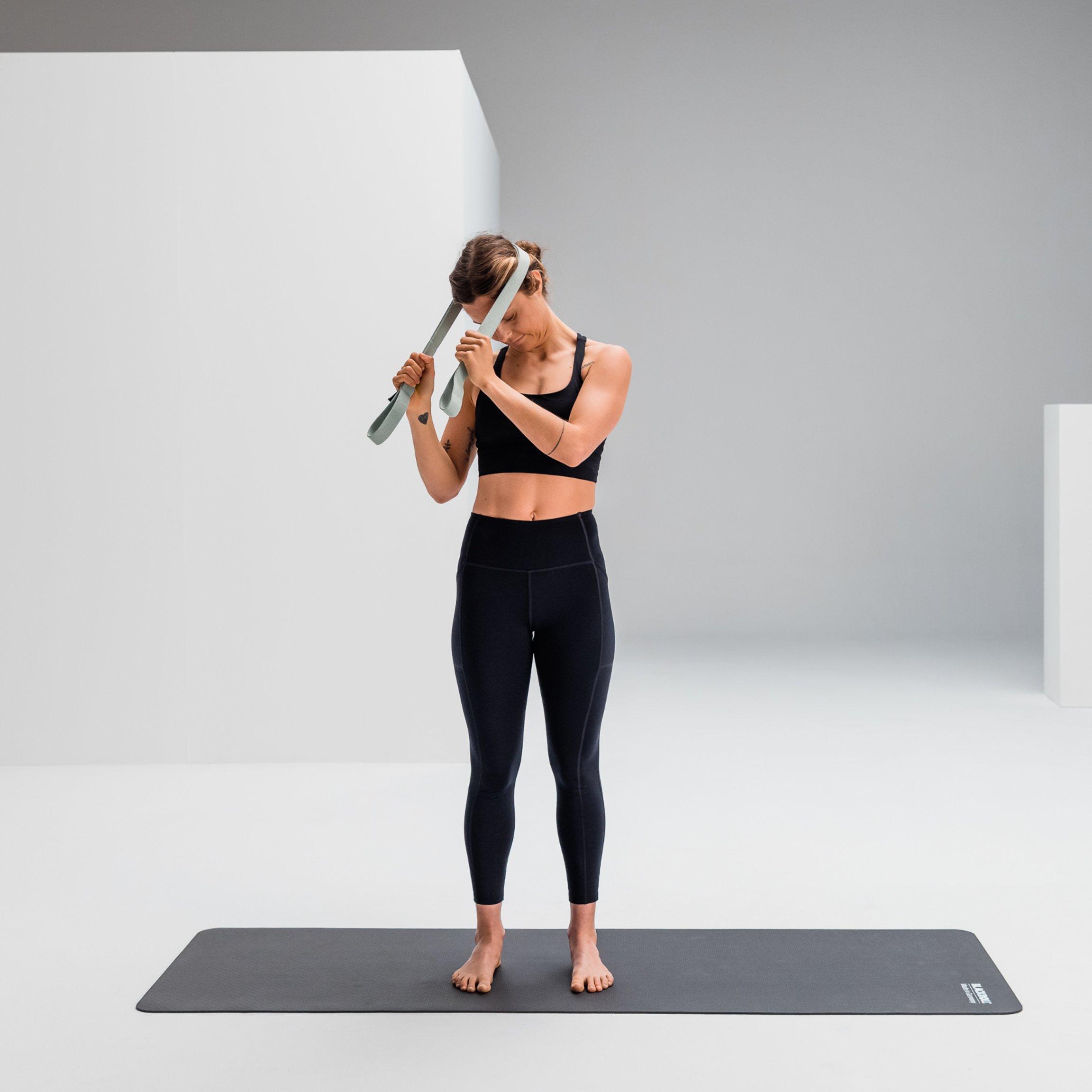
Place the STRETCH BAND on the side of your head so that it runs across your forehead. Tilt your head to the side and try to push the band upward. Do not use the band to pull yourself too far into the stretch. It serves as a tactile stimulus. Your neck muscles should remain engaged at all times.
Neck Lengthening Exercise
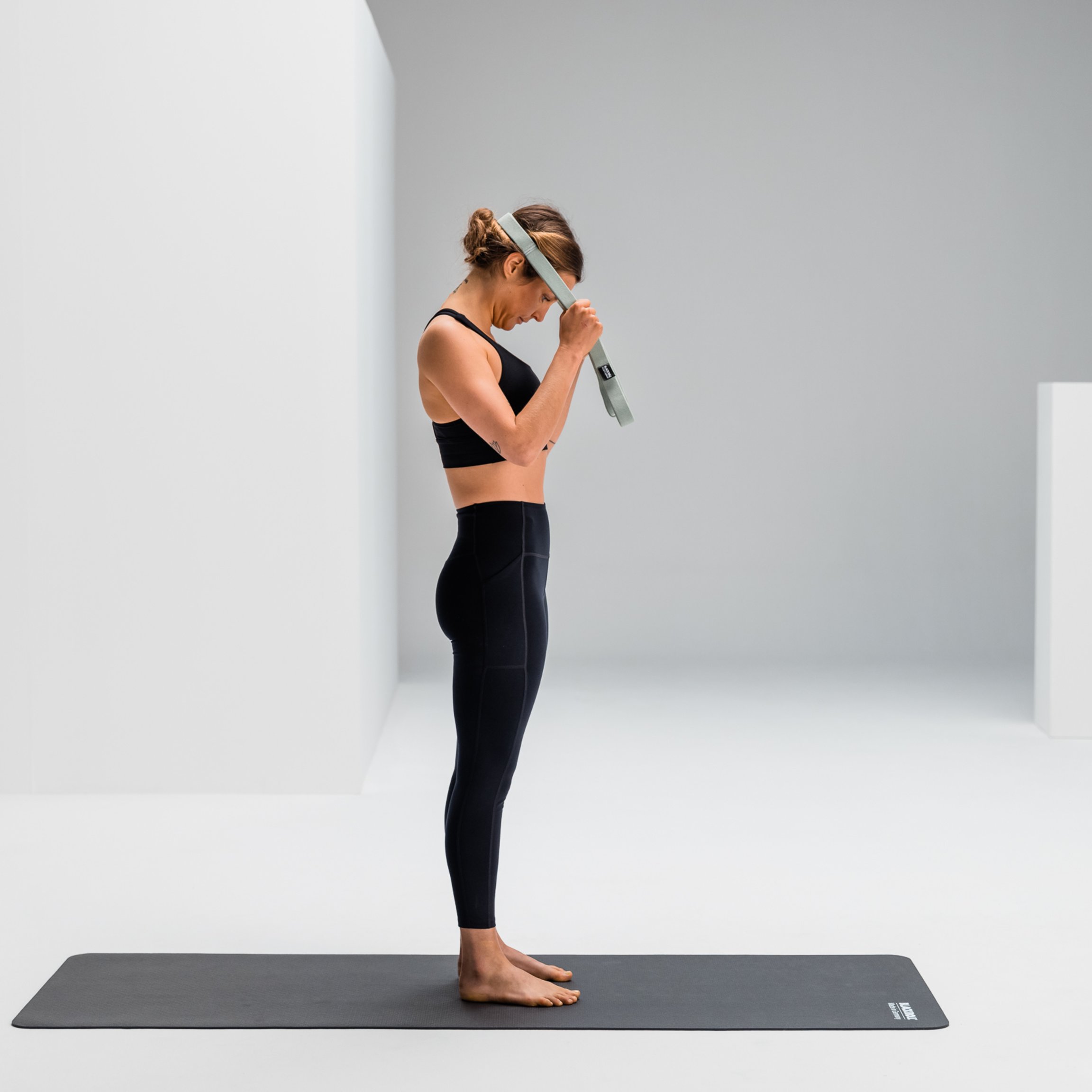
Place the STRETCH BAND around your neck. Lower your chin toward your chest. Try to push the band upward.
Do not pull too hard on the band to stretch. It serves as a tactile stimulus. Your neck muscles should remain engaged at all times.
Neck Massage
Place the MICRO with your hand flat behind your ear, directly below the occipital bone. Apply gentle pressure. Roll downward with slow back-and-forth movements.

Trigger Point Massage for the Neck
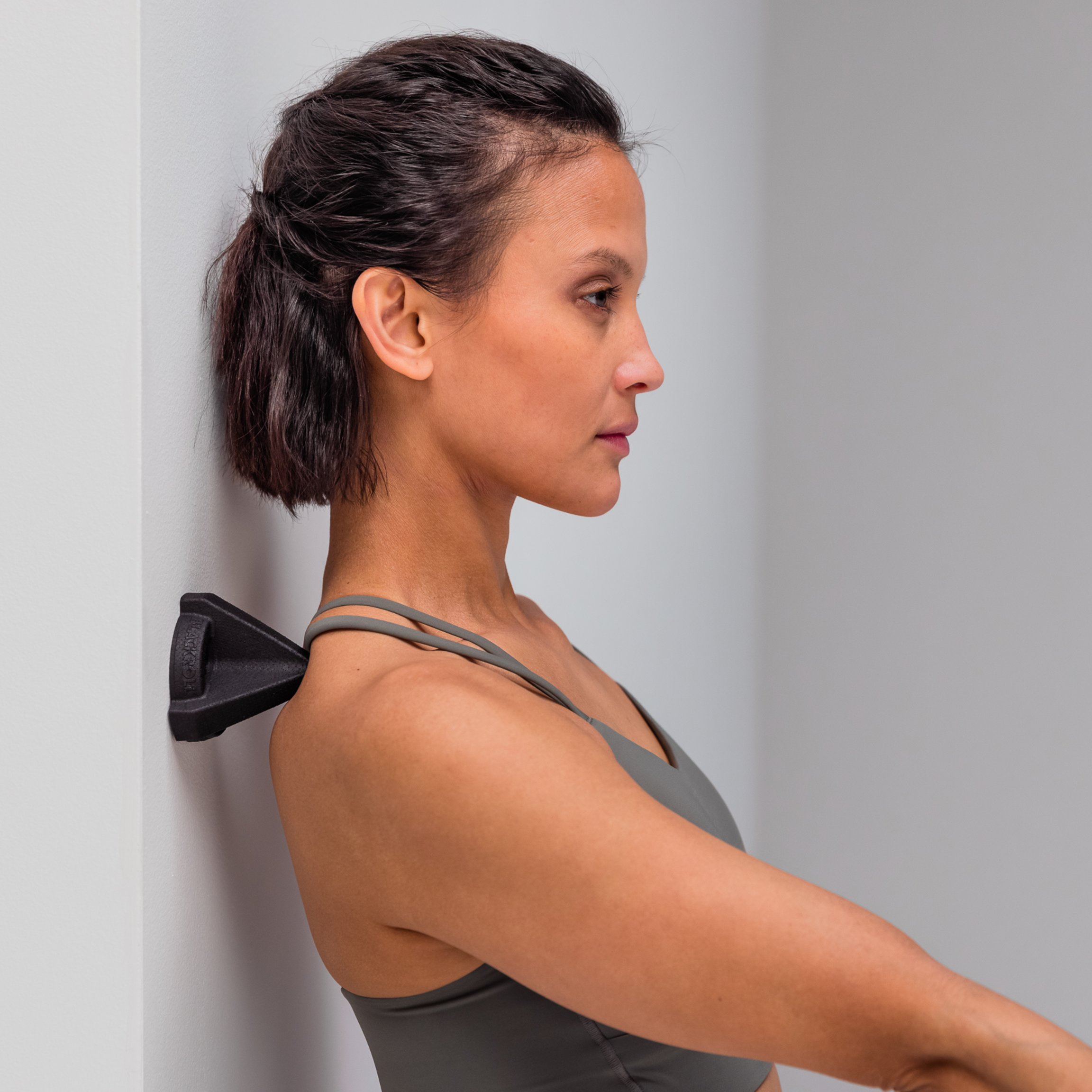
While standing, place your shoulder/neck on the TRIGGER. Locate a tender spot. Stay on the spot. Focus on your breathing.
Scapula Push
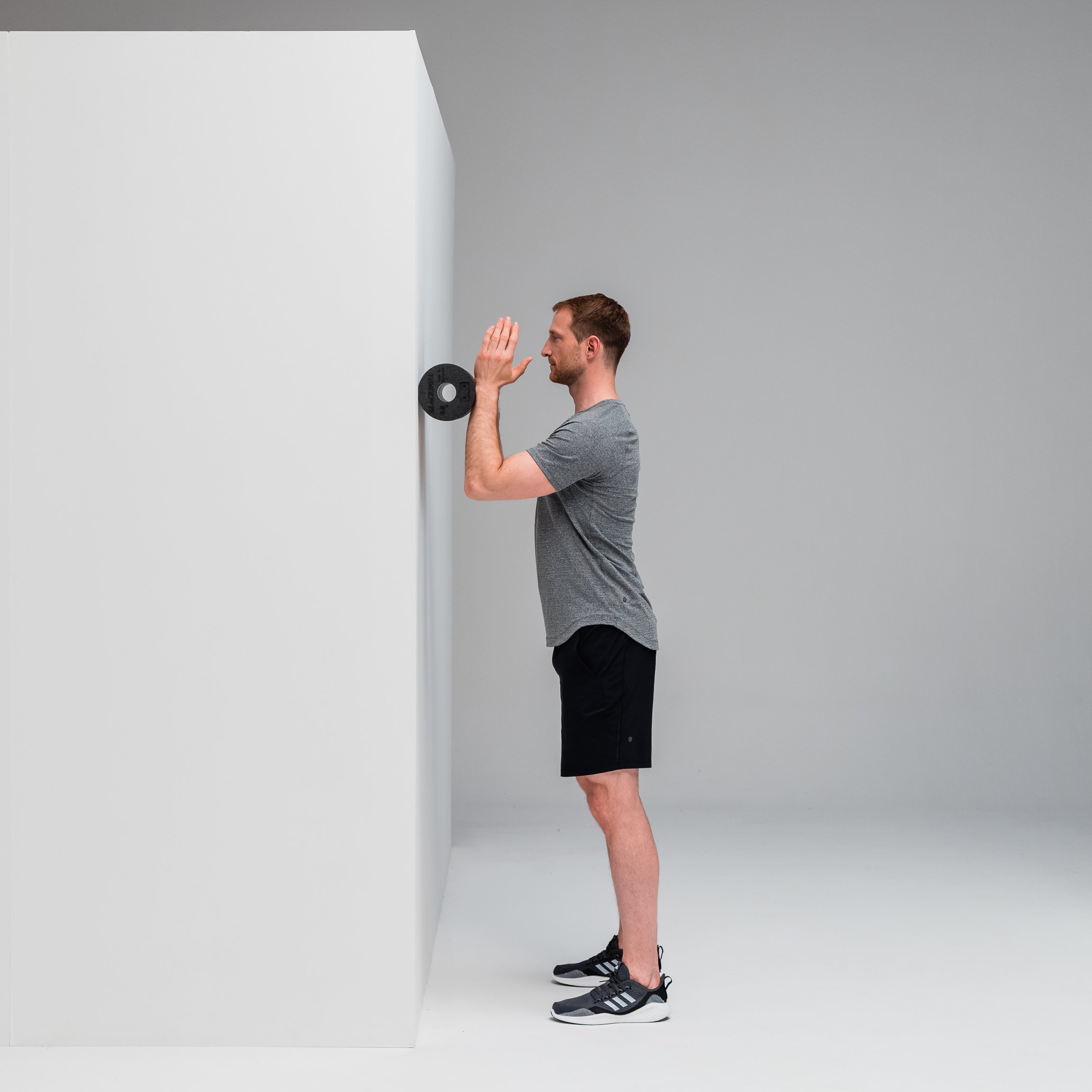
Start in an upright standing position facing a wall. Place the BLACKROLL at neck height. Secure it with your wrists. Apply pressure with your forearms. Let your shoulder blades slide forward as a result. Push the BLACKROLL upward while maintaining pressure. Keep your core engaged and your torso straight throughout the entire movement. The movement is generated exclusively from your shoulders and shoulder blades.
Tinnitus: What Helps Immediately?
Tinnitus can be truly distressing. Unfortunately, there’s no magic formula that provides immediate relief from tinnitus. Tinnitus is often complex and can have various causes. If you suffer from tinnitus, it’s best to consult an ENT specialist.
They may be able to identify the causes of your tinnitus and then recommend the appropriate treatment.
So while there’s no guaranteed instant solution, we do have a few methods and tips that have helped many other people.
- Medical Treatment: A doctor can prescribe medication to treat underlying health issues that might be causing the tinnitus. This can help reduce the intensity of the tinnitus. It’s important to understand that medication rarely addresses the root cause. So you should also try to get to the bottom of why you have a particular health problem.
- Hearing aids and hearing devices: For tinnitus associated with hearing loss, hearing aids or hearing devices can reduce tinnitus by improving hearing ability.
- Tinnitus Retraining Therapy (TRT): This form of therapy combines hearing aids with counseling to help people focus on their tinnitus and gradually get used to it.
- Cognitive Behavioral Therapy (CBT): CBT can help manage negative thoughts and anxieties related to tinnitus and reduce your reaction to it.
- Relaxation Techniques: Methods such as yoga, meditation, and progressive muscle relaxation can reduce stress, which can worsen tinnitus.
- Acupuncture: Some people have benefited from acupuncture treatments to relieve tinnitus.
- Sound therapy: This involves playing soothing sounds or white noise to mask the tinnitus and reduce its perception.
- Lifestyle changes: Avoiding noisy environments, reducing alcohol and caffeine intake, and maintaining a balanced diet and regular exercise can also help manage tinnitus.
Tinnitus Jaw Exercises
Tinnitus can also be linked to problems in the temporomandibular joint. Jaw exercises can help reduce tension and dysfunction in the jaw area, which in turn can alleviate tinnitus.
With these jaw exercises, you can take active steps to address your tinnitus:
Masseter Massage
Use your finger to locate the temporomandibular joint. Place the TWISTER on this spot. Keep your mouth relaxed and apply light pressure against it. Very slowly rotate the TWISTER in both directions.
Keep your mouth slightly open so there is no tension in the temporomandibular joint.
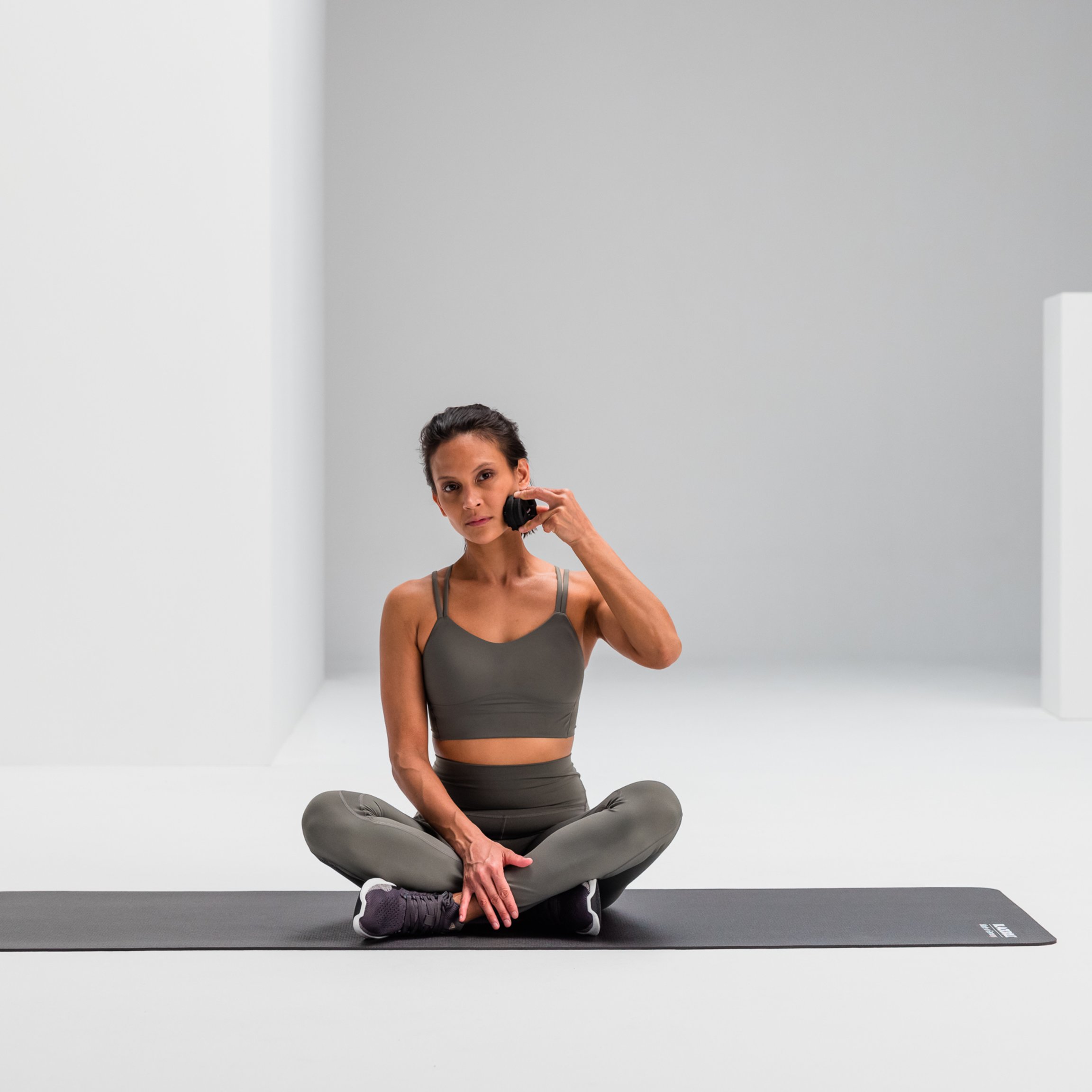
Jaw Massage
Place the MICRO on the side of your jaw. Apply a little pressure. Roll it slowly back and forth.

Masseter Strengthening
Place one hand in the hollow of your chin. Place your other hand directly on top of it. Push your lower jaw down as far as possible. Hold the stretch for a few seconds. Press your chin against your hands. Maintain the tension for 7–10 seconds. Keep your mouth wide open. Then perform the stretch one more time briefly.
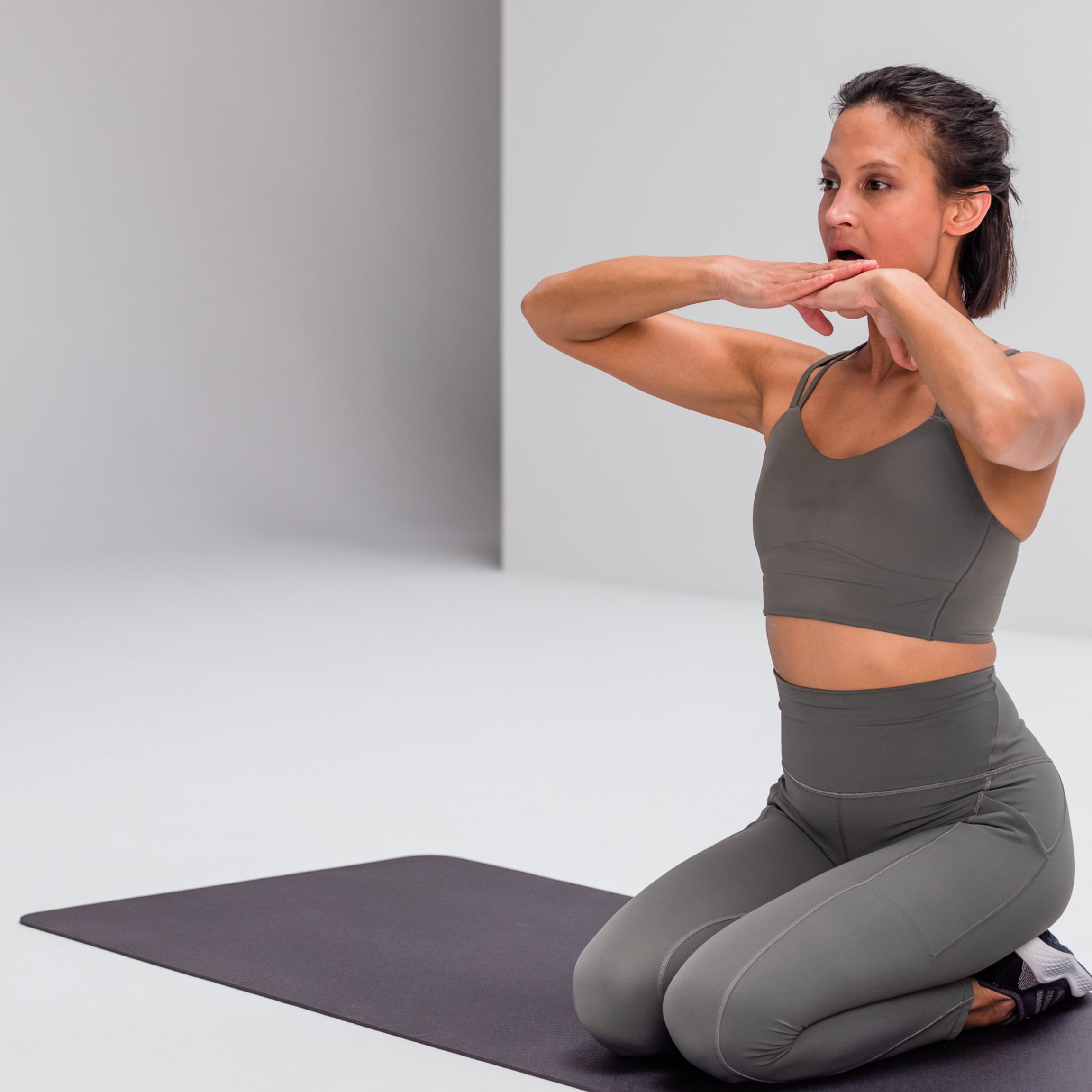
These exercises can also be helpful if you suffer from tinnitus. You can easily incorporate them into your daily routine:
- Jaw relaxation: Gently press the tip of your tongue against the roof of your mouth and open your mouth slightly. Hold this position for a few seconds and repeat several times. This can help relieve tension in the jaw.
- Jaw Movement: Open and close your mouth slowly and evenly, as if you were biting into an apple. Repeat this several times to promote jaw mobility.
- Lateral jaw movement: Carefully move your lower jaw from side to side, as if you were trying to touch your teeth on both sides. This promotes lateral mobility of the jaw.
- Massage: Gently massage the jaw area with your fingertips to relieve tension.
It is important to perform these exercises gently and without causing pain. If you experience pain or a worsening of your symptoms, you should consult a doctor for advice to receive personalized treatment recommendations.
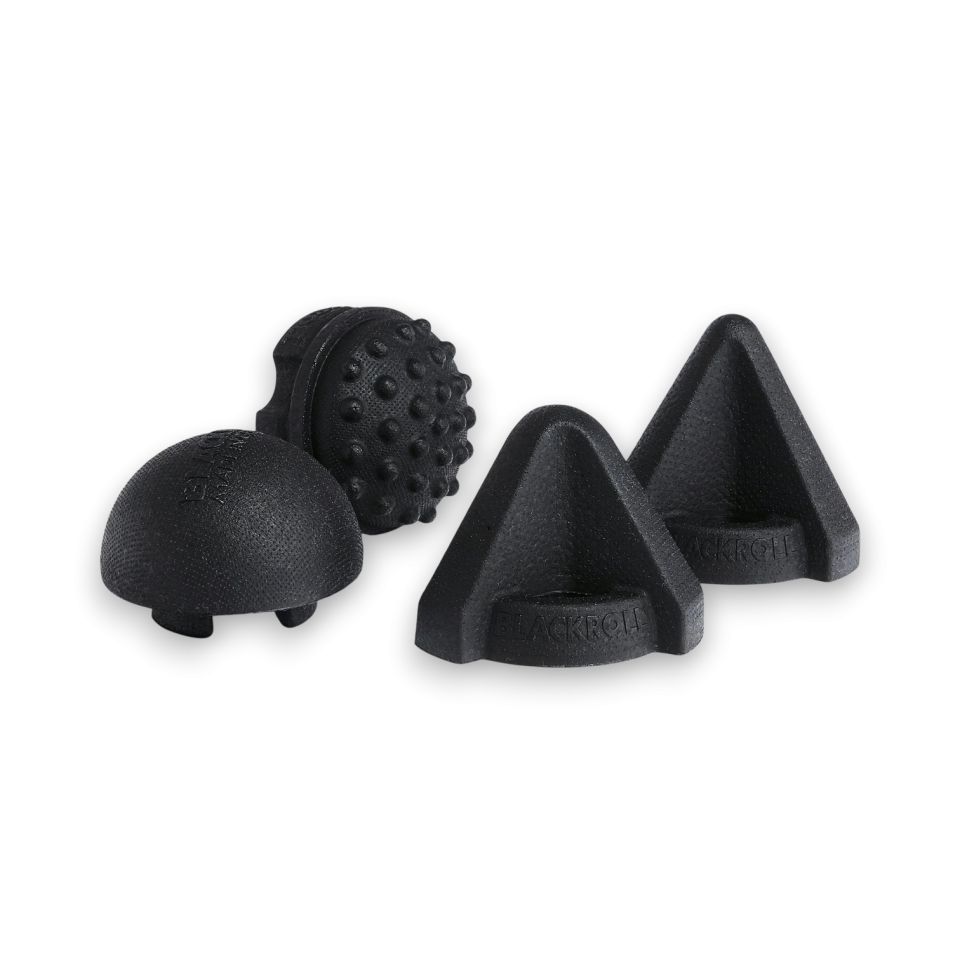
By the way, you can also use a massage gun with the special SOFT PEAKS attachment to massage the muscles around your jaw and neck. Master Trainer Stefan shows you how it works in this video.
Please note that not all cases of tinnitus are related to jaw problems. Therefore, it’s advisable to have a specialist determine the exact cause of your tinnitus to identify the best treatment options.
Relieving Tension Behind the Ear
There are several effective methods and exercises to relieve tension behind the ear that may be associated with tinnitus:
- Gentle massage: Gently massage the area behind the ear with your fingertips. You can use circular motions or apply light pressure. This can help improve blood flow and relieve tension.
- Heat: Use a heat pack or a warm cloth and gently place it on the tense area behind the ear. The heat can help relax the muscles.
- Stretching exercises: Carefullytilt your head to the side so that your ear points toward your shoulder. Hold this position for about 20–30 seconds and repeat on the other side. This can help relieve tension in the neck and ear area.
- Neck exercises: Since tension in the neck can often contribute to tinnitus, neck exercises—such as turning your head or shrugging and lowering your shoulders—can help loosen the neck muscles and reduce tension.
- Physical therapy: A physical therapist can recommend specific exercises and techniques to relieve tension in the neck and ear area.
- Relaxation techniques: Stress can increase tension and worsen tinnitus. Relaxation techniques such as breathing exercises, meditation, or yoga can help reduce stress. Feel free to try these breathing exercises for stress relief.

Breathing Exercises for Stress and Anxiety
To the exerciseIt’s important to note that tinnitus can be a complex condition with a variety of possible causes. If you experience tinnitus along with tension behind the ear, relieving that tension may help improve your tinnitus symptoms.
Your Tools for Tinnitus & Dizziness
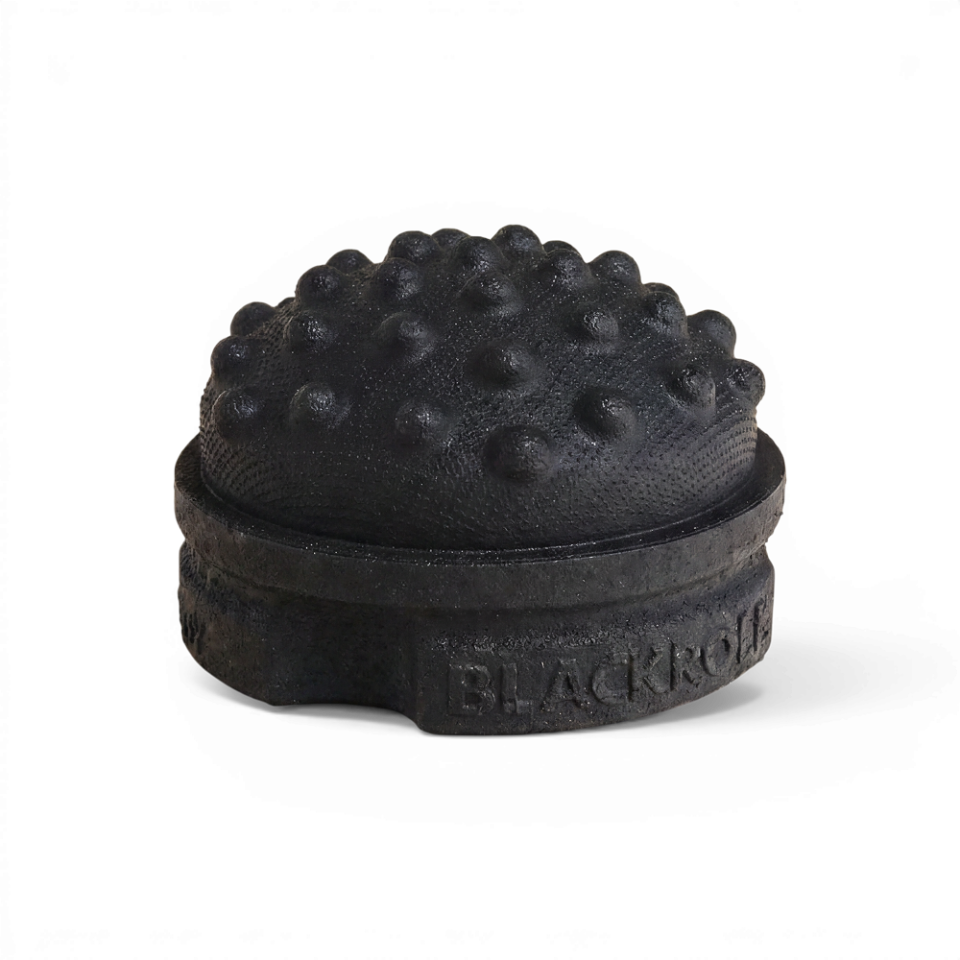
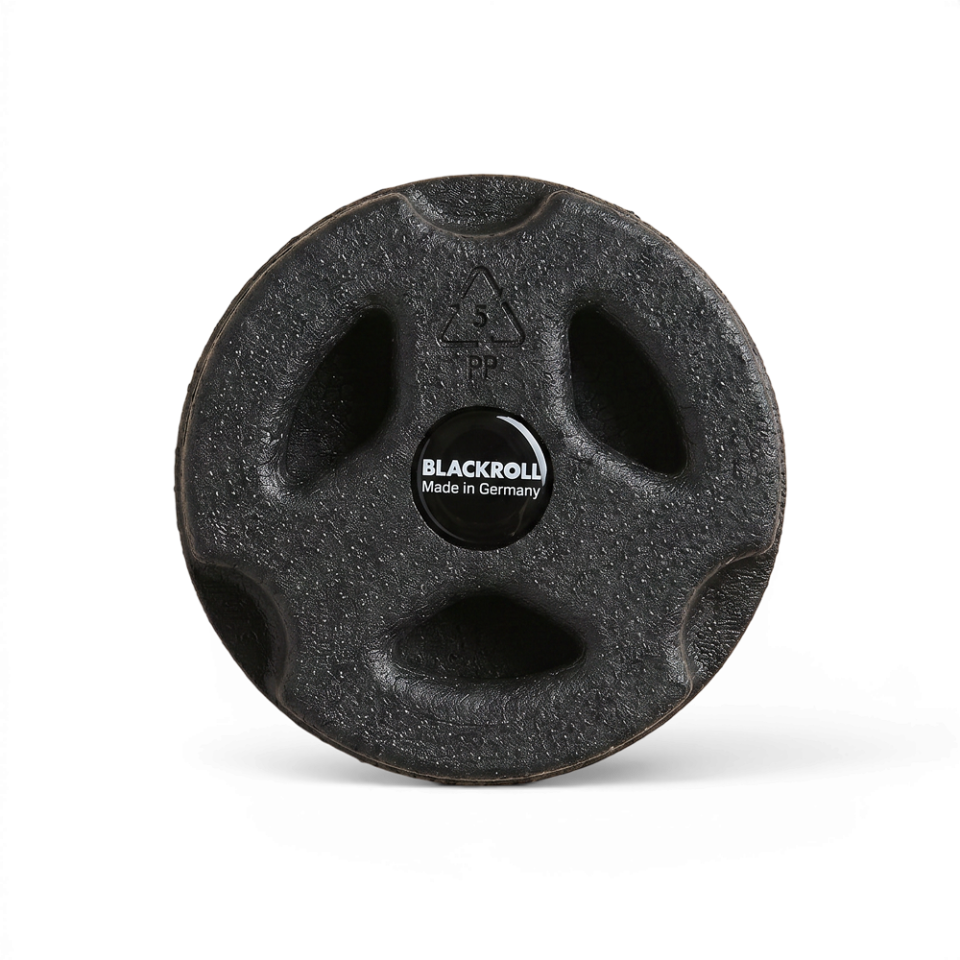
Mat
Available in multiple variants


