Lower Back Workout
Effective Exercises for a Healthy Lower Back
Focus areas
- Unterer Rücken
- Rücken
Time
- 20 minutes
- 12 exercises
Morning Routine for Back Pain Relief—Your Back Workout
Start your day with a simple but effective morning routine to combat back pain! These 10 minutes dedicated to relaxing your back will help you release tension and improve the mobility of your spine.
Many people wake up with a stiff back or pain after getting out of bed—but with the right back stretches, targeted mobilization, and gentle movements, you can counteract this problem. This morning routine for a healthy back combines stretching and light activation.
Get ready, grab your STRETCH BAND, and get started right away with our Master Trainer Stefan.
Strengthening Your Back Muscles
Strong and healthy lower back muscles—especially the back extensors—are the foundation for a stable spine, good posture, and a pain-free daily life. Many people suffer from back pain because key muscle groups in the core, pelvic area, or along the spine are too weak or tense. With targeted exercises, you can effectively prevent these issues.
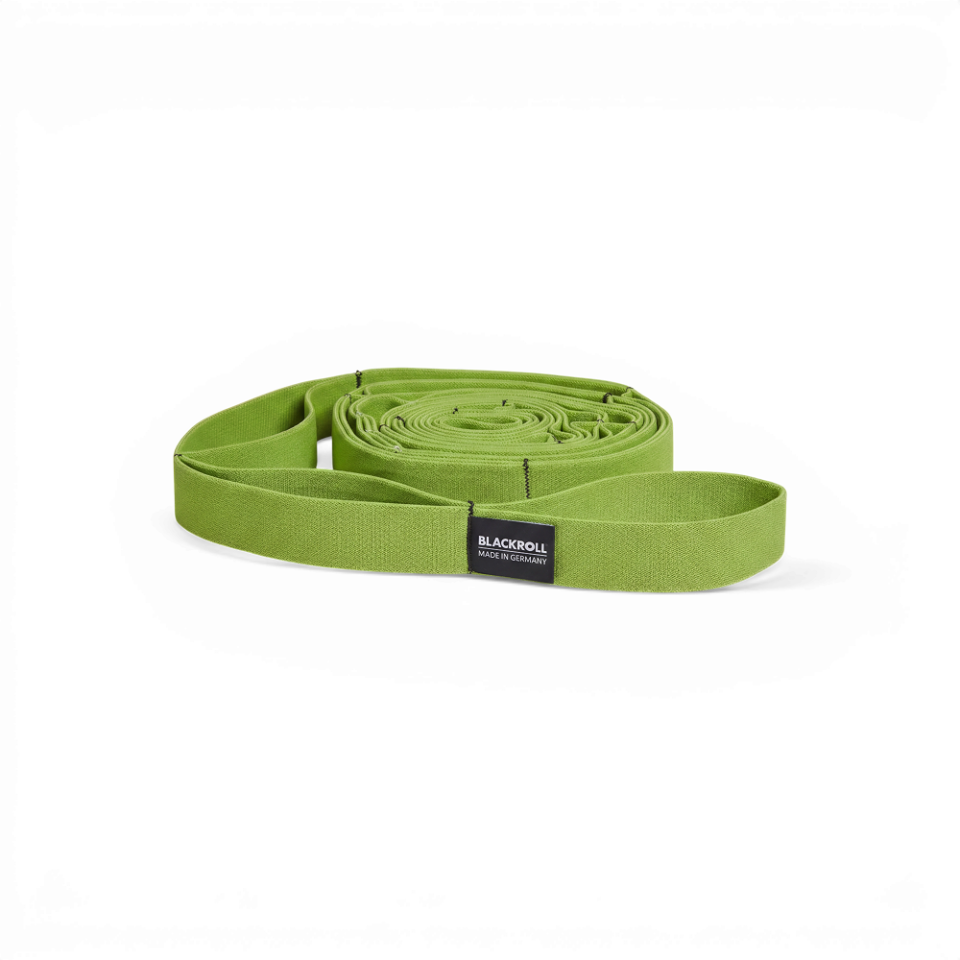
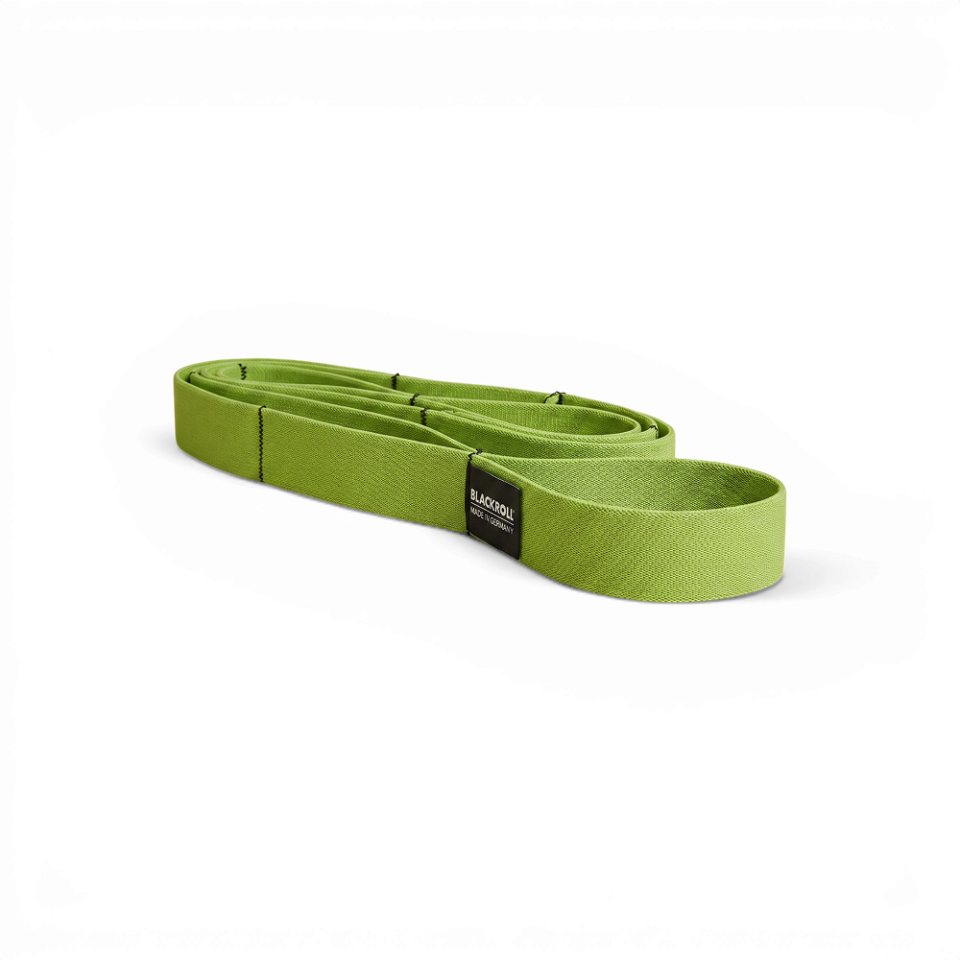
With our SUPER BAND and/or MULTI BAND , you can easily strengthen your lower back muscles at home or at the gym. The bands provide targeted resistance in the relevant areas and engage not only your lower back but also your arms, shoulders, deep abdominal muscles, and legs—for a holistic back workout.
To help you understand exactly how to strengthen your back muscles with our tools, we’ve put together an effective workout for you. Pay attention to your posture during the exercises and perform them with focus.
Our recommendation:
Perform the exercises for 12–15 repetitions and 2–3 sets. Feel the strength in your back, your core muscles, and your entire body.
Sumo Deadlift
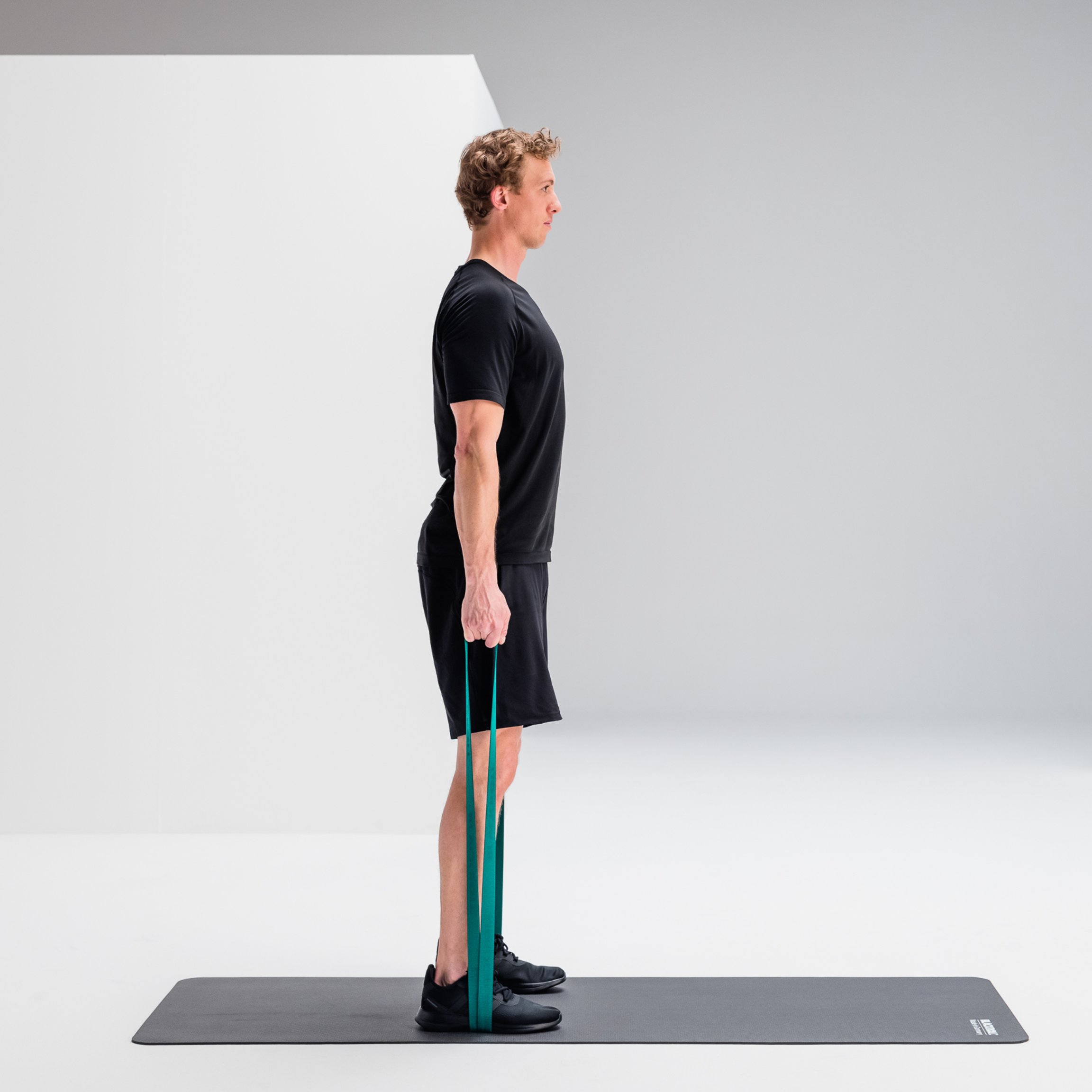
Start in an upright, wide stance. Place your feet on the SUPER BAND. Bend your upper body straight forward and grasp the band. Actively pull the band backward while rotating your upper arms outward. Straighten your upper body by extending your hips and squeeze your glutes at the top of the movement. Keep your head in line with your spine throughout the entire exercise.
Deadlift
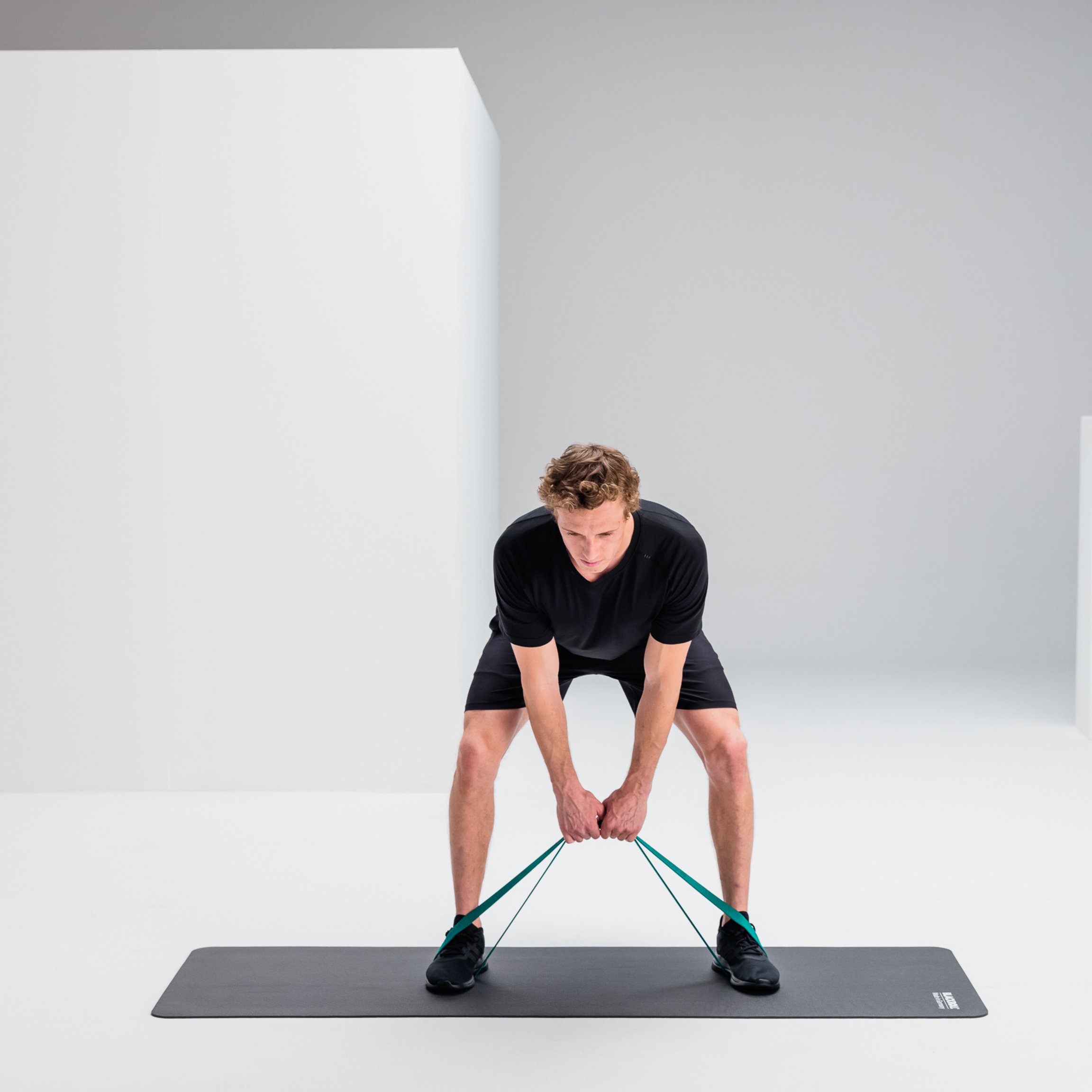
Stand in the center ofthe SUPER BAND. Bend forward while keeping your back straight. Grasp both ends of the band. Extend your hips and straighten your upper body. Tighten your glutes firmly at the top of the movement. Then return to the starting position.
Donkey Kicks
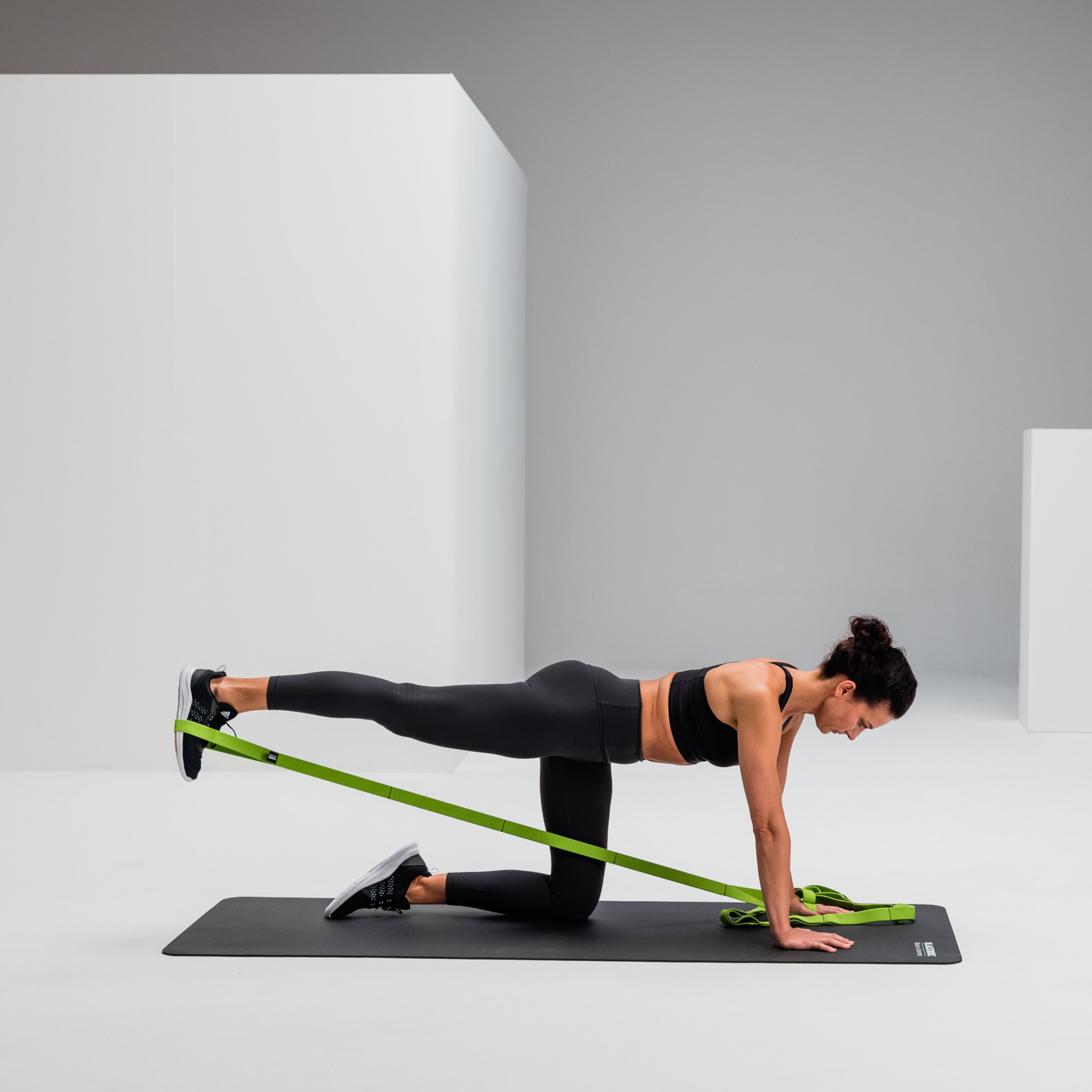
Get on all fours. Wrap a MULTI BAND around one hand and the diagonally opposite foot. Extend your foot backward and upward. Slowly return to the starting position. Make sure your pelvis stays straight and that you don’t arch your back.
Bird Dog
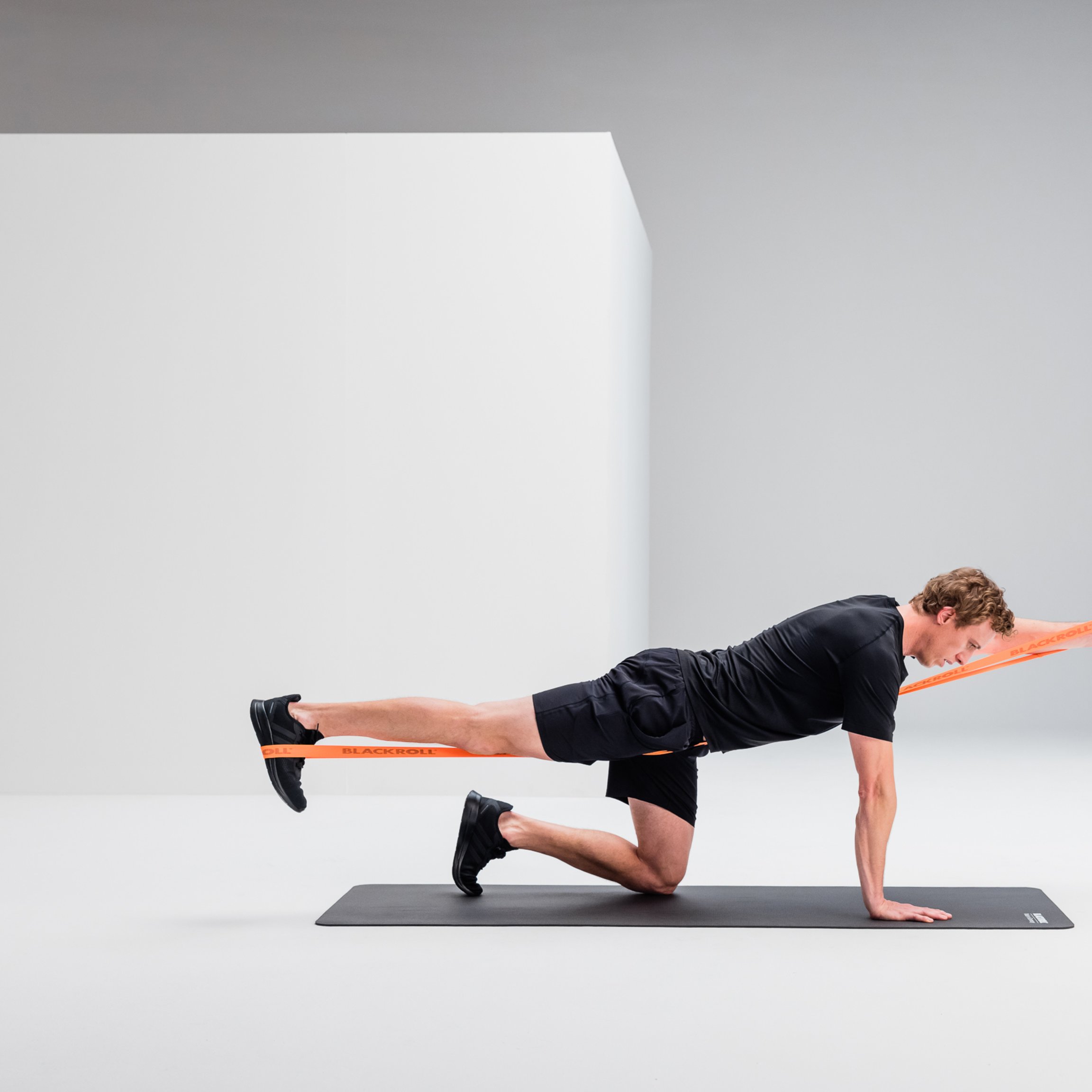
Start on all fours and wrap the SUPER BAND around your foot. Grasp the other end of the band with your opposite hand. Lift your leg and arm at the same time. Return to the starting position. In the starting position, your knees should be below your hips and your hands below your shoulders. Keep your core engaged throughout the exercise and avoid arching your back.
The Importance of a Stable Back
A stable back is important for the health and well-being of the entire body. Here are some reasons why a stable back is important and why you should train and strengthen your lower back muscles:
- Pain Prevention: A strong lower back can help prevent back pain. Training these muscles reduces strain on the spine and lowers the likelihood of injuries and pain.
- Improved Posture: Well-developed lower back muscles support an upright posture. Strong muscles in this area help maintain the spine’s natural curvature and correct poor posture.
- Stability and Mobility: Thelower back muscles play a key role in stabilizing the core. Training these muscles increases the stability of the entire core, which improves mobility and performance in everyday situations and during sports.
- Injury Prevention: A strong lower back supports the surrounding muscles and joints. This can reduce the riskof injury in areas such as the upper back, hips, and legs, as the load is distributed evenly.
- Better Quality of Life: When your lower back is strong and healthy, you experience less pain and discomfort in daily life. This contributes to an overall better quality of life and allows you to be more active.
- Functional fitness: The lower back muscles play a crucial role in everyday movements such as bending, lifting, twisting, and stooping. A strong lower back makes these movements easier and reduces the risk of injury.
- Long-Term Health: Taking care ofyour lower back muscles is important not only for the here and now but also for the long-term health of your spine. A strong lower back can help prevent or minimize degenerative spinal conditions as you age.
Overall, strengthening the lower back muscles is therefore of great importance for preventing pain, improving posture, increasing mobility, and promoting overall health. Targeted training of these muscles should therefore be integrated into every fitness routine.
Tips for a Healthy Back


Loop Band
Available in multiple variants


Super Band
Available in multiple variants
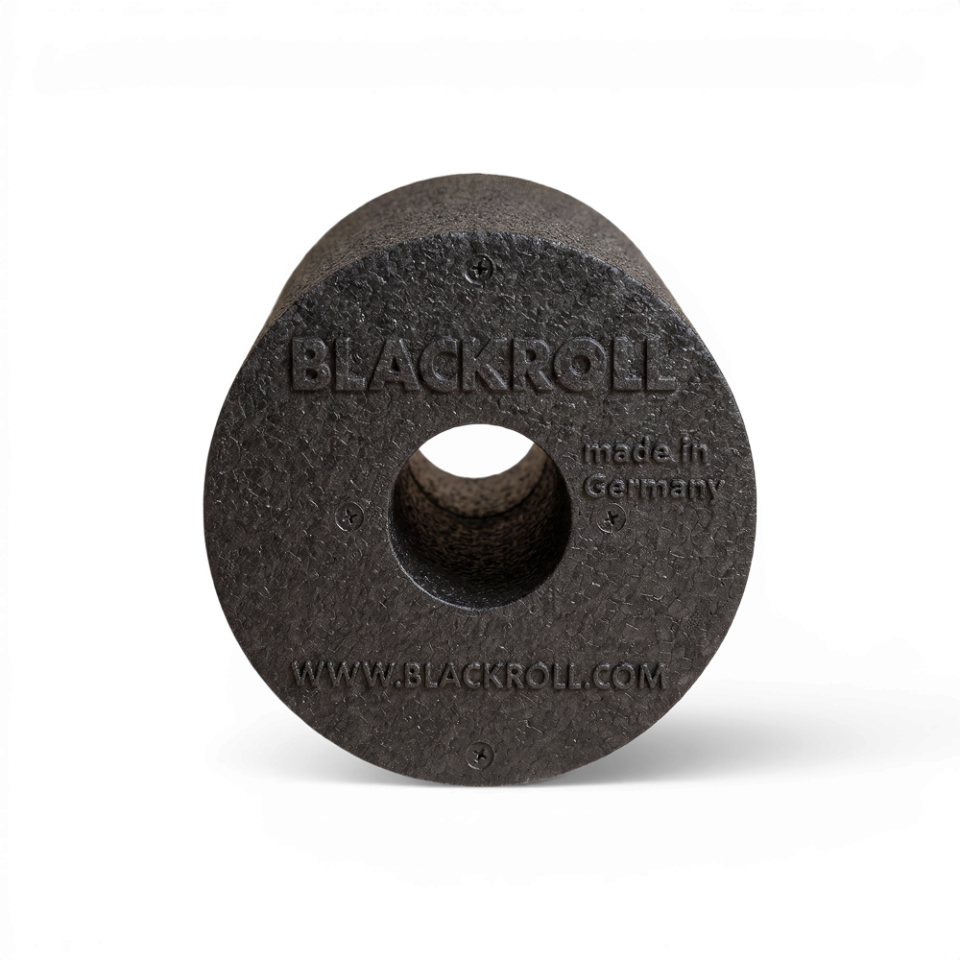
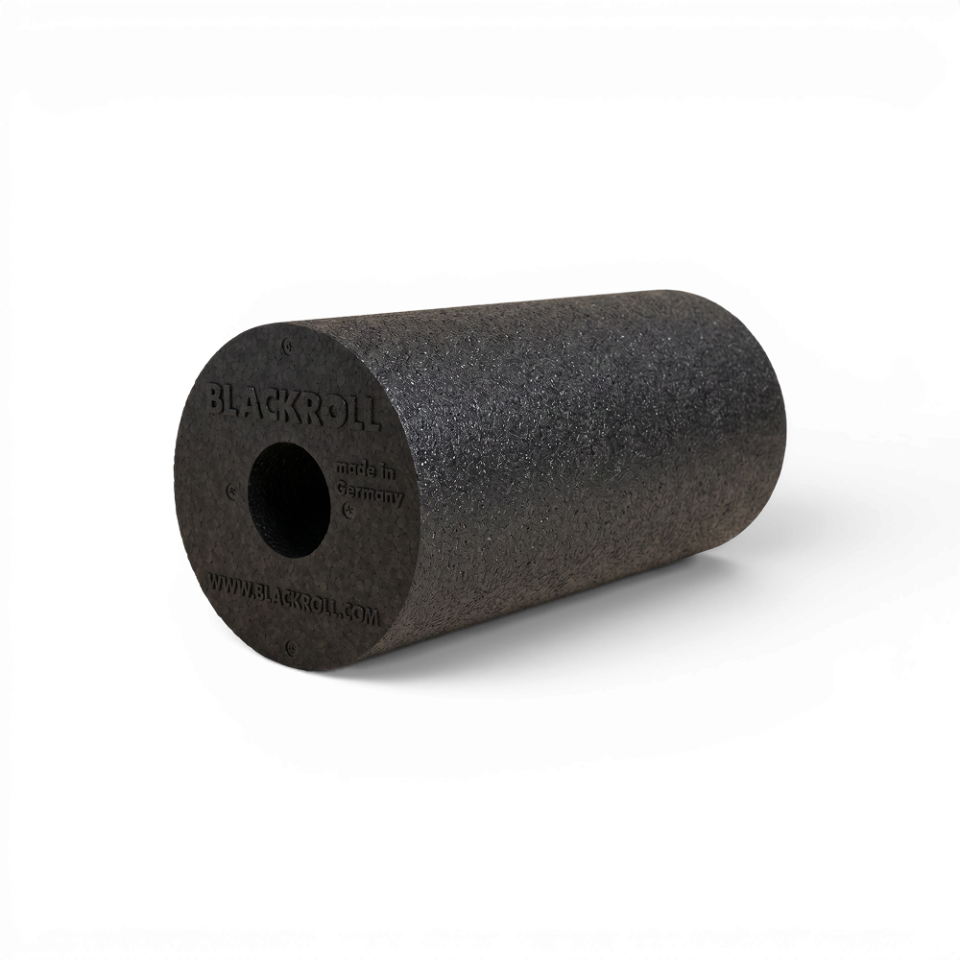
Standard
Available in multiple variants
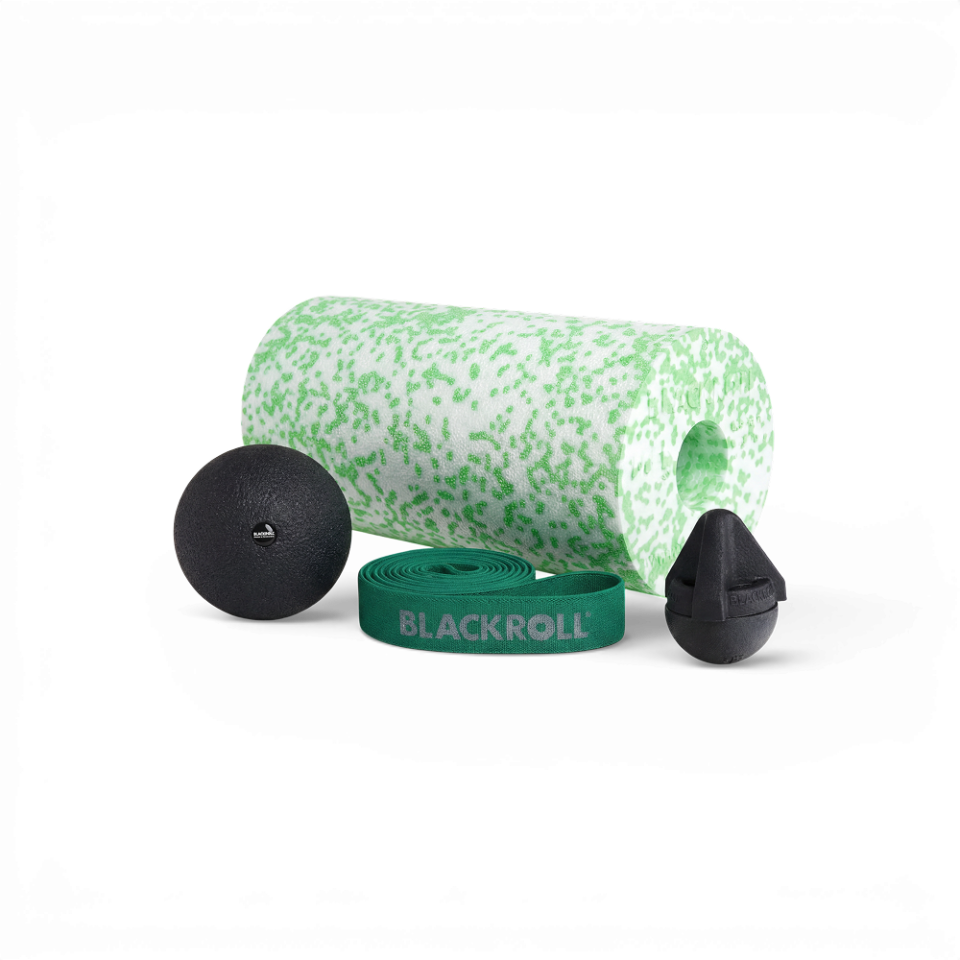
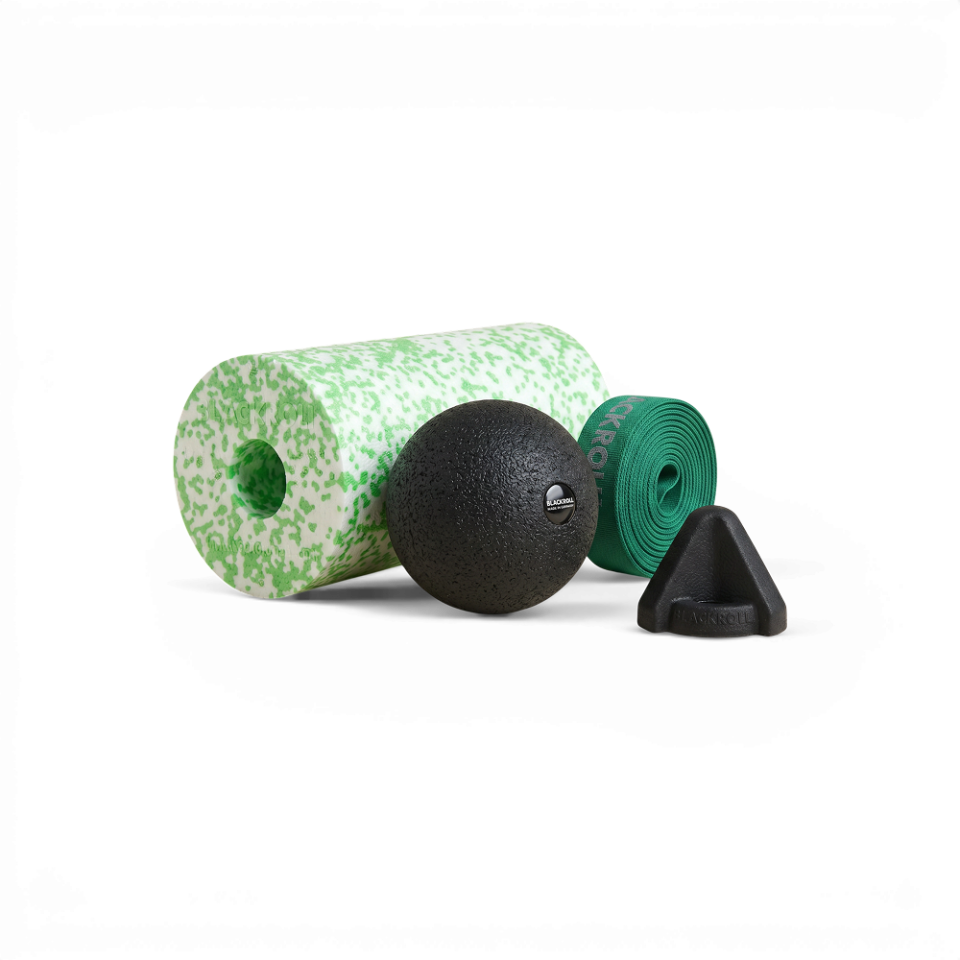
Back Exercises for Muscle Building
As you already know, strengthening your lower back is a crucial step in preventing back pain, improving posture, and boosting your overall fitness. But it’s not just your lower back that matters—the surrounding core muscles are also essential for promoting stability and mobility in everyday life.
The good news is that you can easily train your back and core at home or on the go—even without a gym or expensive equipment. In this workout routine, we’ve put together effective back and core exercises that you can easily incorporate into your daily life with minimal effort.
It’s also ideal as a quick workout right after you wake up!
Perform the exercises for 12–15 repetitions and 2–3 sets.
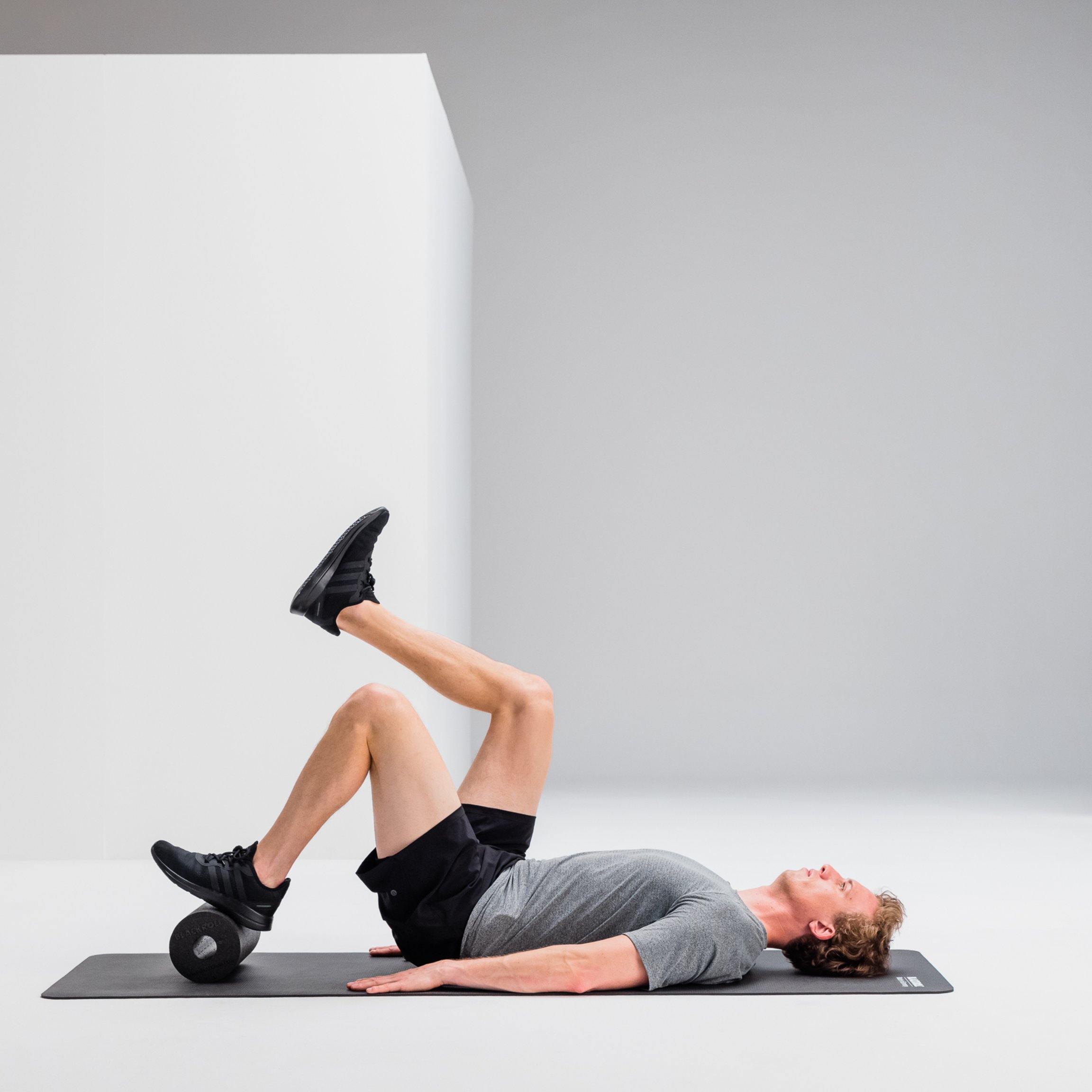
Single-Leg Pelvic Lift
Start by lying on your back. Place one leg, bent at the knee, on your BLACKROLL. Keep the other leg bent and held in the air. Support yourself with your arms extended at your sides. Lift your pelvis until your upper body and thighs form a straight line. Slowly return to the starting position without letting your pelvis touch the floor. Make sure your feet, knees, and hips form a straight line.
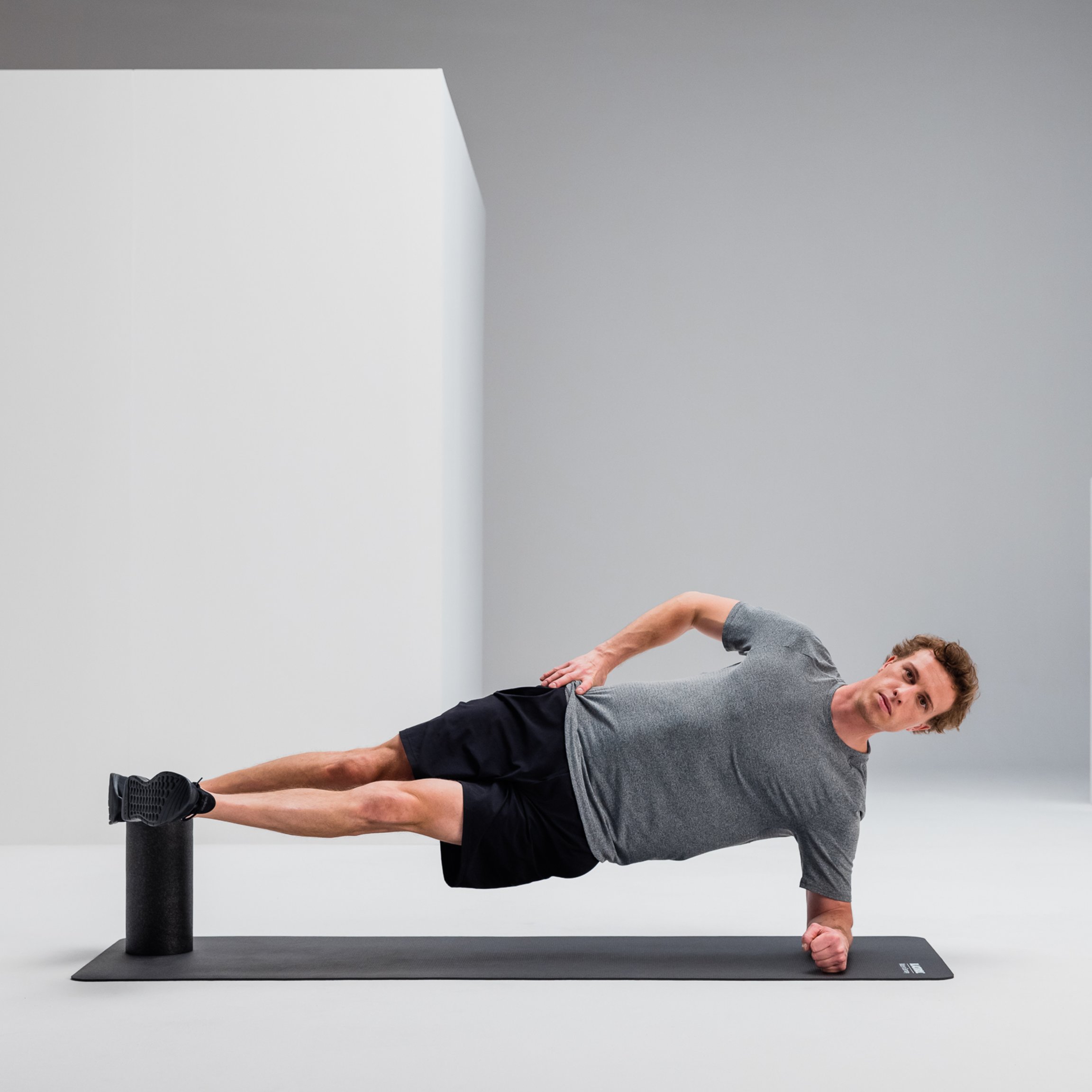
Adduction in Side Plank
Start in a side plank. Place your top leg on the BLACKROLL. Lift your pelvis. Keep it in line with the rest of your body. Lift your straight lower leg upward in front of your body. Hold it in this position. Make sure your cervical spine is in alignment with the rest of your spine. Your head should not tilt toward your shoulder.
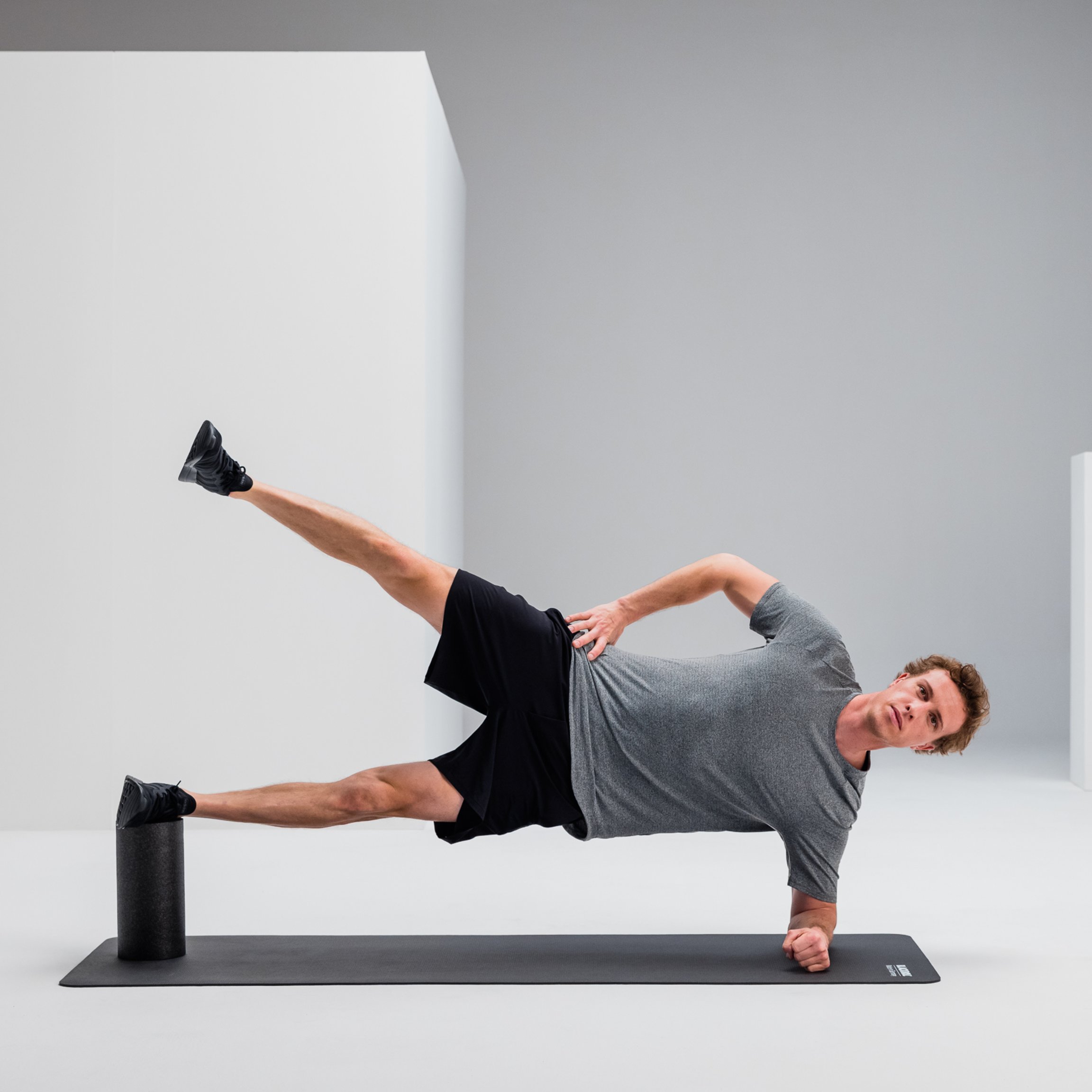
Abduction in Side Plank
Start in a side plank. Place your lower leg on the BLACKROLL. Lift your pelvis. Keep it aligned with the rest of your body. Lift your straight upper leg upward. Hold it in this position. Make sure your cervical spine is in line with the rest of your spine. Your head should not tilt toward your shoulder.
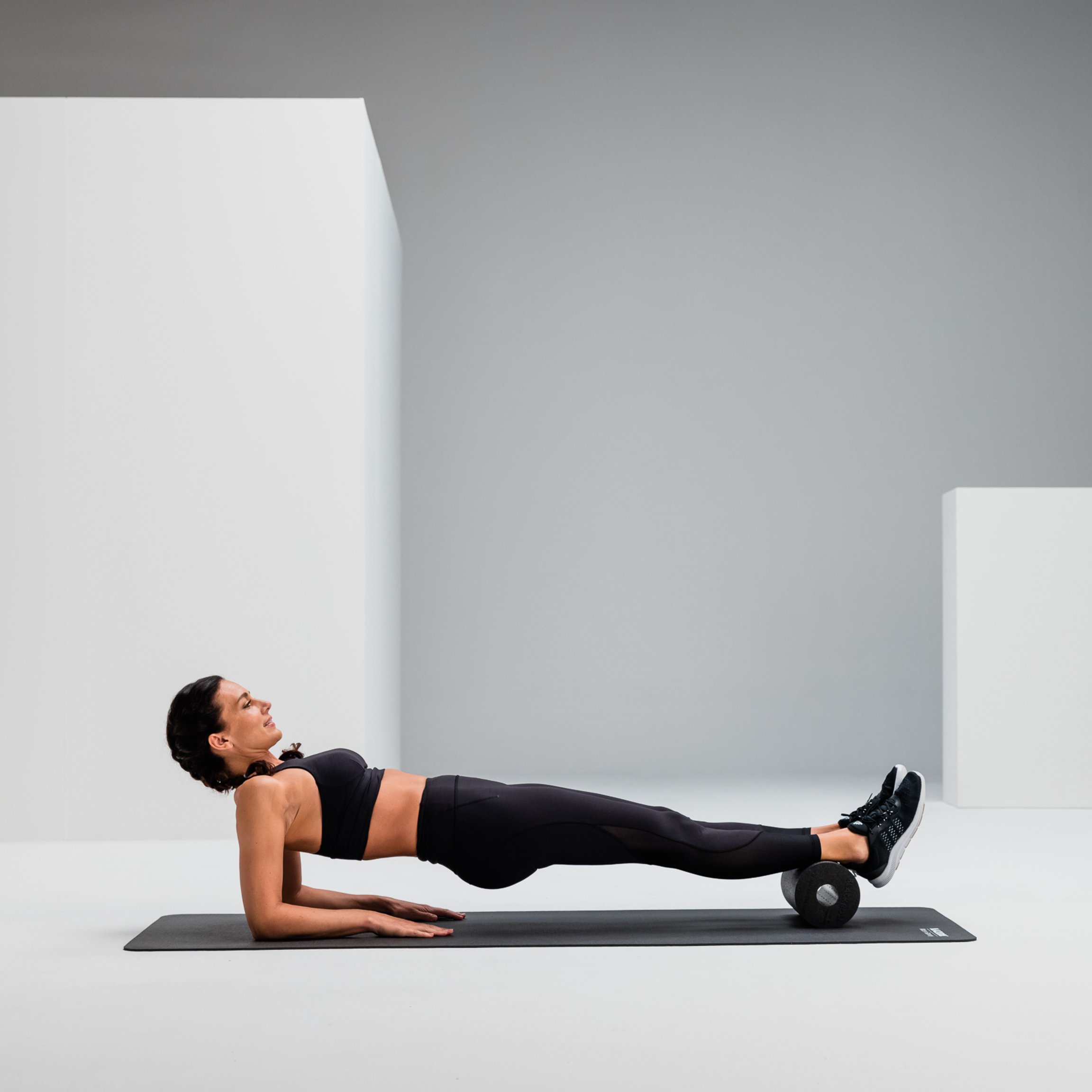
Forearm Plank (Supine)
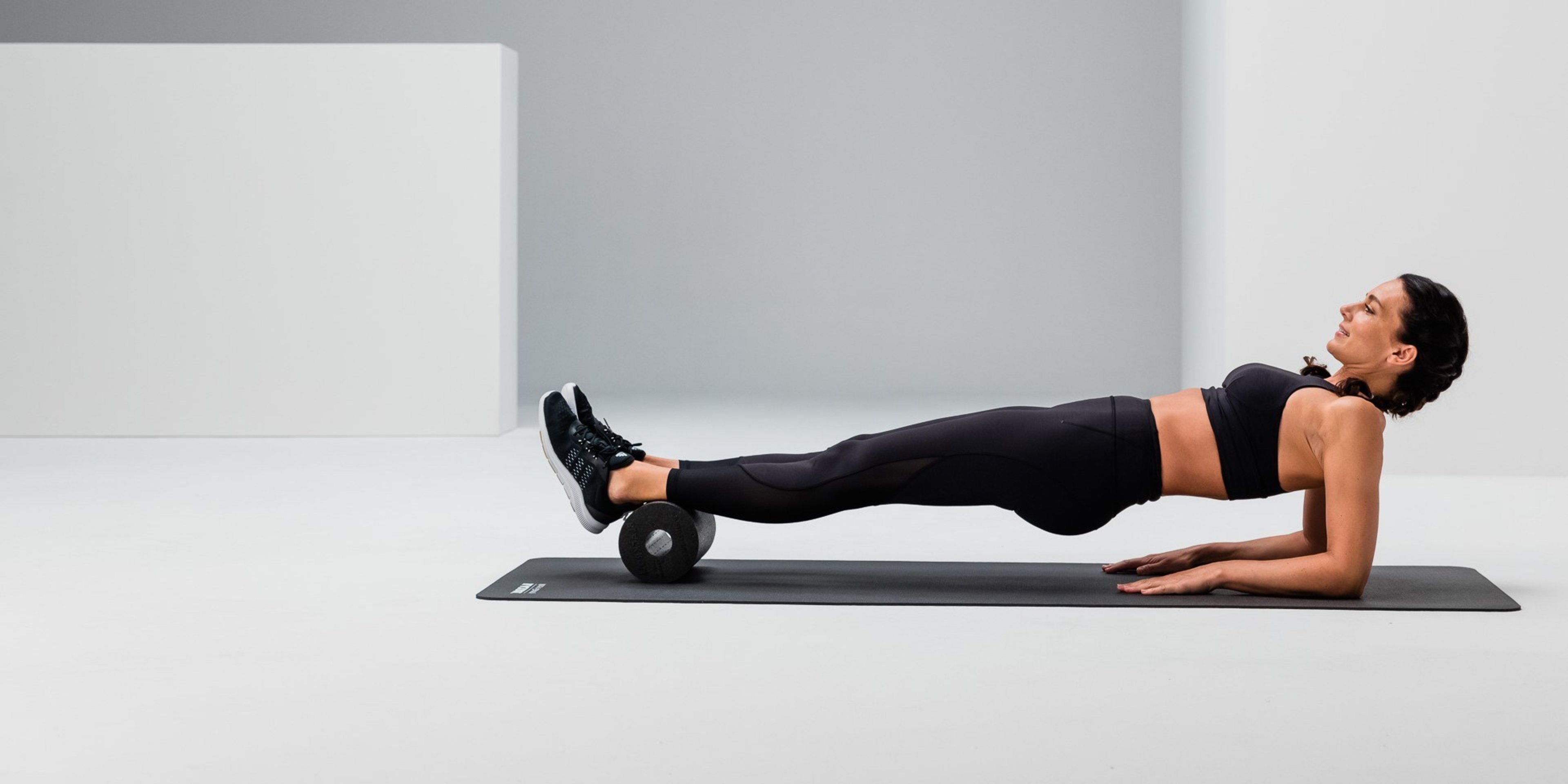
Start in a supine position. Place the BLACKROLL under your feet. Support yourself on your forearms. Lift your pelvis off the floor. Maintain the position by engaging your core without letting your pelvis drop. To increase the difficulty, lift your legs one at a time. Engage your abs throughout the exercise.
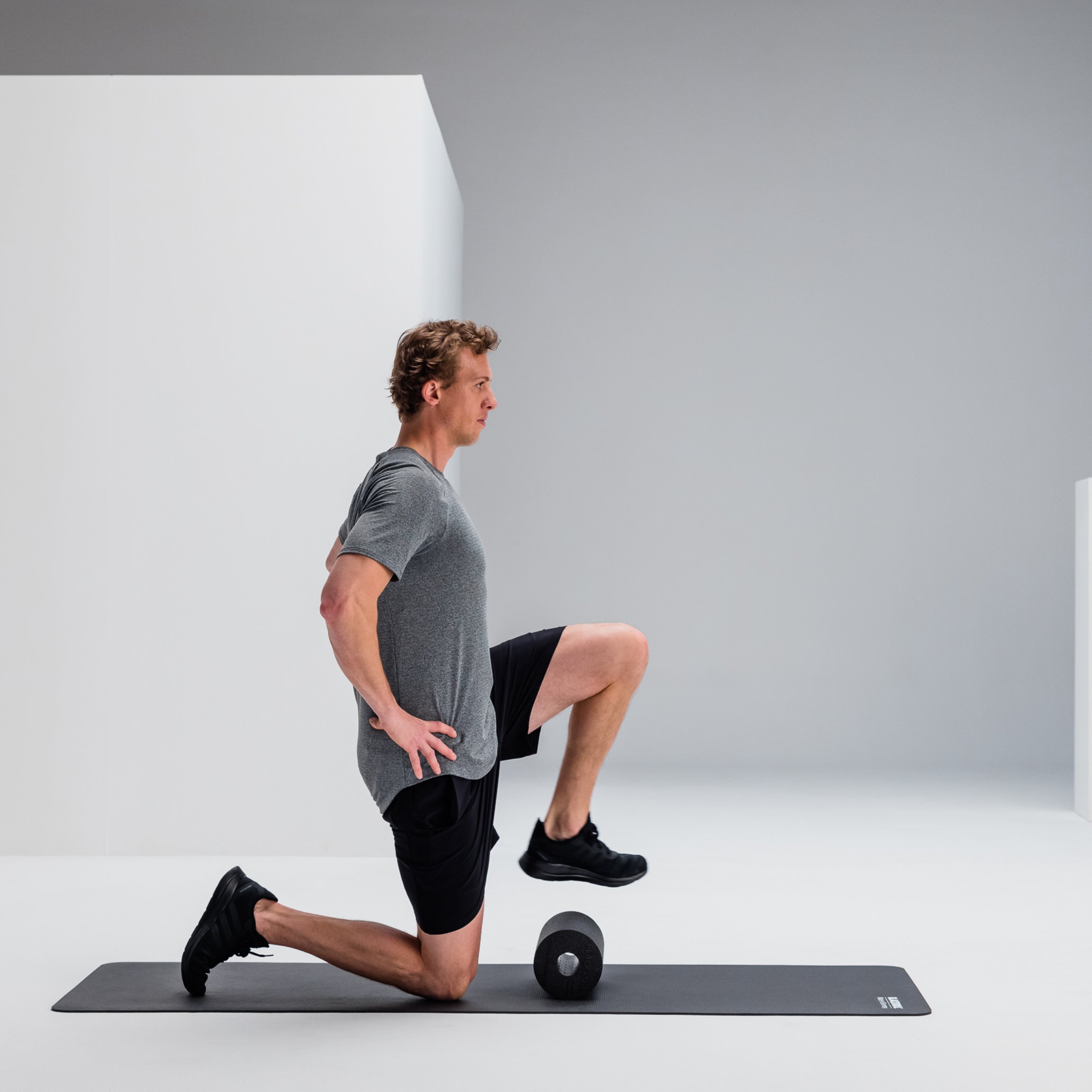
Hurdle Step
Good Mornings
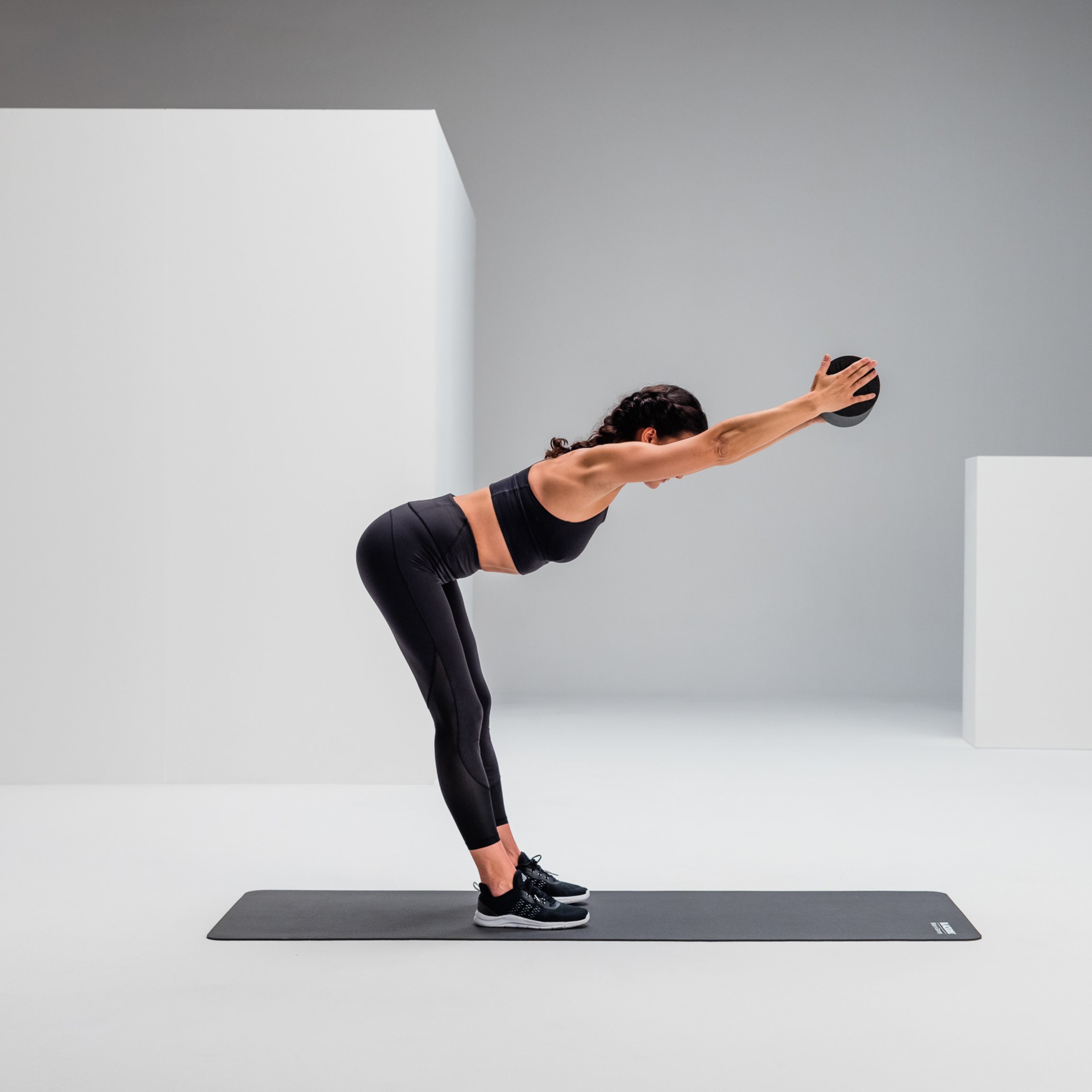
Start with your feet shoulder-width apart. Keep your knees slightly bent. Hold the BLACKROLL between your hands, which are extended overhead. Push your hips back. Lean forward with a straight back. Return to the starting position. Bend your upper body forward until you feel a stretch in the back of your thighs.
Pelvic Lifts
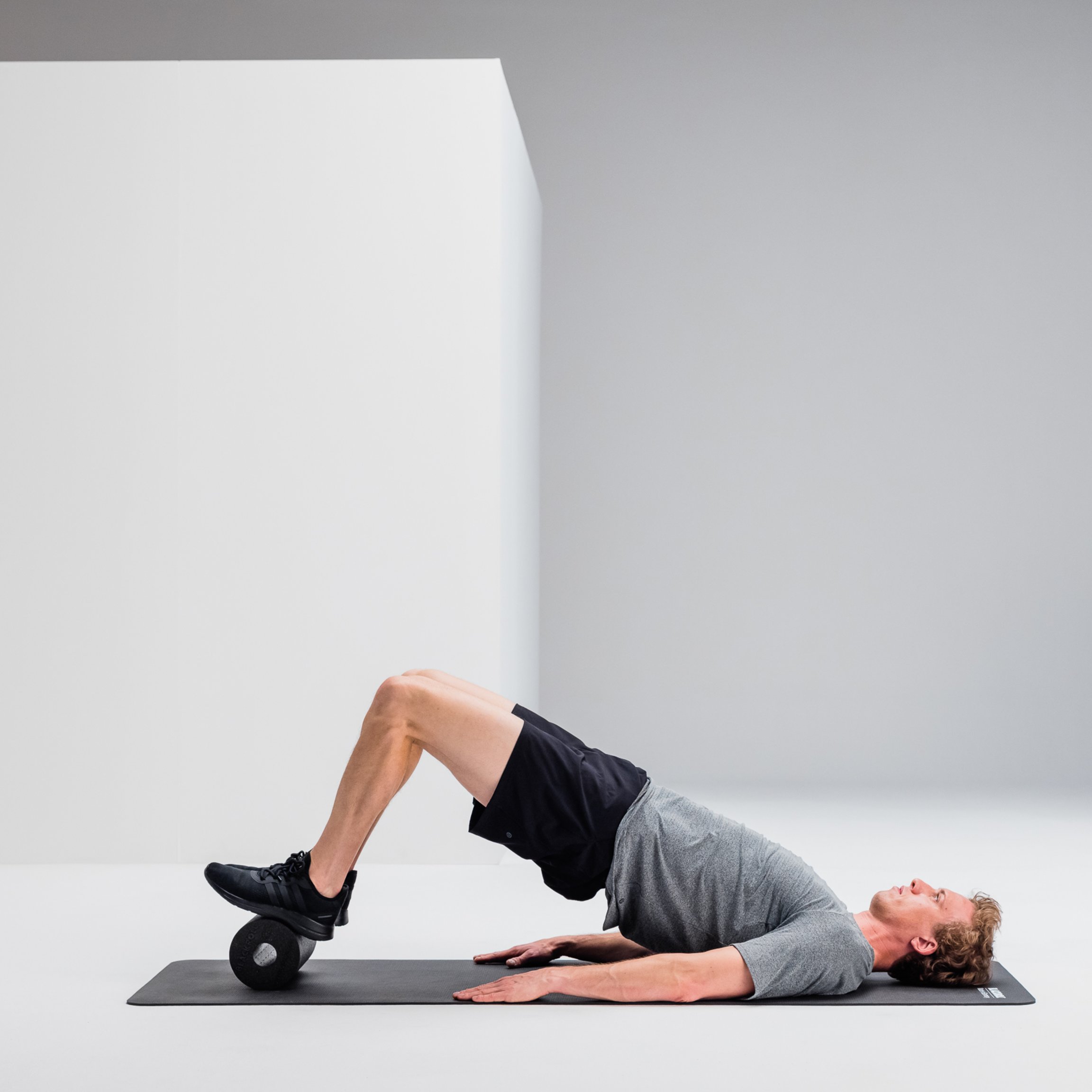
Start by lying on your back. Place your bent legs on the BLACKROLL. Support yourself with your arms extended at your sides. Lift your pelvis until your upper body and thighs form a straight line. Slowly return to the starting position without letting your pelvis touch the floor. Make sure your feet, knees, and hips form a straight line. Your abdominal muscles should remain engaged throughout the entire exercise.
Standing Balance
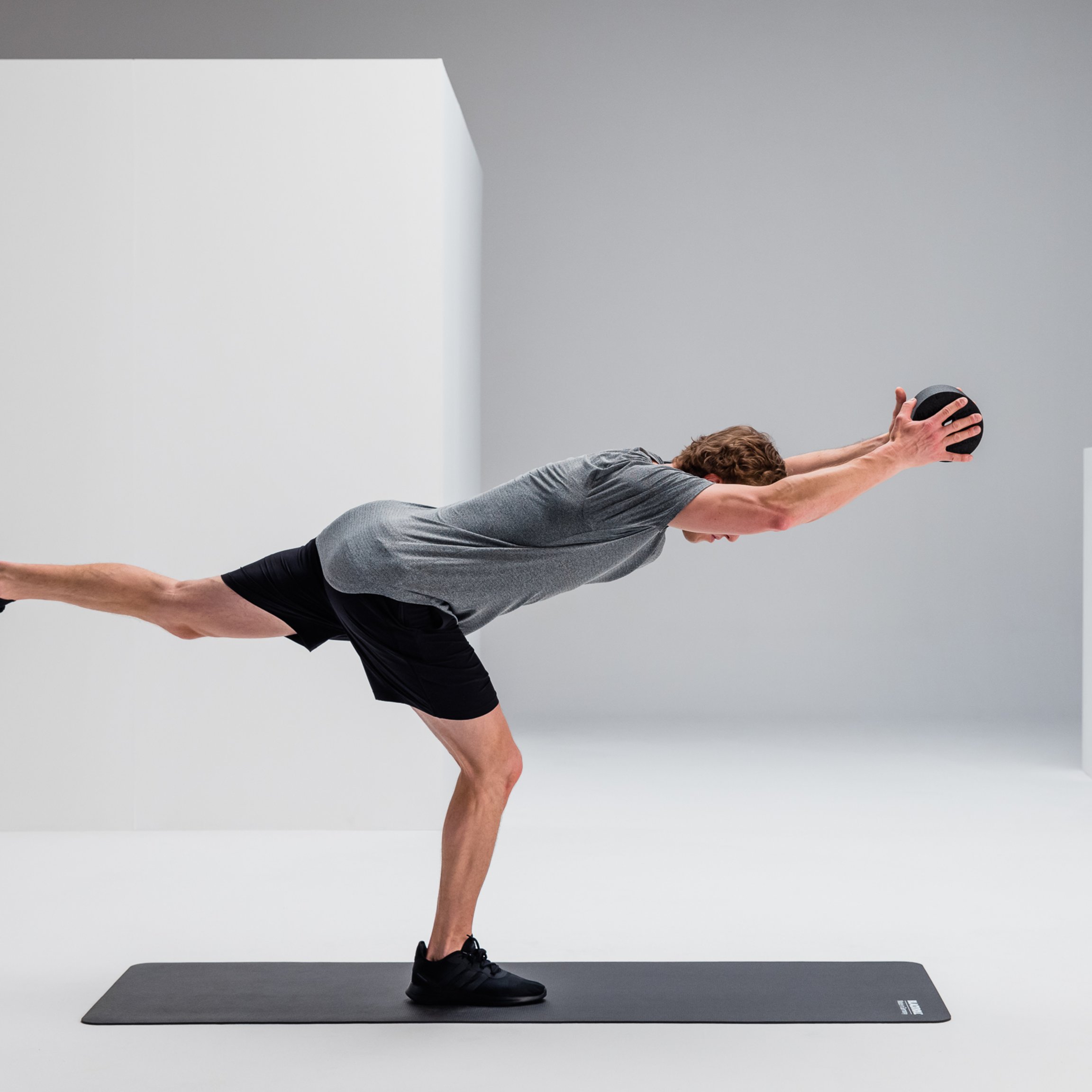
Stand with your feet hip-width apart. Hold the BLACKROLL between your hands and extend your arms upward. Lean your upper body forward. Lift one leg until your body is parallel to the floor. Then return to the starting position. Bend the knee of your supporting leg for added stability.