Back Pain: 10 Exercises That Really Help

Don’t let nagging back pain get the best of you: With these 10 exercises, you can quickly help your back relax again.
Time
- 34 minutes
- 10 exercises
Tackle your pain head-on
We’re here to help. Get your products, including premium online training.
Myofascial Self-Massage for Back Pain
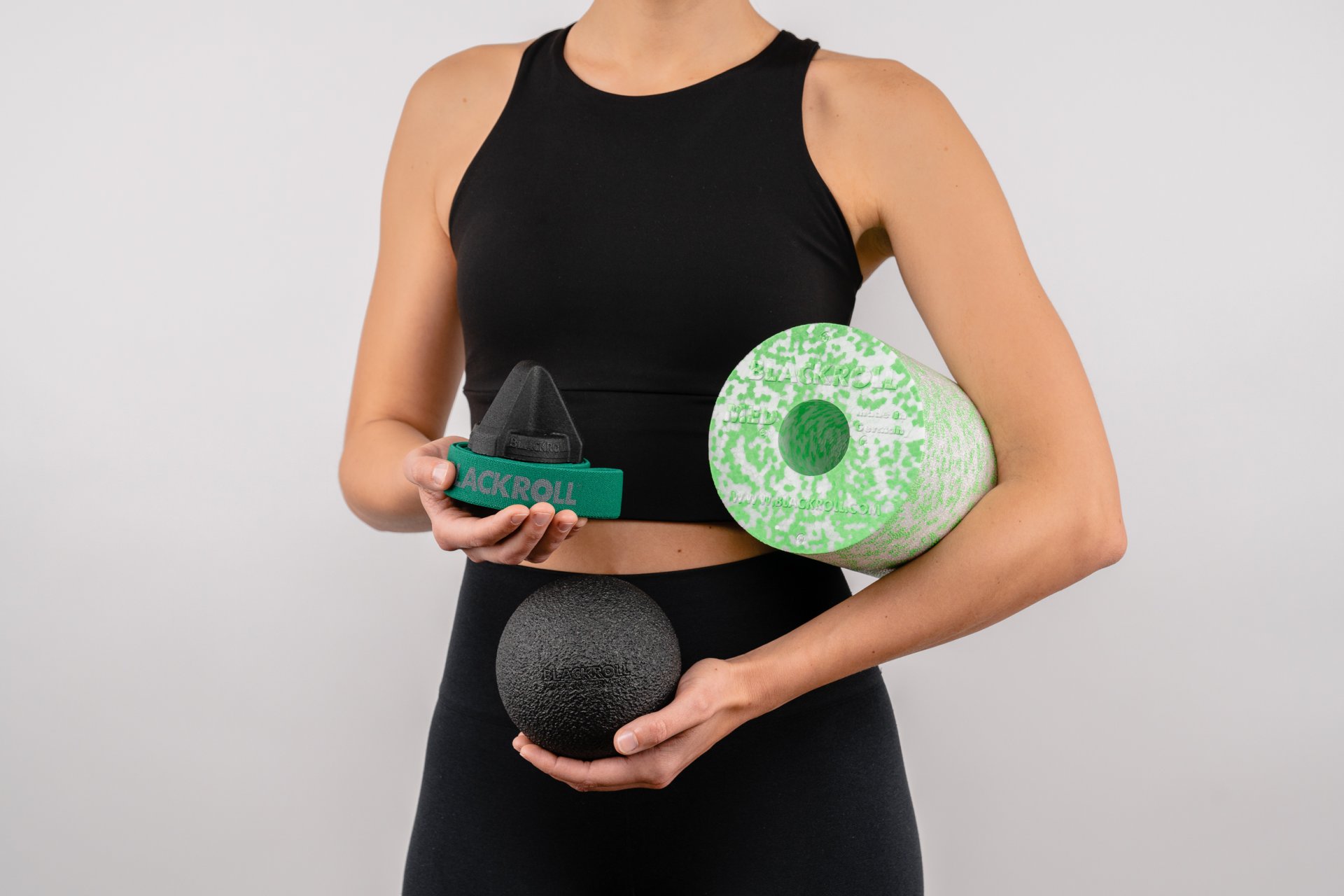
Shortened, tight muscles and adhesions in the fascia may be the cause of your pain. Here, it’s especially important to work on your glutes and hip flexors in addition to your back. Problem areas in these regions often cause pain that radiates to your back. The following three back pain exercises can help release adhesions in your fascia.
Back Pain Exercise: Relaxes Tense Gluteal Muscles
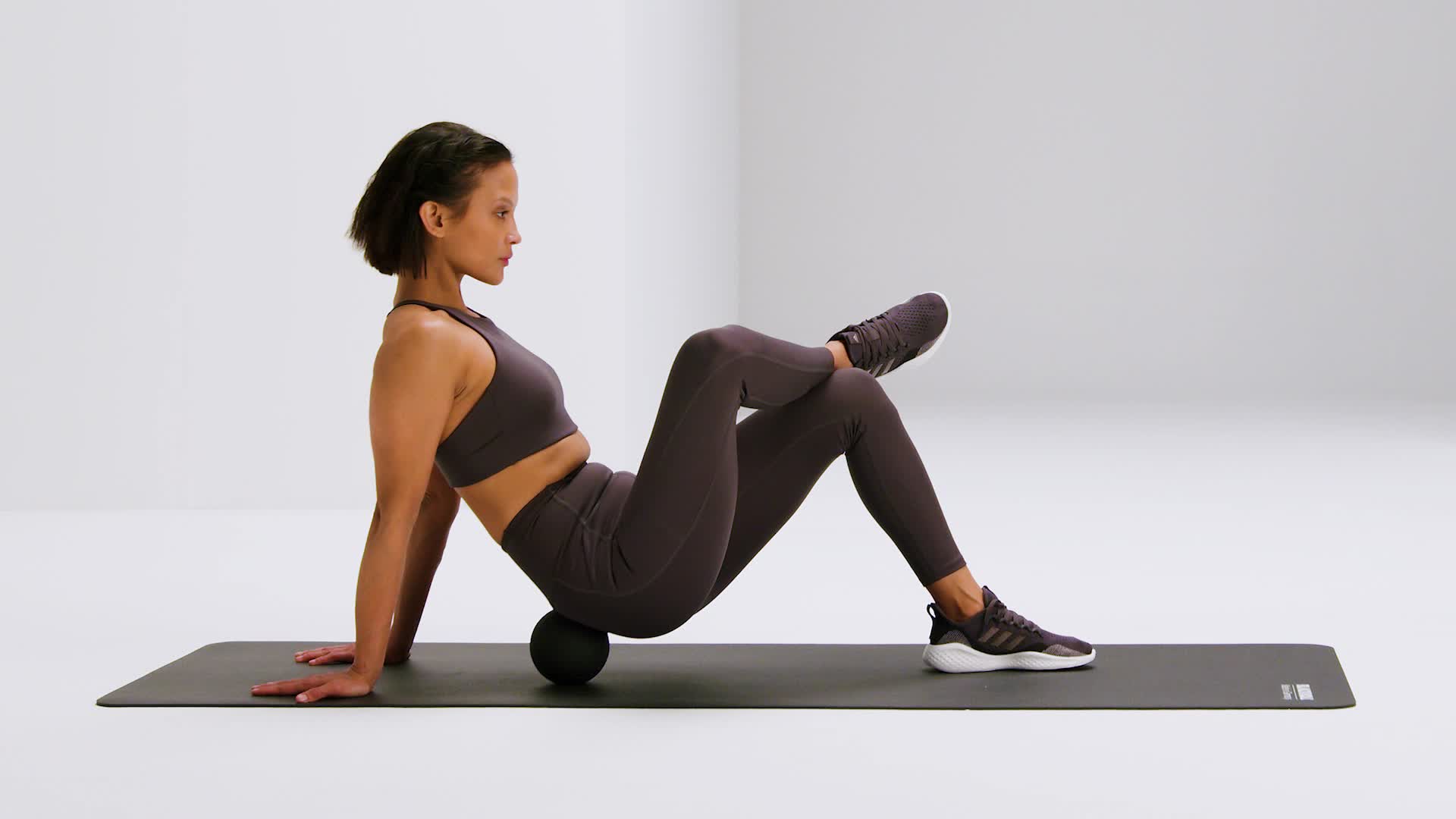
Place the BALL 12 on the floor and sit on it with one buttock. Rest the leg on the side you’re treating on the thigh of the other leg. Move slowly in place and feel the individual pain points.
Back Pain Exercise: Relaxes Tense Gluteal Muscles
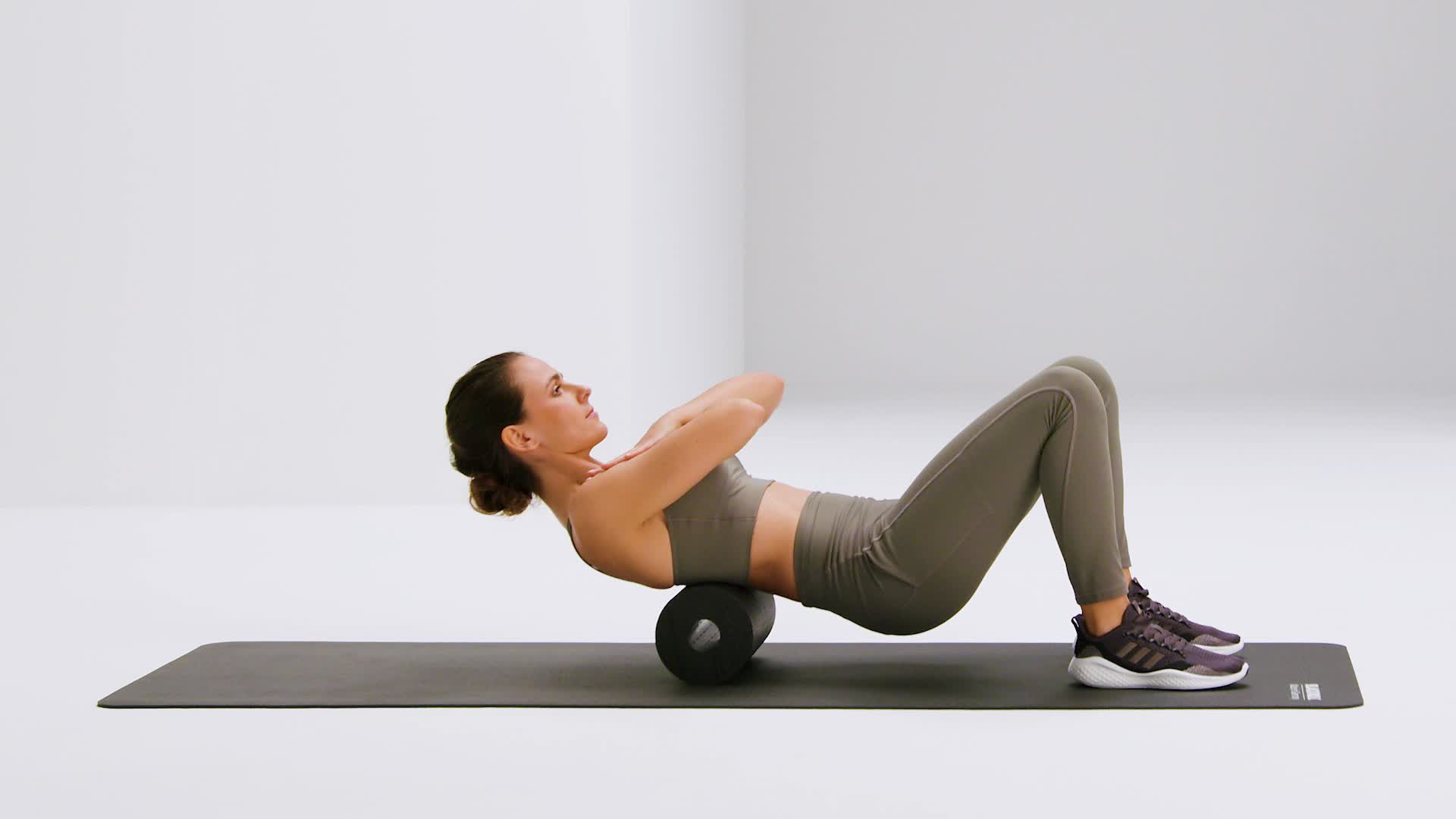
Sit on the floor with your legs spread apart and support yourself with your arms behind you. Place the roller just above your waistline in the lower back area. Lean your upper body back and lift your buttocks slightly off the floor.
Hip Pain Exercise: Relaxes Tense Hip Flexor Muscles
Targeting Deep Tension Points for Back Pain
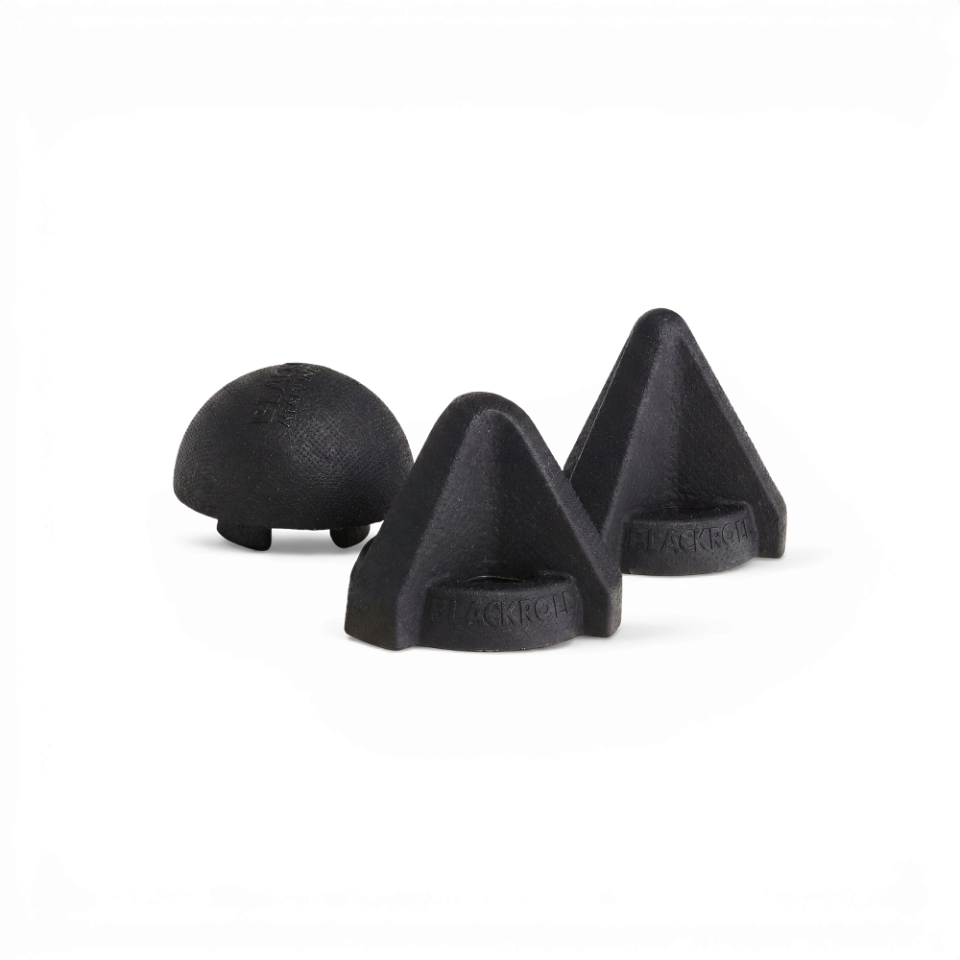
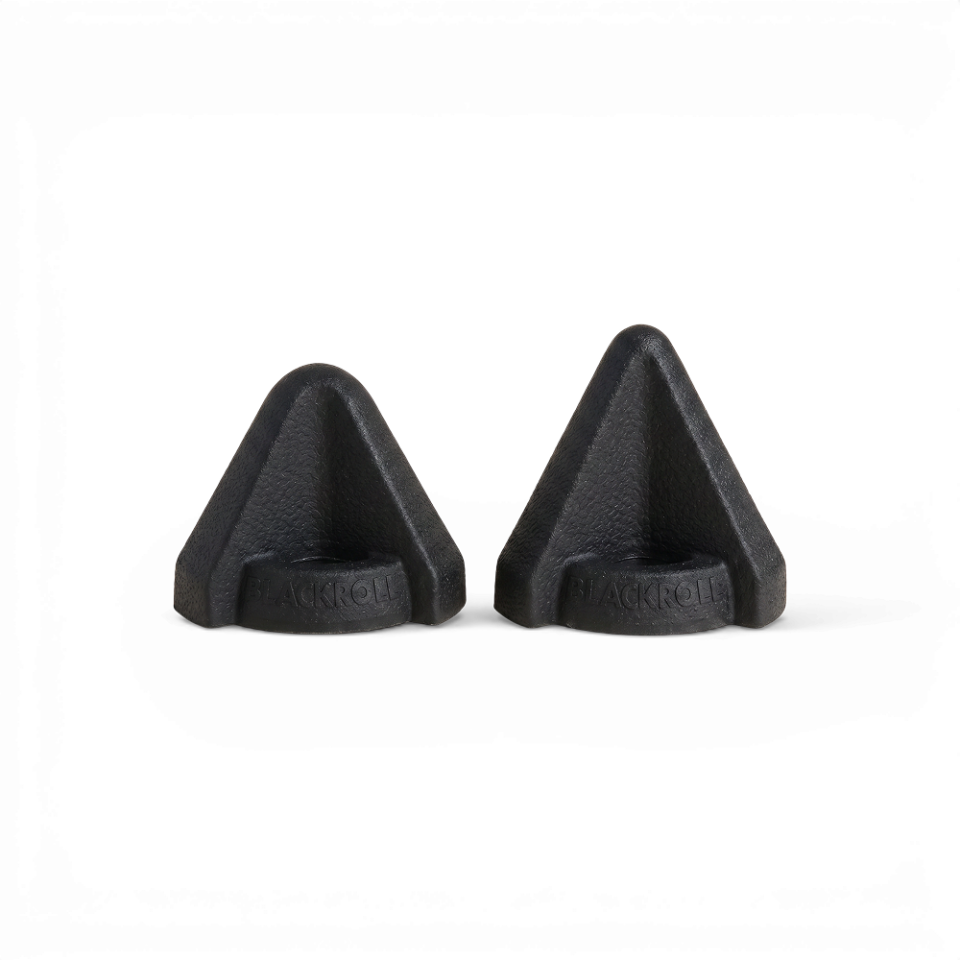
After myofascial self-massage, use the TRIGGER to target deep fascial adhesions. Applying targeted pressure to your muscles can release deep-seated tension around the lumbar spine. Do you also feel pain in your lumbar spine caused by gluteal tension? Solution: Target your gluteal muscles.

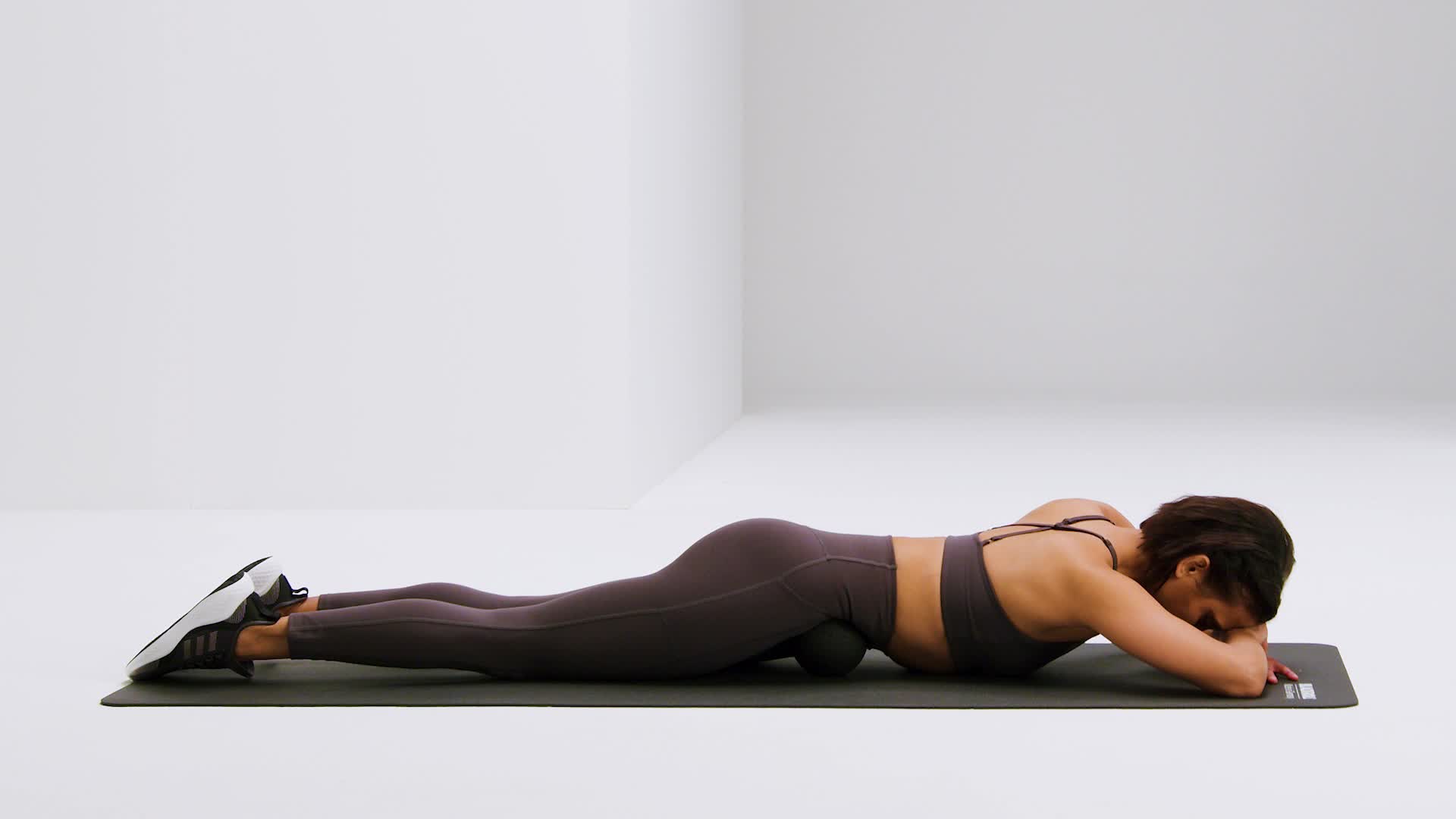
Back Pain Trigger Exercise: For Tense Gluteal Muscles
While lying down or sitting, position the TRIGGER precisely on the painful spot on your buttocks and slowly lower yourself onto the TRIGGER .
Mobilization & Stretching Exercises for Back Pain
Myofascial techniques help reduce muscle tension. Targeted stretching exercises improve your range of motion. On the one hand, this can relieve your back pain. On the other hand, it can help prevent further problems.
These two exercises for back pain are designed to relieve pressure on your spine.
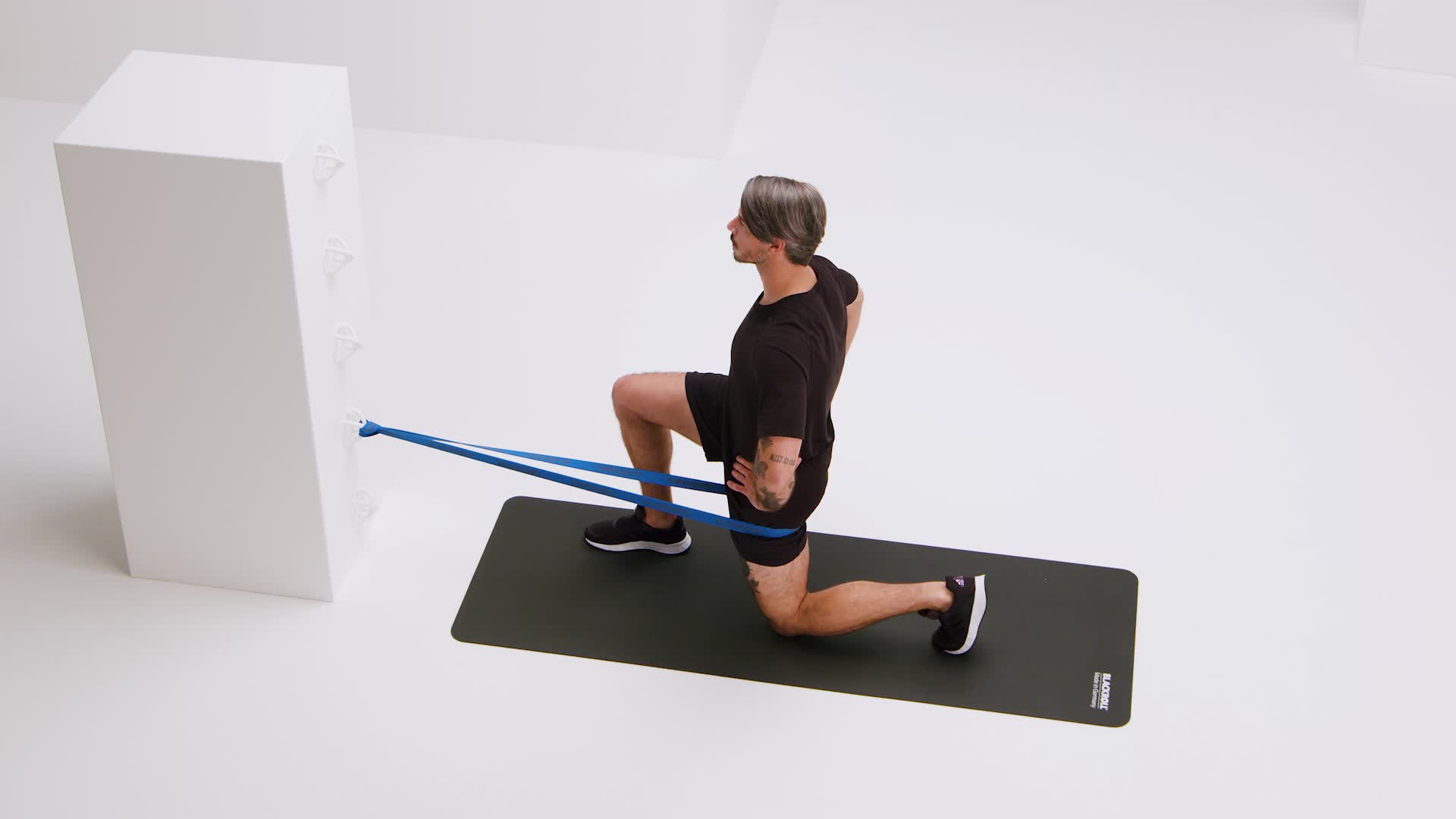
Back Pain Stretching Exercise: Stretches Your Hip Flexors
Start in a one-legged kneeling position and place your knee directly under your hip. Wrap the SUPER BAND around your thigh from the front.
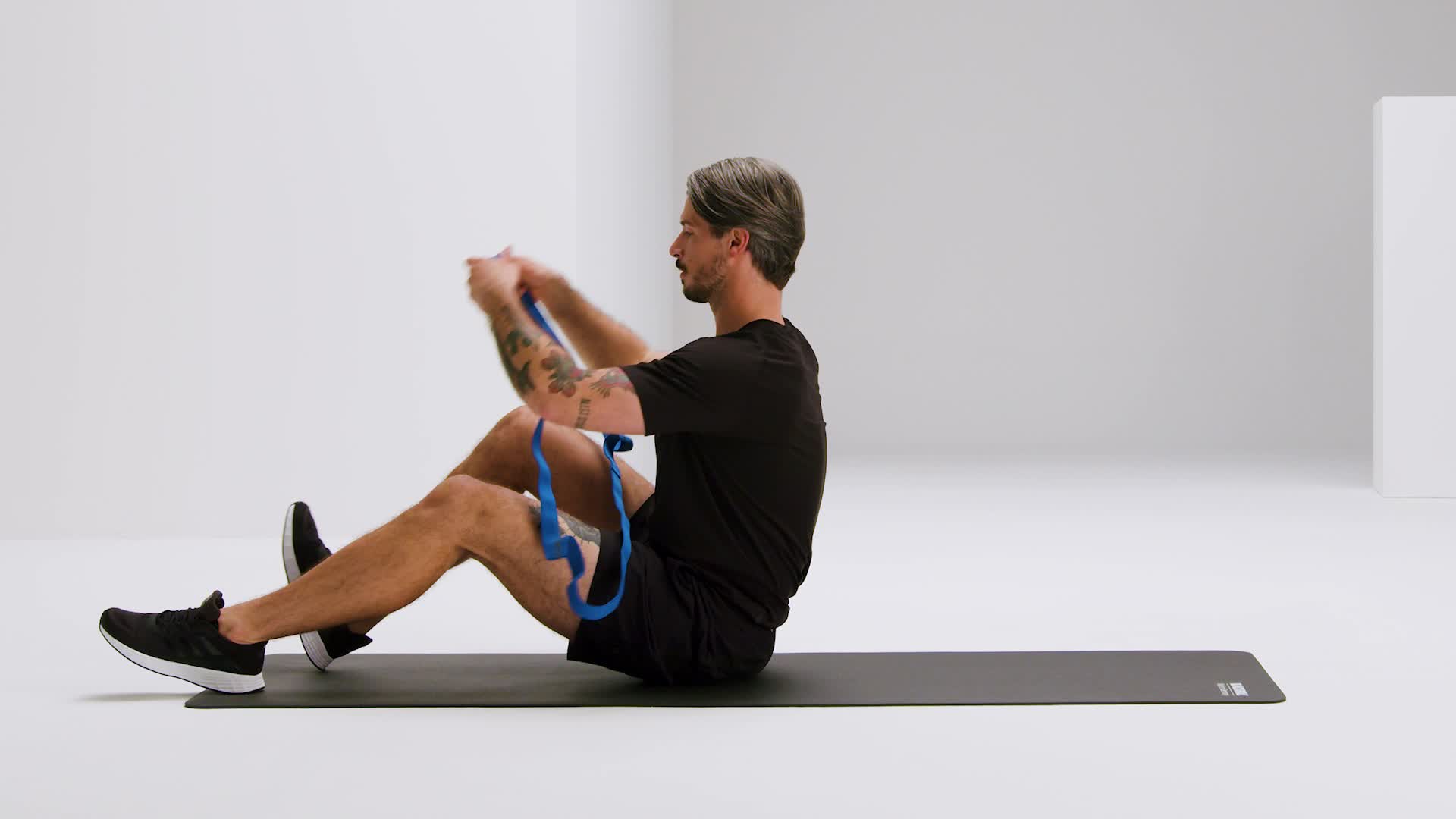
Back Pain Stretch: Supports Your Lumbar Spine
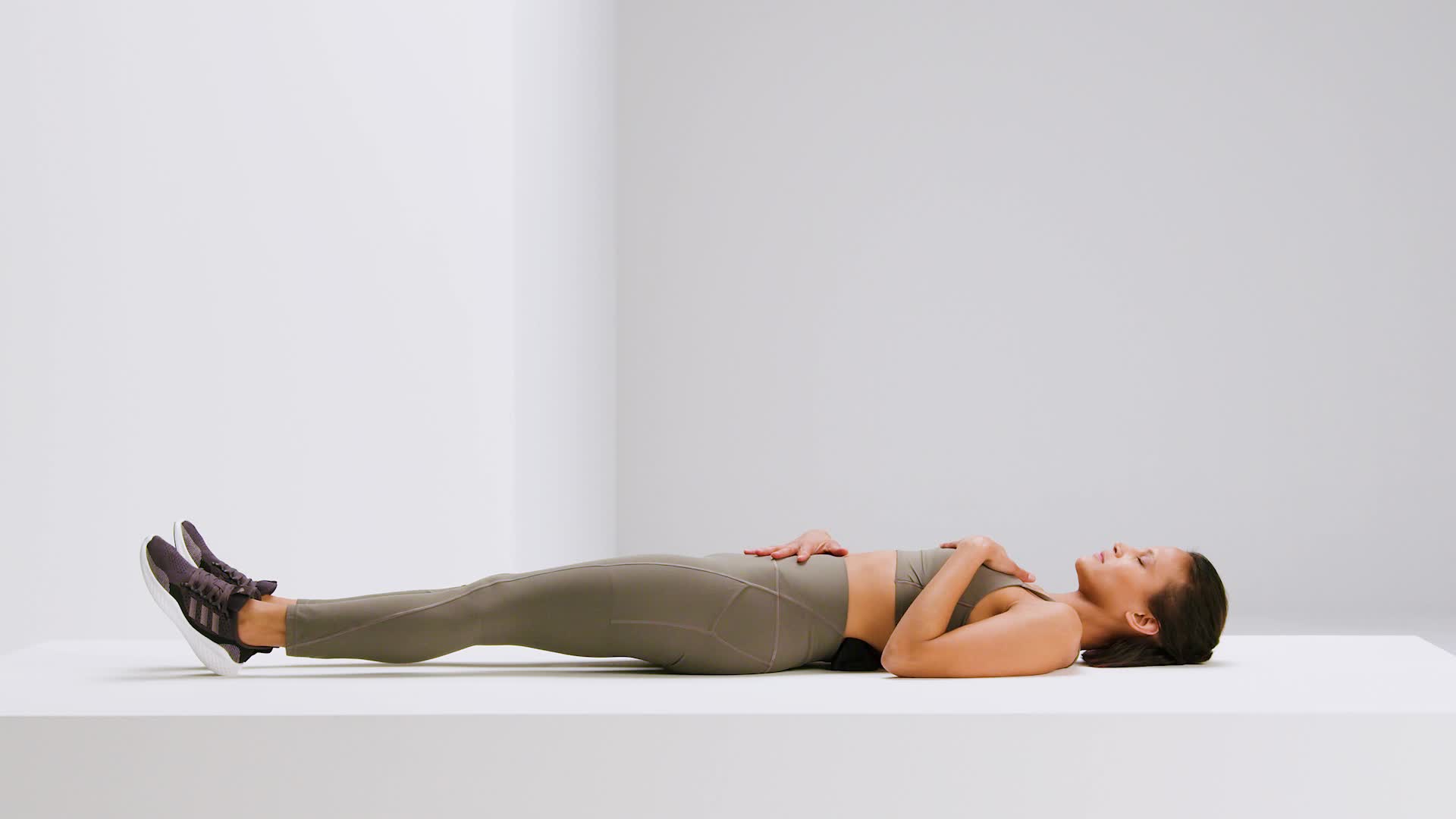
Start in an upright seated position and wrap a SUPER BAND around one foot. Grasp the band with both hands. Slowly lie down on your back and place both legs on the floor.
Back Pain Exercise for Activation and Strengthening
Just like when building a house, a stable foundation is very important in the body. If your back and core muscles are weak, your body tends to rely on passive structures. We’ve selected the following three back pain exercises for you.
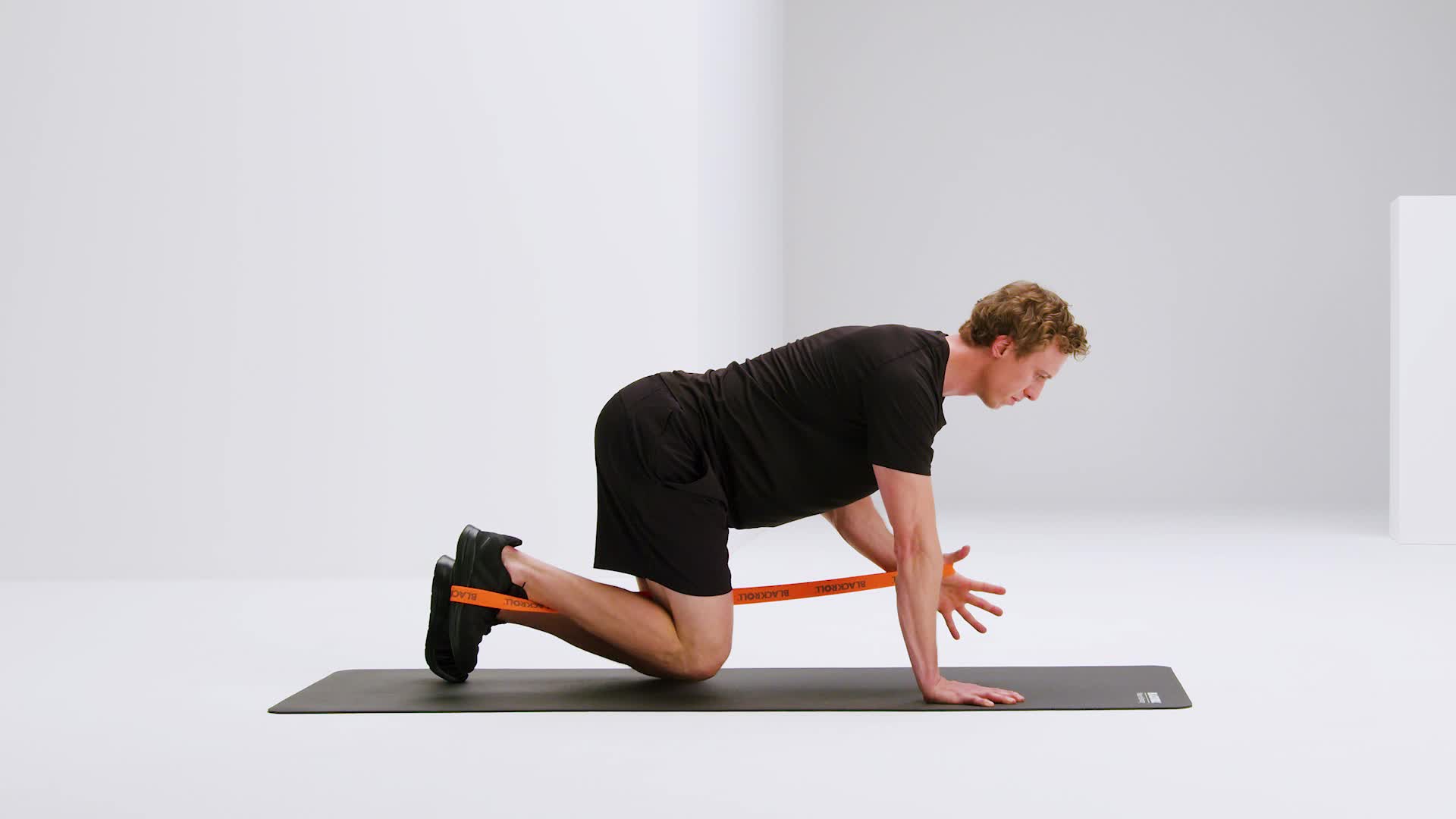
Exercise for Back Pain: Strengthens Your Back
Place the SUPER BAND around your foot and grasp the other end with the opposite hand. Get on all fours, placing your knee directly under your hip and your hand directly under your shoulder.
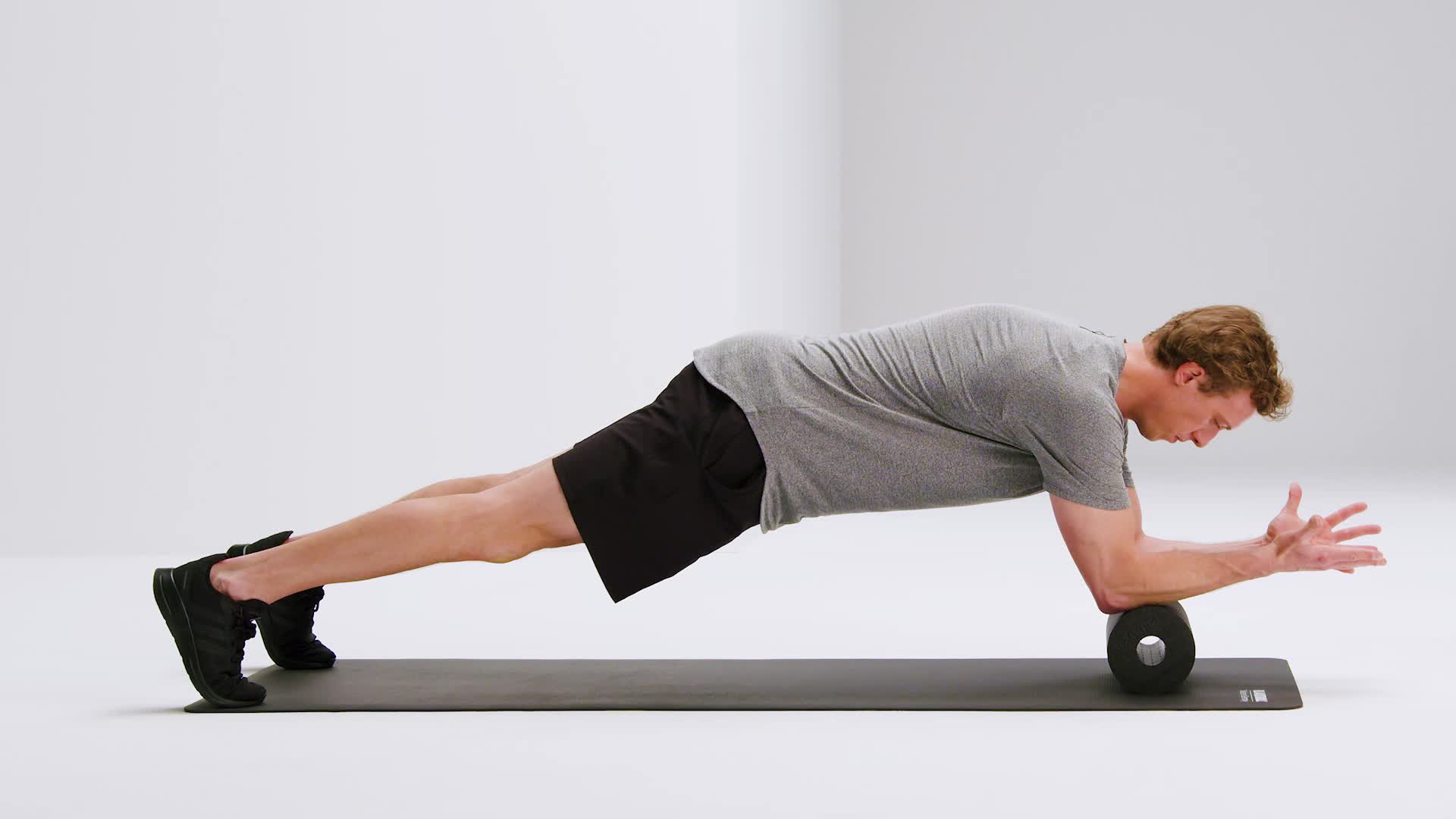
Exercise for Back Pain: Strengthens Your Core Muscles
Rest your forearms on a BLACKROLL® and turn your palms toward the ceiling.
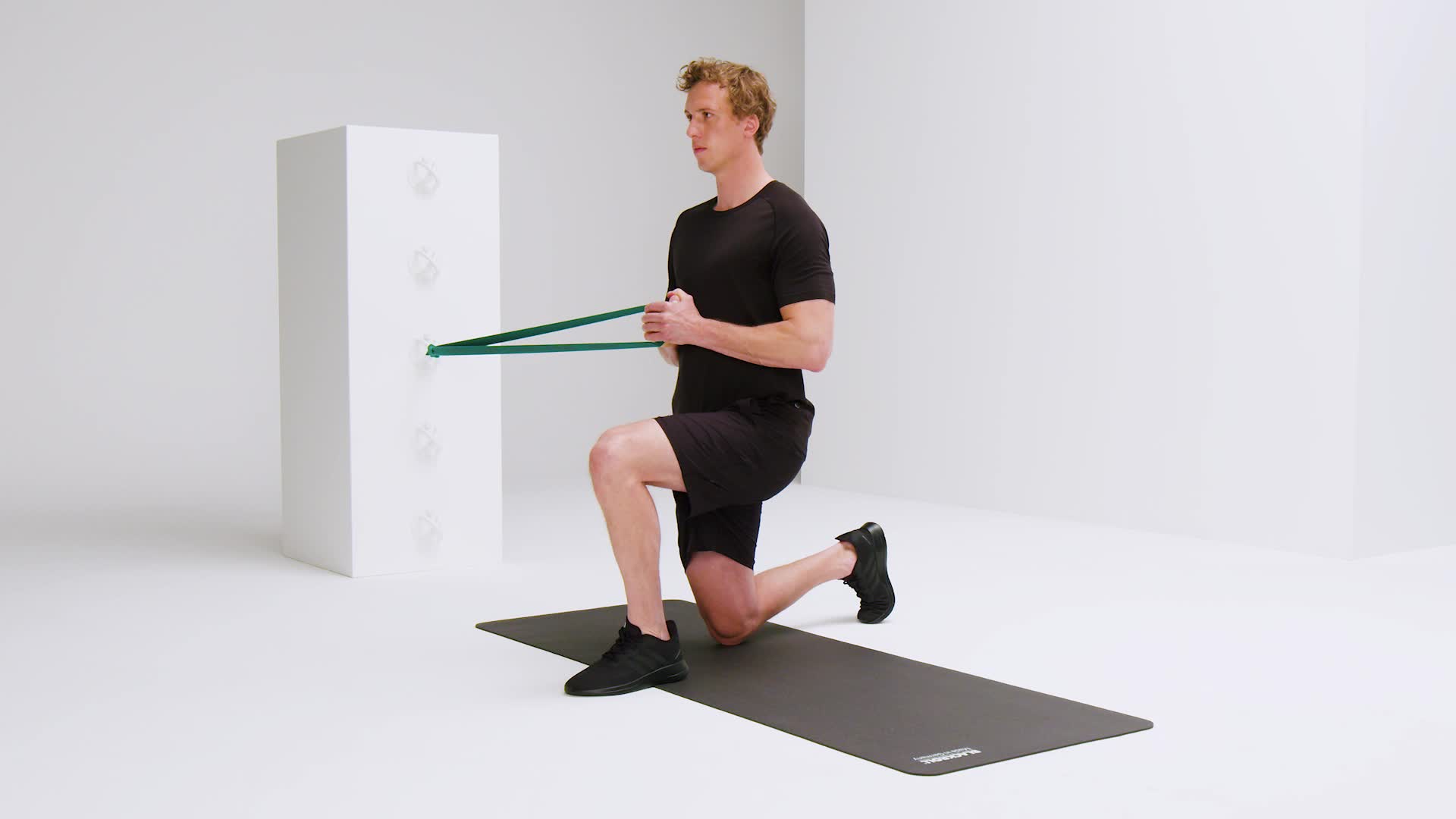
Exercise for Back Pain: Strengthens Core and Rotator Muscles
Attach a SUPER BAND to a sturdy object. Grasp the band with both hands and kneel a good distance away from it so that it is taut.
Start Your Day with More Flexibility—With This Morning Routine for Back Pain
Do you want to improve your back health and start your day feeling flexible? Then our morning routine is just right for you. In just a few minutes, you’ll activate key muscle groups, mobilize your spine, and release tension. This helps you prevent back pain or specifically relieve existing discomfort—ideal as a daily morning routine or for doing in between.


Lower Back Pain
Where does your back pain come from? And what can you do about it?
Your guide to relieving back pain
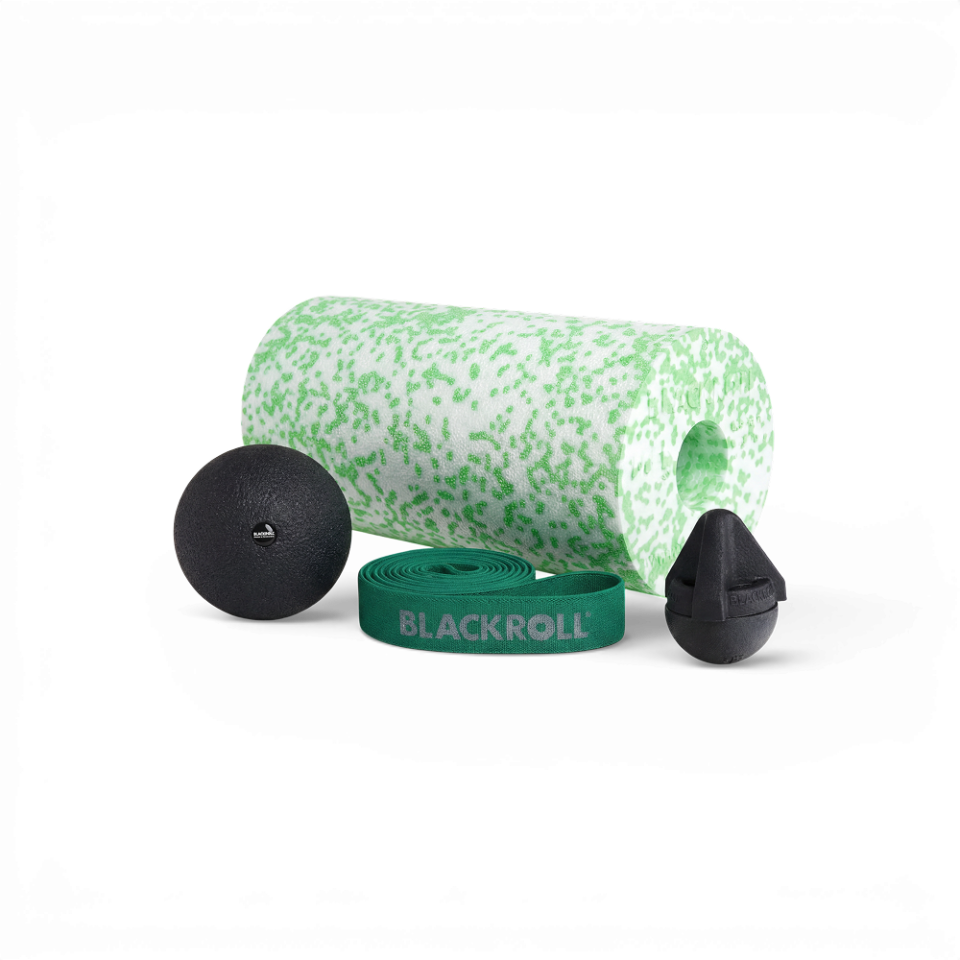
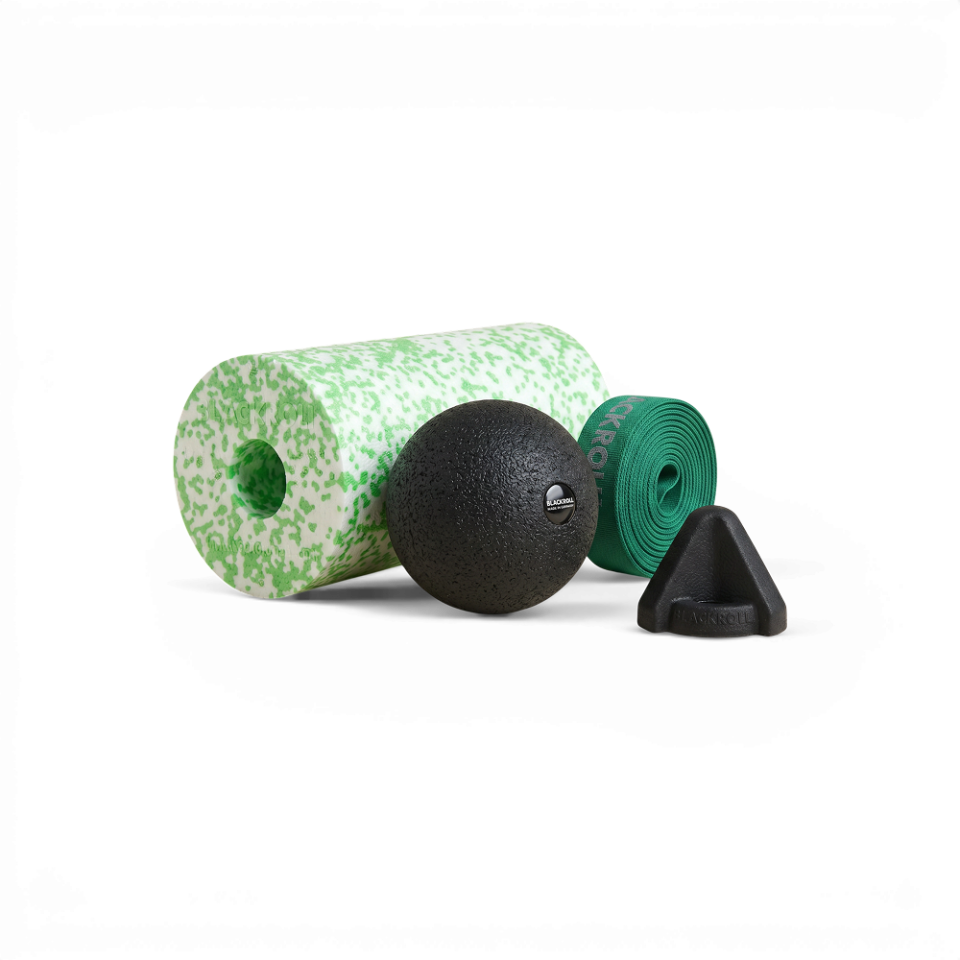
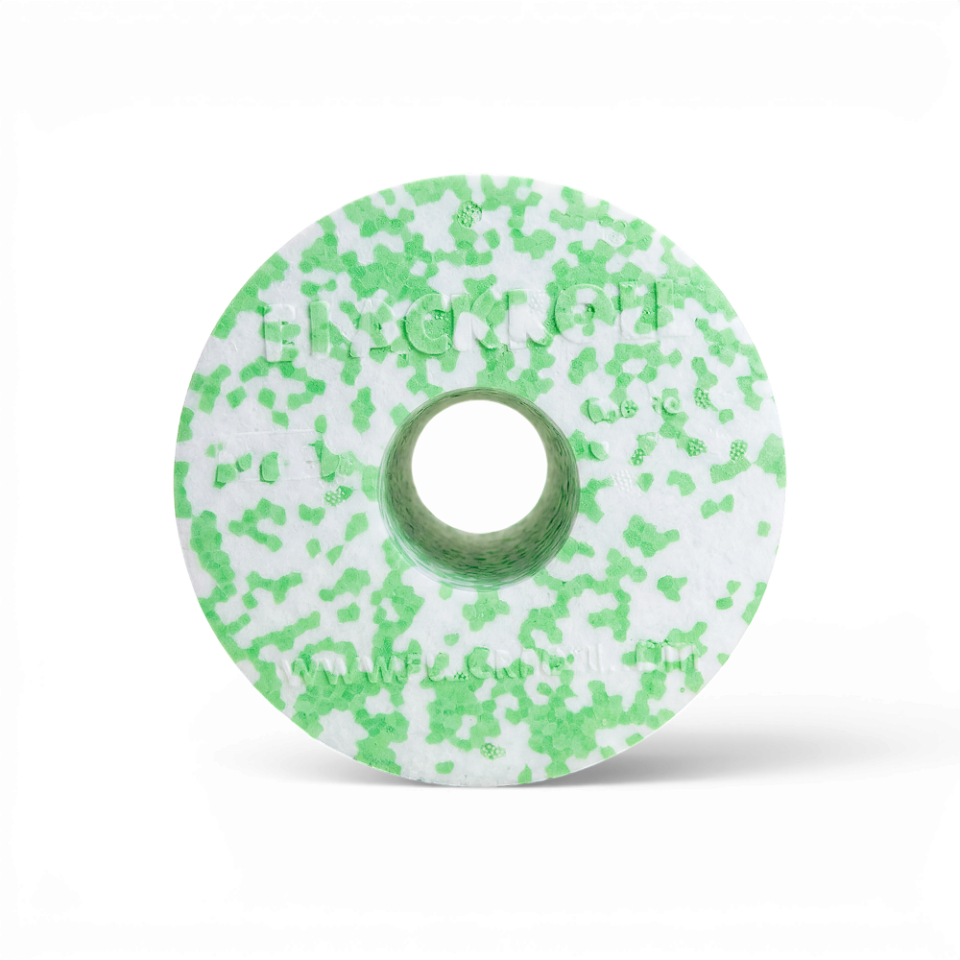
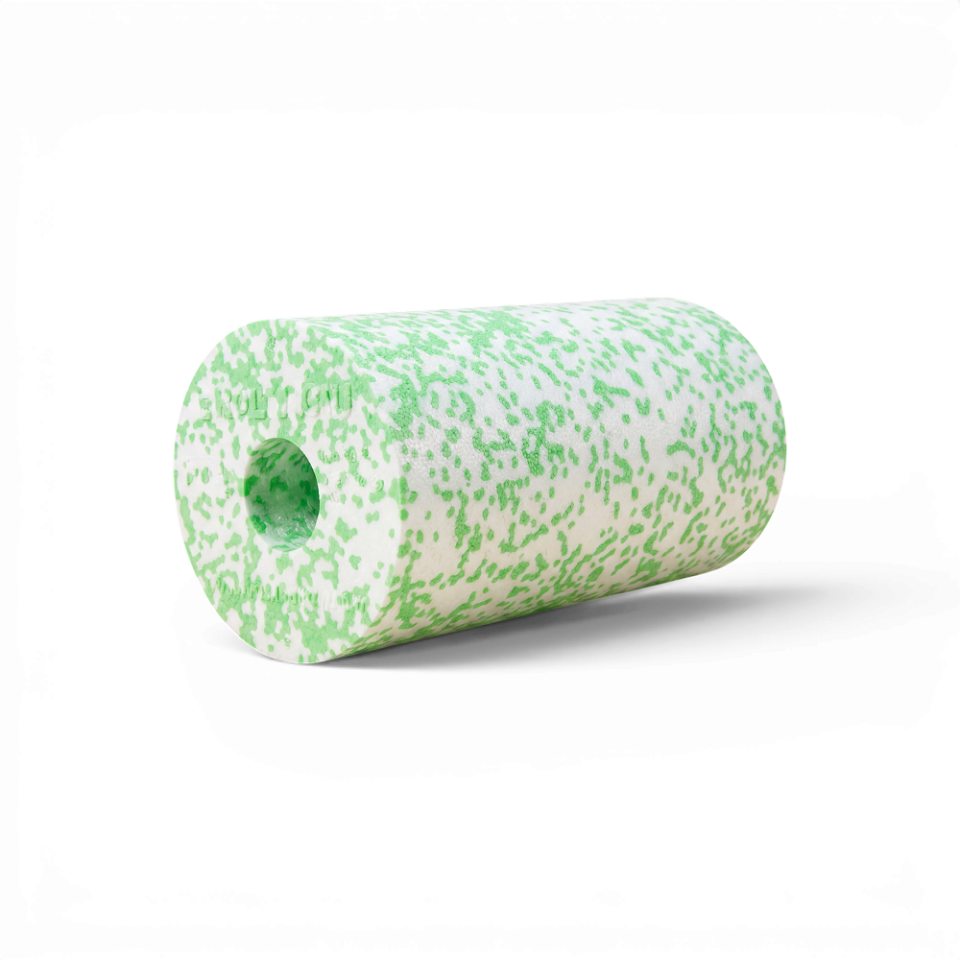
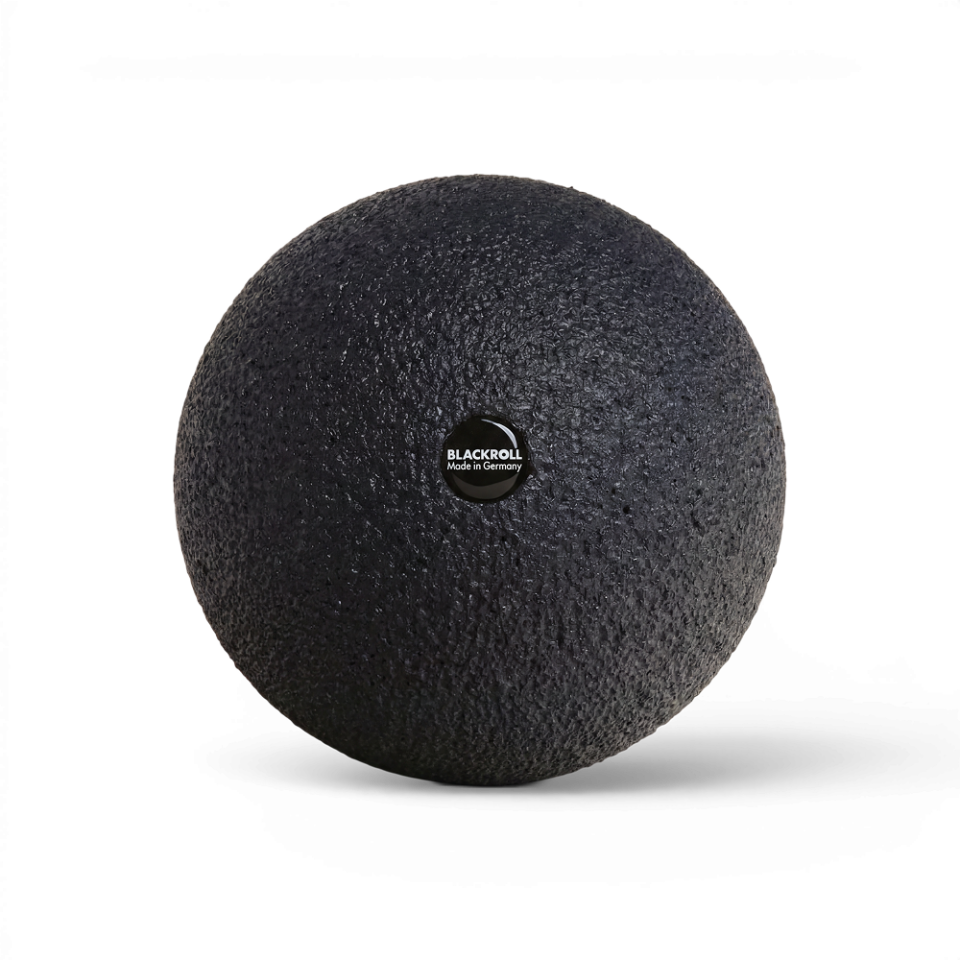

Ball 12
Available in multiple variants
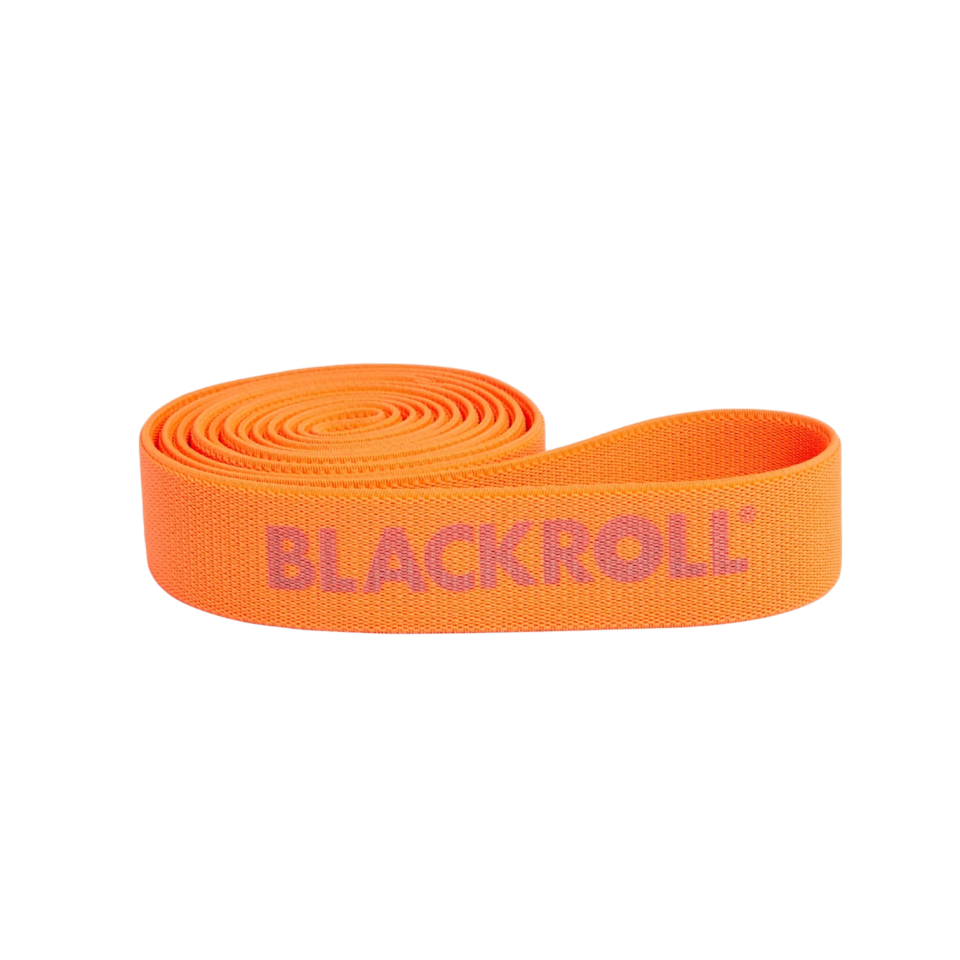

Super Band
Available in multiple variants
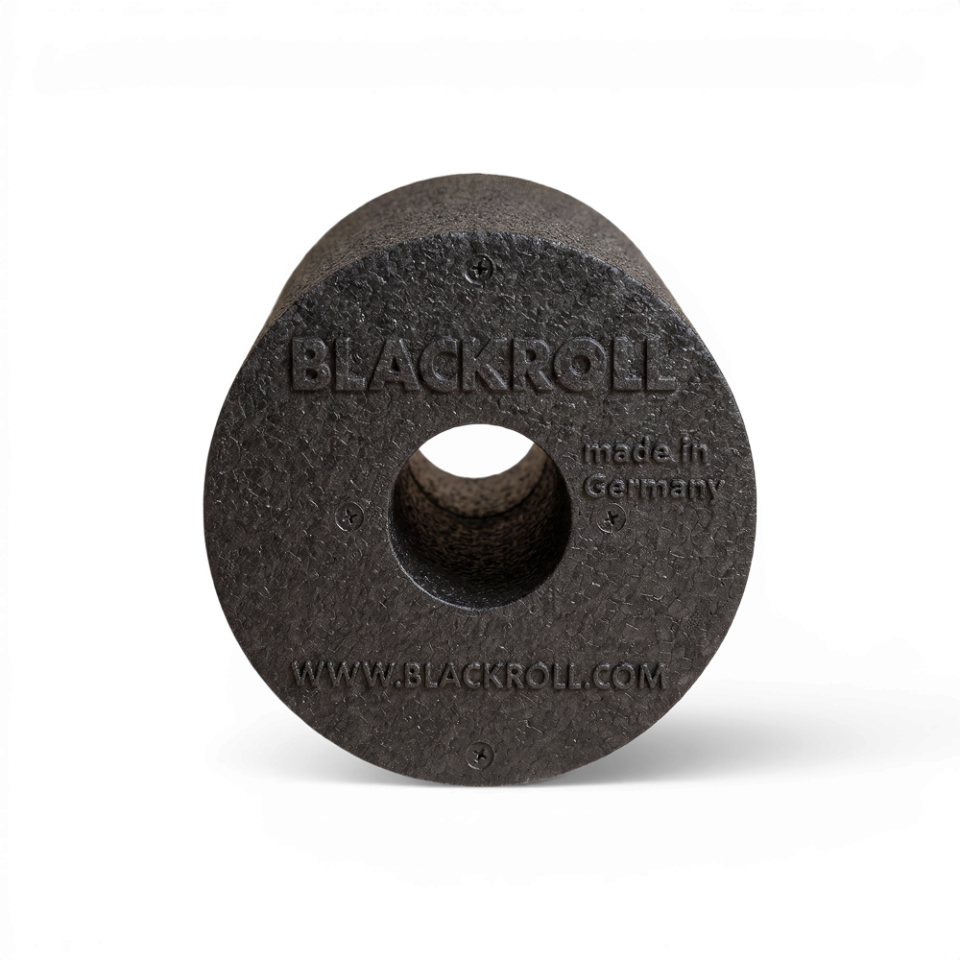
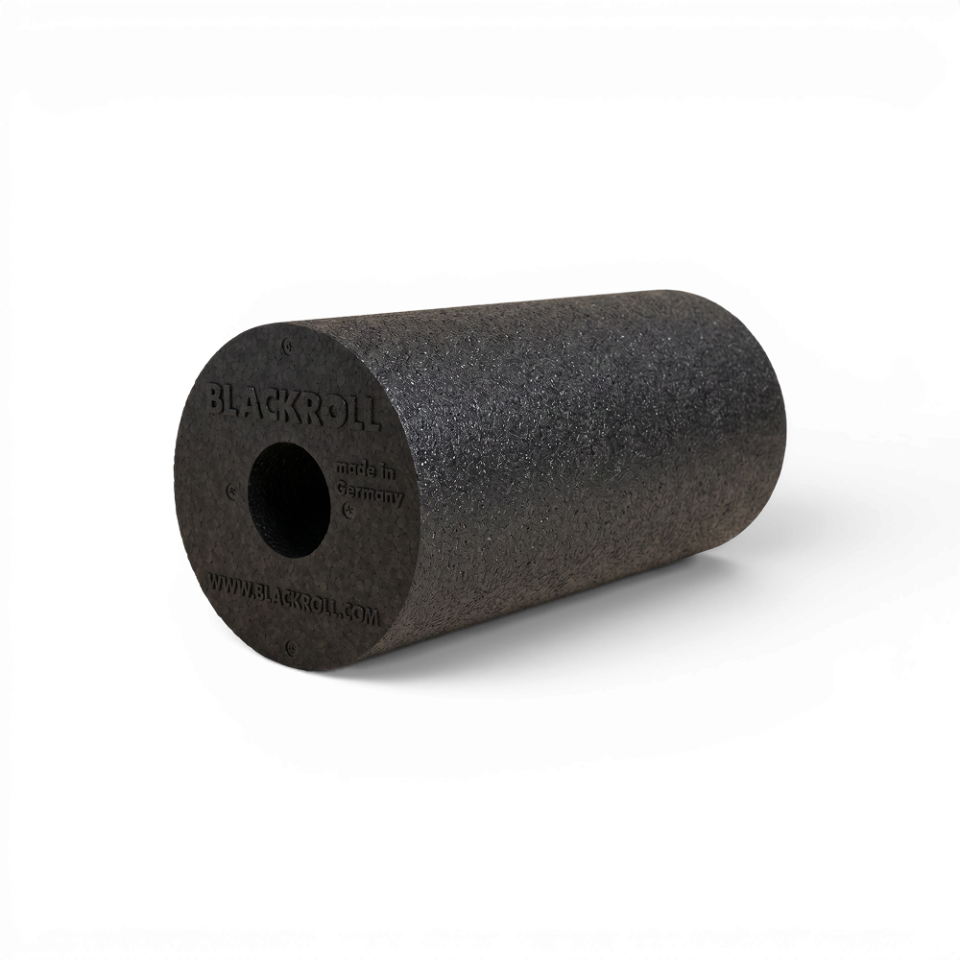
Standard
Available in multiple variants