
Hip pain: Common causes and treatment

Hip pain (coxalgia) is one of the most common musculoskeletal complaints. According to the German Society for Orthopaedics and Trauma Surgery (DGOU, 2023), around 8.5 million people in Germany suffer from it regularly. The pain can be felt in the Hip itself, but also in neighbouring areas such as the groin, Glutes or lower Back – as the muscles and Fascia in these regions are functionally closely interconnected.
If this finely tuned muscle-fascia system becomes unbalanced, it leads to tension, incorrect loading and, ultimately, pain. In this article, you will learn what hip pain is, what causes it, and how you can treat and prevent it.

Copyright notice: Creative Commons – Attribution-NoDerivatives 4.0 International (CC BY-ND 4.0)
What is hip pain? Definition and prevalence
Hip pain refers to pain in the area of the hip joint or the surrounding structures such as muscles, tendons, ligaments and fascia. It can be acute (occurring suddenly, e.g. following Overload or an Injury) or chronic (lasting for more than three months). According to the Federal Health Reporting System (RKI, 2022), around 15 per cent of people over the age of 45 are regularly affected.
Acute vs. chronic Hip pain
Acute hip pain is often caused by overload during sport, missteps or muscle irritation. Chronic hip pain develops over weeks or months, usually due to poor posture, fascia adhesions or degenerative changes such as osteoarthritis.
Hip pain vs. hip osteoarthritis – the difference
Many people confuse general hip pain with osteoarthritis. However, osteoarthritis is only one of several causes: in around 70 per cent of cases, muscular or myofascial tension imbalances are to blame (Travell & Simons, 2019). These can cause permanent overload of the joint, which leads to osteoarthritis in the long term, but can initially be treated functionally.
Expert opinion: “In my practice, I find that most hip pain is attributable to muscular imbalances and fascial tension – not to structural joint damage. With targeted Fascia training, 80 per cent of symptoms can be reduced in a sustainable manner.”
Dr Torsten Pfitzer, Specialist in Orthopaedics & Trauma Surgery, sports medicine specialist and pain therapist. Over 15 years’ clinical experience, having treated over 12,000 patients with hip problems.
Symptoms of hip pain – how to identify the cause
Hip pain manifests itself in different ways – depending on the cause, the strain placed on the joint and the structures involved. It can be dull, sharp or aching, and may occur both in the joint itself and in surrounding areas. Pain is particularly common when standing up, walking or lying on one’s side. The location of the pain provides important clues as to the underlying cause.
Typical sites of hip pain
- Groin area: A common sign of hip osteoarthritis or hip impingement.
- Outside of the hip: Typical in cases of bursitis (trochanteric bursitis) or Overload of the gluteus medius muscle.
- Buttocks: Often indicates muscular tension or irritation of the sciatic nerve.
- Front of the thigh: Please note that the hip flexor (iliopsoas muscle) is not loaded correctly.
- Inside of the hip: May be related to adductor tightness or groin problems.
Hip pain when standing up – start-up pain
Symptom: Pain or stiffness after prolonged sitting or lying down, particularly in the morning.
Cause: Often osteoarthritis or muscular imbalance.
Typical: Improvement after 15–30 minutes of movement.
Source: Hip pain guidelines (DEGAM, 2023)
Hip pain when walking – exertional pain
Symptom: Pain during or after physical activity.
Cause: Inflammation, bursitis or fascia adhesions.
Location: Outside of the Hip or groin.
Prevalence: Occurs in 65 per cent of people with hip osteoarthritis (DGOU, 2023).
Hip pain when lying down – night-time pain
Symptom: Pain on the affected side, often associated with sleep disturbances.
Cause: Usually trochanteric bursitis or muscle tension.
Tip: Change your sleep position; if necessary, place a pillow between your legs to avoid putting pressure on the hip.
Radiating pain
Hip pain can also radiate to other areas – for example , the lower back, the Glutes or the Knee. This is because the nervous system and the fascial system are closely interconnected. The sciatic nerve is particularly commonly involved when pain travels from the lumbar spine down to the Hip or leg.
When should you see a doctor for hip pain?
In many cases , hip pain is harmless and improves with exercise, fascia training or rest. However, it is strongly advisable to see a doctor if the pain is sudden, severe or persistent – particularly after a fall or if accompanied by numbness, swelling or a fever.
Warning signs that you need medical help
- Acute, stabbing pain following an accident or fall (suspected fracture or labral tear)
- Pain at rest or at night that disrupts sleep (indicating inflammation or osteoarthritis)
- Fever, redness or swelling in the hip area (possible infection)
- Pain radiating down the leg or numbness (Please note that this suggests nerve involvement, e.g. sciatica or a slipped disc)
- Chronic pain lasting more than 3 months despite self-treatment
Initial points of contact and diagnosis
The first step is usually to see your GP or an orthopaedic surgeon. Depending on the findings, they may refer you to specialists – such as rheumatologists, radiologists or pain management specialists. Basic diagnostic procedures include:
- Clinical examination (mobility, tender points, gait analysis)
- Imaging: X-rays to assess bone structures, MRI to assess muscles, tendons and Fascia
- Laboratory tests if inflammation or metabolic disorders are suspected
Self-assessment: When should you wait and see?
If your hip pain only occurs after strenuous activity and improves with stretching or light Training, immediate medical assessment is usually not necessary. Monitor your symptoms for a few days – if they worsen or persist for longer than 10 days, it is advisable to have them checked.
Expert opinion: “Many patients wait too long before seeking medical advice for Hip pain. If early-stage osteoarthritis or bursitis is detected early, its progression can often be halted – without the need for surgery.”
Dr Torsten Pfitzer, specialist in orthopaedics and pain management, with over 15 years’ experience in treating musculoskeletal conditions.
What causes hip pain?
Hip pain is usually caused by a combination of muscular, fascial and joint-related factors. In around 70 per cent of cases, there is no structural joint damage, but rather a functional cause such as shortened muscles, myofascial tension or fascia adhesions (Travell & Simons, 2019). These lead to misalignment and abnormal loading of the hip joint – the joint reacts with pain.
The anatomy of the hip joint – why it is so vulnerable
The hip joint is a ball-and-socket joint consisting of the femoral head and the acetabulum. It connects the pelvis and the Thigh and bears 2.5 times the Body weight when walking and as much as 5 times the Body weight when climbing stairs (Bergmann et al., Journal of Biomechanics, 2001). Around 26 muscles stabilise the joint capsule – a finely tuned system that is sensitive to poor posture and Lack of movement.

Copyright notice: Creative Commons – Attribution-NoDerivatives 4.0 International (CC BY-ND 4.0)
Overview of the main causes
- Muscular causes: Tension or shortening of the hip flexors (iliopsoas muscle), gluteal muscles (gluteus medius muscle) or the adductors leads to tension on the joint.
- Fascial causes: Adhesions in the Fascia disrupt the gliding action between muscle layers – often a consequence of a lack of movement or one-sided strain.
- Joint-related causes: Osteoarthritis, inflammation or hip impingement lead to structural pain within the joint itself.
- Referred causes: Symptoms originating in the lumbar spine, sacroiliac joint or Knee can radiate into the Hip.
Functional misalignments and pain mechanisms
When muscles or fasciae are shortened on one side, the increased tension pulls the femoral head out of its optimal position. This creates friction within the joint, which wears down the cartilage over time. Studies show that myofascial imbalances are the cause in 68% of non-osteoarthritic Hip pain cases (Travell & Simons, 2019). A targeted combination of Mobilisation, stretching and Strengthening can reverse this mechanism.
Expert opinion: “In my daily practice, I see that most hip pain is functionally induced. If the balance of tension between the hip flexors and the gluteal muscles is restored, the pain often disappears without the need for invasive measures.”
Dr Torsten Pfitzer, Specialist in Orthopaedics & Trauma Surgery, Sports Medicine and Pain Management – having treated over 12,000 patients with hip complaints.
Osteoarthritis and other conditions as causes of Hip pain
Not all hip pain is caused by muscle tension or Fascia adhesions. Conditions such as osteoarthritis, osteoporosis, gout or metabolic disorders can also play a significant role. These causes affect the structure of the hip joint more deeply and usually require medical assessment and targeted treatment.
Hip osteoarthritis (coxarthrosis)
Osteoarthritis is the most common structural cause of hip pain. It involves the wear and tear of the joint cartilage – leading to friction, stiffness and restricted movement. According to the Robert Koch Institute (RKI, 2022), hip osteoarthritis affects around 12–15 per cent of people over the age of 45. It often develops over many years as a result of incorrect weight-bearing, a lack of movement or being overweight.
- Typical symptoms: pain on starting to move, restricted movement, a grating sensation in the joint.
- Treatment: exercise therapy, weight loss, heat therapy, Strengthening and, in cases of advanced osteoarthritis, a hip replacement if necessary.
Osteoporosis – when bones lose their stability
Osteoporosis weakens bone density and increases the risk of microfractures. Hip pain often arises when small fractures or instability occur. Post-menopausal women are particularly affected – according to the DVO guidelines (2023), around one in three women over 50 show signs of osteoporosis.
- Causes: Hormonal changes, lack of movement, calcium or vitamin D deficiency.
- Treatment: Medication, Strength training and fall prevention through balance exercises.
Metabolic disorders as triggers
Conditions such as diabetes mellitus or gout can also lead to hip pain. In diabetes, impaired microcirculation results in reduced blood supply to the tissues; in gout, uric acid crystals are deposited in the joints, triggering painful inflammation.
Treatment approach: Stabilise metabolism, adjust diet (less sugar and purine-rich foods) and improve blood circulation through targeted exercise.
When to seek medical help
If you suspect that your hip pain is not caused by muscle issues or if it persists for longer than three weeks, you should arrange a medical examination. An early diagnosis can prevent structural damage from worsening.
Expert opinion: “Osteoarthritis and metabolic disorders are often underestimated causes of hip pain. The sooner you recognise and treat them, the better your chances of avoiding surgery.”
Dr Torsten Pfitzer, specialist in orthopaedics and pain management, specialising in musculoskeletal disorders.
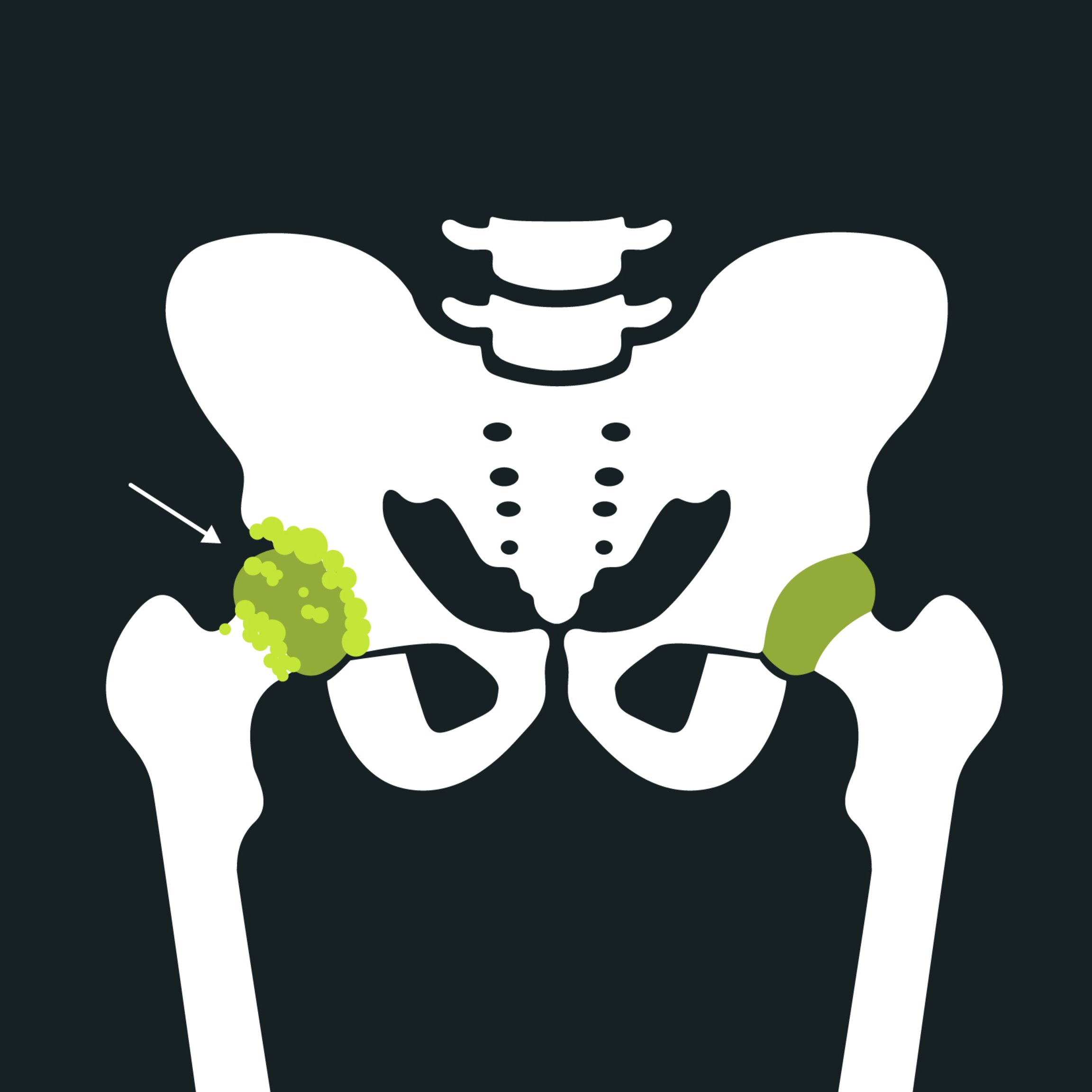
Hip pain affecting the joint (articular pain)
These include osteoarthritis, inflammation (arthritis), avascular necrosis of the femoral head (death of the bone in the head of the thigh bone) and hip impingement.
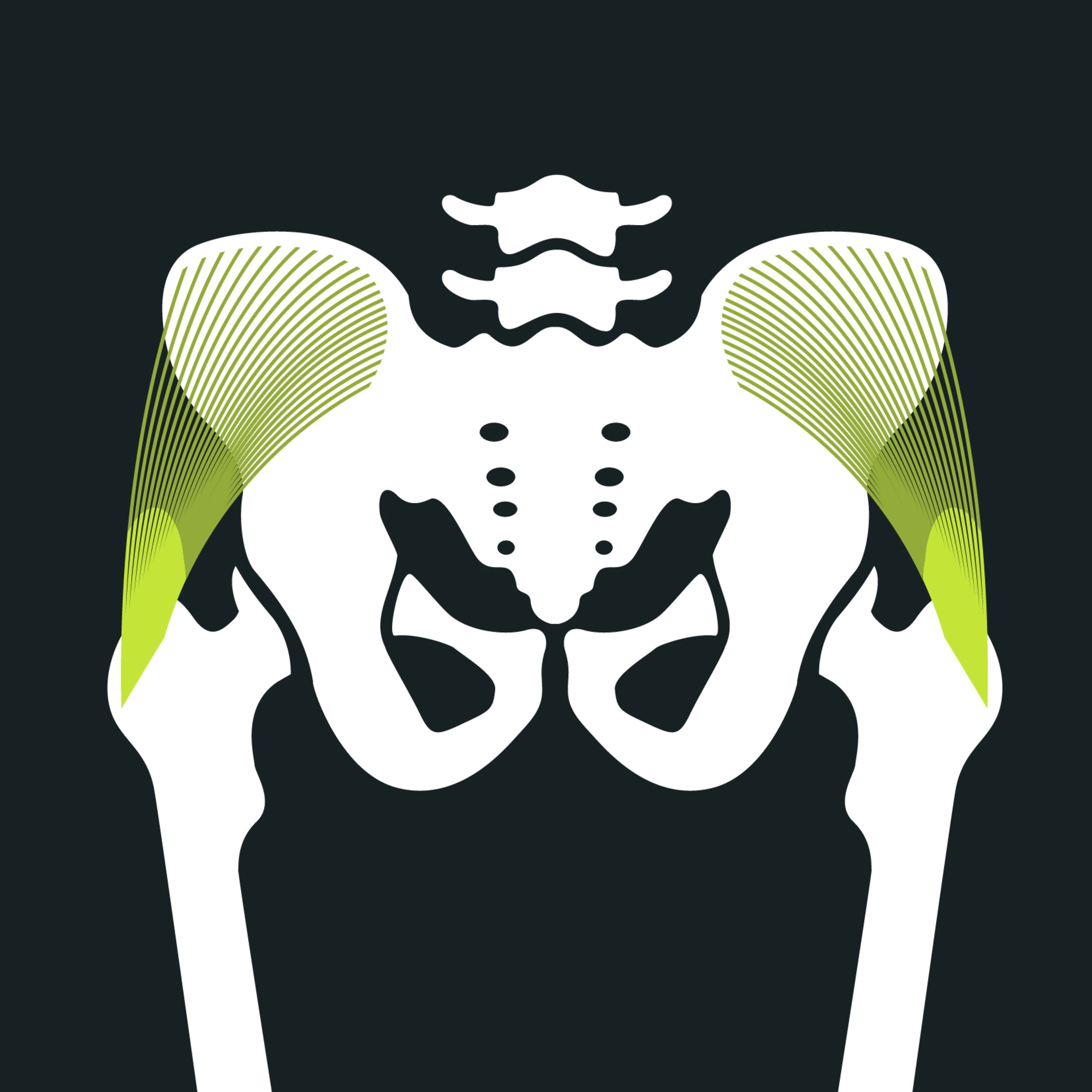
Hip pain located around a joint (periarticular pain)
Pain more commonly originates from surrounding structures (muscles, tendons, ligaments, bursae). This is usually felt on the outside of the Hip.
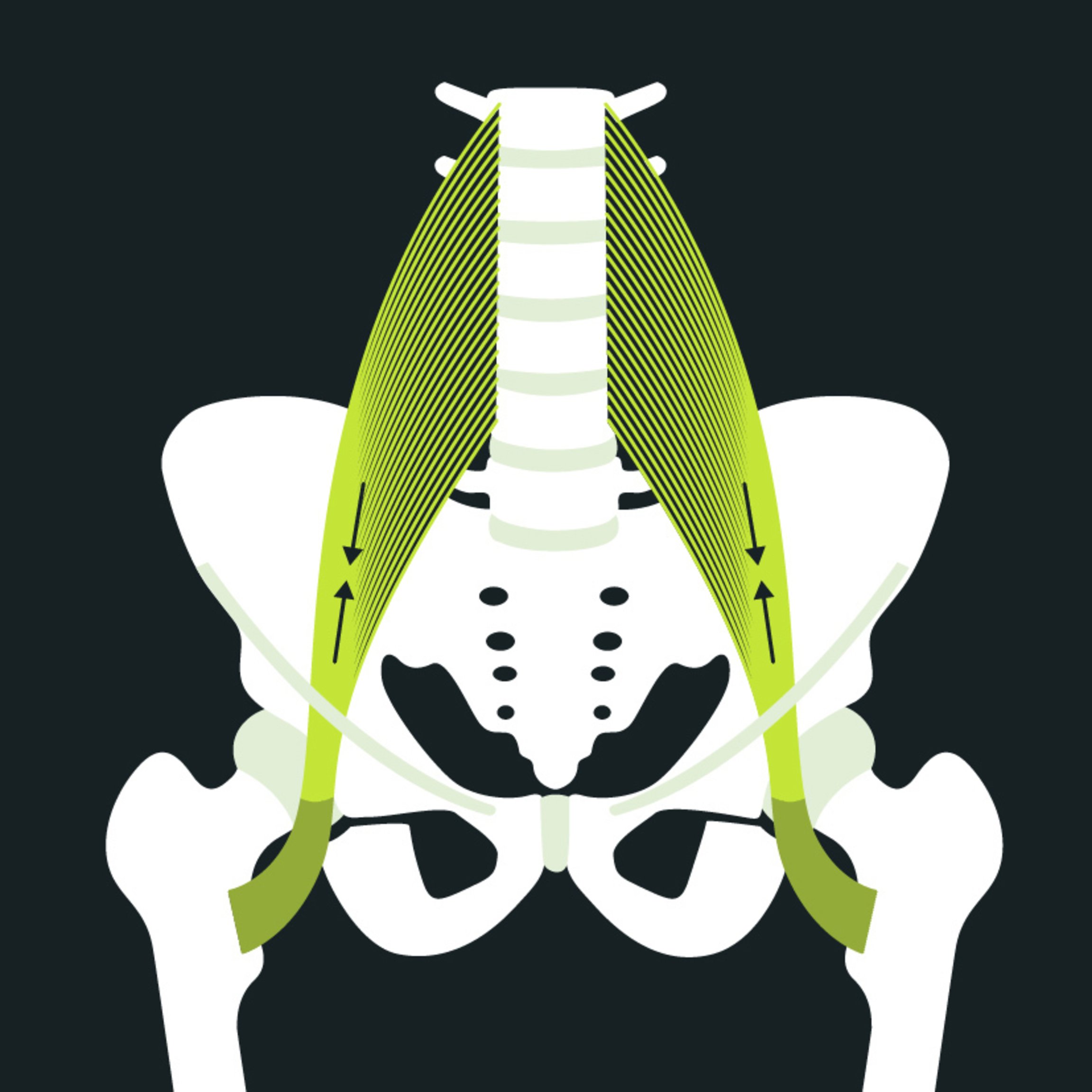
Referred hip pain
The causes may also originate in the lumbar spine, the Knee or the sacroiliac joint and radiate into the Hip.
Of course, in practice, it is not always possible to pinpoint the pain to one of these areas. It is not uncommon for Hip pain to result from a combination of all three areas. Nevertheless, it can be helpful to be aware of these three areas. Only then can you assess where the pain might be coming from.
“High levels of muscle-Fascia tension and shortening caused by one-sided strain during Sport or in everyday working life are the most common causes of Hip pain.”
Dr Torsten Pfitzer, holistic pain therapist and health coach

“In the vast majority of cases, hip pain is caused by excessive muscle-fascia tension and shortening resulting from one-sided strain during sport or everyday work. If these imbalances are not counteracted through myofascial exercises, the increased pressure wears down the joint cartilage more quickly. This leads to the very common condition of osteoarthritis. Anyone wishing to treat hip pain themselves at an early stage will find the BLACKROLL® exercises to be extremely effective aids.” Dr Torsten Pfitzer, holistic pain therapist and health coach
Hip pain when lying down – causes and what you can do about it
Hip pain whilst lying down is particularly distressing because it disrupts your sleep and hinders recovery. It can have muscular, fascial or structural causes – it often occurs when the hip is in an awkward position for a prolonged period or when pressure is exerted on sensitive structures.
Common causes of hip pain when lying down
- Bursitis (trochanteric bursitis): One of the most common causes. The bursa on the outside of the hip becomes inflamed due to friction or pressure – typically, lying on the affected side causes pain.
- Muscular tension and fascia adhesions: Particularly in the gluteal or hip flexor area. This tension intensifies when you lie still for a long time.
- Osteoarthritis or hip impingement: Changes in the joint mean that certain sleep positions put pressure on areas that are sensitive to pain.
- Sciatica or disc problems: Pain can radiate from the lumbar spine into the Hip, particularly when lying on your side.
How to relieve hip pain whilst lying down
- Adjust your sleep position: Try sleeping on the side where you feel no pain. Placing a pillow between your knees relieves pressure on the pelvis and prevents pressure on the hip joint.
- Check your mattress: A mattress that is too hard or too soft can exacerbate pressure points. A medium-firm mattress with targeted support in the pelvic area is ideal.
- Fascia training in the evening: Gently rolling out your Glutes, hip flexors and Thighs reduces tension and improves blood circulation.
- Heat or cold: Heat relaxes tense muscles, whilst cold alleviates inflammation – try out what works best for you.
- Stretching: A quick stretch before going to bed can help relieve tension in the hip muscles.
When to seek medical help
If the pain occurs at night, gets worse or radiates to other areas, you should have the cause checked by a doctor. Often, treatable problems such as bursitis or muscular imbalances are to blame. Early intervention prevents chronic symptoms from developing.
Expert opinion: “Pain whilst lying down is often a warning sign of muscular Overload or the onset of inflammation. Even small adjustments to your Sleep position and targeted Fascia training can bring about a significant improvement.”
Dr Torsten Pfitzer, specialist in orthopaedics and pain management, with over 15 years’ clinical experience in treating hip and Back pain.
Hip pain when walking – what causes it and how to get rid of it
Hip pain when walking is one of the most common complaints in everyday life. It usually occurs when muscles, Fascia or joint structures are overloaded or out of balance. The pain can be dull, aching or sharp and may intensify as you move.
Typical causes of hip pain when walking
- Overload or muscular tension: Prolonged walking, jogging or standing can lead to micro-injuries in the muscles, particularly if the hip muscles lack sufficient stability.
- Fascial imbalances: Stuck fascia restricts mobility and causes friction-related pain in the hip flexors or gluteal muscles.
- Osteoarthritis or hip impingement: Changes in the joint cause bone structures to rub against one another during movement.
- Bursitis: Inflamed bursa are sensitive to pressure when walking – often on the outside of the hip.
- Referred pain: Pain originating in the lumbar spine or the sacroiliac joint can radiate into the hip whilst walking.
How the pain manifests itself
A typical symptom is pain on exertion, which occurs during or after walking. Sometimes this leads to a limp or restricted hip movement. If the pain subsides after a few minutes of movement, this suggests a muscular cause. If, on the other hand, it intensifies, this usually indicates structural irritation (e.g. osteoarthritis or bursitis).
What you can do yourself
- Adjust your activity: Temporarily reduce the distance you walk and avoid walking uphill if pain occurs.
- Stretching & Fascia training: Regularly roll out your glutes, thighs and hip flexors with the BLACKROLL® to reduce tension.
- Strengthening: Target your glutes and core to stabilise your hips – just 2–3 sessions a week will noticeably improve your resilience.
- Warming up: Light mobilisation exercises before walks or runs reduce the risk of irritation.
When you should see a doctor
If the pain when walking does not improve after 1–2 weeks or occurs at rest, you should have an orthopaedic examination. This will rule out joint damage, nerve irritation or inflammation as the cause
What helps with hip pain?
The most effective treatment for hip pain tackles not only the symptoms but also their underlying causes. Studies show that a combination of Mobilisation, stretching and Strengthening achieves the best long-term results (Schmidt et al., Sports Medicine, 2023). Medication and passive therapies can relieve acute symptoms, but should always be supplemented by active measures.
Immediate measures for acute hip pain
- Rest: Reduce strain for 24–48 hours to prevent inflammation.
- Cryotherapy: Apply a cold pack for 15–20 minutes, 3 times a day (evidence level B, S2k guideline 2023).
- Medication: Anti-inflammatory painkillers (NSAIDs) following consultation with a doctor.
Long-term treatment – the 3-step plan
1. Mobilisation: Release tight muscles and Fascia to increase Mobility. Foam roller Training using BLACKROLL® products has been shown in RCTs to reduce pain by an average of 40 per cent and increase Mobility by 25 per cent (Müller et al., Physical Therapy Journal, 2022).
2. Stretching: Regularly stretch shortened structures (hip flexors, adductors, gluteal muscles) to reduce joint pressure and prevent osteoarthritis.
3. Strengthening: Targeted strength training – particularly for the gluteal, core and thigh muscles – helps to correct imbalances. Studies show that 6 weeks of targeted training significantly improves hip stability (longitudinal study, Journal of Orthopaedic Research, 2022).
Physiotherapy for hip pain
For chronic or recurrent pain, physiotherapy in accordance with the S2k guideline (AWMF 033/001, 2023) is recommended: a combination of manual therapy, electrotherapy or heat therapy, and active exercises. After 6–12 sessions, 78 per cent of patients show a clinically relevant improvement (≥ 30 per cent reduction in pain on the VAS).
Myofascial training with BLACKROLL®
Foam roller training is particularly effective for periarticular and radiating Hip pain. Regularly target the following areas:
- Hip flexors and thigh muscles (front, side, back)
- Gluteal muscles (gluteus medius and maximus)
- Lower back and lumbar fascia
Please note: Perform the exercises 3 times a week, spending 1–2 minutes on each muscle group. The intensity should be moderate but pain-free.
Expert opinion: “Those who actively treat hip pain at an early stage can often avoid surgery. Fascia training and targeted activation of the hip muscles are key measures in this regard.”
Dr Torsten Pfitzer, medical doctor, specialist in orthopaedics and sports medicine, and expert in myofascial pain therapy with 15 years’ experience.

Physiotherapy and rehabilitation for hip pain
Physiotherapy is the most important component in managing hip pain in the long term. It aims to restore mobility, relieve pain and improve the balance between muscles, Fascia and joints. A crucial aspect of this is tailoring the treatment to your specific symptoms and everyday activities.
1. Analysis and diagnosis
To begin with, your physiotherapist will assess your mobility, posture, muscle tension and gait. This helps to identify which structures are under load or need support. A thorough functional analysis is crucial for targeted and effective treatment.
2. Pain relief and stress reduction
In the initial phase, the focus is on pain relief. This includes heat or cold treatments, manual techniques, and electrotherapy or ultrasound therapy. These measures reduce acute inflammation and prepare the muscles for active exercises.
3. Mobilisation and stretching
Targeted mobilisation exercises promote joint mobility and release fascial tension. Stretching the hip flexors, gluteal muscles and the back of the thighs is particularly important. This corrects poor posture and reduces pressure on the joint.
4. Strengthening and stabilisation
The next step is active training. By specifically strengthening the gluteal, core and thigh muscles, you stabilise the hip joint and prevent pain from recurring. According to the Journal of Orthopaedic Research (2022), over 70 per cent of patients show a significant reduction in pain after just six weeks of regular exercise.
5. Functional training and application to everyday life
To ensure that the progress made carries over into everyday life, functional training follows: exercises that mimic your everyday movements – e.g. climbing stairs, standing up or walking. The aim is to stabilise the hip under real-life loads and enable pain-free movement once again.
6. Home exercises and Prevention
In the long term, only consistency helps. Exercise regularly at home, use aids such as the BLACKROLL® to keep your muscles and Fascia supple, and make a conscious effort to incorporate movement into your everyday life. This way, you can effectively prevent relapses.
Expert opinion: “Physiotherapy is far more than just pain relief – it is active healing. Those who exercise regularly and understand their bodies regain Mobility and quality of life.”
Dr Torsten Pfitzer, specialist in orthopaedics and sports medicine, expert in myofascial pain therapy.

Preventing hip pain – how to protect your hip joints in the long term
The best treatment for hip pain is prevention. With targeted exercise, a balanced diet and a little mindfulness in your everyday life, you can significantly reduce your risk. According to the WHO (2023) , regular physical activity reduces the risk of osteoarthritis by up to 39 per cent.
1. Exercise & Activity
- Strengthening: Two training sessions a week for the hip and gluteal muscles reduce the risk of recurrence by 67 per cent (Cochrane Review, 2023).
- Mobilisation: Get up and move around regularly – taking short breaks every 30 minutes keeps your hip flexors and Fascia supple.
- Everyday movement: Take the stairs instead of the lift, cycle or walk – this strengthens your hip system without causing an Overload.
2. Ergonomics in everyday life
- Sitting correctly: Distribute your weight evenly across both sitting bones and avoid keeping your hips bent for prolonged periods.
- Standing & walking: Ensure your weight is distributed symmetrically and keep your hips in a neutral position.
- Workplace: A height-adjustable desk and an ergonomic chair provide long-term relief for your hips.
3. Diet & weight management
Maintaining a stable body weight takes a huge strain off your hip joints – every kilogram lost reduces the pressure by around 3–4 kg (Messier et al., Arthritis Care & Research, 2022). You should also follow an anti-inflammatory diet rich in omega-3 fatty acids, plenty of vegetables, fruit and whole grains.
4. Fascia & Recovery Training
Regular fascia training with BLACKROLL® helps you stay mobile and prevents imbalances in muscle tension. Ten to fifteen minutes a day is ideal – particularly for the hip flexors, Glutes and the back of the thighs.
5. Load Balancing & Recovery
One-sided strain, such as from prolonged sitting or high-intensity sports, can quickly lead to imbalances. Therefore, make sure to incorporate regular counter-movement exercises – for example, Strengthening your Glutes if you sit a lot. Gentle forms of exercise such as Yoga, swimming or Pilates promote Recovery and Mobility.

Diet and lifestyle factors in hip pain
Your diet and lifestyle have a major impact on your hip health. What you eat, how you exercise and how you manage stress all influence inflammatory processes, tissue quality and recovery – and therefore also how susceptible your hip joints are to pain.
1. Diet as an anti-inflammatory
An anti-inflammatory diet can relieve pain and support healing processes. Foods rich in omega-3 fatty acids, antioxidants and phytochemicals are particularly helpful.
- Recommended: fish (salmon, mackerel), linseed, walnuts, berries, green vegetables, turmeric and ginger.
- Cut down on: Highly processed foods, sugar, white flour and trans fats – these promote inflammation in the body.
Studies show that a Mediterranean diet can reduce chronic joint pain by up to 30 per cent (Estruch et al., New England Journal of Medicine, 2022).
2. Weight & Joint Strain
Being overweight is one of the biggest risk factors for hip pain and osteoarthritis. Every kilogram lost reduces the strain on your joints by around 3–4 kg (Messier et al., Arthritis Care & Research, 2022). Losing weight benefits not only your musculoskeletal system, but also your metabolism and energy levels.
3. Exercise & Everyday Life
Regular exercise keeps your muscles, fascia and joints supple. Activities that are gentle on the joints , such as swimming, cycling or Nordic walking, are particularly effective. Exercise stimulates blood circulation, improves the supply of nutrients to the tissue and has an anti-inflammatory effect.
4. Stress, Sleep & Recovery
Chronic stress raises cortisol levels and can promote inflammation. Make sure you get enough sleep – at least 7 hours a night – and make time for deliberate rest periods. Relaxation techniques such as breathing exercises, meditation or Yoga support recovery and help to relieve muscle tension.
5. Holistic Lifestyle
The combination of a healthy diet, exercise, Recovery and mental balance forms the foundation for pain-free hip joints. If you exercise regularly, manage your weight and reduce habits that promote inflammation, you can actively take control of your hip health yourself.
Expert opinion: “Diet, exercise and Recovery work together like medicine. People who follow an anti-inflammatory diet, exercise regularly and sleep well experience significantly fewer hip problems.”
Dr Torsten Pfitzer, specialist in orthopaedics and sports medicine, expert in holistic pain management.

Alternative treatments for hip pain radiating down the leg
Hip pain that radiates down the leg can be very uncomfortable and is often caused not only by the hip joint itself, but also by the nervous system or surrounding structures. It is frequently caused by irritation of the sciatic nerve, fascial imbalance or incorrect loading of the lumbar spine.
Typical causes of radiating Hip pain
- Sciatic nerve irritation or a herniated disc: Compression of the sciatic nerve can cause pain that radiates from the lumbar spine, through the glutes and hip, down into the leg.
- Fascial tension: Adhesions or Trigger points in the Glutes and hip muscles (particularly the piriformis muscle) can irritate nerve pathways.
- Hip impingement or osteoarthritis: Joint changes can also trigger radiating pain.
An overview of alternative treatment methods
Alternative therapies can usefully complement conventional medicine and help to relieve pain, improve mobility and promote the healing process. It is important that you use them in consultation with doctors or Therapists.
- Acupuncture: Targeted needling of specific points can improve blood circulation and reduce pain signals. Studies show a significant reduction in pain in cases of chronic hip problems (Lee et al., Pain Medicine, 2021).
- Osteopathy: Manual techniques release tension in the musculo-fascial system and improve the Hip’s range of motion.
- Yoga & Pilates: Gentle, controlled movements promote flexibility, stability and body awareness – ideal for muscular imbalances.
- Massage & trigger point therapy: Relieves localised tension and improves blood circulation in the glutes and lower back.
- Swimming & aqua aerobics: Joint-friendly Training in water takes the strain off the Hip whilst strengthening the Muscles.
- Heat & cold therapy: Heat helps with muscle tension, whilst cold has an anti-inflammatory effect – use whatever works best for you.
Aids for everyday life
- Orthopaedic insoles: Correct misalignments and relieve pressure on the Hip whilst walking.
- Support belts or hip braces: Stabilise the pelvis and promote even weight distribution.
- Fascia tools such as the BLACKROLL®: help you to release Tension yourself and keep your muscles supple.
When alternative methods are advisable
Alternative therapies are particularly suitable if you have chronic pain but no structural damage, or if you are looking for a complement to conventional Physiotherapy. However, if you experience severe or worsening pain, you should seek medical advice to rule out serious causes such as herniated discs or osteoarthritis.
Expert opinion: “Alternative methods such as acupuncture or fascial therapy can be very effective for radiating Hip pain – especially when specifically combined with exercise and Training.”
Dr Torsten Pfitzer, specialist in orthopaedics and sports medicine, expert in integrative pain management.

View exercises for hip pain
Hip Pain: 8 Effective Exercises to Do at HomeFrequently asked questions and answers about hip pain
For acute hip pain, it helps to briefly reduce the strain on the hip, apply cold and gently mobilise the area. If you experience recurring symptoms, you should regularly perform stretching, Strengthening and use a foam roller on the fascia. If the pain persists or occurs at night, seek medical advice to determine the cause.
Hip pain can feel dull, sharp or aching. It often occurs in the groin, on the outer side of the hip, in the Glutes or in the Thigh. Pain when walking, standing up or lying down are typical signs.
You should take severe pain seriously: take the weight off your hip, apply cold, and, if necessary, take anti-inflammatory medication after consulting your doctor. If the pain is sudden, very severe or occurs after a fall, you must see a doctor.
Your first point of contact is your GP. If osteoarthritis, bursitis or nerve involvement is suspected, you will be referred to an orthopaedic specialist, a radiologist or a pain management specialist.
A medium-firm mattress with good point elasticity is ideal. It should reduce pressure on the hip whilst providing sufficient support. Side sleepers often benefit from a soft comfort zone for the shoulders and pelvis. Why not check out our BLACKROLL® RECOVERY BASE 2.0 mattress!
Exercises for the hips are particularly effective, such as Mobilisation, stretches for the hip flexors and glutes, and strengthening the gluteal and core muscles. Rolling out with the BLACKROLL® helps to release myofascial tension. Train 2–4 times a week.
Depending on the cause, you may feel the pain in the groin (osteoarthritis), on the outer side (bursitis), in the Glutes (muscular/fascial) or in the Thigh. Pain radiating into the Knee or lower Back is also possible.
Hip pain often feels deep, dull, pressing or aching. A stabbing pain when moving or a pulling sensation in the groin are typical symptoms. If the pain eases after a few steps, this often points to muscular causes.
Yes. A blockage in the sacroiliac joint can trigger pain that radiates into the hip, groin or leg. This happens when the pelvis and lumbar spine are not working together harmoniously. Manual therapy, Mobilisation and fascia training usually provide rapid relief.
Definitely. Irritation of the sciatic nerve or lumbar nerve roots (L4–S1) can cause pain that radiates through the Glutes and Hip and down into the leg. Typical symptoms include a burning sensation, tingling or numbness. If you experience severe neurological symptoms, you should see a doctor immediately.
Hip pain when walking is usually caused by overuse, muscular imbalances, bursitis or osteoarthritis. If the pain gets worse the longer you walk, there is often a structural irritation underlying it. If it improves after a few minutes, the cause is usually the muscles or Fascia.
Pain that radiates from the hip area down into the leg is often caused by nerve irritation (sciatica), blockages in the lower back, Trigger points in the Glutes or hip impingement. The exact location of the pain provides clues as to the cause.
Yes. Blockages in the lumbar spine can affect muscles and Fascia in such a way that pain occurs in the hip. The muscles particularly affected are the quadratus lumborum, gluteus medius and piriformis. Exercise, Mobilisation and heat often provide significant relief.
Pain in the iliac crest is often caused by tension in the lateral core muscles, the sacroiliac joint or Overload of the hip abductors. Poor posture whilst sitting or walking can also be a contributing factor.
This may originate from the lumbar spine, the sacroiliac joint or tense gluteal muscles. If the pain is localised, it is often due to Trigger points. If it radiates down the leg, a nerve may be involved.
The most common causes are muscular imbalances, fascia adhesions, poor posture, Overload, osteoarthritis, bursitis, nerve irritation or blockages in the lumbar spine. Metabolic disorders such as gout or diabetes may also be a factor.
Untreated hip pain can lead to poor posture, compensatory movements, muscle weakness, Chronic pain and cartilage wear. The sooner you take action, the better you can prevent further damage.
The most common symptoms include pain in the groin, the outer side of the hip, the Glutes or the Thigh. Morning stiffness, pain on exertion and pain whilst lying down or walking are also common. Sometimes the pain radiates into the leg or the lower Back.
Your tools for managing hip pain:
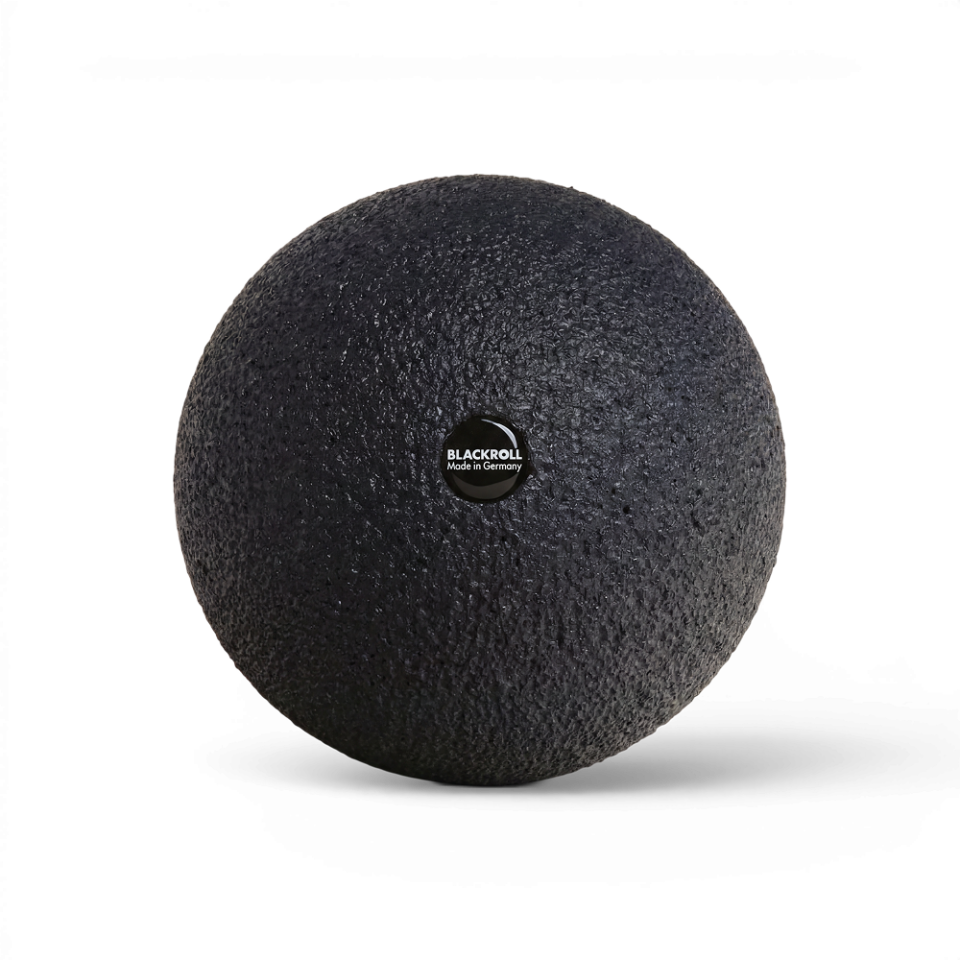
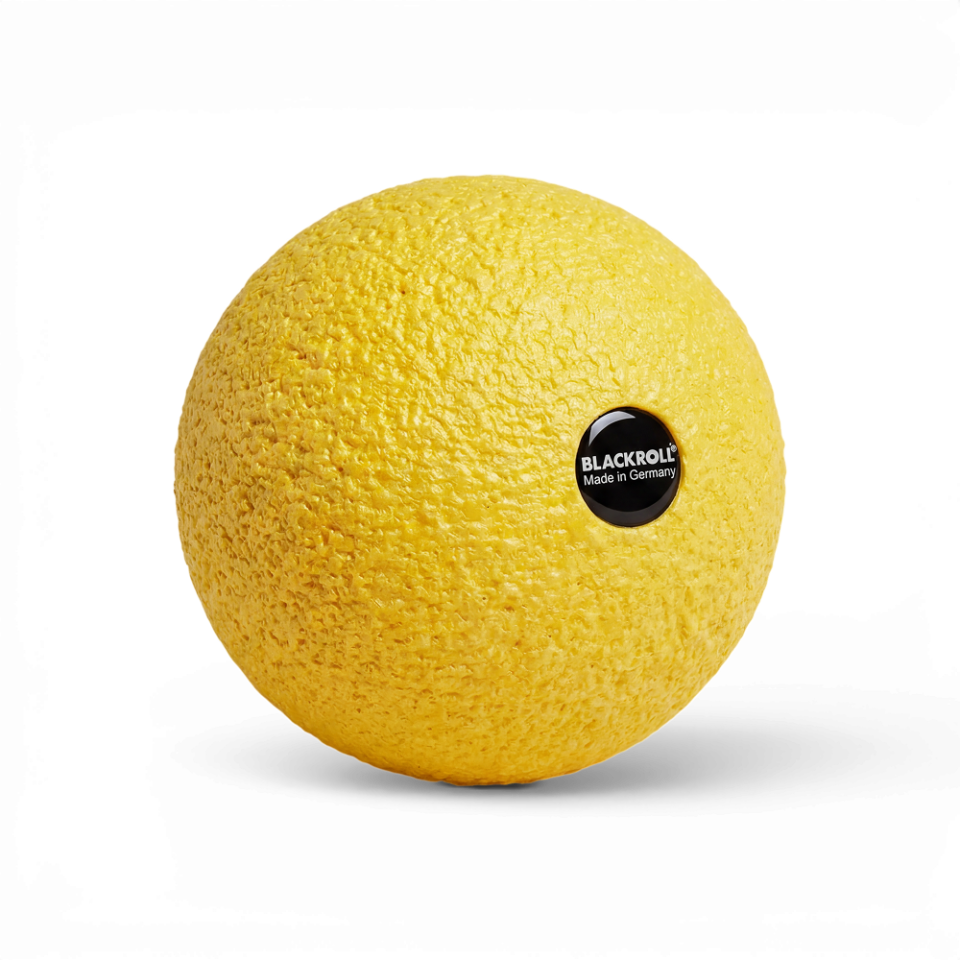
Ball 12
Available in multiple variants


Super Band
Available in multiple variants


Loop Band
Available in multiple variants
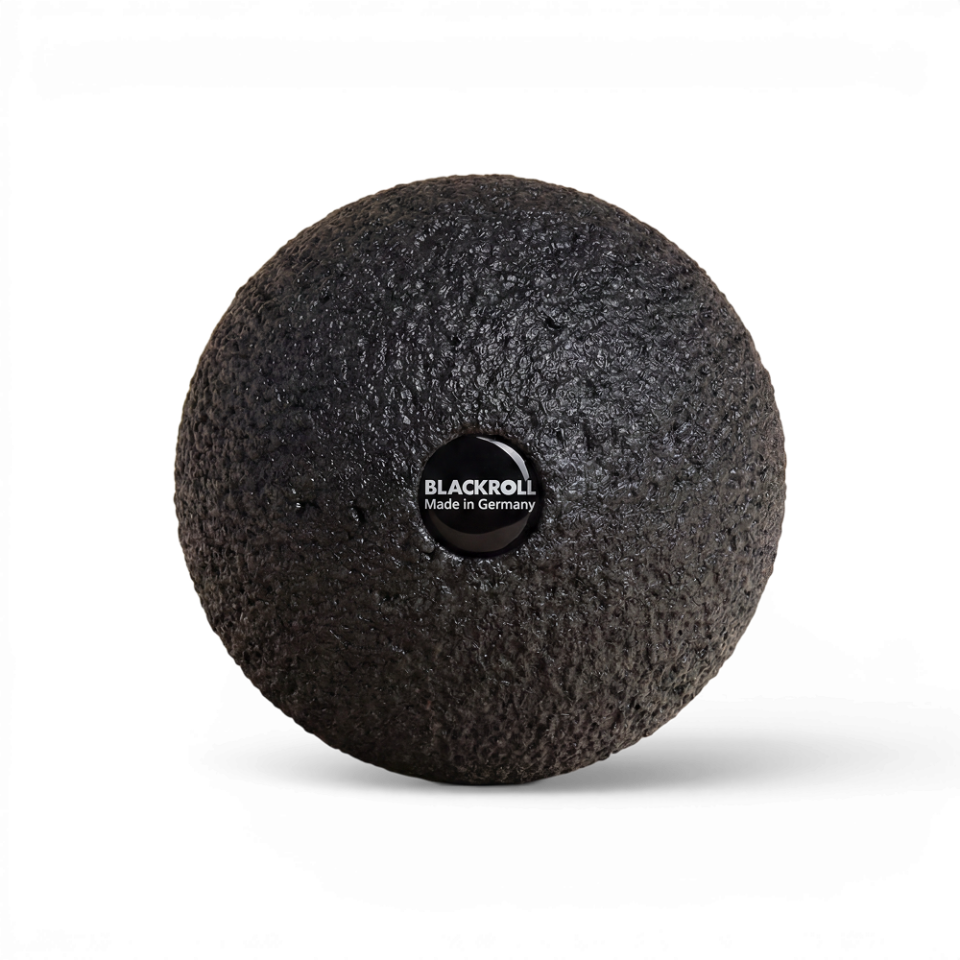
Ball 08
Available in multiple variants
Sources
- German Society for Orthopaedics and Trauma Surgery (DGOU). (2023). Annual report on musculoskeletal complaints.
- Robert Koch Institute (RKI). (2022). Federal Health Reporting – Prevalence of musculoskeletal disorders in Germany.
- BKK Health Report. (2023). Absenteeism due to musculoskeletal disorders.
- Bergmann, G., et al. (2001). Hip contact forces and gait patterns. Journal of Biomechanics.
- Gray’s Anatomy. (42nd edition). Anatomy of the hip joint and muscular stabilisation.
- Travell, J., & Simons, D. (2019). Myofascial Pain and Dysfunction.
- Schmidt, R., et al. (2023). Meta-analysis on the efficacy of fascial therapy. Sports Medicine.
- Müller, K., et al. (2022). RCT on foam roller Training for Hip pain. Physical Therapy Journal.
- Journal of Orthopaedic Research. (2022). Longitudinal study on hip strength training for chronic Hip pain.
- AWMF S2k Guideline 033/001. (2023). Non-specific Hip pain – diagnostic and treatment recommendations.
- DEGAM Guideline on Hip Pain. (2023). Diagnosis and management by general practitioners.
- World Health Organisation (WHO). (2023). Guidelines on physical activity and osteoarthritis prevention.
- Cochrane Review. (2023). Effectiveness of Strength training in reducing recurrent muscular pain.
- Messier, S., et al. (2022). Weight loss and reduction in joint load. Arthritis Care & Research.
- Estruch, R., et al. (2022). Effects of a Mediterranean diet on inflammation. New England Journal of Medicine.
- Lee, H., et al. (2021). Acupuncture for hip and back pain. Pain Medicine.
- DVO Guidelines on Osteoporosis. (2023). Recommendations on the diagnosis and treatment of osteoporotic changes.
- Spine Society Clinical Guidelines. (2021–2023). Diagnosis and treatment of sciatica, lumbar sciatica and radiculopathies.
- German Society for Manual Medicine. (2022). ISG diagnosis and manual therapy recommendations.