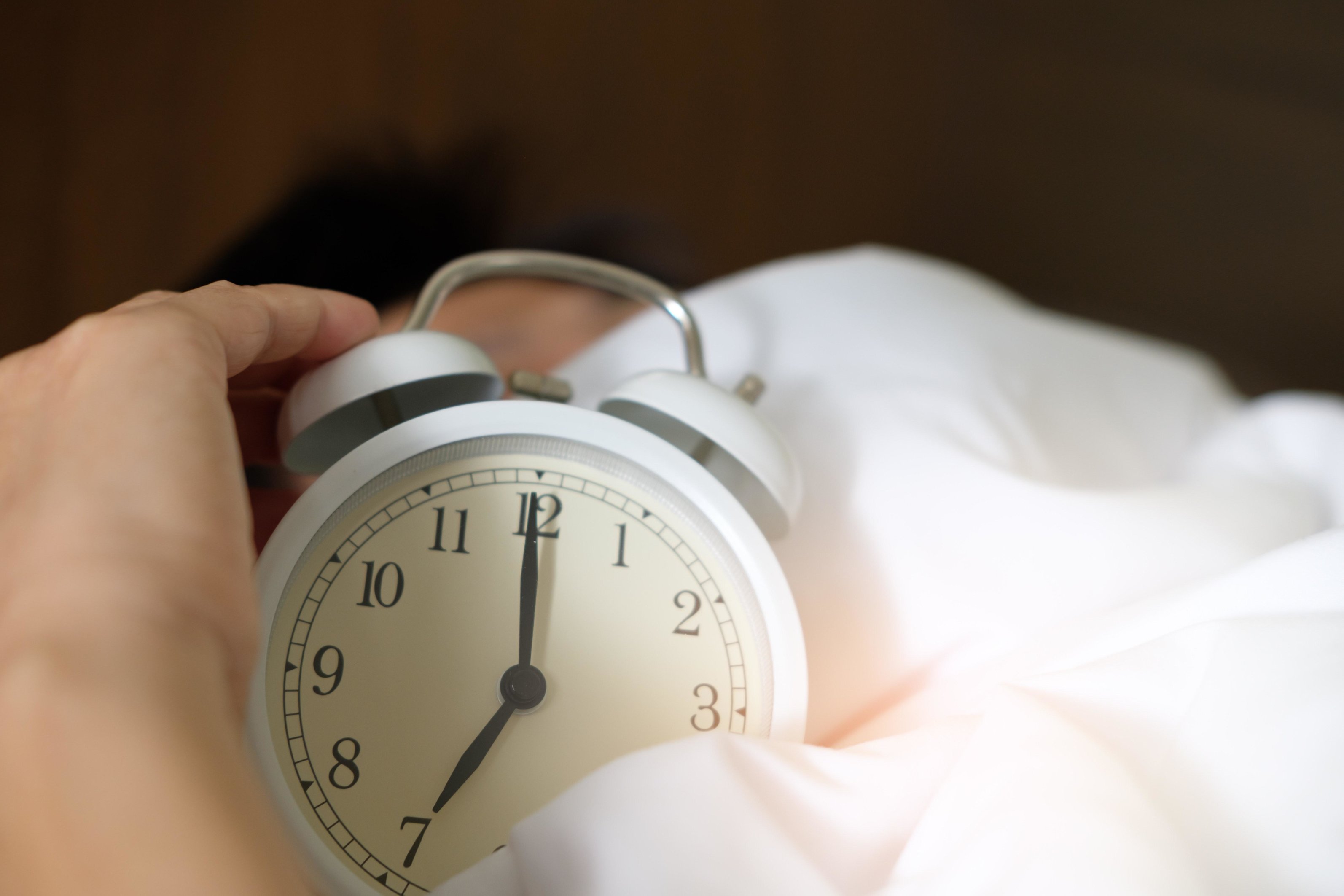
Daylight Saving Time: How to Avoid (Sleep) Problems

Daylight saving time throws our daily routine off balance twice a year. Although the clock is only moved forward or back by one hour, many people experience fatigue, sleep problems, or difficulty concentrating. The switch to daylight saving time, in particular, puts a strain on the body, as the natural sleep-wake cycle is temporarily thrown off balance. In this article, you’ll learn why daylight saving time exists, how it affects sleep and health, and what simple strategies you can use to cope better with the change.
This article explains:
- The switch to daylight saving time and standard time can disrupt the natural sleep-wake cycle and lead to fatigue, sleep problems, and difficulty concentrating.
- The switch to daylight saving time, in particular, puts a strain on the body, as an hour of sleep is lost and the body’s circadian rhythm must first adjust.
- Studies show that the time change can be associated with short-term health risks, an increased risk of accidents, and reduced productivity.
- Targeted measures such as gradually adjusting sleep schedules, getting enough daylight, establishing fixed routines, and practicing relaxation techniques can significantly reduce these effects.
- Those who consciously prioritize their sleep will return to a stable and restful sleep rhythm more quickly.


Understanding the Time Change and Avoiding Sleep Problems
More accidents and more sleeping pills sold—the effects of the time change are statistically noticeable, even though the clock is only turned forward or back by one hour. Both the switch to daylight saving time and the switch to standard time can lead to sleep problems. Many people complain of fatigue as a result of the time change, have trouble getting up in the morning, or falling asleep at night. So, the time change can affect your health and well-being. However, if you follow a few tips, you’ll be able to handle the switch to daylight saving time or standard time with almost no trouble. In this article, you’ll learn why and when the time change was introduced, when the clocks are set forward or back, and how the change affects our bodies and society.

Why do we change the clocks?
Twice a year, clocks are adjusted in over 70 countries. In the spring, we set the clock forward one hour (daylight saving time), and in the fall, we set it back one hour (standard time). Originally, the goal of daylight saving time was to reduce energy consumption. Adjusting the clocks provides an extra hour of daylight for businesses and households. However, studies have shown that this does not actually lead to a reduction in energy consumption. Nevertheless, the biannual time change remains the standard in the EU.
In Germany, the standard time is “Central European Time” (CET). CET corresponds to Coordinated Universal Time (UTC) plus one hour. When the clocks are set forward in the spring, this is referred to as “Central European Summer Time” (CEST).


Recovery Blanket Summer
Available in multiple variants




Recovery Base 2.0
Available in multiple variants
When did daylight saving time start?
The idea of daylight saving time dates back to 1784, when Benjamin Franklin proposed making better use of daylight to save energy. However, the British astronomer William Willett is considered the pioneer of modern daylight saving time, as he revived the concept in 1907.
In Germany, daylight saving time was first introduced in 1916 during World War I, later abolished, and then reintroduced during World War II. It has been in regular use in Germany and Austria since 1980, and in Switzerland since 1981.
Today, many countries continue to switch between daylight saving time and standard time. However, some countries have already abolished the time change, including:
- Russia
- Iceland
- Turkey
- Ukraine
- Argentina
- India
- Japan
- South Africa
- Brazil
Do we set the clock forward or back?
The clock is adjusted twice a year during daylight saving time, once in the spring and once in the fall. But in which direction? In the spring, the clock is set FORWARD by one hour—that is, from 2 o’clock to 3 o’clock. In the fall, the clock is set BACK by one hour—that is, from 3 o’clock to 2 o’clock. So in March, when we switch to daylight saving time, we get one hour less sleep, while in October, when we switch to standard time, we get one hour more sleep.
You can easily remember the question “Do we set the clock forward or back?” with this mnemonic:
"In the spring, you put the patio furniture OUT in front of the door; in the fall, you bring it BACK inside."
When are the clocks changed?
In Germany and most European countries, the clocks are changed twice a year. In the spring, the clock is set forward one hour to mark the start of daylight saving time; in the fall, it is set back one hour to return to standard time. The change takes place on the last Sunday in March and the last Sunday in October, respectively.
Daylight Saving Time Change in Germany in 2026:
- March 29, 2026: Switch to daylight saving time—the clock jumps from 2:00 a.m. to 3:00 a.m.
- October 25, 2026: Switch to standard time—the clock is set back from 3:00 a.m. to 2:00 a.m.
This rule applies uniformly throughout the EU.

Which clocks need to be set forward?
Radio-controlled clocks, smartwatches, and the clocks on our smartphones generally do not need to be adjusted. These clocks synchronize regularly with a time source via radio or the Internet. However, there are, of course, still clocks that need to be adjusted manually. These include most:
1. Wristwatches
2. Alarm clocks
3. Wall clocks
4. Kitchen clocks
5. Car clocks
6. Electronic appliances such as ovens, microwaves, coffee makers, etc.

When will daylight saving time be abolished?
The abolition of daylight saving time has been under discussion in the European Union for several years. In 2019, the European Parliament expressed its general support for ending the biannual switch between daylight saving time and standard time. However, no concrete action has been taken, as EU member states have so far been unable to agree on whether to adopt permanent daylight saving time or standard time. The goal is to avoid differing time regulations within Europe.
The issue is also the subject of heated debate in Germany. Studies show that many people prefer permanent daylight saving time, though this would mean it stays dark longer in the mornings during winter. From a chronobiological perspective, however, permanent standard time is often recommended.
A specific date for the abolition of the time change has not yet been set.


What alternatives are there to the time change?
If daylight saving time is eventually abolished, there are various possibilities. Below are three alternative options:
1.) Permanent Daylight Saving Time
If our government were to decide to switch to permanent daylight saving time, this would have several effects on our daily lives. In winter, it wouldn’t get light until very late—often not until around 9 a.m. We’d be commuting to work in the dark throughout the entire winter. On the other hand, it would stay light longer in the evenings. In Berlin, on the shortest day of the year, the sun would rise around 9:15 a.m. and set shortly before 5:00 p.m.
2.) Permanent Standard Time
Switching to permanent standard time would mean that the sun would rise in the very early morning hours during the summer. Sunny summer evenings, on the other hand, would be shortened by one hour. In Berlin, on the longest day of the year, the sun would rise as early as 3:44 a.m. and set again at 8:30 p.m.
3.) Adjusting the time zone
Another option is for a country to adjust its standard time to a time zone that better matches its geographic location. Which alternative is best is a topic of intense debate from various perspectives.


How does the switch to daylight saving time affect your body?
The switch to daylight saving time disrupts our natural circadian rhythm and can temporarily affect sleep, mood, and the cardiovascular system. Studies show that moving the clocks forward in the spring, in particular, is associated with increased fatigue, “mini-jet lag,” and a slightly elevated risk of certain health problems.
The human body’s internal clock is guided by the natural light-dark cycle and regulates important bodily functions such as sleep, hormone release, and metabolism. The switch to daylight saving time disrupts this circadian rhythm: Many people sleep poorly in the first few days, feel tired during the day, and experience mood swings—similar to mild jet lag . The spring time change, in particular—which effectively results in the loss of one hour of sleep— is considered particularly stressful.
Epidemiological studies report a moderate increase in heart attacks, strokes, and depressive symptoms in the days following the time change, which is attributed to the disruption of the circadian rhythm and the acute reduction in sleep duration. Chronobiological analyses also show that the timing of melatonin release shifts, contributing to difficulty falling asleep and persistent fatigue.


Daylight Saving Time Fatigue
The switch to daylight saving time, in particular, can cause fatigue because we lose an hour of sleep and our bodies must adjust to the new time. A study (Nature and Science of Sleep, 2023) examined the effects of the time change on sleep parameters in adults and found that the switch to daylight saving time leads to transient sleep disturbances—specifically, a slight reduction in sleep duration and subjectively poorer sleep quality in the days that follow. The effects are similar to a mini-jet lag with reduced alertness and can last for several days until the circadian rhythm has readjusted.
"The time change can significantly disrupt the natural circadian rhythm, which can lead to sleep problems and general discomfort. It is important to adjust gradually and use strategies such as avoiding blue light before bedtime and maximizing exposure to daylight in the morning to minimize the effects and reset the body’s internal clock."
Dr. Fabian Krapf, sleep expert

Time Change Sleep Problems
Daylight saving time can cause sleep problems because it disrupts our natural sleep cycle. When we set the clock forward or back, it can take a few days for our bodies to readjust to the new time.
Problems that may occur include:
- Difficulty falling asleep
- Difficulty waking up
- Impaired sleep quality
- Daytime fatigue
People who already suffer from sleep disorders are put under additional strain by the time change.
With a few tips, sleep problems can be minimized during the time change.


Sleep Tips for Daylight Saving Time
With a few simple steps, you can specifically prepare your body for the time change and prevent sleep problems.
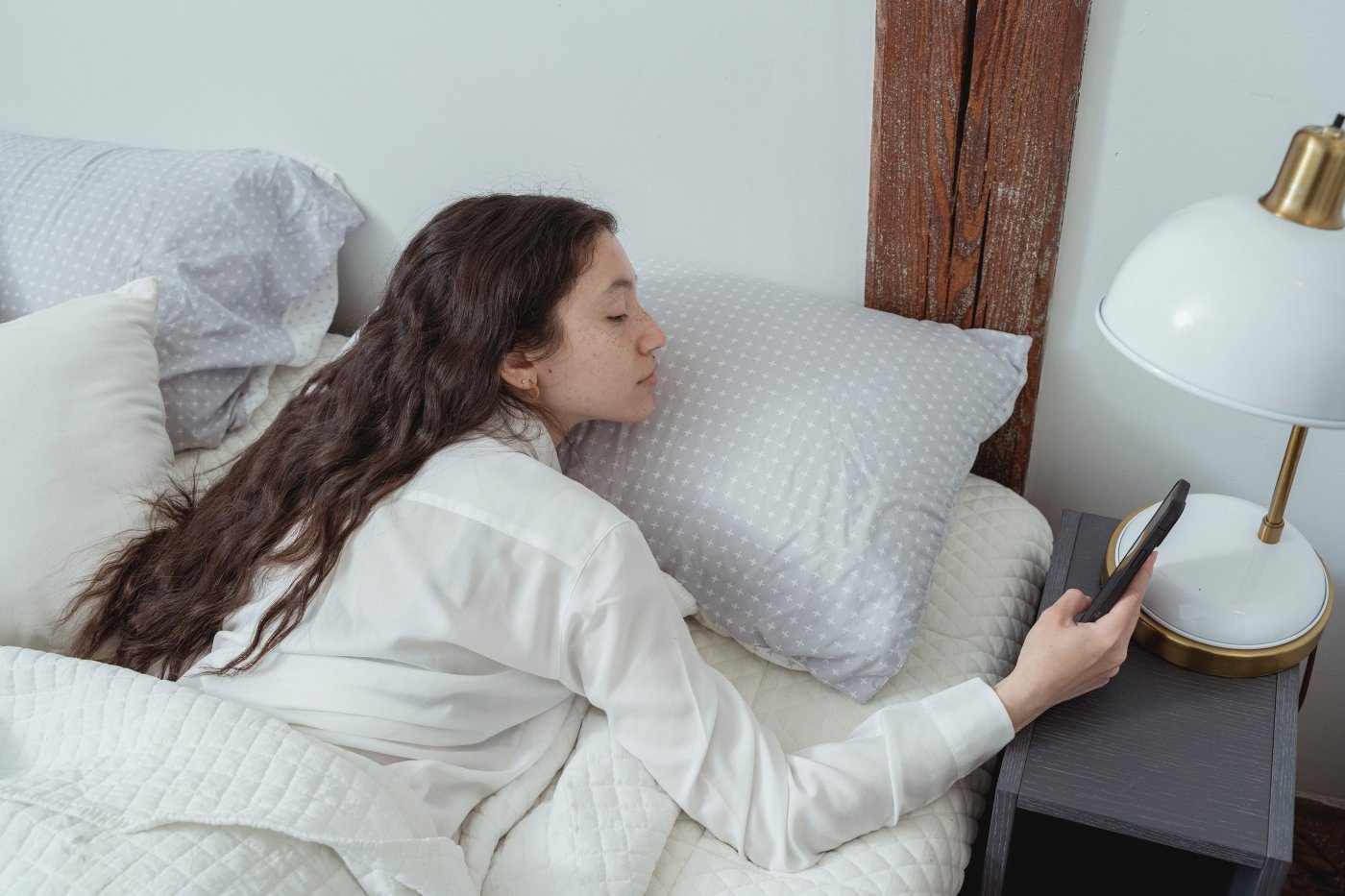
Gradually adjust your sleep schedule:
A few days before the time change, start shifting your bedtime and wake-up time by about 15 minutes each day.

Avoid blue light in the evening:
Reduce screen time at least 60 minutes before bedtime so as not to disrupt melatonin production.

Take advantage of morning daylight:
Natural light in the morning helps stabilize your sleep-wake cycle more quickly—ideally through exercise in the fresh air.

Stick to a consistent sleep routine:
Regular bedtimes support your circadian rhythm and make it easier to adjust after the time change.

Consciously relax in the evening:
Relaxation techniques such as breathing exercises, meditation, or gentle stretching help reduce stress and make it easier to fall asleep.

Avoid caffeine, alcohol, and heavy meals:
Avoid stimulants in the evening, and ideally eat your last meal at least two hours before bedtime.
How does the time change affect businesses?
Not only our bodies, but also economic productivity is affected by the time change.
Possible effects include:
- Productivity losses: Some studies suggest that the spring time change can lead to productivity losses and higher absenteeism at work, as people have to adjust to the changed sleep-wake cycle.
- Health issues: Daylight saving time can also contribute to health problems among employees and lead to sleep disturbances and fatigue. This, in turn, can affect their work performance and result in higher absenteeism.
- Administrative burden: Companies operating in multiple states may need to account for different time zones and time changes, which can result in additional administrative work. This can mean that employees have to spend more time and resources coordinating meetings and business trips.
- Potential losses in retail: The fall time change can lead to lower retail sales due to earlier darkness, as consumers are less likely to shop after work when evenings grow darker. Industry studies show that shorter periods of daylight reduce foot traffic and impulse purchases.
However, it can certainly be argued that there are industries that benefit from the time change. These include, for example, the tourism and leisure industries, which benefit from people staying out longer in the summer and having time for recreational activities.
Does the time change affect traffic safety?
Daylight saving time can have a temporary impact on traffic safety. The risk of accidents increases slightly, especially in the first few days after the switch to daylight saving time. Researchers attribute this primarily to sleep deprivation, a disrupted internal clock, and darker mornings, all of which can impair concentration and reaction times.
At the same time, a comprehensive meta-analysis published in the Journal of Safety Research shows that these effects are generally quite minor and short-lived. Many road users adapt to the new time within a few days, which means that other factors—such as traffic volume, weather, or individual driving behavior—become more significant.
The bottom line is this: The time change can lead to increased inattention on the roads in the short term—especially in the morning. However, this risk can be significantly reduced with sufficient sleep, increased alertness, and defensive driving.


Conclusion: Understanding the Time Change and Coping with It Better
The time change affects sleep, performance, and well-being more than the one-hour shift might suggest. The switch to daylight saving time, in particular, temporarily disrupts the natural sleep-wake cycle and can contribute to fatigue, sleep problems, and difficulty concentrating. Studies show, however, that these effects are usually temporary.
Those who consciously prioritize their sleep can make the adjustment significantly easier. Gradually shifting sleep times, getting enough daylight in the morning, maintaining consistent routines, and practicing targeted relaxation techniques help the body return to a stable rhythm more quickly. Increased awareness in daily life—such as when driving—also helps reduce potential risks.
As long as daylight saving time is in effect, the following applies: With the right knowledge and simple strategies, the transition can be made noticeably more relaxed.