
Food for the Nerves: How Diet Supports Stress Resilience

Whether at work, in family life, or during your free time: Constant stress is part of everyday life for many people. Do you rush from appointment to appointment, juggle multiple tasks at once, reach for a chocolate bar (the classic “comfort food”) in between—and feel increasingly exhausted? No wonder: Chronic stress affects not only your mental health but also your metabolism and hormonal balance—especially the HPA axis (hypothalamic-pituitary-adrenal axis).
If it remains constantly activated, this can lead to exhaustion, sleep problems, or cardiovascular strain. Nutrition can play a stabilizing role here—not as a quick fix, but as a biochemical context within which your nervous system determines whether it feels safe.


Nutrition and Stress—The Biochemical Perspective
Chronic stress activates the HPA axis. This triggers the release of glucose, insulin, cortisol, and neurotransmitters such as adrenaline. A diet rich in micronutrients, omega-3 fatty acids, antioxidants, and phytochemicals can modulate this axis—for example, by reducing inflammation and oxidative stress.
Balance is key here: The nervous system does not need to be “calmed down,” but rather needs signals of safety and stability. These signals arise when the body is adequately supplied with nutrients involved in stress regulation (e.g., magnesium, zinc, B vitamins, omega-3, and selenium).







Quick fixes for stress – immediate ways to restore balance
In moments when you feel tense, you need quick relief that gives your body energy and helps it regain balance—not empty calories from the snack machine.
Better options:
Magnesium snack: A handful of almonds or pumpkin seeds provides magnesium, which helps relax muscles and nerve cells.
Herbal tea: A cup of tea with chamomile, lemon balm, or lavender can activate the parasympathetic nervous system and thus help restore inner balance.
Omega-3 source: Walnuts, flaxseed oil, or tuna contain omega-3 fatty acids, which can have anti-inflammatory and stress-protective effects.
Bananas: While they provide small amounts of tryptophan, protein sources such as nuts, lentils, or oats are more crucial for serotonin production.
Bell pepper sticks: Rich in vitamin C, which supports adrenal function and can thus indirectly help regulate the stress response.
Of course, even nutrient-rich snacks cannot “relieve” tension. However, they help the body avoid creating additional stress due to nutrient deficiencies.


Foods for the Nerves: Foods That Support Cortisol Regulation
The hormone cortisol is vital—it helps mobilize energy and regulate the immune system. It only becomes problematic when the HPA axis is chronically overactive. With certain nutrients, you can support the regulation of this stress response and thus help restore balance.
Magnesium-Rich Foods
Magnesium helps modulate stress: It is involved in the relaxation of muscle and nerve cells and plays a role in nerve impulse transmission. A deficiency can exacerbate stress symptoms.
Good sources:
- Spinach, Swiss chard
- Pumpkin seeds, sunflower seeds
- Almonds, cashews, hazelnuts
Note: Fermented foods such as sauerkraut or yogurt can promote gut health—and thus indirectly improve nutrient absorption.
Omega-3 fatty acids
Omega-3 fatty acids are essential for cell membranes and help regulate inflammation. Studies show that they can regulate the release of stress hormones.
Good sources:
- Salmon, mackerel, herring
- Flaxseeds, chia seeds, hemp seeds, walnuts, algae oil
Important: The omega-3 fatty acid EPA, in particular, is considered to have stress-protective effects because it inhibits the formation of pro-inflammatory eicosanoids.
Vitamin C & Antioxidants
Vitamin C supports adrenal function and helps regulate the stress response. Antioxidants help neutralize oxidative processes that are exacerbated by chronic stress.
Good sources:
- Oranges, kiwis, grapefruits
- Blackcurrants, strawberries, or blueberries
- Red bell peppers, broccoli
Kiwis and broccoli also have prebiotic effects and support a healthy gut microbiome—an important factor in the gut-brain axis.
Fermented foods
A balanced gut flora is crucial for your mental well-being: About 90% of the “happiness hormone” serotonin is produced in the gut. Fermented foods can stabilize the gut-brain axis and promote the diversity of the microbiota.
Good sources:
- plain yogurt, kefir
- Sauerkraut, kimchi
- Miso paste, tempeh, kombucha
Tip: When buying sauerkraut, look for unpasteurized products—only these contain live cultures.


Stress-regulating foods that help balance the nervous system
Want to stabilize your stress response? Your diet can help. Certain nutrients modulate the release of neurotransmitters and hormones involved in the stress response—in other words, they promote resilience, not just short-term relaxation.
Complex carbohydrates
Complex carbohydrates from whole grains, legumes, or vegetables provide a steady supply of energy and support the production of neurotransmitters such as serotonin. They stabilize blood sugar levels and help prevent mood swings caused by sharp drops in blood sugar.
Recommended sources:
Oatmeal
Quinoa, buckwheat, amaranth
Whole-grain rice, spelt
Lentils, beans, chickpeas
Potatoes, sweet potatoes
Herbs & Teas
Some plants have adaptogenic or relaxation-promoting effects by influencing neurotransmitters or stress receptors.
Examples:
- Lavender can help regulate nerve activity through GABA metabolism.
- Chamomile can help promote relaxation and improve sleep quality.
- Passionflower may support GABA levels—a neurotransmitter that promotes inner calm.
- Ashwagandha is considered an adaptogen and can help modulate the stress response; however, its effectiveness varies from person to person, especially in cases of thyroid or hormonal issues.
These herbs are particularly well-suited for evening routines—for example, as tea or in “moon milk” combined with plant-based milk and spices.
Amino Acids
Amino acids are the building blocks of neurotransmitters—they influence how the brain processes stimuli.
L-theanine (found in green tea) promotes alpha waves in the brain, which are associated with alert relaxation.
Tryptophan is found in nuts, legumes, and oats and is a precursor to serotonin.
A balanced protein intake is therefore essential for mood, sleep, and resilience.


Foods that put additional strain on the stress response system
Just as some foods help regulate the body, others can further activate the stress response—particularly through blood sugar fluctuations, sensory overload, or sleep disturbances.
Sugar-rich snacks
Candy, soft drinks, and highly processed foods cause blood sugar spikes and crashes, which can increase nervousness and irritability. While they provide short-term energy, they promote oxidative stress and inflammatory processes in the long term, which place additional strain on the HPA axis.
Caffeine & Energy Drinks
Caffeine stimulates the central nervous system. In moderate amounts, it can help you stay alert and focused—but too much of it temporarily raises cortisol levels and affects sleep quality.
People who regularly consume caffeine or who are genetically predisposed to metabolize caffeine more quickly usually experience less of a hormonal response.
Energy drinks that combine caffeine with sugar are particularly problematic.
Alcohol
Alcohol initially has a sedative effect, but in the long term, it puts a strain on the liver, sleep, and hormone regulation. Regular consumption can raise cortisol levels and reduce the body’s ability to adapt to stress.
A herbal tea or warm beverage is the better choice in the evening.

Relieve Stress and Find Peace
Relaxation Techniques

Nutrition & Stress – What Does Science Say?
You are what you eat—studies in nutritional psychoimmunology also confirm this.
A Mediterranean diet rich in fruits, vegetables, whole grains, nuts, and fish is associated with greater stress resilience and a lower incidence of depressive symptoms. An adequate intake of B vitamins (especially B5, B6, and B12), magnesium, zinc, and omega-3 fatty acids is also linked to more balanced cortisol regulation.
Studies show that omega-3 fatty acids (especially EPA) have stress-protective effects and can modulate the HPA axis. So nutrition doesn’t work like medicine—it creates the biochemical framework that allows your body to switch more effectively between activation and recovery.


Using Nutrition in Everyday Life to Combat Stress
A balanced diet strengthens your stress response system over the long term. What matters isn’t “one meal to combat stress,” but consistency—that is, regularly consuming micronutrients, fiber, and healthy fats.
Meal Prep for Breakfast
Meal prep can reduce everyday stress by minimizing decision-making and time pressure. A breakfast containing complex carbohydrates, protein, and omega-3 fatty acids supports blood sugar and hormonal balance.
Example: Overnight oats with rolled oats, yogurt, nuts, chia seeds, and berries.
Snacks to Combat Cravings
Cravings often signal unstable blood sugar or a nutrient deficiency. Snacks that stabilize rather than stimulate are ideal:
A handful of nuts
Dates stuffed with nut butter
Vegetable sticks with hummus
Fresh fruit with a source of protein (e.g., yogurt or nuts)
Relax in the evening
Mindful, calm eating activates the parasympathetic nervous system—that’s real “food for the nerves.” Take your time with your meals, and pay attention to the taste and temperature.
Evening routine ideas:
Herbal tea with lavender or Moon Milk with ashwagandha
4-7-8 breathing or meditation
Self-massage: using a foam roller for muscle relaxation
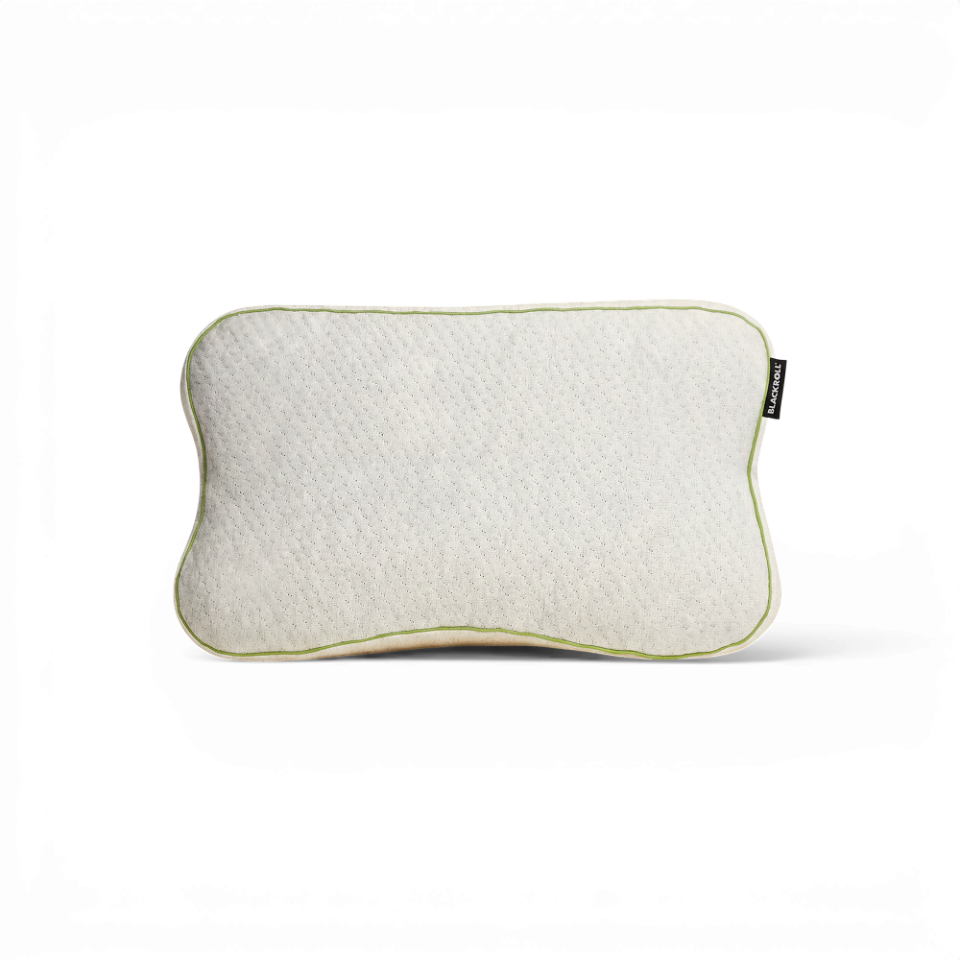
Lavender essential oil on the RECOVERY PILLOW

Find relaxation in the evening
Discover evening routines

FAQs on Nutrition and Stress
Magnesium-rich foods (e.g., spinach, nuts, pumpkin seeds), sources of omega-3 (salmon, walnuts, flaxseeds), and fruits and vegetables rich in vitamin C (berries, bell peppers) help maintain hormonal balance.
Complex carbohydrates, fermented foods, adaptogenic herbs, and micronutrients (B vitamins, zinc, magnesium) support stress regulation at the biochemical level.
Herbal teas containing lavender, chamomile, or passionflower have a regulating effect via neurotransmitters. Green tea provides L-theanine, which has a relaxing effect without causing drowsiness.
No—it modulates stress processes and strengthens resilience, but it is not a substitute for sufficient exercise, recovery, or sleep.


Conclusion
A nutrient-rich diet lays the foundation for neuroimmunological balance. Regularly incorporating foods such as nuts (magnesium, zinc), fatty fish or algae oil (omega-3), berries and bell peppers (antioxidants, vitamin C), whole grains (complex carbohydrates), and fermented foods (healthy gut flora) supports your body’s ability to adapt to stress. Diet is no substitute for a relaxation routine—but it provides the biochemical foundation that allows your body to flexibly switch between stress and recovery.
More Articles




Studies & Sources
Association of the Mediterranean dietary pattern with the incidence of depression: the Seguimiento Universidad de Navarra/University of Navarra follow-up (SUN) cohort
https://pubmed.ncbi.nlm.nih.gov/19805699/
Omega-3 polyunsaturated fatty acids (O3PUFAs), compared to placebo, reduced symptoms of occupational burnout and lowered morning cortisol secretion