
Stress Headaches: Why Stress Makes Your Head Hurt

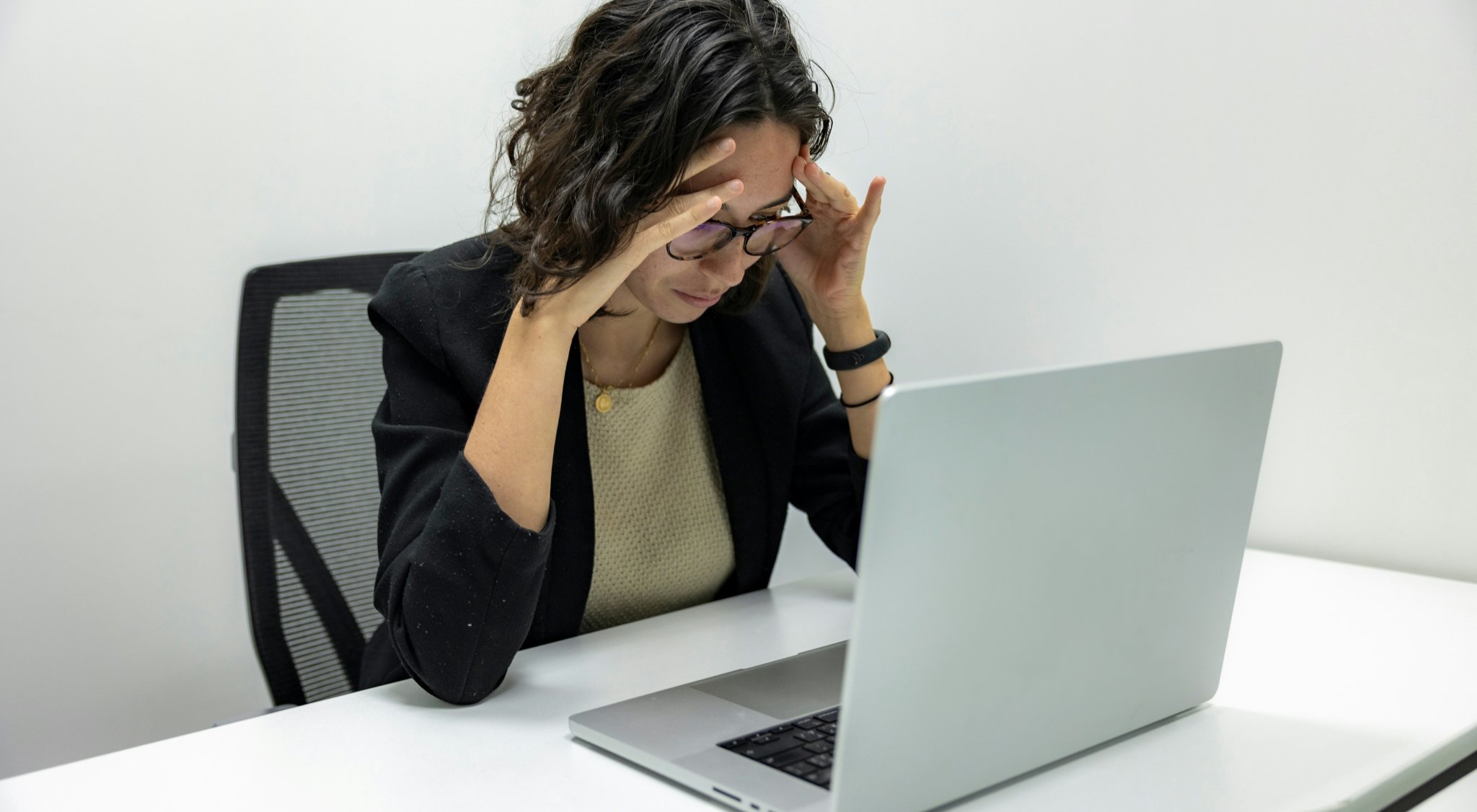
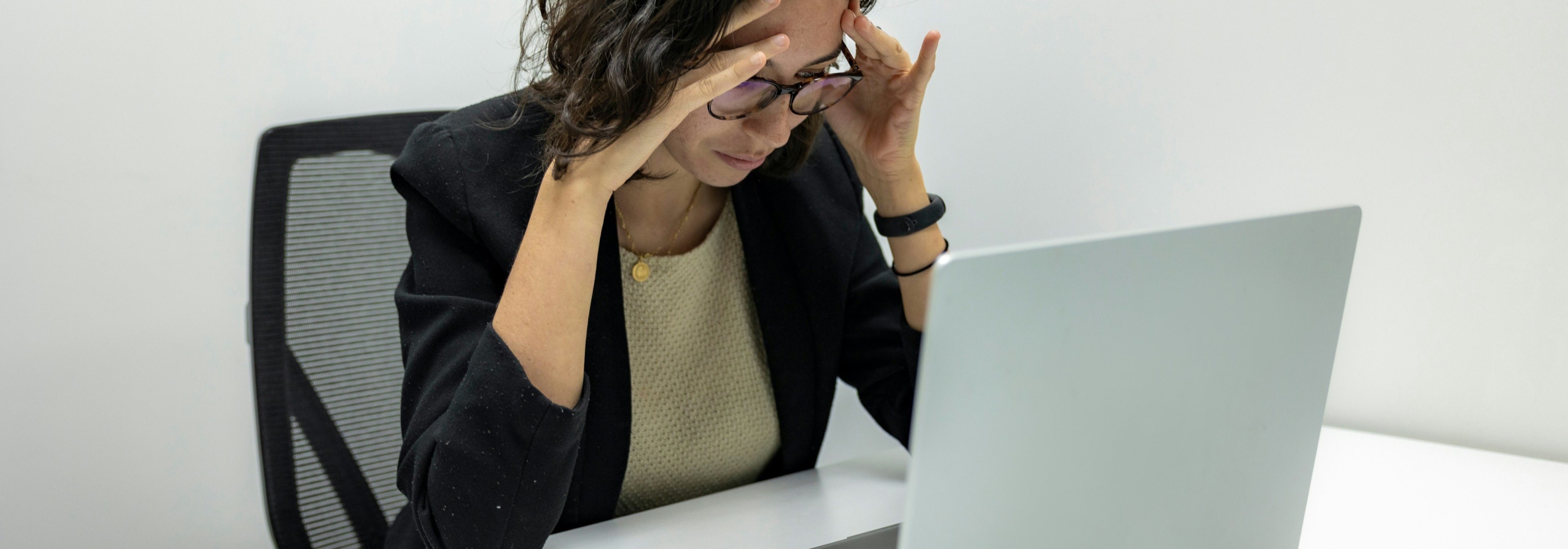
Suddenly, there’s a pounding in the back of your head, your neck is rock-hard—and you realize: it’s another stress headache. When appointments pile up, emails flood your inbox, and breaks are too short, the muscles from your shoulder girdle to your forehead tense up.
This is exactly where stress-related headaches begin—what experts also classify as tension headaches. Stress hormones course through the body, constricting blood vessels and causing muscles to cramp; the result is a dull pressure or a ring-shaped band around the head. Those who also suffer from anxiety or neck tension often feel the pain even more quickly—some even develop migraines due to stress.
In this article, we’ve summarized for you how to recognize a stress headache, which home remedies provide immediate relief, and how you can prevent them in the long term through smart stress management and targeted stress reduction.
Look forward to practical tips that will help clear your head and make you feel light again.
Stress-Induced Headaches: What Happens in Your Body
As soon as your stress levels rise, your body essentially hits the emergency button: Stress hormones flood your bloodstream, your muscles tense up reflexively, and blood flow to your head shifts. It’s precisely this interplay of neurotransmitters, vascular changes, and muscle tension that lays the groundwork for stress-induced headaches —even before you feel the first throb.
Stress sets off a cascade of alarm signals: Your brain releases adrenaline and cortisol, and your heart rate and muscle tone increase.
- In a U.S. study of migraine sufferers, an elevated morning cortisol level showed a clear correlation with higher pain levels and anxiety scores—an indication that stress hormones lower the pain threshold.
- Using a special MRI scan, researchers found that in people with stress-related headaches, blood flow to the brain is already altered before the pain even begins—especially in the frontal lobe, which is responsible for processing pain and emotions.
- However, stress is felt not only in the head but also in the neck: An EMG examination found measurably increased activity in the forehead and neck muscles in 89% of people with tension headaches; the greater the muscle tension, the more severe the pain.
Early Warning Signs
- Dull, “band-like” pressure around the forehead or temples
- Increasing neck stiffness or shoulder pain
- Difficulty concentrating, sensitivity to light or noise
Tip for you: If these symptoms last longer than three days or are accompanied by vision problems, fever, or numbness, please seek medical help—there may be more to it than “just” stress.


Headaches caused by stress and anxiety
Headaches caused by stress and anxiety—when psychological factors come into play, it can become a problem. Stress alone can trigger headaches—but when combined with anxiety, it creates a real vicious cycle:
Worry → muscle tension & shallow breathing → more pain → even more worry.
To help you take action early on, take a look at the key mechanisms involved.
1. Anxiety Tenses Muscles—and the Head Reacts
Recent reviews describe a significantly higher prevalence of anxiety and depression in tension-type headaches than in the general population. The analysis shows: The more severe the anxiety, the more likely and intense the pain episodes are.
2. Hyperventilation causes blood vessels to constrict
When anxiety “takes your breath away,” you often breathe too quickly— hyperventilation lowers the carbon dioxide levels in your blood. This leads to a reflex constriction of the brain’s blood vessels and can trigger throbbing headaches. A review on hyperventilation syndrome describes exactly this connection between stress-induced breathing, cerebral vasoconstriction, and headaches.
3. Typical warning signs that anxiety is a factor
- Headaches occur more frequently during exams, at work, or in conflict situations.
- You notice shallow, rapid breathing or sighing.
- Accompanying symptoms such as trembling, chest tightness, or tingling in the fingers or lips (indicating hyperventilation).
4. When to Seek Psychological Help
If relaxation exercises, exercise, and sleep hygiene don’t help after a few weeks—or if you notice that feelings of anxiety are dominating your daily life—seek professional support. Behavioral therapy or specialized breathing/biofeedback training can permanently break the anxiety-tension cycle and thus significantly reduce the frequency and intensity of headaches.
Tip for you: Learn to recognize physical signs of stress early on (shallow breathing, hunched shoulders, clenched jaw). The sooner you take action—breathing out consciously, relaxing your shoulders, taking a short walk—the less often anxiety will take hold of your mind.


Types of Stress Headaches
Stress can trigger two main types of headaches—each with its own warning signs and triggers.
Tension-Type Headache
- Episodic: occurs on < 15 days per month. Usually a dull, band-like pressure that feels like a helmet that’s too tight. Often caused by a combination of stress hormones and neck tension.
- Chronic: occurs on ≥ 15 days per month and significantly more severely impacts daily life and sleep. According to a recent review, although the chronic form accounts for only a small proportion of all cases, it is responsible for the majority of absences from work and treatment costs.
Migraines Caused by Stress
About half of all migraine sufferers cite stress as their strongest trigger. Researchers view stress as a biological “primer”: it makes nerve cells more sensitive, so that light, sounds, or smells can more easily trigger an attack. BioMed Central

5 Exercises for Tension Headaches and Migraines
See the exercisesComparison of Tension Headaches vs. Stress-Induced Migraines
- Pain characteristics: Dull, pressing, on both sides
- Duration: 30 min. – 7 h (episodic) / days to weeks (chronic), more common in the afternoon or evening
- Accompanying symptoms: Rarely nausea or sensitivity to light
- Typical triggers: Computer use, poor posture, lack of sleep
- Neck involvement: Common
- Pain characteristics: Pulsating, often on one side
Duration: 4–72 hours
Accompanying symptoms: Often nausea, sensitivity to light and sound
Typical triggers: Deadline pressure , hormonal fluctuations, hunger
Neck involvement: Less common , but possible
Stress-Induced Migraine – Identifying & Preventing Triggers
- Main triggers: Deadline pressure, lack of sleep, hormonal fluctuations. In one study, 48% of all migraine attacks occurred within 24 hours of high stress (https://pubmed.ncbi.nlm.nih.gov/24601028/).
- Acute relief: A dark room, conscious exhalation, and taking a triptan or a combination of 200 mg ibuprofen and caffeine early on.
- Long-term strategy: 10 minutes of daily mindfulness reduces the number of migraine days by about 30%, combined with moderate endurance training three times a week.
- Nutrient boost: 400 mg of magnesium or 200 mg of vitamin B2 daily can raise your pain threshold, especially for menstrual migraines.
What to Look For
- A band-like pressure is more indicative of a tension headache, while a throbbing pain accompanied by nausea is more indicative of a migraine.
- If a headache recurs on ≥ 15 days a month or significantly impairs your daily life, have a doctor determine the exact type—the optimal treatment depends on this.
In short: Stress doesn’t just trigger headaches through hormonal surges; it also exacerbates muscle tension and alters the blood vessels in the brain. The type of stress-related headache you’re experiencing determines whether rest, stretching exercises, or targeted migraine prevention is the best strategy.
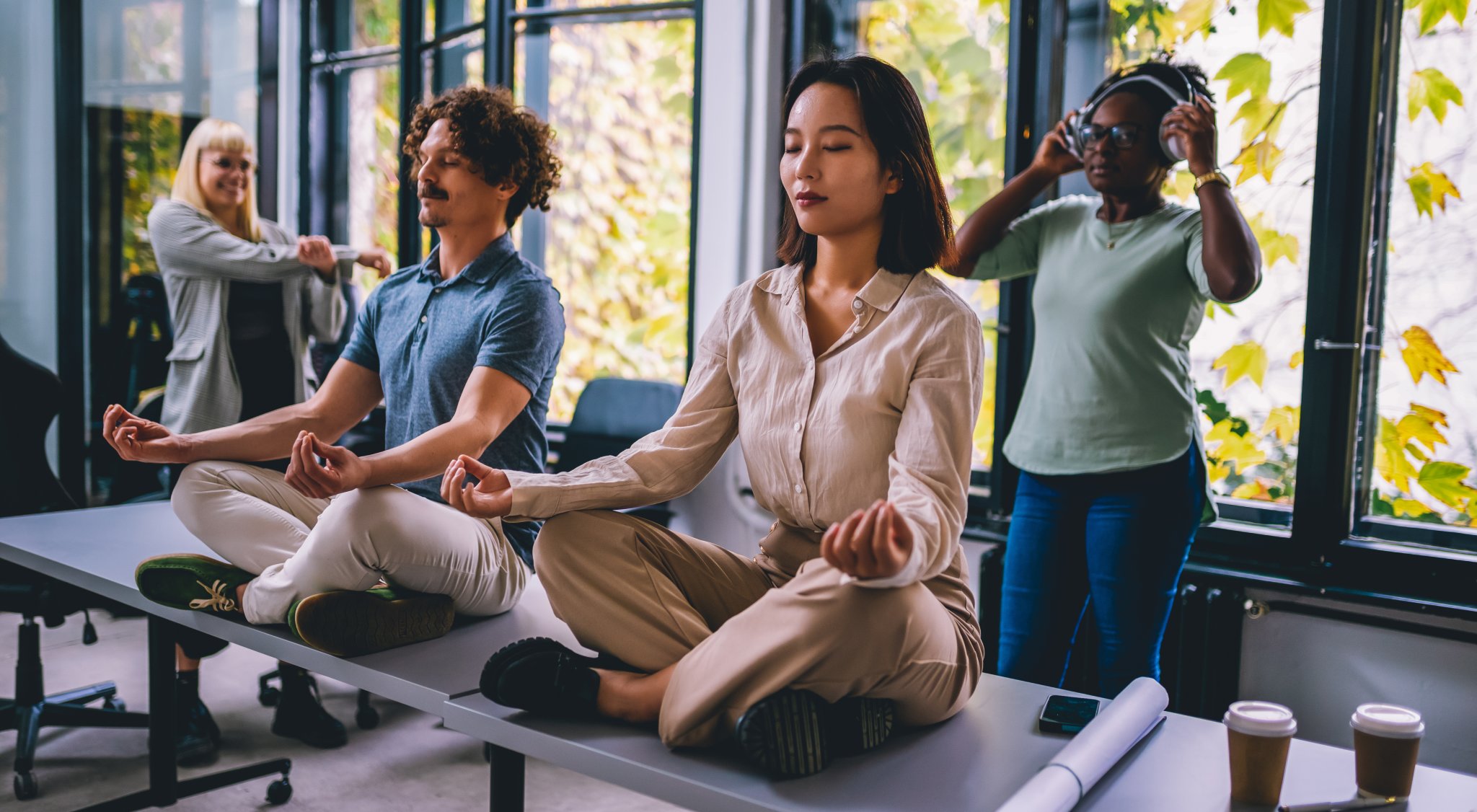

Relieving Stress-Induced Headaches – Immediate Relief & Home Remedies
When the pressure in your head builds, even small tricks can help break the stress cycle immediately. Try out what brings you the fastest relief:
What to Do?
Breathe in for four seconds, hold your breath for seven, and breathe out for eight; then alternately tense and relax your neck and shoulder muscles. In an RCT, pain scores for chronic tension headaches decreased noticeably after just two weeks.
A cold pack (10 min) reduces acute inflammation; a warm shower afterward relieves muscle tension in the neck.
The pungent compounds inhibit inflammatory mediators. A meta-analysis found a significant reduction in pain during migraine attacks.
This combination shortens the time to onset of action and increases the success rate by about 70%.
Gently bring your chin to your chest, rotate your shoulders—this loosens tight neck muscles and improves blood circulation.
Tip: Choose two or three methods you can use anywhere (e.g., breathing exercises + ginger tea). The sooner you start—ideally at the first signs of tension—the faster the pain can subside.

Science-Based Methods for Long-Term Stress Relief
Click here for your online stress management course
Treatment & Prevention: Stress Management in Everyday Life
Headache pills are just a last resort. It’s much more important to lead a daily life that doesn’t let stress build up in the first place. Four strategies have proven particularly effective in studies—and they’re easy to implement.
Get regular exercise
Just 40 minutes of brisk walking, cycling, or swimming three times a week is enough. In a Swedish study, this exact program relieved migraines and tension headaches just as effectively as the medication topiramate.Set up your workspace comfortably
Position the top of the screen at eye level, adjust your chair so your feet are flat on the floor, rest your arms so your shoulders hang loosely, lean your head against a headrest if necessary (this is especially important when driving), and stand up briefly every hour to stretch and move around. An Australian-Swiss cluster trial showed that a 12-week combination of an ergonomic assessment and simple neck exercises significantly reduced neck pain—and the associated stress headaches.Treat yourself to good, sufficient sleep
7–9 hours is ideal. Stick to a regular bedtime, air out the room, darken it, and put your phone away an hour beforehand. Well-rested brains are less sensitive to stress hormones.Practice mindfulness—10 minutes every day
Whether it’s guided meditation, a body scan, or slow, conscious breathing—these short breaks noticeably calm your nervous system. A U.S. study involving 98 migraine sufferers showed that among those who completed an in-depth MBSR (Mindfulness-Based Stress Reduction) course, the number of days with headaches was cut in half for every second person.
Our tip for you: If you combine consistent routines of exercise, an ergonomic workspace, good sleep, and short mindfulness breaks, you’ll significantly raise your pain threshold—making it much harder for stress to manifest as a headache.


When to see a doctor?
Most stress-related headaches are harmless. However, certain symptoms require prompt medical evaluation—not because they automatically indicate something dangerous, but because doctors can then rule out more serious causes.
Observation
May indicate a vascular or bleeding disorder in the head (so-called “thunderclap” headache).
The optic pathway or brain may be involved; requires prompt evaluation.
Could indicate an infection (e.g., meningitis).
Possible signs of a stroke or other neurological problems.
Rule of thumb: It’s better to see a doctor once too soon than once too late—especially if you experience new, unusual, or suddenly much more severe headaches.

Conclusion – Clear Your Mind
Stress headaches are your body’s SOS signals: “Too much pressure, not enough rest.” Listen to this message instead of silencing it with pills. Just a few deep breaths, some gentle shoulder circles, and a glass of water are often enough to ease the initial pain.
In the long term: Exercise regularly, set up a back-friendly workspace, stick to a consistent sleep schedule, and set aside ten minutes each day for mindfulness or meditation. This will lower your stress levels before they even reach your head.
And keep an eye out for warning signs—sudden severe pain, fever, or sensory disturbances require immediate medical attention. Take care of your stress, and your mind will take care of what matters most: thinking clearly, being creative, and enjoying life.

FAQ: Stress Headaches
In the short term, rest, fresh air, a cup of coffee, gentle stretching exercises for the neck and shoulders, and breathing exercises such as the 4-7-8 method can help. A cold washcloth on the back of the neck can also provide relief.
Yes, stress headaches are often a form of tension headache—triggered by muscle tension, internal stress, and chronic stress.
Migraines usually occur on one side of the head, are throbbing, and are often accompanied by nausea or sensitivity to light. Tension headaches occur on both sides of the head, are dull and pressing, and tend to be moderate in intensity. Stress headaches tend to occur in the afternoon or evening. If you’re unsure, it’s best to consult a doctor.
Yes, school-age children in particular react to pressure to perform, social conflicts, or sensory overload with headaches. Paying close attention to their daily routine and environment can help.
Regular exercise lowers stress hormone levels and helps prevent headaches. Focus on moderate, relaxing activities such as walking, biking, or yoga.
Caffeine (e.g., coffee or green tea), peppermint oil on the temples, a warm bath, ginger tea, or progressive muscle relaxation—different things can help depending on the type of headache.
Tension headaches often last a few hours to a maximum of two days. If they become chronic (occurring on more than 15 days a month), you should seek medical advice.
Through stress management, better sleep, mindful self-care, workplace ergonomics, and relaxation techniques such as meditation or breathing exercises.
If headaches suddenly start, become very frequent, or are accompanied by fever, vision problems, numbness, or dizziness—please consult a doctor.
Yes. Worry, anxiety, feeling overwhelmed, or depressive moods influence the brain’s perception of pain—the mind plays an important role.
More Articles


Sources / Studies
https://www.sciencedirect.com/science/article/pii/S1526590023003176?utm_source=chatgpt.com
https://thejournalofheadacheandpain.biomedcentral.com/articles/10.1186/s10194-021-01282-y
https://pubmed.ncbi.nlm.nih.gov/26075728/
https://www.sciencedirect.com/science/article/abs/pii/S0735675720310391?utm_source=chatgpt.com
https://journals.sagepub.com/doi/pdf/10.1177/0333102411419681?utm_source=chatgpt.com