
Insomnia: Overcome Your Sleep Problems

Did you sleep well last night? Many of us answer this question right after waking up—with a “no.” About a quarter of all Germans sleep less than 6 hours every night, which indicates a sleep deficit.
The second question we often ask ourselves is: Can I catch up on sleep? The answer is both yes and no. That’s because you need to carefully consider the extent of your sleep deficit and what steps you’re taking to make up for it.
This article answers all your questions about catching up on sleep, sleep debt, and healthy sleep. We’ll also debunk sleep myths and show you strategies for getting back to a good sleep routine after a short night. So you can start your day feeling refreshed, maintain your cognitive abilities, and achieve your fitness goals.


Sleep Disorders: What Is Insomnia?
Didn’t sleep well? It happens to everyone sometimes. But if you’re frequently having sleepless nights, insomnia could be the cause: This medical term describes long-lasting or recurring sleep disturbances. People with insomnia have trouble falling asleep, staying asleep, or don’t feel fully rested the next morning. Their symptoms persist over a longer period of time, occur at least three times a week, and also interfere with their daily lives.
All criteria—sleep problems, frequency, and duration, as well as negative consequences—must be met for a doctor or psychiatrist to diagnose a pathological sleep disorder, i.e., insomnia. If, on the other hand, you tend to sleep for short periods or wake up frequently but still feel well-rested and refreshed, you do not have insomnia.
Medical professionals also distinguish between long-term and short-term insomnia. The latter lasts less than three months and is triggered, for example, by stressful life phases, major changes, or temporary physical ailments. Long-term insomnia, also known as chronic insomnia, lasts longer than three months or recurs repeatedly over several years. It, too, can have various causes, such as illnesses, mental health disorders, or poor sleep habits.
Did you recognize yourself in the descriptions of insomnia? Great! Because that means there’s already a light at the end of the insomnia tunnel. For now, it doesn’t matter how good or bad your nights are at the moment, because you’ve already taken the most important step by reading this far: you’re taking the issue of sleep problems seriously. And now it’s time to take it one step further: In the following sections, you’ll learn more about the causes of sleep disorders, become familiar with the typical symptoms of insomnia, and discover useful information about the various treatment options. Because even though poor sleep isn’t normal, about a quarter of adults in Germany complain of sleep disorders. So: Let’s tackle this problem together—step by step.

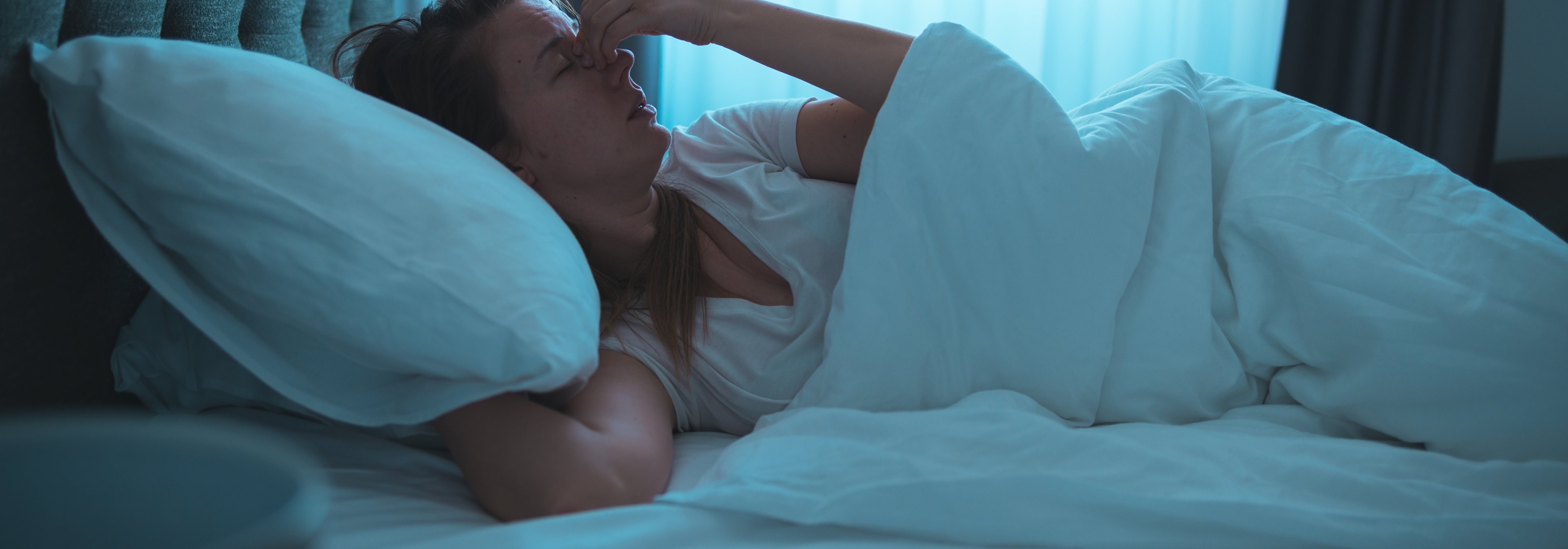
Causes: What Triggers Sleepless Nights
Poor sleep can have various triggers, which can be divided into three main groups: external factors, internal conditions, and illnesses. No matter which group of causes applies to you, the most important thing is to figure out what’s triggering your insomnia. This way, you can get to the root of your insomnia and address the symptoms with targeted measures.
An overview oftypicalcauses ofinsomnia:
- Internal states: Restlessness, anxiety, worries, and stress can cause poor sleep because they weigh on your mind, making it especially difficult to wind down in the evening. Work-related pressure, financial worries, or interpersonal conflicts are typical examples of situations that trigger sleep problems.
- External factors: Poor sleeping conditions can also ruin your nights. These include a bright environment, noise, or an uncomfortable bed. Poor air quality, summer heat, or freezing temperatures can also keep you awake. The same goes for unfavorable living conditions, such as shift work or jet lag. Added to this can be unhealthy habits such as the consumption of caffeine, nicotine, and other drugs, or the excessive use of electronic devices in the bedroom.
- Illnesses: Both physical and mental health conditions can trigger insomnia. Common examples include pain, respiratory problems such as snoring and sleep apnea, anxiety, or hormonal changes, such as menopause in women. To make matters worse, people with insomnia often develop secondary conditions like high blood pressure or diabetes—which can set off a vicious cycle of poor sleep.


Symptoms: Typical Signs of Insomnia
The symptoms of insomnia can vary from person to person, but there are a few typical signs you should look out for. These primarily include difficulty falling asleep, trouble staying asleep, and the feeling of not being sufficiently rested, even if you’ve slept enough. Most people need seven to eight hours of sleep per night.
If you frequently have trouble falling asleep in the evening, you’ll usually lie awake in bed, tossing and turning from one side to the other. Often, it’s a cycle of thoughts that keeps you awake during these moments. Falling asleep becomes a struggle that leaves you frustrated and impatient. If, on the other hand, you wake up repeatedly throughout the night, you’ll be constantly jarred out of sleep. These interruptions lead to a fragmented sleep pattern that isn’t restful. Most people affected also find it difficult to fall back asleep. The final typical sign of insomnia is the feeling of not being properly rested in the morning. You may have slept all night, but the next morning you still feel tired and exhausted.
In addition to the core symptoms, you can look out for other signs that often accompany sleep disorders. These include, for example, irritability, difficulty concentrating, or reduced performance. These symptoms can have a negative impact on your work, social life, and overall quality of life. But help is on the way: In the following sections, you’ll learn about various therapeutic approaches and treatment options.


Therapy: How Sleep Disorders Are Treated
There are various approaches and treatment options for chronic sleep disorders, which should be tailored individually to you and your specific issues. Below, you’ll get a brief overview of the most important options. If you’d like to learn more about specific methods, you’ll find more detailed information in sections 5–8.
- Cognitive Behavioral Therapy: This treatment focuses on identifying and changing negative thought patterns and behaviors that interfere with sleep. By working with a therapist, you’ll learn strategies and techniques to establish good sleep hygiene. Behavioral therapy is therefore a long-term solution that aims to address the root causes of your sleep disturbances and achieve lasting changes in your sleep behavior.
- Sleep Hygiene: Another approach can be improving your sleep hygiene—either as a standalone strategy or as a complement to behavioral therapy. The rules of sleep hygiene include a series of guidelines and tips designed to promote healthy sleep. These include, for example, maintaining a regular sleep schedule and ensuring a comfortable and quiet sleep environment. Consistently following these rules can improve your sleep patterns.
- Relaxation Techniques: The goal of these techniques is to calm your body and mind before bedtime and create a relaxed atmosphere for sleep. Relaxation techniques include, for example, meditation, progressive muscle relaxation, or various breathing exercises. If you incorporate them regularly into your evening routine, your sleep quality may improve.
- Medication: In some cases, medication can be helpful for treating sleep disorders. However, you should only take this step if your doctor advises you to do so. As a rule, medication is not the sole treatment but rather part of a broader therapy plan.


Behavioral Therapy for Chronic Insomnia
One of the most common and promising treatments for chronic insomnia is cognitive behavioral therapy. This involves identifying and changing unhelpful behaviors and thought patterns that interfere with your sleep. Working closely with a therapist, you’ll learn, for example, which stressors negatively affect your sleep and how to better manage them. Through therapy, you’ll also regain confidence in your ability to sleep well, making it easier to wind down in the evening.
Cognitive behavioral therapy is a scientifically recognized psychotherapy method and is tailored specifically to your needs. Experience shows that treatment for sleep disorders typically involves about 5–10 sessions with a therapist. During these sessions, you’ll discuss your daily life and your sleep problems. However, the treatment isn’t over after the session: You’ll be given homework, such as keeping a sleep diary. In it, you’ll record the quality of your night’s sleep each day and then discuss the results with your therapist. By combining professional guidance with your own commitment, you can maximize the effectiveness of behavioral therapy and improve your sleep.


Improving Sleep Hygiene
Improving your sleep conditions plays a crucial role in treating sleep disorders. For this reason, you should also focus on sleep hygiene. These are the most important rules for healthy and restful sleep.
One of these rules, for example, is maintaining a regular sleep routine. It’s advisable to go to bed and wake up at the same time every day to help your body establish a stable sleep rhythm. In addition, a quiet and comfortable sleeping environment is very important: Sleep in a darkened and quiet room with plenty of fresh air, and make sure the room temperature is between 16 and 19 degrees Celsius. Before going to bed, you should avoid stimulants such as caffeinated beverages or intense exercise. Calming activities like reading or meditating are better suited for the evening.
Admittedly, improving your sleep hygiene requires some discipline, but it can be the key to restful nights. By following these tips, you’ll help your body wind down—and you’ll soon be sleeping better again.


Use of Relaxation Techniques
Relaxation techniques can help improve your sleep by calming your body and mind in the evening, making it easier and faster to fall asleep. Popular methods include gentle yoga, tai chi, or qigong; progressive muscle relaxation; autogenic training; meditation; and various breathing techniques.
Progressive muscle relaxation is a popular method to practice in bed at night: First, tense your muscles strongly, then release the tension. This induces a deep sense of relaxation. Breathing exercises also work well in bed and can help reduce stress and calm the mind. Through conscious breathing, you’ll become increasingly calm and will find it easier to fall asleep afterward. With autogenic training and meditation, you achieve a sense of calm through mental concentration. You focus on the here and now to break the cycle of repetitive thoughts and create a state of drowsiness. No matter which relaxation technique appeals to you: if you practice it regularly in the evening, your sleep will improve.


Treating Sleep Disorders with Medication
For some people with insomnia, medication can be helpful. There are many different types of treatments for sleep disorders, including herbal remedies as well as prescription and over-the-counter medications. There are options for both short-term and long-term treatment. It’s important to remember: Only take medication if your doctor has prescribed it. Self-medication can do more harm than good and may lead to dependence. Also important: Just because a sleep aid is herbal doesn’t mean it’s harmless.
If your doctor has prescribed medication, it could be, for example, antihistamines, benzodiazepines, antipsychotics, or antidepressants. Antihistamines are typically used for allergies, such as when a dust mite allergy is disrupting your sleep. Benzodiazepines have a calming effect and can be helpful for anxiety disorders. Antipsychotics reduce sensory processing and are primarily prescribed for psychotic symptoms such as hallucinations or delusions. Antidepressants are used to treat depression.
Medications are generally only one part of treatment and are not a standalone solution for your sleep problems. It is important that treatment be carried out under a doctor’s supervision. This ensures that your treatment is both effective and well-tolerated. Your doctor will guide you through your treatment and adjust your medications as needed to provide you with the best possible care.


Risks: The Consequences of Chronic Insomnia
Insomnia can have serious effects on your physical and mental health. A common consequence—one that almost everyone has probably experienced at some point—is feeling tired the day after a bad night’s sleep. Lack of sleep causes you to feel extremely exhausted and impairs your performance. If this condition occurs only occasionally, it is annoying but not cause for concern. However, if you suffer from chronic sleep deprivation, it can lead to further problems. For example, the risk of accidents increases dramatically, which in the worst case can be life-threatening.
Another typical consequence of chronic insomnia is impaired cognitive function. Those affected often complain of problems with memory and concentration. They notice slower thought processes and impaired information processing. In short: mental performance declines. Furthermore, studies have shown that people with chronic insomnia have an increased risk of developing mental health disorders such as depression and anxiety.
In addition to its effects on the mind, chronic insomnia also has negative consequences for the body. Prolonged sleep deprivation can weaken the immune system or disrupt hormonal balance. For example, your body produces more stress hormones, which in turn affects your metabolism. Medical professionals therefore consistently warn of the link between chronic insomnia and an increased risk of heart disease, high blood pressure, diabetes, and obesity.


Prevention: Alcohol, Stress, and Tips for Sleep Problems
By incorporating preventive measures into your daily routine, you can reduce the likelihood of sleep disturbances and promote better sleep quality. Why not try these tips:
- Create a relaxing sleep environment by keeping your bedroom cool, dark, and quiet. If that’s not possible—for example, when traveling—you can use earplugs or a sleep mask. A comfortable mattress, a pillow that fits you well, and cozy bedding are also important.
- Establish a regular sleep routine by going to bed and waking up at the same time every day, even on weekends. Sticking to this schedule helps regulate your internal clock, which makes it easier to fall asleep in the evening. Your body simply gets used to these set times and finds it easier to wind down.
- Develop stress management strategies to reduce your stress levels. There are various techniques, including meditation, breathing exercises, or journaling. Above all, it’s important that the strategy suits you and gently calms your mind in the evening.
- Use sleep aids only as directed by a doctor, since self-medication can cause even more harm. Only a medical professional can determine the appropriate dosage and duration of use and properly assess the side effects. Misuse of sleep aids, on the other hand, can lead to dependence or the development of tolerance.
- Avoid alcohol, as it disrupts your sleep architecture and leads to restless sleep. It’s better to strictly limit alcohol consumption and completely avoid alcoholic beverages a few hours before bedtime.
For a relaxing sleep environment

FAQs: Is insomnia fatal & sleep disorders—what to do?
FAQs
Insomnia itself is generally not fatal. However, the consequences of chronic sleep deprivation can be serious: fatigue, a weakened immune system, or an increased risk of cardiovascular disease. Sleep deprivation therefore has many negative effects on the body and mind, and your health suffers—which, in the long run, can ultimately be fatal. There is one situation, however, in which insomnia is an immediate threat to life: when you’re extremely tired, the risk of traffic and workplace accidents increases dramatically.
If your sleep disturbances last longer than four weeks, are severe, or are already having a negative impact on your daily life, you should see a doctor. They can provide an accurate diagnosis and recommend appropriate treatment. They can also check whether you have any other conditions that are making your nights worse, such as an undiagnosed house dust allergy.
As we age, our sleep patterns and needs change. For most people, sleep becomes shorter, lighter, and more fragmented over time. Older adults therefore more frequently have trouble falling asleep or staying asleep. However, even in older age, chronic sleep problems are not normal and should be treated. Your primary care physician can be your first point of contact for help and appropriate treatment.
Some sleep disorders are more common at a young age, such as sleep apnea syndrome caused by enlarged tonsils. Nightmares, bedwetting, and sleepwalking also occur more frequently in children. The children then get up during sleep and walk around without remembering it. To minimize any potential negative effects on health and development, even young children should be evaluated. The pediatrician will conduct the examinations and is happy to provide you and your children with advice and support regarding sleep disorders.
There are certain foods that can help improve your sleep quality. This is especially true for foods high in tryptophan, as this amino acid promotes sleep. Tryptophan is found in nuts, poultry, and dairy products like cheese. Carbohydrate-rich foods like whole-grain products or oatmeal can also help ensure restful nights, as they keep you feeling full for a long time and stabilize blood sugar levels. On the other hand, if you’re hungry in the evening, you’ll stay awake. Overall, a balanced diet with plenty of fruits, vegetables, and whole-grain products can help improve the quality of your sleep.
Sleep disorders are a serious matter that you should never ignore. If you’re having trouble sleeping, it’s important to see a doctor to get checked out and, if necessary, be referred to a specialist. Early diagnosis and treatment of sleep disorders can help improve your sleep quality and restore your well-being.


