
Knee Popping – Causes, Symptoms & Exercises

A sudden cracking sound in the knee can be alarming at first—whether it happens when bending, standing up, or during sports. Many people immediately wonder: Is this dangerous? The good news: In most cases, cracking sounds in the knee joint are harmless and are caused by small air bubbles or harmless friction. However, a cracking knee accompanied by pain can also be caused by conditions such as meniscus injuries, osteoarthritis, or overuse.
In this article, you’ll learn:
- why the knee can crack in the first place,
- when it’s a normal joint sound, and
- which exercises, home remedies, and tips can help keep your knees stable and pain-free.
This will give you peace of mind in your daily life—and help you know when it makes sense to see a doctor.
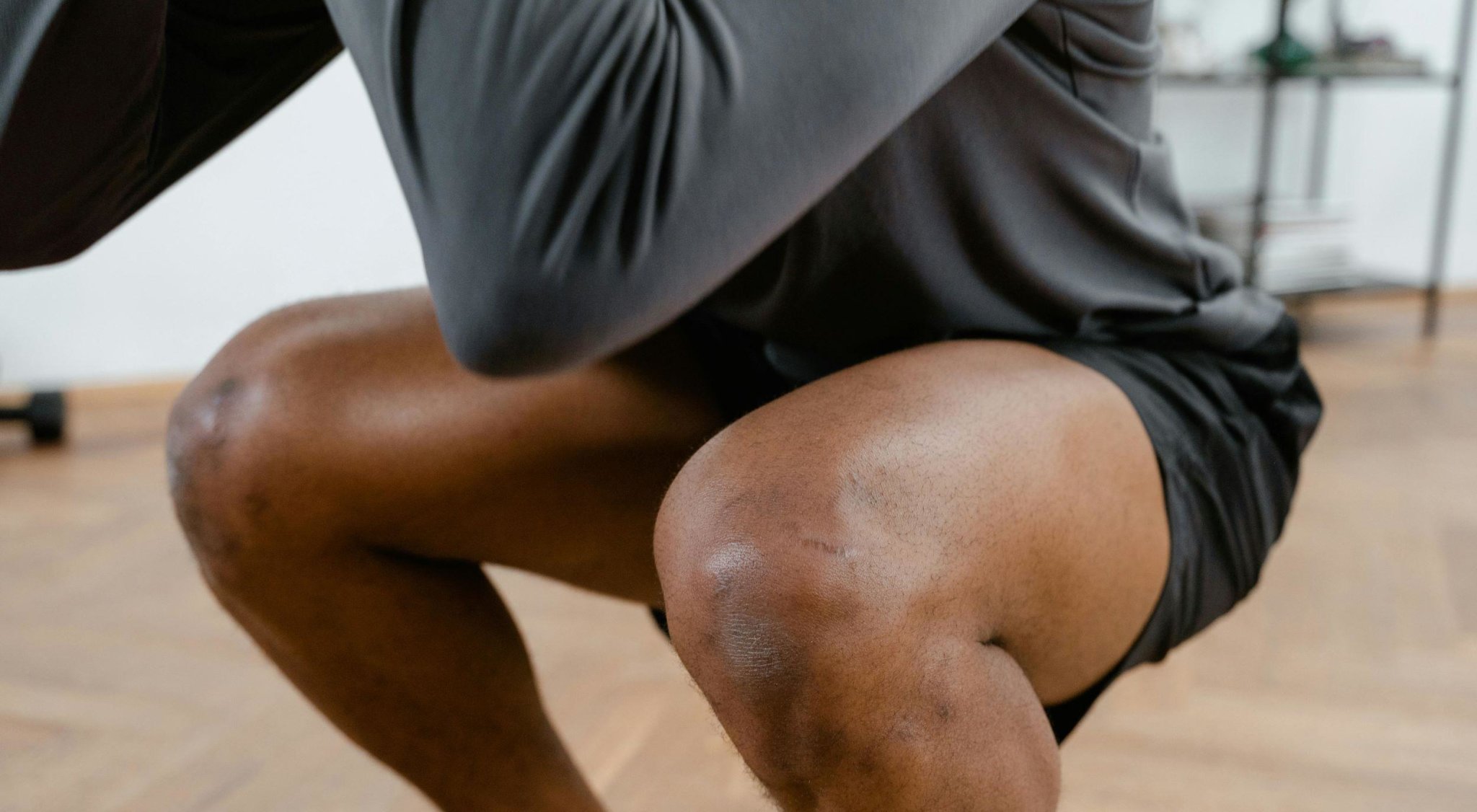
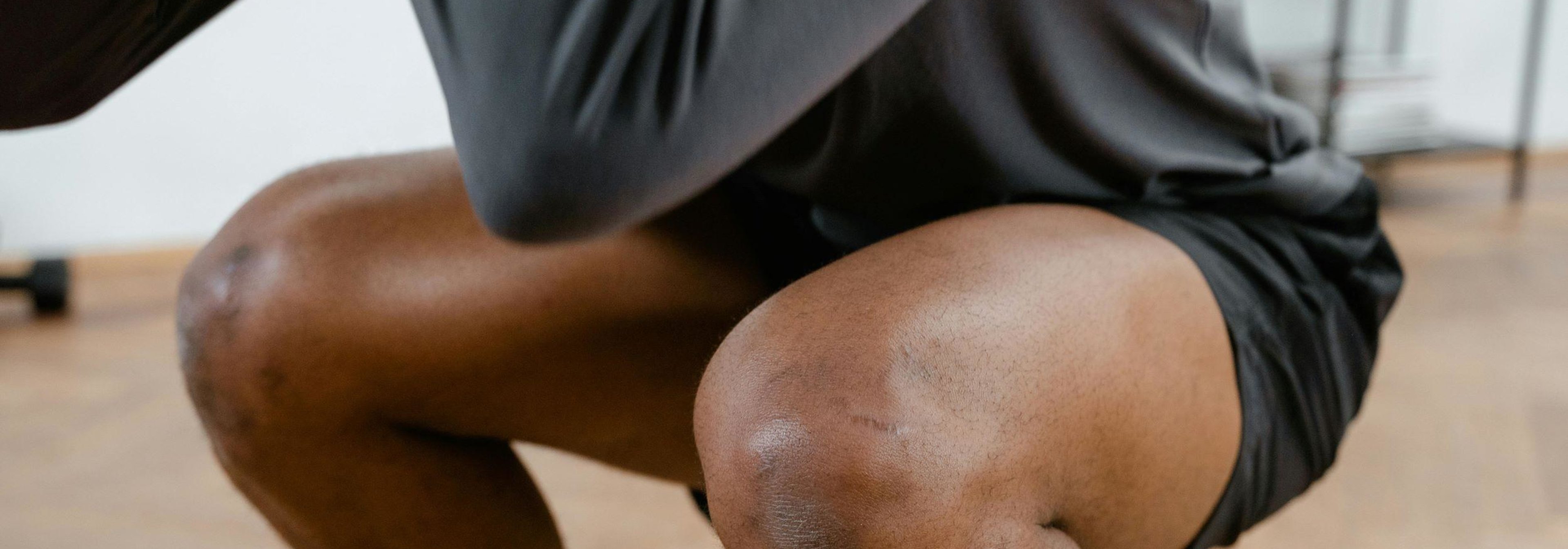
Knee Cracking—Why the Joint Makes Noises
The knee joint is a complex interplay of various structures: The bones of the thigh, shin, and kneecap are protected by elastic cartilage, which cushions impacts and enables smooth movement. Between the bones lie the menisci—crescent-shaped discs of cartilage that act as shock absorbers. In addition, strong knee ligaments provide stability and guidance. Finally, the thigh and calf muscles and tendons extend over the knee to enable bending and straightening. Even the slightest changes to any of these structures can alter forces, pressures, and biomechanical movement patterns, thereby causing audible noises in the joint.
These audible or palpable sounds in the knee joint are also referred to in medicine as “knee crepitus.” A distinction is made between cracking, crunching, and rubbing:
- A popping sound in the knee is usually a short, sudden noise and is often completely harmless.
- A grinding sound in the knee tends to be rough and may indicate wear and tear or changes in the cartilage.
- Rubbing in the knee describes a persistent, noticeable sound during movement, such as when bending or straightening the knee.
A very common cause of harmless joint noises is what are known as gas bubbles in the knee joint.
These form in the synovial fluid and burst during movement—similar to cracking your fingers. This results in a sudden “pop” or crack sound without causing any damage to the joint structures. The situation is different when it comes to structural causes: a slightly displaced meniscus, loose knee ligaments, or uneven cartilage surfaces can also trigger a cracking sound. Whether this is merely a harmless side effect or an early warning sign depends primarily on whether additional pain, swelling, or limited range of motion is present.

Knee Stability and Injury Prevention
Tips for the Slopes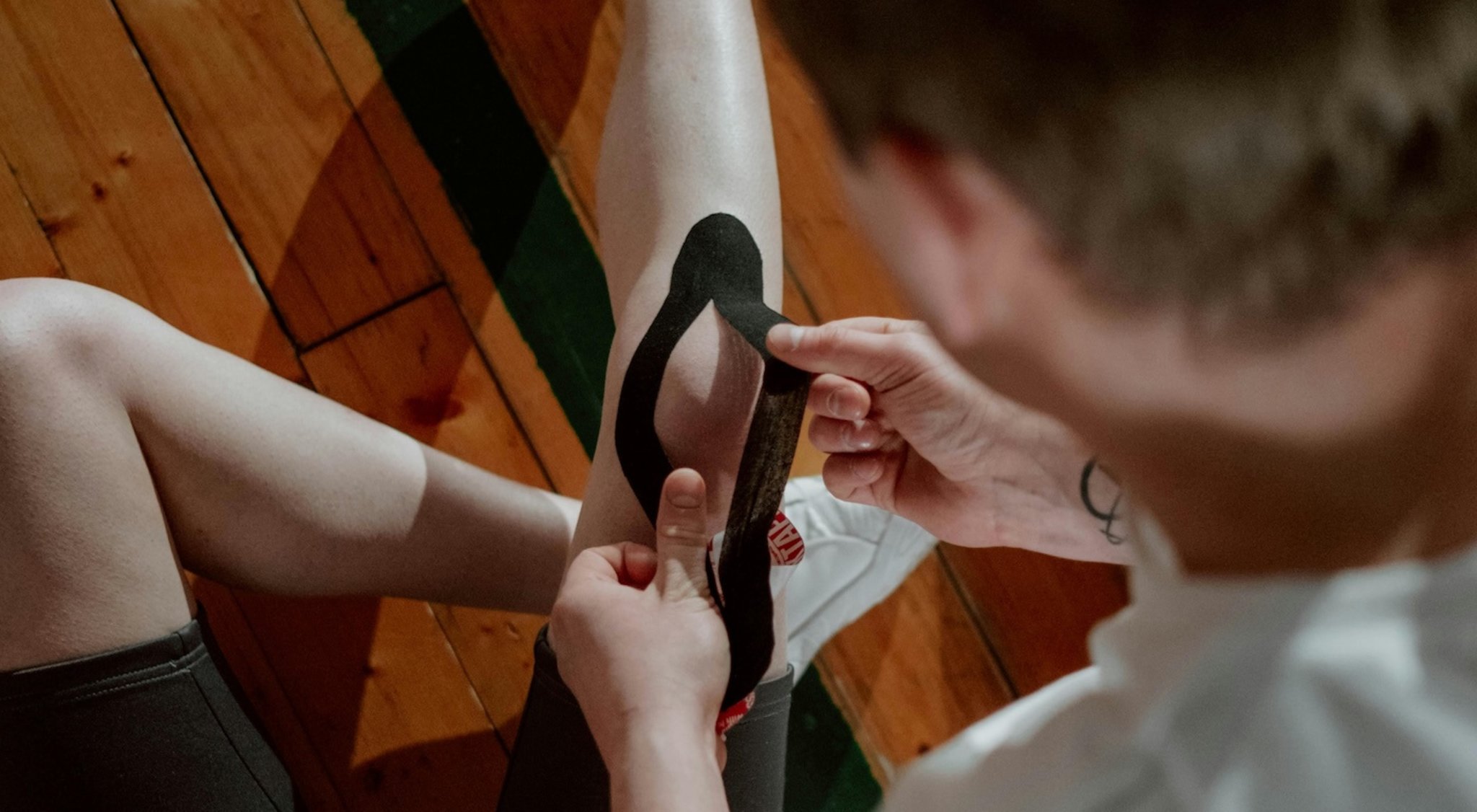

Cracking in the Knee: Meniscus & Other Possible Causes
Not every popping sound in the knee is the same—depending on the situation and accompanying symptoms, there can be very different underlying causes. Some are harmless, while others should be taken seriously.
Overuse & Improper Loading
Noises in the knee are often caused by everyday overuse or poor posture. Prolonged sitting, repetitive movements, or muscles that are either weak or overly tense can prevent the joint from moving properly. As a result, the knee ligaments, kneecap, and menisci may be subjected to greater stress, which can lead to cracking or grinding sounds.
Meniscus Injuries & Cartilage Damage
The meniscus plays a central role in cushioning and stabilizing the knee. Small tears or displacements can cause a distinct cracking or locking sensation—often accompanied by pain or limited range of motion. Cartilage damage also prevents the joint surfaces from gliding smoothly over one another, which can lead to cracking or grinding noises.
Osteoarthritis: When the Knee Joint Cracks and Hurts
One of the most common causes of a crunching or popping knee in older adults is osteoarthritis. As the cartilage wears down, the bones rub against each other more intensely. Typical symptoms include a crunching sensation in the knee, morning stiffness, and progressively limited mobility.
Cracking in the Knee: Wear and Tear or Harmless Noises?
Not every crunching sound in the knee joint is necessarily a sign of osteoarthritis. Even in healthy people, friction noises can occur when tendons or muscles glide over the joint. The key factor is whether the crunching is accompanied by pain, swelling, or instability.
Growing pains in adolescents
Adolescents going through growth spurts may also experience painless cracking in the knee. This is usually caused by rapid changes in bone and muscle growth, which lead to temporary instability or shifts in tension. These symptoms typically resolve on their own once growth is complete.


Painless knee cracking—is it dangerous?
A painless cracking sound in the knee is often unsettling, but in most cases it is completely harmless. As long as no other symptoms such as swelling, instability, or limited range of motion occur, it is usually just normal joint noise. Often, the cause is simply gas bubbles in the synovial fluid or tendons and ligaments sliding over bony prominences, or the kneecap applying too much pressure as it moves across the joint.
Typical situations in which a knee might crack include:
- When bending or straightening the knee—for example, when squatting or standing up from a chair
- When climbing stairs —when the joint is under greater stress
- After sitting for a long time —as soon as the knee starts moving again
People who are particularly active in sports experience knee cracking more frequently. During training, greater forces act on the joints, which can cause noises to occur more quickly. In everyday life, on the other hand, movements are usually less intense, and the cracking is only noticed occasionally.
Important to know: As long as the knee joint cracks but does not cause pain, there is good reason to believe that no serious condition is present. However, over the long term, this can lead to faster wear and tear—for example, due to constant excessive pressure on the cartilage and menisci—and result in secondary conditions.
If additional symptoms accompany the cracking, the cause should be investigated more closely.
More Articles




Loud Cracking in the Knee Followed by Pain – Recognizing Warning Signs
A loud cracking sound in the knee that’s immediately followed by pain is a clear warning sign. Unlike the harmless “pop” caused by gas bubbles, it often indicates a structural change in the joint. You should be especially alert if other symptoms occur alongside the cracking sound:
- Swelling: A knee that suddenly becomes swollen or warm may indicate an injury to the knee ligaments or meniscus, or inflammation.
- Feeling of locking: If the knee can no longer be fully straightened or bent after a crack, the cause could be a pinched meniscus or a loose piece of cartilage.
- Instability: If the knee gives way or feels “soft” after a popping sound, this may be a sign of an injury to the knee ligaments (e.g., a torn cruciate ligament).
It’s also important to distinguish between pain and mere noises:
- If a popping sound occurs without pain, it’s usually harmless.
- However, if a cracking sound is accompanied by acute pain, you should take notice—especially after physical activity or a fall.
A visit to the doctor is strongly recommended if:
- the cracking sound is sudden and very loud,
- it is followed by acute pain, swelling, or instability,
- mobility is severely restricted, or
- the symptoms persist for several days.
In these cases, an orthopedic examination involving an MRI, X-ray, or clinical tests may be necessary to rule out injuries to the meniscus, cartilage, or ligaments.
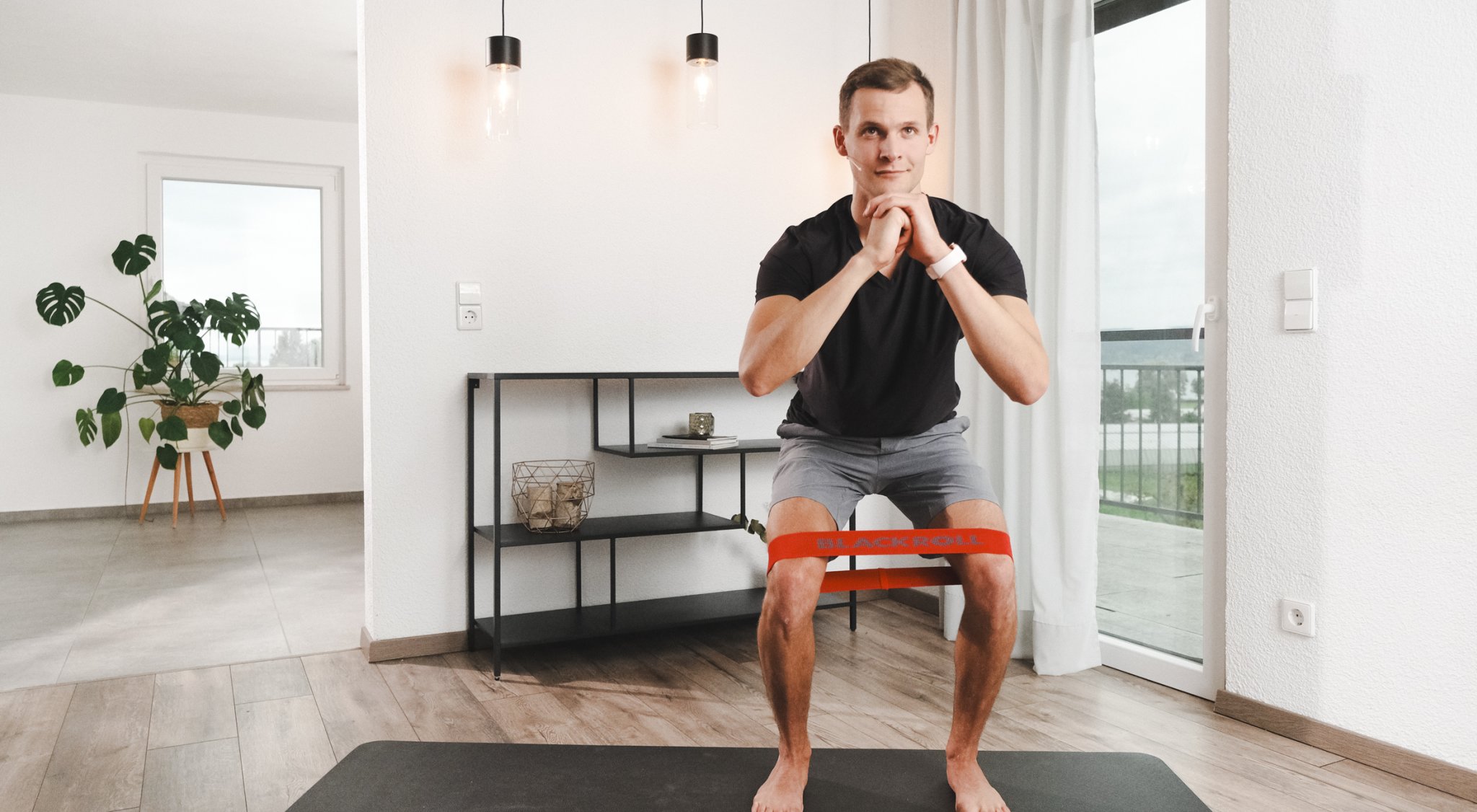

What can you do about a cracking sound in the knee?
If your knee joint cracks, there are often things you can do on your own to reduce the noises and relieve pressure on the joint over the long term to prevent complications. It’s important to combine small everyday tips, targeted exercises, and preventive measures during sports.
Everyday Tips & Home Remedies for Joint Cracking
- Maintain good posture and avoid sitting for long periods with your knees bent.
- Heat can help loosen tight muscles—a warm bath or a hot water bottle relaxes the tissues around the knee.
- Short-term cooling is helpful if mild swelling occurs after physical activity.
- Regular, varied physical activity in daily life (e.g., walks, low-intensity cycling, gymnastics) keeps the joints supple. It’s important to occasionally perform full squats to utilize the full range of motion.
Strengthen & Stabilize the Knee to Reduce Cracking
A weak or unstable knee is more prone to cracking. Knee stability can be improved with simple strengthening exercises for the thighs, glutes, and calves. Exercises such as heel raises, leg axis training, and balance exercises are particularly helpful. Strong muscles relieve pressure on the cartilage, meniscus, and knee ligaments—resulting in less friction within the joint.
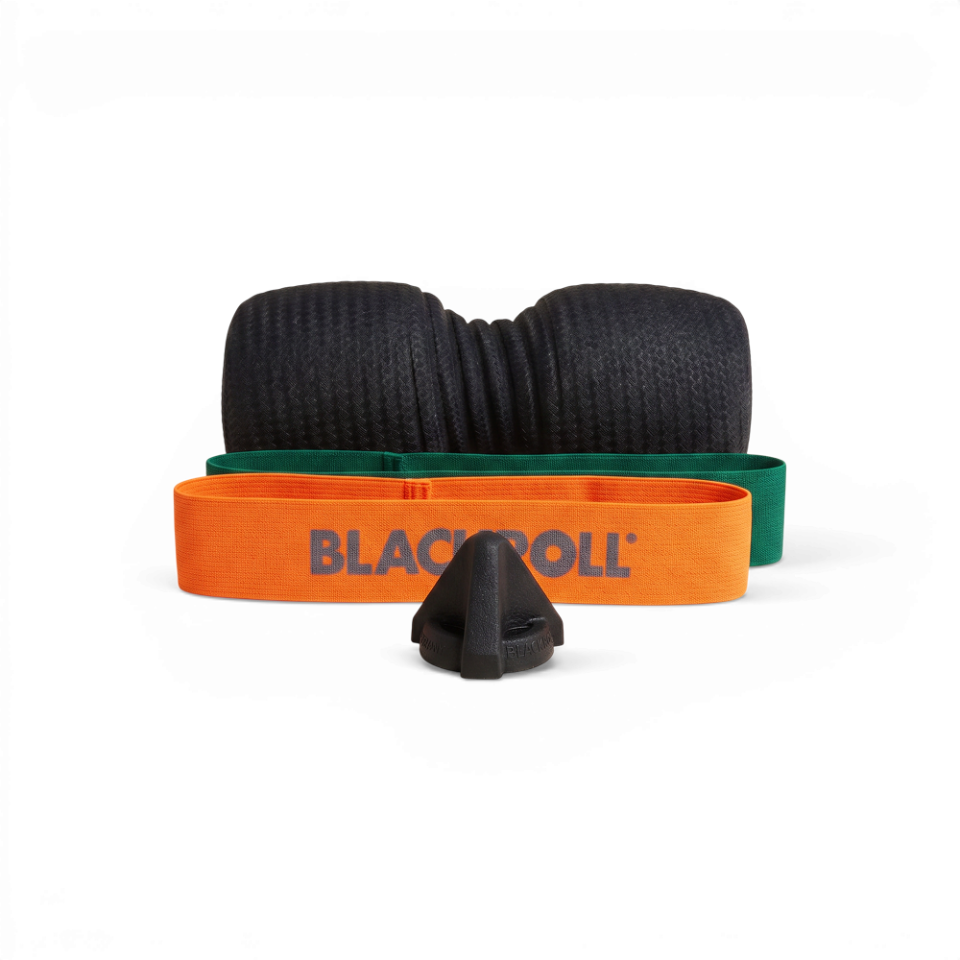
Relieve high tension in the thigh muscles
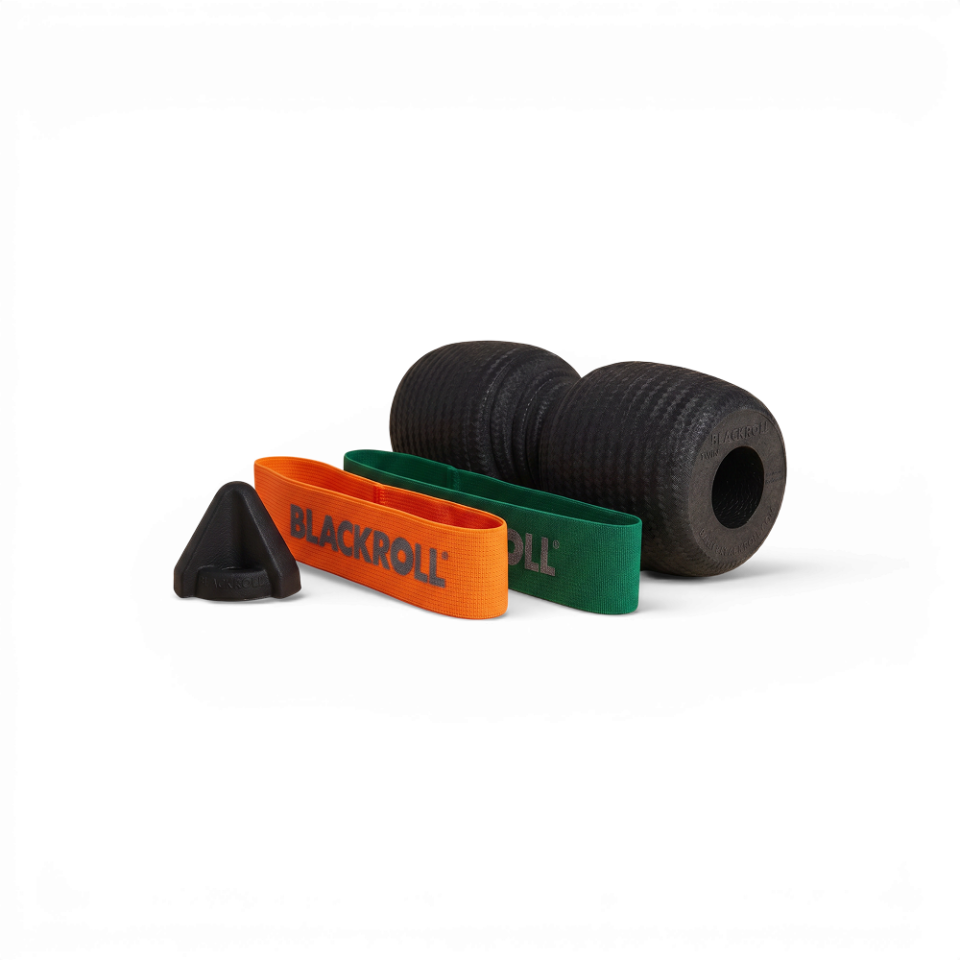
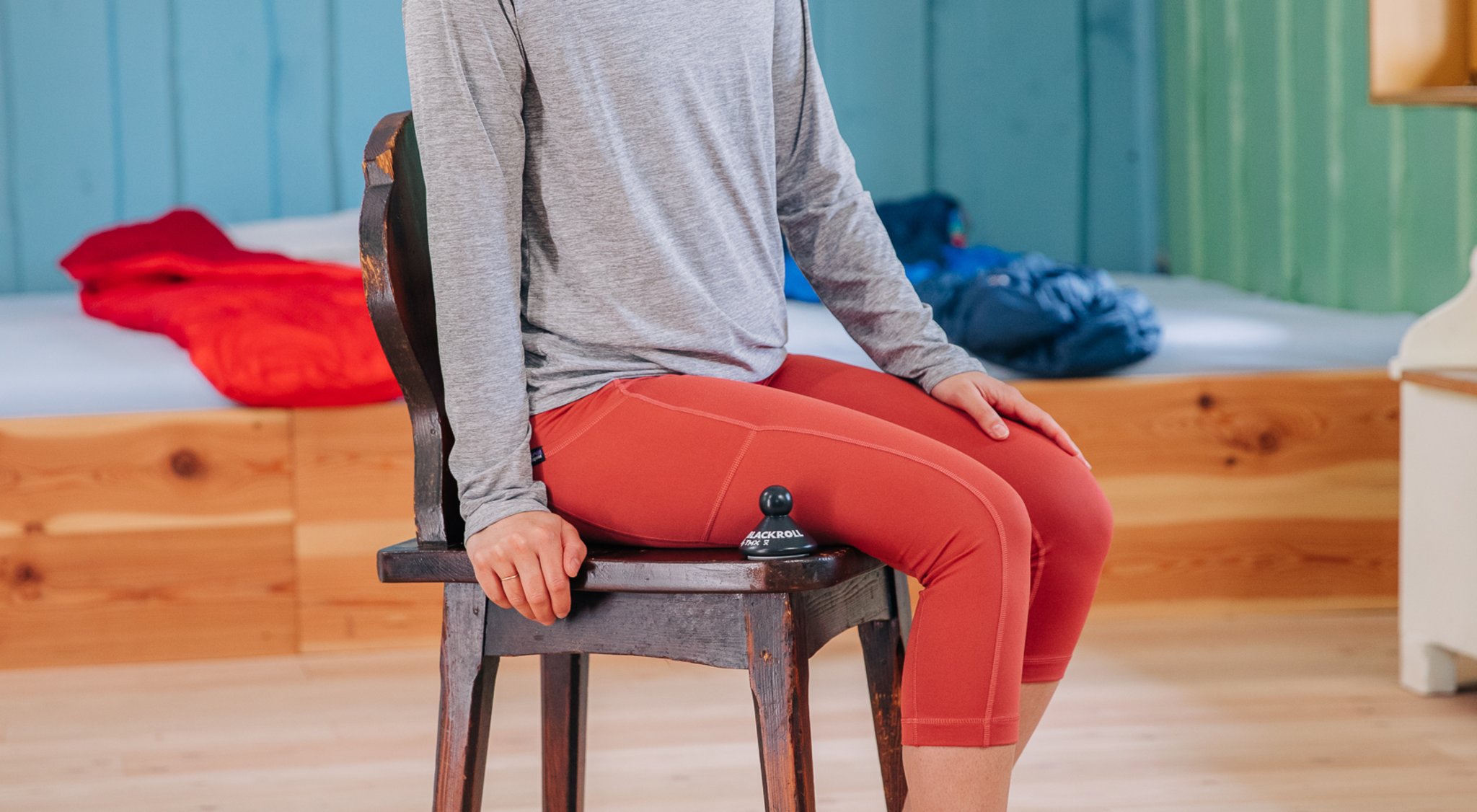
Sports and recreational activities that place heavy strain on the thighs, in particular, lead to high muscle tension, especially in the front thigh muscles and their tendons. Consequently, these muscles often press the kneecap too firmly against the knee joint, which can lead to cracking and sometimes pain during physical activity. Excessive muscle-fascia tension can usually be easily relieved by rolling out with a foam roller.
Warm-up & Mobility Training Before Exercise
Warming up is an often-underestimated factor. If you start with intense movements right away, you risk your muscles and joints still being stiff—which can contribute to popping and even injuries. Light mobility exercises, stretches, and a short warm-up before your workout optimally prepare your knee for physical activity.
By taking these simple steps, you can not only reduce knee cracking but also prevent long-term issues such as cartilage damage or osteoarthritis.


Seeing a Doctor for Knee Cracking – When Is It Really Necessary?
In many cases, a popping sound in the knee joint is harmless. However, there are certain red flags you should take seriously. If severe pain, swelling, locking, or instability occurs after the popping sound, a visit to the doctor is strongly recommended. Even if the knee can no longer bear full weight after an injury or if the noises persist for weeks, the cause should be medically evaluated.
Examinations by a Doctor
To determine the cause, a clinical examination is first conducted: The doctor assesses range of motion, the stability of the knee ligaments, and possible signs of meniscus damage. Depending on the suspected cause, additional imaging procedures such as an X-ray (to assess the bones) or an MRI (to visualize the meniscus, cartilage, and ligaments) may be necessary. This helps determine whether the sounds are harmless joint noises or indicate a structural injury.
Treatment Options: Conservative to Surgical
In most cases, conservative treatment is sufficient. This includes physical therapy, targeted exercises to improve stability, anti-inflammatory measures, and adjustments to daily activities. Surgical treatment may be necessary only in cases of severe damage, such as a torn meniscus or advanced osteoarthritis. However, surgery is always the last resort—in most cases, symptoms can already be significantly improved through movement, exercise, and rest.


Conclusion – Understanding Knee Cracking & Taking the Right Action
A popping sound in the knee often sounds more dramatic than it actually is. In most cases, there is nothing serious behind it: small gas bubbles in the synovial fluid, the sliding of tendons and ligaments, or harmless friction can cause these noises—without causing any damage to the knee. Above all, it’s important to pay attention to any accompanying symptoms. If the cracking is painless, it’s usually nothing to worry about at first. However, if you experience pain, swelling, instability, or locking, you should have your knee examined by a doctor. This is the only way to rule out damage to the meniscus, cartilage, or knee ligaments.
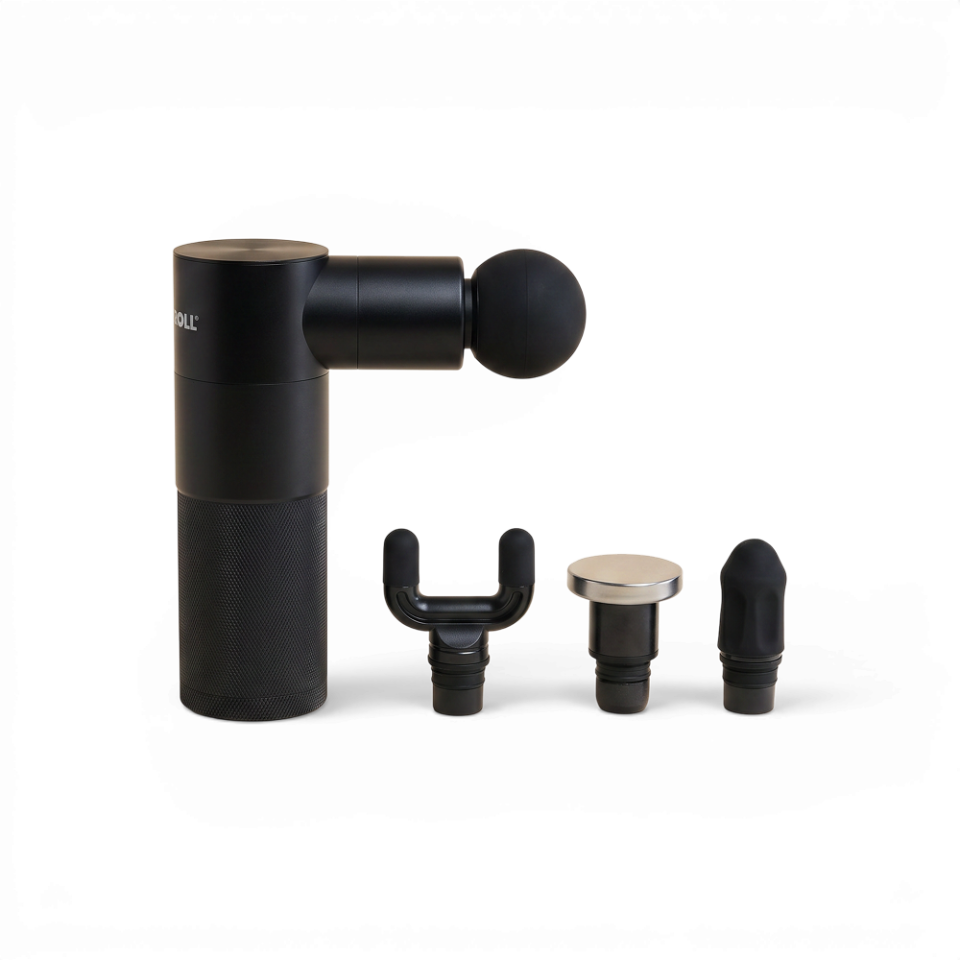
The good news: There’s a lot you can do on your own to keep your knees healthy. Regular exercise, targeted strength and stability training, and mobility exercises strengthen the muscles around the joint, thereby reducing strain on the cartilage and ligaments. Rolling out the muscles—especially the front of the thigh—relieves high tissue tension. Simple everyday tips and home remedies—such as warming up properly before exercise, going for walks, or doing light stretches—also help keep your knees supple.
A cracking sound in the knee is usually harmless, but should be taken seriously if accompanied by additional symptoms. With an active lifestyle, appropriate exercises, and timely medical checkups, you can go a long way toward keeping your knees strong, stable, and pain-free in the long term.


FAQ – Frequently Asked Questions About Knee Cracking
Yes—as long as the cracking in your knee isn’t accompanied by pain or swelling, you can generally exercise without any concerns. Exercise is actually important for strengthening your muscles and knee joint. However, be sure to warm up and avoid overloading the joint or subjecting it to unfavorable shear forces.
A combination of both is most effective: exercises for stability and strengthening reduce noise in the long term and relieve pressure on the meniscus, cartilage, and knee ligaments. Home remedies such as heat (for relaxation) or cold (for swelling) can relieve acute symptoms, but they are no substitute for exercise.
- A pop is usually a short, sudden sound, often caused by gas bubbles or tendon movements.
- A grinding sound is rougher and occurs during prolonged movements, such as with osteoarthritis or cartilage wear.
Yes, in cases of advanced osteoarthritis of the knee, both cracking and grinding sounds can occur. Additional typical symptoms include pain, difficulty getting started, and limited range of motion.
It’s a good idea to see a doctor if the cracking is accompanied by instability, locking, swelling, or persistent pain. You should also have the cause checked out after an injury or if your knee suddenly can’t bear weight after the cracking.
A brace can temporarily stabilize and relieve pressure on the knee, especially during sports or after injuries. However, it does not address the underlying cause—targeted exercise remains essential.
Many people notice cracking or crunching sounds in their knees when climbing stairs. As long as they are painless, they are usually considered harmless.
Yes, in many cases, the sounds can be reduced through muscle strengthening, mobility training, relieving excessive muscle tension, and maintaining a healthy level of physical activity. In adolescents, cracking knees often go away on their own after they finish growing.