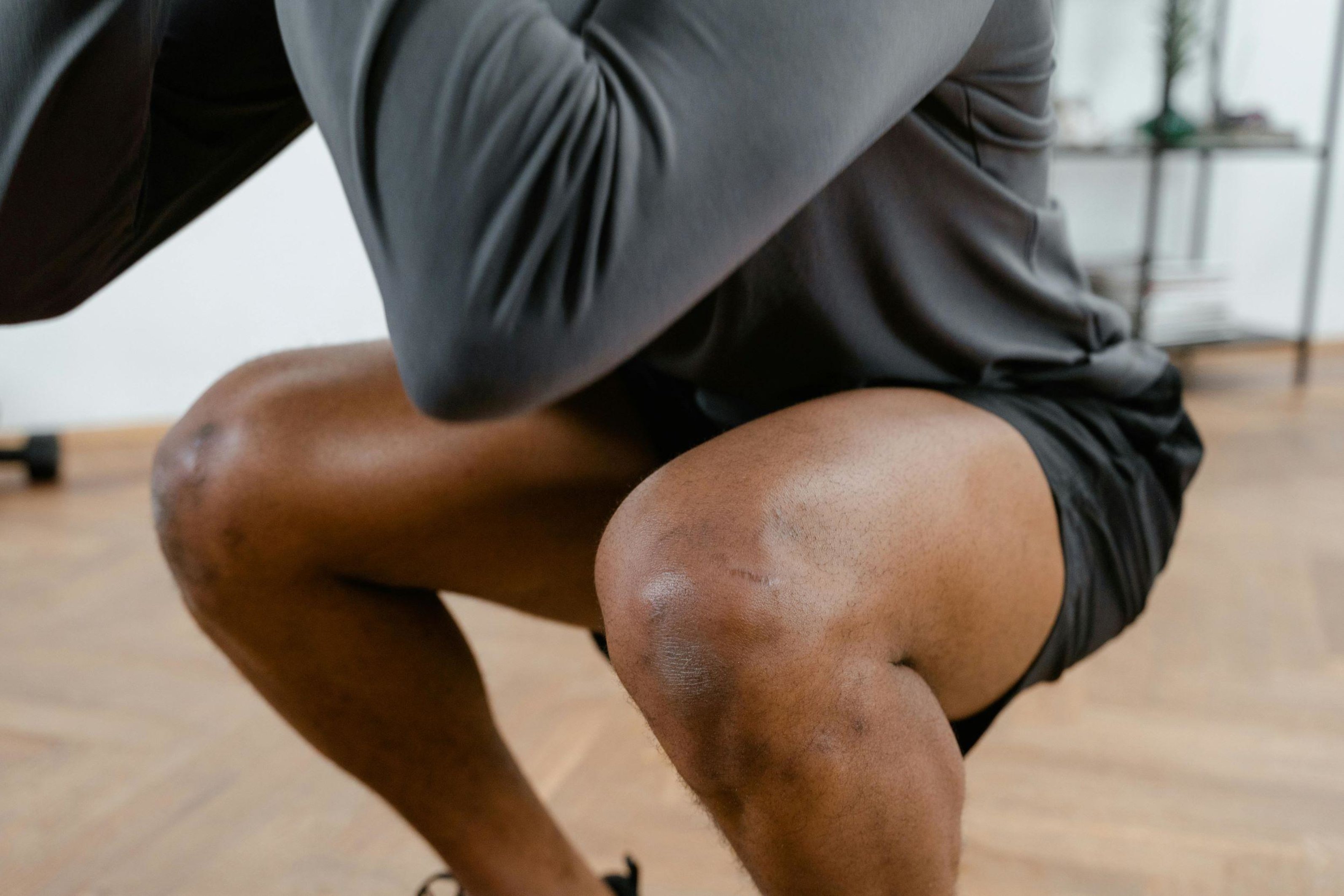
Pain in the Back of the Knee: Causes & Treatment

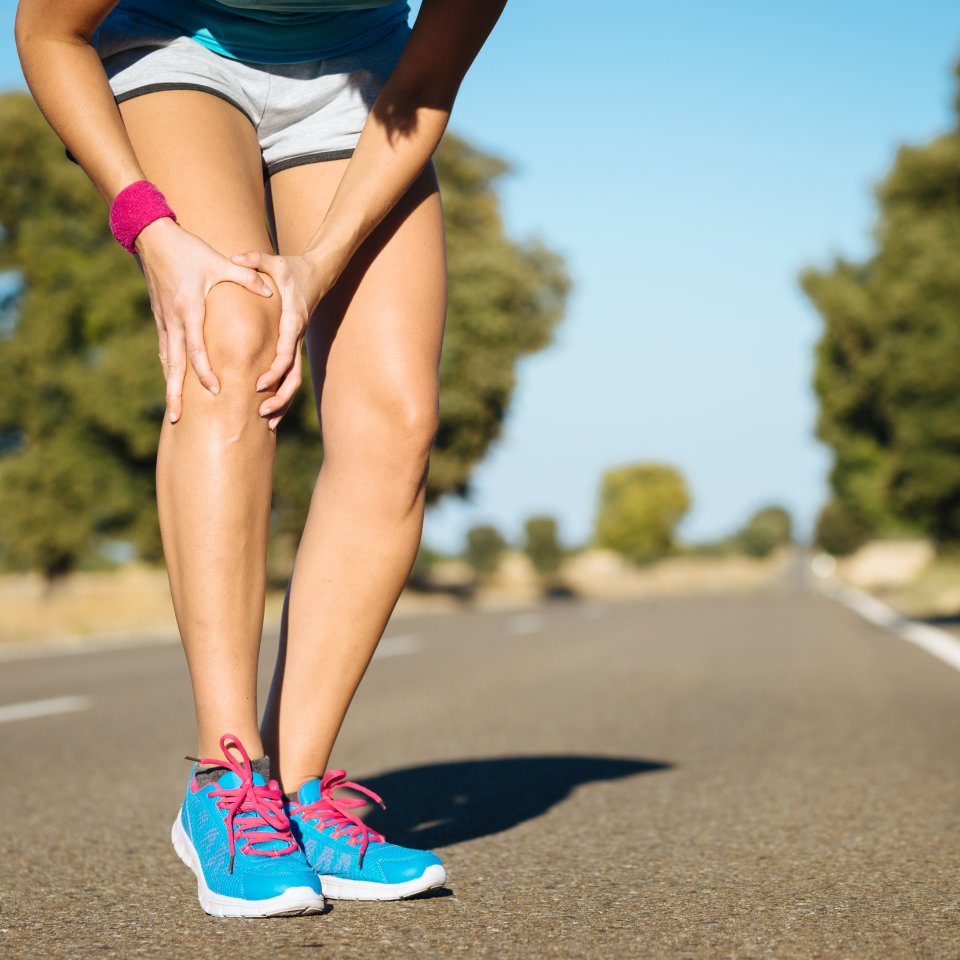
A pulling sensation while jogging, a feeling of pressure after hiking, or a sudden stabbing pain in the back of the knee when straightening your leg—this pain often strikes exactly when you least need it. Discomfort behind the knee affects people of all ages and can be harmless or a sign of a more serious underlying condition. In this article, we provide comprehensive information on possible causes, typical symptoms, modern diagnostic methods, and effective treatment options—from traditional physical therapy and proven home remedies to long-term strategies for a flexible, pain-free life.


Causes of Pain Behind the Knee
The back of the knee is a true bottleneck in the human body. Important anatomical structures are concentrated in a very small space here: the knee joint, various tendons and ligaments, blood vessels, nerves, and the muscles of the thigh and calf. When overuse, injuries, or pathological changes occur, the result is often an uncomfortable pain in the back of the knee.
A classic trigger is the Baker’s cyst. This is a protrusion filled with synovial fluid that often forms in connection with knee joint conditions such as osteoarthritis or inflammation. It may present as a palpable swelling and cause a sensation of pressure when bending or straightening the leg.
Physical strain from sports is also a common cause. Injuries such as meniscus tears in the posterior horn, torn cruciate ligaments, or muscle strains—especially those resulting from sudden movements or inadequate warm-ups—regularly lead to pain in the back of the knee.
Chronic overuse, such as that caused by misalignment, uneven strain, or inadequate recovery, also plays a role.
Vascular causes, such as deep vein thrombosis (DVT), in which a blood clot forms in a blood vessel, should not be underestimated. This can manifest as a pulling pain in the back of the knee, swelling, or a feeling of tightness in the back of the knee and constitutes a medical emergency.
The duration of pain in the back of the knee depends heavily on the cause—it can be short-term, recurring, or chronic.
For Better Recovery



Symptoms and Their Meaning
The type of pain can provide valuable clues about the cause and may indicate a problem in the back of the knee. A dull, activity-related pain often suggests overuse or irritation. A sharp, sudden pain is more likely to indicate an acute injury.
A feeling of tightness or pain upon pressure when straightening or bending the knee is often a sign of a Baker’s cyst or swelling. Swelling in the back of the knee is not normal and should be monitored.
Tingling or numbness in the leg may indicate nerve irritation, while warmth, redness, or swelling often suggest inflammation.
If pain occurs at rest or at night, this is usually a sign of inflammatory processes or a circulatory disorder. Check to see if the knee feels unstable or if you hear cracking sounds—in this case, the meniscus or cruciate ligament may be affected.
Exercises for Knee Pain
Diagnostic Methods
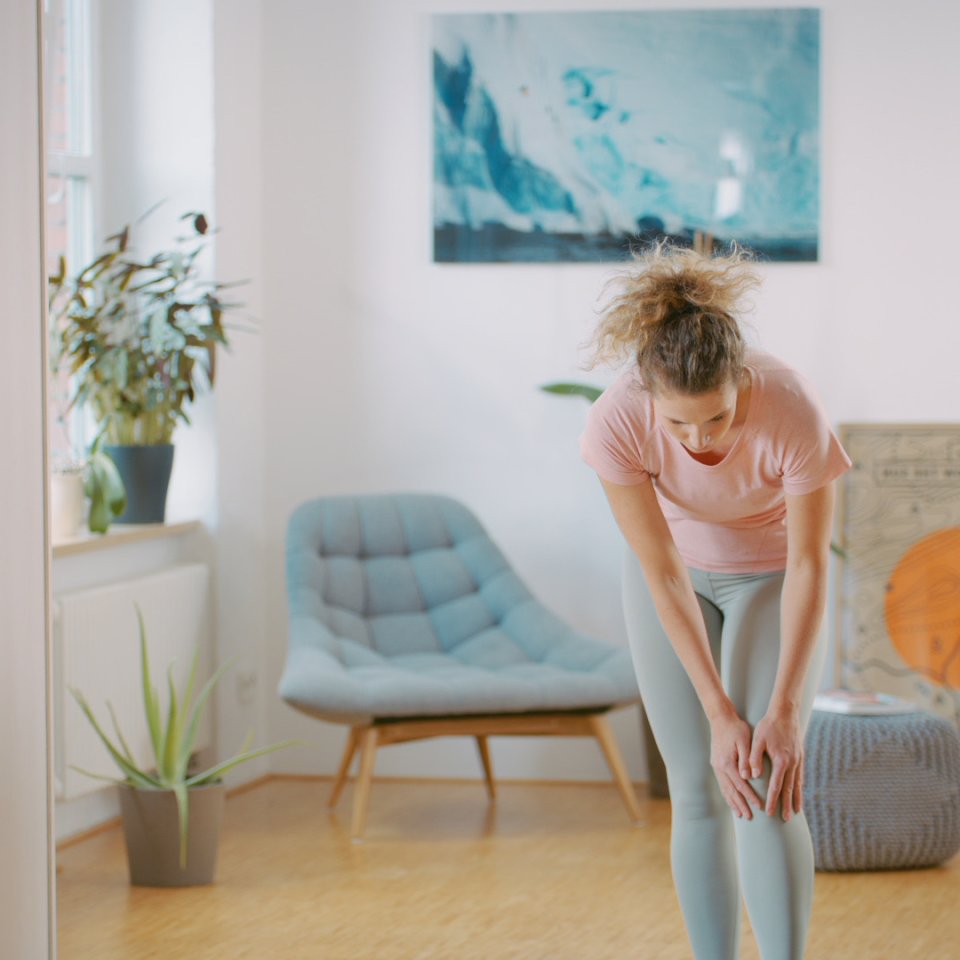
To determine the cause of pain behind the knee, a precise diagnosis is crucial. The first step is a detailed consultation with the treating physician—ideally an orthopedic specialist: When exactly does the patient experience pain? Are there any accompanying symptoms such as swelling, redness, or numbness? Has the patient recently been in an accident or engaged in strenuous physical activity? The physician will then perform a test to assess the pain in the back of the knee:
1. Medical history and palpation (feeling for abnormalities)
- Swelling, redness, warmth?
- A palpable mass in the back of the knee (suggestive of a Baker’s cyst)?
Tenderness over muscles or tendons?
2. Range-of-motion tests
- Flexion and extension: Is range of motion limited?
- Is the pain present only with certain movements or is it constant?
- Pain during active or passive movement?
3. Meniscus tests (e.g., McMurray test, Apley test)
- These tests are used to determine whether the meniscus is involved (common in cases of load-dependent pain and a “feeling of locking”).
4. Cruciate ligament tests (e.g., Lachman test, drawer test, Gravity Sign)
- Manually performed tests that provide evidence of a tear in the anterior or posterior cruciate ligament.
5. Ruling out thrombosis (Homans’ sign)
- Pain during the dorsiflexion test (pulling the tip of the foot toward the shin with the leg extended)?
- Important when deep vein thrombosis (DVT) is suspected, especially in cases of swelling, warmth, and increased sensitivity to pain.
6. Imaging Techniques
- Ultrasound: Well-suited for visualizing cysts, effusions, or thromboses.
- MRI: The best method for evaluating the meniscus, cruciate ligaments, and soft tissues.
- X-ray: Used when bone changes or osteoarthritis are suspected.
More Interesting Articles




Common Injuries and Illnesses
In addition to the aforementioned Baker’s cyst and thrombosis, there are a number of other conditions and injuries that can cause pain in the back of the knee:
- It doesn’t always have to be something serious. Often, the cause is muscle tension and imbalances, such as in the popliteus muscle and irritation of its tendon in the back of the knee. The pain then occurs mainly when walking downhill. Runners are particularly affected by this.
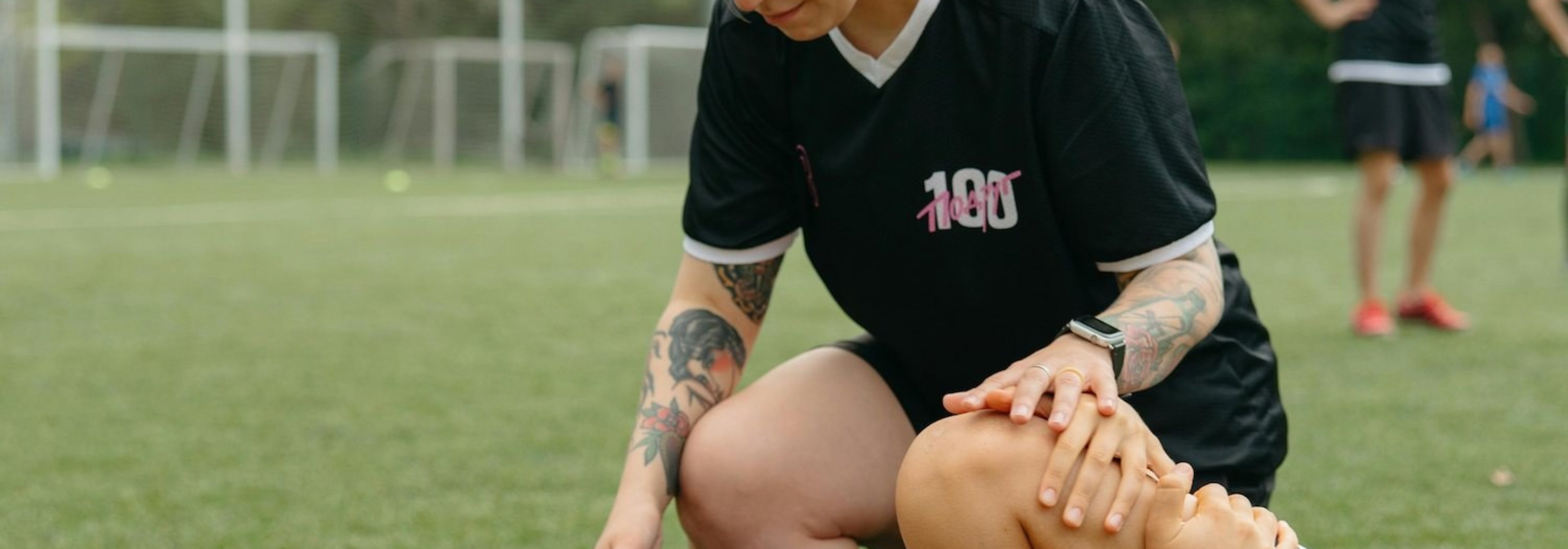
- Meniscus injuries are very common — especially among people who are physically active. Twisting the knee can injure the crescent-shaped cartilage. The result: pain when bending or rotating the knee, often accompanied by a sort of “locking sensation” in the joint.
- A torn cruciate ligament is also one of the most common knee injuries. It causes sudden pain, an audible pop, often immediate swelling, and limited movement in the knee joint.
- In osteoarthritis— particularly osteoarthritis of the knee (gonarthrosis)—pain results from the progressive wear and tear of the articular cartilage. Initially, pain occurs only during weight-bearing activities; in advanced stages, it is also present at rest.
Other possible causes include muscle fiber tears, tendonitis, ligament strains, misalignments such as bowlegs or knock-knees, joint instability, and inflammatory rheumatic diseases such as arthritis or ankylosing spondylitis.
Everything You Need to Know About Fascia



Treatment Options for Pain Behind the Knee
The appropriate treatment varies depending on the cause. In many cases, conservative measures alone can lead to significant improvement. These include pain relievers, anti-inflammatory medications, physical therapy, and cooling or warming, relaxing treatments.
A Baker’s cyst can be drained or treated with medication—however, it is crucial to also treat the underlying condition, such as osteoarthritis or joint inflammation. In some cases, surgical removal may also be advisable. For inflammatory causes (such as an irritated Baker’s cyst or joint inflammation), NSAIDs (nonsteroidal anti-inflammatory drugs) such as ibuprofen or diclofenac may be taken for a short period of time, in consultation with the treating physician. They reduce inflammation and relieve pain.
For meniscus tears or ligament tears, arthroscopy can help—a minimally invasive procedure in which the damage is repaired or the tissue is smoothed out. If the cartilage is severely damaged, such as in advanced knee osteoarthritis, a total knee replacement may even be necessary in the long term.
Exercise therapy also plays a central role. Depending on the case, it helps regulate muscle tension, build muscle, improve stability, and correct improper weight-bearing patterns.
Vibration & Compression
Physical Therapy and Rehabilitation
Physiotherapy is a key component on the path back to a pain-free daily life, especially in cases of persistent pain in the back of the knee or following injuries. Its goal is not only to relieve acute symptoms but also to improve mobility, correct muscular imbalances, and stabilize the knee in the long term. To achieve this, individually tailored therapeutic approaches are used—ranging from targeted strengthening exercises for the thigh, calf, and gluteal muscles to mobilization techniques and coordination and balance training.
In addition, measures such as manual therapy, taping, flossing, electrotherapy, or heat and cold applications can support recovery and relieve tension.
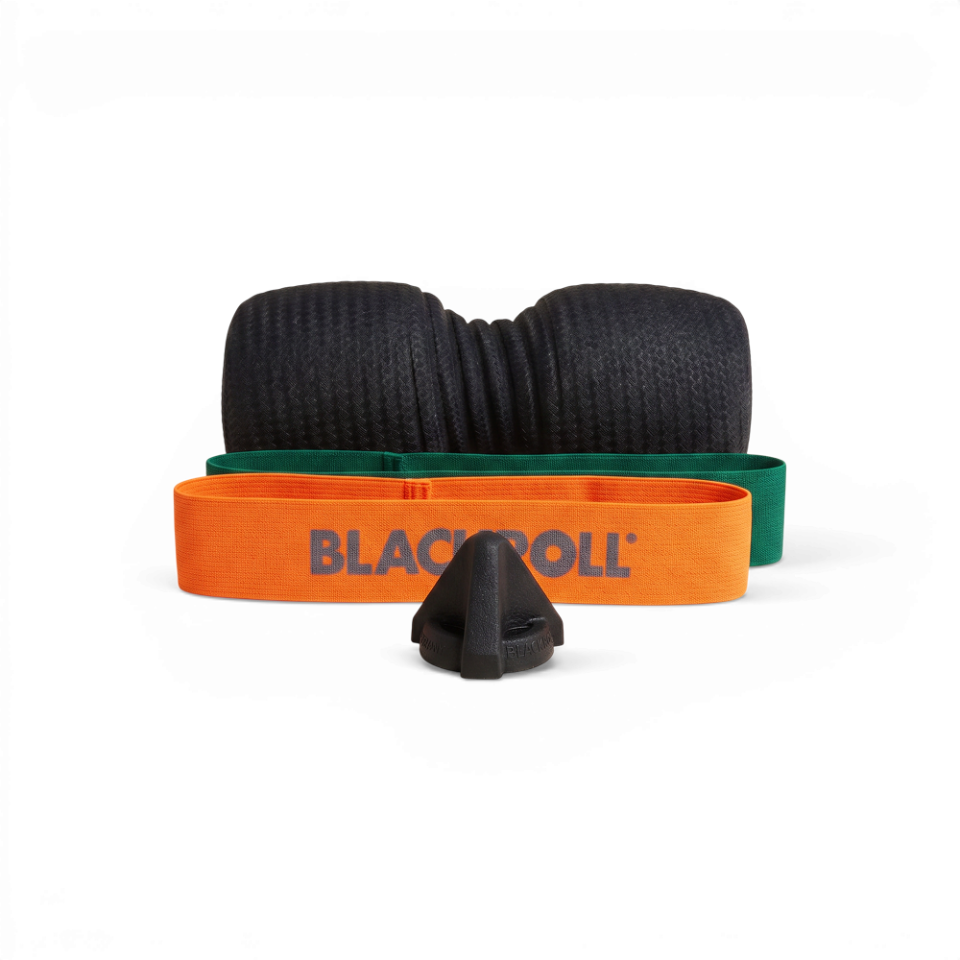
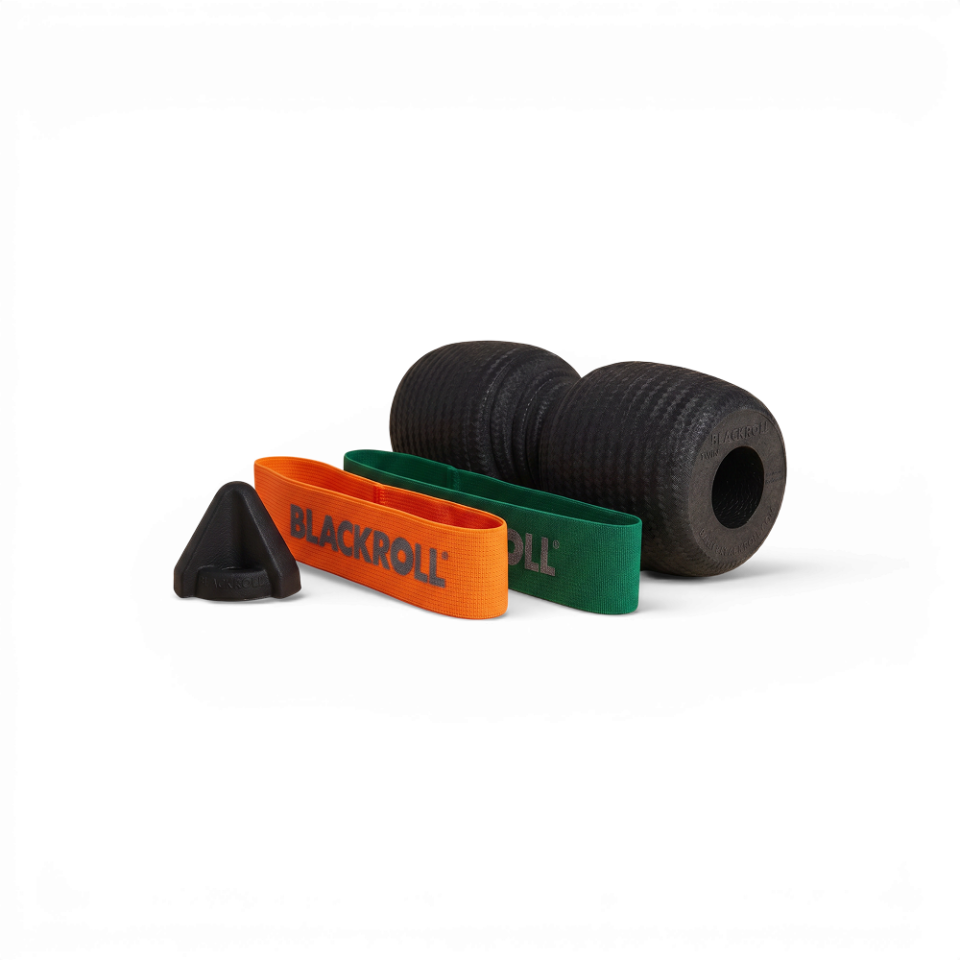
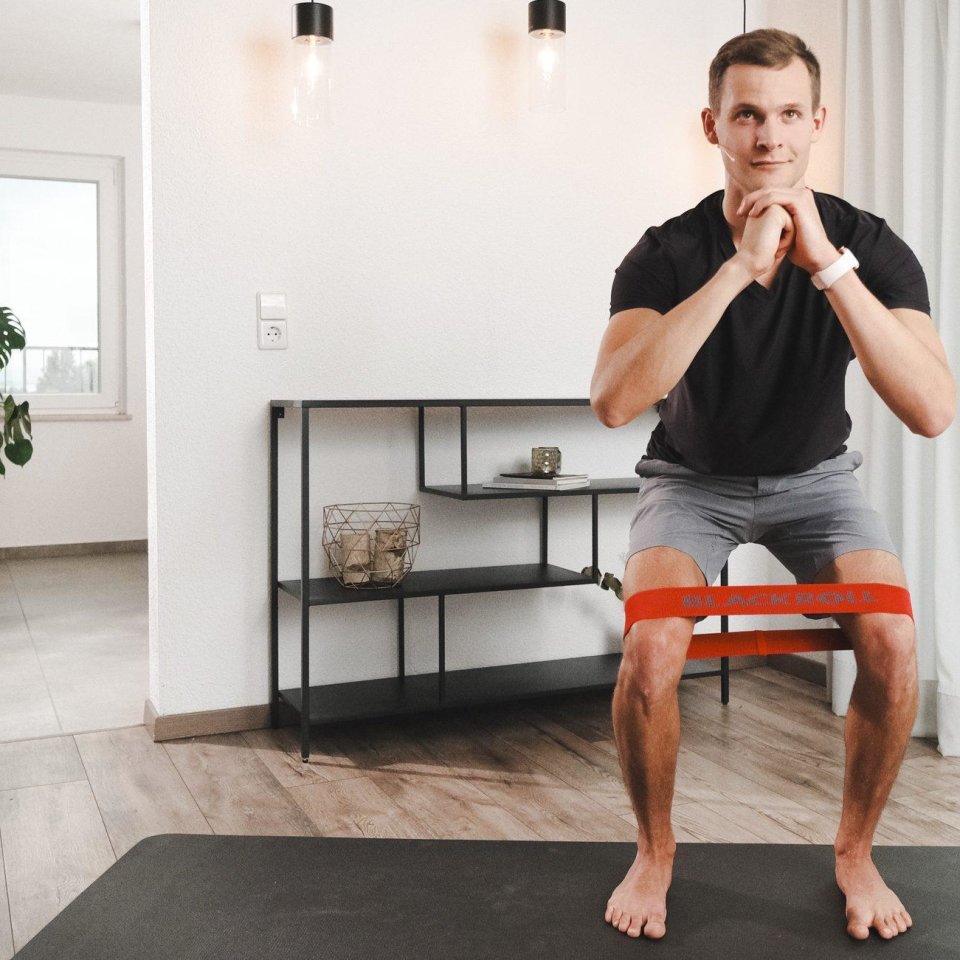
In our knee pain exercise program, we specifically focus on a combination of myofascial self-massage, targeted triggering of deep tension points, mobilization and stretching exercises, and activating strengthening exercises. This not only promotes healing but also strengthens the knee over the long term.
For Greater Relaxation

Home Remedies for Pain Relief
For mild knee discomfort or in the early stages of pain, tried-and-true home remedies can be a helpful aid—especially if you act early.
- Cold compresses, ice packs, or quark wraps have proven particularly effective for relieving acute inflammation or swelling. They help reduce local blood flow, reduce swelling, and alleviate acute pain. It’s important not to place the cooling material directly on the skin to avoid frostbite—a thin cloth in between is sufficient. Once the inflammation has largely subsided, it’s advisable to switch to heat to stimulate metabolism.
- Heat, on the other hand , is ideal for chronic discomfort or muscle tension around the knee. A warm bath, a hot water bottle, or a grain pillow can loosen tense muscles, stimulate blood flow, and thus promote relaxation.
- Herbal ointments containing ingredients such as arnica, comfrey, or devil’s claw have anti-inflammatory and pain-relieving effects and can be easily incorporated into your daily care routine. Anti-inflammatory teas—for example, those made with willow bark, ginger, or stinging nettle—can also have a positive effect on pain from the inside out.
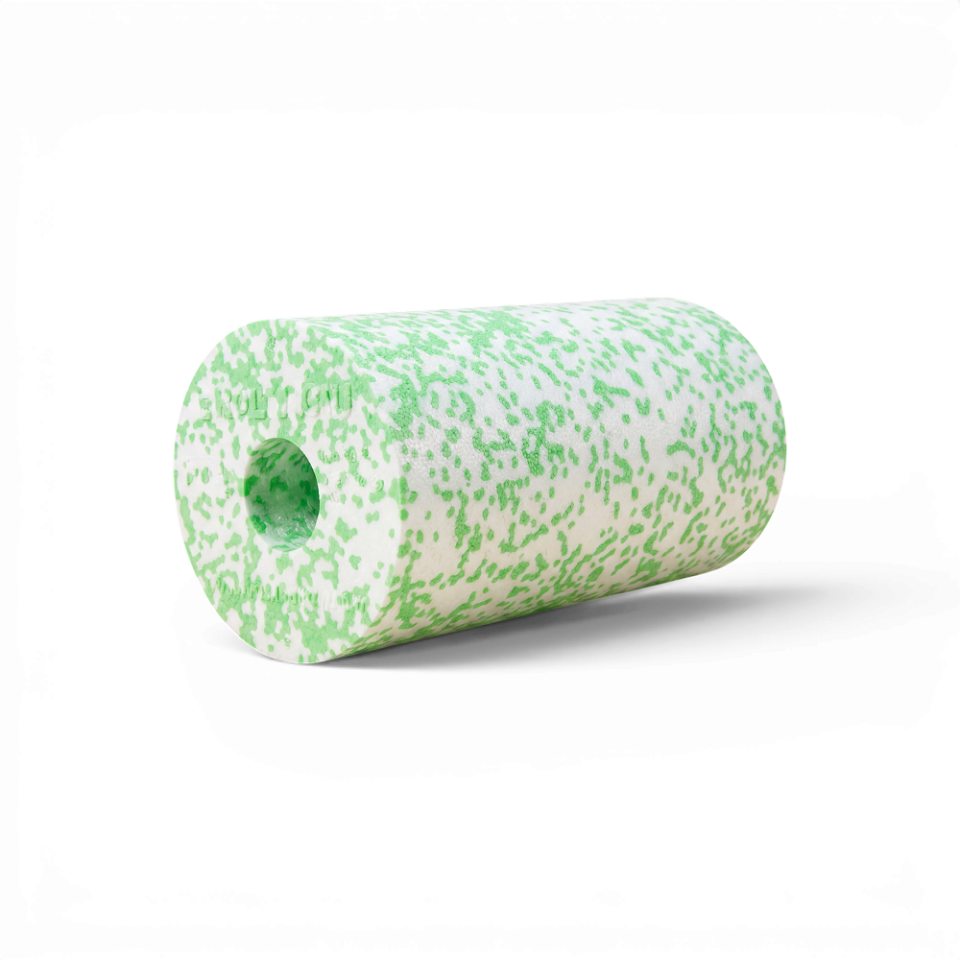
- Last but not least, gentle exercise supports the healing process: stretching exercises, the targeted use of our fascia rollers (Caution: however, you should not roll if you suspect a blood clot or directly over a Baker’s cyst), and regular, joint-friendly activities such as walking, cycling, or swimming promote mobility, stimulate metabolism, and help restore balance to the knee. It’s important to listen to your body—exercise is good, but don’t overdo it.


Preventive Measures
Our knees carry us through life—which makes it all the more important to protect them early on. Many problems can be avoided through targeted prevention. The most important thing is exercise. Regular, low-impact activities such as swimming, cycling, or Nordic walking strengthen the surrounding muscles, improve coordination, and stabilize the joint. Mobility and stretching exercises (see above) can also help maintain flexibility and prevent pain.
Pay attention to ergonomically sound movement patterns in your daily life—for example, when lifting, bending, or sitting for long periods. Small changes, such as consciously standing up every now and then or wearing proper footwear with good cushioning, can make a big difference and help prevent improper strain.
Another important factor is the balance between activity and rest: Give your knees a break after exercising or a long day. And last but not least: Diet also plays a role. Being overweight puts a lot of strain on the knee joints—every kilo lost provides noticeable relief. A balanced, alkaline diet rich in vegetables, with sufficient protein and anti-inflammatory nutrients such as omega-3 fatty acids, supports joint health from the inside out. Curcumin is another well-studied natural substance, particularly effective for knee osteoarthritis.
Health in the Workplace
Recovery Slopes
Available in multiple variants
Posture
Available in multiple variants
Smoove Board
Available in multiple variants


When to See a Doctor
As a general rule: If pain in the back of the knee lasts longer than a few days, gets worse, or keeps coming back, you shouldn’t hesitate to see a specialist—ideally one in orthopedics or trauma surgery. Even if the symptoms seem harmless at first, they can point to more serious causes that should be identified and treated early.
Warning signs require special attention:
- These include clearly visible or palpable swelling in the back of the knee, warmth, redness, or a sudden restriction of movement. Numbness in the leg or foot, tingling, or pain that occurs mainly at night and disrupts sleep should also be evaluated by a doctor without delay.
- If pain in the back of the knee occurs after an accident— such as a fall, a twist, or an impact—it may indicate an injury to the ligaments, muscles, tendons, or even the menisci. In such cases, prompt action is crucial to prevent complications.
- A particularly serious concern is a suspected thrombosis —that is, a blood clot in the veins of the leg. Typical signs include a sudden feeling of pressure or a pulling pain in the back of the knee or calf, accompanied by swelling and a feeling of tightness. In this case, you should NOT massage the leg and should seek medical help immediately.
The good news: Many causes of pain in the back of the knee can be effectively treated with the right diagnosis and targeted therapy. The sooner you seek medical advice, the better your chances of preventing long-term complications and fully restoring your knee’s mobility.

Long-Term Health Strategies
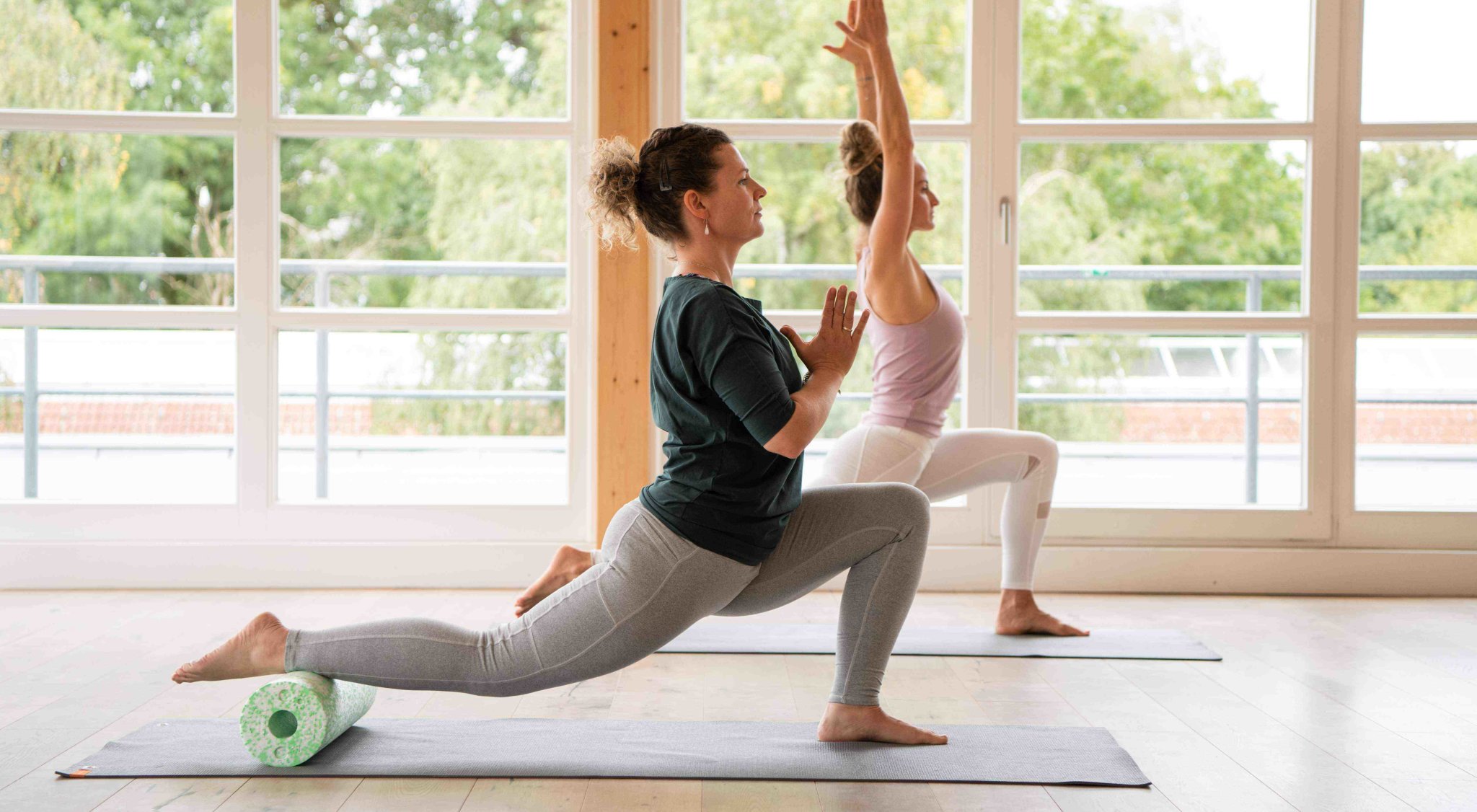
Healthy knees require more than just occasional treatments—long-term strategies are needed now. This includes an active, exercise-oriented lifestyle as well as paying close attention to your body’s signals.
- Focus on low-impact forms of exercise, tension-relieving and targeted strengthening exercises, and sufficient recovery time. Regular check-ups with a physical therapist, osteopath, or orthopedist help identify potential problems early on. Those who have already experienced knee problems often benefit from a long-term physical therapy support program.
- Stress reduction, good sleep, and a balanced diet also play an important role. After all, health is always a holistic matter—even when it comes to a supposedly “small” joint like the knee.
Conclusion
Pain in the back of the knee is a common but often underestimated symptom—many people initially don’t take it seriously or hope it will go away on its own. Yet the aching, stabbing, or pressing sensation in the back of the knee can indicate a wide variety of causes: from temporary overuse and muscular imbalances to structural injuries or chronic conditions such as osteoarthritis or a Baker’s cyst.
Precisely because the back of the knee plays a central role in daily life and movement, you should pay attention to it early on—and take targeted action if symptoms persist. After all, acting early can often prevent pain from becoming chronic or long-term impairment of knee function. With a mindful, active lifestyle, regular exercise tailored to your knee, and targeted physical therapy, many problems can be alleviated in the long term. Even small adjustments in daily life—such as when sitting, lifting, or climbing stairs—can make a big difference.