Walking Barefoot: How Healthy Is It to Walk Without Shoes?

For most of the day, they’re tightly laced and securely wrapped: our feet. We walk barefoot, if at all, on the beach or briefly across the lawn in the summer. Yet there can be many benefits to letting your feet get some fresh air more often and walking—or even jogging—barefoot.
In this article, we explain why walking barefoot is healthy and whether there are any downsides, how to best prepare your feet for it, and how to care for them afterward. We’ll also take a closer look at barefoot shoes and offer tips for your first steps without closed-toe shoes.
Walking barefoot: healthy or harmful?
The oldest pair of shoes ever discovered is “only” 9,000 years old. Humans have been around for much longer than that. Footwear played no role in our ancestors’ lives. This means that, from an evolutionary perspective, our musculoskeletal system is designed for walking barefoot.
One could even go so far as to say that feet are better than shoes. Thanks to their highly complex structure of bones, joints, muscles, ligaments, and receptors, we can stand steadily and walk safely on them, as well as perceive the ground beneath us with precision. It’s almost impossible to twist your ankle when barefoot. It’s different with shoes: They interfere with the natural range of motion and prevent muscles from building up while causing ligaments and tendons to atrophy. Footwear is often the cause of conditions such as sprained ankles, flat feet, and splayfoot.
In general, walking barefoot is therefore healthy. Among other things, it strengthens the foot muscles, prevents orthopedic problems, and can bring the body into balance—think“grounding.” We’ll go into more detail about these benefits in the next section.
Walking barefoot can be harmful if you overdo it and put too much strain on your feet. Beginners, in particular, should start by walking only short distances without shoes and, above all, avoid jogging barefoot right away. If you have certain medical conditions, such as osteoarthritis or diabetes, you should consult a doctor before ditching your shoes.
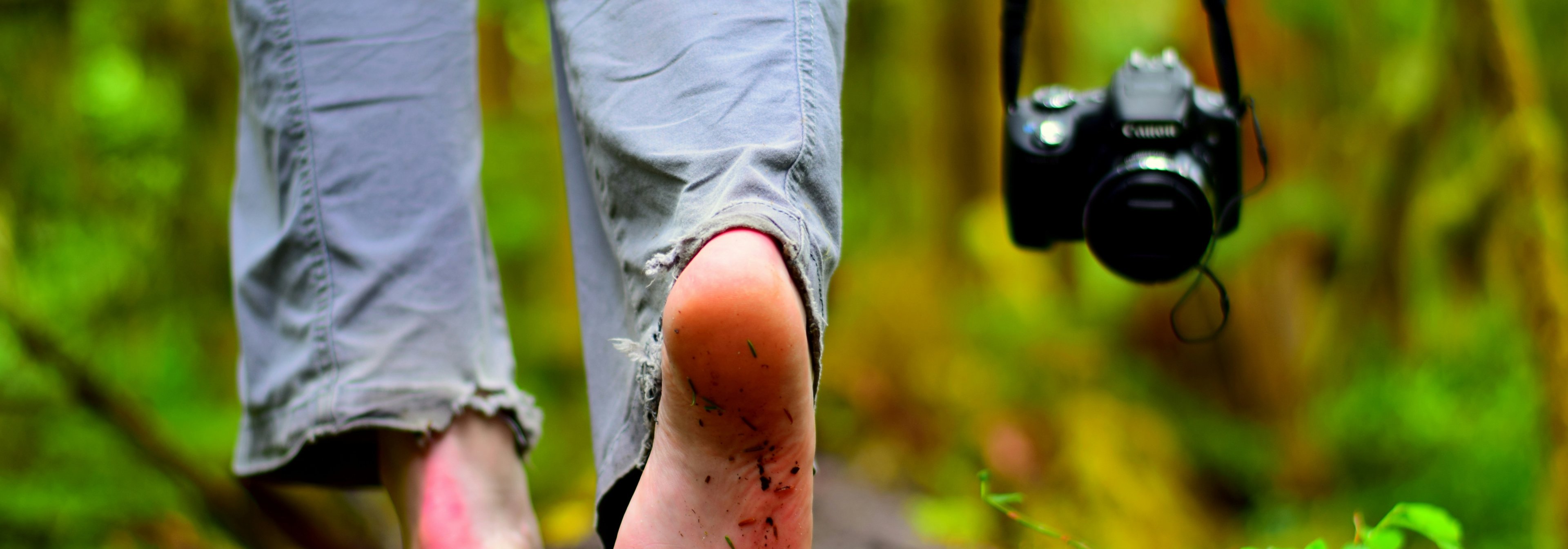
Benefits of Barefoot Running
For many people, barefoot running initially evokes a sense of freedom. But that’s just one of the benefits. Walking without shoes can also offer many other advantages:
2.1. Barefoot running strengthens the muscles in the foot
Twenty foot muscles and their strong tendons ensure a stable stance and mobility in the feet. Among other things, their job is to tense the arch of the foot so that we can roll our feet properly while running—from the heel, over the instep, to the ball of the foot. In addition, the foot muscles cushion our body weight when we step down. Shoes support the arch of the foot, so the muscles are only used to a limited extent and gradually atrophy. This increases the strain on the ligaments. Walking barefoot strengthens the weakened muscles in the foot, which relieves pressure on the ligaments and can thus prevent pain and many injuries.
2.2. Greater Stability and Fewer Injuries Through Barefoot Walking
Walking barefoot not only strengthens the foot muscles but also improves intra- and intermuscular coordination—that is, how the muscles work together. This means the foot muscles become more efficient, leading to increased stability while standing and moving. This is particularly beneficial for athletes who want to improve their performance and prevent injuries such as shin splints, metatarsal fractures, knee problems, or ankle instability.
2.3. Walking Barefoot for Healthy Posture
If you walk regularly without shoes, you can improve your gait and posture. This is because people who walk barefoot tend to move more gently and roll their feet more carefully. Poor posture—which can lead to discomfort in the hips, back, and knees—occurs less frequently.
See also: Improve Your Posture with This 4-Point Plan
2.4. Improved Balance
When you walk barefoot, your feet must constantly adapt to uneven terrain to help you maintain your balance. You automatically straighten your upper body more, which in turn stabilizes your abdominal and back muscles—the muscles that support your posture. Regular barefoot walking can therefore strengthen your balance.
2.5. Walking Barefoot to Combat Foot and Toenail Fungus
If your feet are constantly enclosed in shoes or thick socks, troublesome foot and toenail fungus can be particularly persistent. This is because fungi thrive in warm, moist environments. When walking barefoot, however, your feet can dry out properly and receive better blood circulation. As a result, fungal infections usually heal faster or don’t develop in the first place.
2.6. Walking Barefoot for the Immune System
Similar to Kneipp therapies, which make use of cold stimuli, walking barefoot regularly on cold surfaces can strengthen the immune system. Among other things, walking barefoot promotes the body’s natural temperature regulation. In addition, direct contact with the ground can improve blood circulation, which in turn has positive effects on the cardiovascular system and overall health.
2.7. Reflexology for the Feet
Many people spend a fortune on foot reflexology massages. Yet walking barefoot is the most natural—and, above all, free—massage for the feet. The soles of the feet are said to contain numerous reflex zones, which in turn are connected to specific organs and body regions via energy pathways. “Zone therapy” is based on the premise that various physical ailments can be prevented and alleviated through targeted pressure stimulation.
2.8. Grounding Through Walking Barefoot
Walking barefoot is one of the most effective ways to ground yourself. Grounding describes the regulation of the body’s own energy through the Earth’s energy. The goal is to establish a direct connection between the body and the Earth. This allows the Earth’s electrons to influence the charge of the atoms in the body. Some studies show that grounding—for example, through regular barefoot walking—can have an antioxidant effect, inhibit inflammation, reduce stress, promote recovery, and improve sleep as well as overall well-being.
2.9. Walking Barefoot Relaxes and Sharpens the Senses
Walking barefoot is a proven technique for slowing down, relaxing the body and mind, and sharpening the senses. We learn to perceive our surroundings more consciously through our bodies—in this case, through the soles of our feet—and to be fully present in the here and now. Incidentally, this is one of the reasons why walking barefoot is used as a therapeutic approach in some rehabilitation facilities.
More on relaxation techniques.
2.10. Improved Body Awareness
When we walk barefoot, we develop a better body awareness over time. Aches and pains—especially in the musculoskeletal system—are easier to identify than when we’re constantly wearing shoes, and can therefore be treated more quickly.
2.11. Athletes Improve Their Running Performance
Jogging barefoot is generally only recommended for experienced runners. It takes some training to adapt your running style to barefoot running. Compared to running in shoes, stride length is shorter and stride frequency is higher. Additionally, the way your foot rolls changes. Overall, barefoot runners are said to run more efficiently and experience fewer injuries that can result from their feet striking the ground too hard.
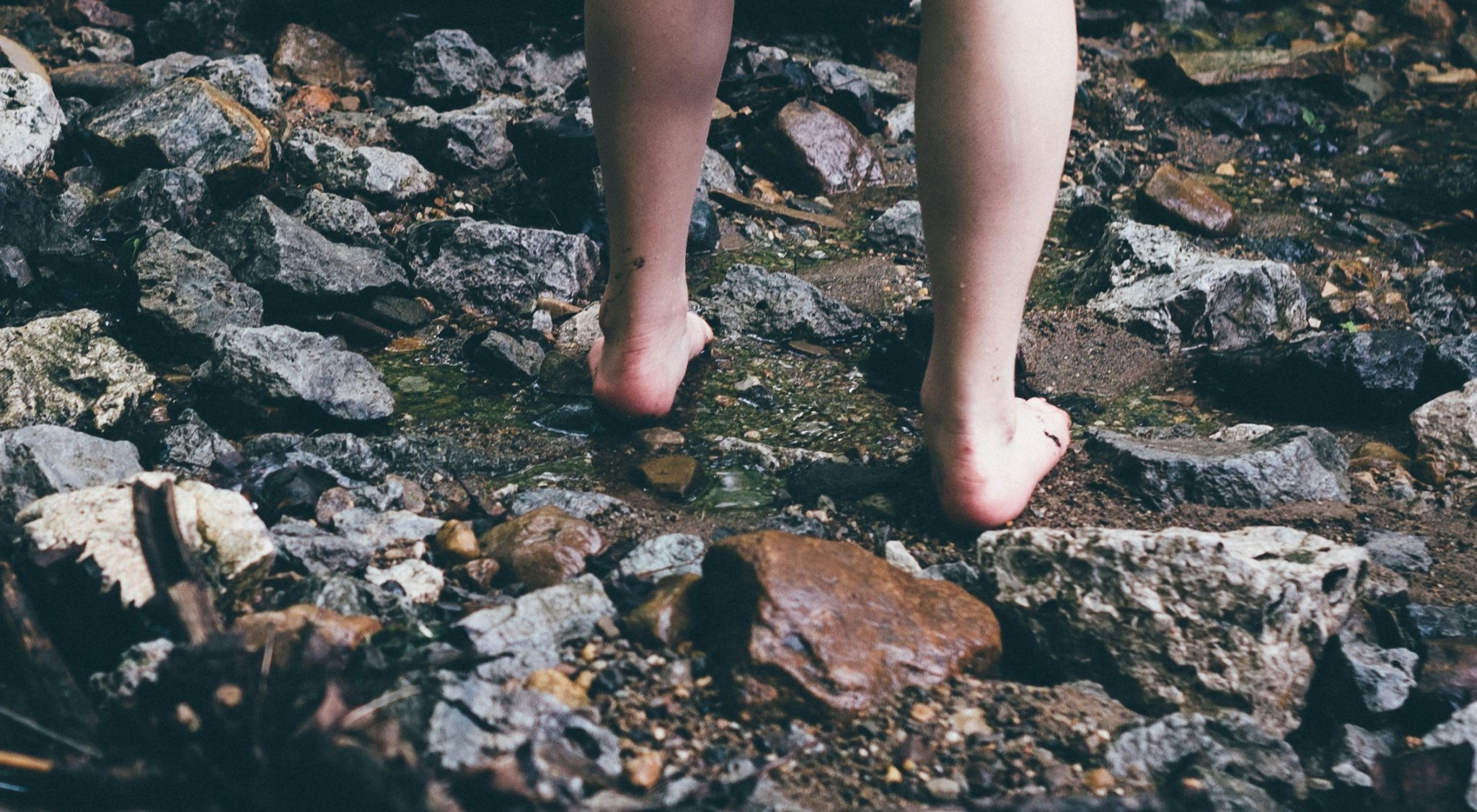
Can running barefoot be unhealthy?
Running barefoot in the summer? No problem! But in the winter? Isn’t that way too cold? Many people worry that running barefoot during the cold season might cause colds or worse. But the opposite is true: Regular barefoot walking—no matter the weather—can strengthen the immune system. Exposure to the cold stimulates circulation, promotes blood flow, and helps the body regulate its temperature more effectively. So even short walks in the snow or on frosty grass can actually be beneficial to your health .
People with diabetes, on the other hand , are advised against walking barefoot. This is because the condition is often accompanied by circulatory and nerve damage. If minor injuries occur on the soles of the feet, they often go unnoticed. This increases the risk of infection. Walking barefoot on one’s own initiative is also only recommended to a limited extent for those with osteoarthritis or severe foot deformities . Those affected should seek medical advice beforehand. If you are overweight, it is advisable to start very slowly to avoid putting too much strain on your feet and, in the worst case, causing stress fractures.
Preparing to Walk Barefoot: Tips for Beginners
If you’re not used to running barefoot, you should prepare yourself well. Here are a few tips specifically for beginners:
4.1. Be Prepared for Discomfort at First
Running barefoot has many benefits, but especially at the beginning, you’ll also have to expect some potential discomfort. That’s because if you step wrong even once, it hurts faster than it does with shoes. Your feet in particular—but really your entire body—first have to get used to the new way of walking and the new stress on your body. That’s why, at first, you may find that
- the soles of your feet may occasionally hurt.
- you get blisters on your feet.
- the skin on the soles of your feet becomes rougher—calluses form.
- you experience occasional cramps in your calf muscles.
- your neck muscles become tense and you get headaches.
But don’t let that put you off. The benefits of running barefoot outweigh the drawbacks in the vast majority of cases, and the symptoms mentioned usually subside quickly.
4.2. Start Slowly
As with all new forms of exercise, it’s important to ease into the activity gradually. Just as you wouldn’t lift a hundred kilograms from a standing position, you shouldn’t run several kilometers barefoot all at once. Even advanced runners should take it slow. The tendons, ligaments, and muscles in your feet need time to adjust. To start, running barefoot for 15 to 20 minutes a day is sufficient.
4.3. Start on Soft Surfaces
Take your first steps barefoot on soft surfaces, such as grass or sand. Barefoot parks are also a great place to start, allowing you to approach walking without shoes in a playful way. Once you’ve gotten used to walking barefoot, try walking short distances on asphalt and concrete, as well as on uneven surfaces like gravel. This helps toughen the skin on the soles of your feet and strengthen your muscles.
4.4. Incorporating Barefoot Walking into Your Daily Routine
Practice walking barefoot at home. Here, too, you can walk around the house without socks for half an hour every day. Gradually expand your range by walking barefoot to the mailbox, the garage, or the garden shed.
4.5. Watch out for broken glass, stones, and other hazards
Your feet aren’t protected when walking barefoot. This means that broken glass, rocks, nails, and other sharp objects can quickly cause wounds. If these go unnoticed, infections can easily set in. As a barefoot walker, you should therefore stay alert from the start and keep a close eye on the ground.
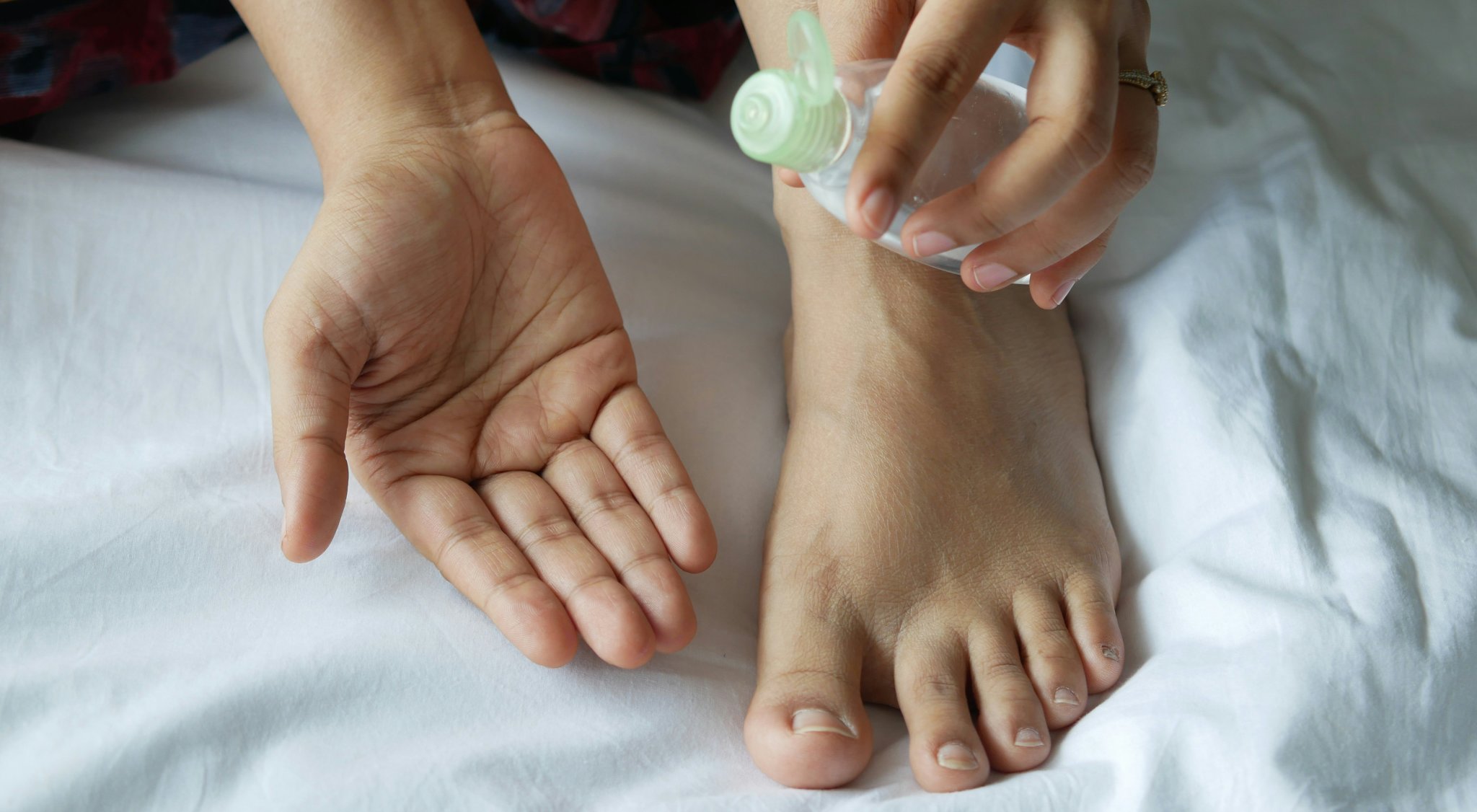
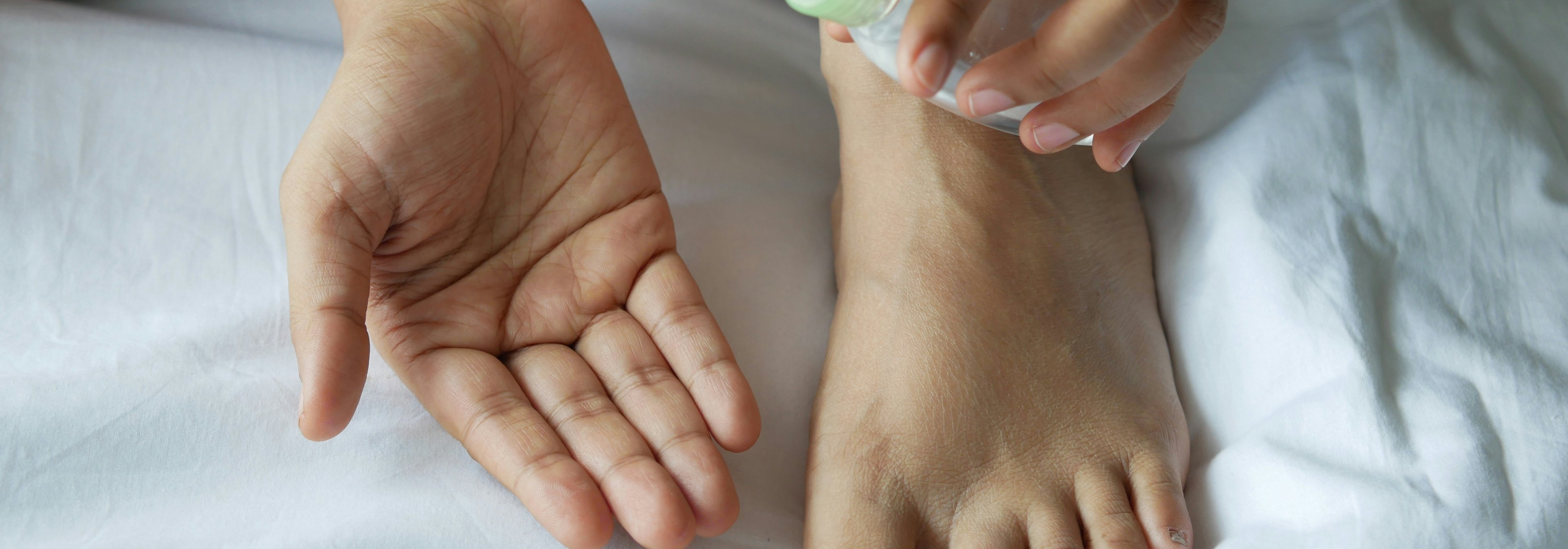
After running barefoot: Protecting and caring for the soles of your feet
Walking barefoot is healthy, but it also puts a strain on your feet. You should therefore pay extra attention to them and take good care of them if you regularly walk barefoot outdoors.
- Wash your feet thoroughly after every barefoot walk; a foot bath, for example, is ideal for this.
- Also clean your toenails, for example with a nail brush.
- Check your feet for cuts and blisters so you can treat them promptly.
- Dry your feet thoroughly after washing.
- Then apply a moisturizing foot cream to your feet. There are special cooling care products available for the summer.

How often should you walk barefoot?
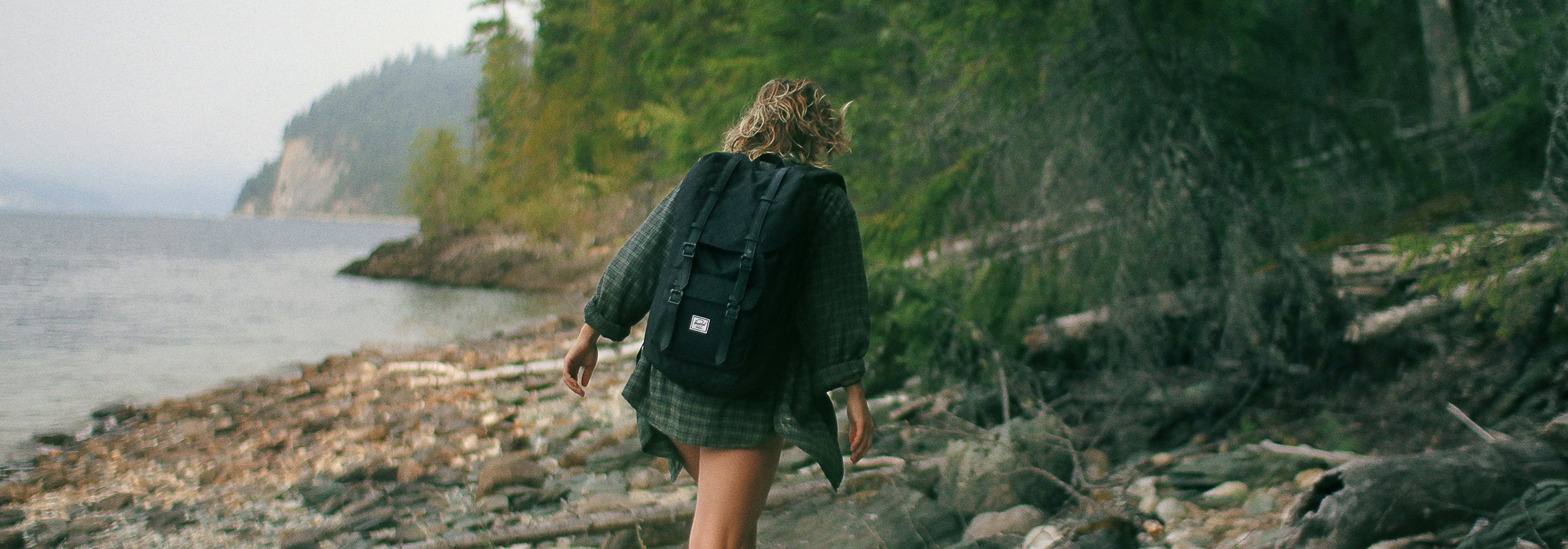
If you’ve rarely or never walked barefoot before, start slowly: 15 to 20 minutes a day is enough to begin with. This will help your feet get used to this new type of activity. Start by walking on soft surfaces, and gradually challenge yourself and your feet more: walk short distances on asphalt or concrete, as well as over stones and sticks.
Over time, the soles of your feet will become less sensitive and your foot muscles will strengthen. Gradually increase the time you spend barefoot until you reach about one hour a day —or more, if it feels good and you don’t experience any discomfort.
Barefoot shoes as an alternative?
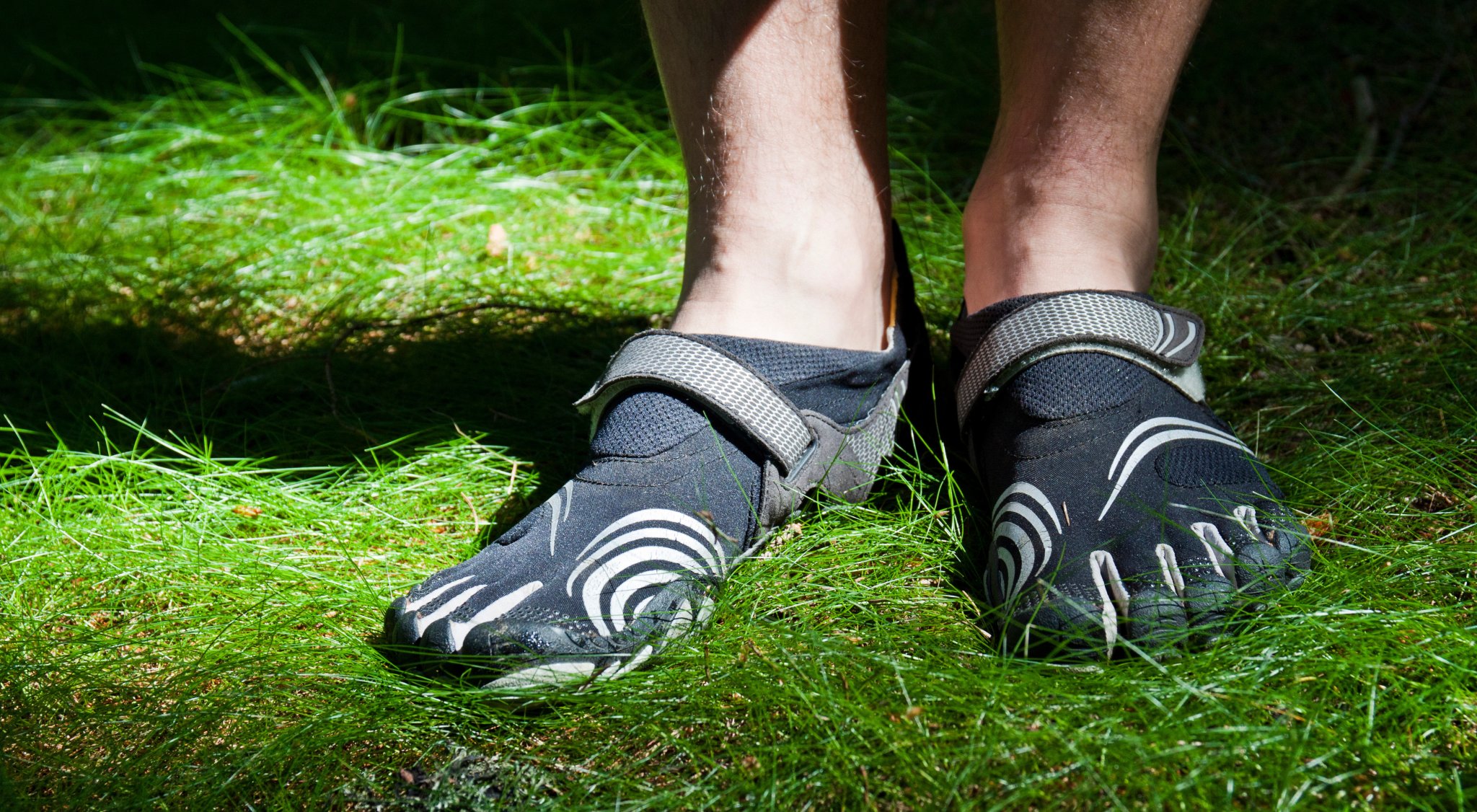
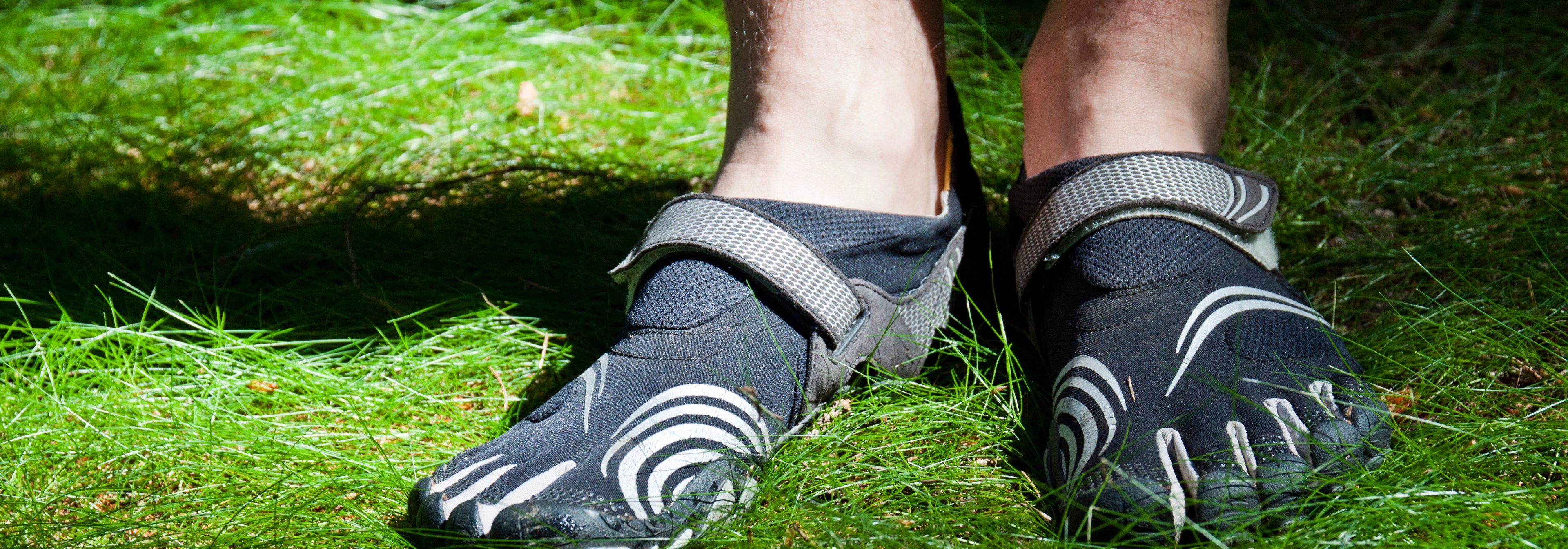
Barefoot shoes are a good way to mimic the feeling of walking barefoot without running the risk of getting cuts or scrapes. What makes barefoot shoes—or minimalist shoes—special is that they have a thin, flexible sole, and each toe has its own separate compartment. This means that, unlike with conventional shoes, your arch isn’t supported, so you strengthen your muscles while running, and your toes have room to spread out.
The running experience isn’t exactly the same as running barefoot, but you still enjoy the same benefits: Even with barefoot shoes, you can improve your gait and posture, strengthen your balance, and prevent musculoskeletal issues.
It’s important to wear high-quality barefoot shoes that fit you perfectly. Ideally, seek professional advice before purchasing these specialized shoes. And even with barefoot shoes, as a beginner, you should take it slow and gradually get used to the new running sensation.
Barefoot Jogging for Advanced Runners
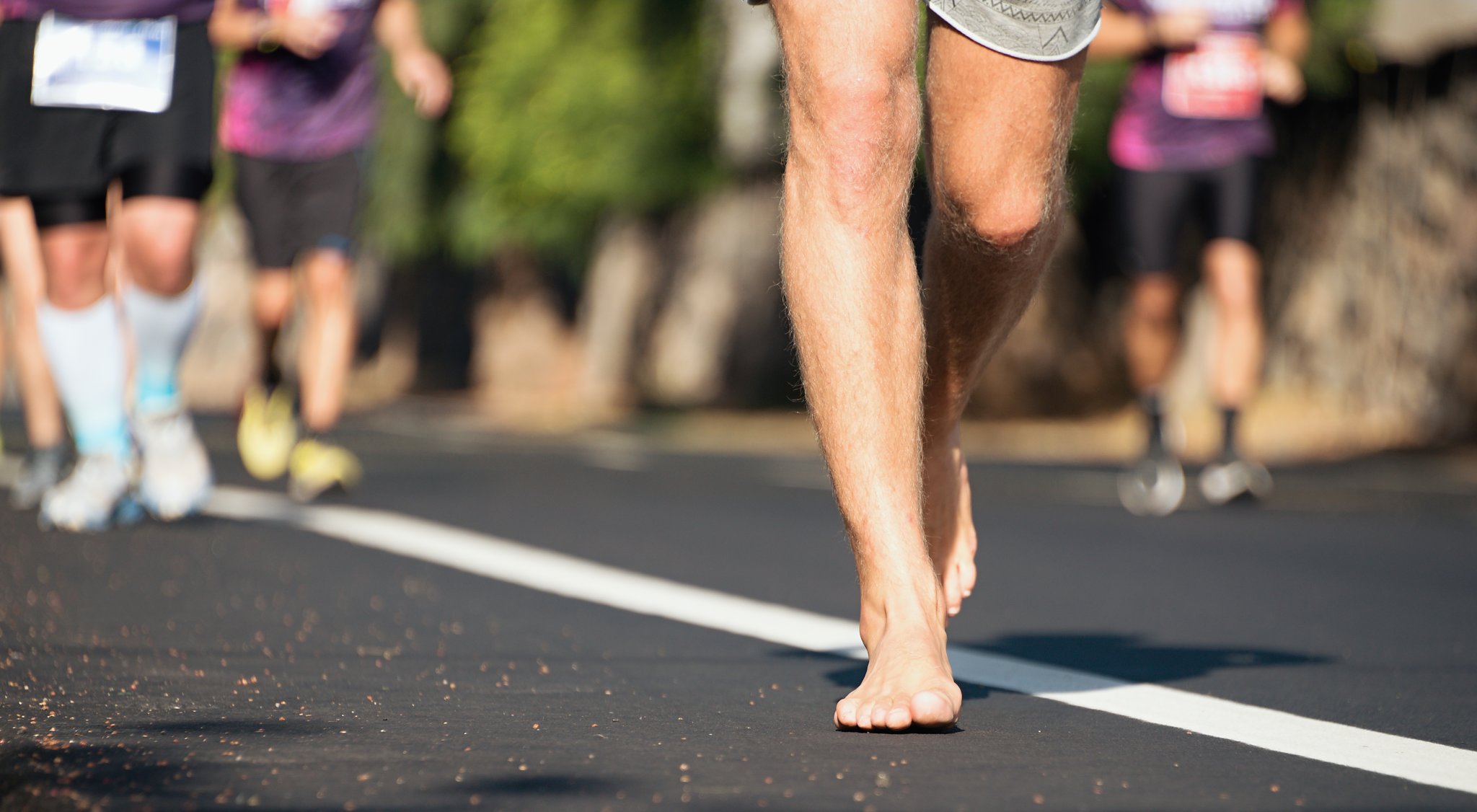
Barefoot jogging is for advanced runners who want to improve their running style. That’s because with well-trained feet and optimized running technique, you’ll run more efficiently.
Naturally, the strain on your feet is greater when jogging barefoot than when simply walking barefoot. The same rule applies here: Start slowly on soft surfaces, for a maximum of 15 to 20 minutes a day, and increase your duration gradually. To avoid injuries from broken glass, sharp rocks, or nails—which aren’t always easy to spot while jogging—many runners swear by protective barefoot shoes.
Conclusion
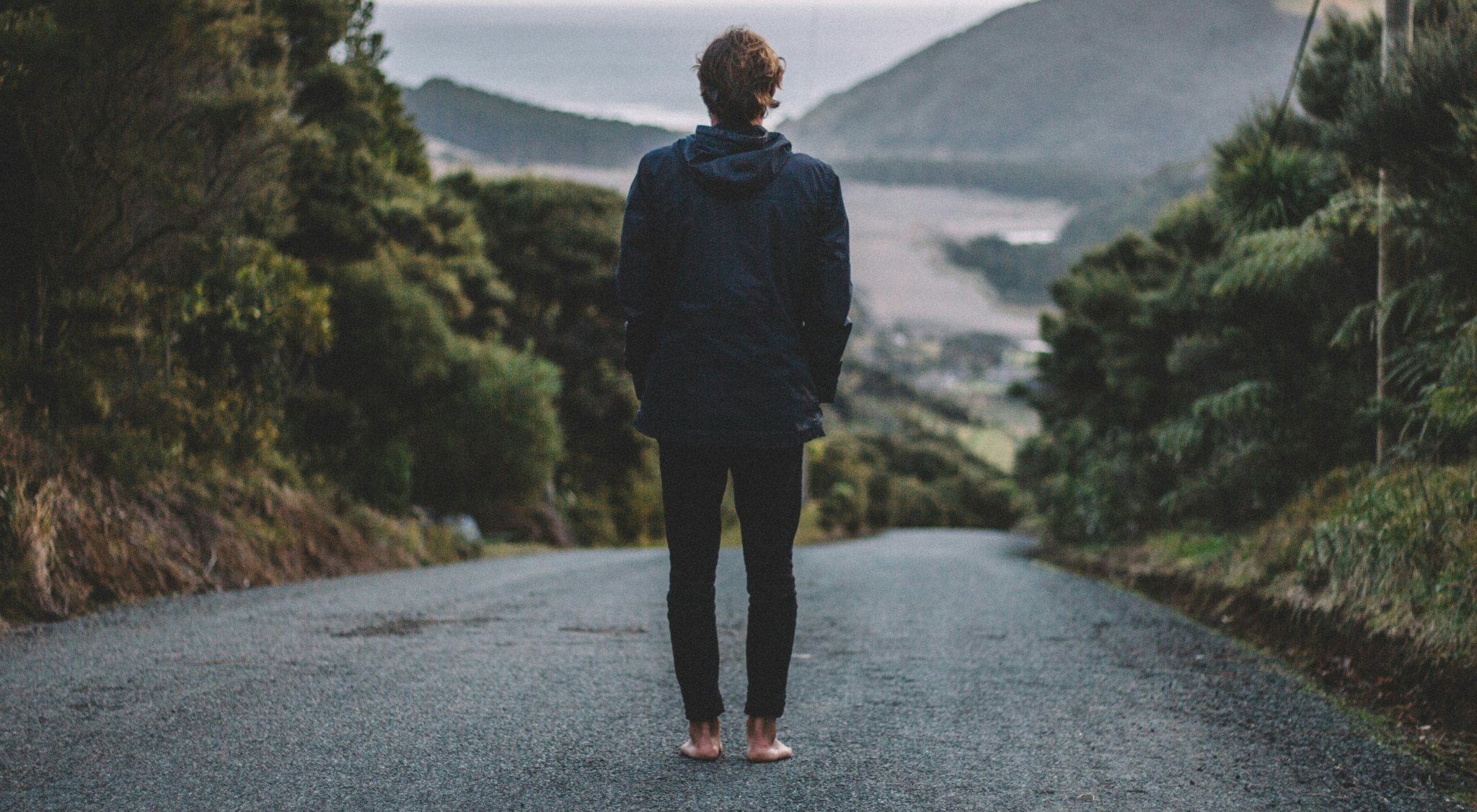
Barefoot running is a huge trend, and for good reason: letting your feet breathe regularly and moving around without shoes has many health benefits. Barefoot running can strengthen the feet’s strength and flexibility, improve posture and body awareness, promote blood circulation, and support the immune system. It can also help prevent common running injuries as well as knee, back, and hip problems, and even foot and toenail fungus.
It’s important to ease into walking barefoot gradually. Especially at first, the experience can be painful. Your body—and your feet in particular—need time to adjust to the unfamiliar strain. This means beginners should start by walking short distances barefoot, especially on soft surfaces. Over time, you can also walk on hard, uneven surfaces and gradually increase the duration or distance.
Barefoot jogging is also an option, but it’s better suited for advanced runners. If you don’t want to run completely barefoot—for example, because you’re worried about broken glass or sharp rocks—you can use barefoot shoes. After walking barefoot, it’s a good idea to treat your feet to a foot bath and moisturize them with cream.