Fighting a Hunchback: 7 Exercises for Better Posture
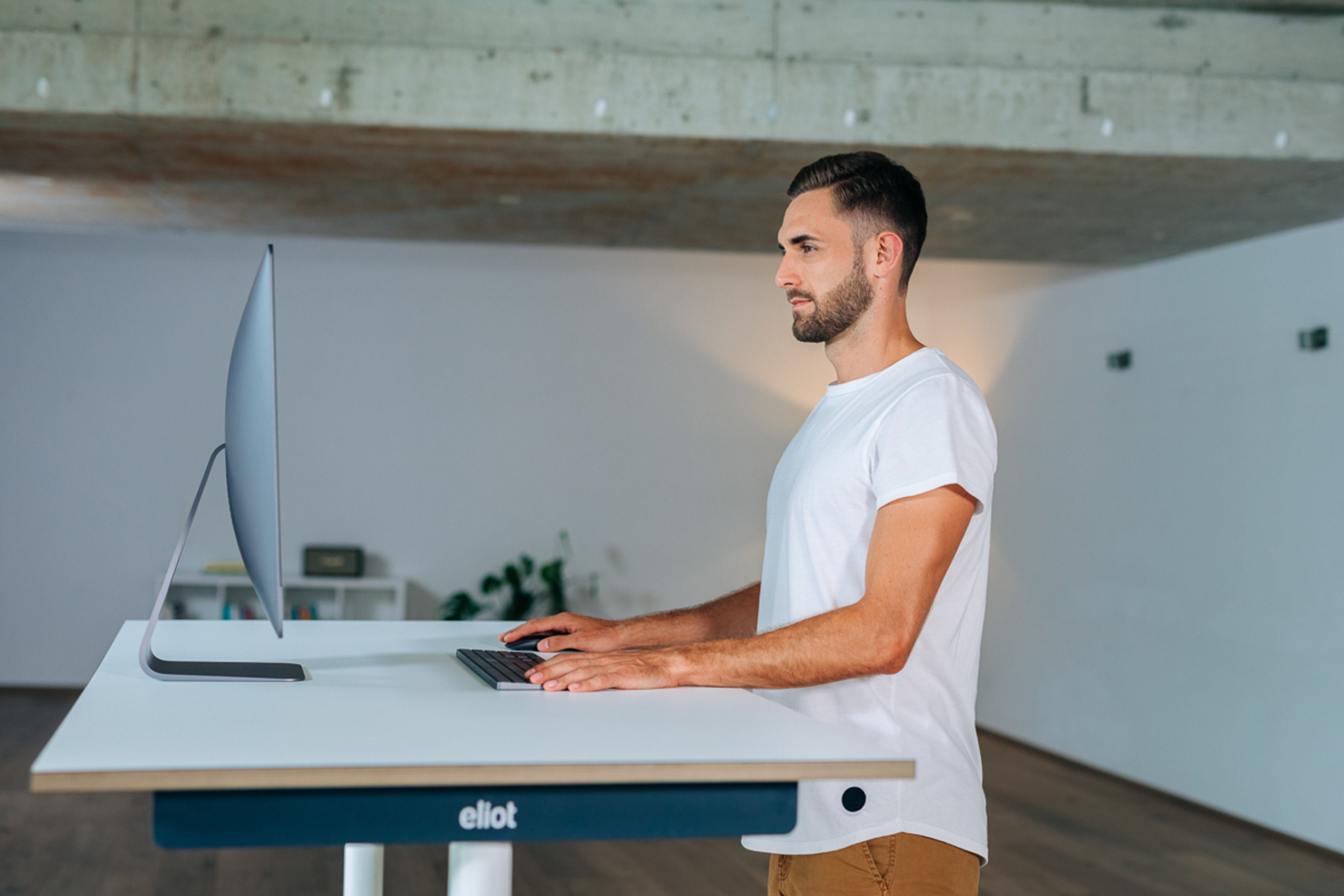
Better posture boosts productivity and well-being. Get started now with our 7 exercises to combat a hunched back.
Time
- 30 minutes
- 7 exercises
Eine aufrechte Körperhaltung lässt sich durch regelmäßige Bewegung, eine bewegliche Brustwirbelsäule und eine kräftige Rumpf- und Rückenmuskulatur verbessern. Mit gezielten Übungen kannst du Verspannungen lösen, deine Beweglichkeit fördern und die Muskulatur stärken, die dich bei einer aufrechten Haltung unterstützt.
Das Wichtigste in Kürze
- Eine aufrechte Körperhaltung lässt sich durch Beweglichkeit und gezielte Kräftigung verbessern.
- Besonders wichtig sind eine bewegliche Brustwirbelsäule sowie ein kräftiger Rumpf und Rücken.
- Selbstmassage und Triggern können helfen, Verspannungen im oberen Rücken und Brustbereich zu lösen.
- Mobilisations- und Dehnübungen verbessern den Bewegungsumfang der Brustwirbelsäule.
- Regelmäßige Bewegung und Positionswechsel im Alltag sind ebenso wichtig wie gezieltes Training.
Myofascial Self-Massage for Good Posture
Our first goal: to release tension. This tension is primarily caused by the nervous system. Furthermore, research shows that fascia training before mobility training leads to better joint flexibility.[1] Improve mobility in the thoracic spine while working on your upper back and chest muscles.
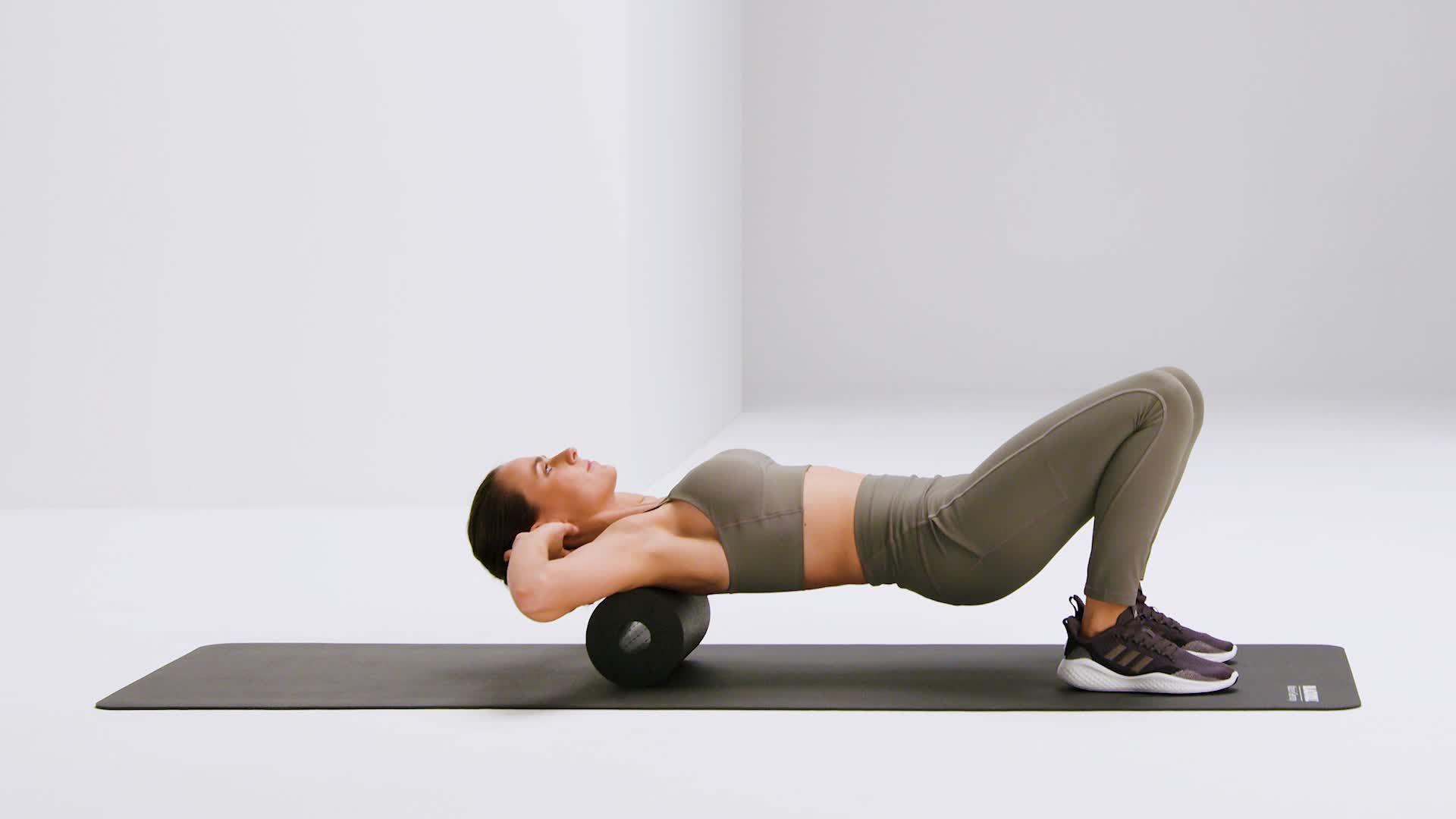
Posture Improvement Exercise: Upper Back Massage
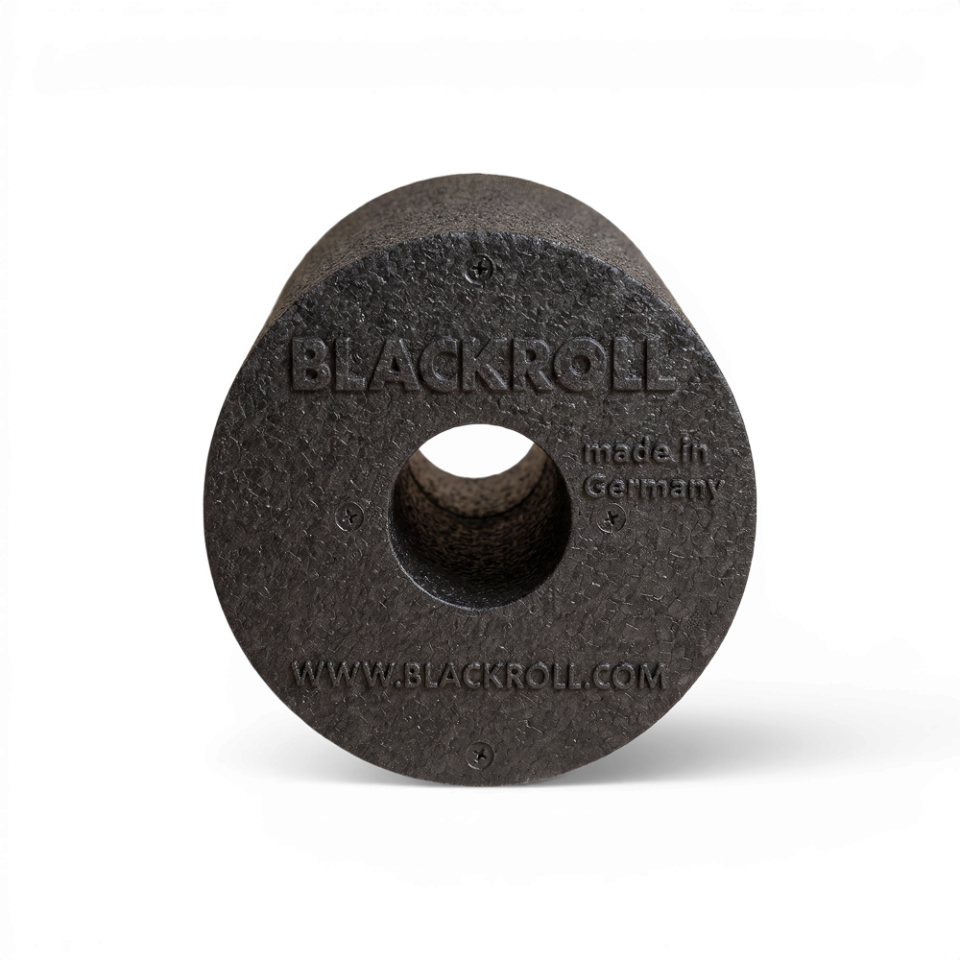
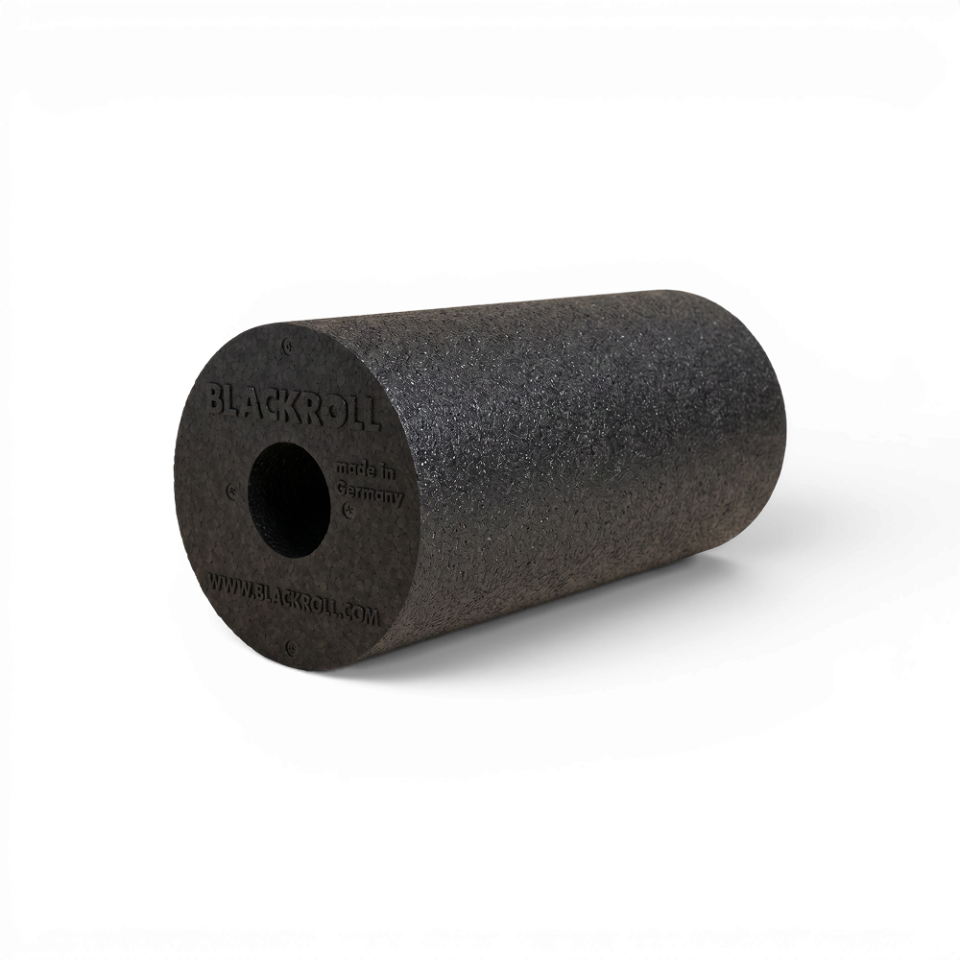
Lie on your back on the BLACKROLL® or TWIN so that it is positioned at the level of your shoulder blades. Cross your arms in front of your chest and place your hands on your shoulders.
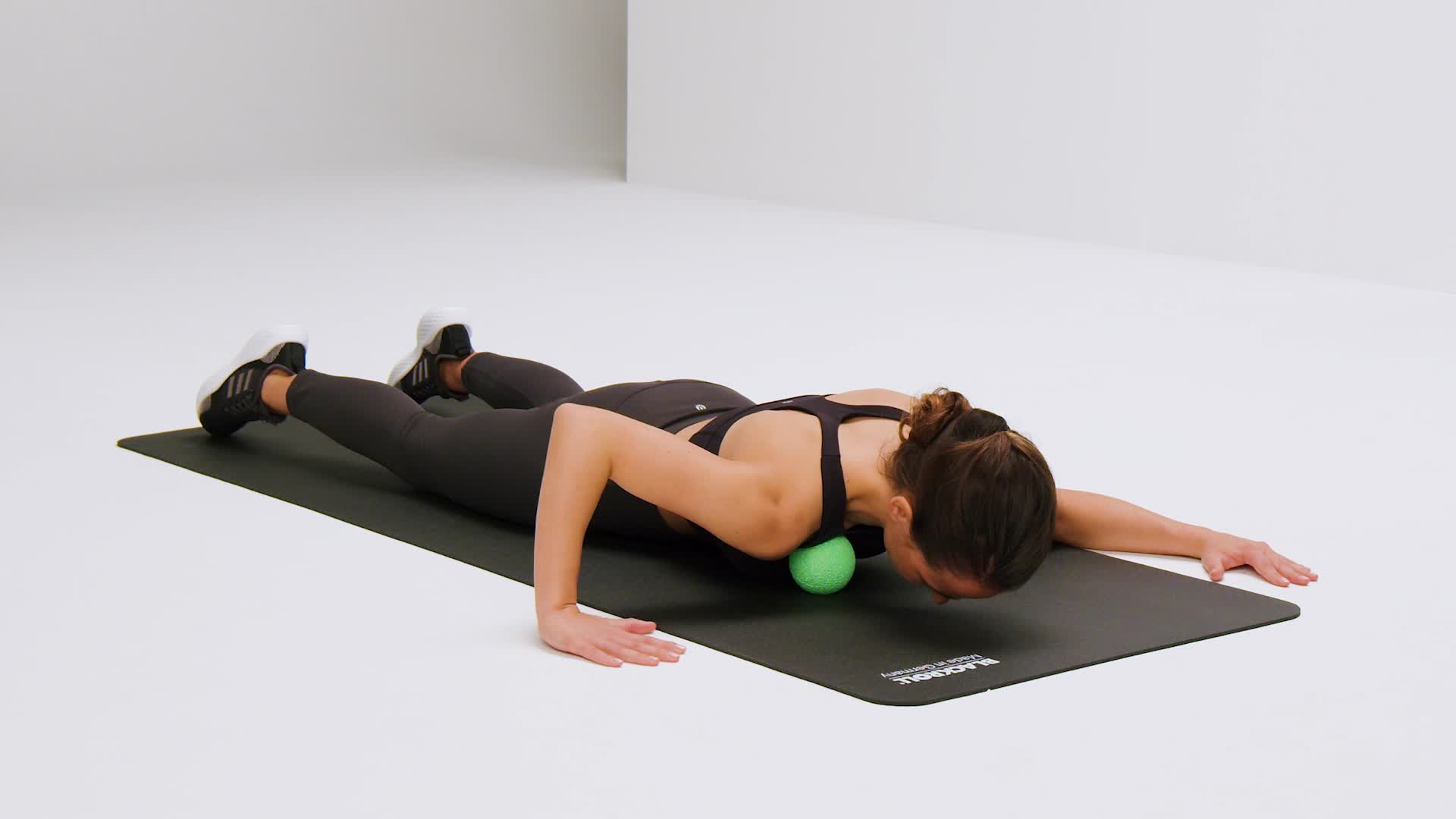
Targeting Deep Tension Points
The principle is the same as with myofascial self-massage. However, the smaller contact surface of the trigger tools allows you to target tension even more precisely. If you don’t have a trigger tool at home, you can skip this exercise. However, it’s the perfect way to round out your exercises for better posture.
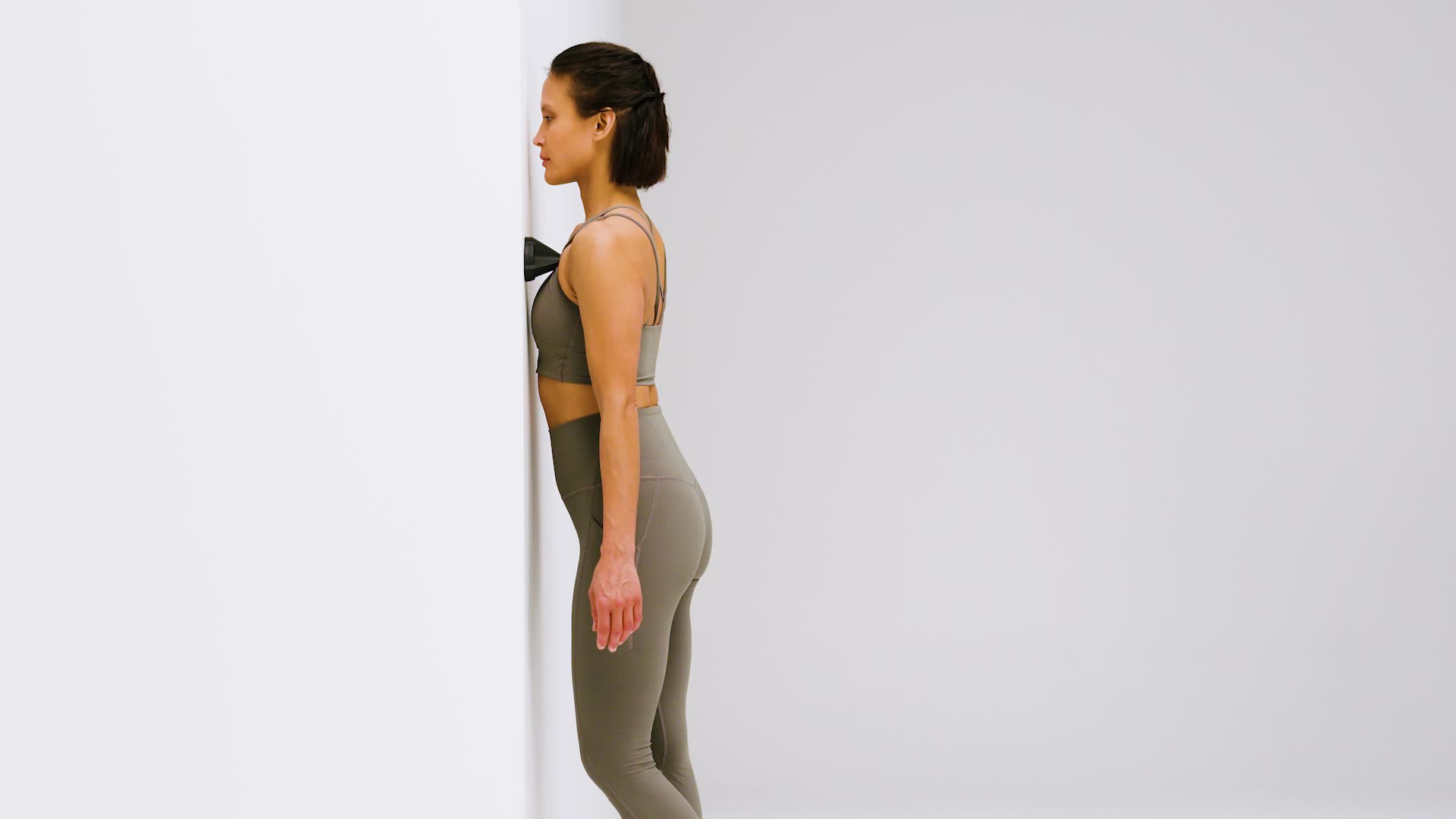
Posture Exercise: Triggering the Chest Muscles
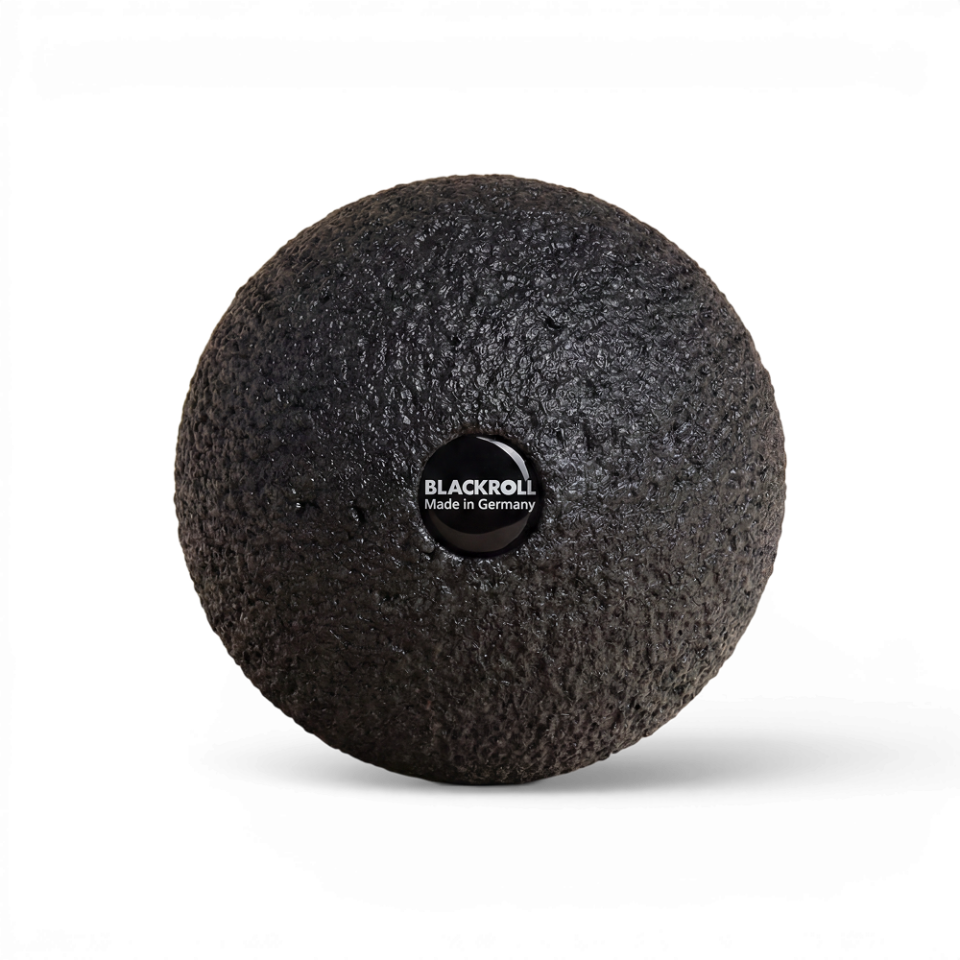
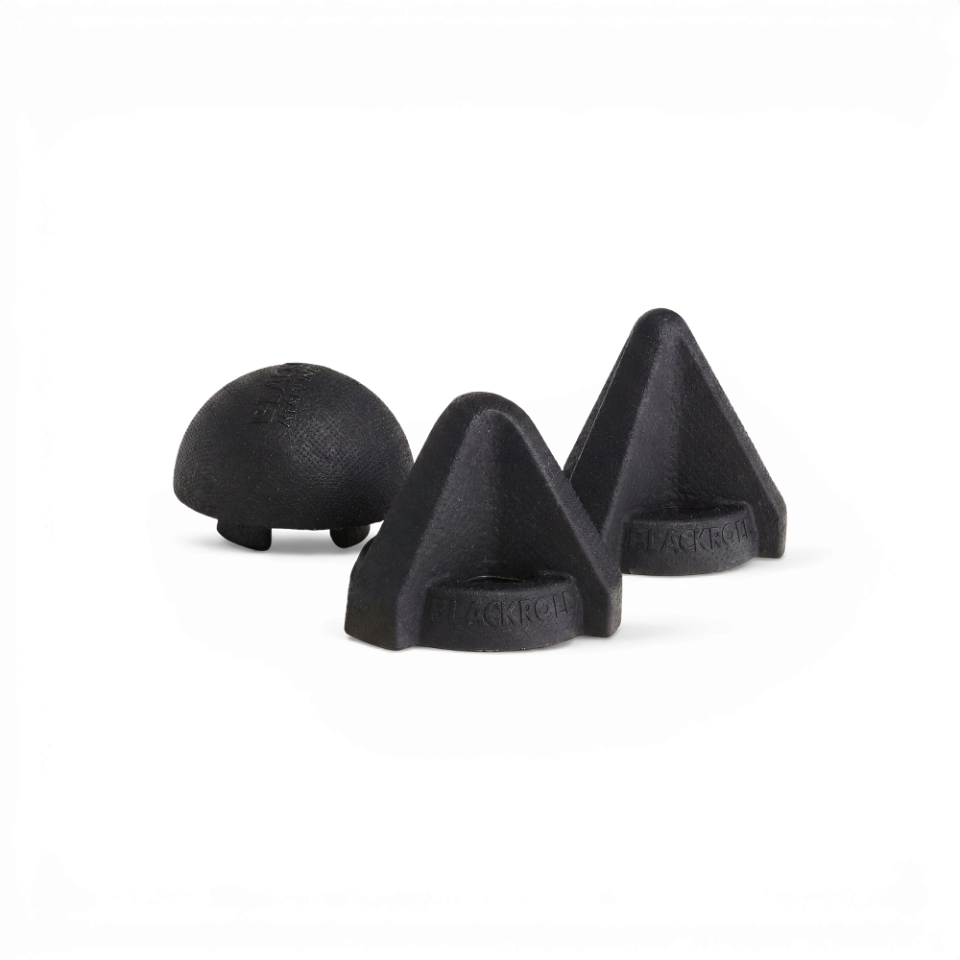
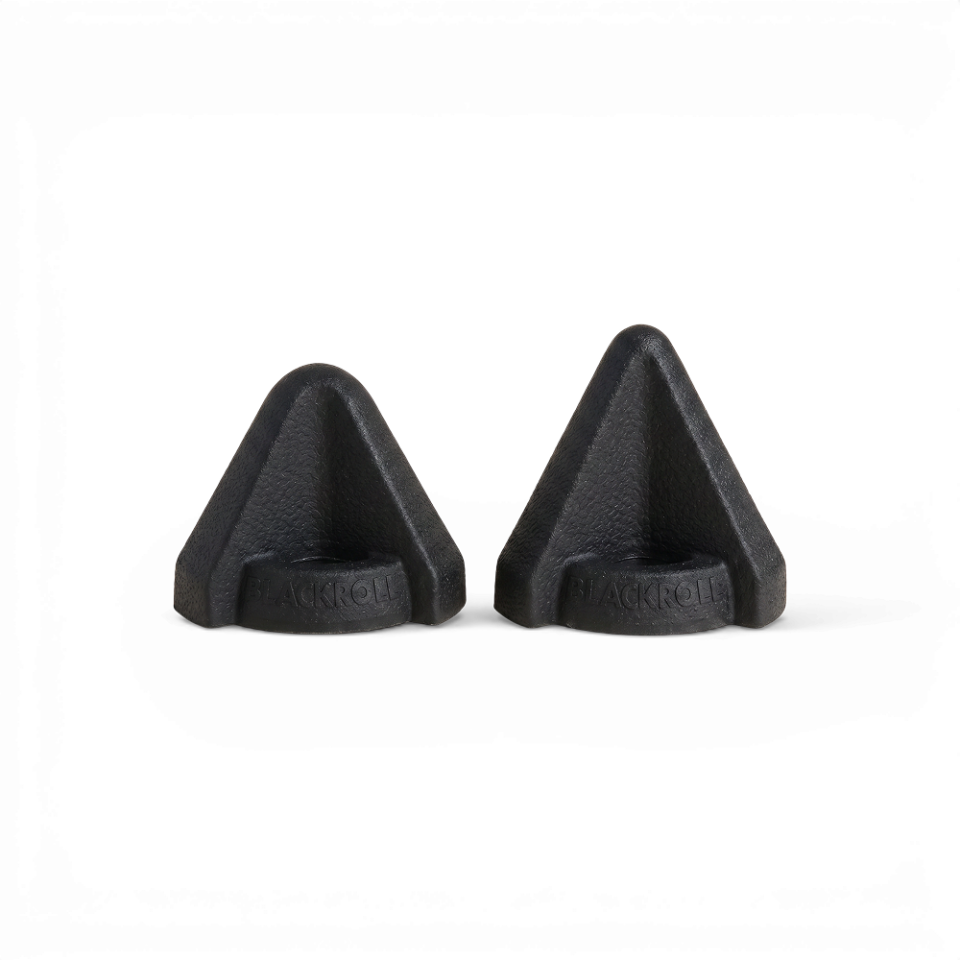
Stand facing the wall and position the TRIGGER on the tender spot in your chest muscle. Begin mobilizing as soon as the pain subsides slightly.
Mobilization and Stretching Exercises for Better Posture
Once tension has been released, improve the range of motion in your thoracic spine (TS). You can achieve this through various mobilization exercises. To improve your posture, this exercise involves hyperextending the thoracic spine and promoting better rotational mobility.
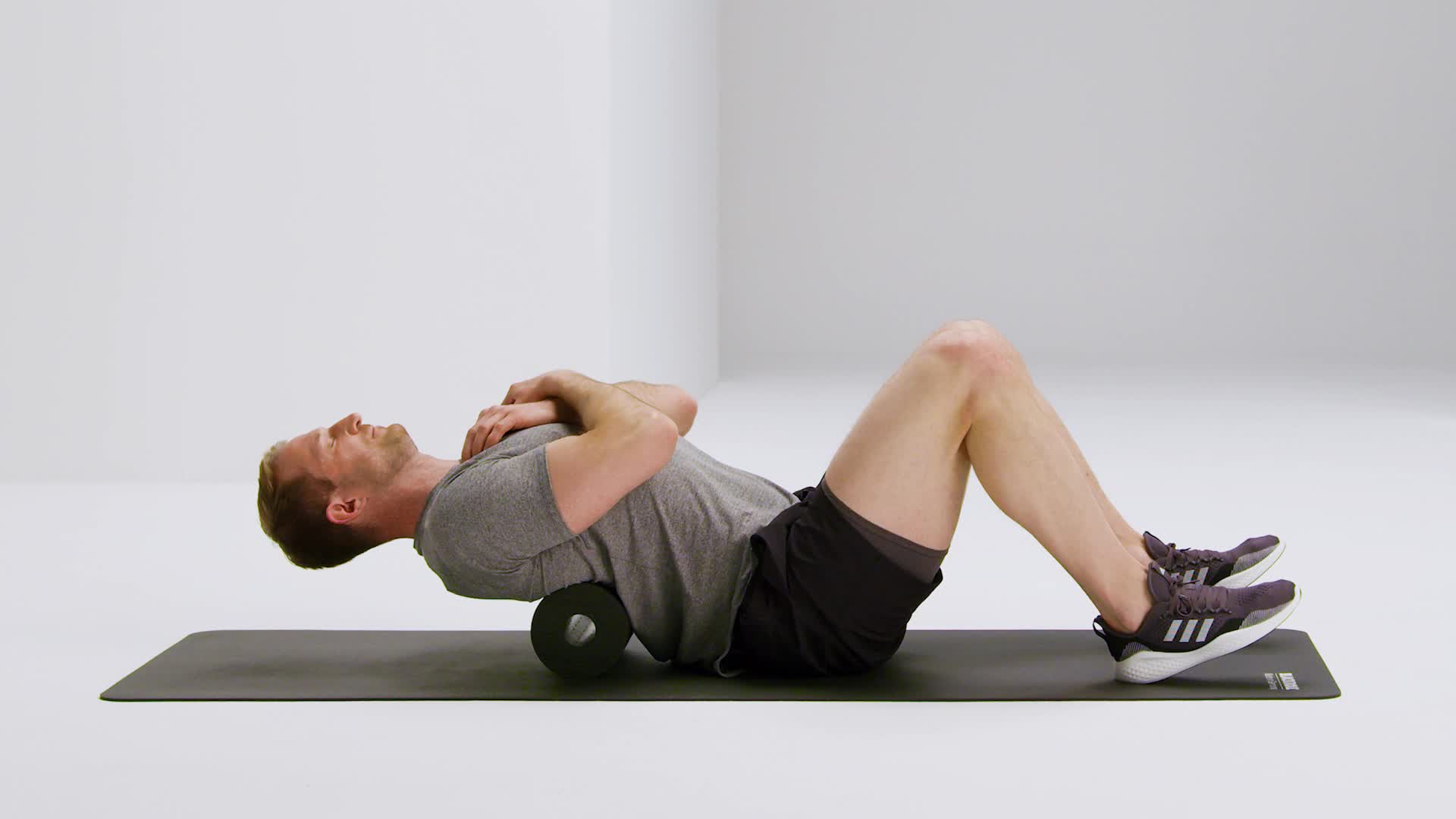
Thoracic Spine Hyperextension: For an Upright Posture
Lie on your back on the BLACKROLL® at the point where your lumbar spine meets your thoracic spine. Cross your arms in front of your chest or place them behind your neck.
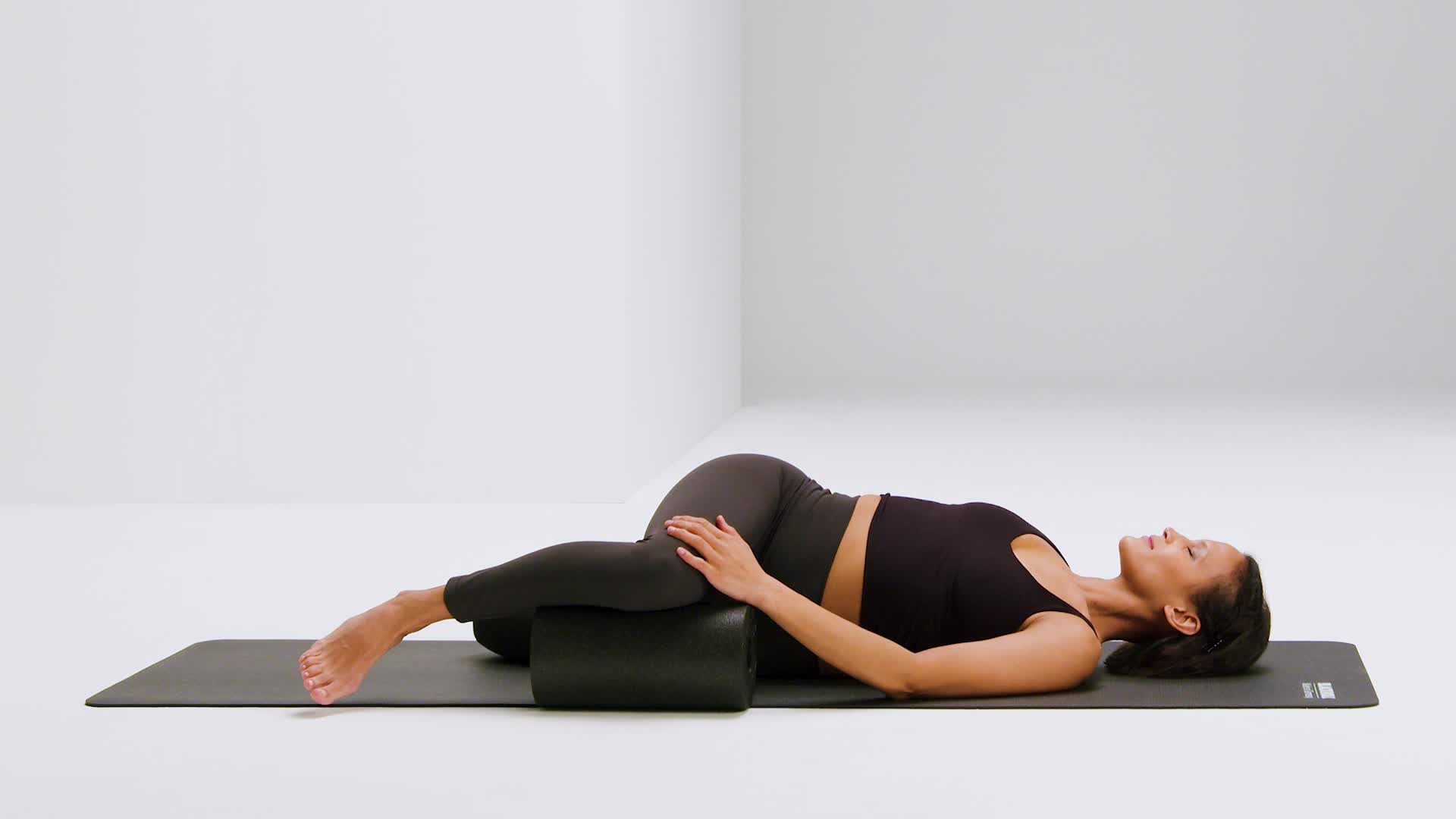
Posture Improvement Exercise: Spinal Twist
Lie on the floor on your side and bend your top leg at a 90° angle. Place a BLACKROLL® under the knee of the bent leg to stabilize your pelvis for the upcoming mobilization.
Activation and Strengthening for Proper Posture
In the next step, we target the muscles that tend to be underactive. You achieve this through isolated activation exercises. In the final step, you integrate the range of motion you’ve gained and the activated muscles into a complex movement pattern. This helps you restore neuromuscular control and promotes healthy movement as well as an upright posture.
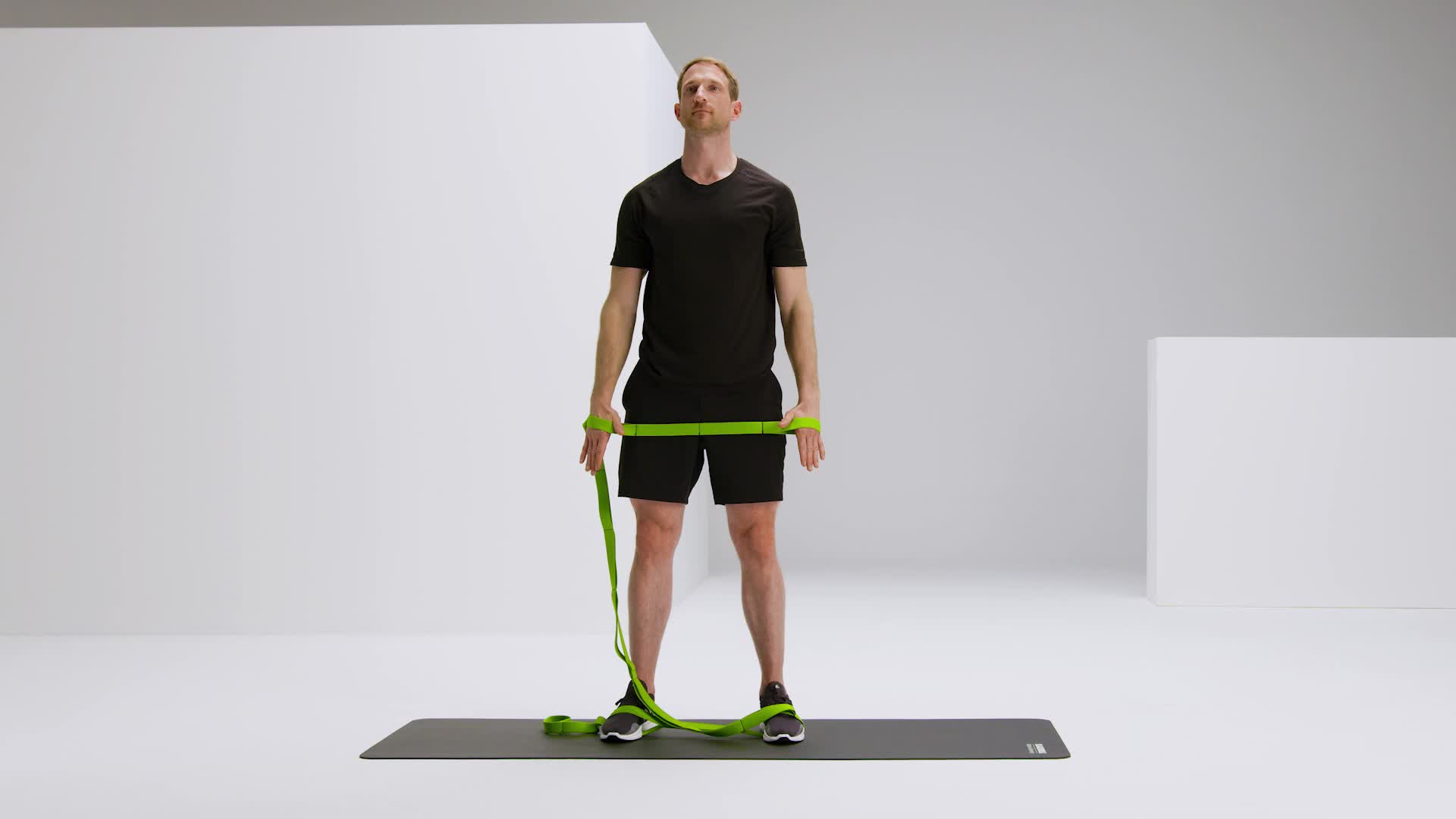
Exercise for Upright Posture: Overhead Squat
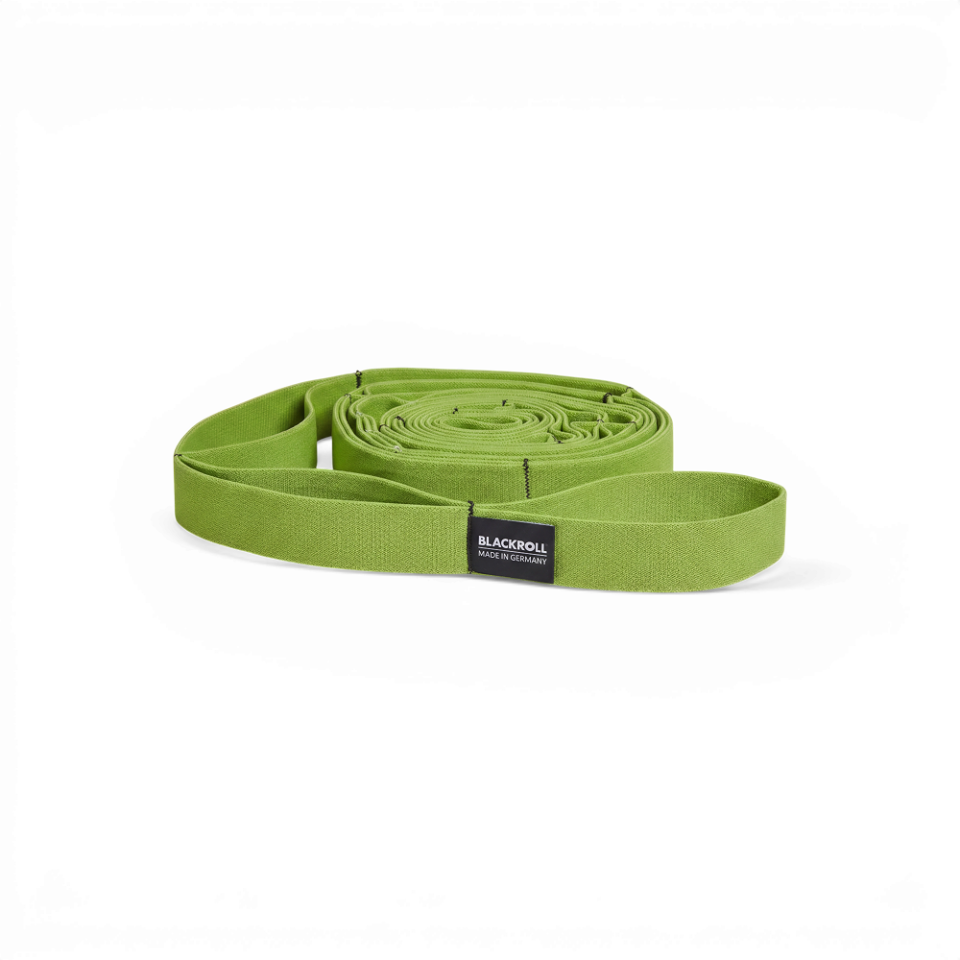
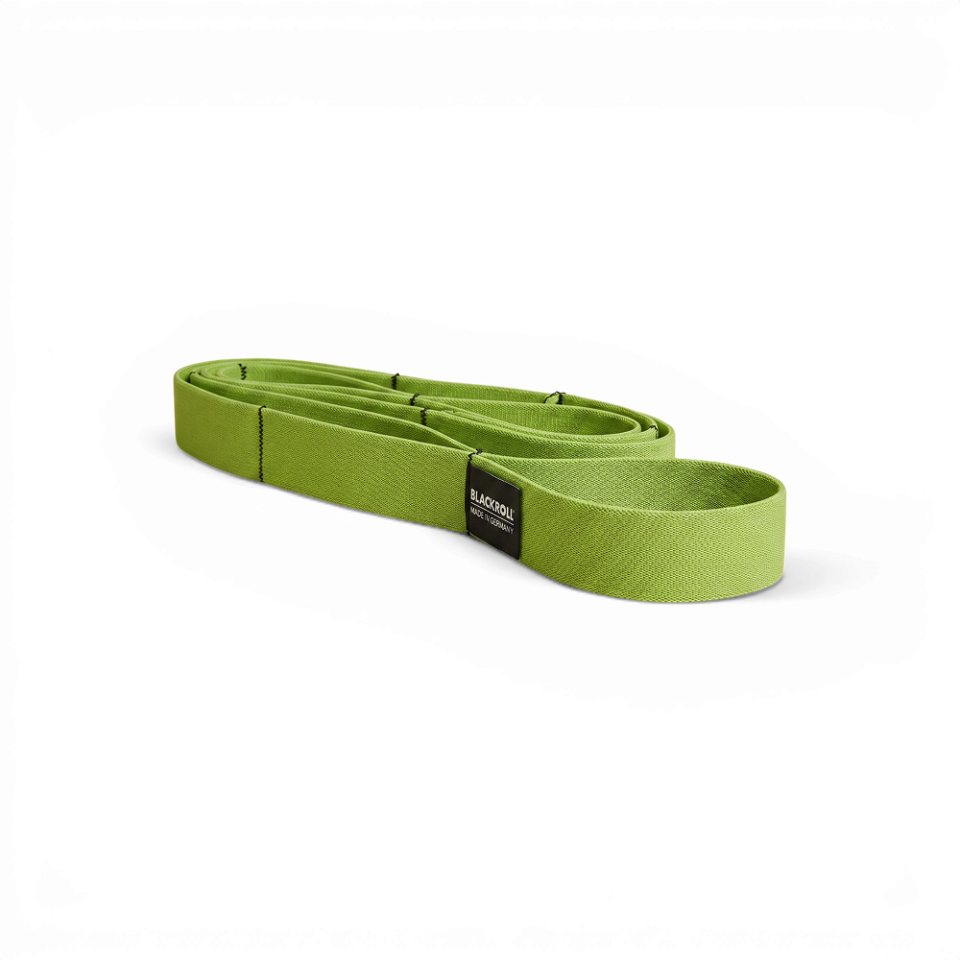
Stand upright with your feet shoulder-width apart in the center of the MULTI BAND. Grasp the loops with both hands from the inside. Extend your arms upward. Shift your weight backward and perform a squat.
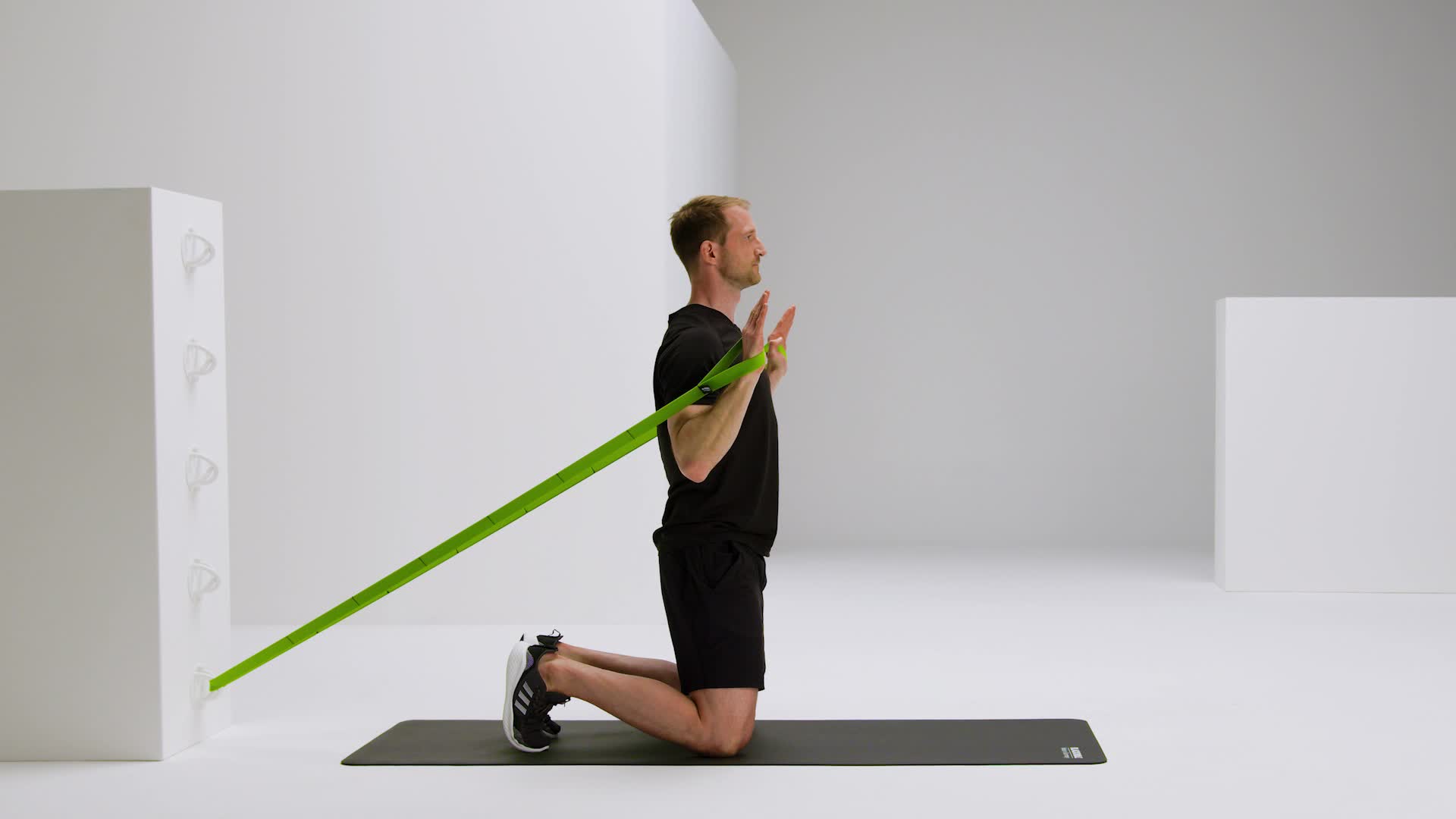
Exercise for Better Posture: Banded Overhead Press
Secure the MULTI BAND in front of you at hip height and grasp the loops from the inside. Stand upright and bend your knees slightly. Engage your glutes and core muscles.
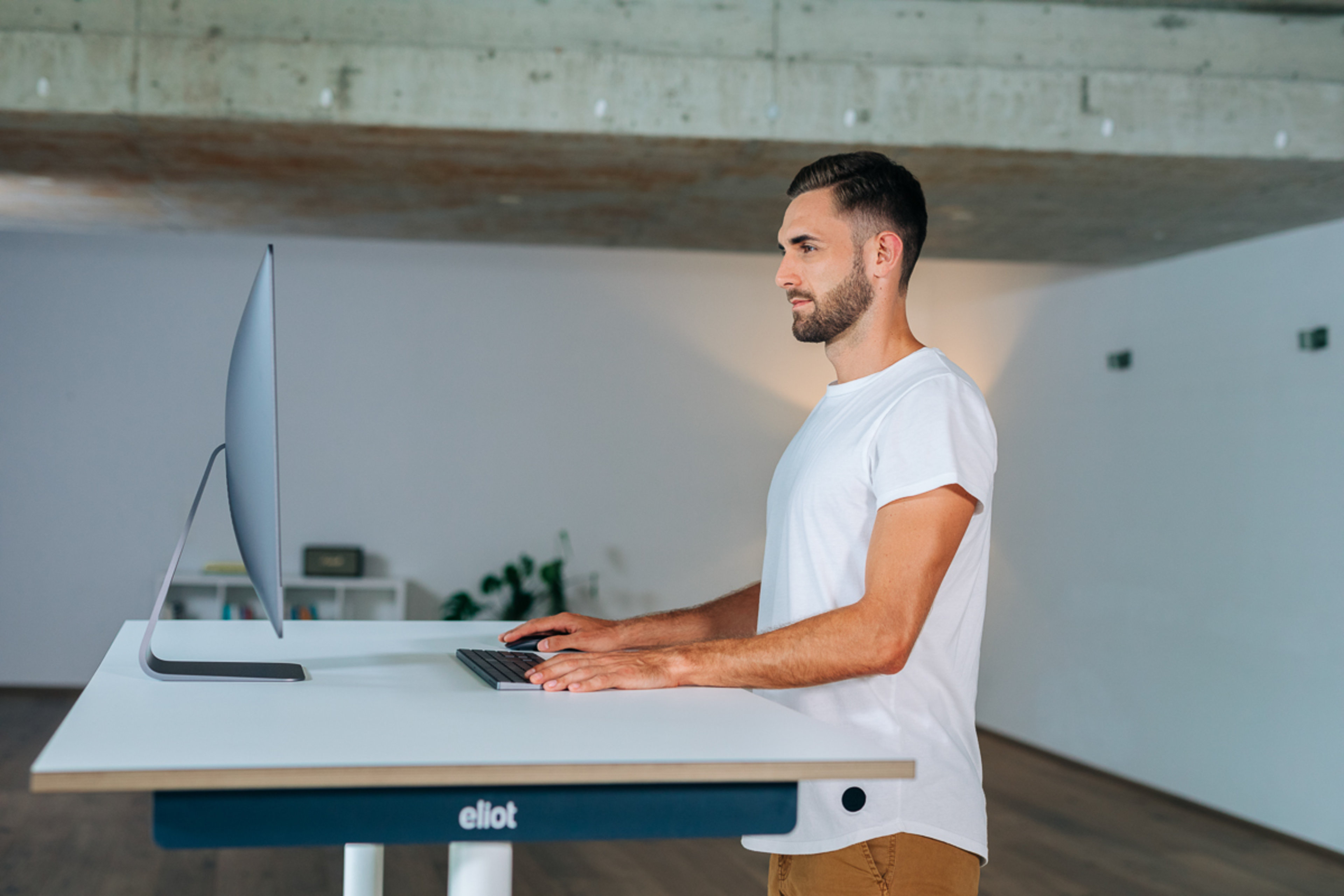
Improving Your Posture Made Easy
It’s difficult to correct your posture while sitting. Stand up and adjust your posture to the correct position.
FAQ – Häufige Fragen zu aufrechter Körperhaltung
Woran erkenne ich eine schlechte Körperhaltung?
Hinweise können nach vorne fallende Schultern, ein vorgeschobener Kopf oder eine stark gekrümmte Brustwirbelsäule sein. Auch häufige Verspannungen nach langem Sitzen können auftreten. Entscheidend ist jedoch nicht eine einzelne „perfekte“ Haltung, sondern dass du deine Position regelmäßig wechselst und dich ausreichend bewegst.
Wie lange dauert es, bis sich die Haltung verbessert?
Das ist individuell und hängt unter anderem von Beweglichkeit, Kraft, Gewohnheiten und Trainingshäufigkeit ab. Erste Veränderungen können sich bereits nach einigen Trainingseinheiten bemerkbar machen. Eine langfristige Verbesserung erfordert vor allem regelmäßiges Training und Bewegung im Alltag.
Rundrücken oder Hohlkreuz – was ist der Unterschied?
Bei einem Rundrücken ist die Brustwirbelsäule verstärkt nach hinten gekrümmt. Beim Hohlkreuz ist dagegen die Krümmung der Lendenwirbelsäule nach vorne verstärkt. Beide Haltungsformen können unterschiedlich stark ausgeprägt sein und auch gemeinsam auftreten.
Welche Übung verbessert die Haltung am schnellsten?
Eine einzelne Übung kann die Körperhaltung nicht dauerhaft verändern. Sinnvoll ist eine Kombination aus Mobilisation der Brustwirbelsäule sowie Kräftigung von Rumpf, Schultern und oberem Rücken. Welche Übung besonders geeignet ist, hängt von deinen individuellen Voraussetzungen ab.
Wie oft sollte ich Übungen für eine bessere Haltung machen?
Führe die Übungen regelmäßig mehrmals pro Woche durch. Zusätzlich helfen tägliche Bewegung und häufige Positionswechsel dabei, lange Phasen in derselben Körperhaltung zu vermeiden.
Was kann ich bei einem Bürojob für meine Haltung tun?
Unterbrich langes Sitzen regelmäßig, wechsle deine Sitzposition und stehe zwischendurch auf. Kurze Bewegungspausen, eine bewegliche Brustwirbelsäule und die Kräftigung von Rumpf und oberem Rücken helfen dabei, einseitige Belastungen im Büro auszugleichen.
Your Tools for Good Posture

More Office Routines


Quellen & Studien
Abd El‑Azeim, A. S., Mahmoud, A. G., Mohamed, M. T., & El‑Khateeb, Y. S. (2022). Impact of adding scapular stabilization to postural correctional exercises on symptomatic forward head posture: A randomized controlled trial. European Journal of Physical and Rehabilitation Medicine, 58(5), 757–766. doi.org/10.23736/S1973-9087.22.07361-0
Argyrou, S., Kitixis, P., Dimitriadis, Z., et al. (2025). The effectiveness of an exercise program based on motor learning principles for the correction of the forward head posture: A randomized controlled trial. Brain Sciences, 15(8), 873. doi.org/10.3390/brainsci15080873
Elgendy, M. H., Abdel Ghaffar, M. A., El Sabbahi, S. A., Abutaleb, E. E., & Elsayed, S. E. B. (2024). Efficacy of head postural correction program on craniovertebral angle, scapular position, and dominant hand grip strength in forward head posture subjects: A randomized controlled trial. Physiotherapy Research International, 29(3), e2093. doi.org/10.1002/pri.2093
Katzman, W. B., Vittinghoff, E., Lin, F., Schafer, A., Long, R. K., Wong, S., Gladin, A., Fan, B., Allaire, B., Kado, D. M., & Lane, N. E. (2017). Targeted spine strengthening exercise and posture training program to reduce hyperkyphosis in older adults: Results from the Study of Hyperkyphosis, Exercise, and Function (SHEAF) randomized controlled trial. Osteoporosis International, 28(10), 2831–2841. doi.org/10.1007/s00198-017-4109-x
Sepehri, S., Sheikhhoseini, R., Piri, H., & Sayyadi, P. (2024). The effect of various therapeutic exercises on forward head posture, rounded shoulder, and hyperkyphosis among people with upper crossed syndrome: A systematic review and meta‑analysis. BMC Musculoskeletal Disorders, 25, 105. doi.org/10.1186/s12891-024-07224-4