Get Rid of a Swayback: 6 Simple Exercises
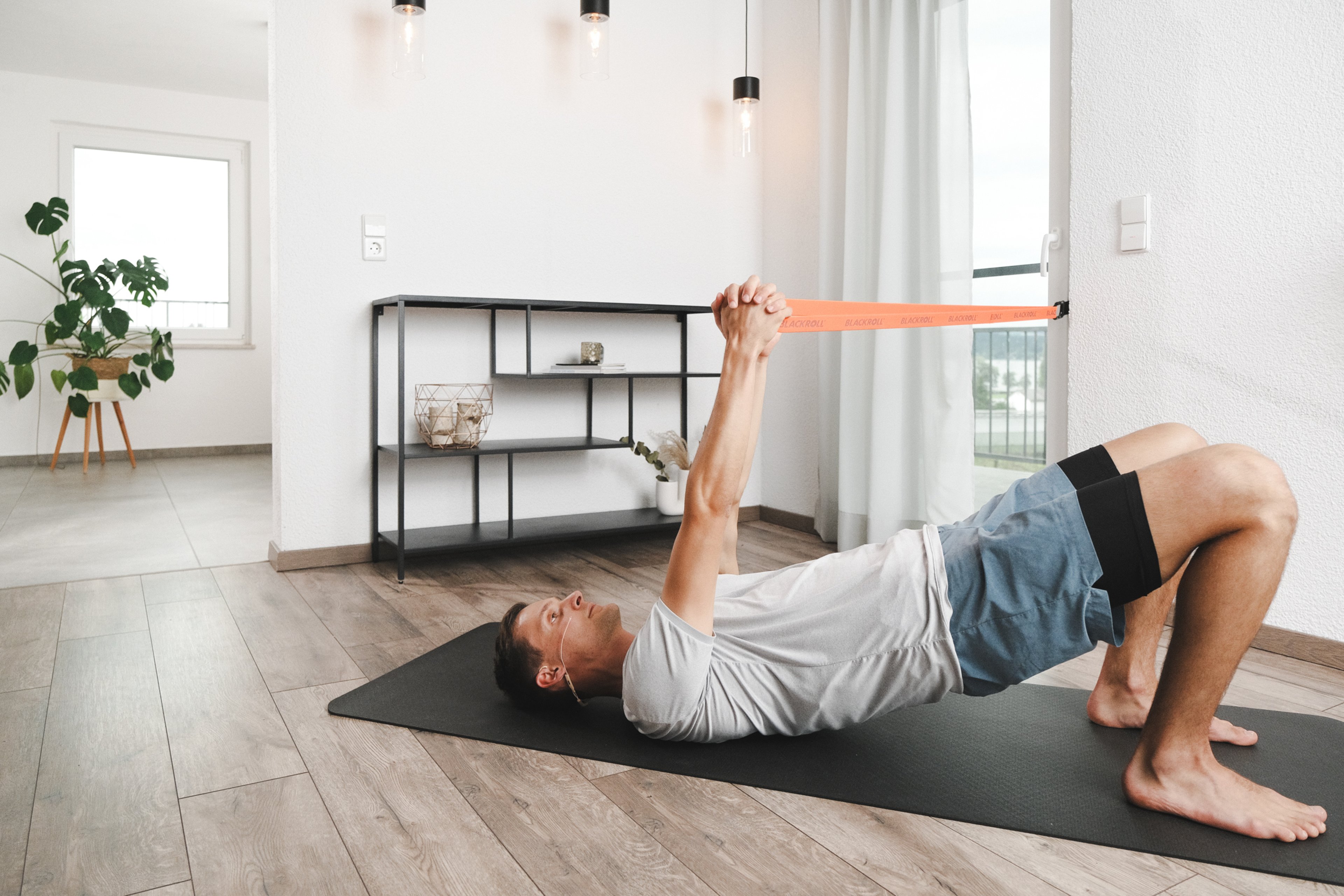
Improve your posture now: Our exercise routine includes 6 exercises that can help you correct a swayback.
Focus areas
- Unterer Rücken
- Rücken
Time
- 28 minutes
- 6 exercises
Correcting Hyperlordosis
Your exercise routine to strengthen your back and abdominal muscles and stretch your hip flexors
Do you tend to have a swayback? Do you often experience pain in your lower back or pelvic area and suspect that a swayback might be the cause? Then we have a great new exercise routine for you in this article.
Our Master Trainer Stefan will show you balancing exercises for a musculoskeletal hollow back. This way, you can train away your hyperlordosis.
Key points at a glance
- A hollow back, also known as hyperlordosis, is an exaggerated inward curvature of the lumbar spine.
- When muscle-related factors are involved, tight hip flexors and weak glute and core muscles may contribute to it.
- The routine: 3 mobility exercises, held for 60–90 seconds per side, and 3 strengthening exercises, with 15 repetitions per side.
- Do the routine 2–4 times per week. Posture changes gradually, so allow several months.
- If you experience back pain or are unsure, consult a doctor or physiotherapist.
Swayback—what is it and how does it develop?
A swayback is the term used to describe an unnatural curvature of the spine in the lower back, or lumbar spine. Normally, the spine has natural curves, including lordosis in the lower back, kyphosis in the upper back, and lordosis in the neck. These curves allow our bodies to maintain an upright posture and perform movements. A hollow back occurs when the curvature in the lower back is excessively pronounced. Causes of a hollow back often include poor posture or muscle weakness.
What can you do about a hollow back? Exercises to correct a hollow back
Good posture isn’t just aesthetically pleasing—it’s also crucial for back health and overall physical well-being. Poor posture can lead to back pain, muscle tension, and other health issues, such as a hollow back. Fortunately, there are a variety of exercises that can help improve posture and prevent long-term discomfort. What can you do to correct a swayback? Here are a few exercises to help correct a swayback.
Mobilizing the Front of the Thighs
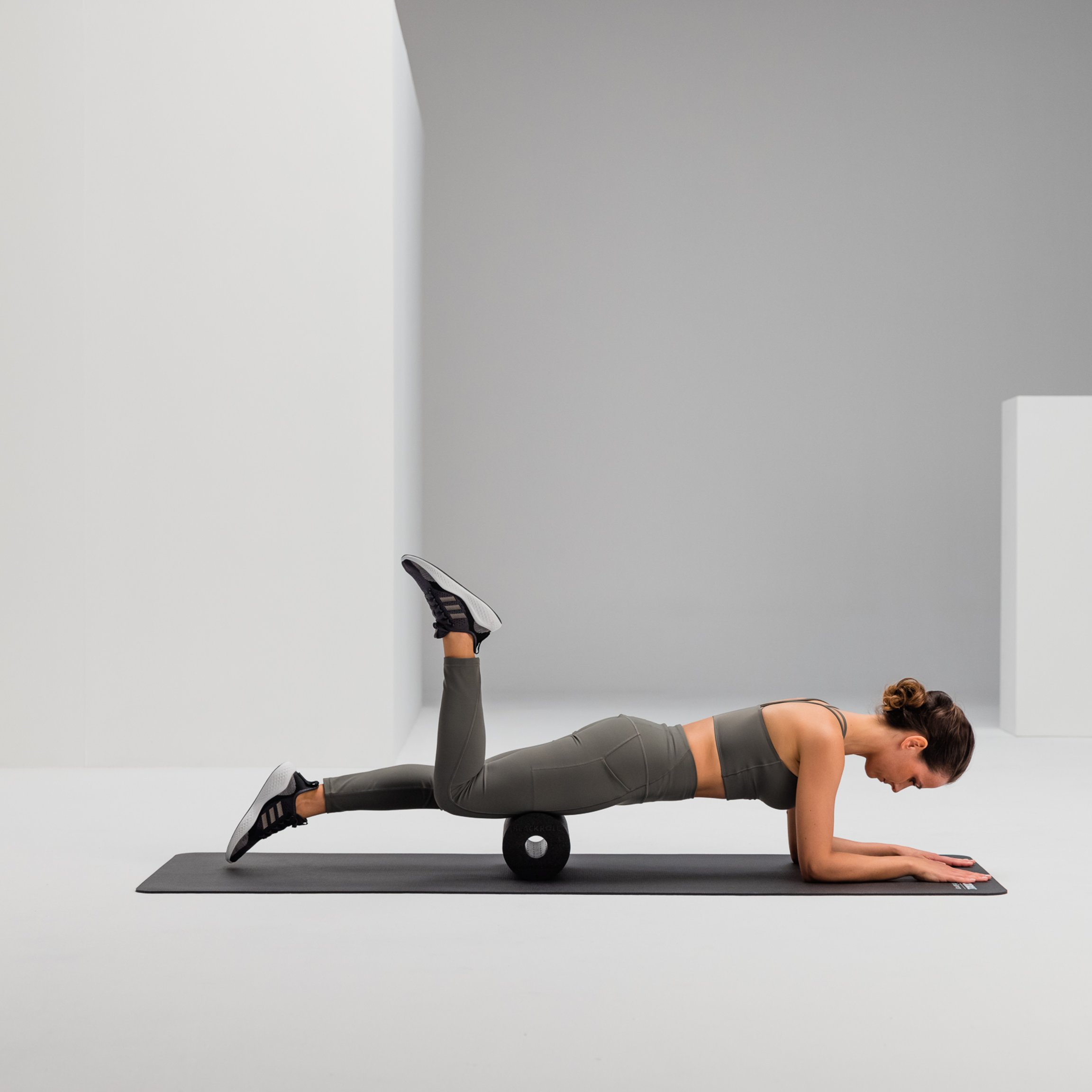
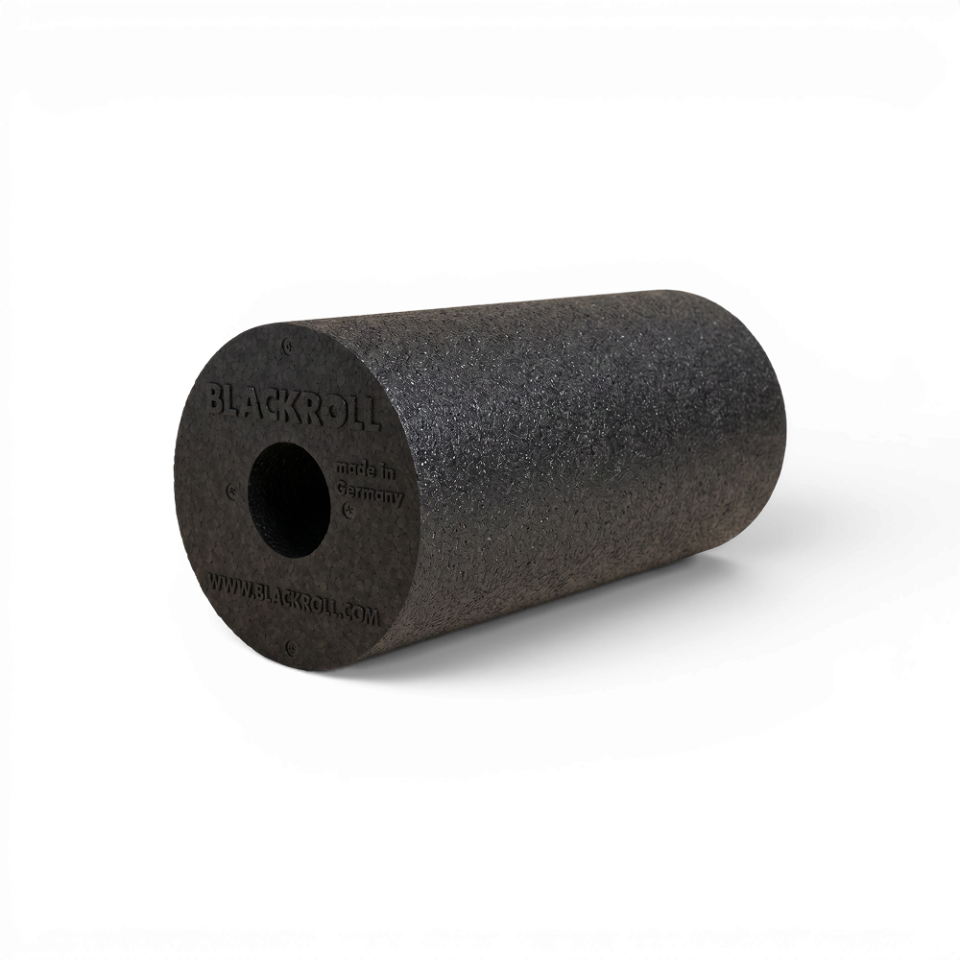
Start in a forearm plank position. Place the BLACKROLL under your thighs. Roll out your entire front of the thigh. If you find a tender spot, hold the roll there. Alternately bend and straighten your knee. Perform the exercise for 60–90 seconds on both sides.
TFL Massage
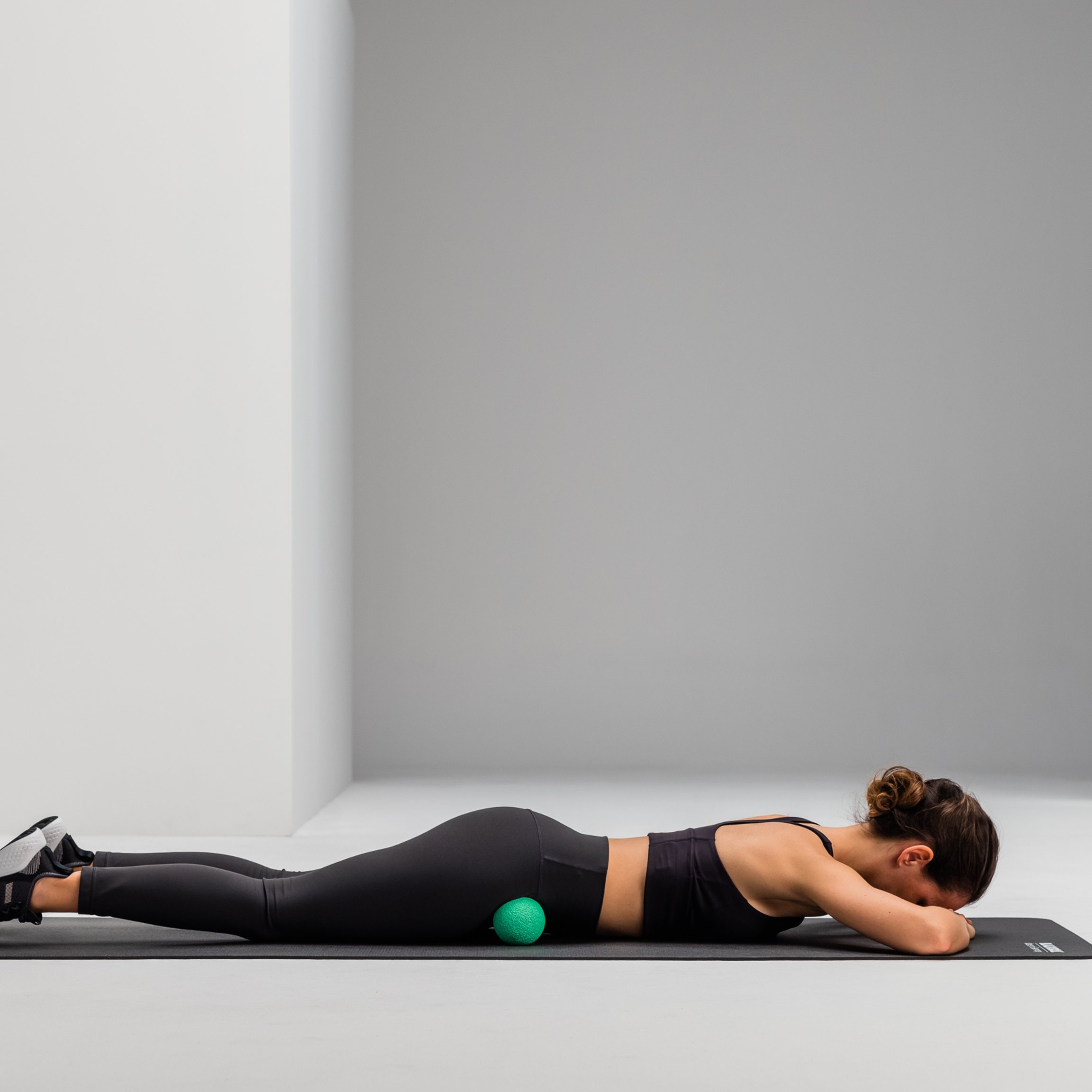
Lie on your stomach. Position your hip on the BALL08 at the level of your back pocket. Hold this position. Focus on your breathing. Consciously relax your muscles. Perform the exercise for 60–90 seconds on both sides.
Hip Flexor Stretch
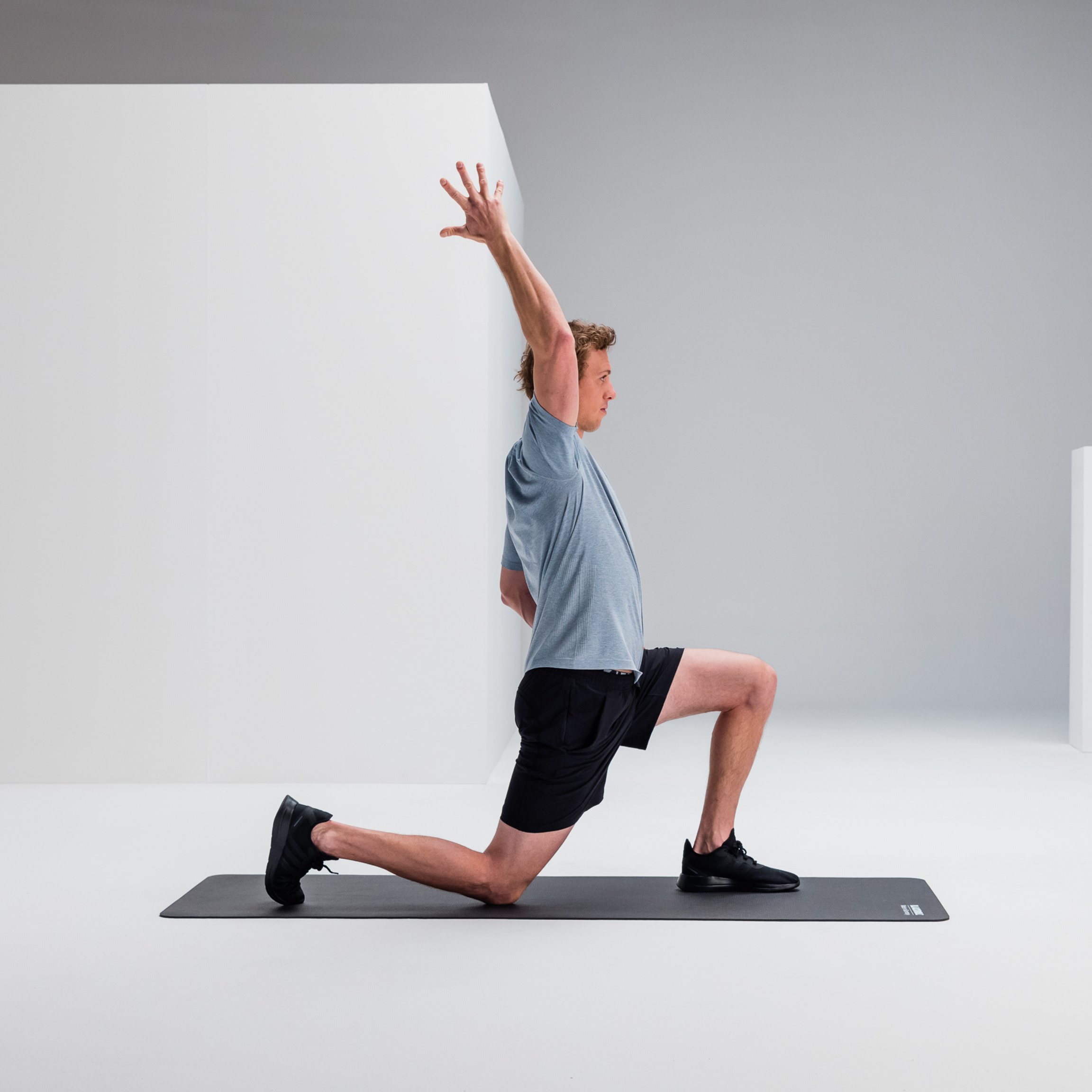
Start in a half-kneeling position. Rest your arms loosely at your sides. Push your hips forward. Hold the position. Perform the exercise for 60–90 seconds on both sides.
Lying Leg Abduction
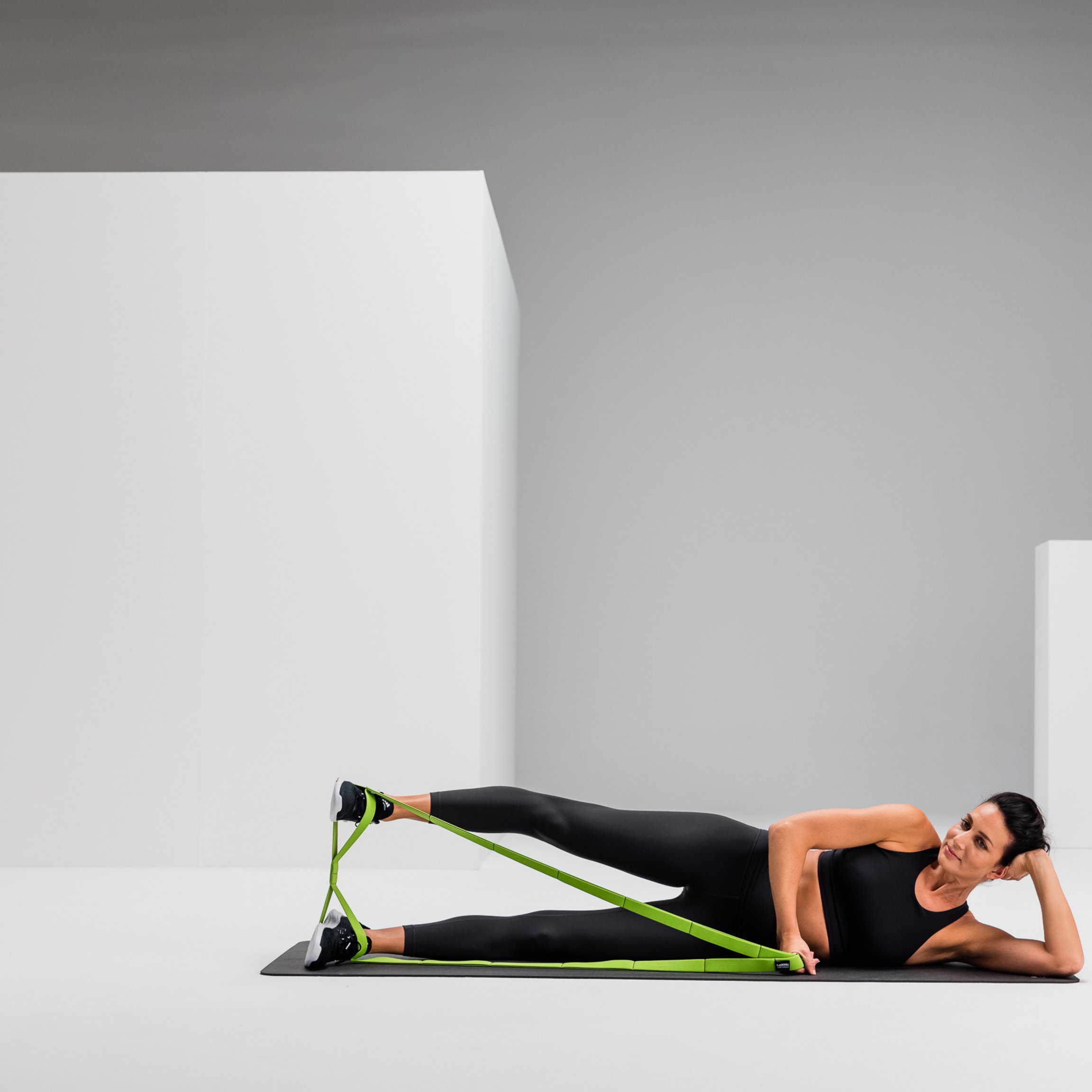
Lie on your side and place your feet in the loops of the MULTI BAND. Lift your top leg as high as possible. Then lower it back down. Never let your foot rest completely on the ground so that the band remains slightly taut at all times. Perform 15 repetitions on each side.
Single-Leg Hip Bridge
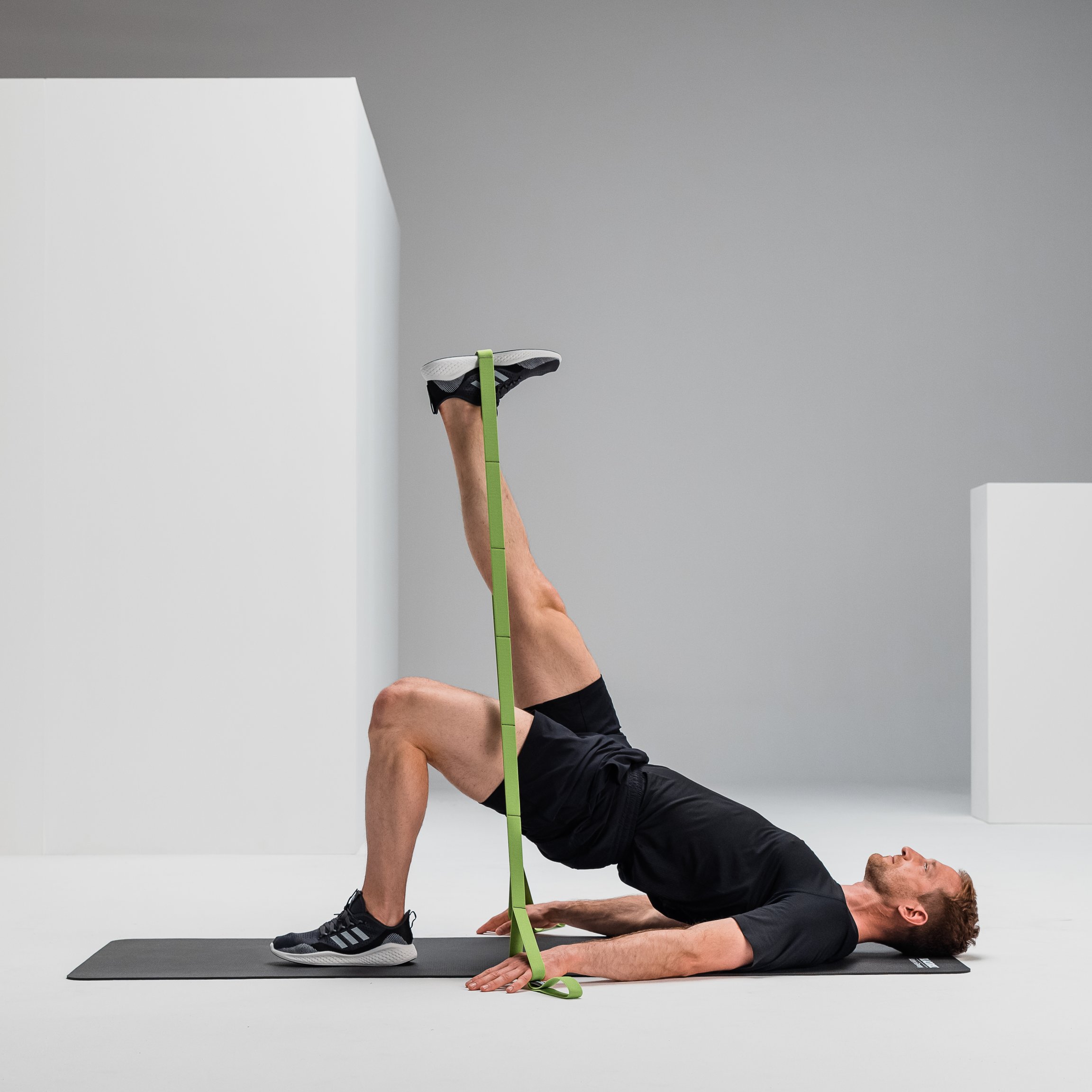
Lie on your back. Bend one leg. Place a MULTI BAND around the foot of your other leg. Extend that leg and lift it off the floor. Grasp the loops of the band with your hands. Place your hands next to your body. Lift your hips off the floor until your thigh and hips form a straight line. Return to the starting position. Perform 15 repetitions on each side.
Donkey Kicks
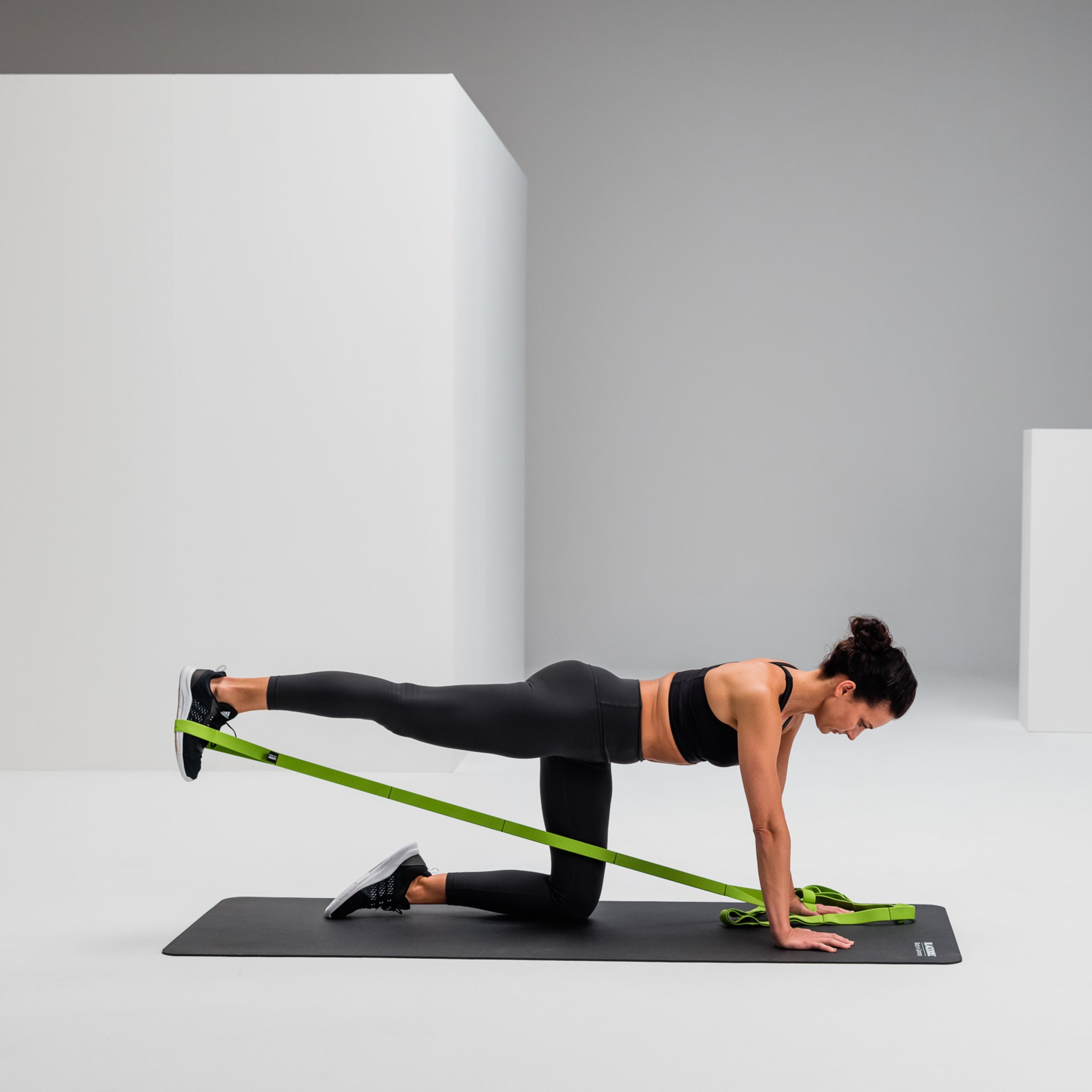
Get on all fours. Wrap a MULTI BAND around one hand and the diagonally opposite foot. Extend your foot backward and upward. Slowly return to the starting position. Make sure your pelvis stays straight and that you don’t arch your back. Perform 15 repetitions on each side.
Take your time performing these exercises; ideally, incorporate your new routine into your daily schedule 2–4 times a week.
How long does it take to get rid of a swayback?
Training away your swayback is a process that requires patience and consistent effort. After all, your swayback didn’t develop overnight. You need to understand that the duration depends primarily on various factors, including the severity of your swayback, your individual physical condition, and the effectiveness of your training. Here are some guidelines that can help you get an idea of how long it takes to correct a swayback.
First and foremost, professional advice is important. An orthopedist or physical therapist can assess the severity of your swayback and recommend specific exercises. This forms the basis for your personalized exercise plan. The duration of your training depends heavily on your dedication. Regular exercise is crucial, and it’s important to perform the exercises correctly to avoid injury. In the first few weeks, you’ll likely notice an improvement in your posture, but the swayback won’t disappear completely.
In most cases, it takes several months to a year to achieve noticeable progress. It’s important to be patient and not get discouraged. Consistent, long-term training will yield lasting results. Nutrition also plays a role. A balanced diet promotes muscle health and can speed up the healing process. In addition to exercise and nutrition, it’s important to reevaluate your lifestyle. Standing and sitting habits can have a major impact on a swayback. Consciously maintaining good posture in your daily life is crucial.
So, it’s fair to say that it’s difficult to pinpoint an exact timeframe for correcting a swayback, as it depends on many factors. However, with dedication, regular exercise, professional guidance, and a healthy lifestyle, you can achieve significant improvement over time. Stay motivated and remember that your health and posture are worth taking the time to work on. It’s best to start your new workout routine today. That way, you’ll already be one step closer to your goal.
General Tips for Preventing Back Problems and Maintaining a Healthy Back
A healthy back is crucial for our well-being and mobility. Here are some general tips for preventing back problems and maintaining a healthy back:
- Proper Posture: Make sure to maintain good posture whether you’re sitting, standing, or walking. Avoid slouching or hunching over, and keep your back straight.
- Ergonomic Workstation Design: If you spend a lot of time sitting, make sure your workstation is ergonomically designed. Your chair should support your back, and your monitor should be positioned at eye level. A standing desk could also be beneficial.
- Regular breaks: Get up at regular intervals, walk around, and stretch to stimulate blood flow and relieve tension.
- Proper lifting and carrying techniques: When lifting heavy objects, bend your knees and keep your back straight. Carry heavy loads as close to your body as possible.
- Physical activity: Regular exercise strengthens the back muscles and increases flexibility. Exercises such as swimming, yoga, and Pilates are particularly beneficial for building muscle in the abdomen, legs, and glutes.
- Weight management: Being overweight puts additional strain on the spine. Maintain a healthy weight to relieve pressure on your back.
- Healthy diet: A balanced diet promotes bone health and can help prevent back pain.
- Stress management: Stress can lead to muscle tension. Relaxation techniques such as meditation or breathing exercises can help reduce stress.
- Mattress and pillows: Make sure your mattress and pillows provide adequate support for your back.
By incorporating these tips into your daily routine and taking care of your back, you can prevent discomfort and promote the health of your spine. We hope you enjoy your new exercise routine.
Products for Your Back Workout
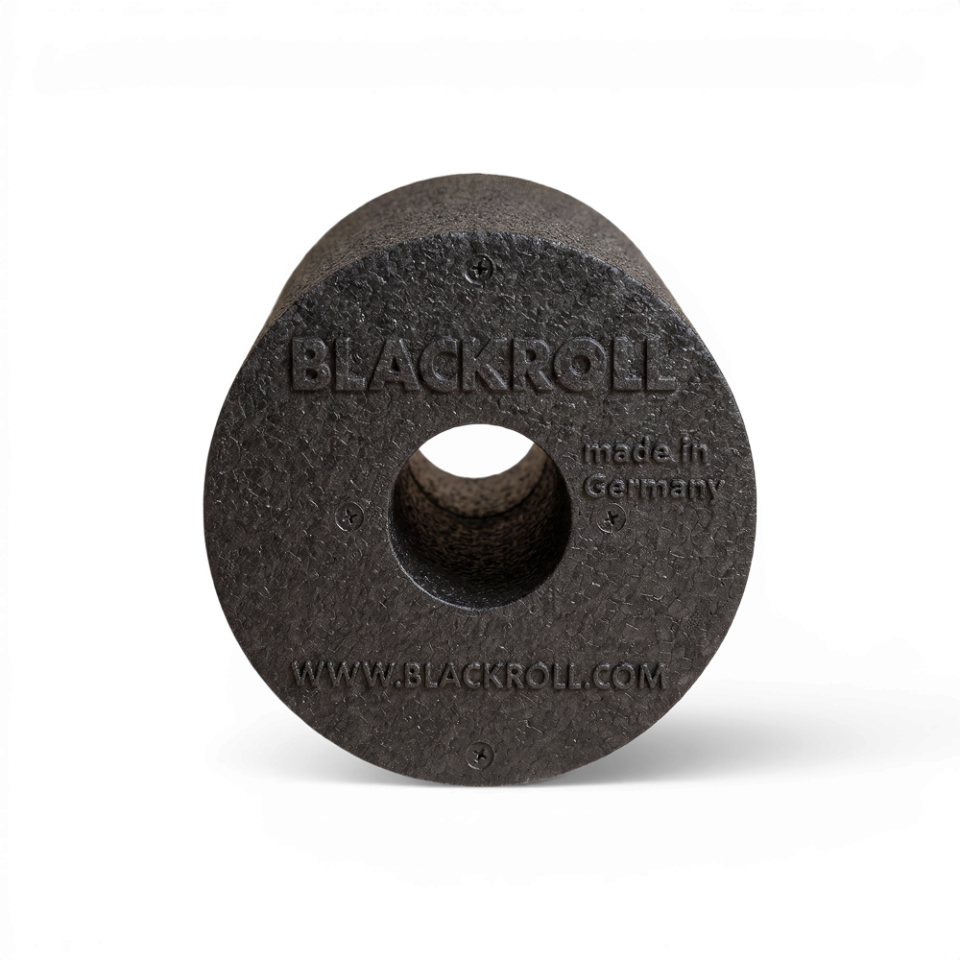
Standard
Available in multiple variants


Super Band
Available in multiple variants
FAQ
A hollow back is an exaggerated inward curvature of the lower spine. A slight curvature in this area is normal. We speak of a hollow back when the curvature is noticeably more pronounced and the pelvis tilts forward.
Stand with your heels, buttocks and shoulders against a wall. If there is enough space between the wall and your lower back for more than one flat hand, this may indicate a hollow back. For a reliable assessment, consult a doctor or physiotherapist.
A muscle-related hollow back can potentially be improved with mobility and strengthening exercises. If it is caused by structural or bony factors, exercises may only provide limited benefits. In that case, seek an assessment from a doctor or physiotherapist.
Any activity that strengthens your core and glutes while keeping your hips mobile can be suitable, such as Pilates, yoga or swimming. When doing overhead exercises or strength training, make sure you do not arch your lower back excessively.
That depends on how pronounced it is and how regularly you exercise. Posture changes gradually, so allow several months and do the routine 2–4 times per week.
Many people find lying on their back with a pillow under their knees or lying on their side with their legs slightly drawn up comfortable. Sleeping on your stomach tends to increase the curvature in your lower back.


