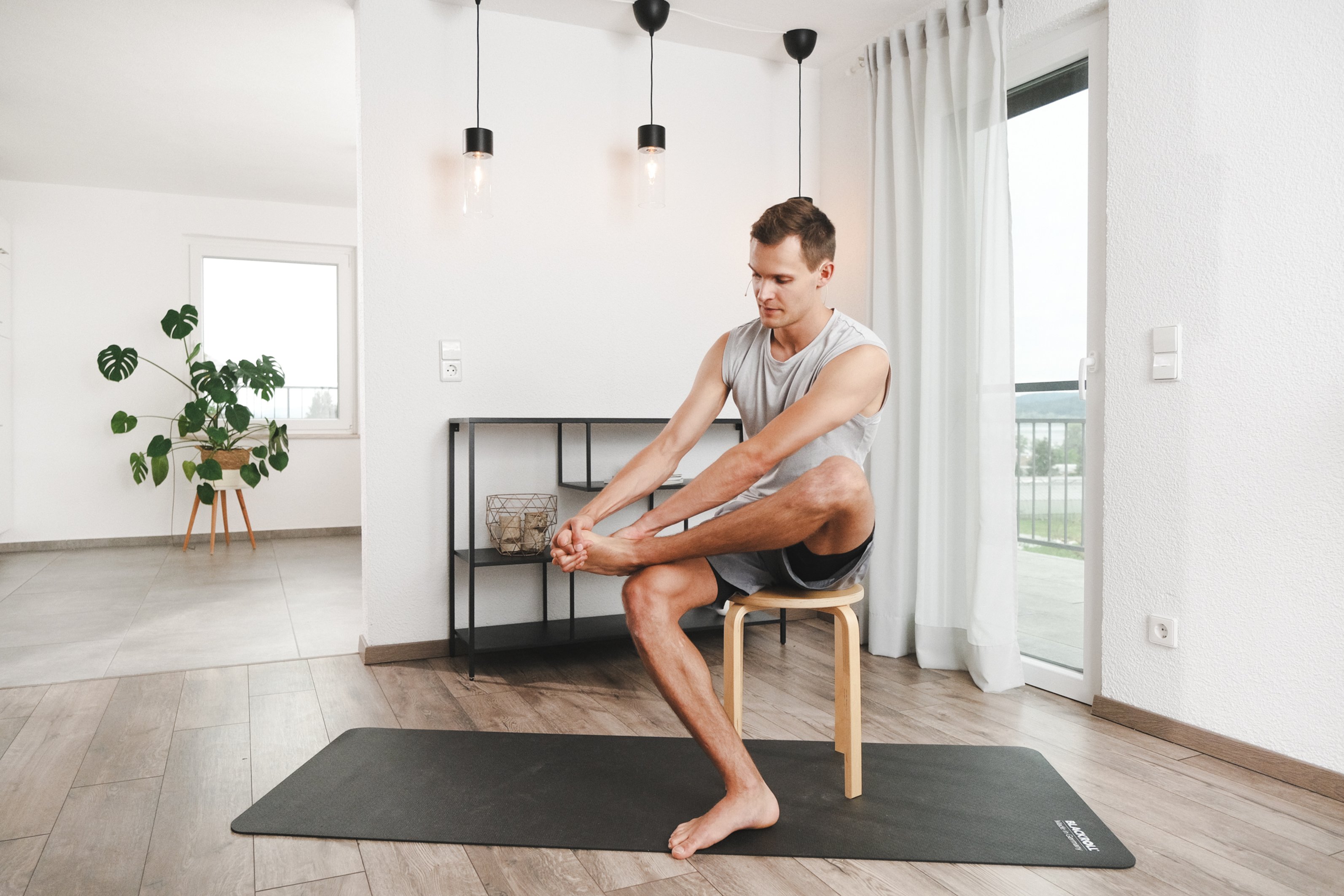
Hallux Valgus: Causes, Symptoms, Treatment, and Prevention Tips

Hallux valgus is a common foot deformity that can be painful and limit daily activities. Here, you’ll learn, among other things, how to prevent it early on and what treatments can help you besides surgery.
Hallux valgus—better known to many as a bunion—is one of the most common foot deformities worldwide, and according tothe *Deutsches Ärzteblatt*, it affects about one in three to four people, primarily middle-aged and older women. This deformity can not only lead to pain and limited mobility but also significantly impact quality of life. Those affected often ask: What causes hallux valgus? What options are there besides surgery? And how can I prevent it?
In our article, you’ll learn everything you need to know about causes, symptoms, conservative and surgical treatment options, and prevention. We’ll also show you how you can actively contribute to your foot health through exercises and assistive devices.
Das Wichtigste in Kürze
- Der Hallux valgus betrifft 23 bis 35 Prozent der Bevölkerung und ist damit die häufigste Fehlstellung des Vorfußes (Wülker & Mittag, 2012).
- Konservative Maßnahmen wie Schienen, Einlagen, geeignetes Schuhwerk und Übungen können Beschwerden lindern – die Fehlstellung selbst korrigieren sie nicht.
- Eine Operation kann Schmerzen klinisch bedeutsam senken; für Lebensqualität zeigte sich in der Cochrane-Übersicht dagegen kaum ein Unterschied zur konservativen Behandlung (Dias et al., 2024).
- Ein Rückgang der Fehlstellung ohne Operation ist nicht belegt. Wer eine Korrektur wünscht, braucht eine ärztliche Einschätzung.
- Vorbeugen lässt sich vor allem über Schuhwahl, Fußmuskeltraining und Gewicht – genetische Veranlagung lässt sich damit nicht ausgleichen.

What is hallux valgus?
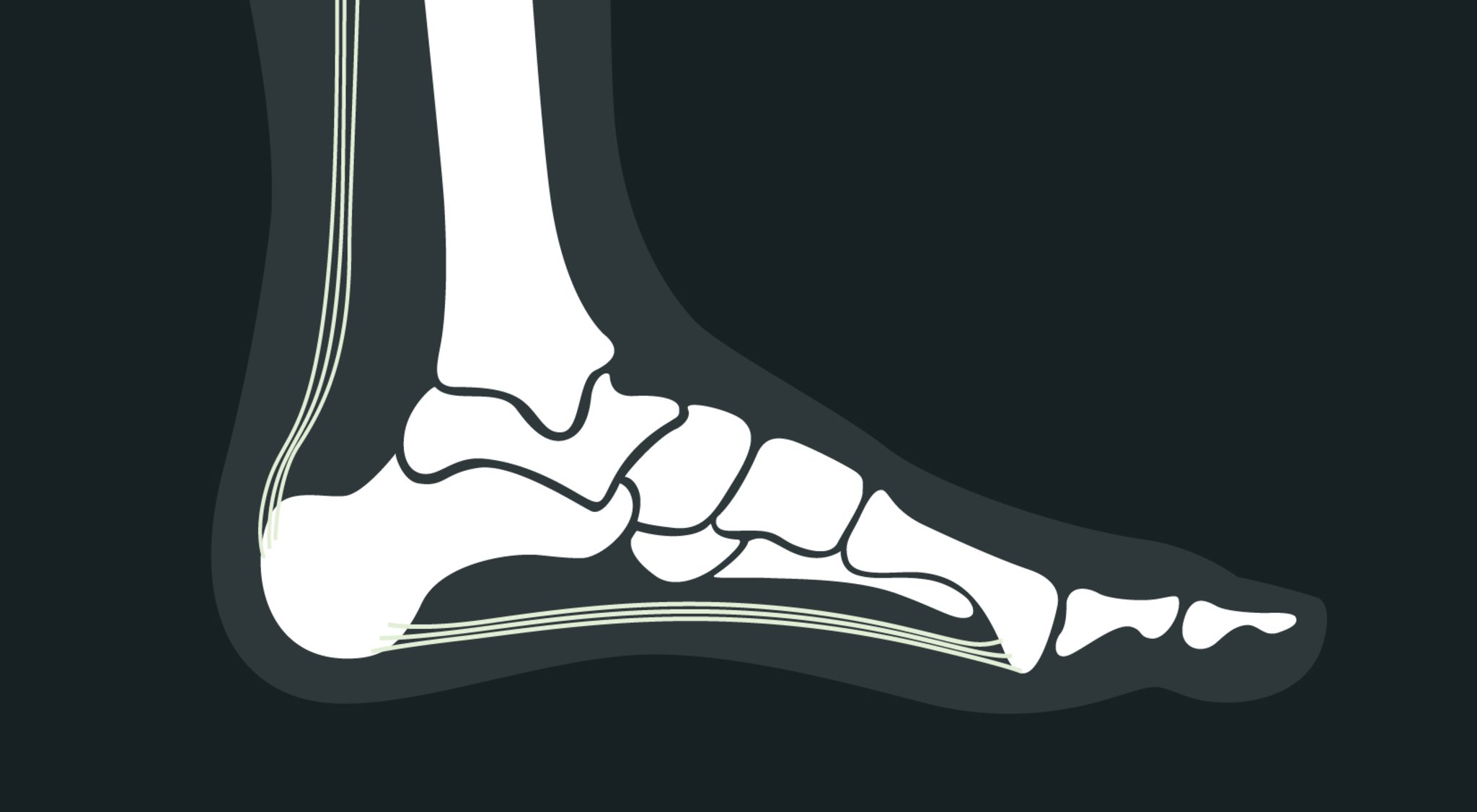
Hallux valgus refers to a misalignment of the metatarsophalangeal joint of the big toe. In this condition, the big toe gradually deviates outward at the metatarsophalangeal joint, while the first metatarsal bone shifts inward. This alters the position of the entire joint and causes a noticeable bulge to form at the ball of the foot, which is not only visually noticeable but is also often red, swollen, and painful. Over time, this change can lead to pressure points, inflammation, and problems with the foot’s rolling motion.
Typical characteristics:
- Misalignment of the big toe
- Prominent bunion
- Pain when walking or wearing tight shoes
- Altered gait
- Balance problems
Important: Hallux valgus should not be confused with hammertoe or claw toe. These conditions affect other joints of the foot.

Foot Exercises
The Best Exercises for Healthy Feet

Causes and Risk Factors
The development of hallux valgus is complex and is usually caused by several factors:
- Genetic predisposition: Hallux valgus often runs in families.
- Footwear: Tight, pointed, or high-heeled shoes exert pressure on the forefoot and contribute to the deformity.
- Gender and hormones: Women are affected significantly more often—presumably due to a combination of weak connective tissue and footwear trends.
- Excess weight: Every extra kilogram puts additional strain on the ankle joints.
- Foot deformities: Flat feet or splayfoot increase the risk of developing the condition.
- Lack of exercise: Weak foot muscles cannot adequately stabilize the forefoot.
- Hip misalignments: Imbalances in the hip and pelvic area can extend downward and cause improper weight distribution on the feet.
- Age: The risk increases with age, as the elasticity and stability of connective tissue decline.
- Rheumatic diseases: Inflammatory joint diseases such as rheumatism or osteoarthritis can weaken the structure of the forefoot.
- Occupational stress: Standing for long periods or working in tight safety shoes can increase pressure on the forefoot.
- Pregnancy: Hormonal changes cause the connective tissue to soften, which can contribute to misalignments.


Symptoms and Diagnosis
Hallux valgus usually develops gradually over many years. Initially, there are only mild pressure points or blisters on the bunion, which often occur after prolonged walking or when wearing tight shoes. Many people do not take these early signs seriously, as the symptoms initially occur only occasionally. Over time, however, the deformity can worsen, leading to increased pain and limitations in daily life.
Common symptoms include:
- Pain in the area of the big toe bump, especially when wearing tight or high-heeled shoes
- Redness, swelling, or inflammation at the ball of the foot due to constant friction
- Pressure points, calluses, or corns caused by improper weight distribution
- increasingly limited movement of the big toe, which makes it difficult to roll the foot forward while walking
- a change in the biomechanics of the entire foot, which can lead to pain in the knee, hip, or even the back over time
The diagnosis is usually made by an orthopedist or foot specialist. In addition to a thorough visual examination and palpation, X-rays may be necessary. They show the extent to which the big toe deviates from its normal axis and provide information about the severity of the deformity. Based on this, doctors decide which treatment—conservative or surgical—is most appropriate.

Full-Body Stretching Exercises
For greater mobility

Conservative Therapy & Assistive Devices
Many people affected by this condition would like to avoid or delay surgery. In such cases, conservative measures are recommended to relieve symptoms and slow the progression of the condition:
- Hallux valgus splints: These realign the big toe into a straight position. They are particularly helpful at night when combined with active treatment measures.
- Activating insoles: Unlike traditional orthopedic insoles, which support the arch of the foot and can cause it to become even weaker, activating insoles strengthen and challenge the foot muscles.
- Special Shoes: Soft, wide shoes with plenty of room in the toe area and as little heel height as possible reduce pressure.
- Exercises: Regular exercise strengthens the muscles of the feet and toes and helps regulate the plantar fascia (e.g., toe curls or foot mobilization).
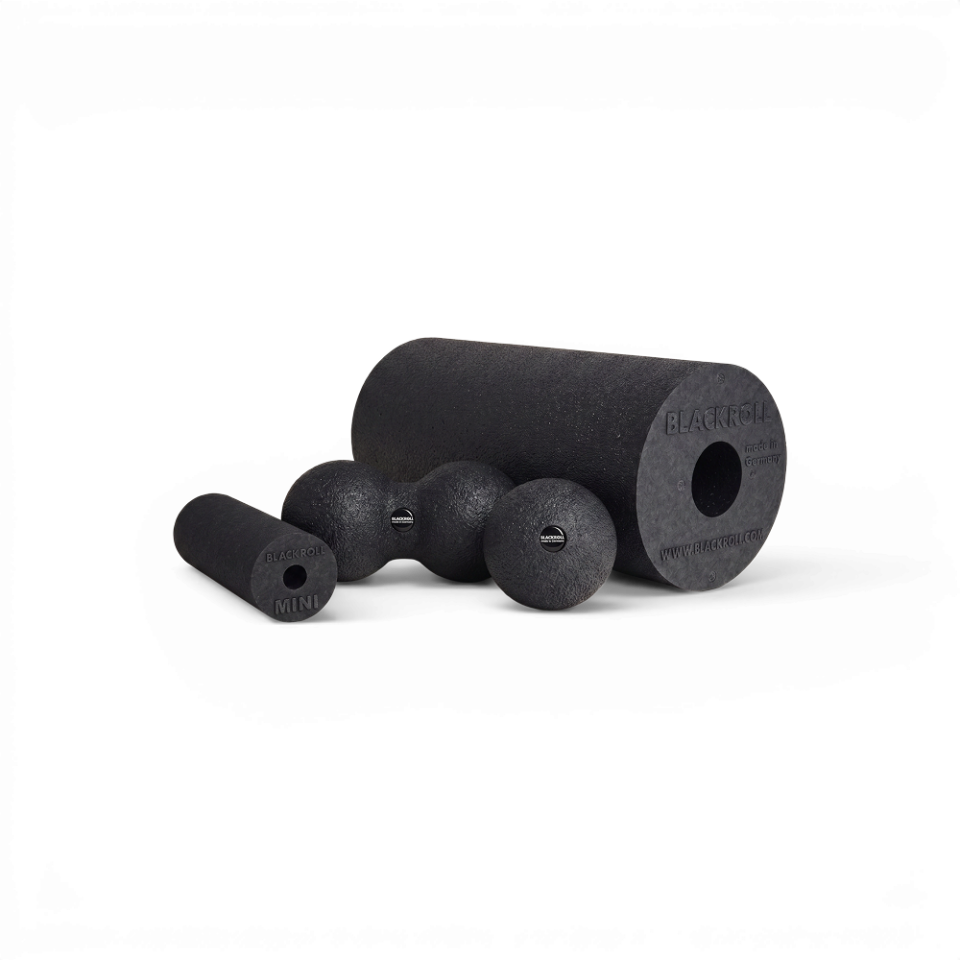
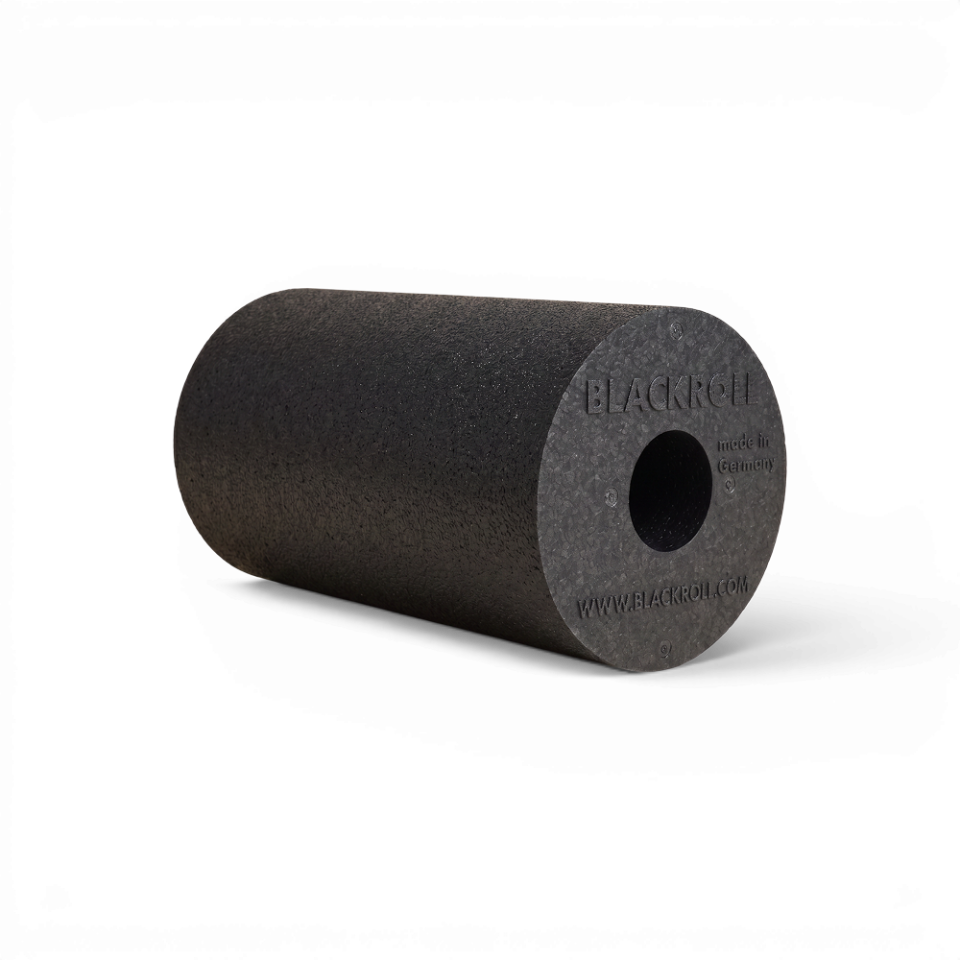
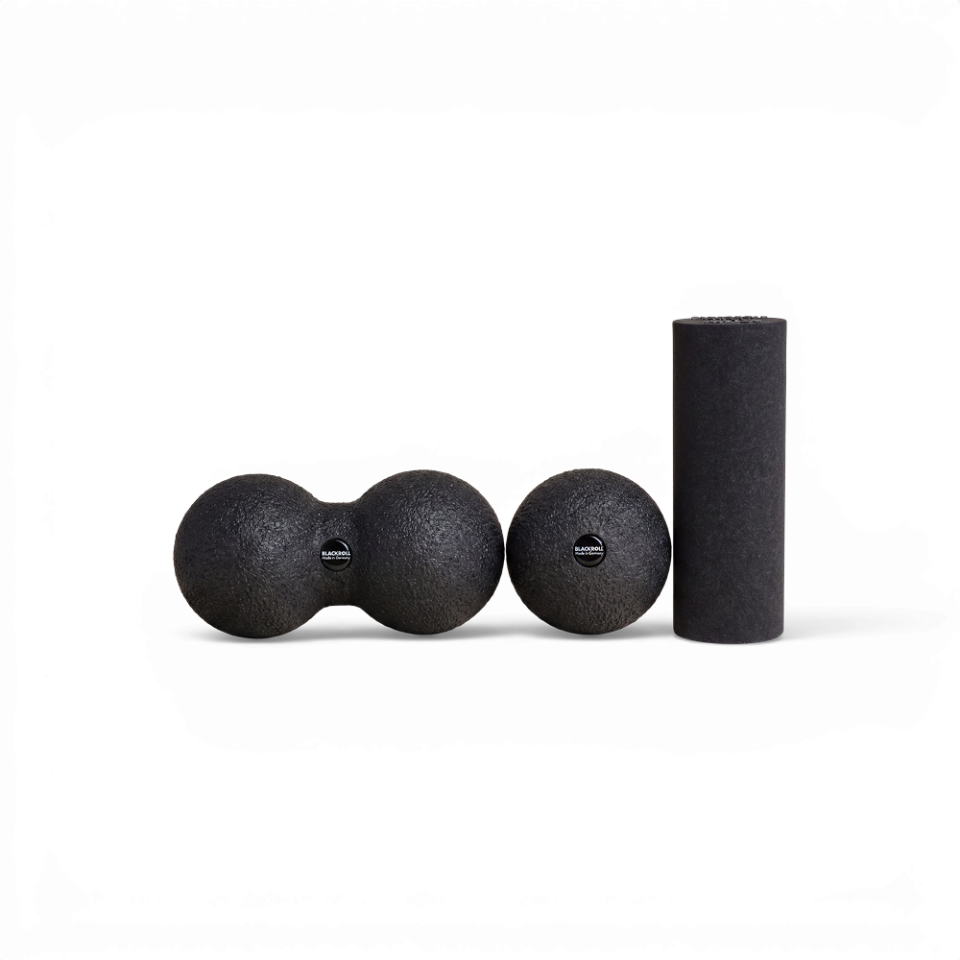
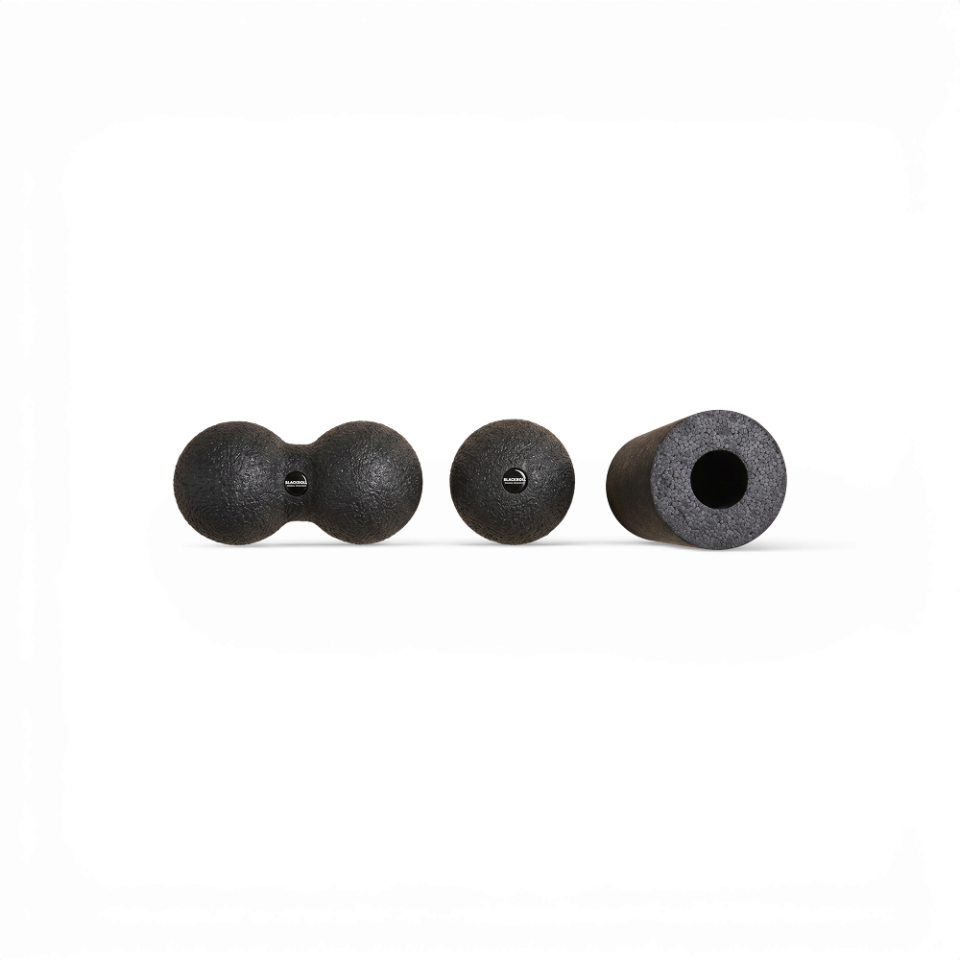
- Fascia Training: Using the BLACKROLL® BALL or the MINI fascia roller, you can release the plantar fascia and activate the foot muscles.
- Pain management: Cold therapy, anti-inflammatory ointments, or pain relievers can help with acute symptoms.


Surgical Treatment & Procedure
If conservative methods such as splints, orthotics, special footwear, or exercises are no longer sufficient and symptoms continue to worsen in daily life, surgery may be necessary.
Orthopedists often recommend surgery, particularly when pain persists despite treatment, the deformity is clearly visible, or mobility of the big toe is severely restricted. Chronic inflammation or stress-related issues affecting other joints are also important reasons for surgery.
When is surgery advisable?
- Severe pain despite conservative treatment
- Significant misalignment with limited mobility
- Inflammation, swelling, or pressure sores that do not heal
- Difficulty with everyday activities, such as walking or exercising, making them nearly impossible
Common Surgical Methods
There is no single “standard” hallux valgus surgery; rather, there are various procedures that are selected based on the severity of the condition, individual symptoms, and foot anatomy. The goal is always to permanently correct the deformity, relieve pain, and restore foot function. The most common surgical methods include:
- Chevron or Scarf osteotomy: The metatarsal bone is cut and realigned so that the toe is straight again.
- Soft-tissue correction: In this procedure, tendons, muscles, and the joint capsule are adjusted to hold the big toe in its corrected position.
- Combination procedures: Bony and soft-tissue corrections are often combined to achieve a permanently stable result.
The procedure is typically performed using minimally invasive or open surgical techniques under general or regional anesthesia. The surgery usually lasts between 30 and 90 minutes, depending on the procedure.
Risks and Recovery
As with any surgery, there are certain risks involved, such as infections, wound healing complications, swelling, or the recurrence of the deformity.
However, modern surgical methods have a high success rate, and most patients are pain-free and able to resume normal activities after a few months.
Costs
The costs are generally covered by public or private health insurance, provided there is a medical necessity. Those who wish to undergo the surgery for purely cosmetic reasons must, in most cases, pay for it themselves.

Aftercare & Rehabilitation
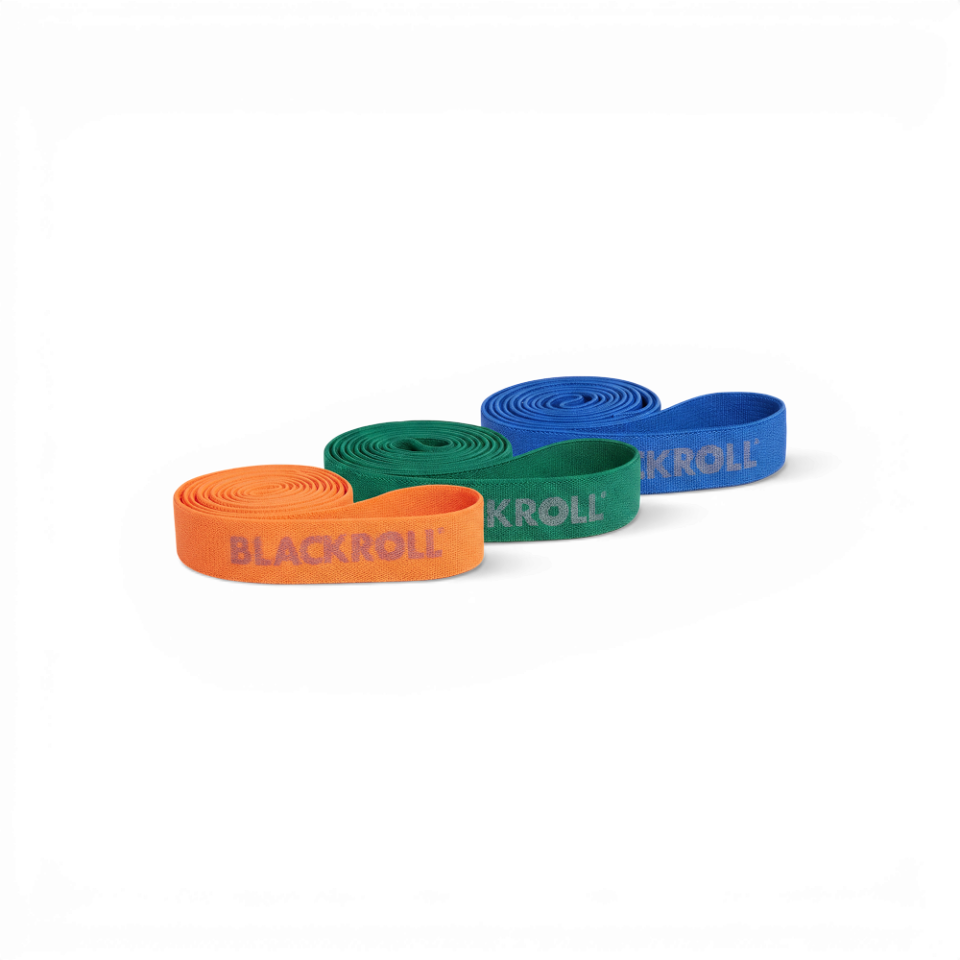
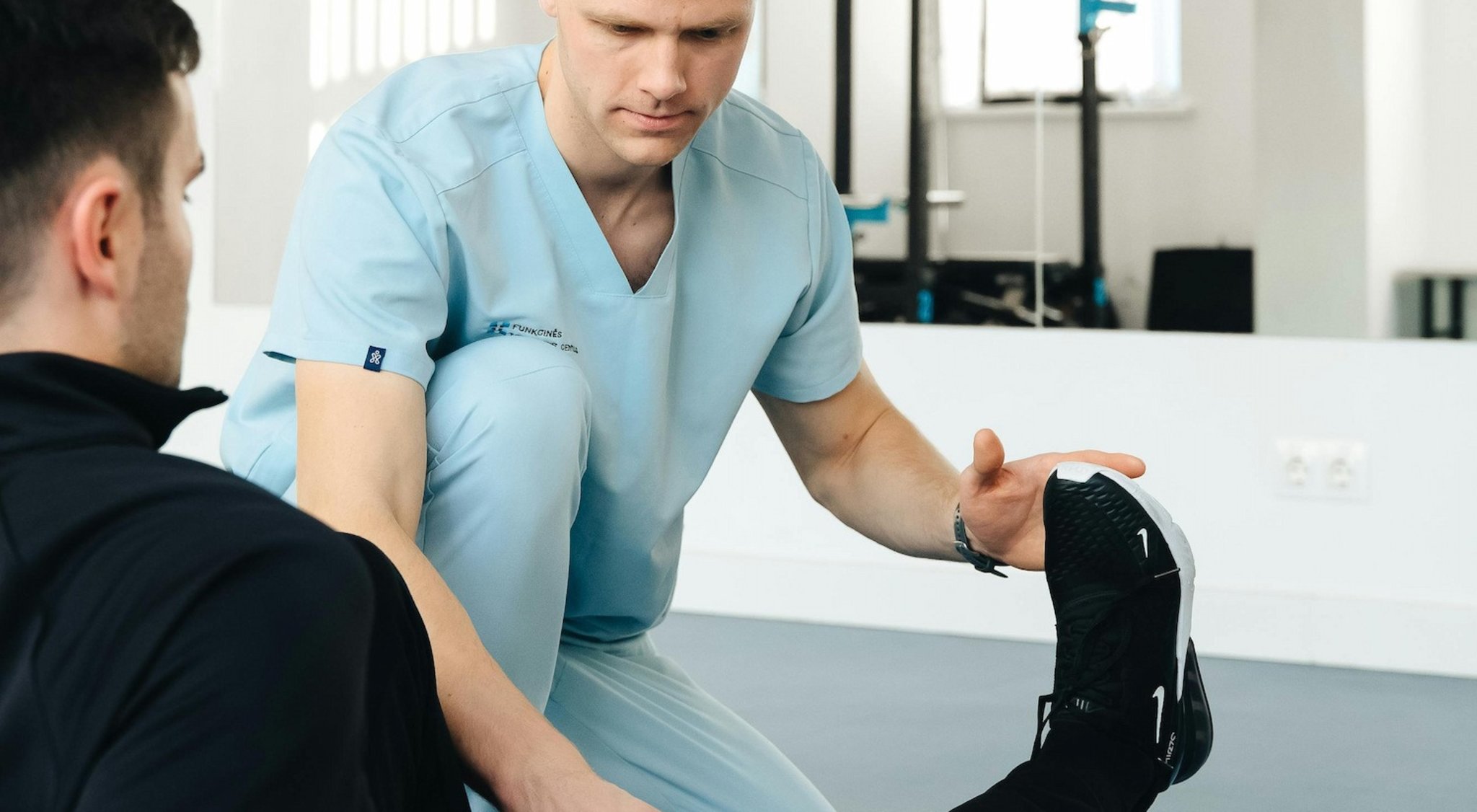
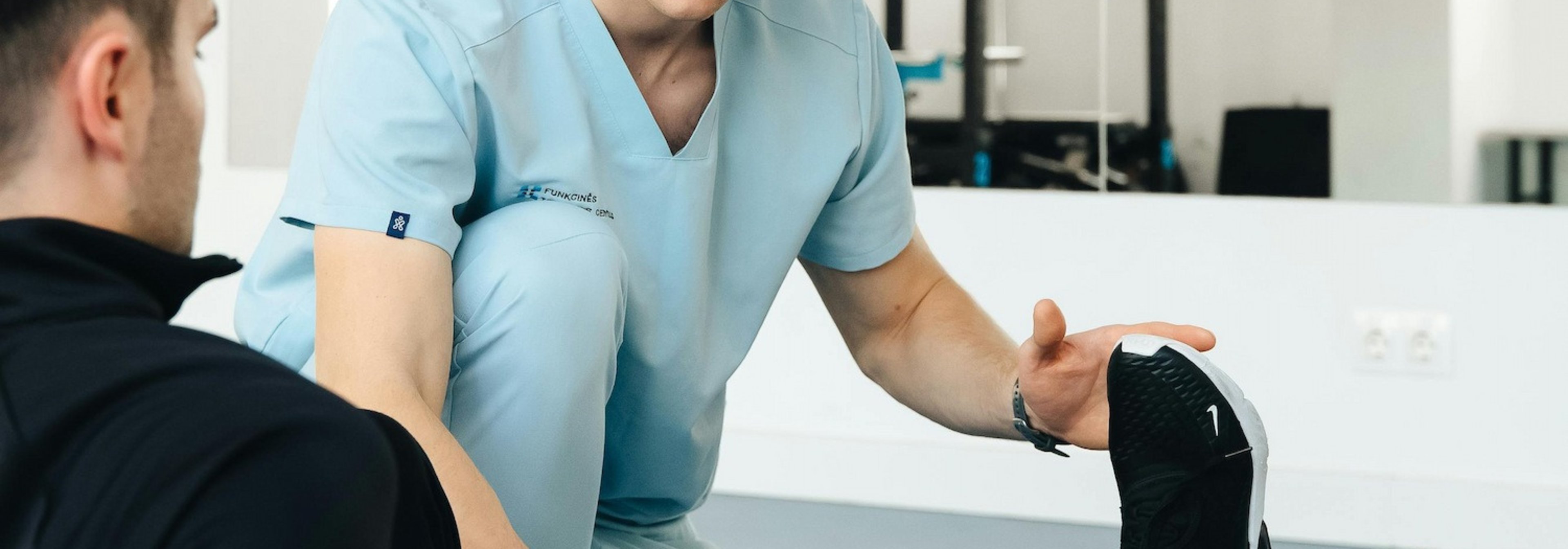
Postoperative care following hallux valgus surgery is crucial for achieving complete healing, reducing pain, and preventing the deformity from recurring. The more carefully rehabilitation is carried out, the better the long-term results will be in terms of mobility, stability, and ability to perform daily activities. Patients can support their rehabilitation with certain measures, including:
1. Special shoes and weight-bearing relief
Immediately after surgery, patients typically wear special shoes or orthopedic splints for about 4–6 weeks. These:
- Relieve pressure on the ball of the big toe and the metatarsophalangeal joint
- Protect the metatarsal bones during healing
- Limit stress and prevent unwanted movements
In the first few days, partial weight-bearing or walking with forearm crutches is often necessary to protect the foot.
2. Physical Therapy and Mobilization
Physical therapy usually begins after discharge from the hospital and focuses on:
- Gentle mobilization of the metatarsophalangeal joint of the big toe
- Strengthening the muscles of the foot and lower leg
- Improvement of joint function and gait
- Prevention of related problems such as splayfoot or knee strain
Regular physical therapy promotes blood circulation, reduces swelling, and speeds up healing.
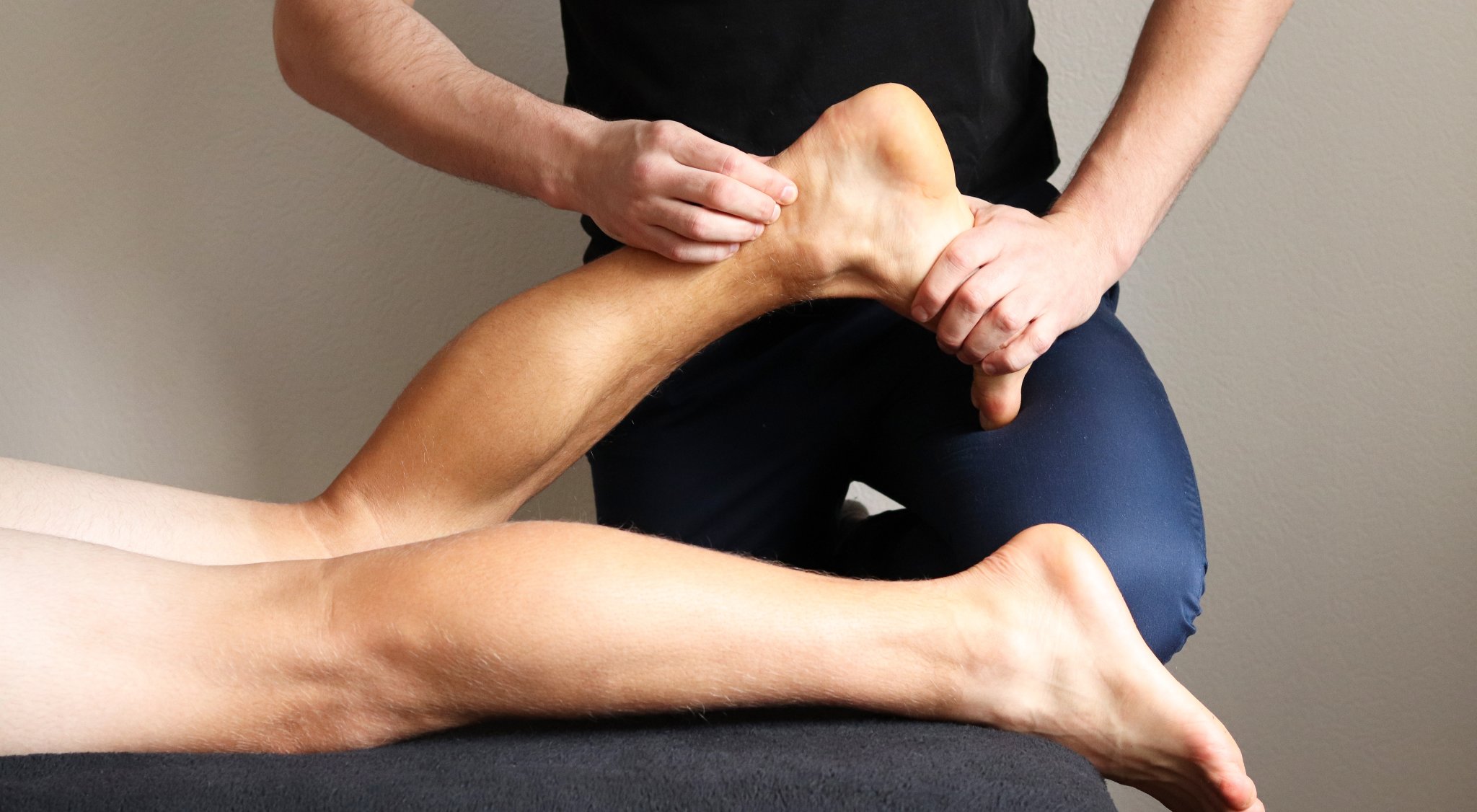
3. Lymphatic Drainage and Swelling Reduction
Swelling often occurs after surgery and can persist for several weeks.
Manual lymphatic drainage or cold therapy can help reduce fluid buildup and alleviate pain.
4. Exercises for the Foot Muscles
The stabilizing foot muscles and toe mobility can be gradually rebuilt through gentle exercises. We recommend mobilization exercises for the toes—including gentle spreading and flexing movements—as well as strengthening exercises for the toe and foot muscles to improve balance.
Those affected should perform these exercises gently and regularly to support the healing process without putting strain on the surgical site.
5. Patience and Long-Term Recovery
A full recovery after hallux valgus surgery often takes several months. Important points for patients to keep in mind:
- Gradually increase activity; avoid overexertion
- Wear shoes with a wide toe box to avoid pressure points
- Take pain seriously and see a doctor if you have any problems
With consistent follow-up care, targeted physical therapy, and exercise-based training, it is possible to maintain foot function in the long term, reduce pain, and restore mobility in daily life.
Prevention & Tips for Foot Health
Das Risiko, einen Hallux valgus zu entwickeln, lässt sich nicht immer vollständig ausschließen, insbesondere wenn genetische Faktoren eine Rolle spielen. Dennoch kann ein bewusster und gesunder Lebensstil dazu beitragen, die Entstehung oder das Fortschreiten der Fehlstellung deutlich zu verlangsamen und die Fußgesundheit insgesamt zu stärken. Unsere Tipps:
1. Schuhwahl
Das richtige Schuhwerk spielt eine zentrale Rolle. Zu enge, spitze oder hochhackige Schuhe üben Druck auf die Großzehe aus und fördern Fehlstellungen. Stattdessen sollten Schuhe folgende Kriterien erfüllen:
- Breite Zehenbox: Die Zehen haben genügend Platz, um sich frei zu bewegen.
- Flache oder moderate Absatzhöhe: Idealerweise maximal 2-3 cm Absatz, besser 0 cm wie bei Barfußschuhen.
- Weiches, flexibles Material: Passt sich der Fußform an und reduziert Reibung.
- Gute Dämpfung: Entlastet das Großzehengrundgelenk und die Mittelfußknochen.
Tipp: Wer viel läuft oder steht, sollte mehrmals täglich den Sitz der Schuhe überprüfen und auf Druckstellen achten, um Blasen, Schwielen oder Entzündungen zu vermeiden.
2. Regelmäßiges Training & Fußgymnastik
Eine starke Fußmuskulatur und flexible Sehnen sind entscheidend, um die Fußstatik zu stabilisieren. Empfohlen sind:
- Barfußgehen auf weichem Untergrund: fördert die natürliche Fußbewegung.
- Gezielte Fußübungen: Zehen spreizen, Zehen greifen oder kleine Gegenstände mit den Zehen aufnehmen. In unserem Artikel Fußgymnastik: Die besten Übungen für gesunde Füße findest du ein ausführliches Übungsprogramm für die Füße.
- Faszientraining: Lockerung der Fußsohle mit Rolle oder Ball.
- Mobilisation des Grundgelenks: sanftes Kreisen der Großzehe, um Beweglichkeit zu erhalten.
BLACKROLL®-Tipp: Der BLACKROLL® BALL 08 oder die Faszienrolle MINI eignen sich ideal, um die Fußsohle täglich zu mobilisieren. Einfach damit unter leichtem Druck von Ferse bis Ballen rollen, um Verklebungen der Faszien zu lösen und die Durchblutung zu fördern.
3. Gewichtsmanagement
Übergewicht erhöht die Belastung der Füße, besonders im Mittelfuß- und Ballenbereich. Bereits ein paar Kilo weniger können die Druckkräfte deutlich reduzieren und Fehlstellungen entgegenwirken.
4. Fußpflege & Achtsamkeit
Regelmäßige Fußpflege trägt dazu bei, Beschwerden zu vermeiden. Dazu zählt, Hornhaut sanft zu entfernen, Zehen und Ballen zu dehnen und zu massieren und Druckstellen frühzeitig zu behandeln, um Entzündungen vorzubeugen.
Besonders Menschen mit familiärer Vorbelastung sollten ihre Füße regelmäßig beobachten und bei ersten Anzeichen von Rötung, Schwellung oder Schmerzen frühzeitig handeln.
5. Lebensstil & Alltagstipps
- Wechselnde Schuhe im Alltag tragen, um die Belastung zu verteilen
- Barfuß- oder Minimalschuhe fördern die natürliche Fußmuskulatur
- Kurze Pausen beim langen Stehen oder Gehen, um Druckstellen zu entlasten
- Gezielte Stärkung der Fuß- und Beinmuskulatur durch regelmäßiges Training
Mit diesen Maßnahmen kannst du deine Fußgesundheit langfristig fördern, Beschwerden vorbeugen und die Entstehung von Hallux valgus verlangsamen.


FAQ
A deformity of the big toe in which the toe deviates outward at the metatarsophalangeal joint, resulting in a bunion.
No, it cannot be completely reversed—but conservative treatments can slow its progression and sometimes even lead to visible improvements.
In cases of severe pain, functional limitations, or when conservative treatment is no longer sufficient.
Many patients report pain relief, especially when worn overnight.
Medically necessary surgery is generally covered. Medical devices such as splints are often covered in part or with a prescription.
Several weeks to months—depending on the procedure and individual factors.
Diagnosis, consultation, initiating conservative treatment, or planning surgery.

Conclusion
Hallux valgus may be a common foot deformity, but that doesn’t mean you’re powerless. With the right measures, you can actively promote your foot health and effectively reduce pain. Even small changes in your daily routine—such as wearing appropriate footwear, walking barefoot on natural surfaces, doing targeted foot exercises, and using splints or insoles—can make a big difference.
Even though surgery may be necessary in advanced cases, the path to that point is no cause for concern: With early prevention and targeted exercises, many symptoms can be treated conservatively. Regular exercise, strengthening the foot muscles, and mobilizing the plantar fascia help make your feet more resilient again and make walking feel more natural.
Step by step, you can improve your foot health, reduce pain, and regain a better quality of life. Your foot health is in your hands—and every small step counts.
You might also be interested in






Sources & Studies
Deutsches Arzteblatt Int 2012; 109(49): 857-68; DOI: 10.3238/arztebl.2012.0857
Dias, C. G. P., Godoy-Santos, A. L., Ferrari, J., Ferretti, M., & Lenza, M. (2024). Surgical interventions for treating hallux valgus and bunions. Cochrane Database of Systematic Reviews, 2024(7), CD013726
Treatment of Hallux Valgus – Deutsches Ärzteblatt
Hallux valgus – Federal Ministry of Health
Hallux Valgus (Bunion) – Gesundheitsinformation.de
Hallux valgus – S2e Guideline of the German Association for Foot and Ankle (D.A.F.) of the German Society for Orthopedics and Trauma Surgery (DGOU)