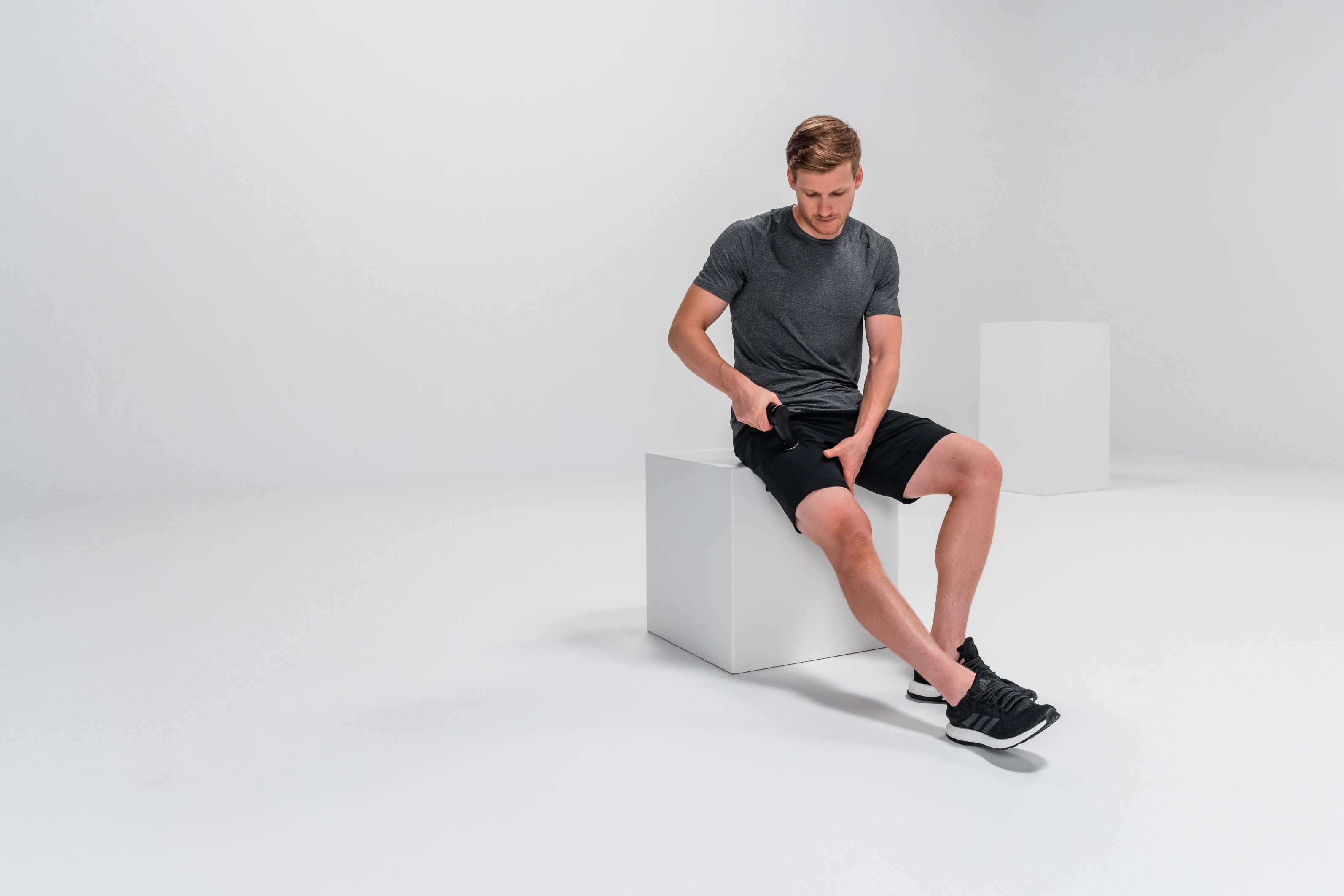
Adductor Strain: Causes, Symptoms, and Treatment

Adductor strains are common injuries that primarily affect athletes and are caused by sudden movements or overuse of the inner thigh muscles. In this article, you’ll learn how to recognize the symptoms, what immediate steps to take, and what you can do to get back in shape quickly.
Das Wichtigste in Kürze:
- Eine Adduktorenzerrung ist eine Überdehnung der Muskulatur an der Oberschenkelinnenseite und tritt häufig bei abrupten Bewegungen oder hoher Belastung auf.
- Typische Symptome sind ziehende oder stechende Schmerzen an der Oberschenkelinnenseite oder in der Leiste.
- Bei akuten Beschwerden solltest du die sportliche Belastung zunächst unterbrechen und schmerzhafte Bewegungen vermeiden.
- Gezielte Mobilisations- und Kräftigungsübungen können dabei helfen, die Adduktoren wieder schrittweise zu belasten.
- Regelmäßiges Krafttraining, eine gute Beweglichkeit und ein kontrollierter Belastungsaufbau können helfen, einer erneuten Adduktorenzerrung vorzubeugen.
Adductors and Their Role in the Body
The adductors are a group of muscles on the inner thigh consisting of six muscles. The term “adductors” generally refers to the muscles of the hip and inner thigh that are responsible for bringing the leg toward the body’s longitudinal axis at the hip joint. Functionally, the adductor group is classified as part of the hip musculature, but in principle, it belongs to the thigh musculature.
The adductors play a crucial role in stabilizing the pelvis. They help maintain balance and ensure an upright posture when standing and walking. In addition, they are primarily responsible for coordinating movements that require precise control, such as crossing the legs or changing direction while walking.
In sports such as soccer, tennis, and hockey, the adductors are essential for lateral movements and shooting a ball. They enable the powerful and precise movements required for athletic performance. Strong adductors also help prevent injuries by stabilizing the pelvis and legs.
A well-trained group of adductor muscles can reduce the risk of strains and muscle tears. In everyday life, the adductors help us dodge obstacles, climb stairs, and lift objects. They are important for movements that require lateral stability. The longest and strongest adductor muscle even extends all the way to the knee.
The adductor muscles include:
- Pectineus muscle
- Gracilis muscle
- Adductor longus
- Adductor brevis
- Musculus adductor magnus and
- Musculus adductor minimus
The most common injuries to the adductors include not only strains but also muscle fiber tears, groin strains, and inflammation.
By the way: You’ve probably heard of the abductors as well. Unlike the adductors, the abductor muscles are responsible for all movements that move the limbs away from the body. These are therefore muscle groups with opposing functions in the body.


Causes and Symptoms
An adductor strain results from overuse or overstretching of the inner thigh muscles. In most cases, this type of strain is caused by a sudden sideways movement or a lunge.
There is an increased risk of an inner thigh strain, particularly in sports that require athletes to make frequent changes in pace or perform abrupt counter-movements and side steps while running—such as field hockey, ice hockey, tennis, and soccer—or during sudden acceleration in sprints. Long-distance running can also place excessive strain on the adductors, as can sudden changes in direction during trail running, cross-country running, or in competitions. In approximately 64–69 percent of all acute groin injuries among soccer players, the hip adductors are affected.
But even in everyday life, people can suffer an adductor strain when making a quick change of direction—such as when dodging an obstacle or unexpectedly slipping on the street due to mud, snow, or black ice.
The main symptoms of an adductor strain include acute, pulling pain on the inner thigh or in the pubic bone and groin regions. These symptoms occur particularly when rotating, drawing in, or abducting the leg and can severely limit mobility.
Other symptoms of an adductor strain include mild to severe swelling or bruising, difficulty and pain when moving the leg, and stiffness in the affected area.
Provided that those affected take the proper steps, an adductor strain usually heals within two to four weeks.

Diagnosis of an adductor strain
Pain in the adductors can sometimes be very difficult to distinguish from other conditions that may also occur in this area of the body. It is often mistaken for pubic bone inflammation, but also for groin pain, such as that caused by a groin strain or a sports hernia. Unlike an adductor strain, which affects the muscles on the inner thigh, a groin strain generally refers to strains in the groin area that can also involve other muscles and structures.
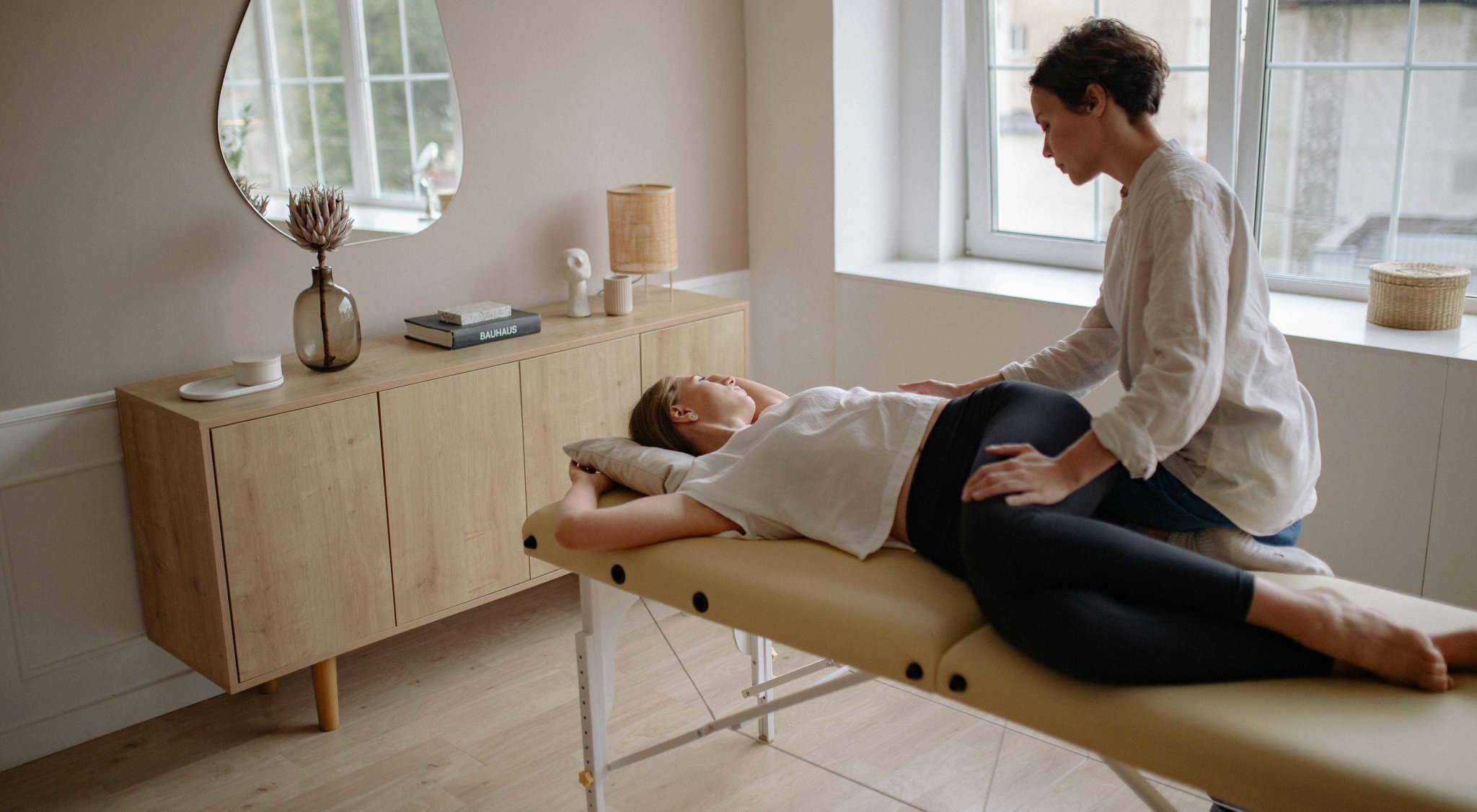
Therefore, only a specialist can make an accurate diagnosis. As part of a medical history, an orthopedic surgeon will first ask the patient about the circumstances of the injury, the symptoms, and their athletic activities.
During the physical examination, the doctor will palpate the adductors to identify tender points, assess the range of motion and strength of the adductors through various exercises and tests, and examine the affected area for swelling, redness, and bruising.
Imaging techniques such as ultrasound and MRI can better visualize fluid buildup and muscle injuries . This allows a doctor to assess the severity of the strain and rule out other injuries.
Leistenzerrung: Symptome und Unterschied zur Adduktorenzerrung
Typische Symptome einer Leistenzerrung sind ziehende oder stechende Schmerzen in der Leiste, die besonders bei schnellen Bewegungen, Richtungswechseln oder beim Anheben des Beins auftreten können. Im Unterschied zur Adduktorenzerrung, bei der die Muskeln an der Innenseite des Oberschenkels betroffen sind, können bei einer Leistenzerrung verschiedene Muskeln und Strukturen im Bereich der Leiste betroffen sein.
Leistenzerrung – was tun?
Bei einer Leistenzerrung solltest du die sportliche Belastung zunächst unterbrechen und schmerzhafte Bewegungen vermeiden. Sobald die Beschwerden nachlassen, kannst du die Belastung schrittweise wieder steigern. Bei starken oder anhaltenden Leistenschmerzen solltest du die Ursache ärztlich abklären lassen.
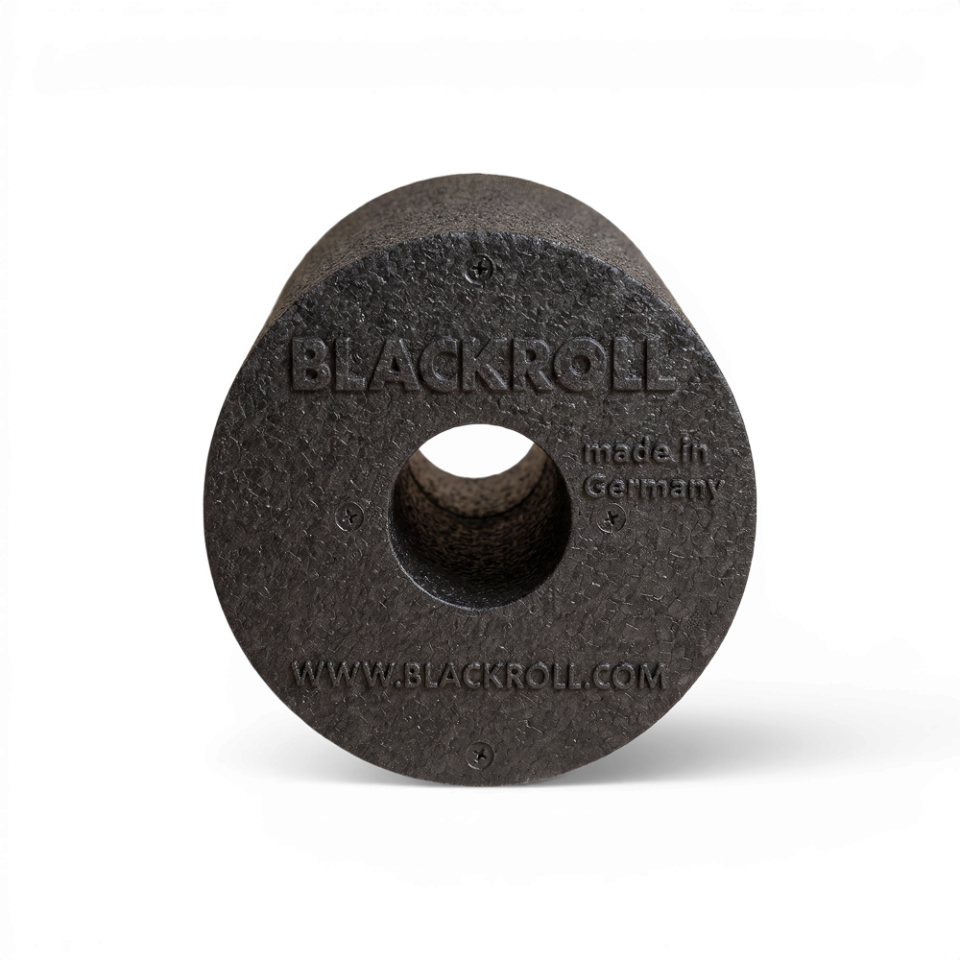
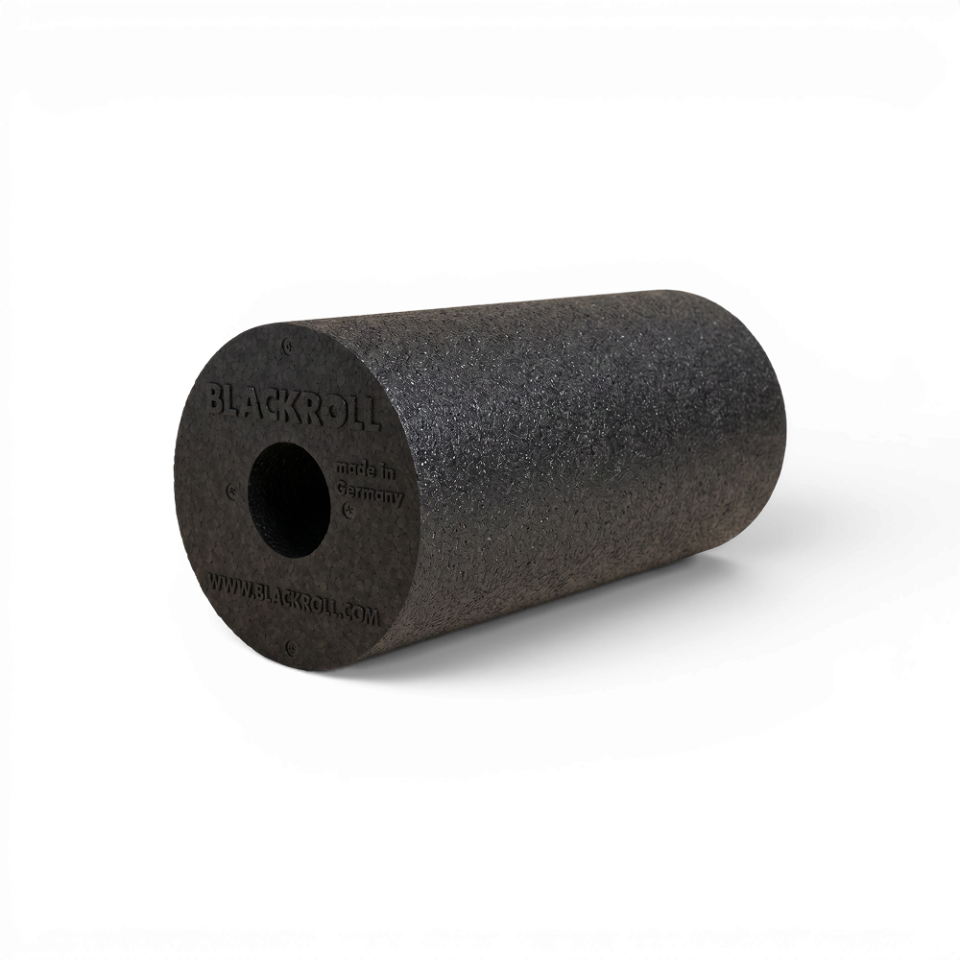
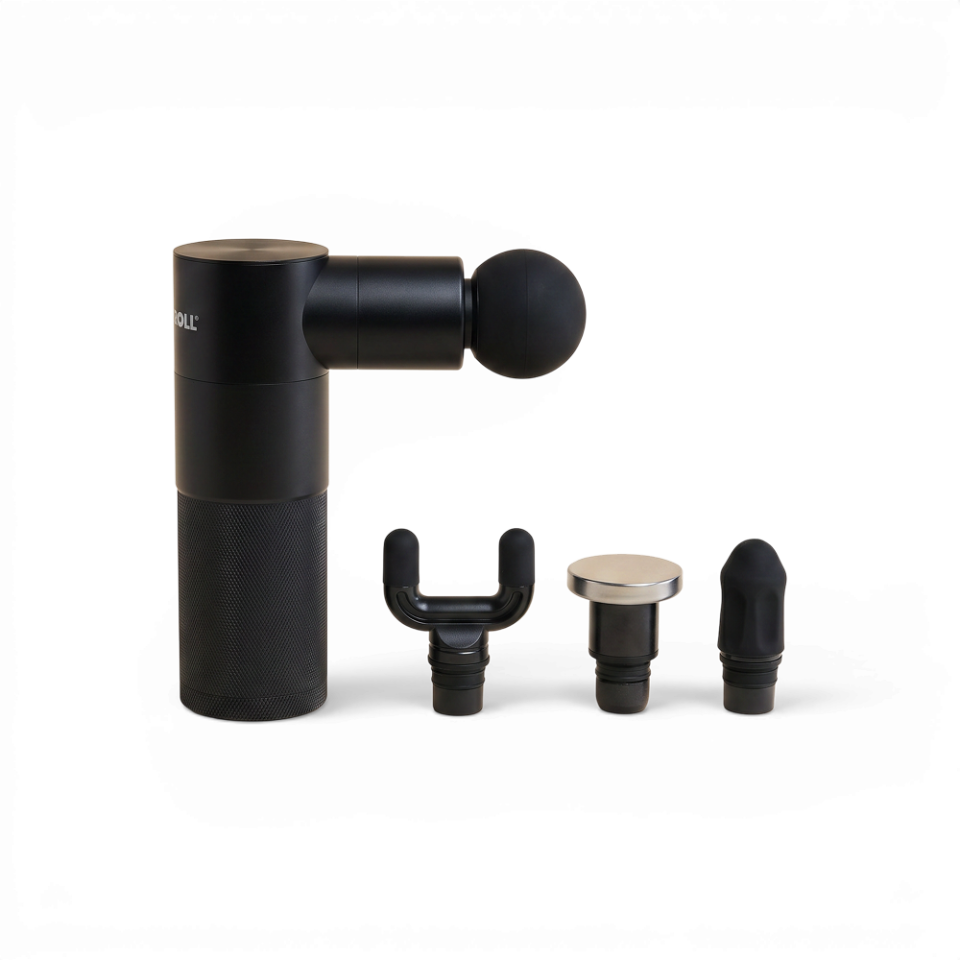
Our products for targeted prevention and recovery for your adductors.

First-aid measures for adductor strains
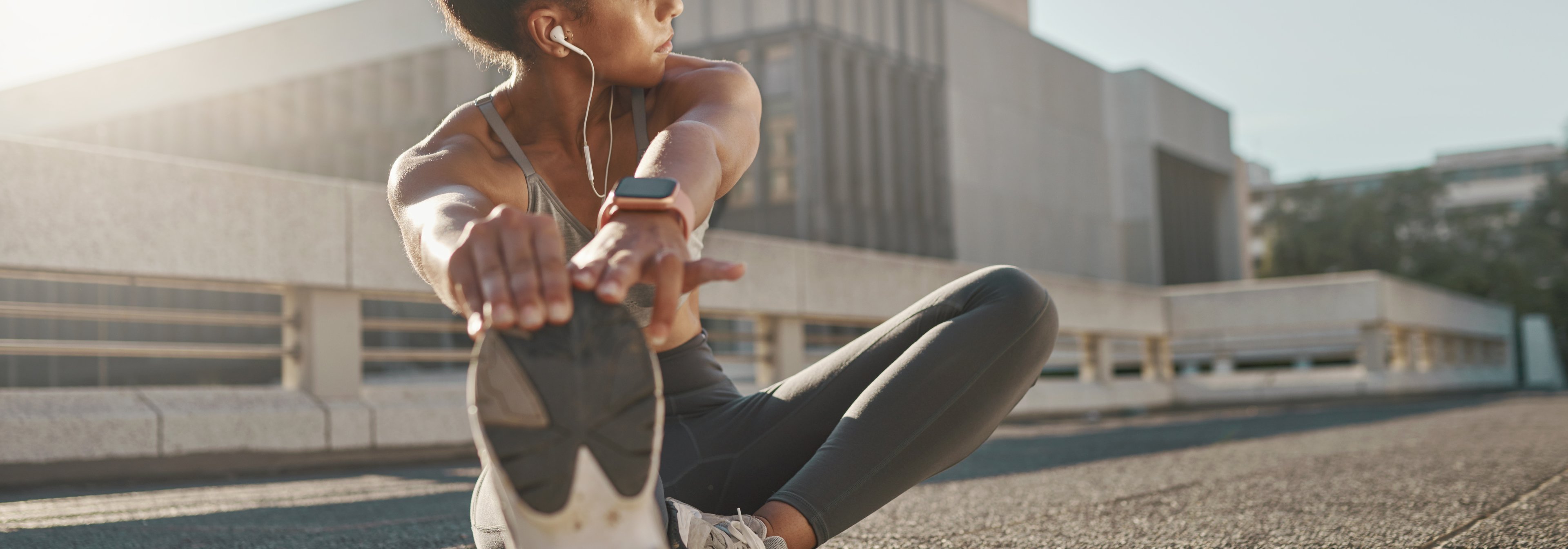
In recent years, there have been several follow-up treatment protocols for soft tissue injuries with the acronyms ICE, RICE, PECH, or POLICE. However, the most current and modern approach here is PEACE & LOVE. This evidence-based approach to post-treatment covers both the acute phase and the days that follow. PEACE stands for the acute phase and stands for Protection, Elevation, Avoid Anti-Inflammatory, Compression, and Education. Protection means reducing strain and avoiding painful movements, but not complete inactivity. Elevation involves keeping the affected area elevated above heart level. It also involves avoiding anti-inflammatory medications so as not to negatively impact the body’s self-regulation. Compression using bandages can minimize swelling, and education focuses primarily on explaining the nature of the injury and the optimal post-treatment care.
After a few days, LOVE comes into play, standing for Load, Optimism, Vascularization, and Exercise. Load refers to applying a gentle load to the affected area. Proper load management is crucial here. The patient should also maintain a positive outlook. Gentle cardiovascular training improves metabolism in the affected area and can contribute to better healing, while targeted exercises in exercise therapy improve function step by step. Pain and other signs of inflammation must always be monitored.
Regardless of this framework, it is always advisable to collaborate with physicians and experts in the fields of physical therapy, exercise therapy, and nutrition to ensure a structured and goal-oriented approach.
(Source: Dubois B, Esculier J-F (2020) Br J Sports Med)
Fascia Roller Massage
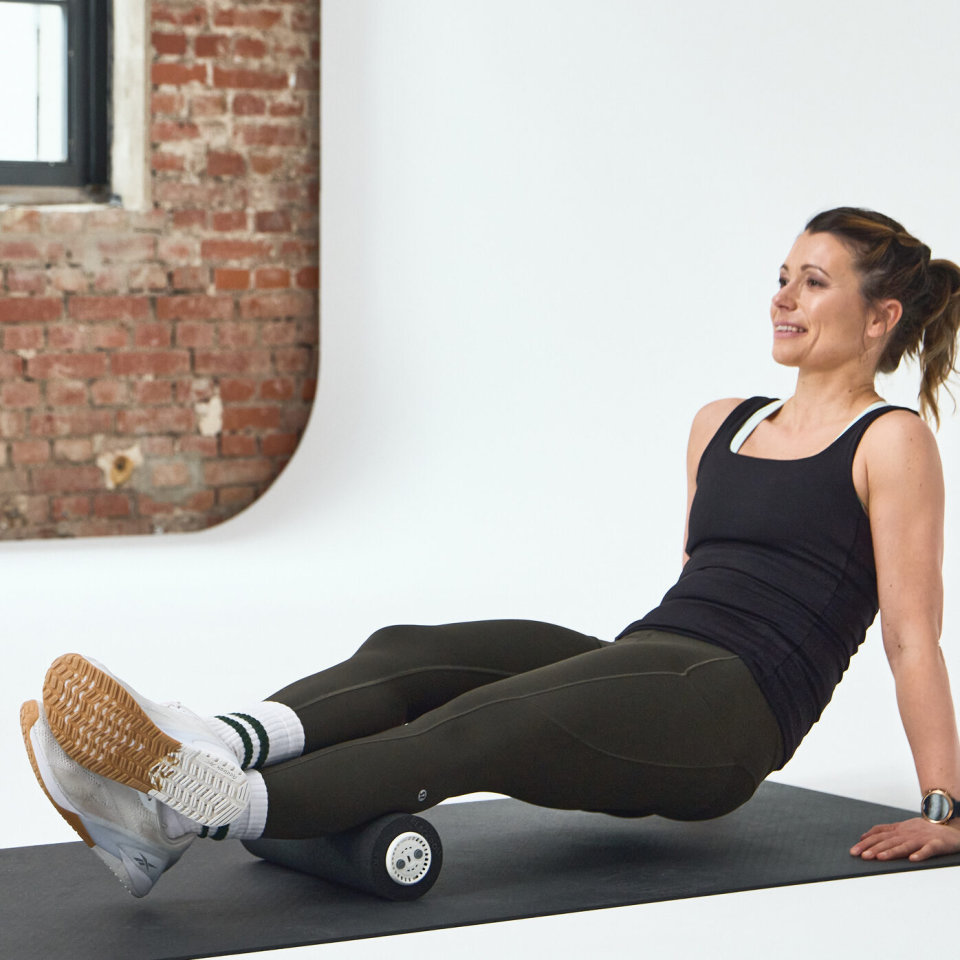
After acute treatment and once the pain has subsided, you can boost your blood circulation using heat or a fascia roller massage to stimulate the supply of nutrients to the tissue. We recommend the following exercises, which you can perform using the STANDARD fascia roller from BLACKROLL:
- Massage of the back of the thighs: While sitting, place both thighs on the BLACKROLL. Support yourself with your hands behind your back. Lift your buttocks. Slowly roll out the back of your thighs.
Activating the inner thighs: Start in a prone position. Support yourself on your forearms. Bend one knee to a 90-degree angle. Place the BLACKROLL under your thigh. Roll your thigh quickly from the hip to the knee.
You can find more foam rolling exercises like these on our website.
More BLACKROLL exercises for you

Rehabilitation with Physical Therapy & Exercise Therapy
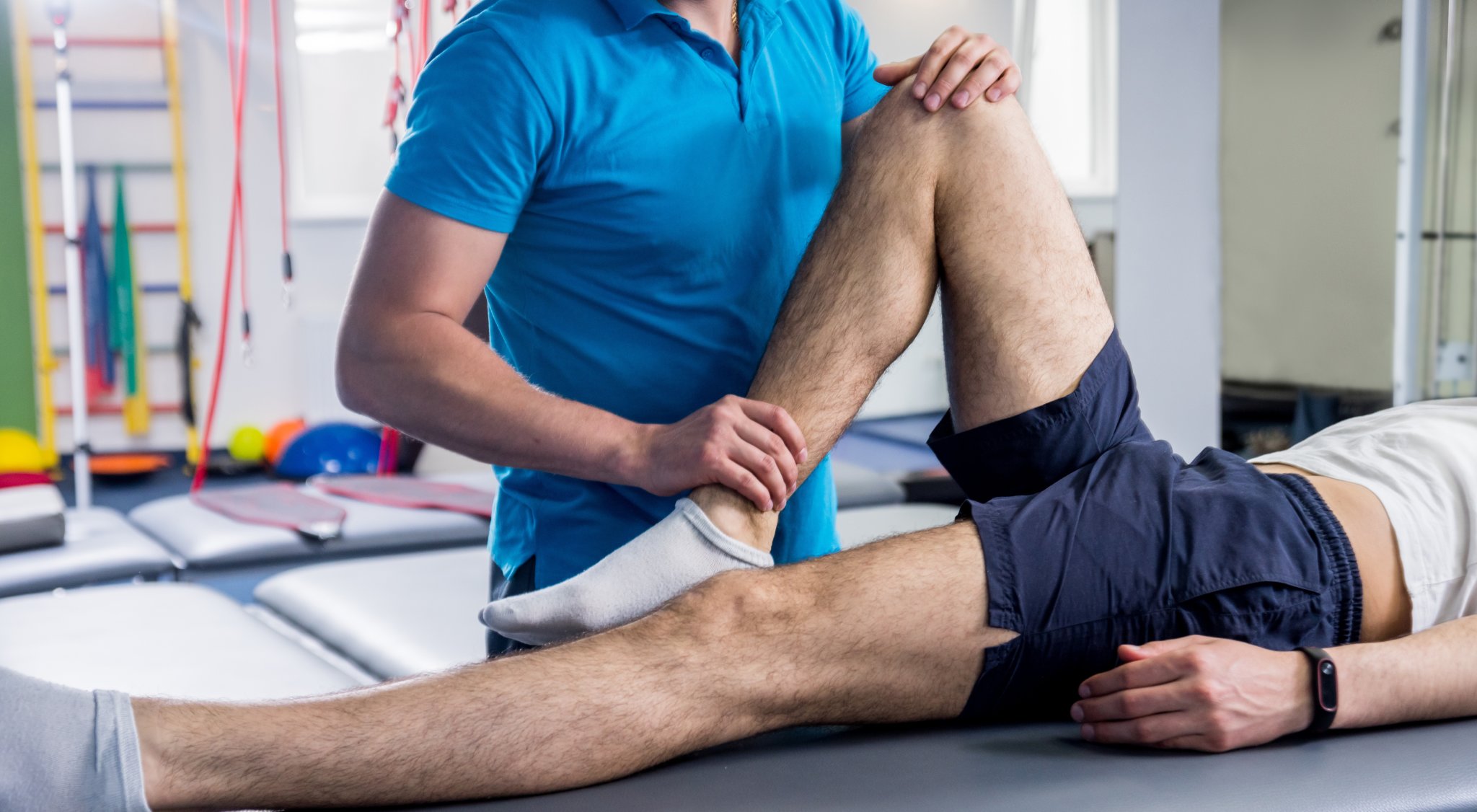
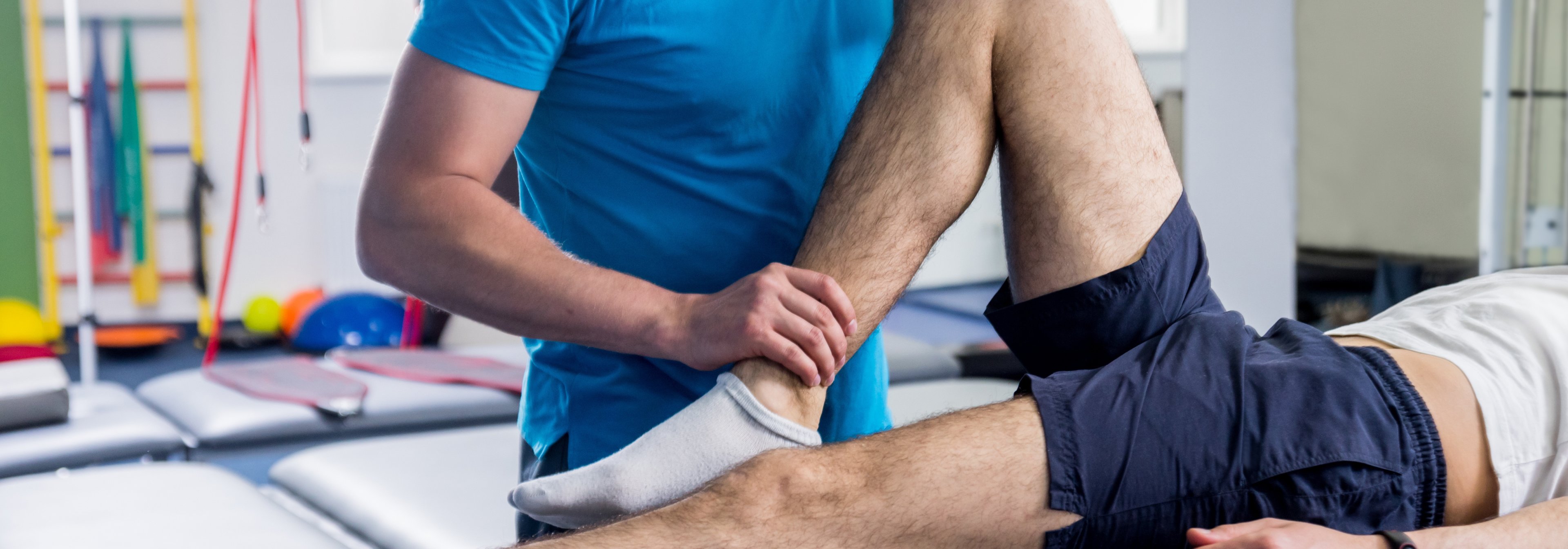
Ask your doctor for a prescription for physical therapy so you can receive the best rehabilitation for your needs. Your doctor can show you personalized exercises to help you gradually reintroduce the muscle to physical stress and slowly increase the intensity, as well as provide additional tips on how to quickly regain your full athletic performance.
The goal of medical exercise therapy is also to strengthen the affected area so that it can better withstand future stress and prevent the strain from recurring.
More Stretching Exercises



Return to Sports and Training, and Prevention
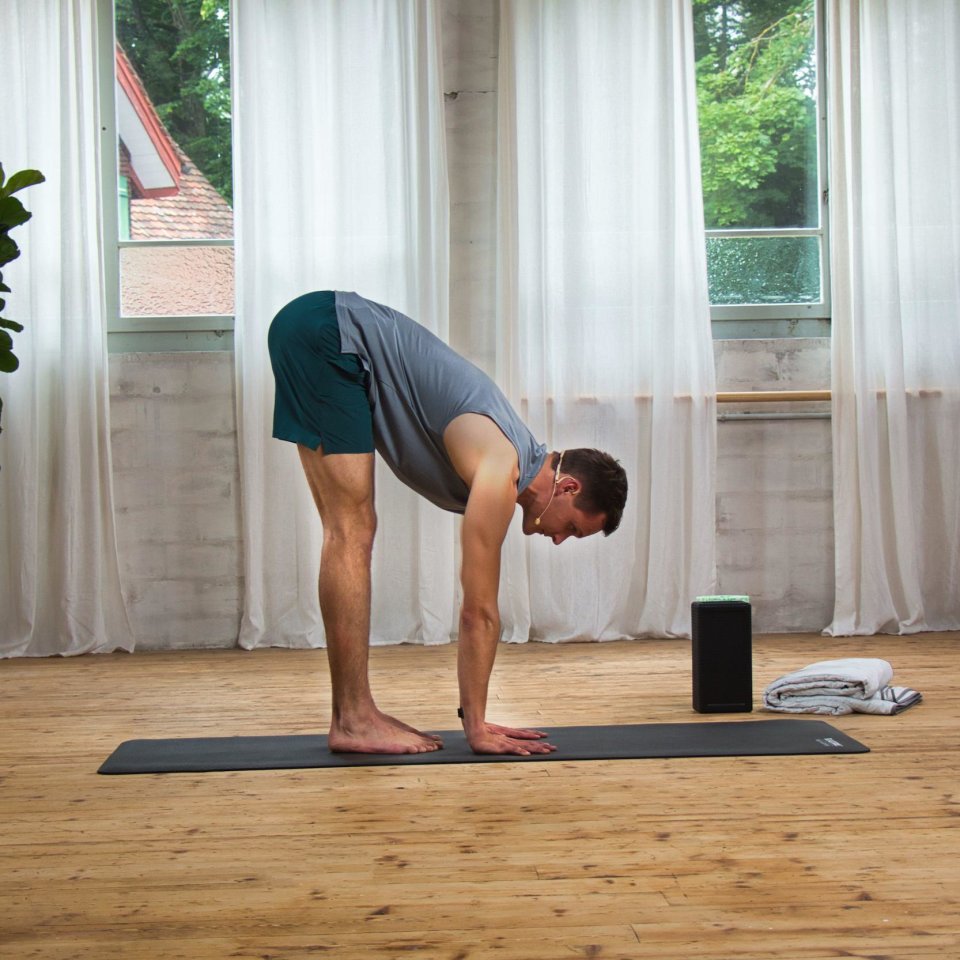
If you want to resume your training after an adductor strain, you should start with light activities that don’t put too much strain on the adductors, gradually increase the intensity, and listen to your body’s signals.
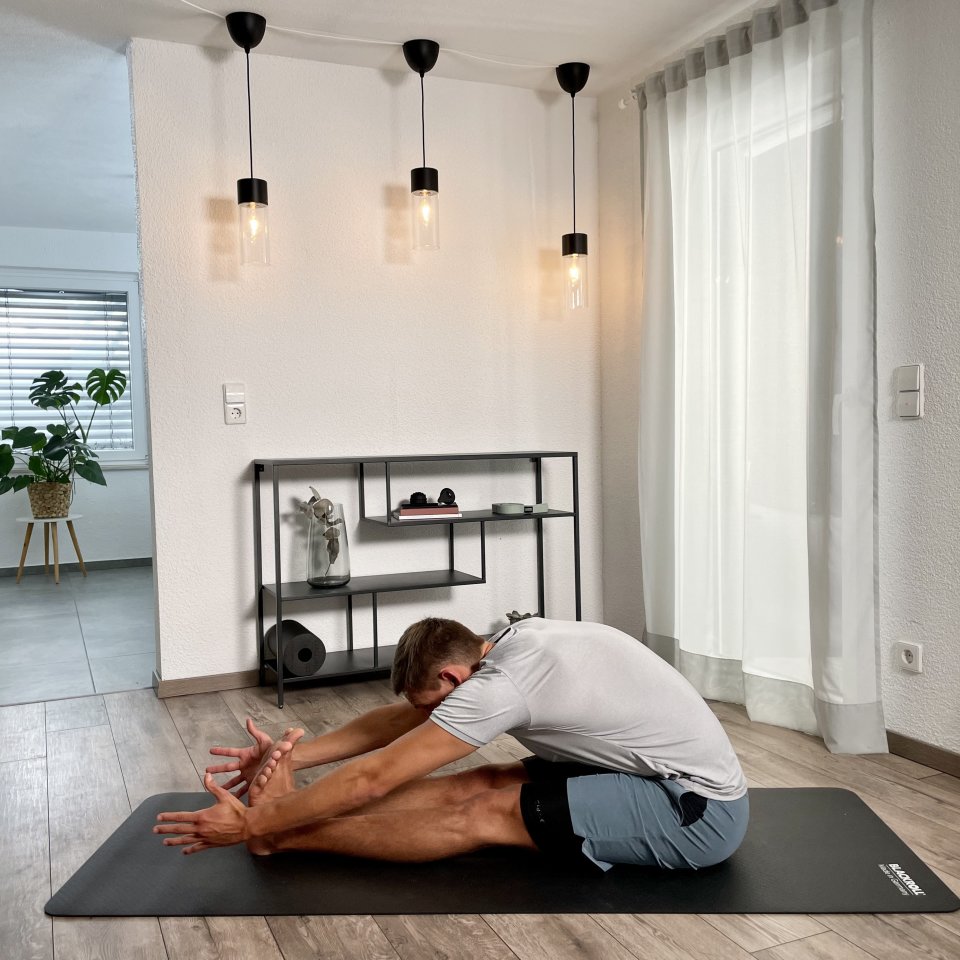
A thorough warm-up before exercise prepares your muscles for the upcoming strain, and regular mobility exercises (see examples above) make your muscles less prone to injury.
Also, incorporate strengthening exercises for the adductors into your workout and gradually increase the resistance. However, reduce the intensity of your workout immediately if you feel any pain. An optimal return to sports and training also involves scheduling enough rest days to give your muscles time to recover.
Häufige Fragen zur Adduktorenzerrung
Typisch für eine Adduktorenzerrung sind plötzlich auftretende, ziehende oder stechende Schmerzen an der Innenseite des Oberschenkels oder in der Leiste. Die Beschwerden verstärken sich häufig beim Anspannen oder Dehnen der Adduktoren.
Eine Zerrung betrifft Muskeln oder Sehnen und verursacht häufig bewegungsabhängige Schmerzen. Bei einem Leistenbruch tritt Gewebe durch eine Schwachstelle der Bauchwand; dabei kann eine sicht- oder tastbare Vorwölbung in der Leiste entstehen. Eine eindeutige Diagnose sollte ärztlich erfolgen.
Wie lange eine Adduktorenzerrung zur Heilung braucht, hängt vom Schweregrad der Verletzung und der individuellen Belastbarkeit ab. Leichte Zerrungen können innerhalb weniger Wochen abklingen, während stärkere Verletzungen eine längere Rehabilitation erfordern können.
Starke Schmerzen, deutliche Schwellungen oder Blutergüsse sowie anhaltende oder zunehmende Beschwerden solltest du ärztlich abklären lassen. Das gilt auch, wenn du das Bein kaum belasten kannst oder dir die Ursache der Leistenschmerzen unklar ist.
Steigere die sportliche Belastung schrittweise und kehre erst zu intensiven Bewegungen zurück, wenn alltägliche und sportartspezifische Bewegungen schmerzfrei möglich sind. Besonders Sprints und schnelle Richtungswechsel sollten kontrolliert wieder aufgebaut werden.
Regelmäßiges Krafttraining der Adduktoren und der umliegenden Muskulatur sowie ein schrittweiser Belastungsaufbau können das Verletzungsrisiko reduzieren. Besonders bei Sportarten mit schnellen Richtungswechseln sollten die Adduktoren gezielt auf diese Belastungen vorbereitet werden.
Also interesting















Quellen
Alsirhani, A. A., Muaidi, Q. I., Nuhmani, S., Thorborg, K., Husain, M. A., & Al Attar, W. S. A. (2024). The effectiveness of the Copenhagen adduction exercise on improving eccentric hip adduction strength among soccer players with groin injury: A randomized controlled trial. The Physician and Sportsmedicine, 52(5), 497–506. https://doi.org/10.1080/00913847.2024.2321958
Harøy, J., Clarsen, B., Wiger, E. G., Øyen, M. G., Serner, A., Thorborg, K., Hölmich, P., Andersen, T. E., & Bahr, R. (2019). The Adductor Strengthening Programme prevents groin problems among male football players: A cluster-randomised controlled trial. British Journal of Sports Medicine, 53(3), 150–157. https://doi.org/10.1136/bjsports-2017-098937
Harøy, J., Thorborg, K., Serner, A., Bjørkheim, A., Rolstad, L. E., Hölmich, P., & Bahr, R. (2017). Including the Copenhagen Adduction Exercise in the FIFA 11+ provides missing eccentric hip adduction strength effect in male soccer players: A randomized controlled trial. The American Journal of Sports Medicine, 45(13), 3052–3059. https://doi.org/10.1177/0363546517720194
Serner, A., Weir, A., Tol, J. L., Thorborg, K., Lanzinger, S., Otten, R., & Hölmich, P. (2020). Return to sport after criteria-based rehabilitation of acute adductor injuries in male athletes: A prospective cohort study. Orthopaedic Journal of Sports Medicine, 8(1), 2325967119897247. https://doi.org/10.1177/2325967119897247
Thorborg, K. (2023). Current clinical concepts: Exercise and load management of adductor strains, adductor ruptures, and long-standing adductor-related groin pain. Journal of Athletic Training, 58(7–8), 589–601. https://doi.org/10.4085/1062-6050-0496.21