Hormonal Birth Control and Exercise: What You Need to Know About Working Out While on the Pill and Other Methods

Whether it’s the pill, a hormonal IUD, or a three-month injection—hormonal birth control is part of everyday life for many women and female athletes. Protection against unintended pregnancy is just one of many reasons why women use hormonal birth control daily. But what does this actually mean for the body—and, above all, for your athletic performance? Less menstrual chaos, more control over your own body—or are artificial hormones actually a hidden performance killer? We’ll look at studies, debunk myths, and give you practical tips for training and recovery with (or without) the pill and other hormonal methods.
Between Predictability and Performance
Hormonal contraceptives such as the birth control pill, mini-pill, hormonal IUD, three-month shot, and hormonal implant influence the body’s natural hormone balance to regulate the menstrual cycle and prevent pregnancy. However, they are also frequently used to treat menstrual cycle disorders, heavy menstrual bleeding, acne, or hormone-related conditions such as PMS or endometriosis. They can help stabilize hormone levels and thereby alleviate both physical and psychological symptoms. It’s no wonder that hormonal contraceptives are so widespread: about 30–50% of all women use them—including many female athletes. Among professional athletes, the number is even slightly higher. But why is that?
In addition to contraception, hormonal contraceptives also offer a certain degree of predictability . This can sometimes be an advantage—especially during international competitions or intensive training cycles— to reduce cycle-related performance fluctuations or discomfort. While hormonal contraceptives are often used for medical reasons to treat severe menstrual cramps or PMS, the pill is sometimes specifically used in sports to avoid menstruation during important competitions. But does it really make sense to suppress the natural hormonal cycle for this purpose?
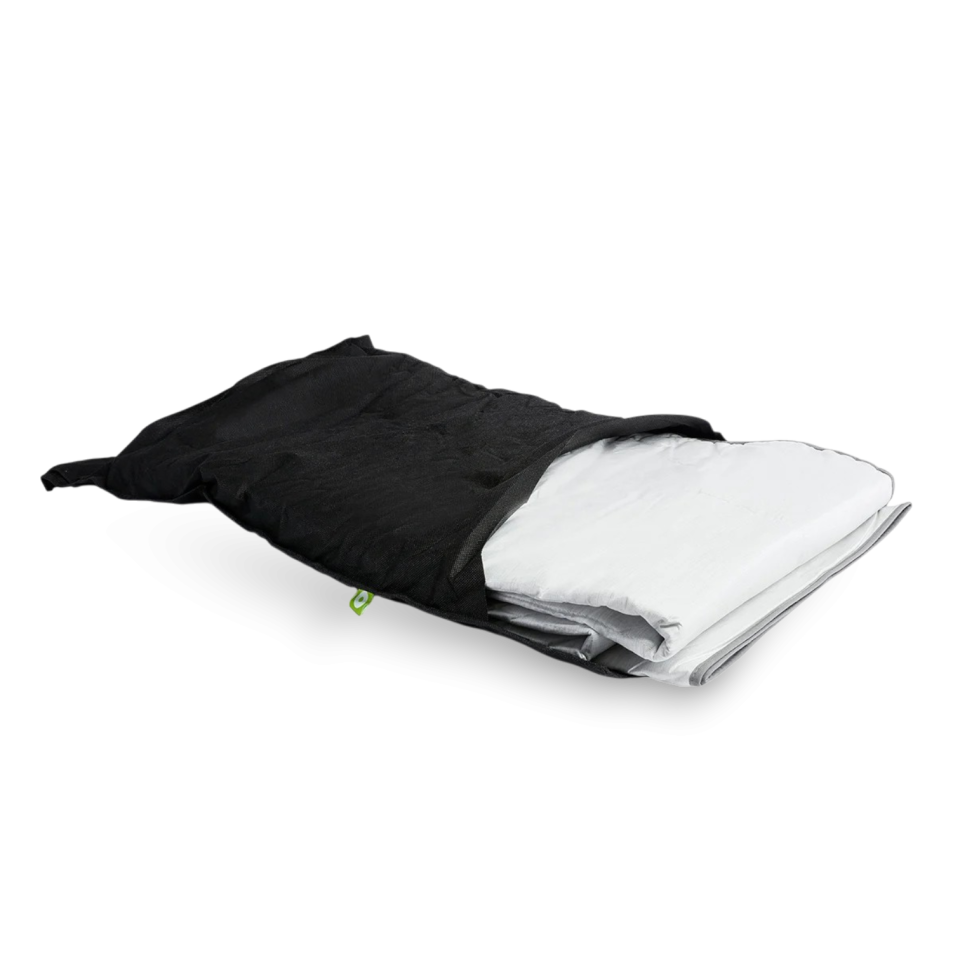
Recovery Blanket Summer
Available in multiple variants
Natural Cycle vs. Hormones: What Happens in the Body?
The natural cycle is a finely tuned system that regulates not only fertility but also numerous other bodily functions—including energy balance, mood, and recovery. The natural menstrual cycle lasts an average of 28 days, but can vary between 21 and 35 days depending on the woman. The cycle can also fluctuate significantly from month to month due to varying levels of the hormones estrogen and progesterone. This affects not only the length and duration of the cycle and menstruation, but also mood, energy levels, and in some cases, presumably even performance.
Hormonal birth control methods—especially the combined birth control pill—specifically interfere with this finely tuned system: They suppress the natural hormonal cycle and replace it with a constant, artificially induced hormonal state. As a result, bleeding, cycle length, and associated symptoms become much more predictable. For many women, this means greater stability in daily life—and for female athletes, welcome control over training and competition planning.
But this hormonal regulation also has its downside. Not every woman tolerates the steady supply of hormones without issues—possible side effects range from mood swings, headaches, and loss of libido to breakthrough bleeding or a decline in performance. Hormonal contraceptives such as the pill can also slightly increase the risk of blood clots (thrombosis). Furthermore, the monthly bleeding triggered by the pill is not a “real” menstrual period, but rather what is known as withdrawal bleeding—purely hormonally induced and unrelated to ovulation. The natural cycle is completely suppressed in the process.
This is particularly relevant in competitive sports: A regular, natural period is considered an important indicator and vital sign of a functioning hormonal balance and adequate energy intake. If it is absent—for example, due to a relative energy deficit (RED-S) —this can have serious long-term health consequences. The pill masks this warning sign, which can lead to problems being detected too late.
The decision to use hormonal contraception is therefore highly personal—the desire for stability, control, and less hormonal “chaos” is balanced against artificially administered hormones and an intervention in the natural hormonal balance. It’s difficult to define whether this is “better” or “worse,” as the motivations are highly individual. But what happens when we turn our attention to the scientific facts? What do current studies say about the effects of hormonal contraception on the female body—particularly with regard to athletic performance, training effects, or recovery?
More interesting articles




What Do Studies Say About the Birth Control Pill in Sports?
Endurance Performance: How Does the Pill Affect VO2 Max?
Whether it’s running, cycling, or swimming—endurance is a key performance factor in many sports. But how does endurance performance fare when you’re on hormonal birth control? Recent studies show that the effects of hormonal contraceptives like the pill on endurance performance vary greatly from person to person—and are generally less dramatic than many studies suggest.
Individual studies, such as that by Barba-Moreno et al. (2022), do show that women havea slightly higher respiratory rate and minute volume of ventilation during the active phase of the pill (i.e., when hormones are being continuously administered). This means that oxygen capacity is slightly reduced. Despite the increased respiratory parameters, however, actual maximum oxygen uptake (VO₂max) remained unchanged. VO₂max is considered an important indicator of aerobic performance in endurance sports and indicates how much oxygen the body can take in and use during maximal exertion. The higher this value, the higher the endurance performance.
A systematic review by Nolan et al. (2023) summarizes the existing research and reaches a clear conclusion: The use of oral contraceptives (OCPs) has no significant effect on endurance performance. In other words: For most women, the effect is neutral—neither enhancing nor impairing performance.
What does this mean for you as an athlete? Most recreational female athletes notice only minimal differences in endurance performance when using hormonal contraception. However, if you’re involved in high-performance sports, it may be worth paying attention to your subjective perception of exertion—especially when your breathing patterns change.
Caution! Many articles often describe clear, drastic effects regarding endurance capacity and hormonal contraceptives. The scientific reality, however, takes a more nuanced view of this topic: Most studies report, if at all, only small differences that are often not statistically significant. Many studies use very small sample sizes, which limits their validity.
Mat
Available in multiple variants

Does the Pill Slow Down Muscle Growth?
Several studies have examined whether hormonal contraception, such as the birth control pill or the hormonal IUD, can affect muscle strength and muscle growth. Some evidence suggests that taking oral contraceptives may slightly lower free testosterone levels, which could theoretically inhibit strength gains.
The composition of the contraceptive and the type of progestin it contains are particularly important here. For example, some pills contain progestins with higher androgenic effects, such as levonorgestrel and gestodene, which lower free testosterone levels and could thereby inhibit muscle growth. However, the effects on muscle growth can vary and also depend on individual tolerance. For this reason, individual hormonal adjustment and regular monitoring—for example, in cases of pill intolerance—are very important.
Many studies, however, show no or only very minor differences in maximum strength and muscle protein synthesis between women with a natural cycle and women who take OCPs. This suggests that consistent strength training, a good diet—especially one rich in protein—and structured recovery can offset these marginal effects and differences.
Mental Aspects: How Does the Pill Affect Mental Health?
As we know, our mental state plays a central role when it comes to sports and performance—concentration, motivation, and stress resilience depend heavily on our mental state. Some studies report that women taking OCPs are more likely to complain of mood swings, irritability, or depressive moods. A widely cited Danish long-term study by Skovlund et al. (2016) even found an increased risk of depressive symptoms among young women taking the pill—especially in the first six months after starting it.
At the same time, however, there are many female athletes who experience exactly the opposite: fewer emotional fluctuations, a more stable mood, and noticeable relief from PMS symptoms or cycle-related mood dips. These contrasting experiences demonstrate just how individual the pill’s effect on mental health can be, depending on the specific hormonal formulation, one’s own hormonal sensitivity, and lifestyle factors such as stress, sleep, or diet.
Conclusion: If you want to perform well in sports, you need to feel good not only physically but also mentally. That’s why it’s worth taking a close look at your own mood and, if necessary, adjusting your birth control method to suit your individual needs.
Recovery: Does the Pill Delay Recovery After Intense Training?
Recent studies suggest that taking hormonal contraceptives, such as the pill, has no significant negative effects on overall muscle recovery. However, isolated studies show that recovery after intense training can be influenced by the artificial intake of hormones, at least in certain areas:
In a recent study by Aarhus University (Oxfeldt et al., 2024) involving 40 trained women (20 using and 20 not using oral contraceptives) , while there was no overall negative effect on muscle recovery, isokinetic muscle strength recovered slightly faster in non-users. Isokinetic muscle strength describes the force a muscle generates during a movement at a constant speed. For example, when you pull at a consistent speed on a rowing ergometer, regardless of how hard you pull the handle. Although the difference was only slight, it could be relevant, especially in high-performance sports, where rapid recovery is crucial.
Another study by Lebrun et al. (2021) confirms that while OCPs have no significant effects on overall strength development, subtle changes in muscle metabolism and the inflammatory response during recovery are possible. Although such effects are often difficult to measure, they can influence recovery capacity during intense training cycles or competition phases.
However, when it comes to recovery, the impact of hormonal contraception remains, as always, individual. Here, too, there is a lack of high-quality studies to derive clear recommendations for training and recovery. This makes it all the more important to develop your own strategies to optimize recovery.


Optimizing Recovery
We know that recovery capacity can be influenced by many factors: sleep, nutrition, training intensity, stress levels, age—and natural and synthetic hormones, such as those from taking the pill. Even though hormonal contraception seems to have only a minimal impact on recovery, you can still incorporate strategies into your daily training routine that maximize your recovery:
- Make sure you get enough sleep: You’ve heard it a thousand times—and yet sleep is the most important factor in recovery and must therefore be emphasized time and again. 7–9 hours, a consistent sleep schedule, good sleep hygiene, and a high-quality mattress. All of these are essential for a good, restful night’s sleep.
- Protein for recovery: A protein-rich diet supports muscle growth and repair. Also, make sure to eat balanced meals with enough carbohydrates and fats to meet your energy needs.
- Don’t forget hydration: Drinking plenty of fluids helps flush waste products from the muscles and promotes the healing process.
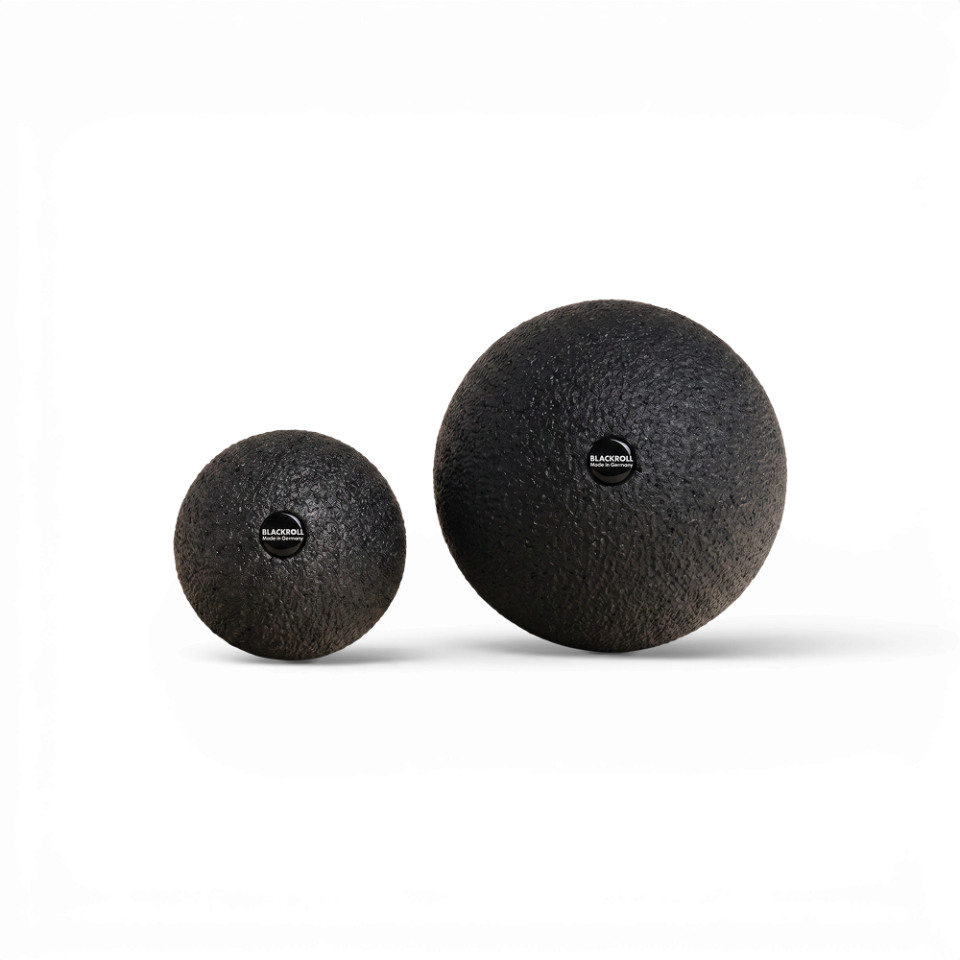
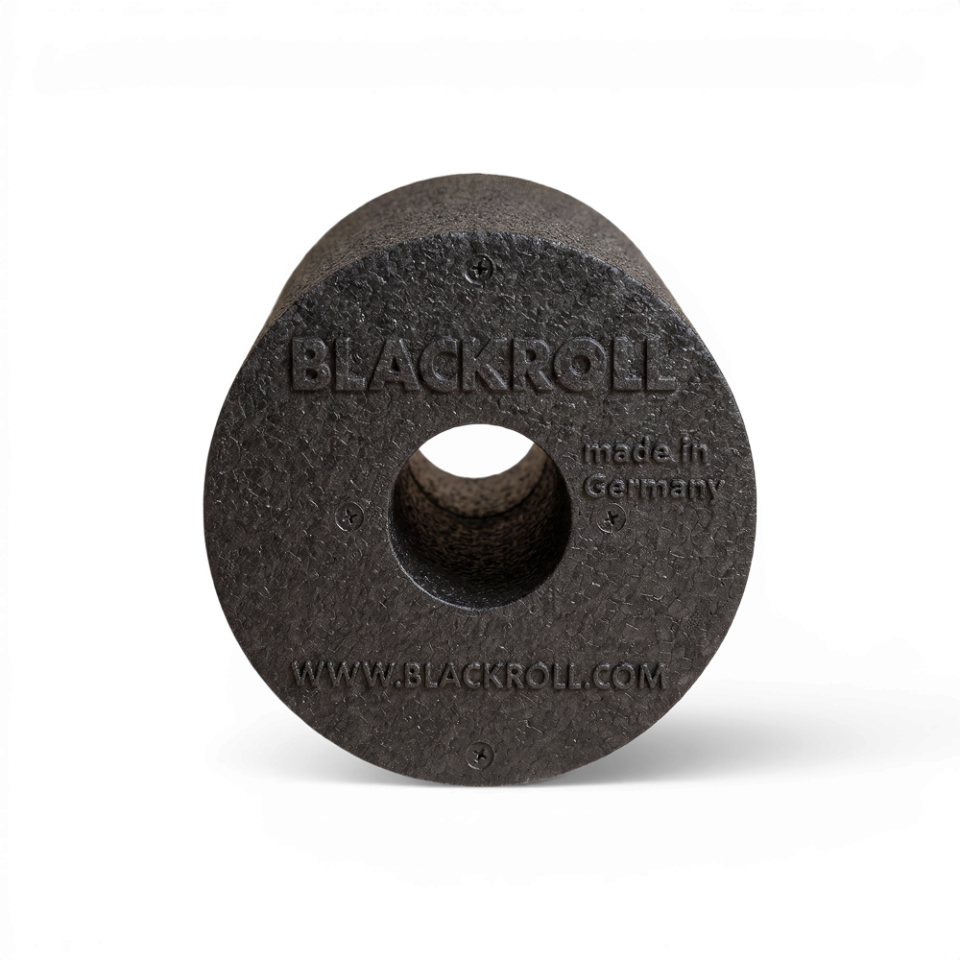
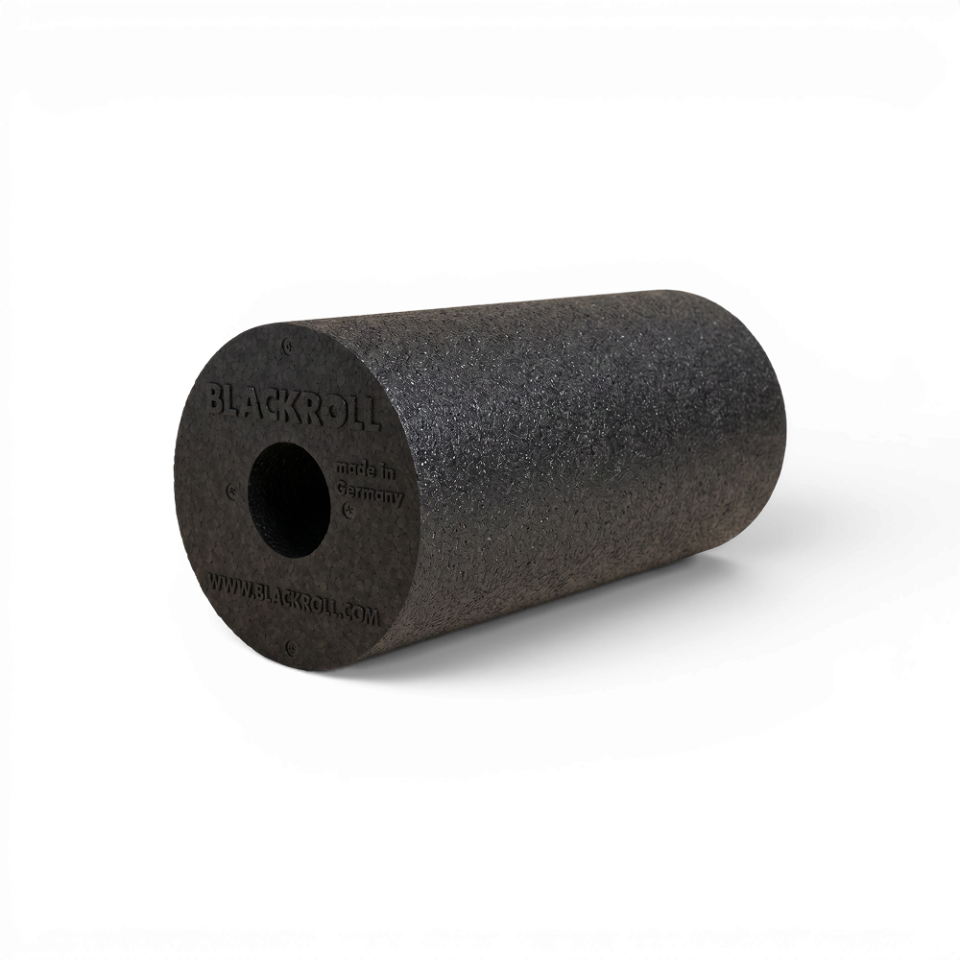
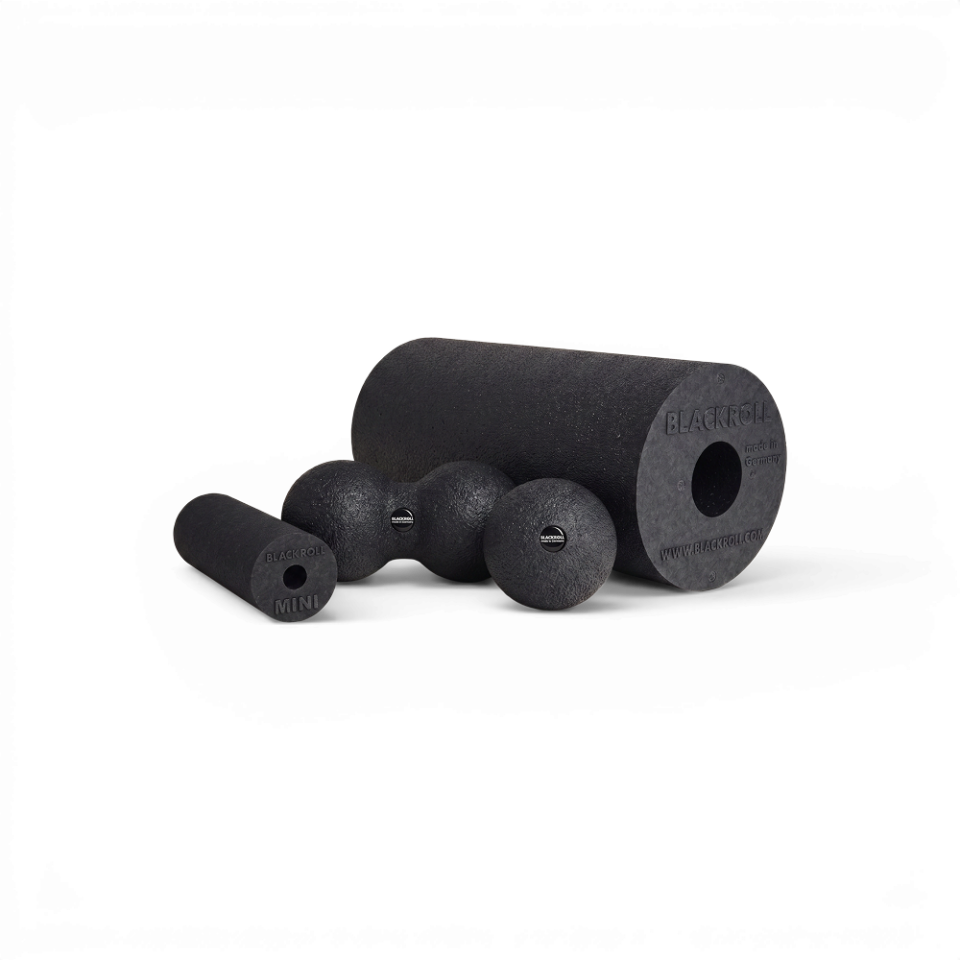
- Fascia training: Speaking of “flushing out muscles”—regular fascia training with a fascia roller (e.g., a mini fascia roller or balls) can improve blood circulation, relieve tension, and thus actively contribute to recovery. It helps loosen tight fascia, which improves mobility and can relieve muscle soreness. Doing this 2–3 times a week for 10–15 minutes each session is often enough to achieve noticeable results—ideally right after a workout or on recovery days.
- Plan recovery phases: Recovery phases are just as much a part of effective training as training phases. Plan specifically when you need breaks (after hard workouts, on travel days, or when you’re mentally overloaded) to give your muscles time to recover.
Stress management: Managing stress sounds easier than it is in practice. We know that training and everyday pressures can stress our bodies both physically and mentally. This puts a strain on the body and can lead to slower recovery. That’s why it’s worth regularly incorporating techniques like meditation or breathing exercises to keep stress levels as low as possible.
Individual Training Adjustments: A targeted adjustment to the different phases of your cycle, as is done in cycle-based training, is no longer possible when using hormonal birth control. Nevertheless, it’s worth paying attention to your body’s individual reactions and adapting to phases with lower or higher resilience. Flexibly adjust your training intensity and volume to your physical and mental state.
Fascia Tools
Conclusion: How does the pill affect your athletic performance?
Research shows that oral contraceptives do not generally have a negative impact on athletic performance, but they can affect endurance, strength, mood, and recovery—primarily depending on the specific medication and the individual’s physical response:
Endurance performance (VO₂max): The pill has no significant effect on maximum oxygen uptake. Some studies show minimal changes in respiratory parameters, but no noticeable effects on endurance performance.
Muscle Building: The pill may slightly lower testosterone levels, which could theoretically impair muscle building. This depends largely on the composition and type of progestin contained in your hormonal contraceptive. However, most studies find no significant differences.
Mental aspects: The effects on mental well-being vary from person to person. Some women report mood swings, while others experience a more stable mood than during their natural cycle.
Recovery: Some studies suggest that the pill may affect recovery after intense training, particularly in terms of regaining isokinetic muscle strength. Therefore—whether you’re on the pill or not—make sure to incorporate sufficient recovery measures into your daily workout routine.
If you feel that your performance or recovery is suffering as a result of your chosen method of contraception, the next step is to talk to your doctor. If you need some guidance, ask yourself the following questions:
Why do I primarily use hormonal birth control? (Contraception, cycle predictability, pain management?)
Do I tolerate my hormonal medication well?
Are there alternatives —perhaps even non-hormonal ones—that I would tolerate better?

