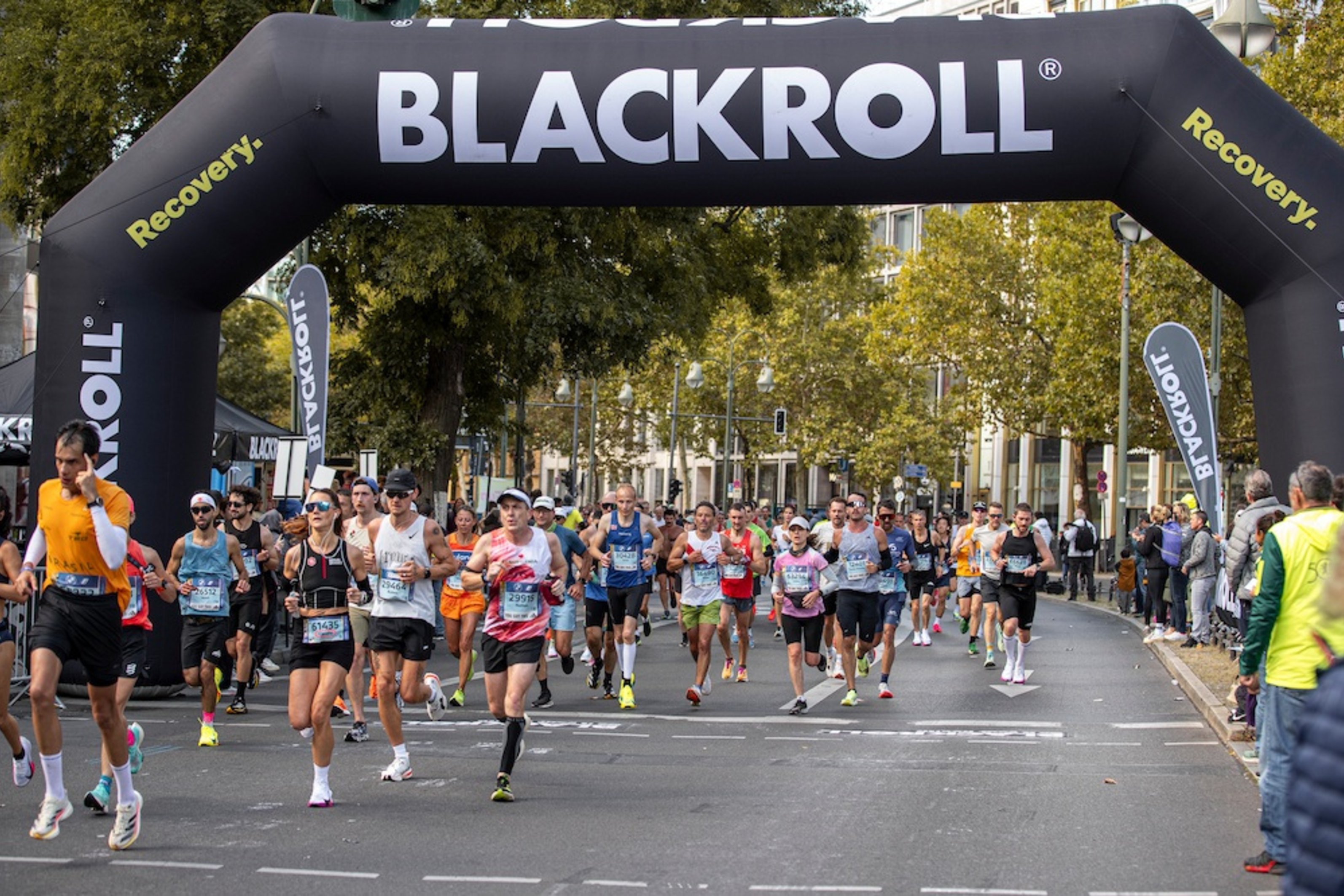
Last Call: The Final Weeks Before Your Running Event: Tapering, Nutrition, Tips

The final weeks before the big race are here—now it’s all about proper preparation. Whether it’s the Berlin Marathon or another race, you should optimally coordinate your training, recovery, and planning to ensure you’re in top form at the starting line on race day. In this guide, you’ll learn how to structure your training during the tapering phase, how nutrition and carb-loading will get you in peak condition, and what matters when it comes to gear, travel, and mental preparation. We’ll also provide you with a handy packing list. Turn nervousness into excitement—with our tips, you’ll get both your body and mind ready for the start!


Training Plan for the Final Weeks (Marathon Tapering)
About 2–3 weeks before your marathon, the crucial marathon tapering phase begins. Now it’s no longer about introducing new training stimuli, but about maintaining your fitness and arriving at the starting line well-rested. A structured training plan for the final weeks before the marathon is essential.
Reduce Training Volume
Gradually reduce your weekly running volume:
- 3 weeks before the marathon: approx. 20–25% less volume
- 2 weeks before: reduce by another 20–25%
- Last week: only 40–50% of your normal volume
This reduction allows your body to fully recover, heal minor micro-injuries, and replenish your energy reserves. This approach also includes tapering—the recovery phase before the race—which is an integral part of any solid marathon preparation. It is also recommended for the half-marathon training plan.
Maintain intensity
Less volume doesn’t mean less quality: During the tapering phase, incorporate shorter runs at your planned race pace to stay in tune with your marathon pace. A few easy intervals or speed workouts will keep your muscles and cardiovascular system “spry.” Skip long runs (>15–20 km) in the last 10 days—this way, you’ll start the race well-rested.

Run fast. Recover faster. – Achieve greater ease and stability in your running in just 3 weeks!
With the BLACKROLL® Ready to Run Challenge, 21 days of movement, targeted training, and valuable insights await you.
No experiments in the final stretch
Don’t try to make up for missed training sessions—that’ll make you tired rather than faster. Trust in the training you’ve done so far. Now it’s all about getting to the starting line well-rested and mentally strong. If you’re feeling exhausted, plan an extra rest day instead—it’s better to be under-trained at the start than overtired.
Scientific Basis
The effectiveness of marathon tapering has been clearly demonstrated by studies: An analysis of over 158,000 recreational marathon runners showed that a disciplined 3-week taper improved the median marathon time by 5:32 minutes (≈ 2.6%). Women, in particular, benefited significantly. Shorter or unstructured tapering phases, on the other hand, led to poorer performance. Sports science reviews recommend a 40–60% reduction in training volume over 2–3 weeks while maintaining the same intensity and frequency.
Take-Home Message
Start specifically reducing your training volume no later than 3 weeks before your race. Maintain intensity through short tempo sessions, avoid trying new things, and stick to what works. This way, you’ll be able to run at your planned marathon pace on race day—whether it’s the Berlin Marathon or your first marathon with a free 12- or 16-week training plan.


Injury Prevention in Running
Your body does incredible things during marathon training—which makes it all the more important to give it targeted rest during the final weeks. Recovery and mobility, along with consistent injury prevention while running, are the foundation for ensuring you’re fresh and injury-free at the starting line.
Plan for Active Recovery
The marathon tapering phase gives you time—use it consciously for recovery: Sleep is the most important factor in recovery. Plan for 7–9 hours of sleep each night during the last 7 days before the race.
Active recovery, such as light stretching, yoga, easy cycling, or swimming, promotes blood circulation without straining the body. In the final days, the rule is: it’s better to train too little than too much, so that micro-injuries can heal and your energy stores remain full. This applies to both your marathon training plan and your half-marathon training plan for 21.1 km.
Fascia Training & Strength Exercises
Strong muscles protect your joints and reduce the risk of injury: Stabilization exercises such as single-leg squats, lunges, clamshells, or side steps with the LOOP BAND specifically strengthen the leg and hip muscles.
BLACKROLL® routines (20 minutes, twice a week) combine strength, mobility, and myofascial training—and have been proven to reduce the risk of injury. Studies show that a combination of strength training and myofascial self-massage can reduce the risk of injury in runners by up to 85% and delay the onset of the first injury by an average of 57 days.
Injury Prevention for Runners
According to a study, this training program reduces the risk of typical running injuries by 85%—and it only takes 40 minutes a week.

In a nutshell:
- Fascia training improves flexibility, reduces muscle tension, and supports recovery.
- Strength training + self-myofascial release (SMR) reduce the risk of injury by up to 85%.
- Best time to do it: not right before intense workouts, but as a supplement after runs or on rest days.
Use BLACKROLL® tools strategically
Recovery and foam rolling are simple and effective methods for mobility and recovery:
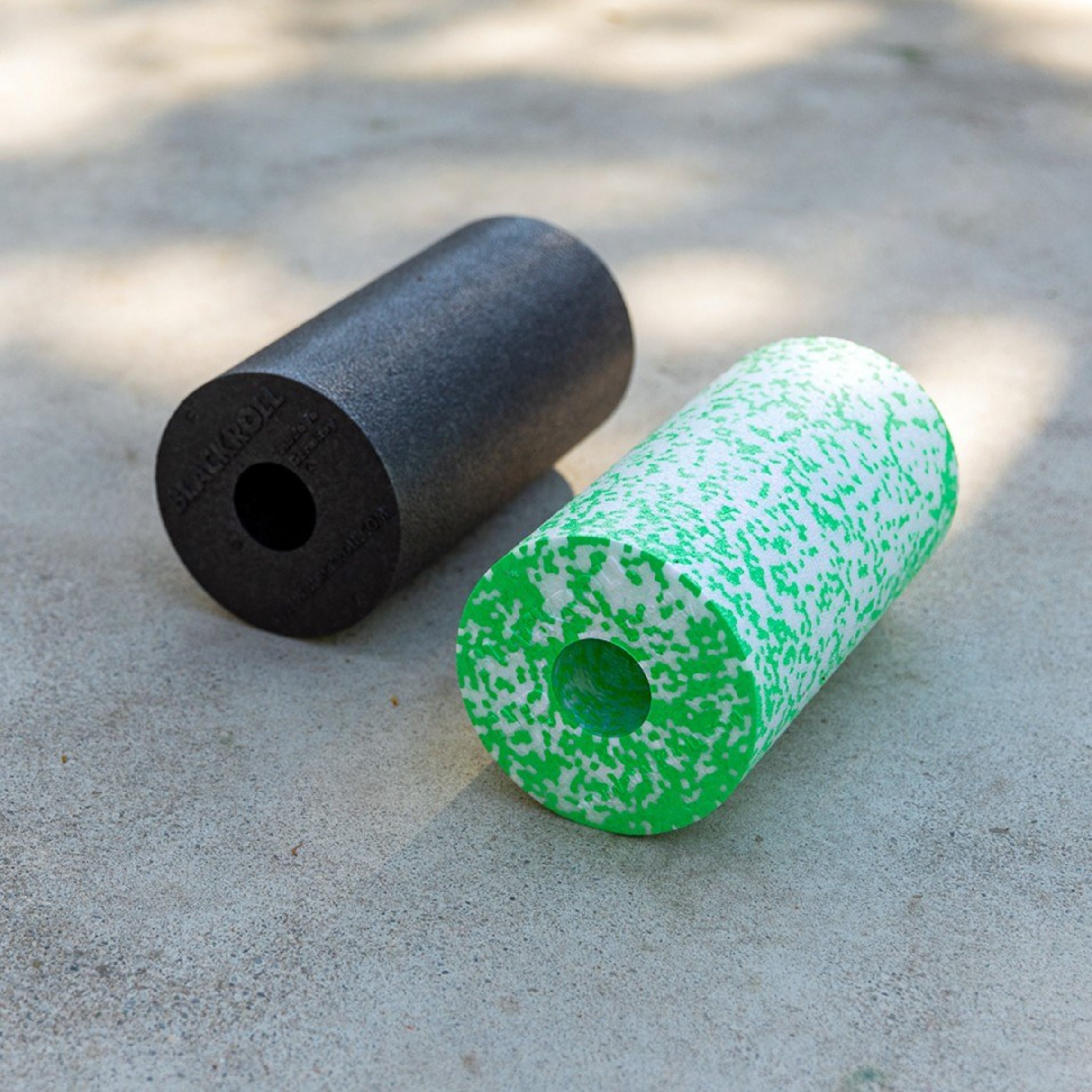
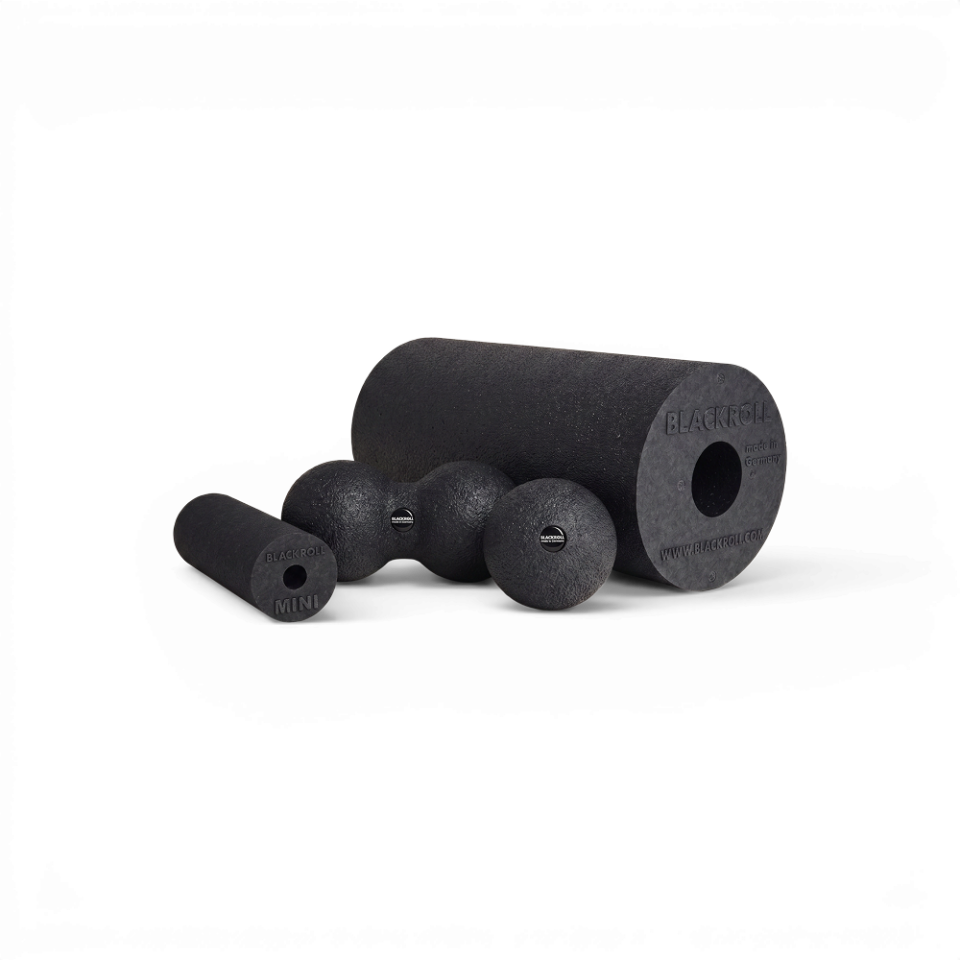
- Use the BLACKROLL® Standard for calves, thighs, and the back to relieve tension and promote blood circulation.
- Smaller tools like the BLACKROLL® BALL or the MINI roller provide targeted relief for trigger points (e.g., soles of the feet, glutes).
- Best time to use: after long runs, during marathon tapering days, or the night before a race.
Note: If used very intensively immediately before strenuous workouts, fascia training can temporarily reduce jumping performance. Therefore, it’s better to use it before or after light workouts.
Conclusion: Recovery & Injury Prevention
Through targeted recovery, mobility training, and injury prevention in running, you’ll get your body in the best possible condition for competition. Whether in a marathon training plan or a half-marathon training plan —with sleep, active recovery, strength exercises, and recovery & myofascial self-massage —you’ll be fresh, flexible, and injury-free when you line up at the starting line.


Nutrition & Carb Loading in the Final Days
Proper nutrition in the days leading up to the race is crucial for maximizing your energy reserves. It complements your marathon training plan and ensures that you can maintain your planned marathon pace for the full 42.195 km.
Filling Your Carbohydrate Stores
In the last 2–3 days before the marathon, your diet should be particularly high in carbohydrates. Increase the proportion of pasta, rice, bread, oatmeal, potatoes, or fruit to about 65–70% of your total energy intake.
This classic marathon carb-loading strategy maximizes glycogen stores in your muscles and liver. A weight gain of 1–2 kg during this phase is normal—it indicates that your stores are full (since carbohydrates bind water).
Whether it’s a major marathon event or a smaller city run: Full stores are your fuel all the way to the finish line.
Hydration During a Marathon & Hyponatremia
Hydration during a marathon is just as important as carbohydrates. Drink water and electrolyte-containing beverages regularly over the last 2–3 days. Avoid drinking excessively right before bedtime so you can sleep through the night.
On race day: Drink about 500 ml of water roughly 2 hours before the start, then take small sips until your warm-up.
This way, you’ll arrive at the starting line neither dehydrated nor with a full stomach.
Caution: Drinking too much can lead to hyponatremia —so always drink according to how thirsty you feel.
No dietary experiments
Now is not the time for experiments—stick to foods you’re familiar with from your training. Avoid very fatty, high-fiber, or spicy meals.
On the evening before the marathon, easily digestible dishes are ideal: for example, plain pasta with a light sauce, potatoes, a banana, or white bread with honey.
Your digestive system will thank you—especially if you’ve already prepared using a free marathon training plan and gotten your body used to specific meals.
Nutrition During the Marathon—Before, During, and After
Nutrition during the marathon—before, during, and after the race— is a key factor in your performance.
- Before the start: Your last large meal 2–3 hours before the race should be high in carbohydrates and easy to digest (e.g., oatmeal, toast with honey, a banana). Right before the start, you can optionally have a small snack (a gel, half a banana, an energy bar) and some water.
- During the race: Starting at the 30–45-minute mark, consume carbohydrates regularly: about 60–90 g of carbohydrates per hour, ideally in the form of gels, banana slices, or isotonic drinks. Drink small amounts regularly—rule of thumb: 400–800 ml of fluid per hour in moderate weather, more in hot conditions, supplemented with electrolytes.
- After crossing the finish line: Within 30 minutes, consume carbohydrates and protein (e.g., a recovery drink, chocolate milk, or a banana and a protein bar). Follow this with a larger meal rich in carbohydrates and a little salt (e.g., pasta, soup, or a rice dish). Replenish fluids and minerals with water or isotonic drinks.
Restful Sleep




Recovery Blanket Summer
Available in multiple variants
Conclusion: Nutrition & Carb Loading
With a targeted nutrition strategy in the days leading up to the marathon, you’ll start the race with full energy stores, stable hydration during the marathon, and a calm stomach. This lays the foundation for maintaining your planned marathon pace —whether it’s your first 42.195 km run or you’re aiming for a new personal best, as in the case of world marathon records. A well-thought-out race nutrition strategy ensures that you’re optimally fueled every kilometer of the way.

Marathon Gear & Shoes
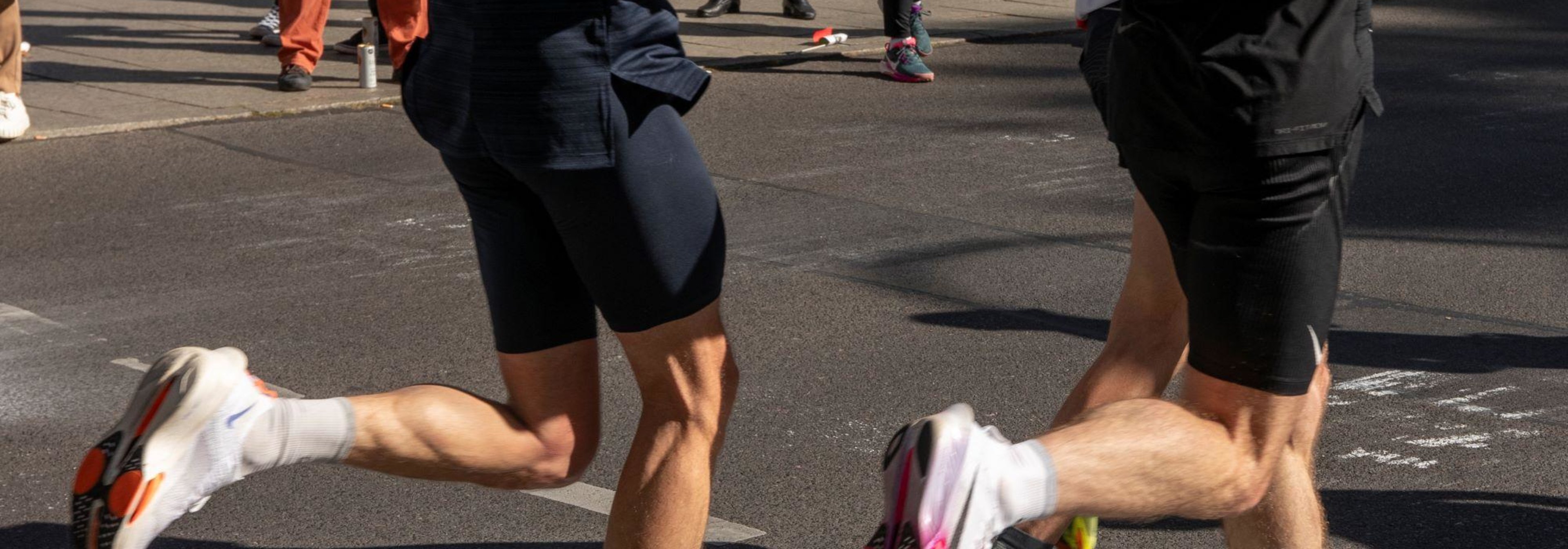
The right marathon gear and shoes can make all the difference on race day—between a relaxed run at your planned marathon pace and painful blisters and chafing. So remember: Don’t experiment on race day!
No new shoes or clothing
Your race shoes should have at least 50–60 km of mileage and shouldn’t cause any pressure points. Wear clothing you’ve already tested on long training runs. New shirts, shorts, or socks carry the risk of chafing or blisters.
Stick to your tried-and-true marathon training plan: Start with the gear that has reliably gotten you through your long runs.
Plan your outfit for the weather
The days leading up to the race are for “fine-tuning” your preparation—which includes checking the weather forecast:
- Warm weather: Lightweight, breathable shirts, shorts, and, if needed, a cap or sunglasses.
- Cold/rain: Layers (e.g., long-sleeve shirt, lightweight running jacket), headband or hat, gloves. A disposable poncho or old sweatshirt will keep you warm while you wait.
After the race: Pack a warm change of clothes (shirt, jacket, sweatpants, dry socks) so you don’t get chilled after 42.195 km.
The weather can always be unpredictable—so plan flexibly.
Prevent Blisters & Chafing
Protect yourself from common marathon problems:
- Apply anti-chafing products like Vaseline or special sticks to sensitive areas (groin, thighs, armpits, heels).
- Use bandages or tape on particularly vulnerable areas—many men, for example, tape their nipples to prevent chafing.
- Well-fitting, seamless performance socks are a must. Compression socks can also provide additional support for your calves.
This will help you run more comfortably and reduce the risk of pain during the race.
Tools for Your New Personal Best
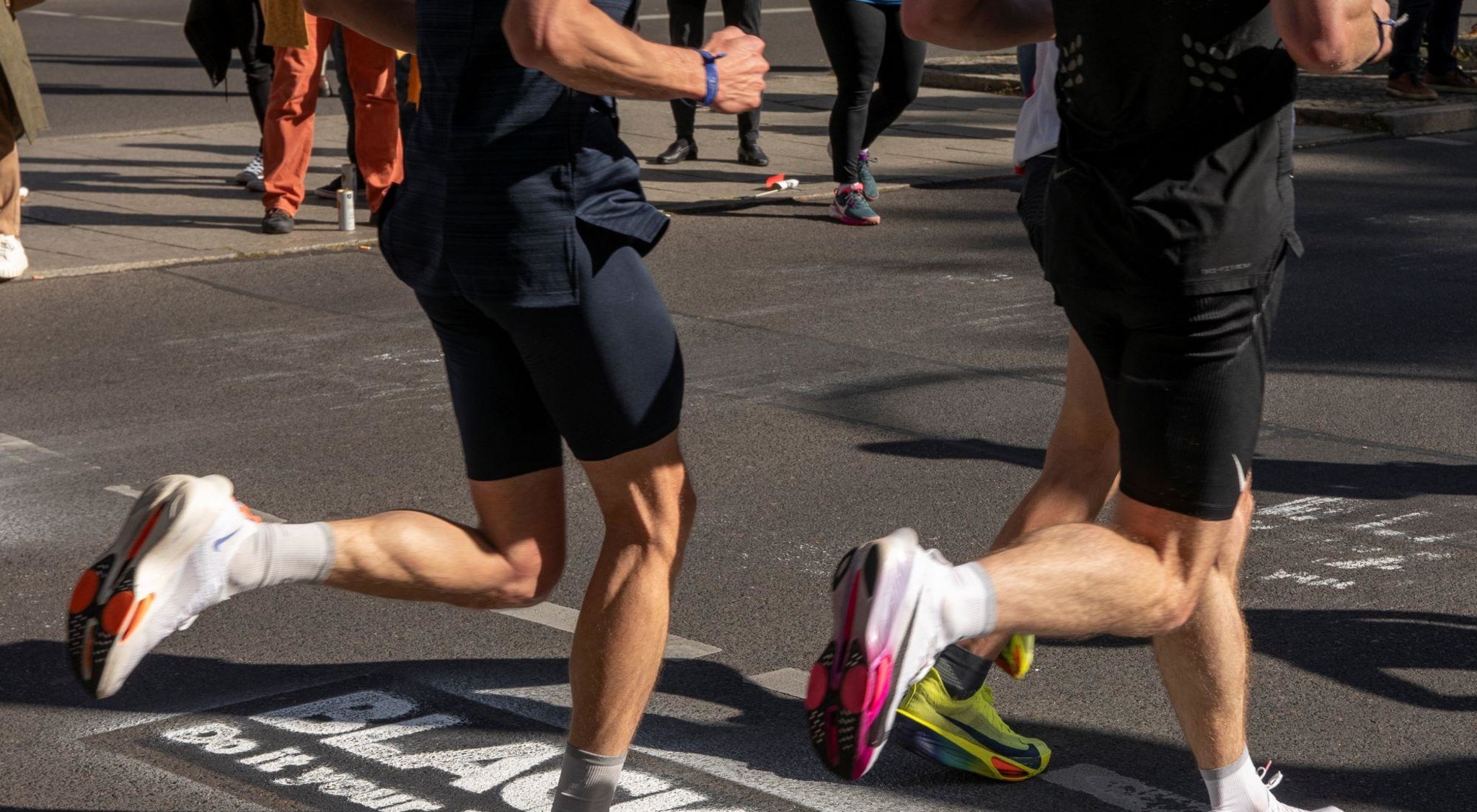
Carbon Plate Shoes & Running Economy
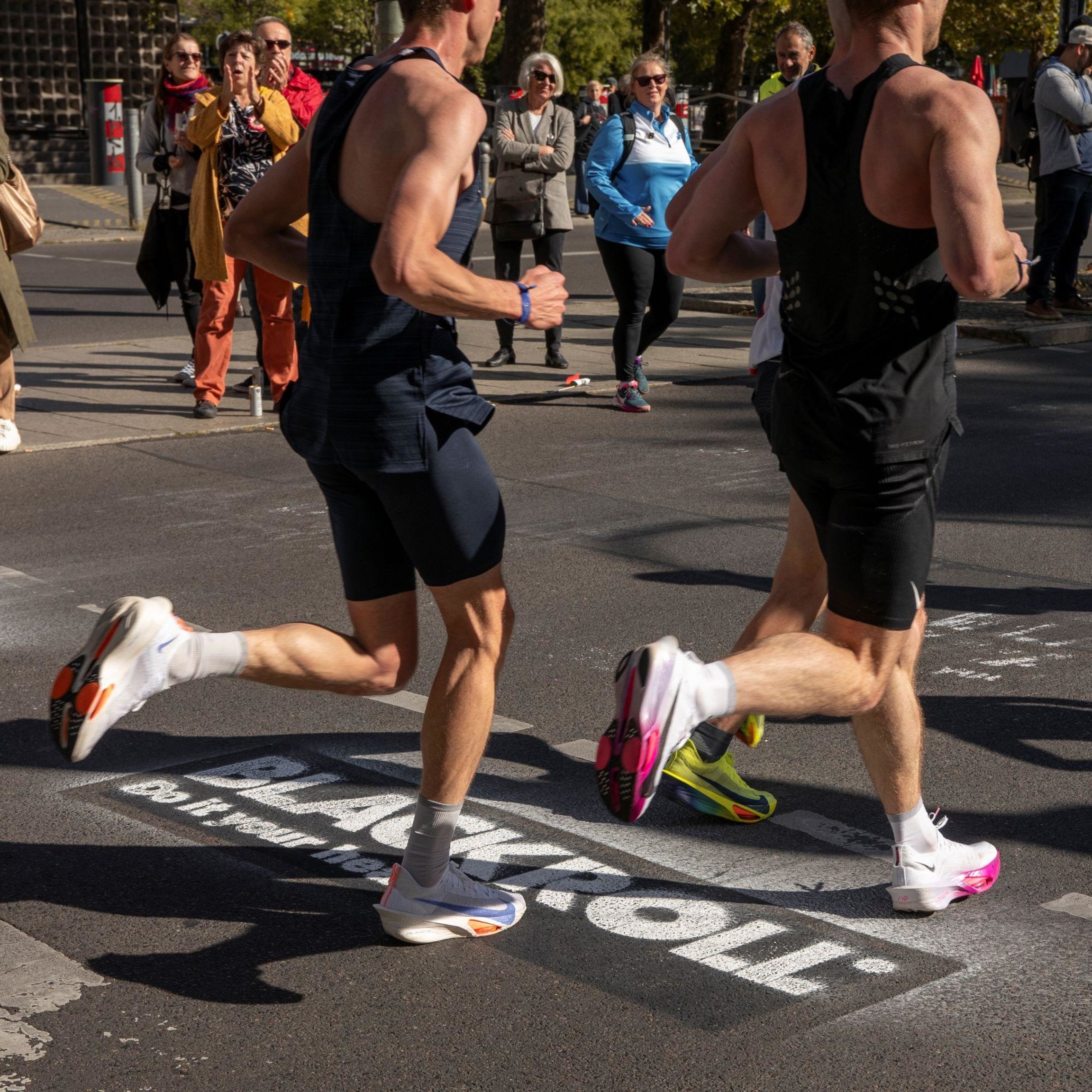
More and more runners are turning to innovative carbon plate shoes. Studies show that they can improve running economy by 2–4%—which translates to several minutes saved over the entire marathon distance. If you want to use these shoes, be sure to test them out during training well in advance so you can get used to the feel of running in them.
Tech Check the Night Before
Your gear should be just as ready to go as you are:
- Fully charge your GPS running watch and, if applicable, your chest strap
- Attach your race number (with safety pins or a race number strap)
- Pack your timing chip (if separate)
- Charge your smartphone; pack a power bank if you’re running with an app or music
A final check the night before will save you stress on marathon morning.
Quick Tip
- Use only tested gear—broken-in shoes, tried-and-true clothing
- Plan an outfit suitable for the weather—stay flexible with layers
- Use anti-blister strategies—Vaseline, band-aids, performance socks
- Check your gear—watch, race number, chip, and make sure your smartphone is charged.
With this strategy, you’ll be perfectly equipped to maintain a steady marathon pace —whether it’s your first half-marathon or a major city event like the Berlin Marathon.
Carbon-fiber shoes for recreational runners?
We’ll show you who these shoes are best for and what’s behind the shoes with the XXL sole


Mental Preparation & Mindset
Running a marathon is not only a physical challenge but also a mental one. Your mindset often determines whether you can maintain your planned marathon pace all the way to the finish line or whether doubts will hold you back. With the right mental preparation for the marathon, you can turn nervousness into strength—and reach your full potential.
Turning Nerves into Anticipation
Stage fright before a big race is completely normal—whether it’s the Berlin Marathon, your first half-marathon, or on your way to setting personal bests. What matters is how you deal with the nervousness: consciously interpret it as a sign of anticipation and energy.
- Remind yourself why you want to run.
- Think about all the training kilometers you’ve successfully completed as part of your marathon training plan.
Remind yourself: “I get to run—I don’t have to run.” This mindset shifts your perspective and helps you head to the starting line with a smile.
Use visualization techniques
Many top athletes—including runners who set world marathon records —use visualization as part of their mental preparation for a marathon. Picture your race step by step:
- The starting gun, the first kilometers, and key sections of the course
- Situations where it gets tough—such as at kilometer 30—and how you’ll successfully overcome them
The moment you happily cross the finish line
These visualization exercises boost your self-confidence, make you more mentally resilient, and help you stay on track even during critical phases.
Finding Relaxation & Focus
In the days leading up to the race, rest is just as important as training. Relaxation exercises help you keep a clear head:
- Breathing exercises or short meditations lower your heart rate and reduce nervousness.
- Progressive muscle relaxation can help you sleep more deeply at night.
Find rituals that calm you—such as listening to music, taking a hot bath, or reading a book.
On the day of the competition itself, replace doubts with positive thoughts: Remember your good training sessions, repeat motivational phrases (“I’ve trained well; I can do this”), and stay focused.
Conclusion: Mental Preparation
Mental strength is a crucial factor for success in marathon training. With a strong mindset, visualization, and positive self-talk, you’ll strike the perfect balance between focus and composure. This will help you maintain your planned marathon pace —and cross the finish line with joy and energy.



Organize Travel & Accommodations Stress-Free
Good marathon preparation doesn’t stop at training—organizing your travel and accommodations also has a major impact on how relaxed you’ll be at the starting line. Planning ahead saves you stress and energy that you’ll need on race day to maintain your planned marathon pace. A well-planned, stress-free trip to the marathon is therefore a key part of any successful preparation.
Arrive Early
Plan your travel well in advance and allow plenty of time.
- For a marathon in another city (e.g., the Berlin Marathon), it’s recommended to arrive at least one day in advance—preferably two days—so you can recover from the trip.
- For long train or plane trips: Drink plenty of fluids, get up regularly, and move your legs to prevent swelling.
For international marathons: Arrive a few days early to acclimate to the climate and adjust to the time difference. This way, you’ll start your race feeling refreshed and stress-free.
Accommodations Near the Start Line
Staying near the start/finish line saves you valuable time and stress on race day. Hotels that offer breakfast starting at 5 a.m. are popular—ideal for sticking to your carb-loading strategy and marathon preparation plan even on race day.
For marathons in your hometown, check public transportation schedules and plan for alternatives.
If traveling by car: Be aware of road closures and leave early enough.
Race Bib Pickup & Expo
Find out in advance where and when you need to pick up your race packet. This usually takes place one to two days beforehand at the marathon expo.
- Go as early as possible to avoid long lines.
Don’t stay on your feet for hours—visiting the expo is exciting, but it can also be tiring.
Tip: The night before the race, lay out all your marathon gear—shoes, clothing, race number, and snacks. That way, you’ll start the next morning feeling relaxed.
Weather and Logistics Check
Checking the weather forecast is part of your final marathon preparations.
- Heat: Arrive at the starting line early enough and drink plenty of fluids.
- Cold: Plan for extra layers or disposable outerwear.
Familiarize yourself with the course: Where are the aid stations? Where will your friends be cheering you on? This provides a sense of security and motivation.
The better you plan these details, the more mental energy you’ll have left for what matters most: running at your planned marathon pace.
Conclusion: Organization & Travel
Stress-free planning of travel, accommodations, and race packet pickup is just as much a part of your marathon preparation plan as long runs or carb-loading for the marathon. If you take care of everything in advance, you can focus entirely on the race—and stand at the starting line with a clear head and full of anticipation.
Road to Gold
Read the interview with BLACKROLL runner Daniel from the 2024 BMW Berlin Marathon now

Marathon Packing List & Checklist
To make sure you don’t forget anything on race day, we’ve put together a handy marathon packing list for you. It’s the perfect complement to your marathon training plan or half-marathon training plan. Go through the marathon checklist no later than the evening before the race and check everything off—that way, you’ll start your big day feeling relaxed.
Race Pack & Documents
Race number with safety pins or race number belt
Timing chip (if not integrated into the race number)
ID card/passport (for picking up race packets, e.g., at the Berlin Marathon)
Proof of vaccination/health status, if required
Cash, credit card, and public transportation ticket for travel or emergencies
Shoes & running gear
- Running shoes: A pair of race shoes, broken in and adapted to your running style (tested at marathon pace)
- Running gear for the race: shirt, pants/tights, socks (all tested and appropriate for the weather)
- Warm outerwear for before the start (old sweatshirt, poncho, or trash bag)
- Change of clothes for after the race: Sweater, dry socks, comfortable shoes
Recovery is key
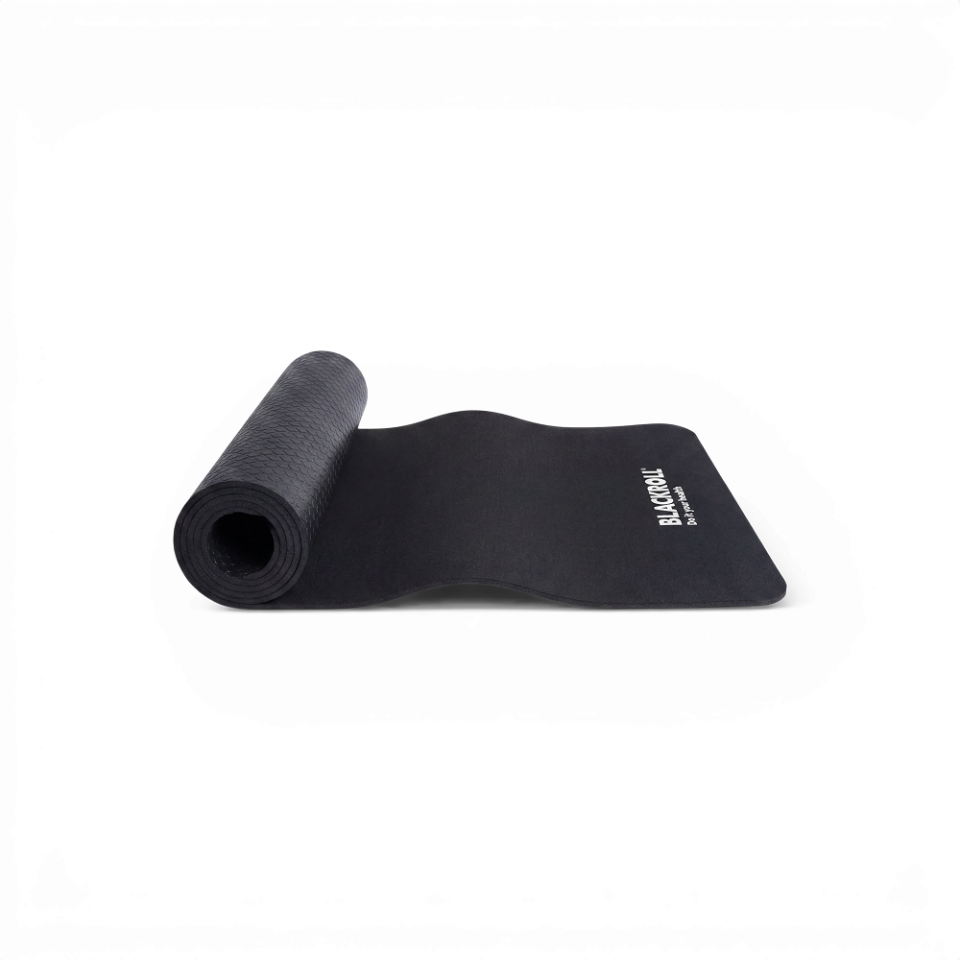
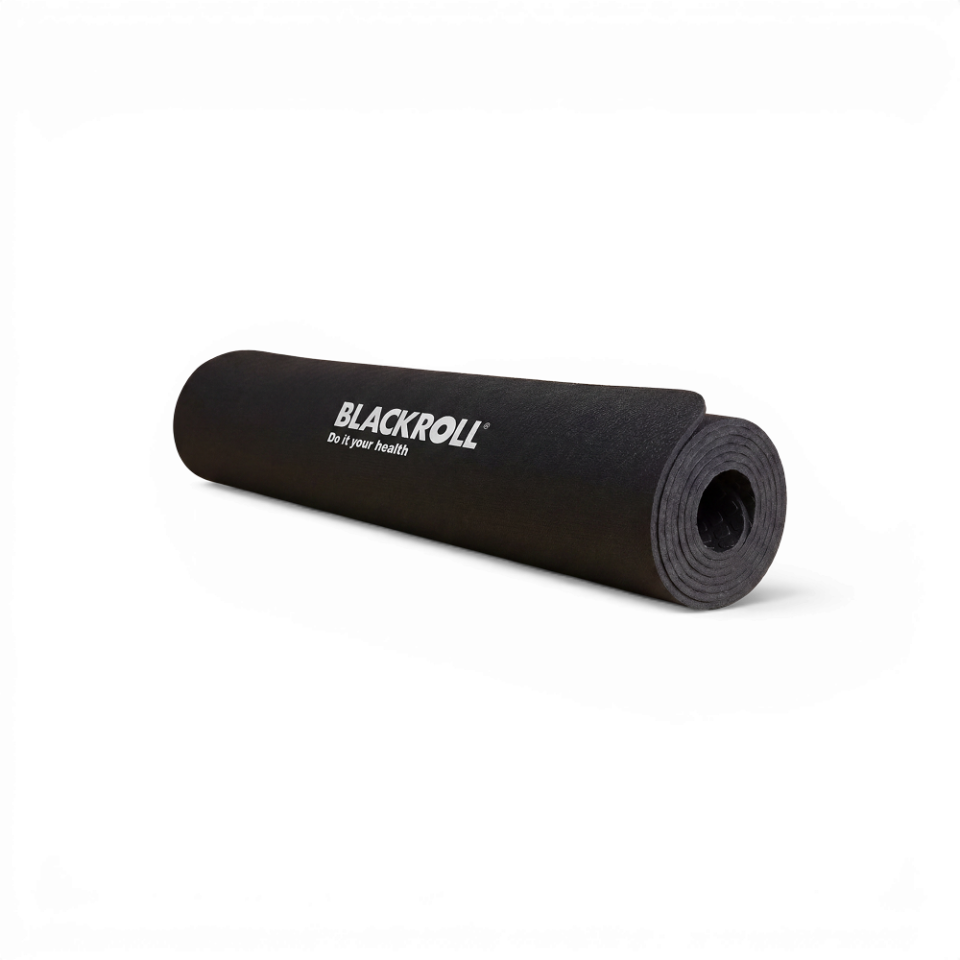
Mat
Available in multiple variants
Weather & sun protection
Headwear (cap, Buff, or headband)
Gloves in cool weather
Sunscreen (SPF 30+), sunglasses when the sun is out
Food & Energy
- Your own sports drink in a water bottle or hydration belt (if needed)
- Energy gels or bars (tried-and-true brands!) for the race
Snacks for before/after the run (e.g., banana, granola bar)
Tech & Tools
GPS running watch + charging cable, optional chest strap for heart rate
Smartphone with sports armband or running belt
Headphones (if allowed and desired)
Optional: BLACKROLL® Mini or ball for loosening up calves and the soles of the feet before or after the run
Health & Care
- Anti-blister stick or Vaseline
- Blister bandages, small bandages, Leukotape
- Pain relief gel/ointment as needed
Tissues for using the restroom before the start
After the run
Recovery drink & snack (if you don’t rely on refreshments at the finish line)
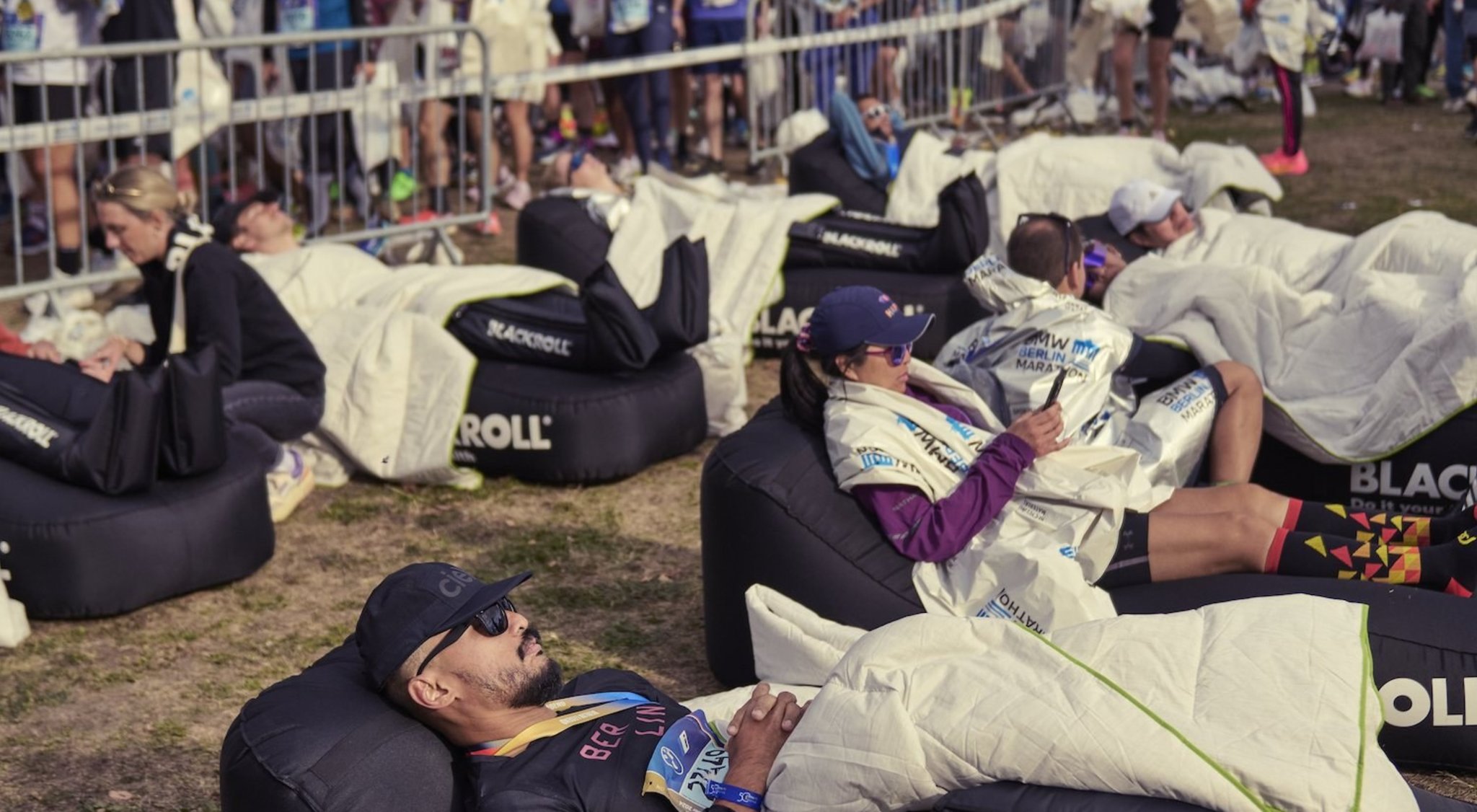
Thermal blanket (often provided) or foil
Comfortable shoes for the walk home (sneakers or flip-flops)
Towel & a complete change of clothes
Tip:
Create your marathon packing list a few days before the race. That way, you can gather everything at your leisure and be sure nothing is missing the night before. Many runners underestimate the organizational side of marathon preparation. A good packing routine means less stress and more focus—whether you’re running 42.195 km or preparing for a half marathon with a 21.1 km training plan.


Conclusion
The final weeks leading up to your marathon or running event are an exciting time—with our tips, you’ll navigate them with confidence. Reduce your training in a timely and targeted manner with a well-planned marathon tapering strategy, take care of your body with targeted recovery and mobility exercises, and implement injury prevention measures while running to ensure you’re fresh at the starting line. Fully recharge your energy stores through targeted carb loading before the marathon, and make sure to stay properly hydrated during the race so your body is optimally fueled.
Make sure your marathon gear and shoes are tested and ready to go, and don’t forget to keep your logistics stress-free—from a stress-free trip to the marathon to picking up your race number on time. A complete marathon packing list or checklist will help you make sure you don’t forget anything important on race day.
Just as important as physical preparation is your mental preparation for the marathon: With a strong mindset, visualization, and positive self-talk, you’ll stay focused and turn nervousness into anticipation.
Above all, though: Stay positive and confident. Trust your marathon training plan, enjoy the atmosphere, and run with joy. With good planning, consistent training, and the right strategy, you can maintain your marathon pace and experience your big day to the fullest.
Then it’s finally time to say: On your marks, get set—marathon! Good luck and have an unforgettable run!


FAQ - Frequently Asked Questions About Marathon Training
Useful information
Sports scientists generally recommend a marathon tapering phase of 1 to 3 weeks. During this time, you reduce your training volume by 40–60% but maintain the intensity of your workouts. This allows your body to recover without losing your performance level. Studies show that this method measurably improves marathon performance. If you’ve been preparing with a free 12-week marathon training plan or a 16-week plan, marathon tapering is the crowning finale of your preparation.
Carbo-loading for a marathon is all about fully replenishing your glycogen stores in your muscles and liver. The recommended intake is 8–12 g of carbohydrates per kilogram of body weight in the last 36–48 hours before the race. For a 70-kg person, that means 560–840 g of carbohydrates per day—for example, from rice, pasta, bread, or oatmeal. It’s important to focus on easily digestible, low-fat foods. This ensures you’ll be at the starting line with maximum energy reserves—whether it’s the Berlin Marathon or your first half-marathon.
Your marathon pace is highly individual and depends on your training, your fitness level, and your goal. The best way to determine it is through tempo runs, interval training, or preparatory races over 10 km or a half marathon. Many runners also use online calculators that estimate your target time based on your past performance. A well-structured marathon training plan helps you realistically assess your race pace and train specifically for it.
Yes, a half-marathon training plan is similar to a marathon plan in many fundamental ways, but it’s usually shorter and slightly more intense, since the recovery demands are lower. If you’ve just been preparing for a marathon using a marathon training plan, you can use a half-marathon as a great test race. Conversely, you can use a half-marathon training plan to build a solid foundation before tackling the 42.195 km. It’s important not to mix training plans haphazardly, but to adapt them to your current fitness level.
There are numerous ways to download a free marathon training plan —from running clubs and associations to specialized websites. Make sure the plan is tailored to your target time (e.g., 3:30 h or 4:30 h) and your current fitness level. Whether it’s a 12- or 16-week plan, both options are suitable—the key is to start early and stick with it consistently. Free plans are a good starting point, but if you have specific goals, you should also consider long-term personalized coaching or a customized training plan.
Discover more running articles







Sources & Studies
1. Tapering & Training Planning
· Mujika, I., & Padilla, S. (2003). Scientific bases for precompetition tapering strategies. Medicine & Science in Sports & Exercise, 35(7), 1182–1187.
· Bosquet, L., et al. (2007). Effects of tapering on performance: A meta-analysis. Medicine & Science in Sports & Exercise, 39(8), 1358–1365.
2. Recovery, Mobility, and Injury Prevention
· Cheatham, S. W., et al. (2015). The effects of self-myofascial release using a foam roll or roller massager on joint range of motion, muscle recovery, and performance: A systematic review. International Journal of Sports Physical Therapy, 10(6), 827–838.
· Behm, D. G., & Chaouachi, A. (2011). A review of the acute effects of static and dynamic stretching on performance. European Journal of Applied Physiology, 111(11), 2633–2651.
· Lauersen, J. B., et al. (2014). The effectiveness of exercise interventions to prevent sports injuries: a systematic review and meta-analysis of RCTs. British Journal of Sports Medicine, 48(11), 871–877.
3. Nutrition & Carbohydrate Loading
· Burke, L. M., et al. (2011). Carbohydrates for training and competition. Journal of Sports Sciences, 29(S1), S17–S27.
· Sherman, W. M., & Costill, D. L. (1981). Effect of dietary carbohydrate on glycogen storage and endurance performance. Journal of Applied Physiology, 51(3), 523–529.
· Thomas, D. T., et al. (2016). Position of the Academy of Nutrition and Dietetics, Dietitians of Canada, and the American College of Sports Medicine: Nutrition and Athletic Performance. Journal of the Academy of Nutrition and Dietetics, 116(3), 501–528.
4. Nutrition During and After the Run
· Jeukendrup, A. E. (2014). A step toward personalized sports nutrition: carbohydrate intake during exercise. Sports Medicine, 44(S1), 25–33.
· Stellingwerff, T., & Cox, G. R. (2014). Systematic review: Carbohydrate supplementation on exercise performance or capacity of varying durations. Applied Physiology, Nutrition, and Metabolism, 39(9), 998–1011.
· Hew-Butler, T., et al. (2015). Statement of the 3rd International Exercise-Associated Hyponatremia Consensus Development Conference. Clinical Journal of Sport Medicine, 25(4), 303–320.
5. Equipment: Shoes & Clothing
· Malisoux, L., et al. (2015). Can the parallel use of different running shoes reduce the risk of running-related injuries? Scandinavian Journal of Medicine & Science in Sports, 25(1), 110–115.
· Hoogkamer, W., et al. (2018). A comparison of the energy cost of running in marathon racing shoes. Sports Medicine, 48(4), 1009–1019.
· Malisoux, L., et al. (2016). Effects of motion control shoes on injury risk in runners: a randomized controlled trial. American Journal of Sports Medicine, 44(10), 2260–2267.
6. Mental Preparation & Mindset
· Thelwell, R. C., & Greenlees, I. A. (2003). Developing competitive endurance performance using mental skills training. The Sport Psychologist, 17(3), 318–337.
· Noetel, M., et al. (2019). Mindfulness interventions for improving sport performance: a systematic review. International Review of Sport and Exercise Psychology, 12(1), 1–27.
· Sammy, M., et al. (2017). Psychological skills use in ultramarathon runners. International Journal of Sport and Exercise Psychology, 15(2), 176–190.