Cruciate Ligament Tear: Causes, Symptoms, and Treatment Options

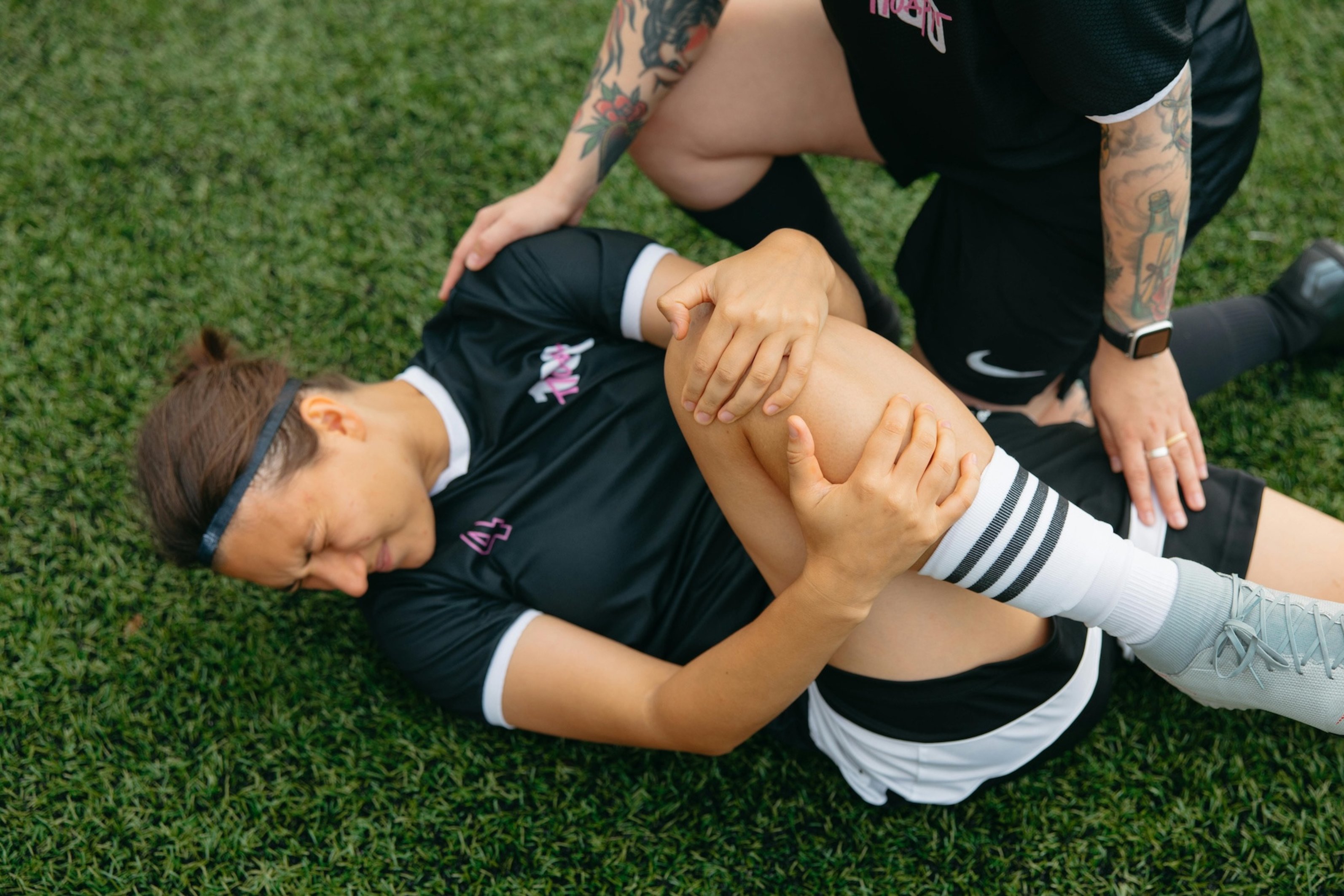
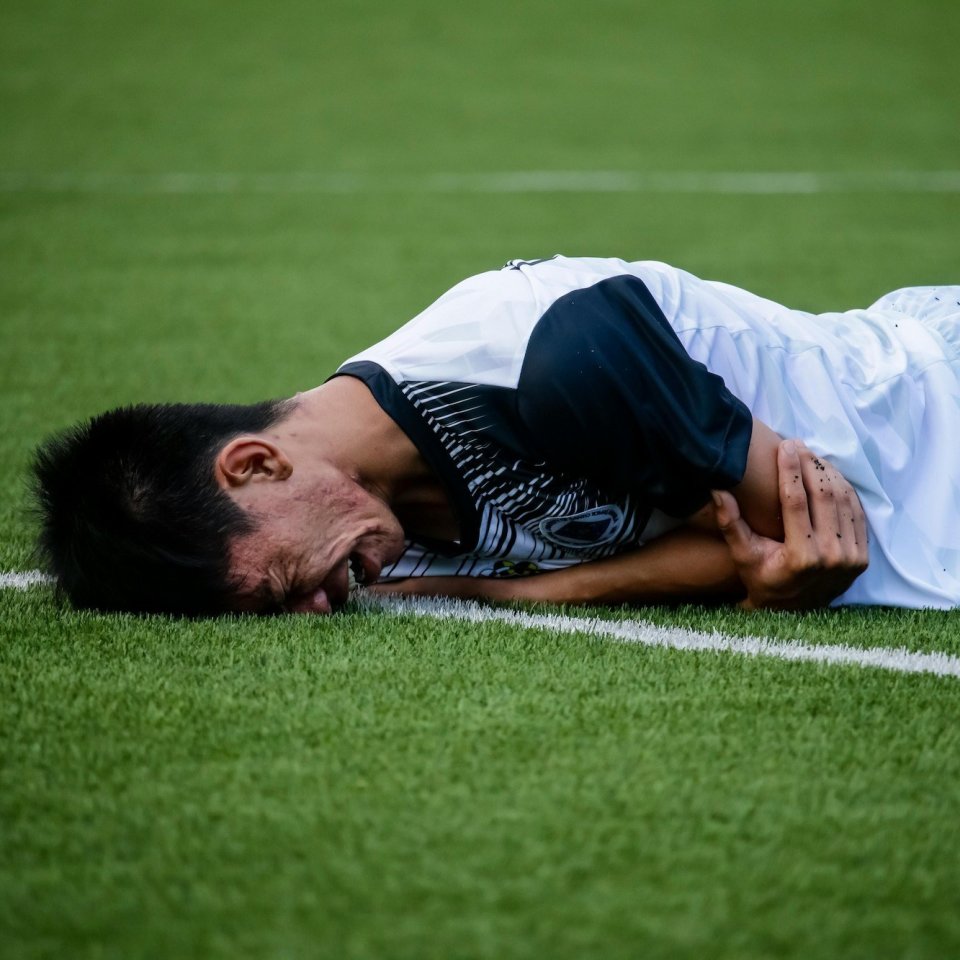
A sudden, awkward movement followed immediately by a nasty cracking or popping sound usually indicates the severity of the injury: A cruciate ligament tear is one of the most common and serious knee injuries that can affect both athletes and non-athletes. Recovery from a cruciate ligament tear is a long process, ranging from several months to a year. However, surgery isn’t always necessary to regain full functionality. In this article, we’ll cover the causes, symptoms, and diagnosis of a cruciate ligament tear and outline the various treatment options—from conservative approaches to surgical procedures and subsequent rehabilitation.
What is the function of the cruciate ligament?
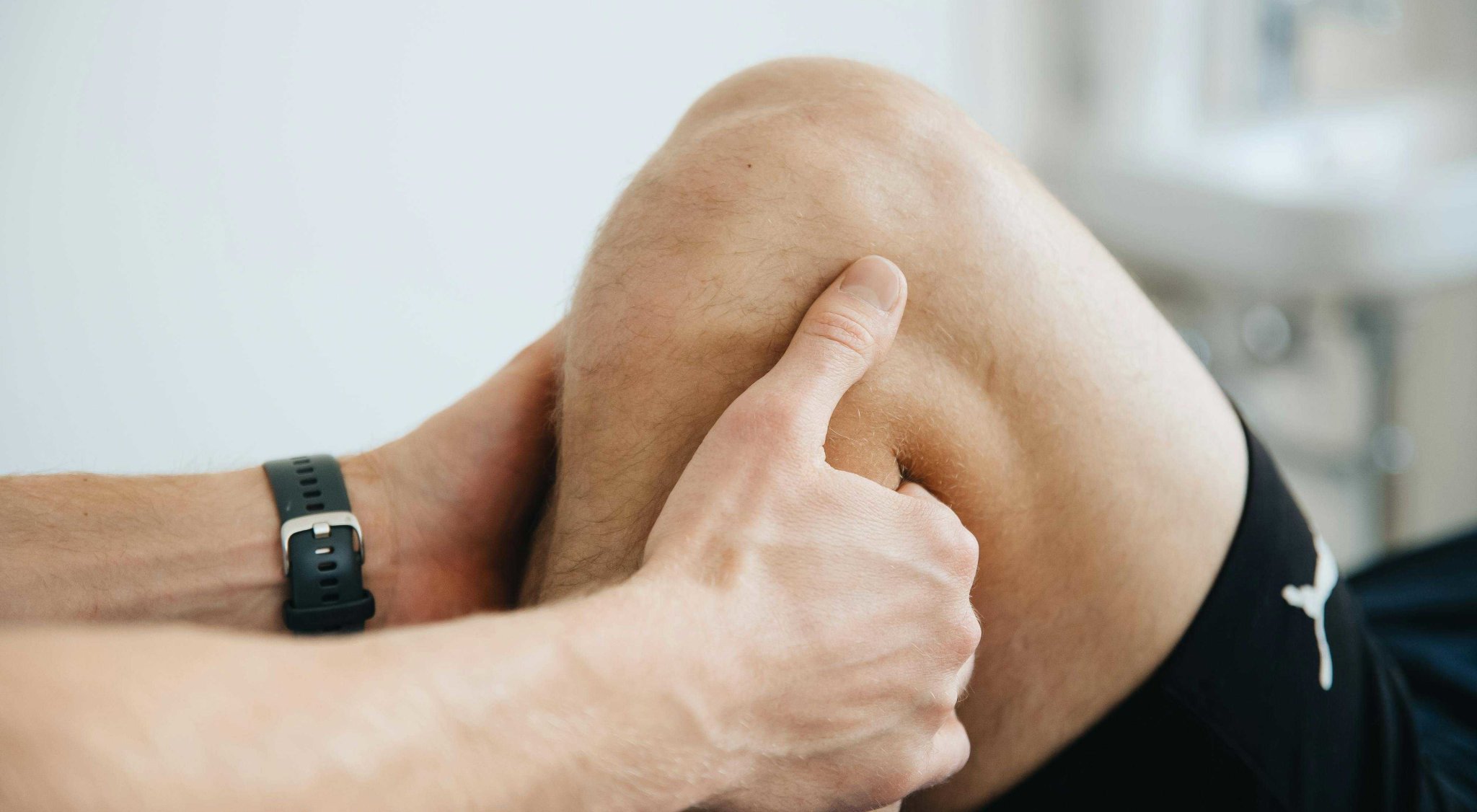
As the largest joint in the human body, the knee joint features a complex arrangement of ligaments. The four most important are the anterior cruciate ligament and the posterior cruciate ligament, as well as the medial and lateral collateral ligaments (i.e., the inner and outer ligaments). All four ligaments—the two cruciate ligaments and the lateral and medial collateral ligaments—work together to stabilize the knee joint in all directions. They enable the knee to bear weight, control rotation, and safely perform movements in various directions.
Injuries to one or more of these ligaments can significantly impair the stability and function of the knee and often require specific and lengthy treatment to restore the knee’s original stability.
Causes of a cruciate ligament tear
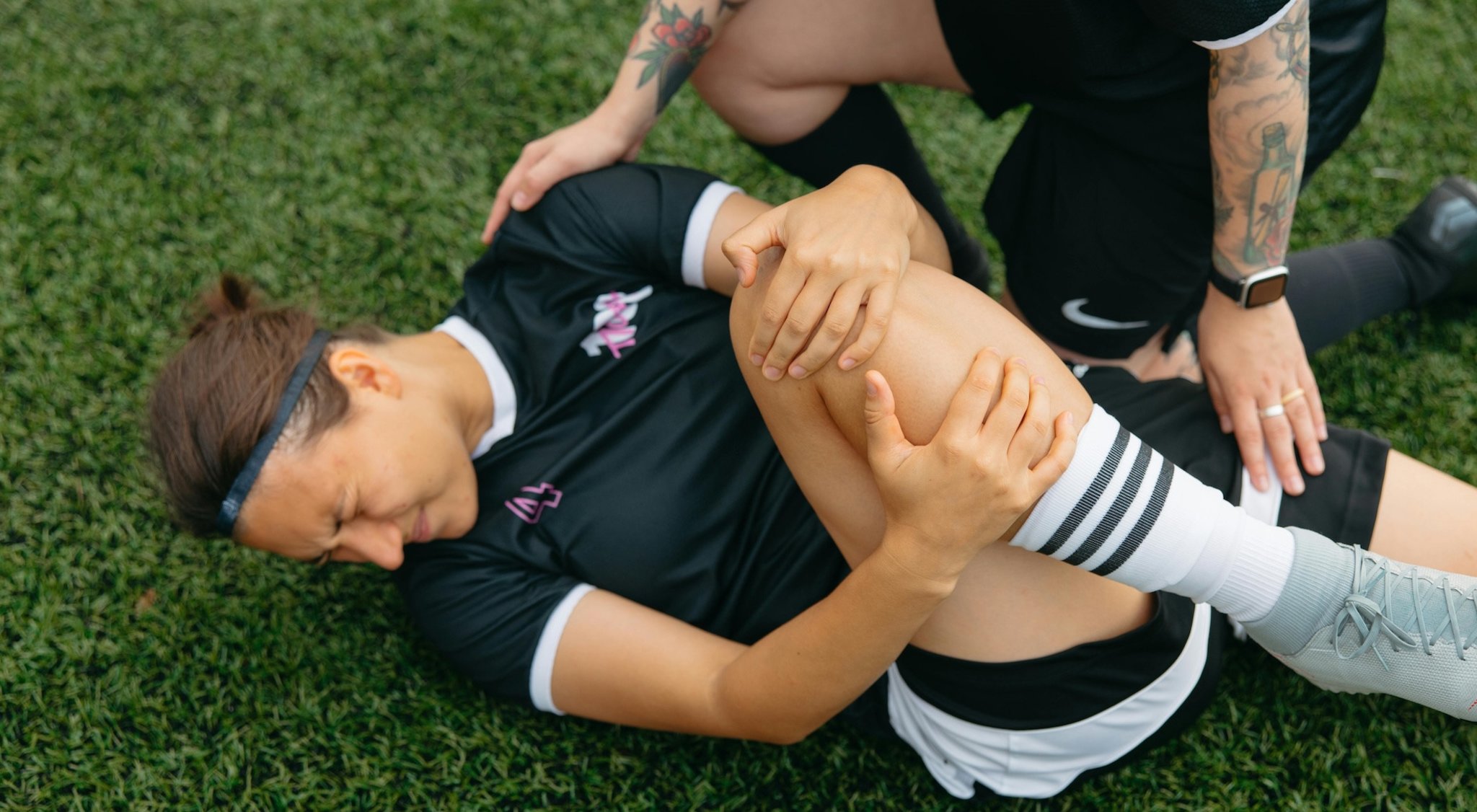
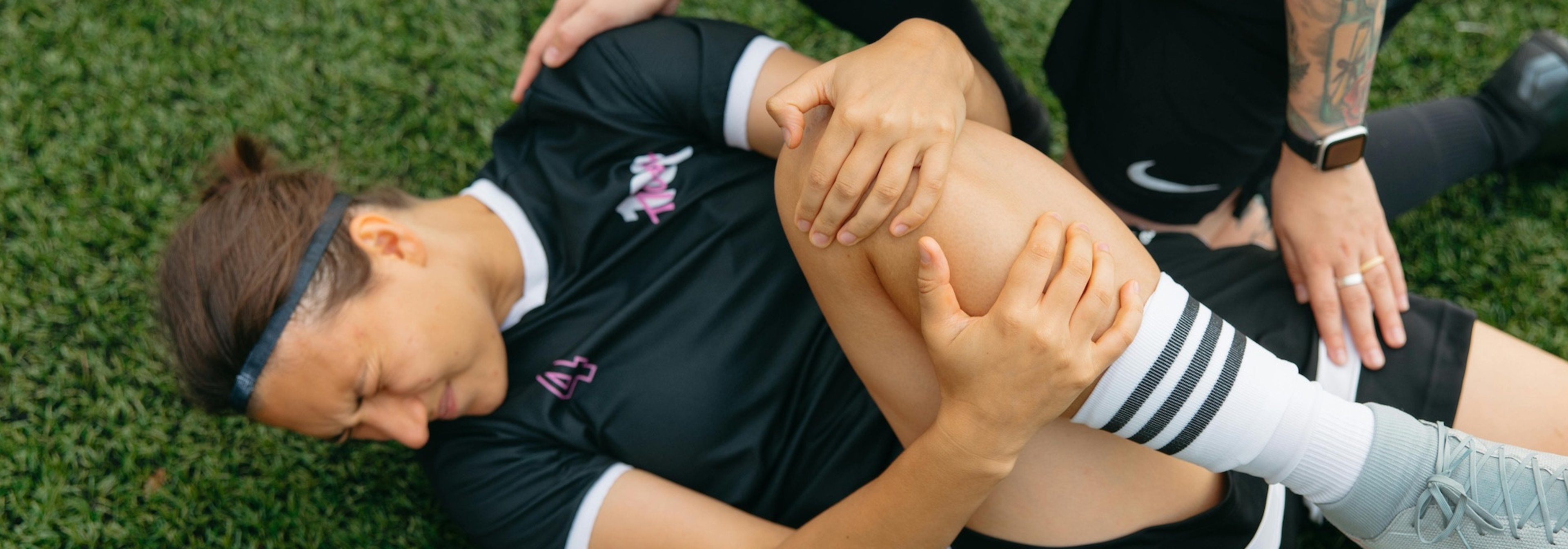
A cruciate ligament tear usually occurs acutely and is often triggered by sports injuries such as sudden movements, impacts, or an imbalance in the knee joint —so-called twisting and buckling injuries. There are two main cruciate ligaments in the knee: the anterior cruciate ligament (ACL) and the posterior cruciate ligament (PCL). The anterior cruciate ligament is the most important ligament in the knee joint and also the one subjected to the greatest stress. It connects the femur to the tibia and prevents the tibia from sliding forward.
In about 90 percent of cases, a cruciate ligament tear affects the anterior cruciate ligament, as it is weaker than the posterior one.
In contrast, a tear of the posterior cruciate ligament is usually caused by external forces acting against the tibial tuberosity, such as in an accident.
The injury causes the characteristic “drawer” sign. This means that, relative to the thigh, the lower leg can be pulled forward.
Sports that require rapid changes of direction, jumps, and abrupt stops pose a particularly high risk of a cruciate ligament tear. These include, for example, ball sports such as soccer, basketball, volleyball, handball, and tennis, as well as skiing. In these sports, the knees are subjected to heavy strain due to rapid rotations and abrupt movements. Concomitant injuries, such as meniscus damage or damage to collateral ligaments or cartilage, cannot be ruled out either.
Exercises for Your Knee

Cruciate Ligament Tears as a Result of Other Knee Injuries
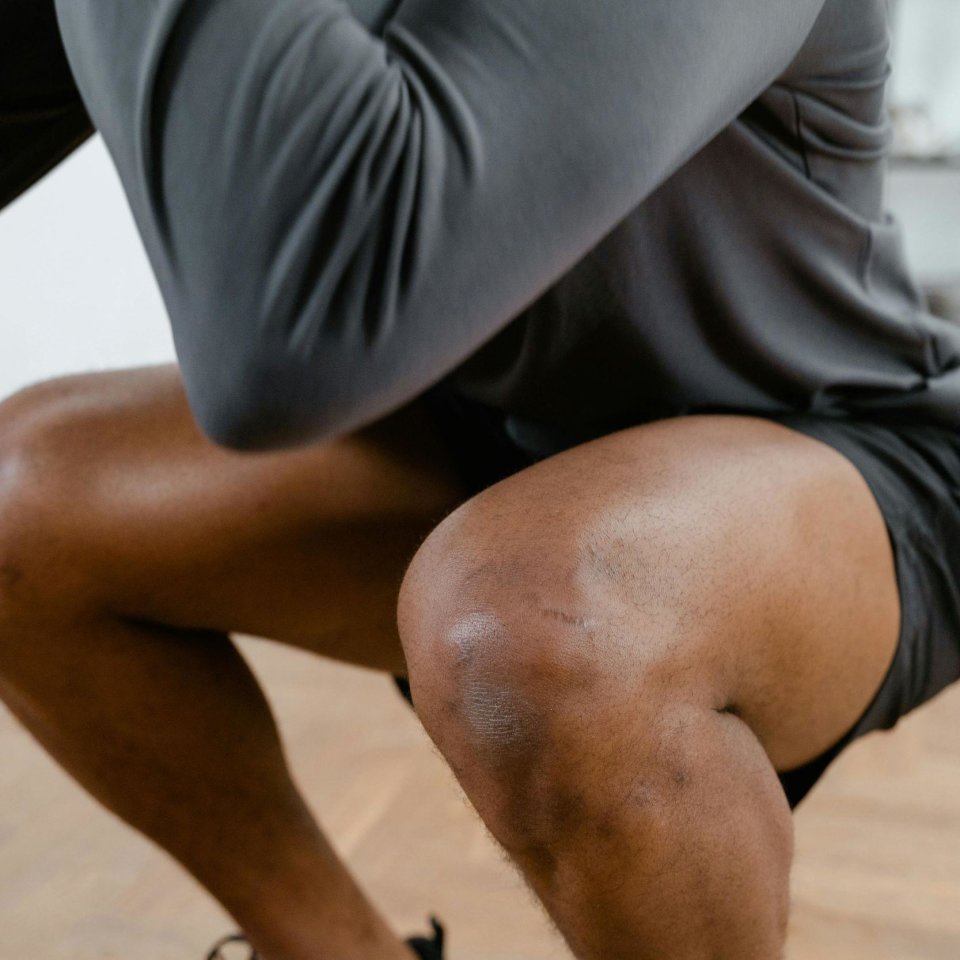
A cruciate ligament tear can also occur simply as a complication of another injury. Instability or an injury in one part of the knee, for example, can affect the knee’s movement and place additional strain on other structures in the knee. For instance, patellar dislocation could lead to abnormal stress on the cruciate ligament and increase the risk of a cruciate ligament tear. In patellar dislocation, the kneecap (patella) slips out of its normal position in the knee joint.
Direct Trauma as a Cause of a Cruciate Ligament Tear
Another common scenario leading to a cruciate ligament tear is direct trauma, such as from a traffic accident or a fall from a great height. A forceful blow to the knee, especially when the leg is slightly bent or fully extended, can also overstretch the cruciate ligament and cause it to tear.
Anatomical and physiological risk factors
Some people are also anatomically more prone to cruciate ligament tears.
Factors such as weak or underdeveloped thigh muscles or knee instability can increase the risk.
Statistically speaking, women also experience cruciate ligament tears more frequently than men due to biomechanical and hormonal differences.
Previous Injuries and Existing Knee Instabilities
Pre-existing injuries or chronic knee instability can also increase the risk of a cruciate ligament tear. People who have already undergone knee surgery are more susceptible, as the tissue may be weakened and the stability of the knee joint is already compromised.

Symptoms and Diagnosis
A cruciate ligament tear typically presents with sudden and severe symptoms. In acute cases, a correct and prompt diagnosis and care are crucial for determining the severity of the injury and initiating the best possible treatment. Since it is virtually impossible for laypeople to distinguish a cruciate ligament tear from a ligament tear, ligament sprain, ankle sprain, or muscle strain based on pain alone, an expert should always be consulted after an accident. The appropriate specialist in this case is an orthopedic surgeon, who will first determine whether:
there was an audible sound in the knee at the time of the injury—such as a pop, a loud crunch, or a crack
it was still possible to walk after the injury and whether movement restrictions occurred afterward
which movements cause pain in the knee and how intense that pain is
exactly how and during which movement or sport the injury occurred
there have been previous injuries or pain in the knee or knee joint, and what caused them.
Acute Symptoms
Acute symptoms of a cruciate ligament tear include an audible popping sound in the knee, followed by intense pain.
Those affected often report a feeling of instability afterward, as if the knee were giving way.
Within a few hours, swelling occurs, caused by bleeding into the joint.
Functional Limitations
After a cruciate ligament tear, the knee’s range of motion is severely limited. Those affected have great difficulty fully bending or straightening the knee and experience pain when putting weight on the leg. The joint’s instability can also make walking or standing difficult.
Diagnostic Procedures
An accurate diagnosis is made through a clinical examination and imaging tests. The orthopedic surgeon assesses the stability of the knee using specialized tests such as the Lachman test or drawer test.
Imaging techniques, such as magnetic resonance imaging (MRI), may then be used to determine the exact location and extent of the tear and to rule out other structural damage—such as meniscus injuries. Computed tomography (CT) is performed rather rarely. However, it can also show whether a cruciate ligament is completely or partially torn. And while an X-ray cannot visualize a cruciate ligament tear, it can reveal whether there are additional bone injuries in the knee area or whether a ligament has been torn.
Conservative treatment
First things first: An anterior cruciate ligament tear never heals on its own. Therefore, patients must decide between cruciate ligament surgery and conservative therapy. When making this decision, they should keep in mind that a cruciate ligament tear can increase the risk of developing knee osteoarthritis in the affected knee later on.
Timely treatment and appropriate rehabilitation are therefore crucial to minimizing long-term damage as much as possible.
When ACL Surgery Is Not Absolutely Necessary
In some cases, a cruciate ligament tear can be treated conservatively, that is, without surgery. Whether this form of treatment is sufficient is a matter of careful consideration and also depends on the individual needs of the patient—such as age, the type and location of the cruciate ligament tear, and the physical demands of sports and work in daily life. If only the cruciate ligament is torn, or if any accompanying injuries to the meniscus, medial collateral ligament, or other cartilage-like structures are minor, surgery is not absolutely necessary.
The situation is different for people who participate in (intensive) sports, perform physically demanding work, or for children.
In these cases, a cruciate ligament tear is typically treated surgically.
Surgery is performed using various minimally invasive techniques, including arthroscopy.
Use of Pain Relievers
During the acute phase of the injury, pain relievers and anti-inflammatory medications can be used to alleviate pain and reduce swelling. In some cases, injections of corticosteroids or hyaluronic acid can also help control symptoms.
Injuries & Prevention


Physical Therapy & Medical Training Therapy
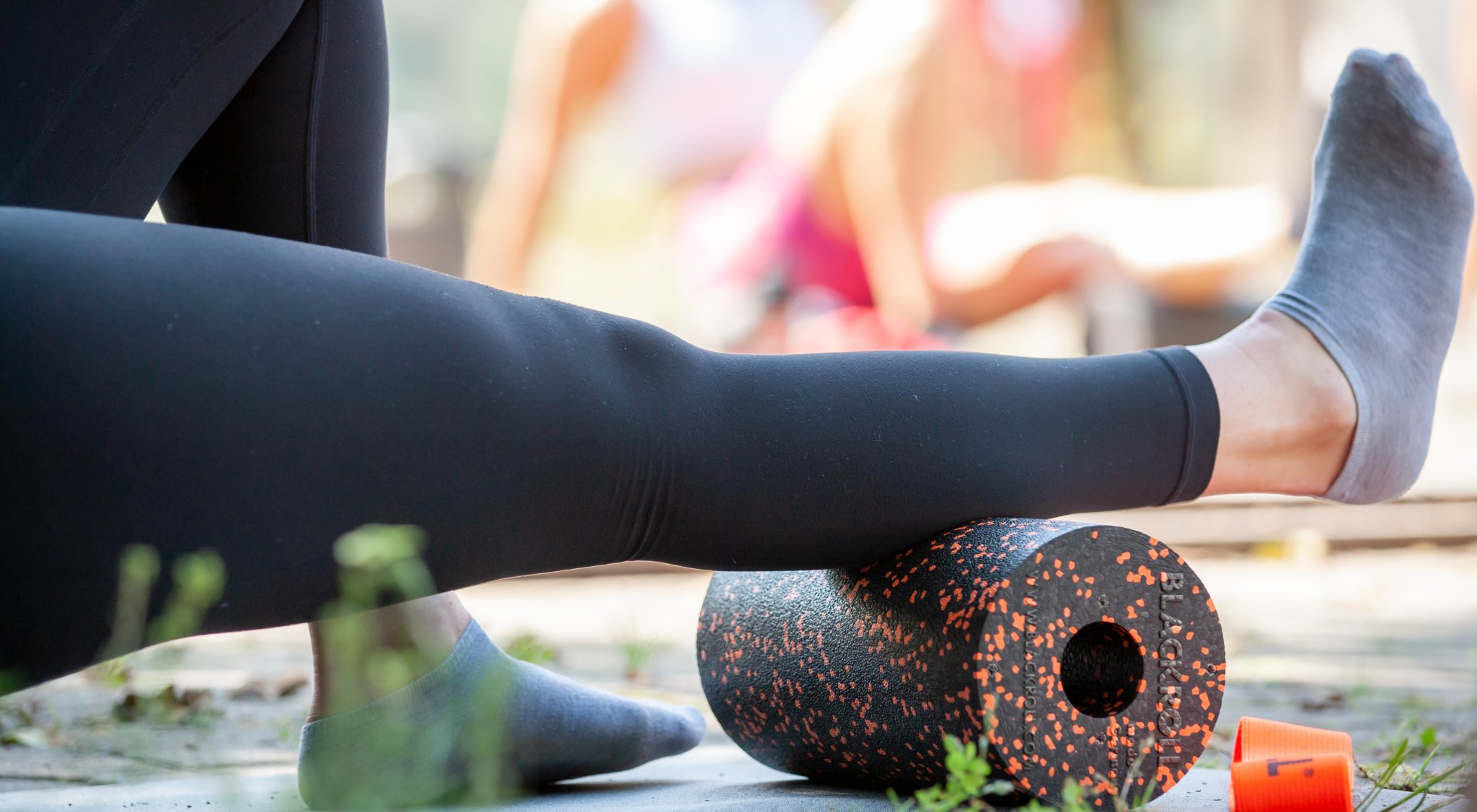
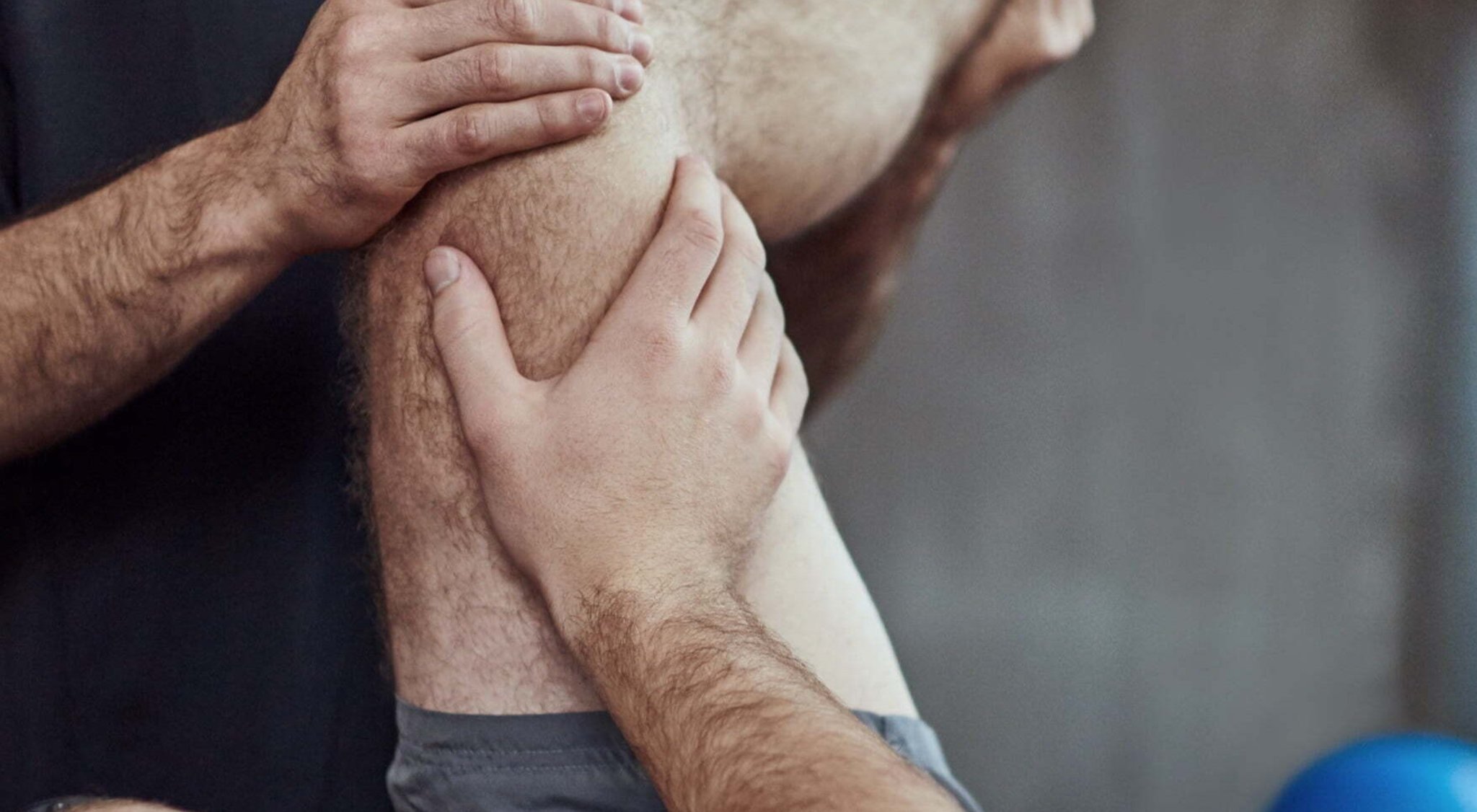
With conservative treatment, patients typically begin rehabilitation right away. A central component of conservative treatment is physical and exercise therapy. This is because, for a knee to become stable even without a complete anterior cruciate ligament, the muscles must be well-trained. Targeted exercises can strengthen the muscles around the knee joint and improve the joint’s stability. The training focuses on exercises to strengthen the quadriceps and the hamstrings, as well as core stabilization.
Duration of the Rehabilitation Phase
The rehabilitation phase for a cruciate ligament tear lasts an average of about three to six months. It may also take this long for the sense of the knee to return and for those affected to be able to move it as naturally as they did before the tear. The reason: The anterior cruciate ligament contains special sensory cells called receptors. These inform the brain about the mechanical forces acting on the knee. Through targeted, progressive training and exercises, these coordination skills can also be restored and improved.
Tip: After conservative treatment, the knee recovers significantly faster than after surgery, and patients can begin building strength earlier as part of their rehabilitation.
Use of a Brace
To support the knee joint and prevent further instability, patients can use special knee braces or supports that stabilize the knee—especially during everyday activities—and help prevent unintended movements that could interfere with the healing process.
Important: A conservative approach requires careful and continuous monitoring by the treating physician. Regular checkups and close collaboration with the physical therapist and exercise therapist are crucial for tracking the healing process and ensuring that no further complications arise.


Surgical Procedures for a Cruciate Ligament Tear
If conservative treatment is insufficient, surgery is necessary to restore stability to the knee joint.
In Germany, approximately 40,000 anterior cruciate ligament surgeries are performed each year.
The procedure aims to reconstruct or replace the torn cruciate ligament. One of the most common surgical methods is:
Arthroscopic Reconstruction
The most commonly performed surgery for a cruciate ligament tear is arthroscopic reconstruction. In this minimally invasive procedure, a small camera system (arthroscope) is inserted into the knee joint to assess the condition of the structures within the joint. The torn cruciate ligament is then replaced with a tendon taken from the patient’s thigh (e.g., the patellar tendon or hamstring tendon) or from a donor as part of a tendon transplant. Over the following weeks and months, the body then transforms the implanted tendon into a ligament. There are two main options when selecting a tendon for reconstruction: allografts (donor tendons) and autografts (the patient’s own tendons). Each method has its advantages and disadvantages. Autografts offer a lower risk of rejection and better healing, while allografts cause less postoperative pain and avoid the need to harvest a tendon from the patient’s own body. If a patient has already torn the cruciate ligament multiple times, there may not be enough of the patient’s own tendons available for reconstruction; in this case, an allograft must always be used to ensure knee stability.
Postoperative Care and Mobilization
After surgery, the knee is typically immobilized in a special brace for some time to promote healing. Patients begin physical therapy shortly after surgery to restore mobility and strengthen the muscles. The load on the knee is gradually increased, taking the individual’s healing rate into account.
Risks and Complications
As with any surgery, there are risks associated with cruciate ligament reconstruction. These include infections, blood clots, inadequate healing of the tendon, or the formation of scar tissue that can limit the knee’s range of motion. Careful postoperative care and follow-up are crucial to minimizing complications.


Preparing for Surgery
For patients who decide to undergo surgical treatment, thorough preparation is essential. Proper preparation for surgery can significantly influence its success and accelerate the healing process.
Before surgery, the doctor conducts a comprehensive examination to assess the patient’s overall health. This includes blood tests, an ECG, and, if necessary, a preoperative MRI to determine the exact severity of the injury. In addition, the patient is informed about the risks and the procedure involved in the surgery.
Preoperative Physical Therapy
In general, preoperative physical therapy may be recommended to prepare the knee as well as possible for surgery. Targeted exercises improve knee mobility and strengthen the surrounding muscles, which can support the healing process after surgery.
An important part of the preparation is having realistic expectations regarding the surgery and the recovery process.
The treating physician will discuss with the patient what results to expect, what limitations may exist, and what the postoperative course might look like.
Before surgery, patients should also plan for postoperative care. This includes scheduling physical therapy sessions, obtaining assistive devices such as crutches or orthopedic braces, and establishing a home care plan.
Postoperative Rehabilitation and Physical Therapy
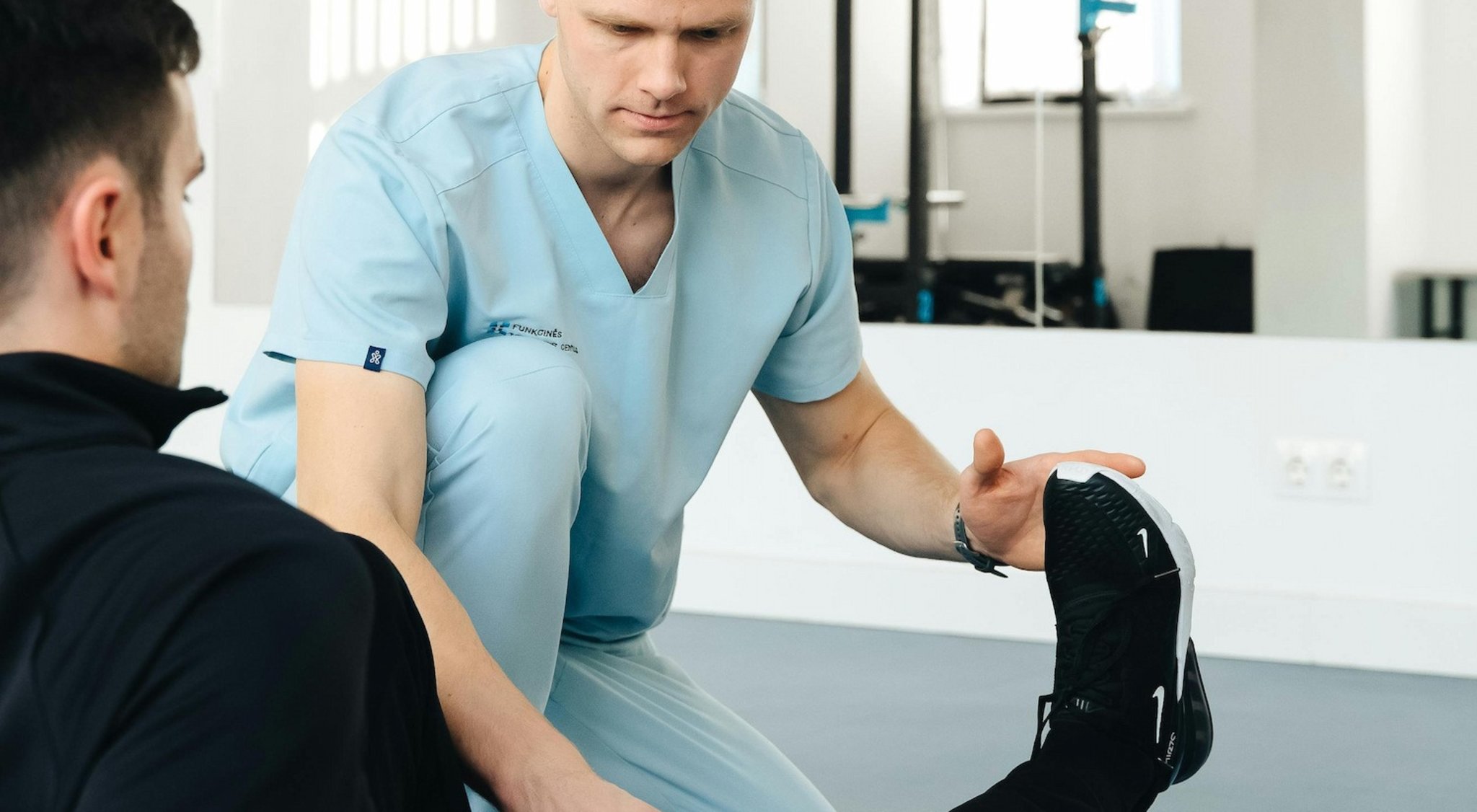
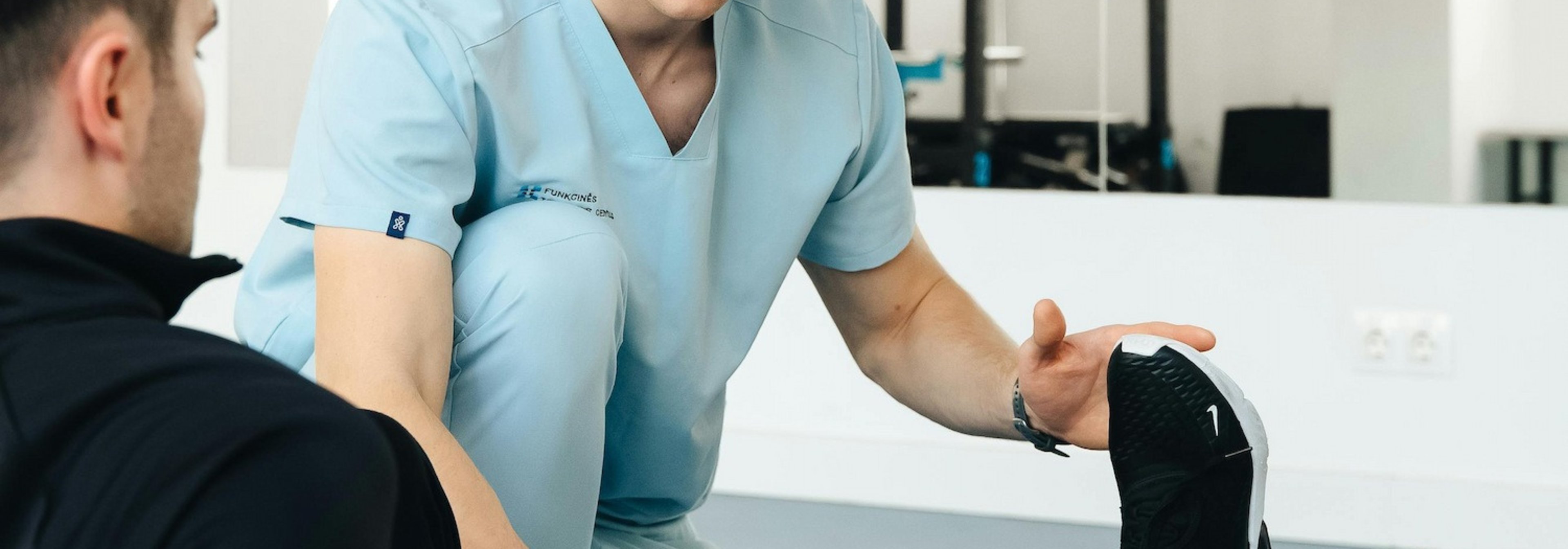
Postoperative rehabilitation is a crucial factor in successful recovery from cruciate ligament surgery. A well-structured rehabilitation plan helps the patient regain full knee function and prevent future injuries. Most patients who undergo cruciate ligament reconstruction achieve good to very good results and return to their previous level of activity. However, full recovery can take up to a year, and the patient’s patience is crucial to success.
Early Phase of Rehabilitation
In the first few weeks after surgery, the focus is on reducing pain, combating swelling and inflammation (including with anti-inflammatory medications), controlling the thigh muscles, and restoring range of motion. Passive range-of-motion exercises, cryotherapy (ice treatment), and the use of lymphatic drainage techniques are typical measures during this phase. About one to two weeks after surgery, the patient should be able to fully extend the leg again.
Muscle Building and Stability Training
After the healing phase, the rehabilitation plan is gradually intensified. The focus now shifts to muscle strengthening, particularly of the thigh and gluteal muscles, which are crucial for knee stability. Exercises that promote balance and coordination are also an essential component.
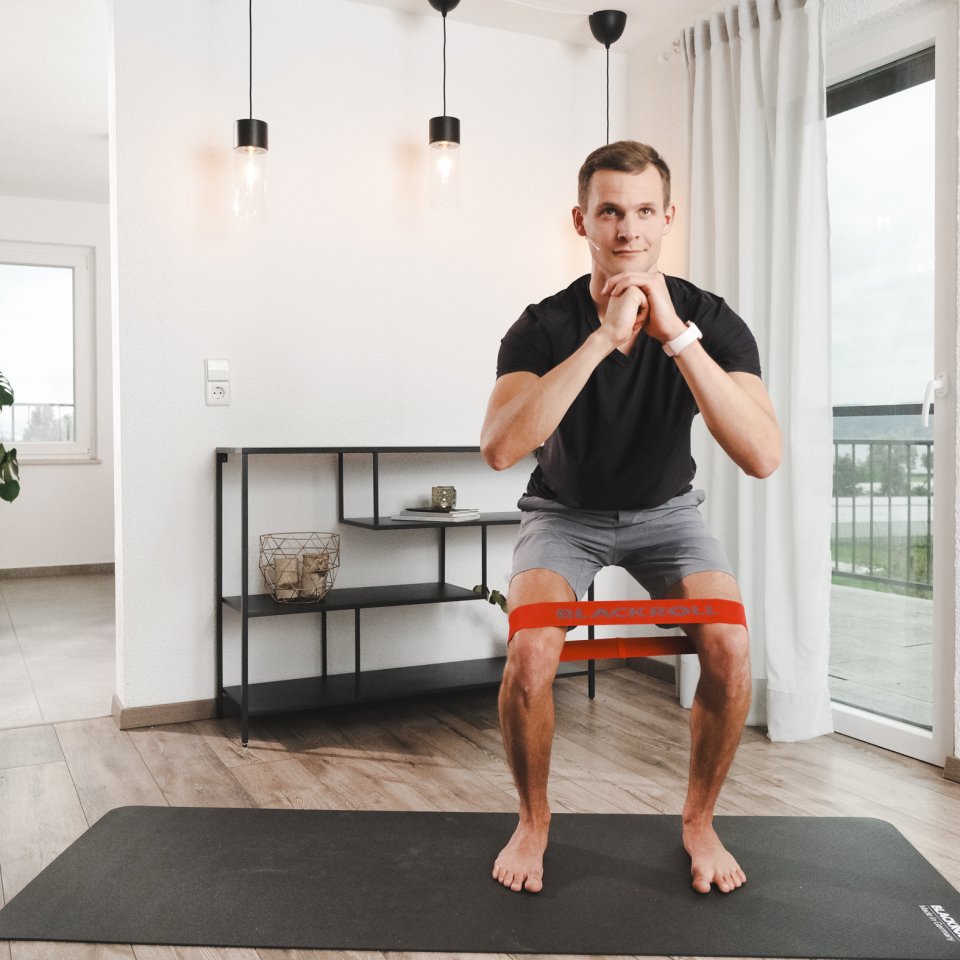
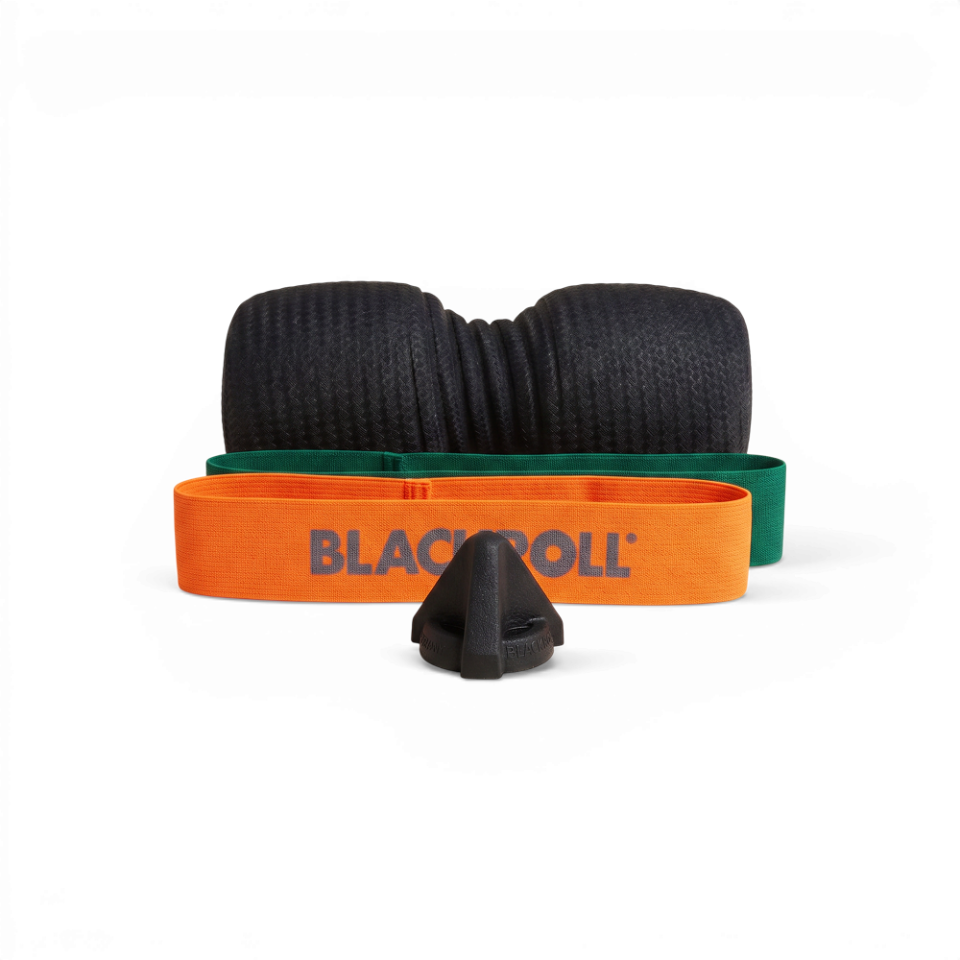
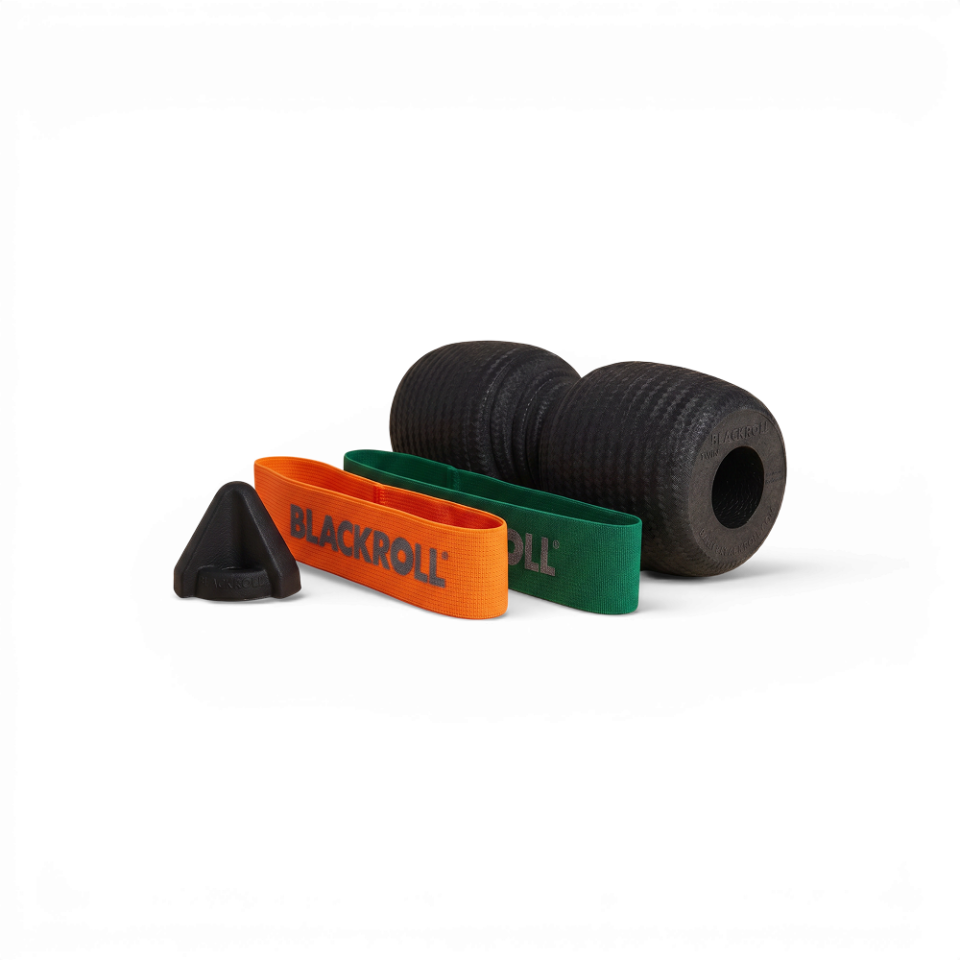
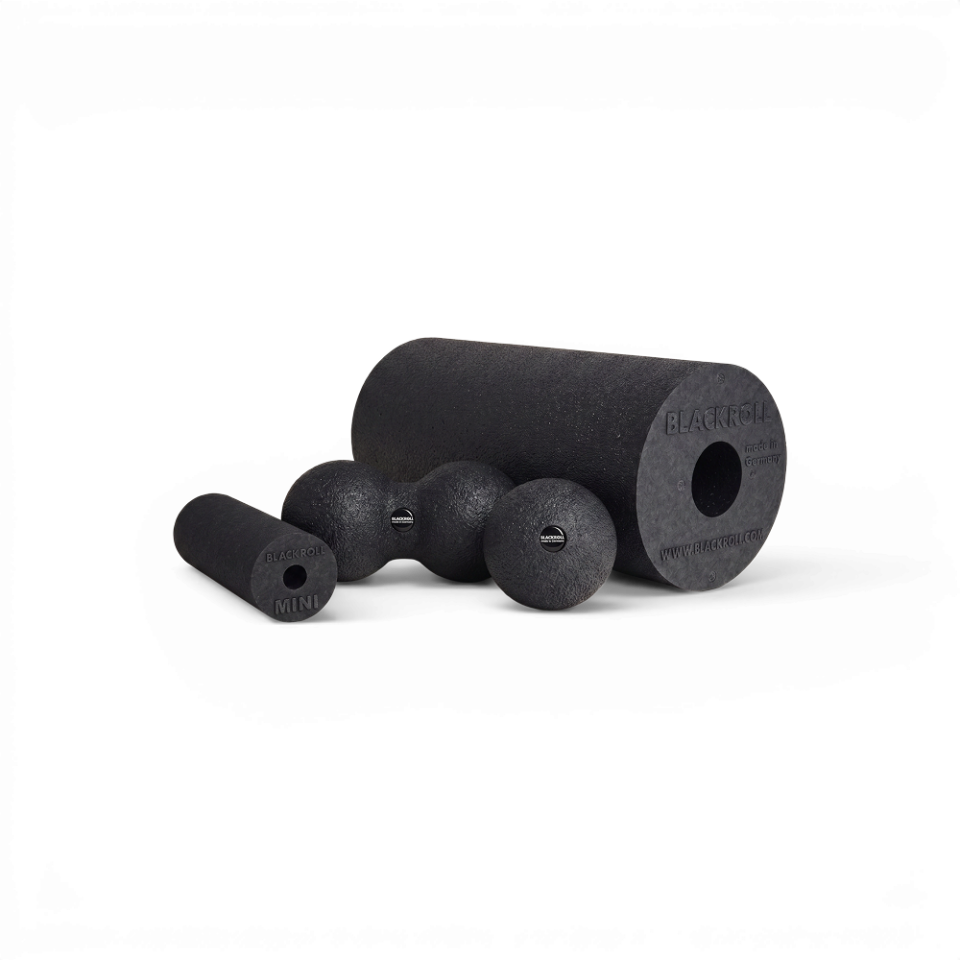
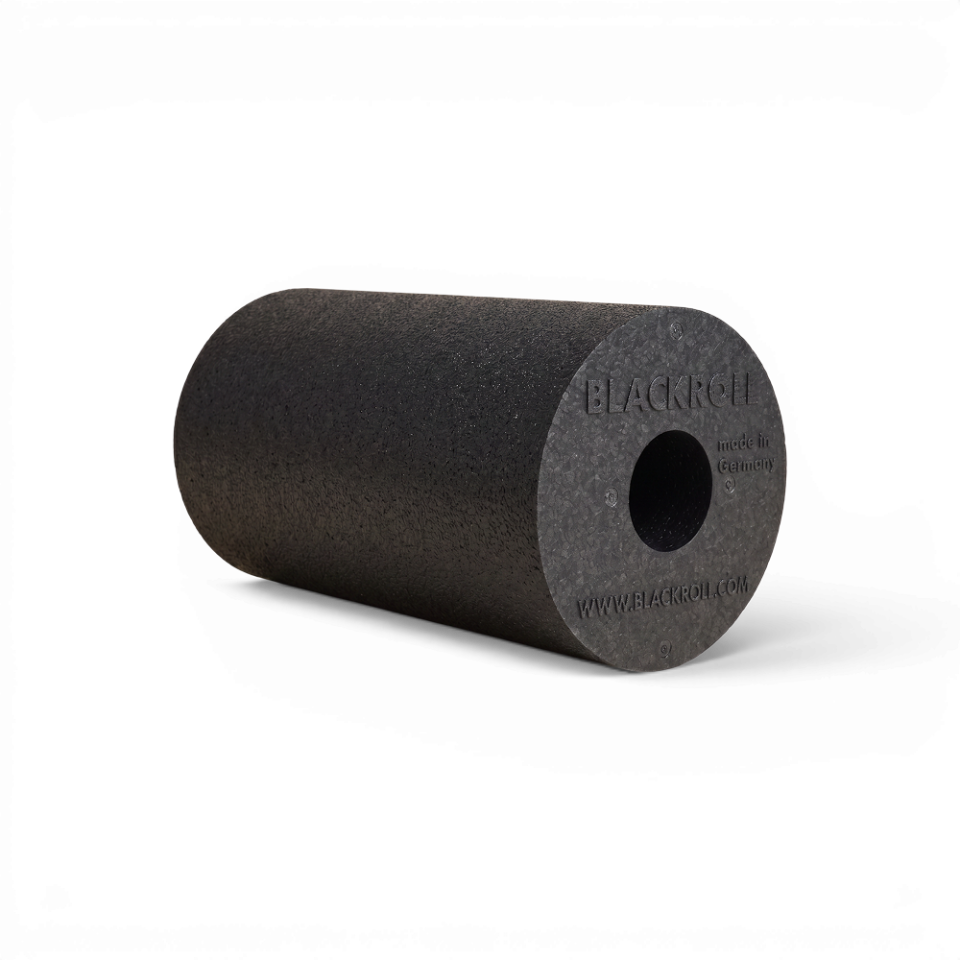
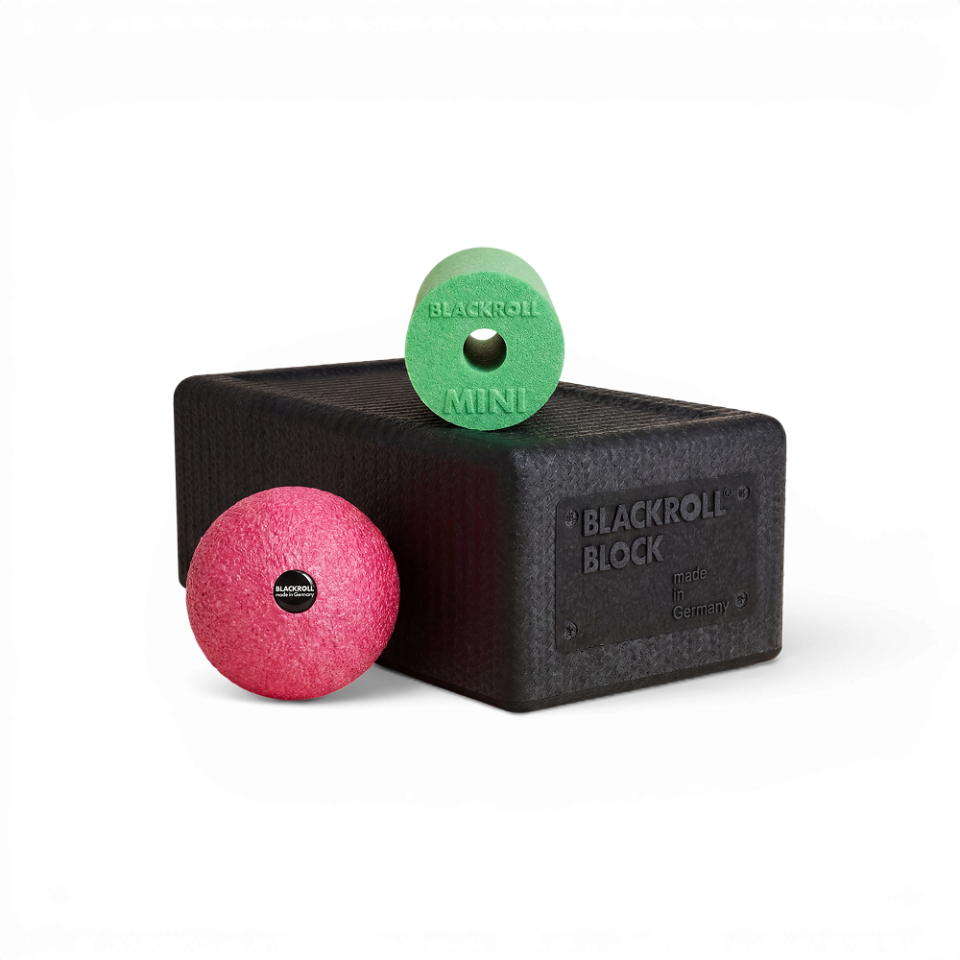
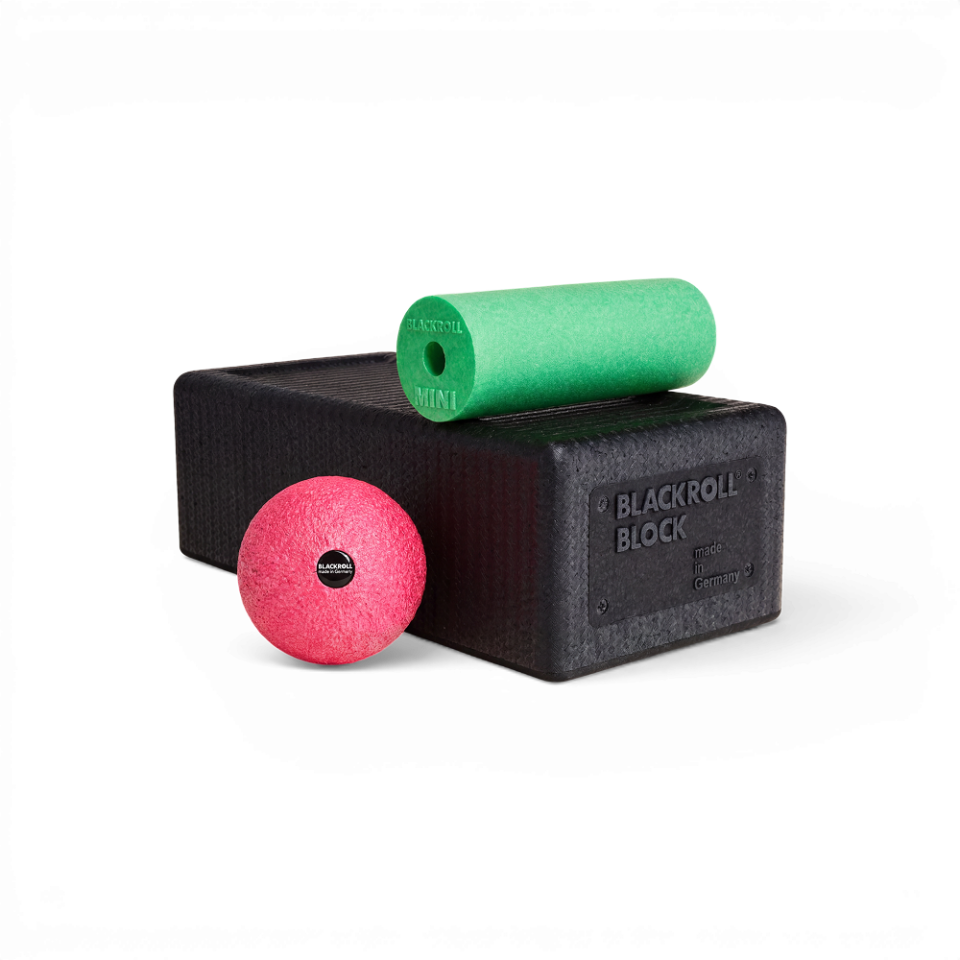
You can find effective exercises that stabilize the knee on our website. Ideally, you should use the LOOP BAND, the BLOCK, or the GYMBALL from BLACKROLL for support. These exercises help strengthen the surrounding muscles and reduce the risk of potential injuries.






Return to Functionality and Sports
Test batteries, such as Return to Function and Return to Sport, can help determine the extent to which the knee can be loaded again. In general, previous injuries, physical condition, and age play a major role in the healing process. Strength and stability tests can provide individualized insights into the course of rehabilitation to guide the further process.
Long-Term Care
Even after the active rehabilitation phase is complete, it is important to perform regular exercises to strengthen and stabilize the knee. The treating physical therapist or exercise therapist will provide patients with long-term recommendations to minimize the risk of re-injury.
Long-Term Prognosis and Possible Complications
The long-term prognosis following a cruciate ligament tear depends on various factors, including the severity of the injury, the success of the treatment, and adherence to the rehabilitation plan.
Possible Risks and Complications
Possible complications following cruciate ligament surgery include chronic instability, which may require repeat surgery, as well as arthrofibrosis, a condition involving excessive scar tissue formation that limits knee mobility. In some cases, post-traumatic osteoarthritis may also develop, particularly if other structures of the knee were also damaged in the accident.



Recovery Blanket Summer
Available in multiple variants
Long-Term Care
Even after successful rehabilitation, it is important for patients to continue caring for their treated knee. Regular exercises to strengthen the muscles, avoiding excessive strain, and following ergonomic movement patterns in daily life are crucial for maintaining the long-term health of the knee.
Functional Tests
Before fully returning to sports, the knee should undergo various functional tests to assess its load-bearing capacity. These may include strength tests, jump tests, gait analyses, and tests to evaluate neuromuscular control. These tests help assess the risk of re-injury.
Mental Preparation
In addition to physical recovery, mental preparation also plays an important role. Many patients are afraid of getting injured again, which can impair their performance and confidence in their knee. Close collaboration with a physical therapist and exercise therapist—and, if necessary, a sports psychologist—can help overcome these fears and restore full confidence in the knee.


Prevention of Cruciate Ligament Injuries
Preventing cruciate ligament injuries is particularly important for athletes, as these injuries can often have serious and long-lasting effects on their athletic careers.
Warm-up Exercises and Stretching
A comprehensive warm-up routine is essential for reducing the risk of injury. This includes dynamic stretching exercises that improve flexibility and prepare the muscles for the upcoming physical demands. Exercises that activate and stabilize the leg and core muscles are particularly important.
Strength and Stabilization Training
Regular strength training, especially for the thigh and gluteal muscles, can improve knee joint stability and reduce the risk of injury. In addition, those affected should perform exercises for core stability and coordination to gain better control over their movements.
Technique Training
In sports that carry a high risk of cruciate ligament injuries, it is important to learn the correct technique and practice it regularly. This applies especially to jumps, landings, and quick changes of direction. Proper technique can reduce stress on the knee joint and help prevent injuries.
Regular Checkups
Athletes should be examined regularly by a physical therapist or a sports trainer to identify potential muscular imbalances or other risk factors early on and address them specifically.
Discover more exercises
Mobility, Warm-Up, and Strength Training


Supportive Measures and Assistive Devices
In addition to traditional treatment methods and preventive measures, there are a variety of supportive measures and aids that can contribute to the healing and prevention of cruciate ligament injuries. These include:
Braces and Bandages
Specially designed knee braces can be worn during the healing phase and while participating in sports to stabilize the knee and protect it from further injury. These aids are particularly useful in the early postoperative phase and when returning to sports.
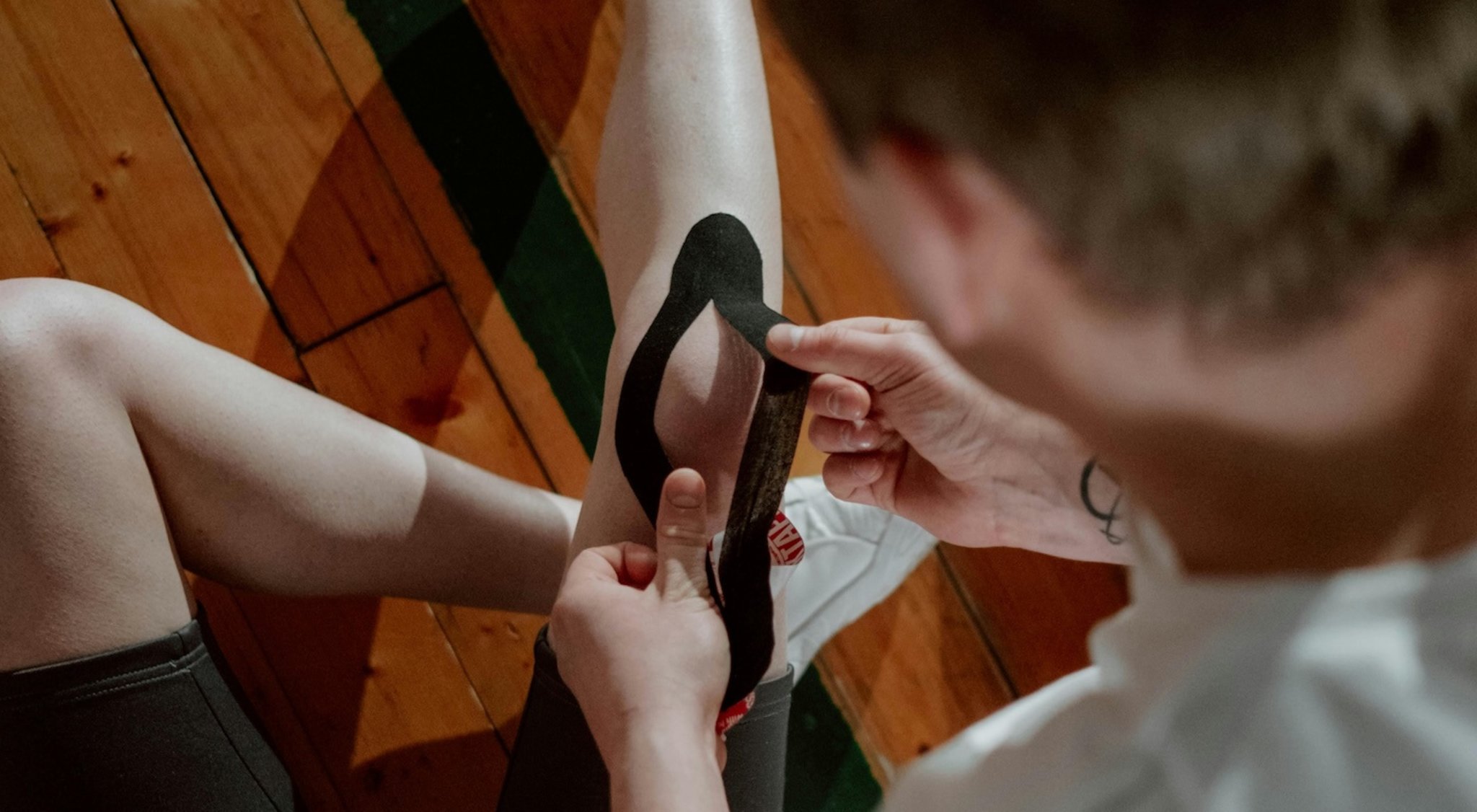
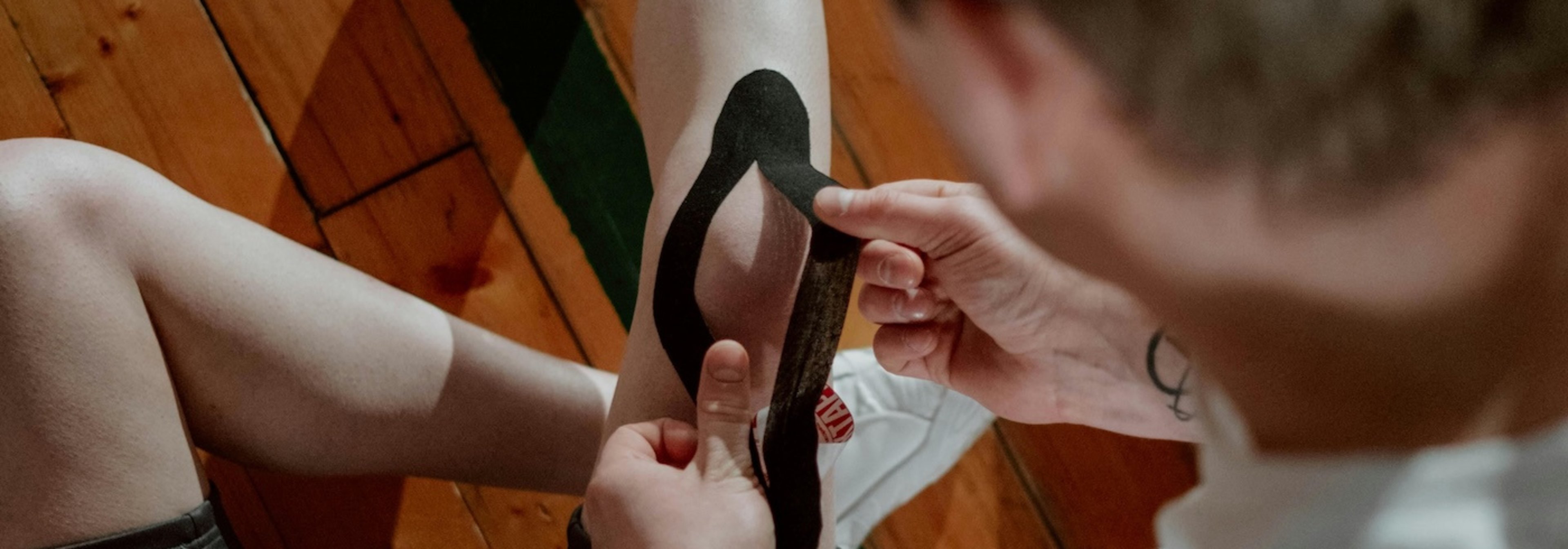
Taping
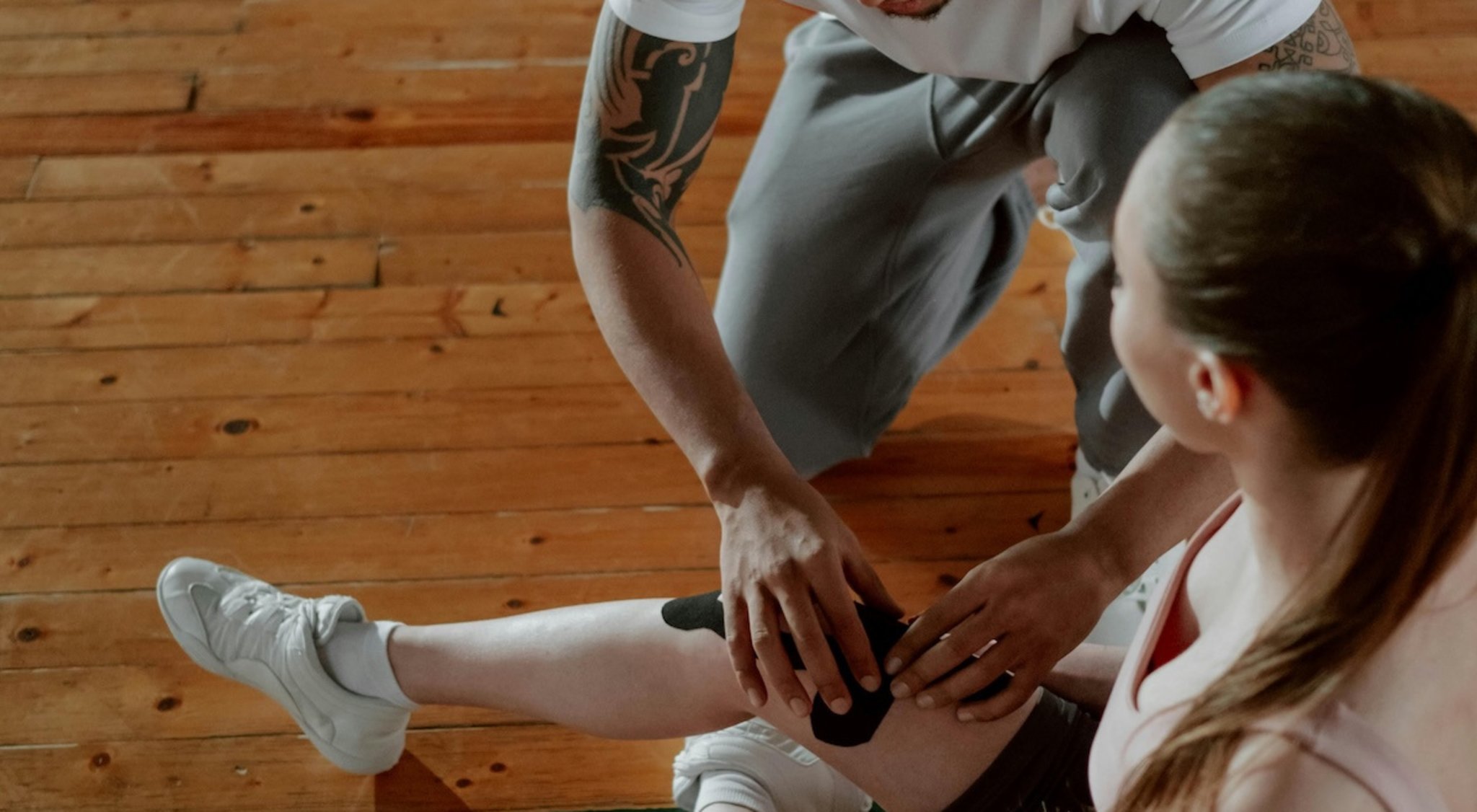
Kinesiology taping can help support the mobility of the knee joint while providing stability. It can also be used to relieve strain on the muscles and promote blood circulation, which supports the healing process.
Nutrition and Dietary Supplements
A balanced, varied diet rich in vitamins, minerals, and proteins supports healing and overall well-being.
Complementary Therapies
Complementary therapies such as acupuncture, massage therapy, or osteopathy can also help relieve pain and promote general well-being. However, these methods should always be considered only as a supplement to conventional treatment and should be used in consultation with the treating physician.
More Articles on the Topic of the Knee






FAQ
Useful information
A cruciate ligament tear is an injury in which one of the two major ligaments that stabilize the knee tears. The anterior cruciate ligament (ACL) is most commonly affected. This type of injury causes severe pain in the affected area and instability in the knee.
Cruciate ligament tears often occur in sports involving frequent changes of direction and sudden stops, such as soccer, tennis, and basketball, as well as in skiing. A direct impact to the knee or a forced twisting motion of the thigh relative to the lower leg can lead to a tear. Often, a popping sound is heard at the time of the injury, followed by immediate swelling and pain.
Symptoms of a cruciate ligament tear include a popping sound at the time of the injury, acute pain, severe swelling, a feeling of instability in the knee, and limited range of motion. Those affected often feel as though their knee is “giving way,” especially during twisting movements or when trying to stop quickly.
The diagnosis is made through a thorough clinical examination of the knee, during which the orthopedic surgeon assesses the stability of the knee joint. Imaging techniques such as magnetic resonance imaging (MRI) are also used to determine and confirm the exact extent of the injury and any associated injuries.
Treatment depends on the severity of the injury, the patient’s age, and their level of activity. It ranges from conservative methods such as physical therapy and rehabilitation to surgical procedures in which the torn ligament is replaced with a graft. In children and people who are very active in sports, a cruciate ligament tear is usually treated with surgery.
The healing time can vary. With conservative treatment and depending on the severity, recovery can take several months. After surgery, rehabilitation usually takes six to twelve months until the knee has regained full function and the patient can return to sports activities.
Possible complications include chronic knee instability, an increased risk of meniscus injuries, and early-onset knee osteoarthritis. Improper or insufficient rehabilitation can delay or impair a return to full activity.
Physical therapy is a crucial component of treatment and rehabilitation. It helps strengthen the muscles around the knee, improve mobility, and restore joint stability. A physical therapist will create a personalized treatment plan for patients to best meet their needs.
Preventive measures include targeted training to improve balance, strength, and flexibility; warm-up exercises and stretching; ; learning techniques to avoid injuries; and wearing appropriate protective gear during sports.
When patients can resume sports depends on the type of injury, the treatment method, and the patient’s individual rehabilitation progress. Doctors generally recommend waiting at least six months after surgery and only resuming sports after a comprehensive evaluation of knee function and stability.


Conclusion
A torn cruciate ligament usually requires comprehensive treatment and rehabilitation by orthopedic surgeons and physical and exercise therapists. Many factors play a role, from the correct diagnosis and the choice of treatment method to the prevention of future injuries. However, surgery is not necessarily the treatment of choice for a torn cruciate ligament, as long as conservative treatment is initiated. Surgery is generally recommended, however, especially for children, very active individuals, and competitive athletes. With targeted therapy and careful preparation, most patients can resume their athletic activities and return to their usual level of performance. Nevertheless, those affected by a cruciate ligament tear should take preventive measures and continuously care for the knee joint to prevent further injuries.