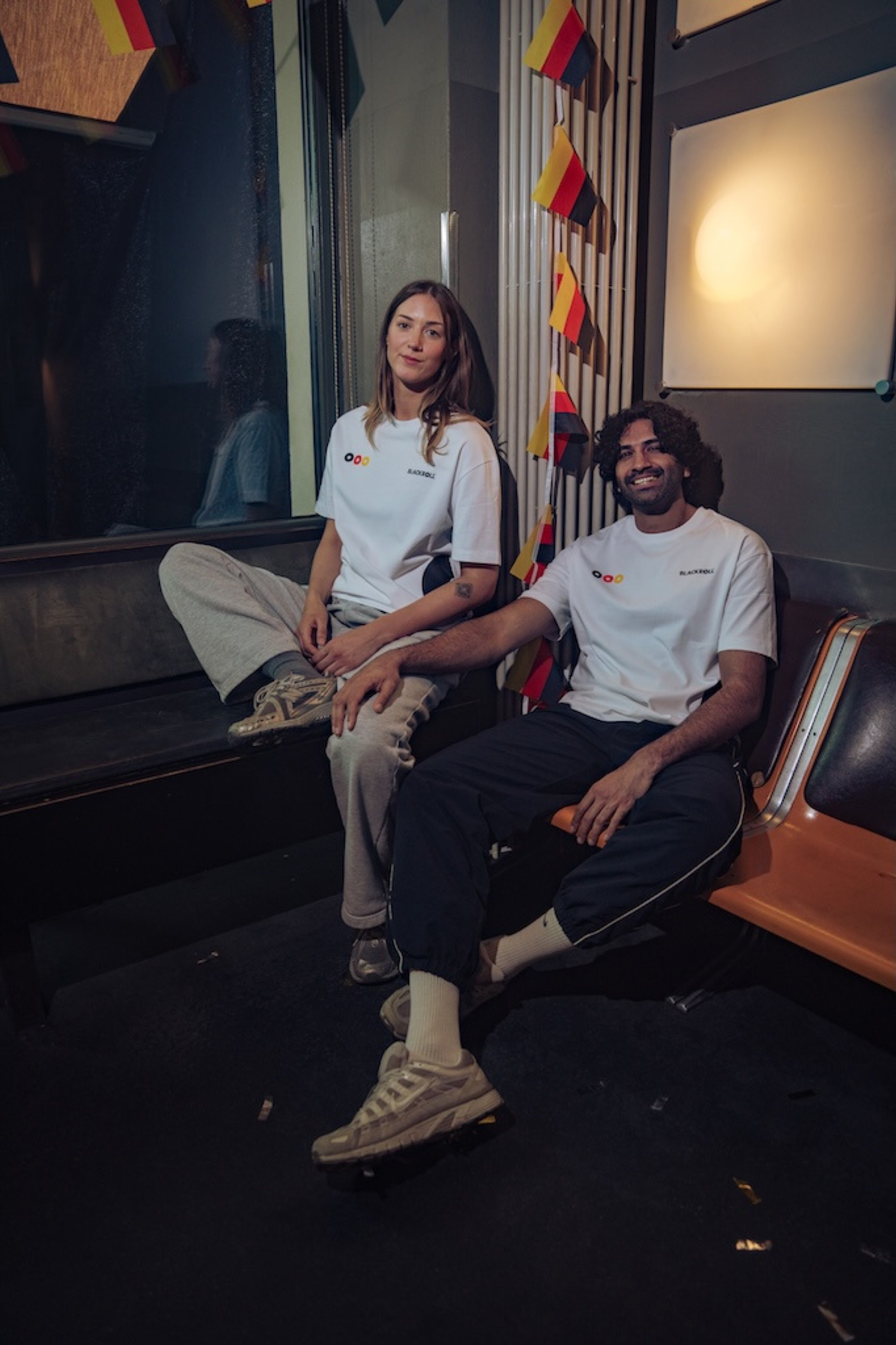

The 2026 World Cup will take place from June 11 to July 19 in the U.S., Canada, and Mexico, with time differences of up to nine hours, matches at an altitude of 2,240 m in Mexico City, and heat in Houston, Miami, and Dallas. This travel playbook shows fans and players how to tackle jet lag, climate, and city life together.
What You’ll Learn in This Article
- Anna West explains why it’s not just jet lag, but often dehydration that ruins the first night after long-haul flights.
- According to Anna West, jet lag is determined even before takeoff: sleep timing, light, and caffeine are the biggest factors.
- “One bad night won’t destroy you”—Anna West explains why sleep stress often makes jet lag even worse.
- Why an afternoon coffee can ruin your first night: Anna West on the underrated topic of caffeine timing.
- For Anna West, the 2026 World Cup is the perfect combination of jet lag, heat, altitude, and recovery stress.
“The ideal is unattainable. The goal isn’t to crash into the wall, but to go around it.”
Anna West, Sleep Performance Coach

The 2026 World Cup by the numbers: Three host countries (the U.S., Canada, Mexico), 48 teams, 16 host cities, three climate zones, up to nine hours of time difference. The largest and logistically most complex World Cup of all time.
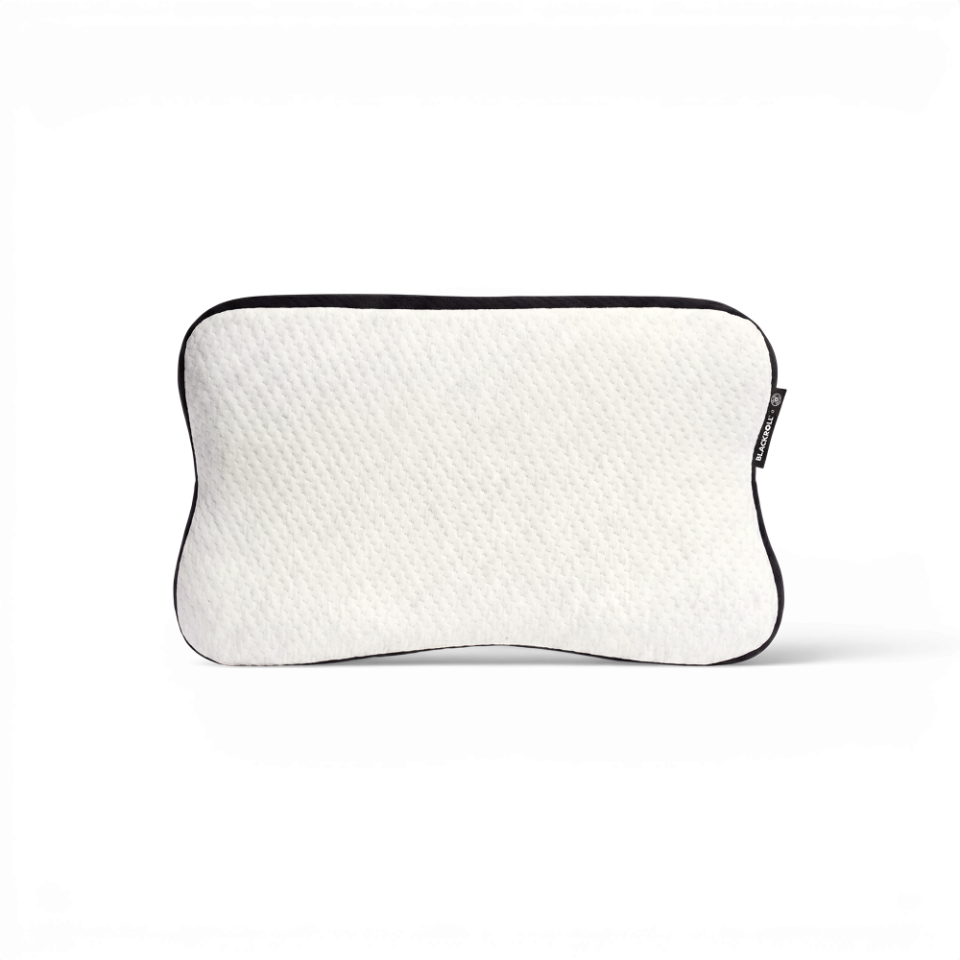
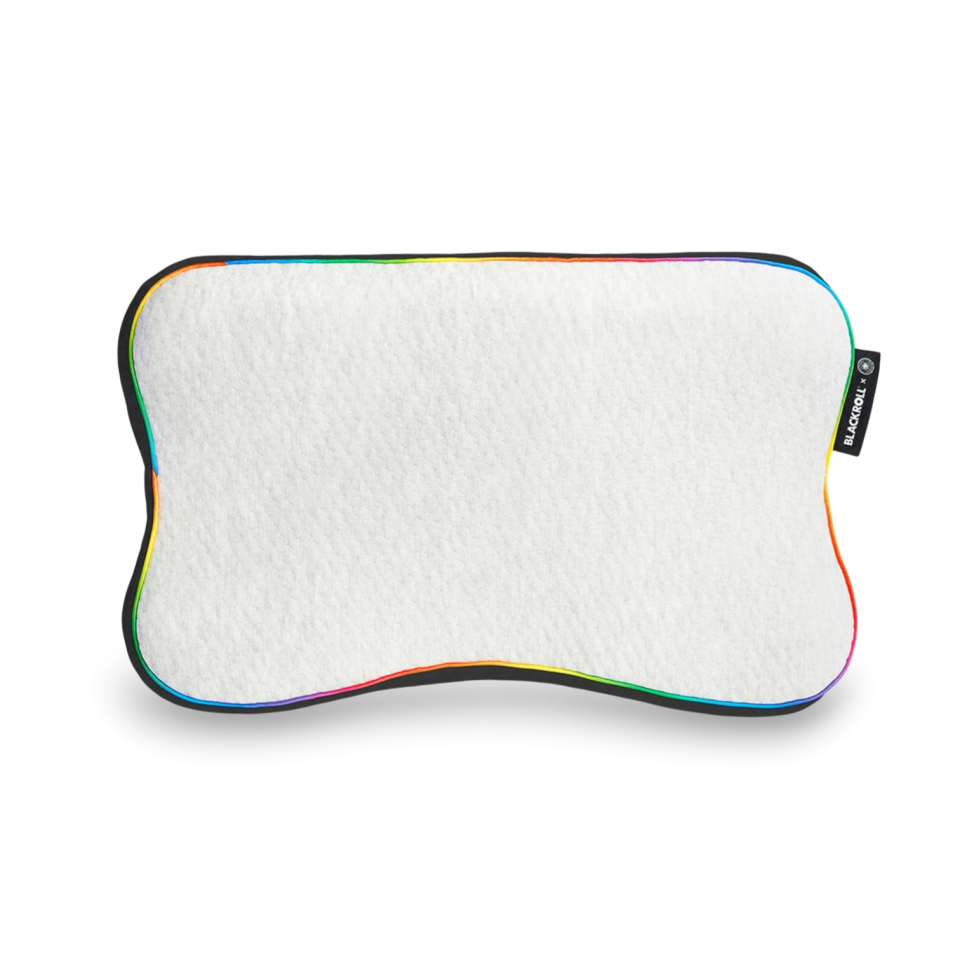
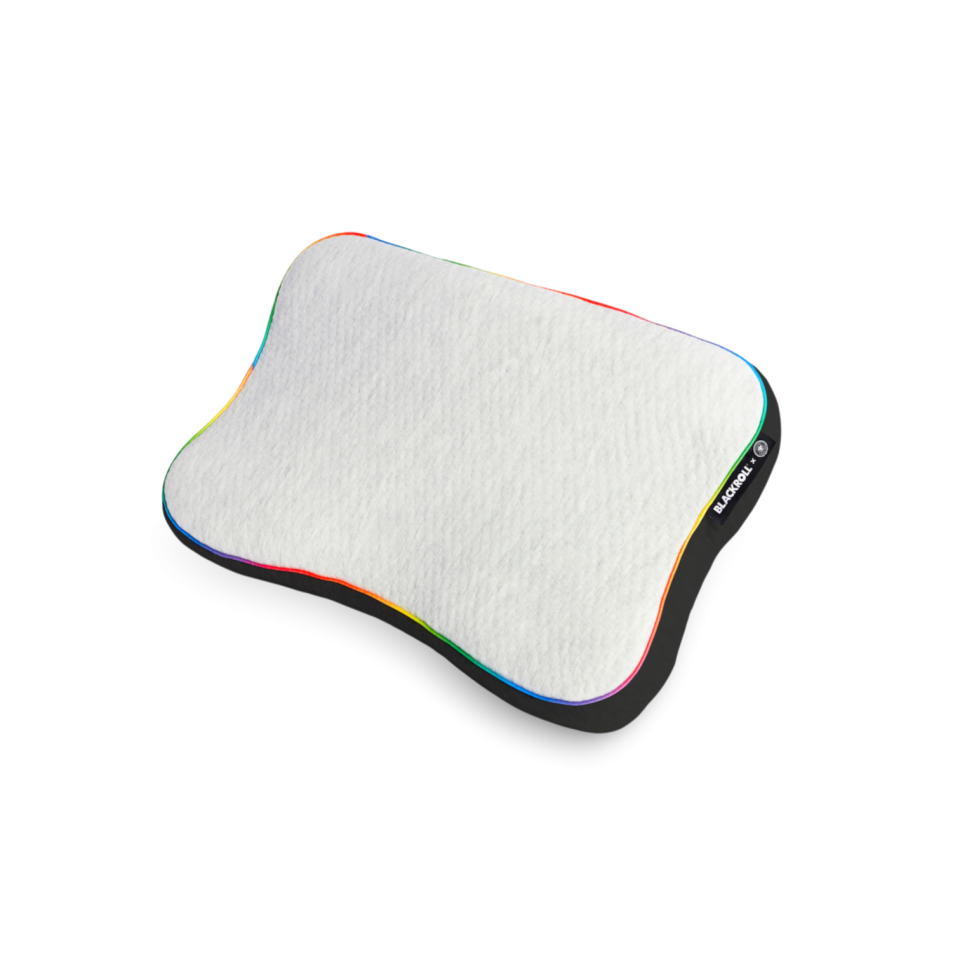
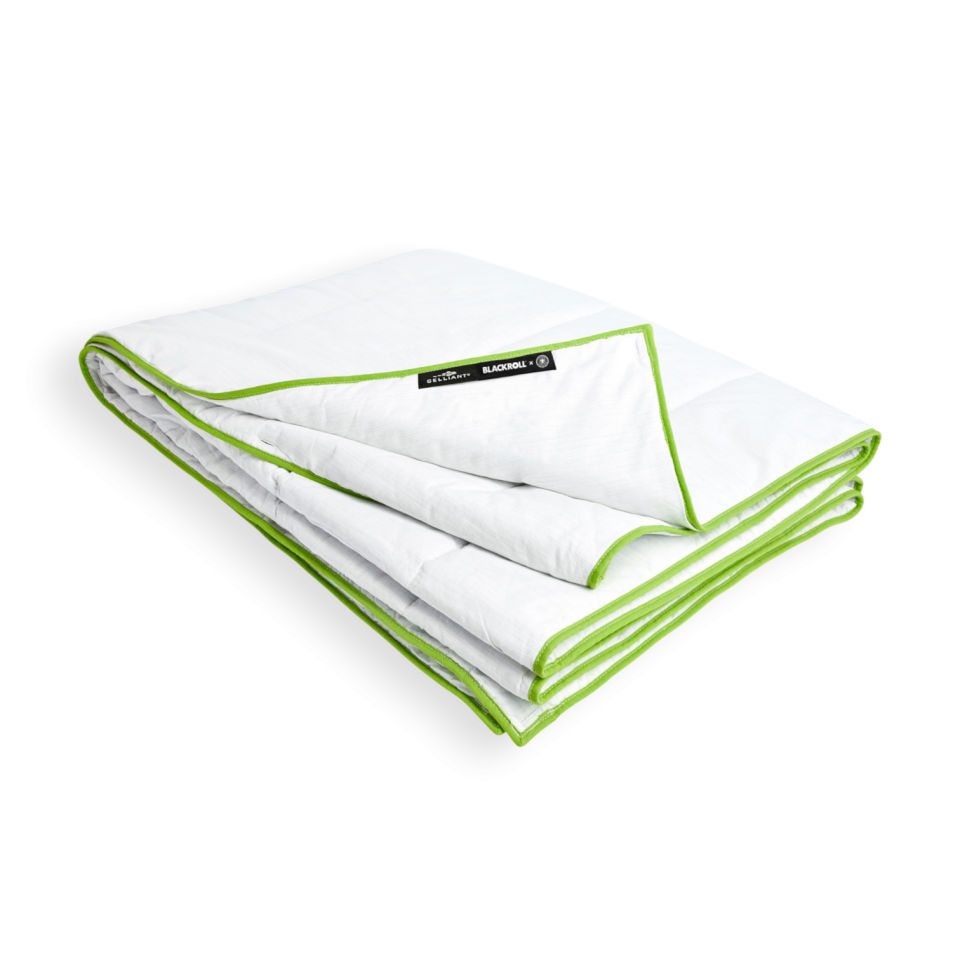
Recovery Blanket All Year - DFB
Available in multiple variants
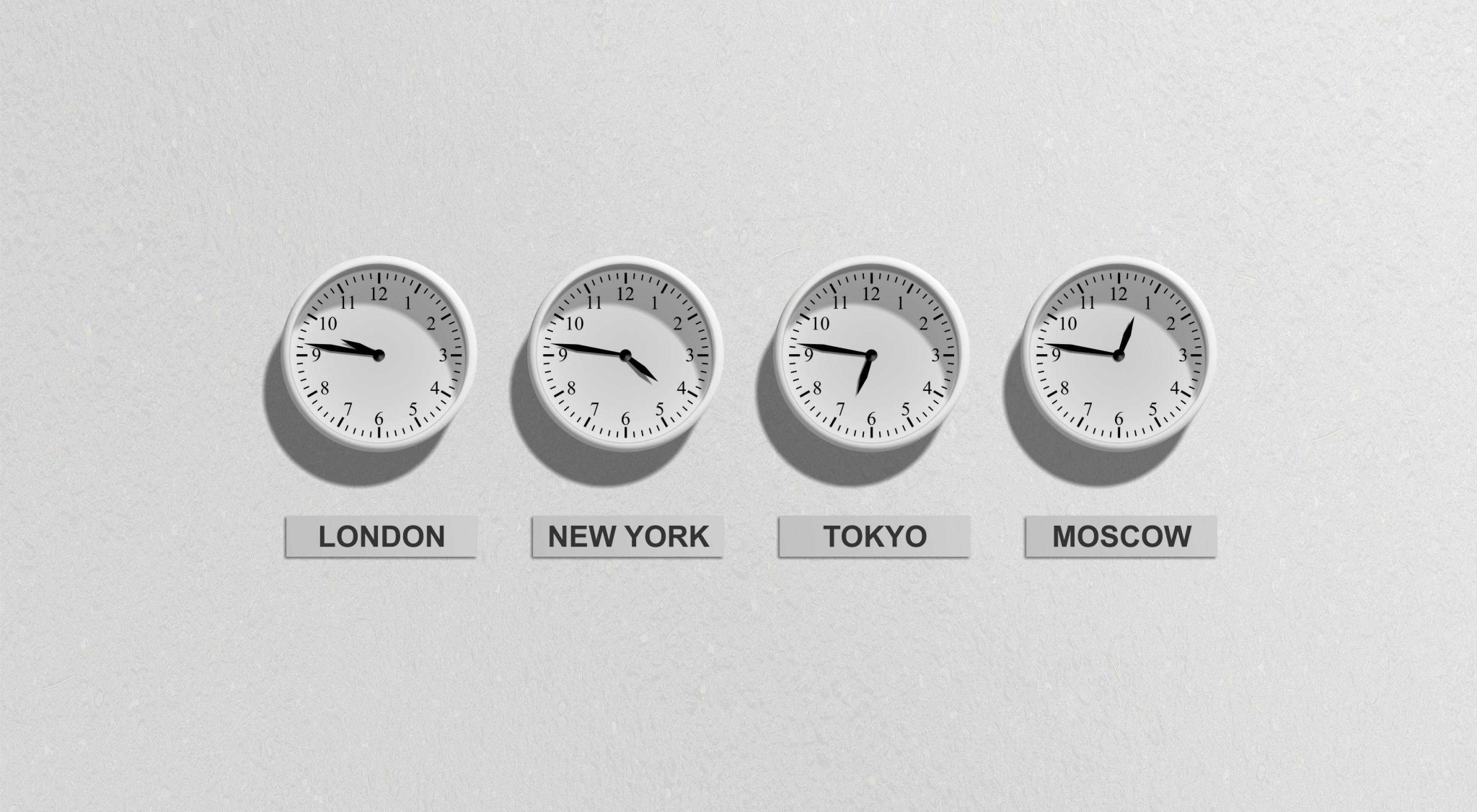
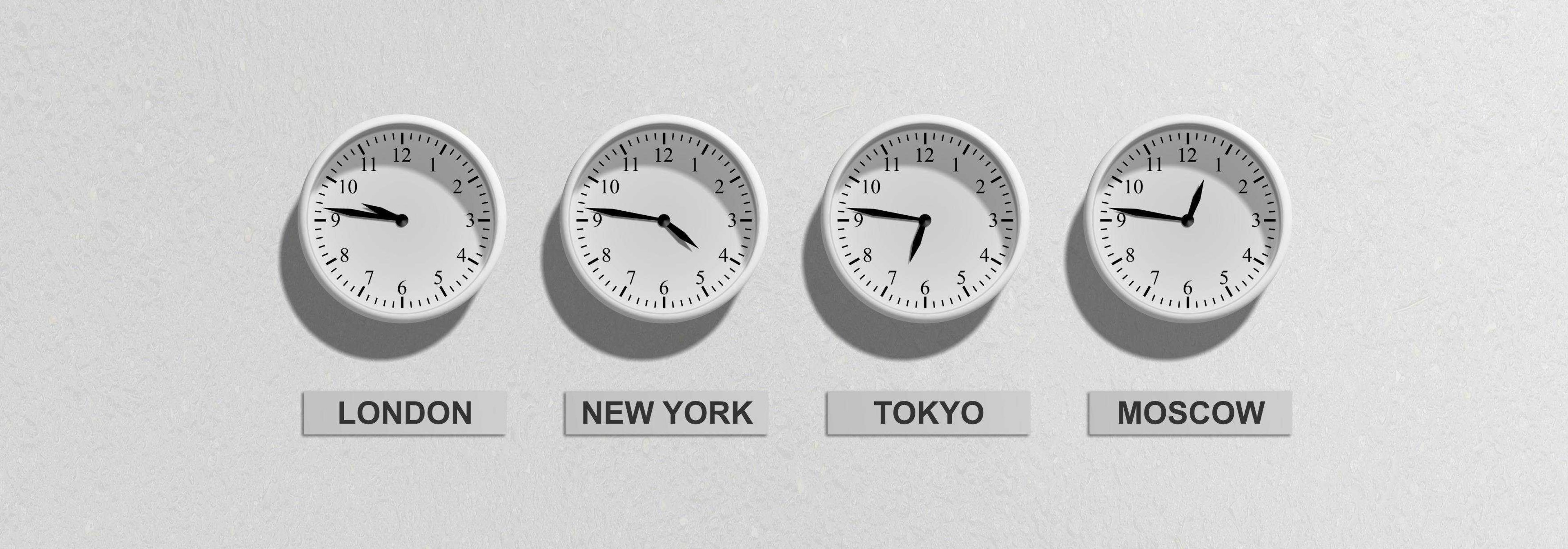
What is the time difference in the World Cup host cities?
The 16 host cities of the 2026 World Cup are located in four time zones, with time differences ranging from six to nine hours compared to Central European Summer Time (CEST).
The time difference is the most important factor when planning your trip: it determines how many days you’ll need to adjust to the local time. A common rule of thumb is about one day of adjustment per hour of time difference, even though, according to recent reviews in sports medicine, this rule is more of a convention than hard evidence (Janse van Rensburg et al. 2021).
City | Time difference from CEST | Climate in June |
New York/New Jersey | -6 h | warm and humid, approx. 27 °C |
Boston | -6 h | warm, about 25 °C |
Philadelphia | -6 h | warm and humid, about 28 °C |
Atlanta | -6 h | hot and humid, about 30 °C |
Miami | -6 h | very hot and humid, about 32 °C |
Toronto | -6 h | Warm, about 25 °C |
Houston | -7 h | very hot and humid, about 33 °C |
Dallas | -7 h | very hot and dry, about 35 °C |
Kansas City | -7 h | hot, about 30 °C |
Mexico City | -7 h | Mild, about 22 °C (high altitude) |
Guadalajara | -7 h | warm, about 27 °C |
Monterrey | -7 h | hot and dry, about 32 °C |
Seattle | -9 h | Mild, about 22 °C |
San Francisco Bay Area | -9 h | mild and dry, about 20 °C |
Vancouver | -9 h | Mild, about 20 °C |
Los Angeles | -9 h | warm and dry, about 25 °C |
What happens to your body during a transatlantic trip?
A flight from Central Europe to the U.S. East Coast involves a six-hour time difference—so your body clock is running about six hours behind.
Your internal clock is synchronized by daylight. When you arrive in a new time zone with a different light-dark cycle, your hormone rhythms, body temperature, and circadian rhythm must recalibrate. This takes days. In addition, the dry cabin air on the plane can further impair sleep quality on the first night (Zubac et al. 2020).
Among seven elite cyclists, sleep duration, sleep efficiency, and subjective sleep quality deteriorated significantly, especially in the first 48 hours after a flight heading east (Doherty et al. 2023). Jet lag can thus not only affect subjective well-being but also influence sleep and performance.

How do you prepare for the trip?
The most important factors for a successful trip are adjusting your sleep schedule before departure (if possible), staying hydrated during the flight, and seeking targeted light exposure upon arrival.
The following checklist is based on the current consensus statement from sports medicine on travel and jet lag (Janse van Rensburg et al. 2021).
7 to 14 days before departure:
- Gradually adjust your sleep schedule to the destination time zone by going to bed about 30 to 60 minutes earlier or later each day.
- For westbound flights: go to bed later, get up later.
- For eastbound flights: go to bed earlier, get up earlier.
24 hours before your flight:
- Drink plenty of fluids to maintain proper hydration.
- Avoid alcohol—it impairs both hydration and sleep quality.
- Eat light meals; avoid heavy dinners before your flight.
During the flight:
- Drink water regularly, about every one to two hours.
- Get up and move around every two hours—stretch your legs, take short walks through the cabin.
- On long flights, take a targeted power nap, ideally timed to coincide with nighttime in your destination time zone.
- Avoid alcohol and large amounts of caffeine shortly before your planned sleep period.
Upon arrival:
- Go outside into daylight as early as possible. Bright light is the most powerful tool for resetting your internal clock (Roach & Sargent 2019).
- For eastbound flights: morning light.
- For eastbound flights: afternoon and early evening light.
- Light physical activity (a walk, gentle stretching) instead of sleeping right away on the day of arrival.

What tips does Sleep Performance Coach Anna West offer?
Two principles from the conversation with Anna West that are particularly relevant for the World Cup trip.
“Hydration is a sleep tool that few people understand. If you arrive dehydrated, it negatively affects your melatonin production—and then you’re surprised that your first night’s sleep is ruined.”
Anna West, Sleep and Recovery Expert
The cabin air on an airplane typically has very low relative humidity. Over several hours on a flight, your body loses fluid without you even noticing. If you go into your first night dehydrated, you’ll sleep worse—this is well documented (Zubac et al. 2020).
Caffeine Timing: Caffeine has a half-life of about five to seven hours. If you drink a strong cup of coffee at 3 p.m. local time on the day of arrival, half of it will still be in your system by 10 p.m. Caffeine in the morning helps with adjusting to the destination time zone, but coffee before bed is a sleep killer.
“One bad night won’t destroy you. We focus less on the amount of sleep and more on the morning routine the next day.”
Anna West, Sleep and Recovery Expert
This mindset is especially important for competitive travelers: the pressure to sleep increases as you worry about it. Those who accept that the first night won’t be perfect and instead focus on a clear morning routine—light, movement, hydration—will adapt to the local rhythm more quickly.
What do you need to keep in mind when playing at high altitudes?
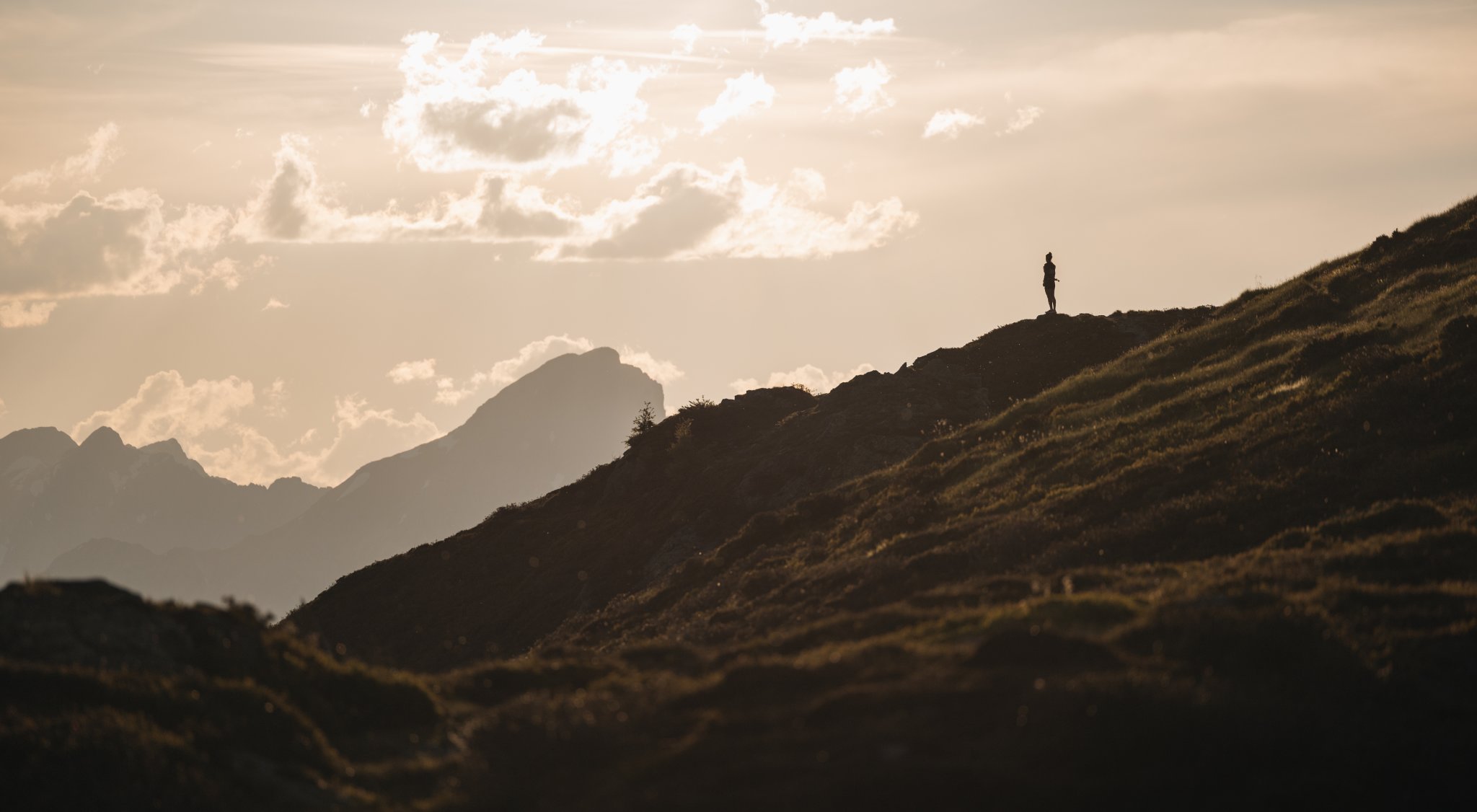
Mexico City is located at 2,240 m—the highest venue of the 2026 World Cup. At this altitude, the partial pressure of oxygen is significantly reduced, which is immediately noticeable.
What this means: Climbing stairs becomes more strenuous, your breathing quickens, and sleep during the first few nights may be fragmented. In soccer, at moderate altitudes starting at 1,000 m, a decrease in the distance covered per match of about 5 to 9% has been documented during the first few days (Draper et al. 2022).
Recommendation for fans:
- For short trips of up to seven days, full acclimatization is unrealistic. Hydration, reducing physical exertion, and sleep quality are more important.
- Drink plenty of fluids—altitude significantly increases fluid loss.
- Avoid alcohol for the first 48 hours.
- Expect poorer sleep during the first two to three nights. This is normal and no cause for concern.
- Avoid intense physical activity for the first two days.
Recommendation for players:
Sports organizations recommend arriving at high altitude at least two weeks before a competition to allow for proper acclimatization (Khodaee et al. 2016). For a tournament like the World Cup, this is rarely realistic—the schedule simply doesn’t allow for it. If a full acclimatization period isn’t possible, the focus shifts to helping the body adapt as quickly and smoothly as possible: hydration, sleep quality, and reduced physical exertion during the first few days take priority—and you should expect that performance in your first game at high altitude may be impaired.
What do you need to keep in mind when playing in the heat?
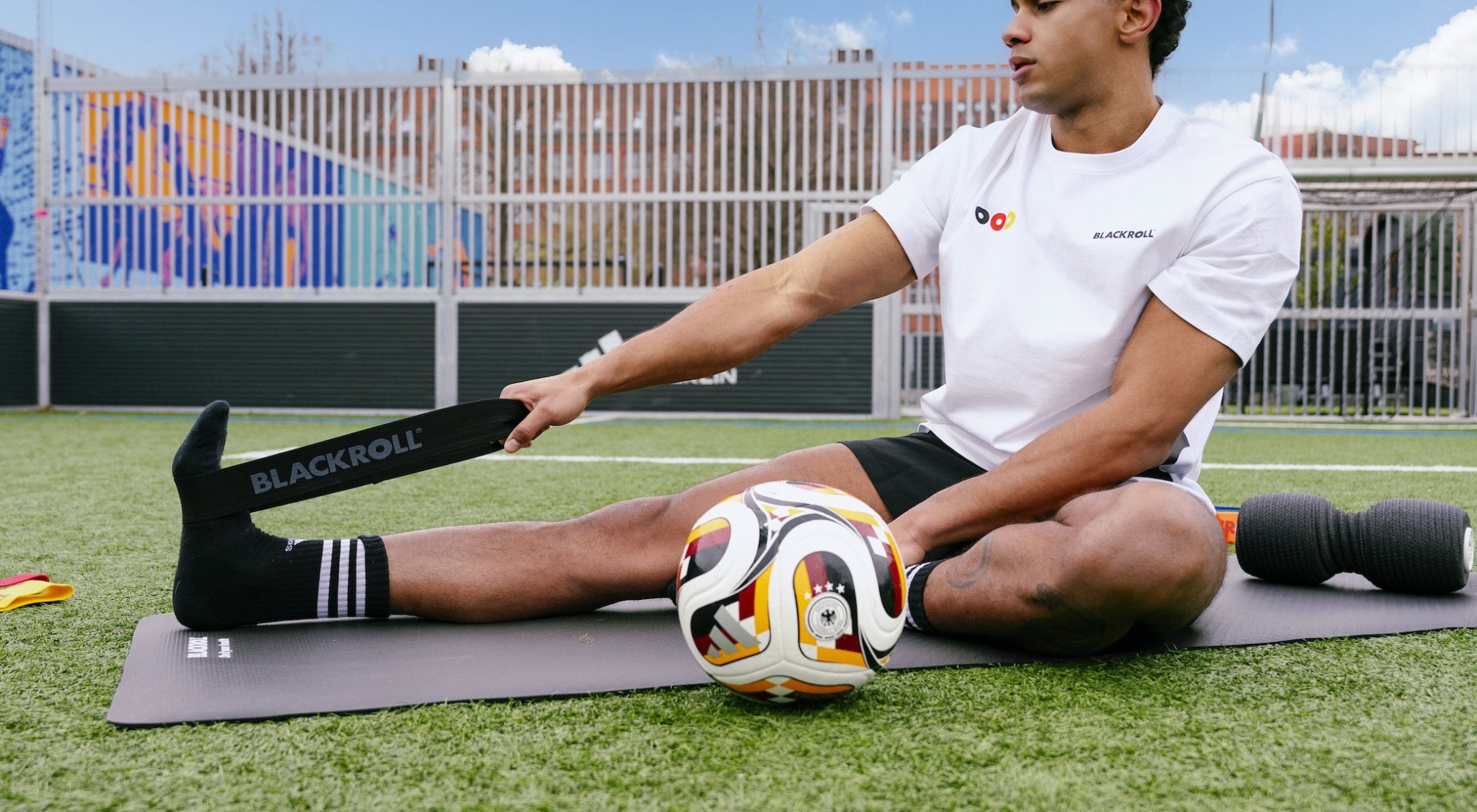
Houston, Miami, Dallas, and Monterrey can reach temperatures above 33 °C with high humidity in June. Without proper preparation, this makes every trip to the stadium a physical challenge.
The critical combination in sports is heat plus humidity: In warm, humid air, evaporative cooling through sweating is less effective, causing the body to overheat more quickly. Sports organizations like FIFA use the Wet-Bulb Globe Temperature (WBGT) index—a composite measure of air temperature, humidity, wind, and solar radiation—as the basis for cooling breaks or, in extreme cases, game postponements.
A recent study shows that three-minute cooling breaks at a WBGT of 32 °C can lower the core body temperature of trained soccer players by up to 0.4 °C (Brown et al. 2024).
Tips for attending a game:
- Stay hydrated regularly over the 24 hours leading up to the game.
- Drink regularly at the stadium—a few sips every 15 to 20 minutes.
- Light-colored clothing, a lightweight cap, and sunscreen.
- It’s often much hotter in the sun at the stadium than the weather forecast indicates—seek shade whenever possible.
Anyone arriving without having acclimated to the heat will be at a measurable disadvantage.

How do you cope with jet lag on the return trip?
The return trip from the U.S. to Central Europe is the more challenging direction—eastbound flights shorten the day, and it’s harder to advance your internal clock than to set it back.
A study of athletes following an eight-time-zone flight showed that yo-yo performance and 20-meter sprint times decline more sharply after an eastbound flight than after a westbound flight, especially in the first 72 hours (Fowler et al. 2017).
Practical tips for the return flight:
- After a trip to New York, expect five to six days to fully adjust.
- After a trip to the West Coast (Los Angeles, Vancouver), it’s more like eight to nine days.
- On the flight back, eat and sleep according to the German schedule as much as possible.
- On the morning of your arrival, go outside—bright light between 6 a.m. and 10 a.m. helps your body clock adjust more quickly.
- If possible, plan for a two- to three-day buffer before diving back into work full-time.
Anyone who regularly travels between time zones should also take into account the principles of adjusting to a time change —the mechanisms are similar, only the shift is smaller.


Conclusion: Plan for the World Cup, plan for the return
The 2026 World Cup will be challenging in three ways: the time difference, the altitude in Mexico City, and the heat at several U.S. venues. If you consider all of these factors together—rather than treating jet lag, heat, and acclimatization as separate problems—you’ll get through the tournament more relaxed.
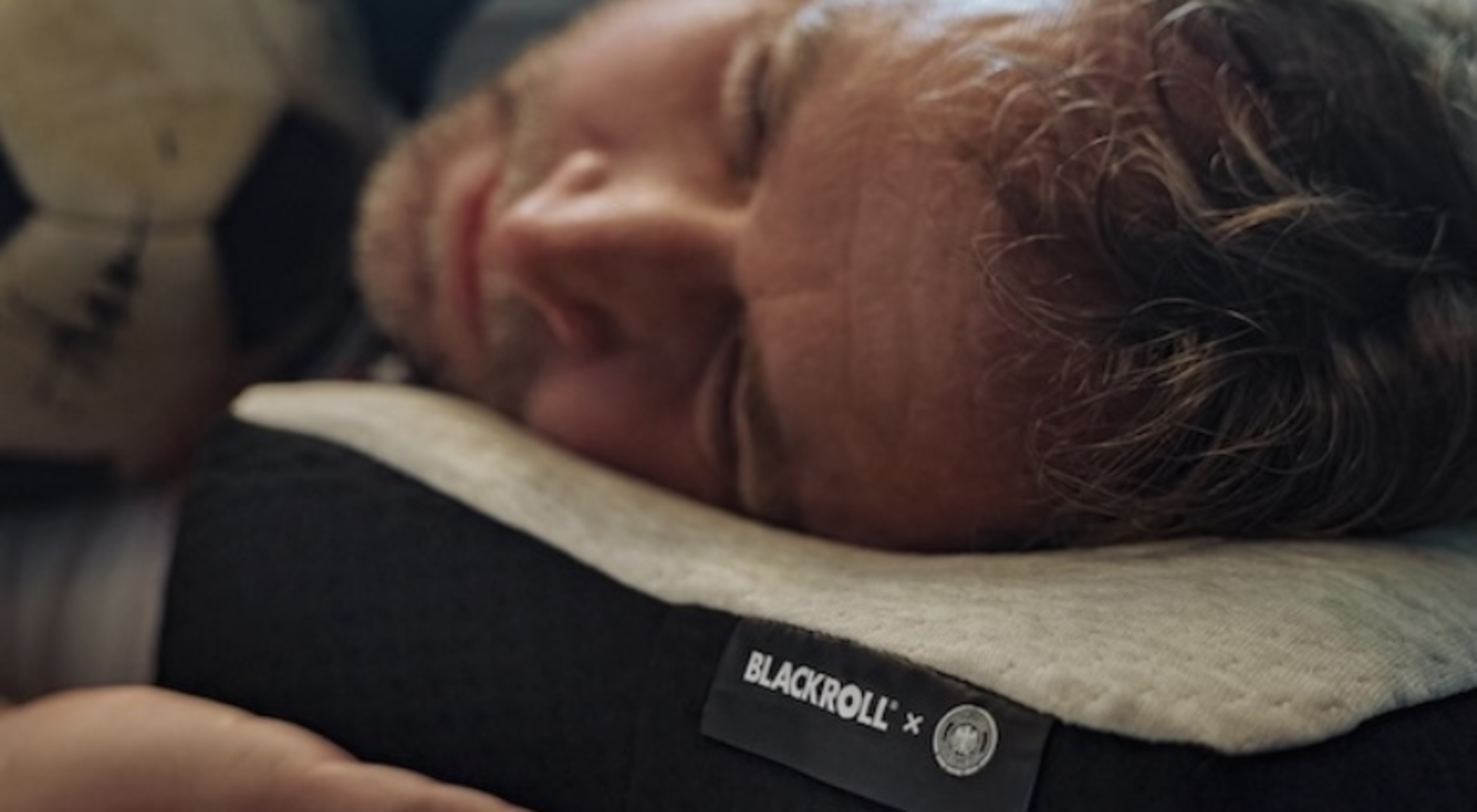
The most effective strategy is preparation in the 7 to 14 days before departure. If you gradually adjust your sleep schedule, stay well-hydrated, and consistently take advantage of daylight upon arrival, you’ll have the most important factors under control. On the 2026 World Cup hub landing page, we’ve compiled all our content related to the World Cup. For travel, the BLACKROLL® RECOVERY PILLOW and the BLACKROLL® PILLOW TRAVEL BAG are great companions for restful sleep—no matter what time zone you’re in.
FAQ – Frequently Asked Questions About Traveling to the 2026 World Cup
Between six and nine hours compared to CEST, depending on the city. New York and Toronto are -6 hours, the Mexican host cities and Texas are -7 hours, and Los Angeles, Seattle, and Vancouver are -9 hours. Mexico City is also -7 hours, plus an altitude of 2,240 m as an additional factor.
As a rule of thumb, it takes about one day to adjust for every hour of time difference—so five to six days for the East Coast and eight to nine for the West Coast. This rule is based more on experience than on reliable studies (Janse van Rensburg et al. 2021), but it provides a useful guideline for planning.
If you’re staying more than seven days: yes, arrive three to four days before the first game. For shorter trips of just two to three days, full adjustment isn’t realistic anyway—and you can’t influence the kickoff time. The most effective approach in that case is to be as well-rested as possible: get plenty of sleep before the trip, use light and hydration to stay awake for the game itself, and plan a short nap before evening games instead of forcing a complete time zone adjustment.
Because eastbound flights shorten the day. It’s easier to extend the body’s internal clock (as with a westbound flight) than to shorten it. After an eastbound flight, sprint and endurance performance decline more sharply in the first 72 hours than after a comparable westbound flight (Fowler et al. 2017).
Drink plenty of fluids, as the altitude increases fluid loss. Avoid alcohol for the first 48 hours, reduce intense physical activity, and, above all, prioritize sleep quality. Sleep is often fragmented during the first two to three nights at high altitude—this is normal and will improve.
In most cases, light management and adequate hydration are sufficient. Recent reviews show that melatonin supplements and targeted light exposure can reduce jet lag symptoms (Ahmed et al. 2024); however, melatonin is available only by prescription in Germany and has varying availability in other European countries. Consult a doctor before taking it.
Flying east is the more challenging direction. Eat and sleep according to your German schedule while on the plane, try to sleep as much as possible during the flight, and go outside into daylight as early as possible on the day of arrival. Allow yourself some buffer time before diving back into work full-time.
More interesting articles



Sources & Studies
Ahmed, O., Ibrahiam, A. T., Al-Qassab, Z. M., Kannan, V., Ullah, N., Geddada, S., & Nassar, S. T. (2024). Unraveling the impact of travel on circadian rhythm and crafting optimal management approaches: A systematic review. Cureus, 16(10), e71826.
https://doi.org/10.7759/cureus.71826
Brown, H. A., Chalmers, S., Topham, T., Clark, B., Jowett, A., Meyer, T., Jay, O., & Périard, J. (2024). Efficacy of the FIFA cooling break heat policy during an intermittent treadmill soccer simulation in hot conditions in trained males. British Journal of Sports Medicine, 59(3), 188–195.
https://doi.org/10.1136/bjsports-2023-107547
Doherty, R., Madigan, S., Nevill, A., Warrington, G., Ellis, J., & Opp, M. (2023). The impact of long-haul travel on the sleep of elite athletes. Neurobiology of Sleep and Circadian Rhythms, 15, 100086.
https://doi.org/10.1016/j.nbscr.2023.100086
Draper, G., Wright, M., Ishida, A., et al. (2022). Do environmental temperatures and altitudes affect physical performance of elite soccer athletes under match conditions? Science and Medicine in Soccer, 6(2), 113–128.
https://doi.org/10.1080/24733938.2021.2003909
Fowler, P. M., Knez, W., Crowcroft, S., et al. (2017). Greater effect of east versus west travel on jet lag, sleep, and team sport performance. Medicine & Science in Sports & Exercise, 49(12), 2548–2555.
https://doi.org/10.1249/MSS.0000000000001382
Janse van Rensburg, D. C. C., Jansen van Rensburg, A., Fowler, P., et al. (2021). Managing travel fatigue and jet lag in athletes: A review and consensus statement. Sports Medicine, 51(10), 2029–2050.
https://doi.org/10.1007/s40279-021-01429-1
Khodaee, M., Grothe, H., Seyfert, J., & VanBaak, K. (2016). Athletes at high altitude. Sports Health, 8(2), 126–132.
https://doi.org/10.1177/1941738116630947
Roach, G. D., & Sargent, C. (2019). Interventions to minimize jet lag after westward and eastward flights. Frontiers in Physiology, 10, 927.
https://doi.org/10.3389/fphys.2019.00927
Zubac, D., Buoite Stella, A., & Morrison, S. A. (2020). Up in the air: Evidence of dehydration risk and long-haul flight on athletic performance. Nutrients, 12(9), 2689.