Sleep Tips from Top Athletes & Coaches
How to Sleep Well Despite Stress.
BLACKROLL® spoke with top athletes from various sports about stress and sleep—including soccer players from the second-division club Hertha BSC, basketball players from the Bundesliga team HAKRO Merlins Crailsheim, and individual athletes Emma Hinze (track cyclist), Martin Nörl (professional snowboarder), Christina Hering (track and field athlete), Johannes Rydzek (Nordic combined athlete), and Lukas Dauser (artistic gymnast and military athlete).
Philipp Lussi (athletics coach at TSG Hoffenheim), Andreas Beck (strength and conditioning coach at Eintracht Frankfurt), Dominik Ludwig (state sprint coach, strength and conditioning coach for the men’s Bundesliga hockey team at the Hamburger Polo Club), Marcus Lindner (strength and conditioning coach at Hakro Merlins Crailsheim), and Stefan Düll (sports physiotherapist for the Serbian Davis Cup team).
Elite athletes lead unique lives characterized by fluctuating daily routines, high performance pressure, and frequent travel. This stressful daily routine can negatively impact their sleep, and especially before a major sporting event, their nightly rest can quickly suffer due to stress. Yet good sleep is a key factor in enhancing one’s performance. For this reason, competitive sports are increasingly focusing on incorporating sleep hygiene into daily training routines. Danish health expert Anna West understands just how important this topic is for athletes. For years, she has been advising not only companies but also Premier League soccer clubs and the German Football Association (DFB) on the sleep health of their athletes. She says:
"Although there are more and more recovery aids available, such as cold baths or a high-protein diet, current research highlights the crucial and irreplaceable importance of sleep. No recovery method can compensate for restful sleep."
Anna West

A stressful daily routine doesn’t just affect the sleep of professional athletes. The daily schedules of doctors, nursing staff, and new parents change from week to week due to shift work or the needs of their children. Managers and salespeople are often on business trips and have to cope with different sleeping situations. BLACKROLL® has collaborated with professional athletes and coaches to explore which methods anyone can use to sleep well during particularly stressful periods.
How Professional Athletes Sleep Before a Major Event
It’s especially difficult to sleep well during stressful periods. So first, let’s find out how professional athletes experience sleep before major events.
Athletes often sleep poorly before major events
How well we can fall asleep before a major event varies greatly from person to person. Eight of the 14 respondents reported struggling to fall asleep the night before. Some athletes have more trouble falling asleep than others, while others wake up repeatedly or too early:
- Eight of the 14 respondents reported trouble falling asleep the night before a major event.
- The most frequently cited issue is difficulty falling asleep: Five athletes reported struggling with this.
- Still, five out of 14 athletes sleep as usual the night before a major event.
Many athletes spend too much time on their phones before bed
Even elite athletes aren’t immune to bad habits in the bedroom. But what are the biggest sleep faux pas? The most common response from the athletes surveyed was that they often spend too much time on their phones before falling asleep:
- Six out of 14 athletes surveyed admit to putting down their smartphones too late at night.
- Another bad habit athletes reported is going to bed too late or watching TV for too long.
- Overall, however, the professional athletes surveyed seem to pay attention to their sleep hygiene and, for example, avoid drinking alcohol before bed.
A consistent sleep routine is the preferred method
Most recently, Cristiano Ronaldo made headlines with his unusual sleeping method: The Portuguese soccer star doesn’t sleep eight hours straight, but instead breaks his sleep up into several segments. Other athletes, however, don’t typically use this method. We asked the athletes what methods they use before an important competition or game—and to what extent:
- A consistent sleep routine is essential: 13 out of 14 athletes said they make sure to stick to a consistent routine.
- More than half of those surveyed have sex before competitions to ensure a restful night’s sleep.
- Only one of the respondents uses sleep aids, such as valerian or prescription medications, to sleep well.
Athletes surveyed
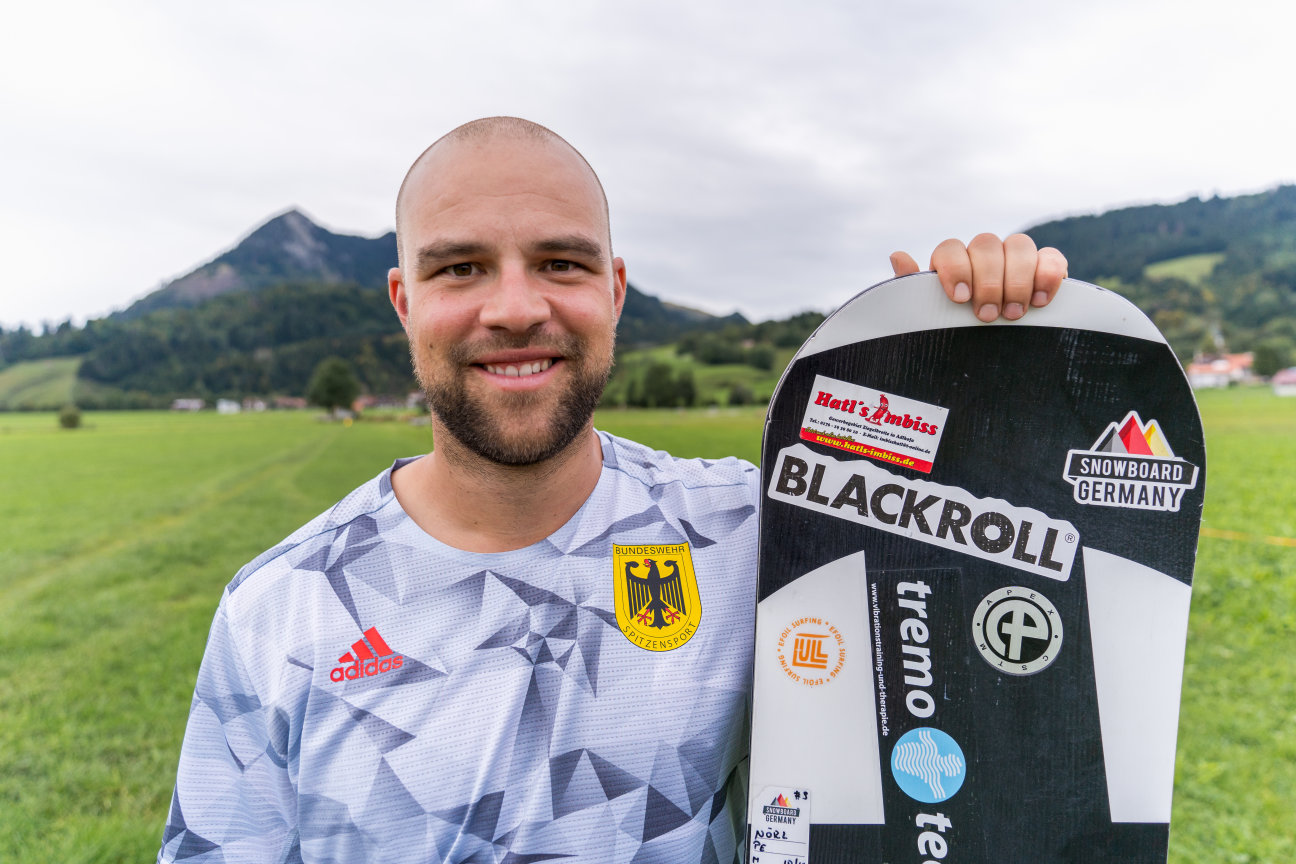
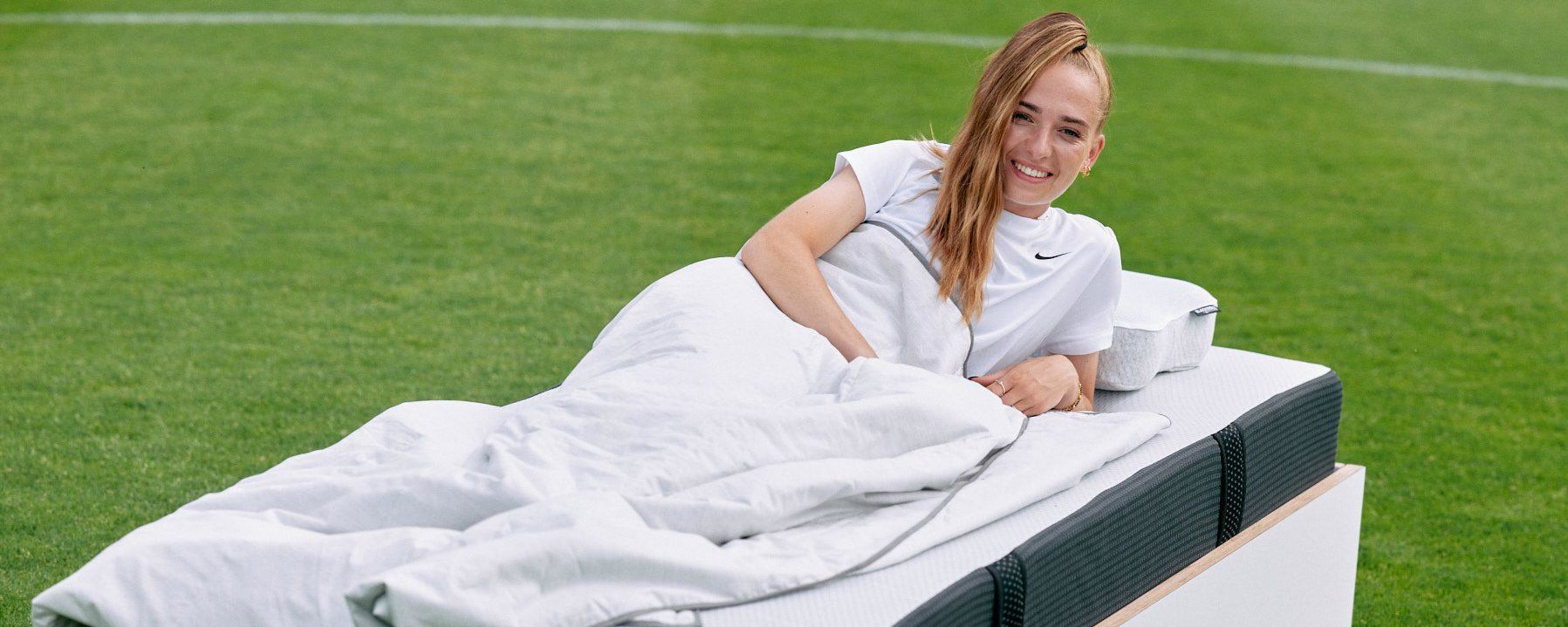
Martin Nörl is a professional snowboarder and a member of the German ski jumping team. With his impressive jumps and dedication to the sport, he has captured the attention of the ski jumping world and has three World Cup victories to his credit so far.
Martin Nörl, professional snowboarder



The Role of Sleep in Athletes’ Training Plans
The professional athletes surveyed generally pay close attention to their sleep hygiene, especially the night before an important game. They therefore seem to have a good understanding of how important healthy sleep is for their daily lives. A team of experts—including trainers, physical therapists, and coaches—supports them in reaching their full potential. BLACKROLL® asked five of them what role sleep plays in their athletes’ training plans.
"I strongly advise my players not to use their cell phones for several hours before bedtime. Instead, they can use that time to focus on optimal relaxation techniques such as meditation or progressive muscle relaxation. We also mustn’t neglect the ideal room temperature—it shouldn’t be too warm. A completely darkened room is also helpful, even though we can’t always guarantee that due to changing hotel accommodations every week.”
Stefan Düll (Sports Physical Therapist for the Serbian Davis Cup Team)
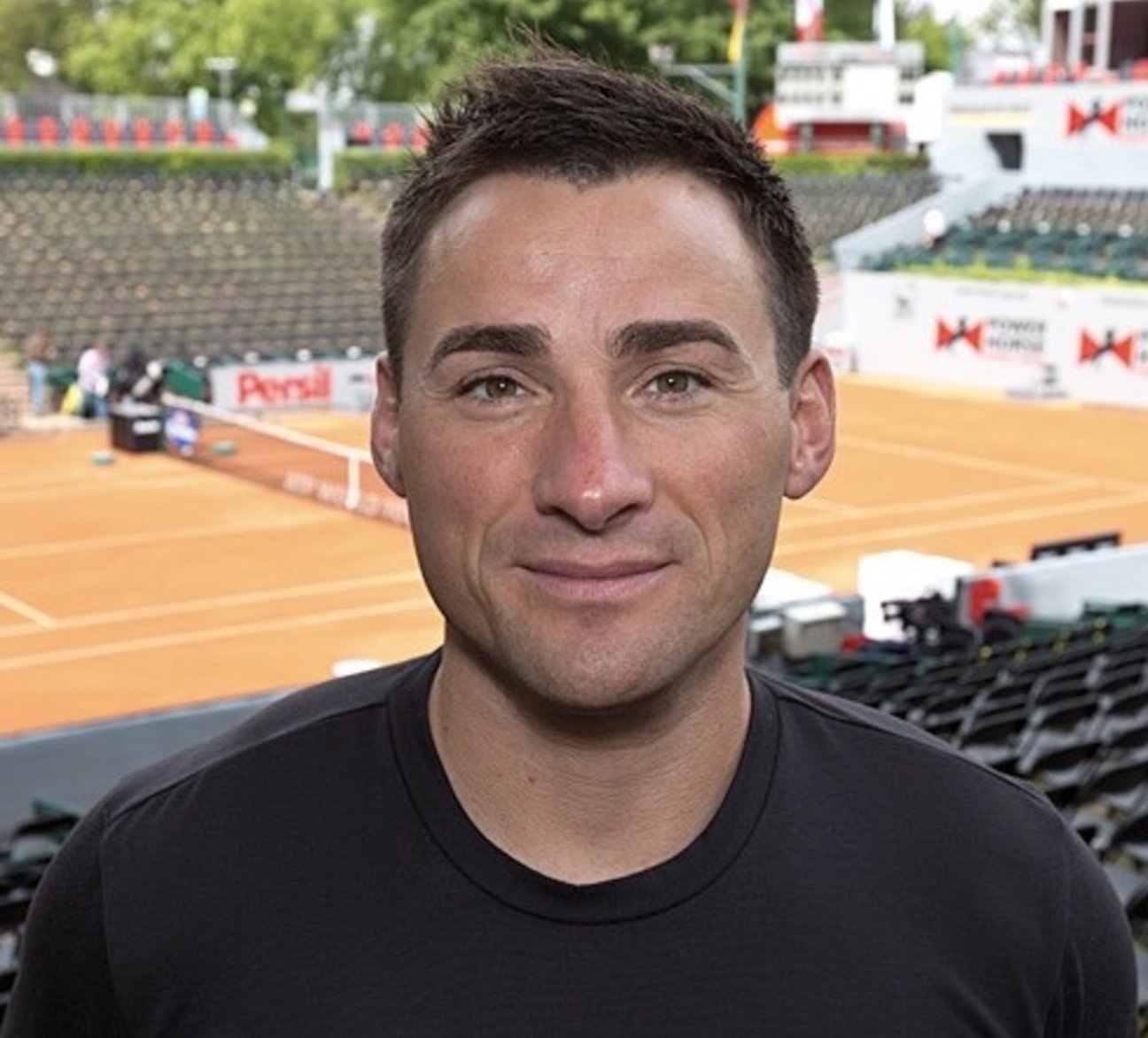
Physical therapist Stefan Düll has a clear opinion on the topic of sleep hygiene and cell phone use. He calls for a complete ban on cell phones before bedtime. Health scientists like Dr. Fabian Krapf support this view, as the blue light emitted by screens can interfere with melatonin production and thereby disrupt the sleep cycle. On top of that, modern smartphones are designed in such a way that it’s hard to put them down: Countless apps and platforms invite you to spend a lot of time on them, preventing you from winding down.
The right room temperature also plays a crucial role. In order for you to fall asleep, your body temperature drops. The optimal room temperature for sleeping is between 16 and 19 degrees.
"Before an important competition, our athletes should avoid heavy meals to ensure a good night’s sleep. A light stomach promotes restful sleep and contributes to optimal preparation."
Philipp Lussi (Strength and Conditioning Coach, TSG Hoffenheim)

Food and Sleep—How Are They Connected? In the evening, the focus should be on a balanced diet, as it promotes sleep and recovery. Ideally, you should avoid excessively fatty meals such as pizza or fried foods. In addition, it’s advisable to steer clear of unhealthy and highly processed foods like frozen meals or sweets, as they often provide only empty calories and don’t supply the micronutrients necessary for recovery. In addition to food, hydration also has a huge impact on nighttime sleep. Staying adequately hydrated throughout the day ensures that your metabolism functions optimally. Furthermore, fluid balance plays an important role in regulating body temperature.
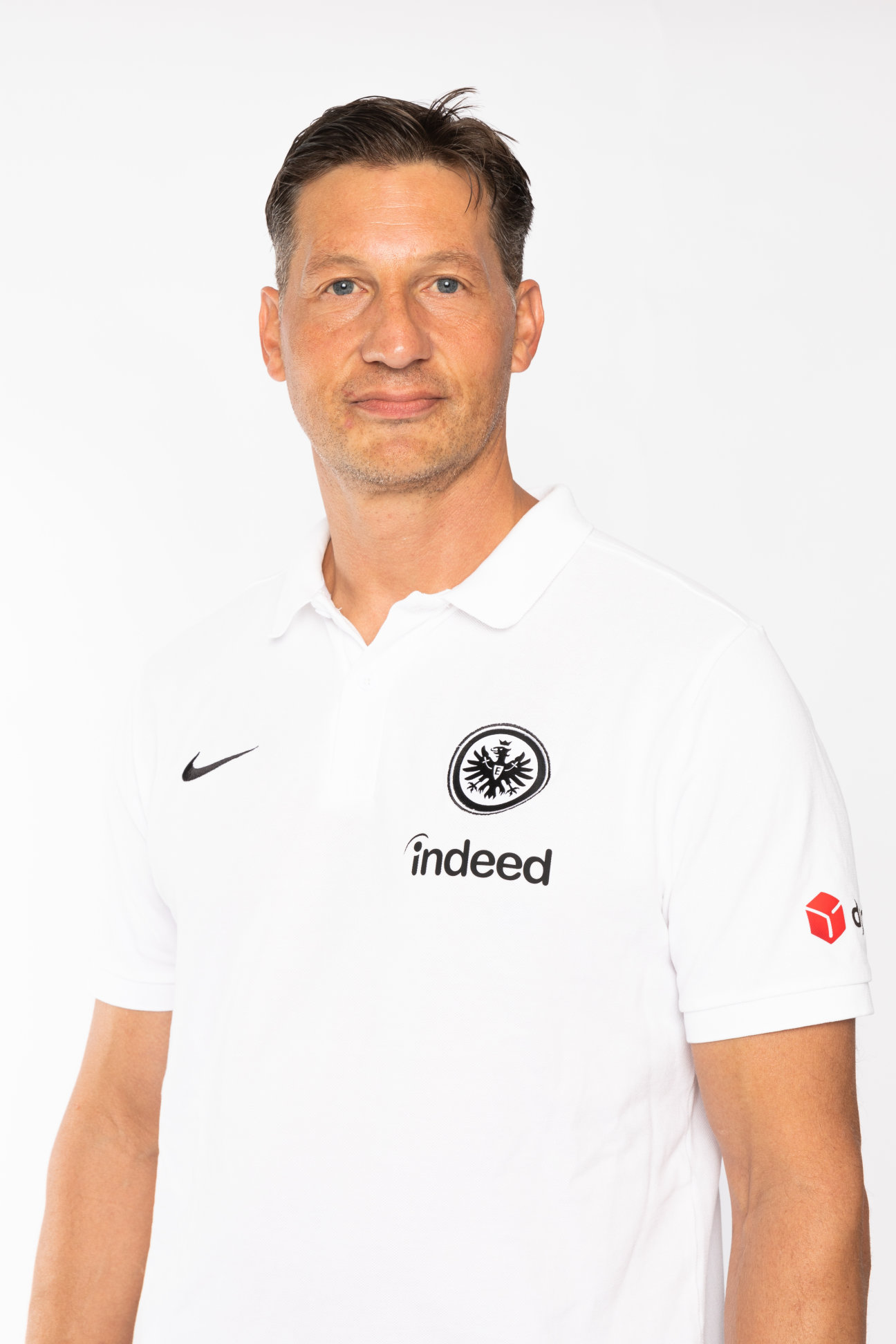
“As part of the recovery process, high-quality sleep is essential for optimal preparation for competition. But so is a familiar environment. Your own pillow or blanket and a comfortable mattress can help you fall asleep more easily and improve the quality of your sleep.”
Andreas Beck (Strength and Conditioning Coach, Eintracht Frankfurt)
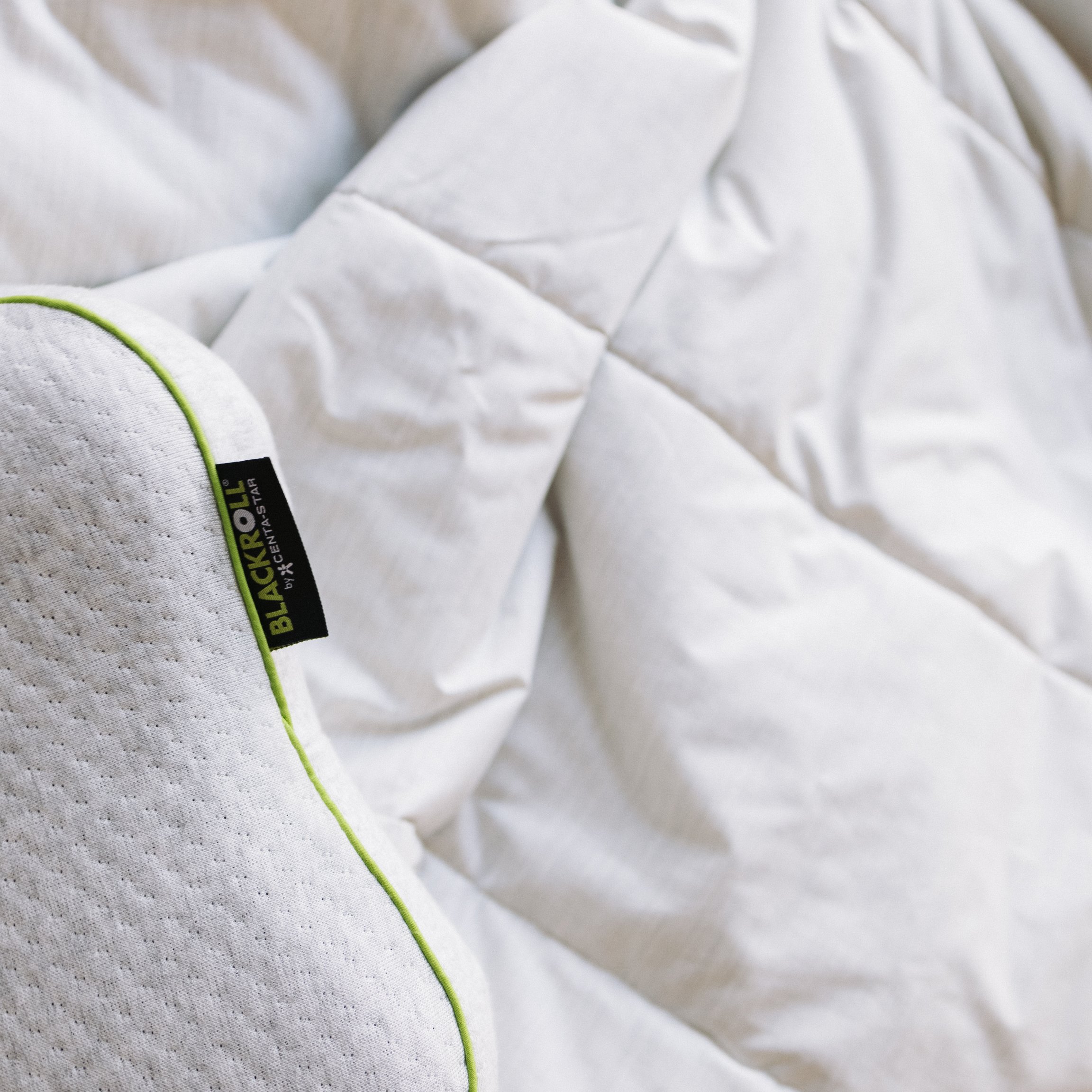
Sleep Equipment
Many people are unaware of the role that pillows and blankets play in their sleep. As an integral part of a sleep routine, a familiar pillow can help the body relax more quickly. This advice is particularly useful for people who frequently sleep in different beds, such as business travelers and executives.
“Optimizing recovery is a key goal in my training program. Without recovery, there can be no optimal progress. As the most important factor in passive recovery, sleep takes center stage here. I also incorporate the scientifically proven positive effects of an afternoon nap into my training plans, especially during periods of high training volume.”
Dominik Ludwig (State Sprint Coach, Head Strength and Conditioning Coach for the Men’s Bundesliga Hockey Team, Hamburg Polo Club)
Power Nap
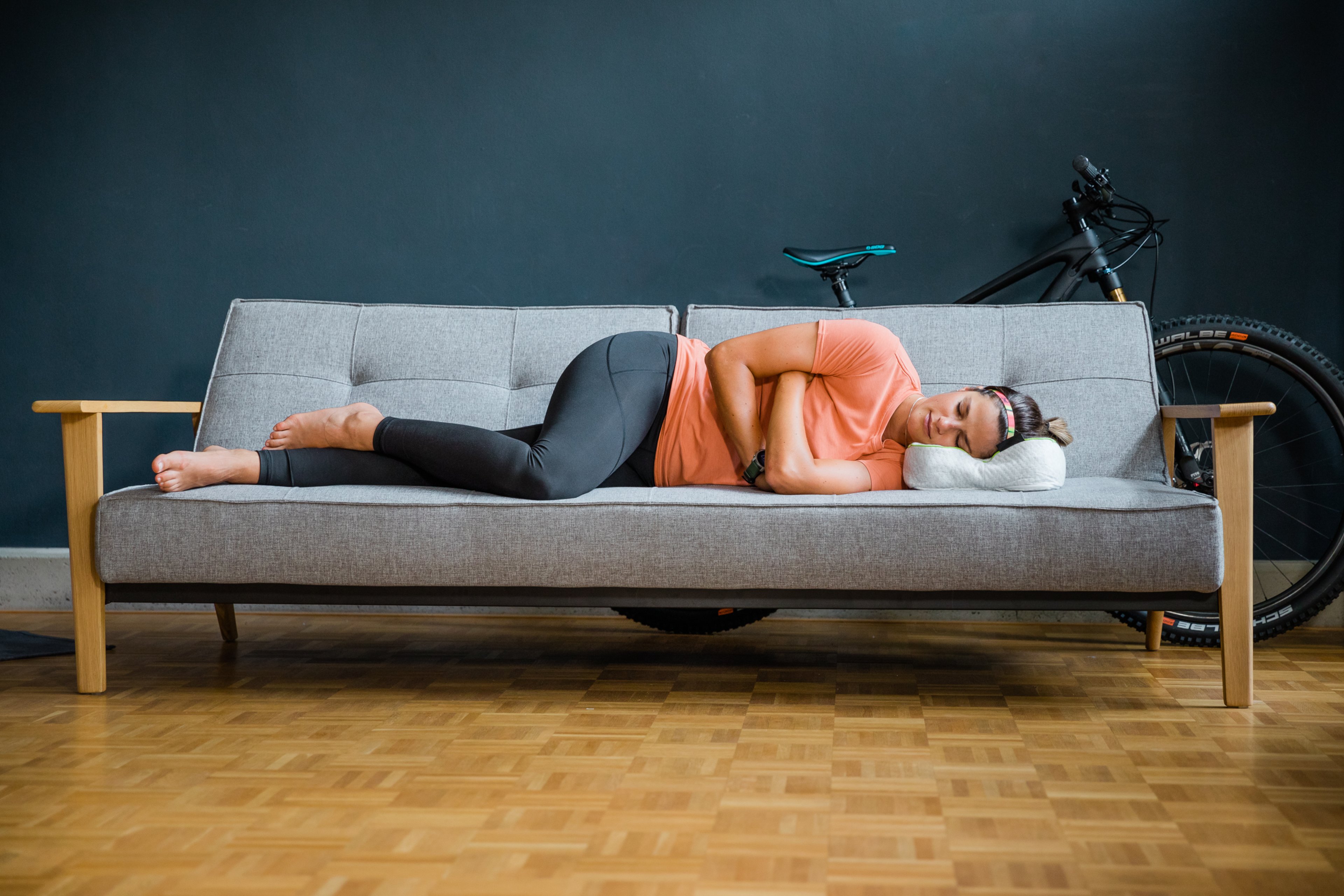
The afternoon nap, often referred to as a “power nap,” has increasingly become the focus of research in recent years. A short nap helps boost concentration and replenish energy reserves. This improves performance and overall well-being in the second half of the day. However, the duration is key. Dr. Fabian Krapf recommends not sleeping for more than 30 minutes. Otherwise, you might have trouble winding down in the evening, stay awake too long, and end up not getting enough sleep.
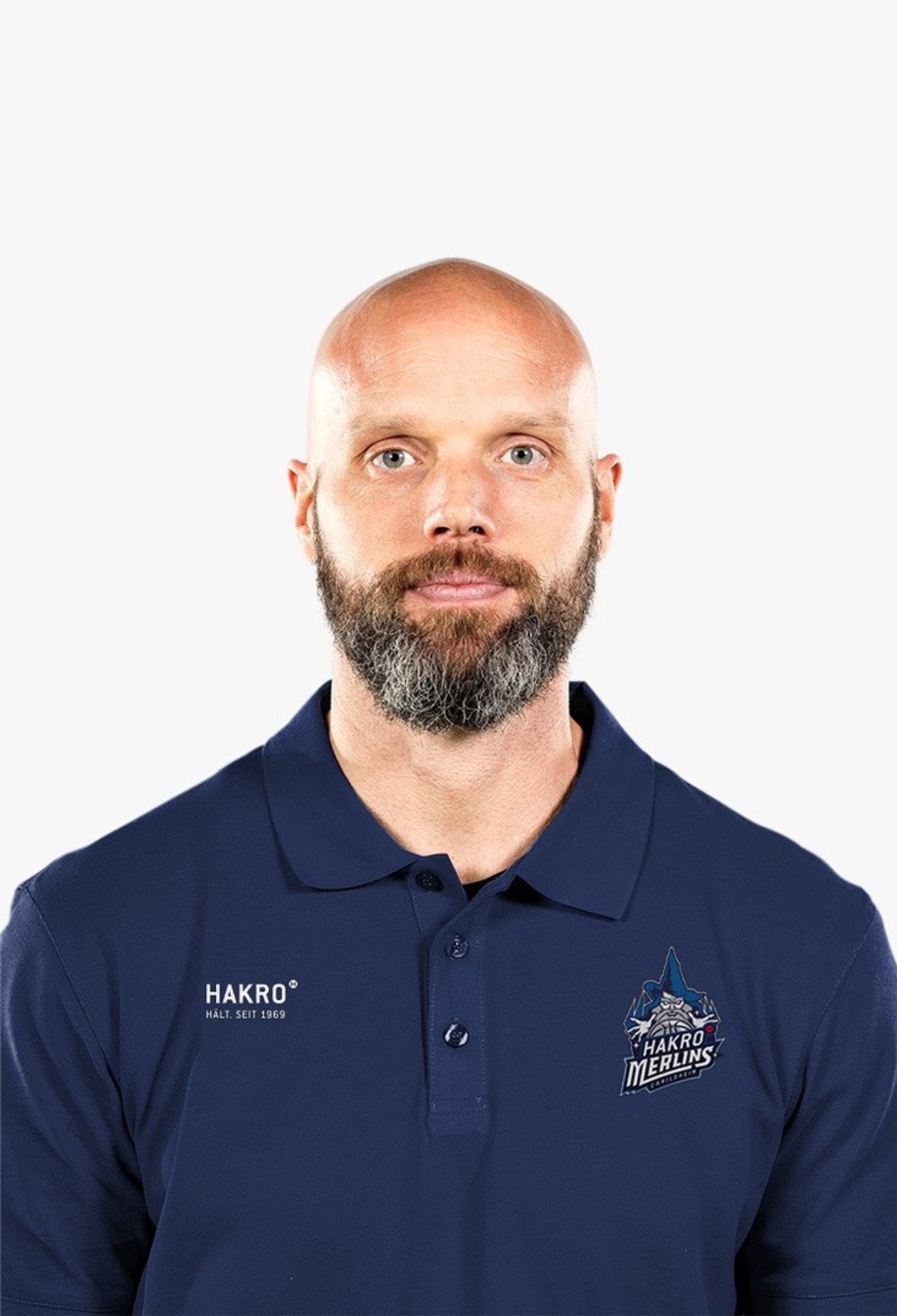
“Never change a winning team. Be sure to stick to your regular sleep routines before a competition.”
Marcus Lindner (Strength and Conditioning Coach, Hakro Merlins Crailsheim)
Keep a sleep diary
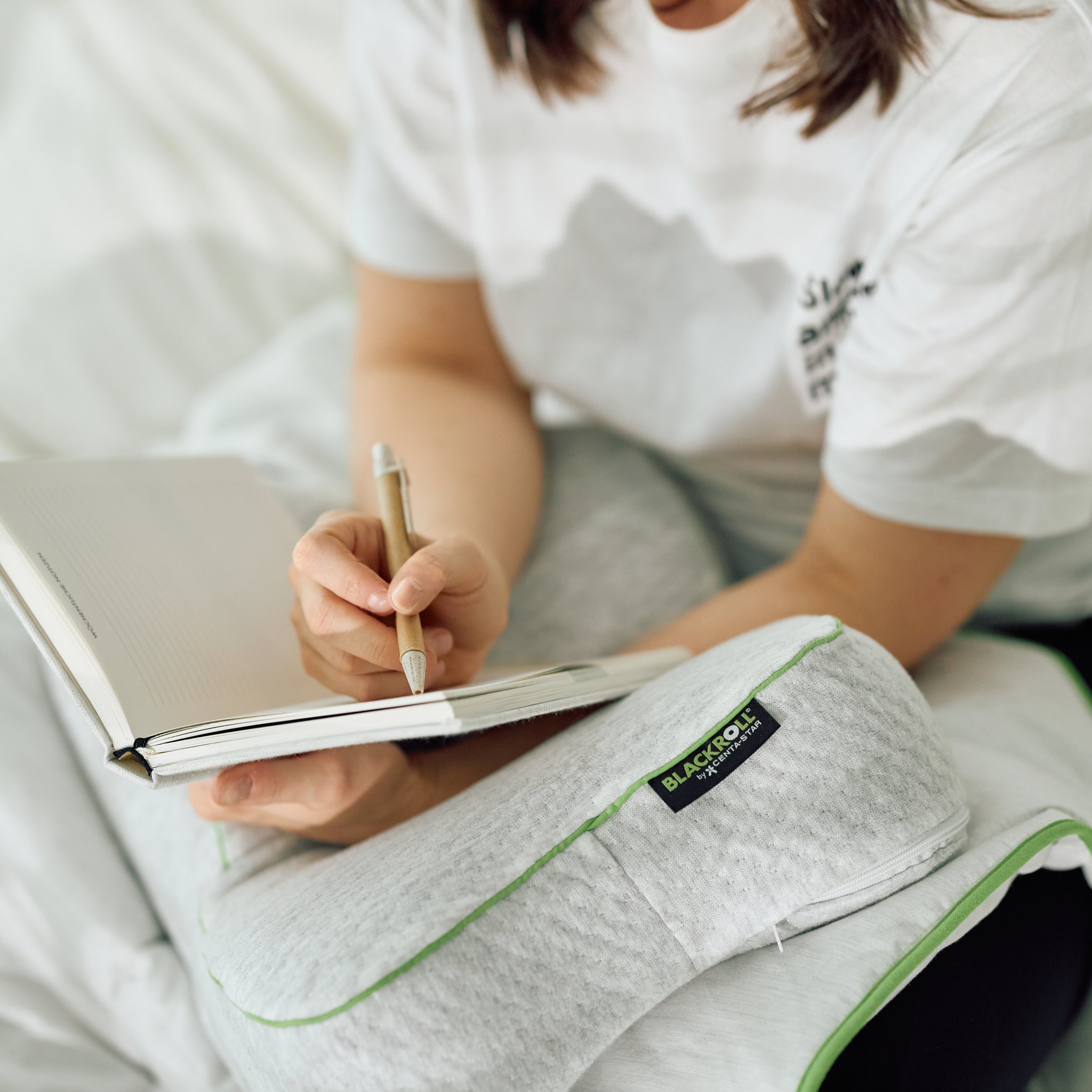
Marcus Lindner’s most important tip for getting a good night’s sleep—even during stressful times—is this: Not all recommendations work for everyone. He clearly emphasizes the importance of a personalized approach. For some people, for example, keeping a sleep diary is helpful. This not only helps identify sleep problems but also pinpoint their causes and recognize your own needs. This way, effective sleep habits can be established. Once you’ve found a good rhythm, the athletic trainer recommends sticking to your routine.
Conclusion: Professional athletes
are also sleep pros
Good sleep plays a significant role in the lives of competitive athletes, as it is central to their performance. Irregular sleep can pose a challenge not only in professional sports but also in other professions. Those affected include, for example, doctors and nursing staff, firefighters and flight attendants, as well as truck drivers. High stress levels and shift work can have a negative impact on one’s sleep. But managers and salespeople, who often stay in hotels and sleep away from their usual surroundings, can also suffer from sleep problems. New parents, who are frequently woken up by their babies at night, are similarly affected by poor and irregular sleep. The sleep techniques and tips used in professional sports are suitable for everyone. The key, however, is practice. Anna West says: “We can all handle a night of poor sleep once in a while. What’s also crucial is how well we slept in the days leading up to it. Plus, we shouldn’t put too much pressure on ourselves to sleep well on that one ‘crucial’ night.”
About the Methodology
All data presented here was collected using a survey tool in September 2023. In addition to the quantitative survey, BLACKROLL® conducted qualitative interviews with the coaches.
Experience the ease of getting up
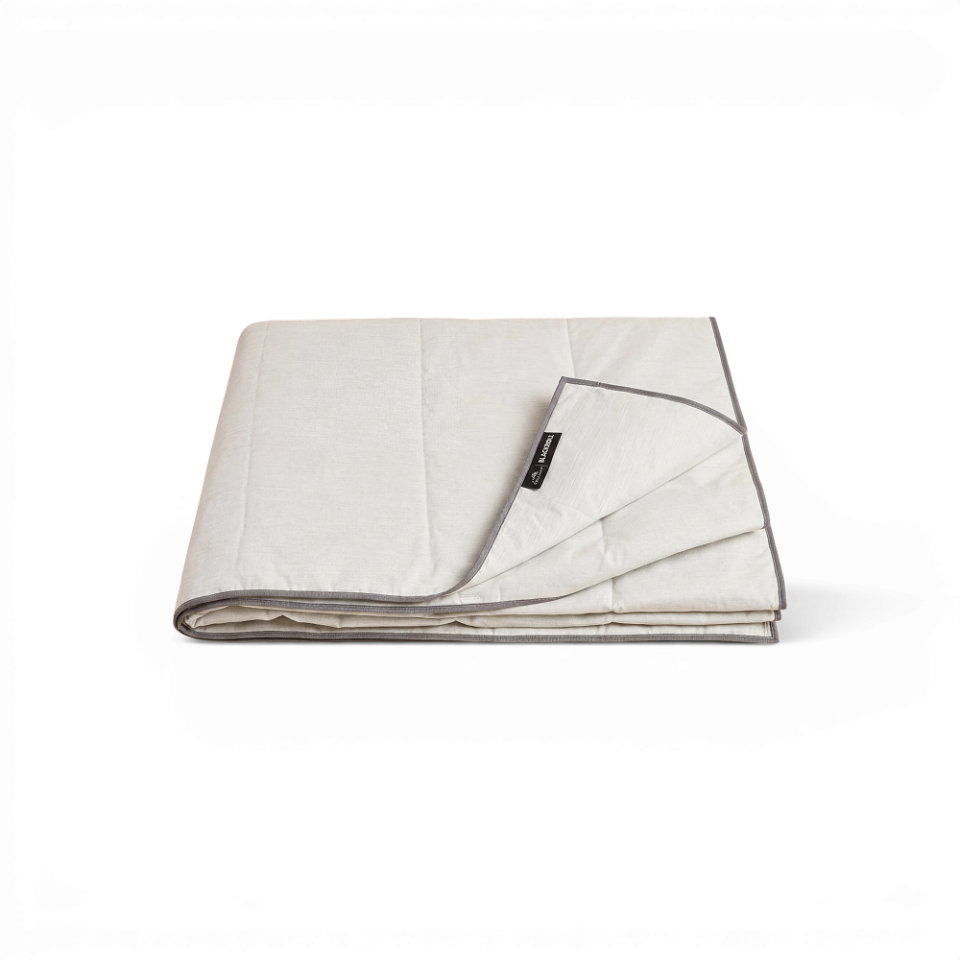
Recovery Blanket Summer
Available in multiple variants