
Burnout: Causes, Symptoms, Treatment, and Prevention for a Better Quality of Life

Do you feel constantly exhausted, drained, and overwhelmed? Then burnout might be the reason. In our article, learn how to recognize warning signs, take timely action, and strengthen your mental health—for more energy and a better quality of life in your daily routine.


Why Burnout Is So Relevant Today
In our fast-paced world, burnout has become a serious condition. Whether they’re working professionals, parents, students, or executives—more and more people are feeling the effects of constant stress and excessive demands.
Burnout can not only impair performance but also pose a massive threat to one’s quality of life and health. The combination of high stress, social pressure, and a lack of rest periods makes burnout more relevant today than ever before.


What is burnout?
Do you feel as if someone has pulled the plug on you? Are you suddenly “off” and finding it difficult—or impossible—to get back into your rhythm? Many people affected by burnout report exactly this feeling.
The term “burnout” describes a state of deep physical, emotional, and mental exhaustion that is usually caused by prolonged stress—especially in a professional or performance-related context. Burnout is the result of this sustained overload.
Unlike normal exhaustion, the feeling of being burned out persists in burnout. Stress is also a part of life—in the short term, it can be motivating. But without recovery, the risk of a mental health condition like burnout syndrome increases.
Compared to depression, burnout is characterized primarily by a loss of motivation and energy. It is important to clearly distinguish the symptoms—ideally through a medical or psychotherapeutic evaluation.
A companion for better sleep and renewed energy




Recovery Blanket All Year
Available in multiple variants


Burnout: Causes and Risk Factors
The causes of burnout are very diverse and can manifest quite differently from person to person, but it is often the result of a combination of several factors:
- Work Pressure and Overload: Work pressure , constant availability, and long working hours lead to chronic stress. In addition, the workplace often offers little leeway, poor communication, or persistent overtime. Anyone who feels constantly under pressure is at risk of burning out.
- Perfectionism and high self-expectations: People with perfectionist tendencies tend to place excessive demands on themselves and are rarely satisfied, which increases their stress.
- Lack of recognition: When dedication goes unrecognized, frustration sets in. The feeling of not being seen or valued takes an emotional toll.
- Personal stressors: Personal stressors, such as those related to children, family members, or financial worries, can exacerbate an already high level of stress.
- Social and digital influences: Constantavailability and sensory overload from digital media further increase the pressure.
- Risk factors: In addition to these causes, there are certain risk factors that increase the likelihood of burnout: these include a lack of social support, limited autonomy at work, unrealistic goals, a lack of breaks, and a poor work-life balance.


Burnout: Recognizing Symptoms and Warning Signs
Burnout manifests itself in a variety of physical, emotional, and mental symptoms. Physical pain such as muscle tension, headaches, or stomach problems often occurs as well—typical signs that many doctors observe during a psychosomatic evaluation.
If your symptoms persist, you should contact a healthcare professional. The sooner a doctor is involved, the better the prognosis.
You should take early signs seriously to prevent the condition from worsening. Physical, emotional, and mental symptoms include:
Physical symptoms
- Persistent fatigue that does not improve with sleep
- Sleep disturbances and difficulty falling asleep
- Frequent headaches, muscle tension, and gastrointestinal issues
- Frequent infections due to a weakened immune system
Emotional and mental symptoms
- Feelings of inner emptiness, hopelessness, and apathy
- Concentration and memory problems
- Irritability, nervousness, and emotional overwhelm
- Withdrawal from social interactions and loss of interest in former hobbies
- Negative thoughts and self-doubt
Warning signs
- Decline in performance despite great effort
- Feeling overwhelmed and burned out
- Increased susceptibility to errors and inner restlessness
Anyone who notices several of these signs of burnout should consider taking a burnout test and seeking a medical evaluation. Your primary care physician or a psychiatrist is the right person to consult if you’re experiencing these symptoms.
Our exercises for tension and pain



Stages of Burnout: From Overwhelm to Breakdown
Burnout develops in phases—beginning with high motivation, moving through frustration and withdrawal, and ending in a complete loss of energy. In the final phase, serious mental health disorders can occur.
For example, people who have been overburdening themselves for years—whether at work or while caring for their children—often experience a gradual decline before a complete breakdown occurs.
Typically, those affected go through these twelve stages of burnout as described by Herbert Freudenberger, a German-American psychologist and psychoanalyst best known for his work on burnout syndrome. The stages illustrate how burnout develops gradually:
- Compulsion to prove oneself: Those affected are desperate to show that they are indispensable and work beyond their limits.
- Increased effort: Tasks are tackled with even more energy and perfectionism, while breaks and leisure activities take a back seat.
- Neglect of one’s own needs: Sleep, nutrition, exercise, and social interactions are neglected—everything takes a back seat to work or obligations.
- Conflict avoidance and denial: The body’searly warning signs and conflicts are ignored or downplayed (“It’ll pass”).
- Shift in values: Friends , hobbies, or family lose their importance; work becomes the sole focus of life.
- Denial of problems: Those affected react with irritability, cynicism, or intolerance—others are “to blame,” while they themselves do not see the problem.
- Withdrawal: Social contacts are reduced, isolation increases, and a feeling arises that no one understands them.
- Behavioral changes: Mood swings , aggression, cynicism, or conspicuous indifference become increasingly common.
- Loss of sense of self: Those affected feel empty, alienated, or as if they are “remote-controlled”; joy and motivation disappear.
- Inner emptiness: The feeling of being “burned out” inside. Some try to compensate for this by overeating, drinking alcohol, using drugs, or working excessively.
- Depression: Hopelessness , listlessness, and deep sadness take hold. Feelings of guilt or self-doubt often arise.
- Complete exhaustion: Physically , emotionally, and mentally, nothing is possible anymore. This leads to a “breakdown,” often requiring prolonged therapy or a hospital stay.
Important: Not everyone goes through all the phases, and the course of the condition varies from person to person. But this framework illustrates how burnout often begins unnoticed and intensifies if no countermeasures are taken.


How is burnout diagnosed?
An online burnout test can provide an initial indication of the extent of exhaustion, but it is no substitute for a thorough medical diagnosis.
A burnout test consists of questions that assess typical symptoms such as emotional exhaustion, physical complaints, concentration problems, and social and professional impacts. Based on your answers, the test evaluates your stress levels, motivation, and satisfaction to assess your risk of burnout.
If such a test reveals initial signs that you might be suffering from burnout, you should always consult a doctor or a mental health professional, as it is extremely important to carefully distinguish it from other mental or physical conditions, such as depression, chronic stress, or somatic symptoms. Psychosomatic clinics can also help define and classify these symptoms.
The following steps are usually necessary for a professional diagnosis:
- Physical examination: First, a medical evaluation is conducted to rule out physical causes—such as thyroid disorders, vitamin deficiencies, or infections—that can cause symptoms similar to exhaustion or lack of motivation.
- Psychological evaluation: A psychiatrist or psychotherapist conducts a psychological assessment. This involves analyzing mood, perceived stress levels, thought and behavior patterns, and emotional reactions.
- Medical History and Life Circumstances: Through in-depth discussions, current stressors, professional and personal pressures, as well as personal resources and risk factors, are identified.
- Ruling Out Other Conditions: Since burnout symptoms overlap with those of depression, anxiety disorders, or chronic stress, a differential diagnosis is particularly important.
Important to know: Burnout is not yet a separate diagnosis under the International Classification of Diseases (ICD). It is listed there as a “problem related to difficulties in coping with life”—that is, as a serious mental health condition that warrants medical attention.


Treatment Options for Burnout
Treatment for burnout is individualized and depends on the severity of the symptoms as well as the person’s personal circumstances. The goal is to reduce physical, emotional, and mental exhaustion, tap into new sources of strength, and promote long-term changes in daily life.
Proven methods include:
- Psychotherapy: Talk therapies—particularly cognitive behavioral therapy—have proven effective in treating burnout. Here, those affected learn to recognize and question stressful thought patterns and behaviors and replace them with healthier strategies. Approaches based on depth psychology or systemic therapy may also be helpful, depending on the individual’s specific situation.
- Medical treatment for comorbid conditions: If additional mental health conditions such as depression, anxiety disorders, or sleep problems are present, medical treatment with medication may be necessary. However, this should always be closely monitored and supplemented with psychotherapeutic interventions.
- Rehabilitation measures and hospital stays: In more severe cases of burnout, stays at specialized psychosomatic or psychiatric hospitals or rehabilitation clinics are recommended. There, patients receive a holistic program that includes medical care, psychotherapy, exercise therapy, mindfulness exercises, and social counseling. The goal is long-term stabilization—far removed from the stresses of everyday life.
- Coaching and self-help: In milder cases or for follow-up care, coaching, self-help groups, or online programs can be helpful. Techniques such as stress management, mindfulness training, progressive muscle relaxation, yoga, or regular exercise strengthen self-efficacy and help restore structure to daily life.
- Self-Care and Lifestyle Changes: A lasting recovery is hardly possible without self-care. This includes getting enough sleep, exercising, eating a healthy diet, taking intentional breaks, unplugging from digital devices, and maintaining regular social contact. The courage to take one’s own needs seriously and to redefine priorities is also an important part of the healing process.
Important: With burnout, there is no “switch” that can be flipped quickly. Recovery is a gradual process—often just as slow and insidious as the onset of the condition. Patience, realistic expectations, and consistent stress reduction are therefore crucial for successful treatment.


Burnout Prevention: How to Protect Yourself from Exhaustion
Prevention is the key to stopping burnout before it even starts. Resilience plays a major role here—that is, the ability to be mentally and emotionally resilient, to remain stable even in difficult or stressful situations, to adapt, and to recover from setbacks.
The most important rule: Prevention is better than cure. Maintain a healthy lifestyle, incorporate exercise into your daily routine, and learn to recognize your limits early on.
Especially in the workplace , clear rules regarding availability and realistic goal-setting help prevent long-term burnout.
Resilient people are better able to cope with stress without losing their balance in the long run.
These 7 strategies will help you strengthen your resilience in the long term:
- Learn stress management: Use techniques such as meditation, breathing exercises, or mindfulness to reduce stress and find inner peace.
- Maintain a healthy lifestyle: Make sure to eat a balanced diet, get enough sleep, and exercise regularly outdoors.
- Recognize your own limits: Learn to say “no” and take your needs seriously to avoid becoming overwhelmed.
- Strengthen social relationships: Stay connected with people you trust and allow yourself to accept support—this protects against isolation.
- Actively plan breaks: Incorporate short periods of rest into your daily routine, such as walks or intentional time-outs.
- Take digital breaks: Consciously reduce screen time, especially in the evening, and set aside phone-free times.
- Practice self-reflection: Regularly reflect on your feelings and stressors to recognize warning signs early and take action.
These tips will help you strengthen your balance step by step—with patience and self-compassion.
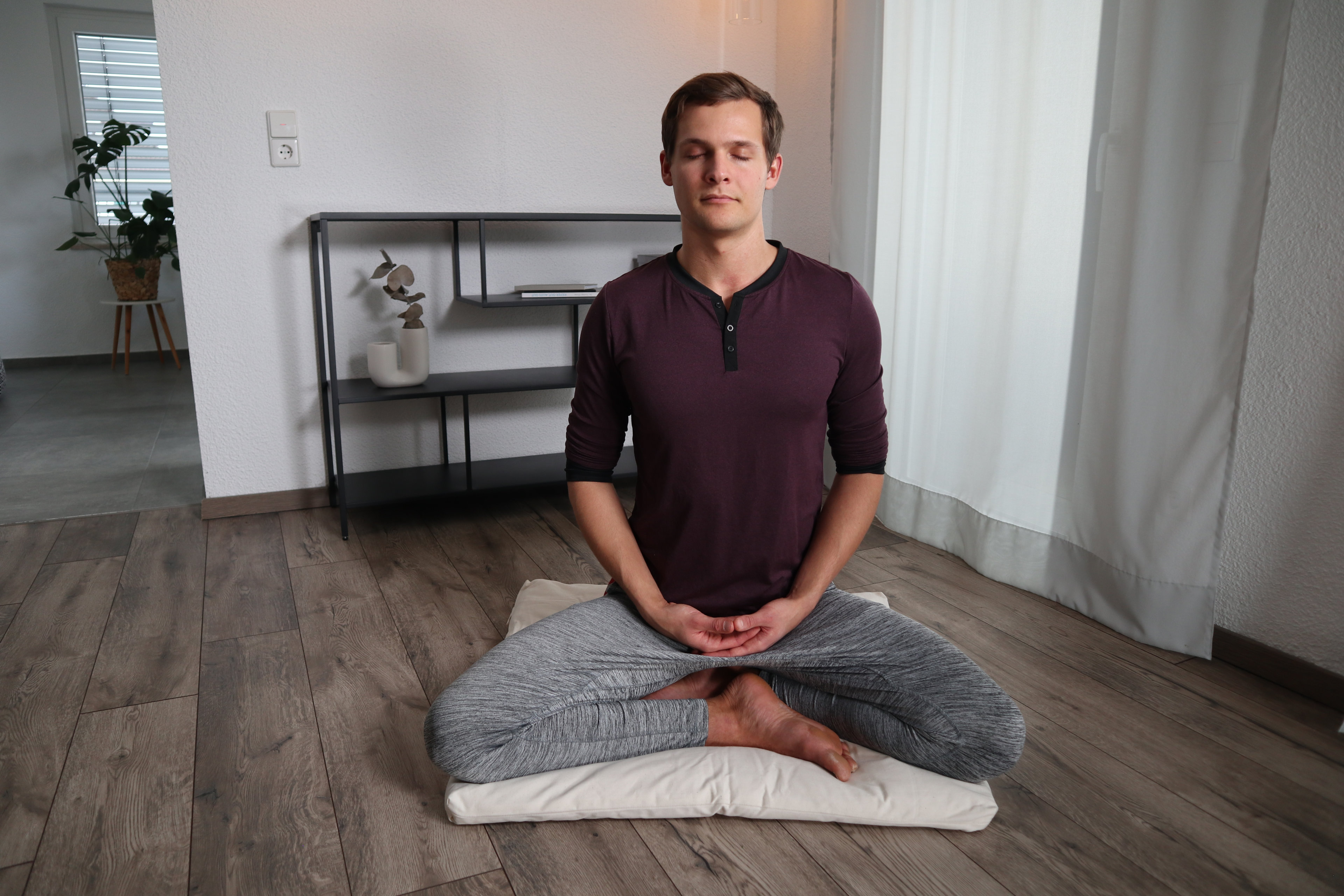
Simply Breathe Away Stress and Anxiety
Our Breathing Exercises for Stress


Life After Burnout: Returning to Everyday Life
After a burnout, the return to work and everyday life is often a delicate process that should be approached carefully and well-planned.
The transition back to work or family life should be gradual.
It is helpful to follow rehabilitation recommendations, medical advice, and therapeutic plans— ideally in consultation with healthcare professionals and your workplace.
At work, open conversations with supervisors about reduced responsibilities or flexible work arrangements can make a big difference. A gradual reintegration with an adjusted work schedule and breaks helps those affected avoid becoming overwhelmed and slowly rebuild their resilience so they can fulfill their duties.
The chances of recovery are good with early treatment and consistent self-care; however, it is important to be patient with yourself and not view setbacks as failures. Relapses can occur despite all precautions, but they should not be discouraging.
Consciously managing stress, practicing regular stress management, and remaining open to support from therapists or one’s social circle are crucial for maintaining long-term stability and preventing renewed exhaustion.


When and where to seek help?
If you feel constantly exhausted, have trouble sleeping, or are emotionally burned out, you should seek professional help. Talk to your primary care physician or contact a psychotherapy or psychiatry practice. Specialized psychosomatic or psychiatric clinics, rehabilitation centers, mental health hotlines, and self-help groups can also provide support.
Patients and their loved ones can find helpful information on mental health websites or through health insurance providers.
Important: Seeking help for burnout is important and not a sign of weakness—quite the opposite, in fact; you’re showing strength by taking care of yourself and your mental health.


Conclusion
Burnout affects many people and highlights how important it is to take care of your own health. By recognizing symptoms, understanding causes, and taking early preventive measures, you can avoid burnout or cope with it more effectively. A combination of professional treatment, self-care, and social support is the best way to maintain your quality of life and stay healthy in the long term. If you suspect you’re experiencing burnout, make an appointment with your primary care physician and seek help.


FAQ: Common Questions About Burnout
FAQ: Frequently Asked Questions About Burnout
Persistent exhaustion, sleep disturbances, difficulty concentrating, a feeling of inner emptiness, and social withdrawal.
Psychotherapy, stress management, medication if necessary, and extended periods of rest.
Perfectionists, people with heavy workloads and little work-life balance, and those who are always willing to help others.
It varies greatly, from a few weeks to several months or years.
Burnout is strongly related to work or performance, while depression usually affects one’s entire life and involves additional symptoms.
Family doctor, psychotherapy practice, counseling centers, burnout clinics, or crisis hotlines.