Overcoming the Fear of Insomnia: Causes & Tips

Do you feel like no one really understands you when it comes to your sleep? Fear of going to sleep actually affects more people than you might think. Many people affected—including men, women, and in some cases even children—suffer from nighttime nervousness and restlessness without talking about it. Nighttime restlessness, sudden heart palpitations, or a never-ending whirlwind of thoughts: anxiety at night or even a panic attack can make it hard to fall asleep or cause you to wake up during the night.
Yet fear of sleep can affect your sleep regardless of the original trigger, because it’s a learned pattern. And that’s exactly why you can break free from it. In this article, you’ll learn how fear of sleep develops, what the typical symptoms are, and how you can overcome it with small steps and support.
Whether you’re experiencing initial restlessness or recurring panic, here you’ll find reliable information, practical strategies for everyday life, and the reassuring knowledge that you’re not alone.
“You can’t force yourself to sleep—but we can learn to let go of inner tension. That’s the only way to ensure restful sleep in the long term.”
– Leona Rudolph, sleep psychologist

What is the fear of insomnia?
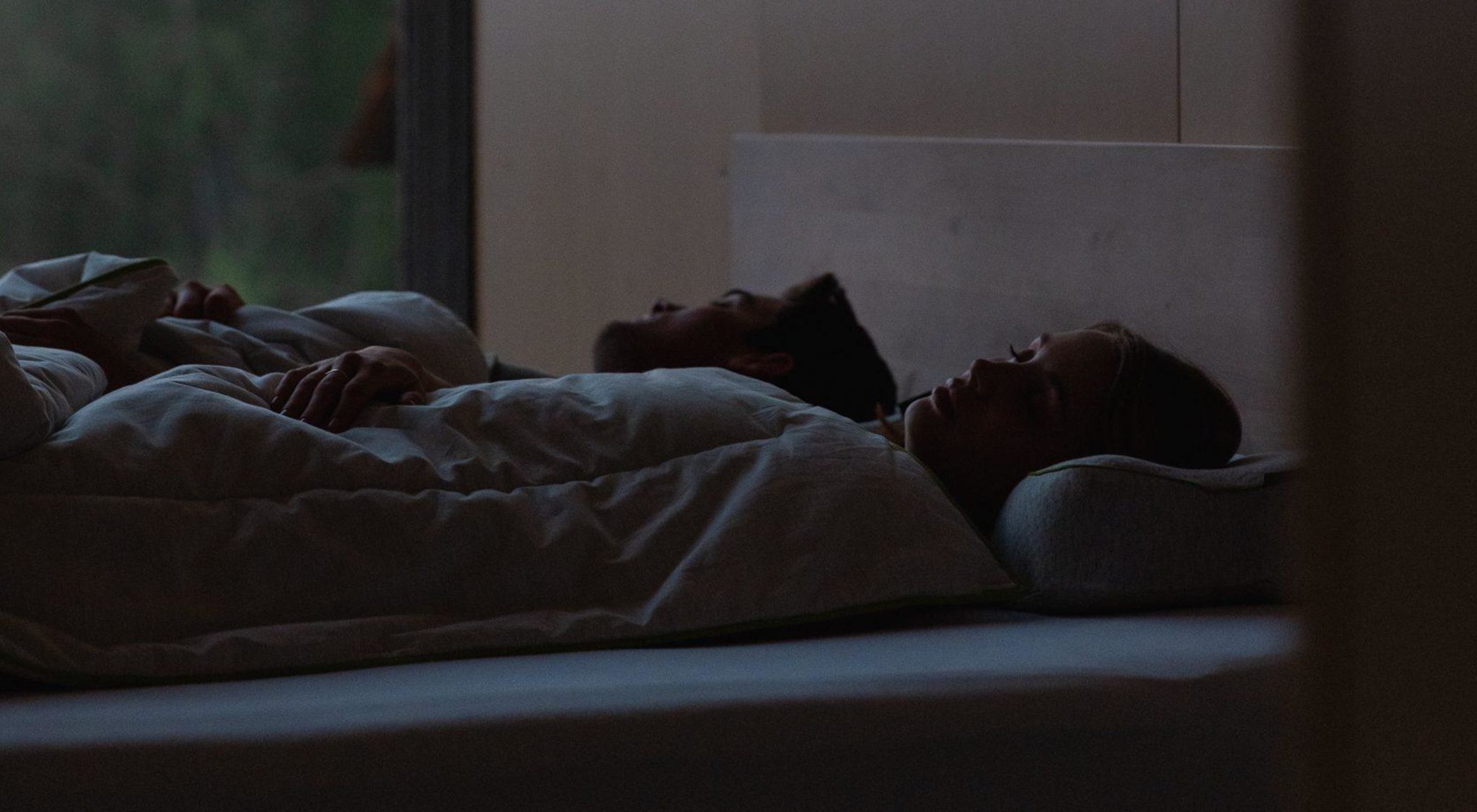
Does this sound familiar? You’re supposed to be winding down and ready to sleep. But instead, you feel restless, and suddenly you just can’t fall asleep. It’s not uncommon for sleep problems to stem from anxiety. This fear of sleeping —or fear of insomnia, also known as sleep anxiety —is not just in your head; it’s a real phenomenon. It can develop gradually, through one or repeated nights of trouble falling asleep or staying asleep, and become a regular part of your evening routine —but in a negative way. Sleep anxiety ultimately affects not only your health but also your daily life: difficulty concentrating, mood swings, and memory problems.

Sleep better, live healthier—with our sleep course. Get up to a 100% refund
Discover the online sleep course now
What Causes Sleep Anxiety?
It often starts innocently enough: you’ve had a few nights of poor sleep. But if your brain—completely unnoticed—stores this experience as threatening, a psychological cycle may develop: you unconsciously associate your bed with stress. This can happen completely independently of the original trigger. As a result, your brain remains active and your nervous system stays tense. You then develop a growing fear of insomnia. It is precisely this fear that prevents you from falling asleep or leads to poor sleep quality and, consequently, waking up during the night. Studies show that this cognitive overstimulation is one of the main factors in chronic insomnia (Dressle et al., 2022).
Fear of Falling Asleep—The Vicious Cycle in Your Mind
Instead of feeling tired and letting go, thoughts like “I have to fall asleep now—what if I can’t? ” take over. This worry triggers tension, which makes it harder to fall asleep—confirming your fear. Behind this often lie unconscious beliefs and expectations such as “I mustn’t show weakness” or “I have to function.” Such thought traps reinforce the feeling of losing control. So when you try to “force” yourself to sleep, you usually achieve the opposite—because sleep cannot be willed into existence. As a result of the fear of insomnia, those affected may then find themselves grappling with a new fear: the fear of going to bed at night. Going to bed is no longer perceived as something relaxing and pleasant, but rather as problematic.
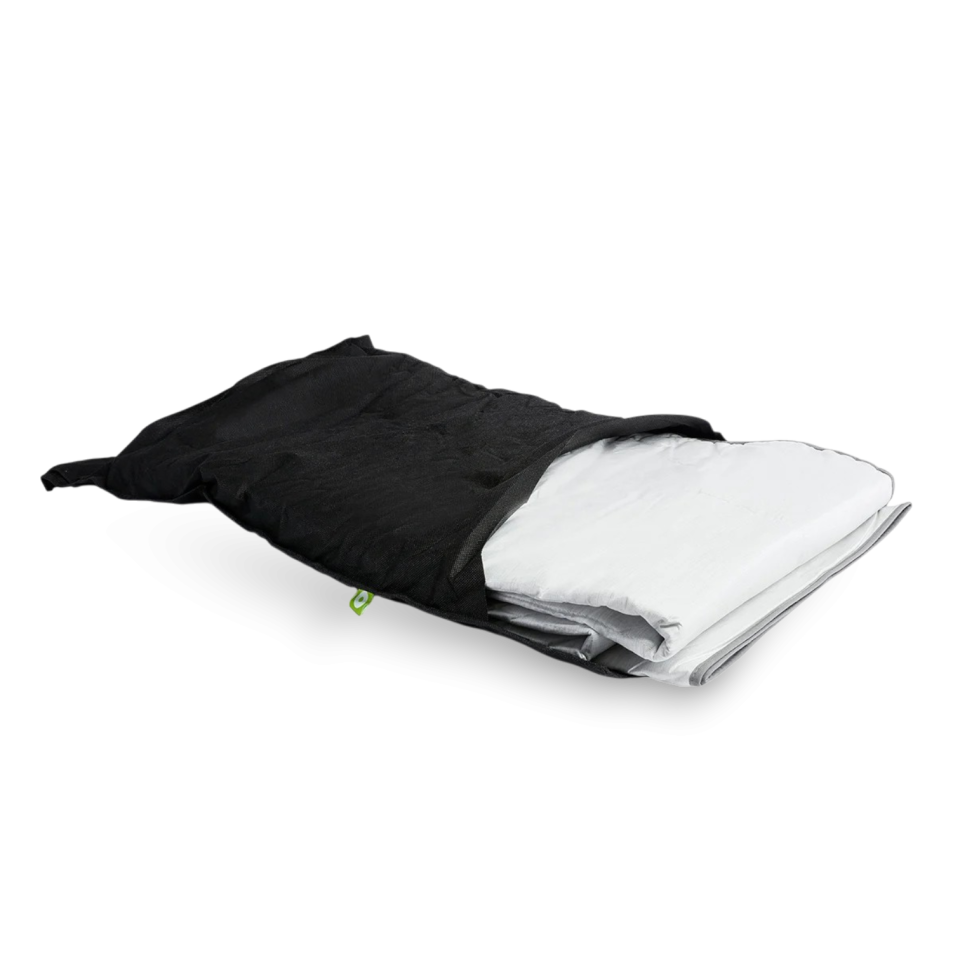
Recovery Blanket Summer
Available in multiple variants
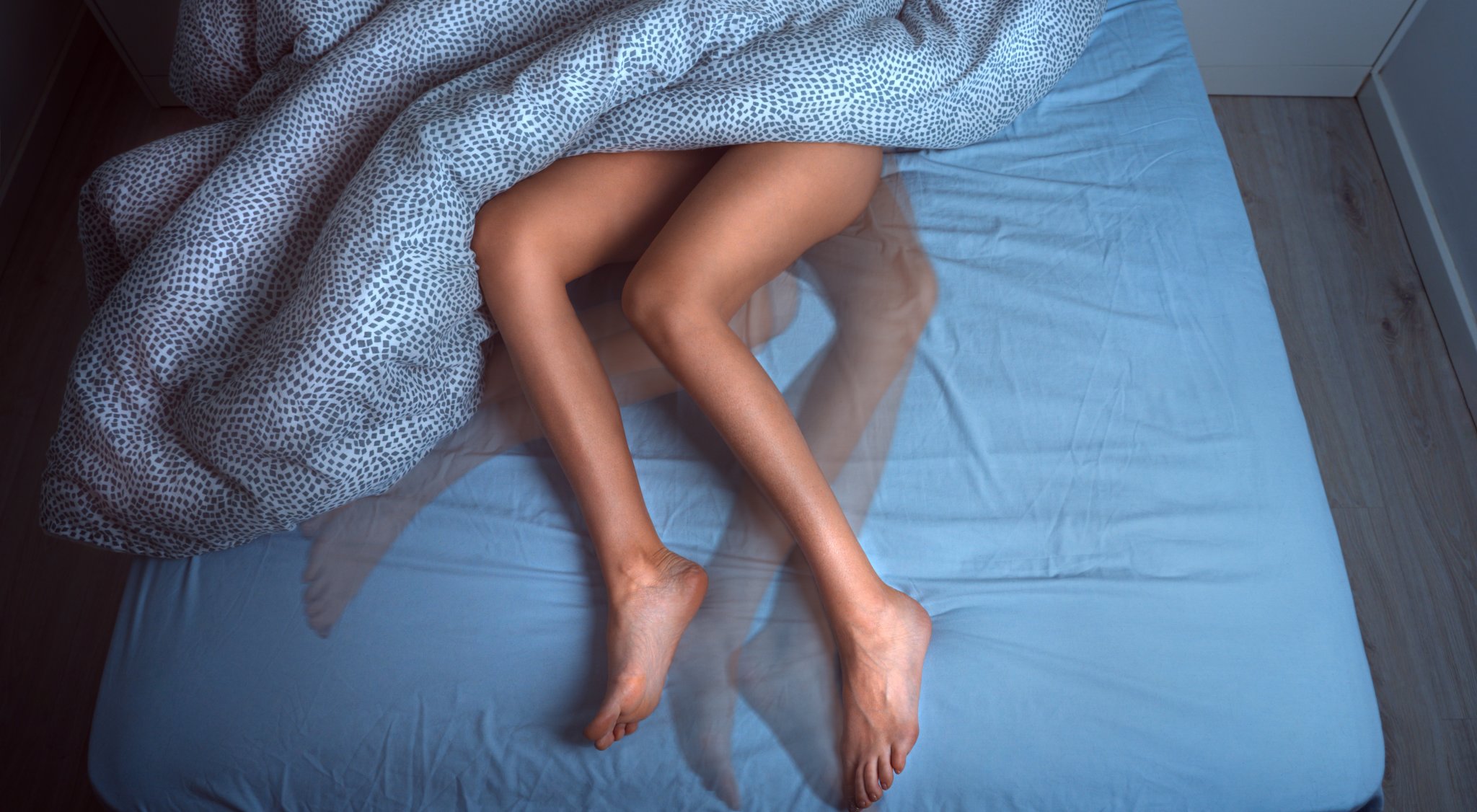
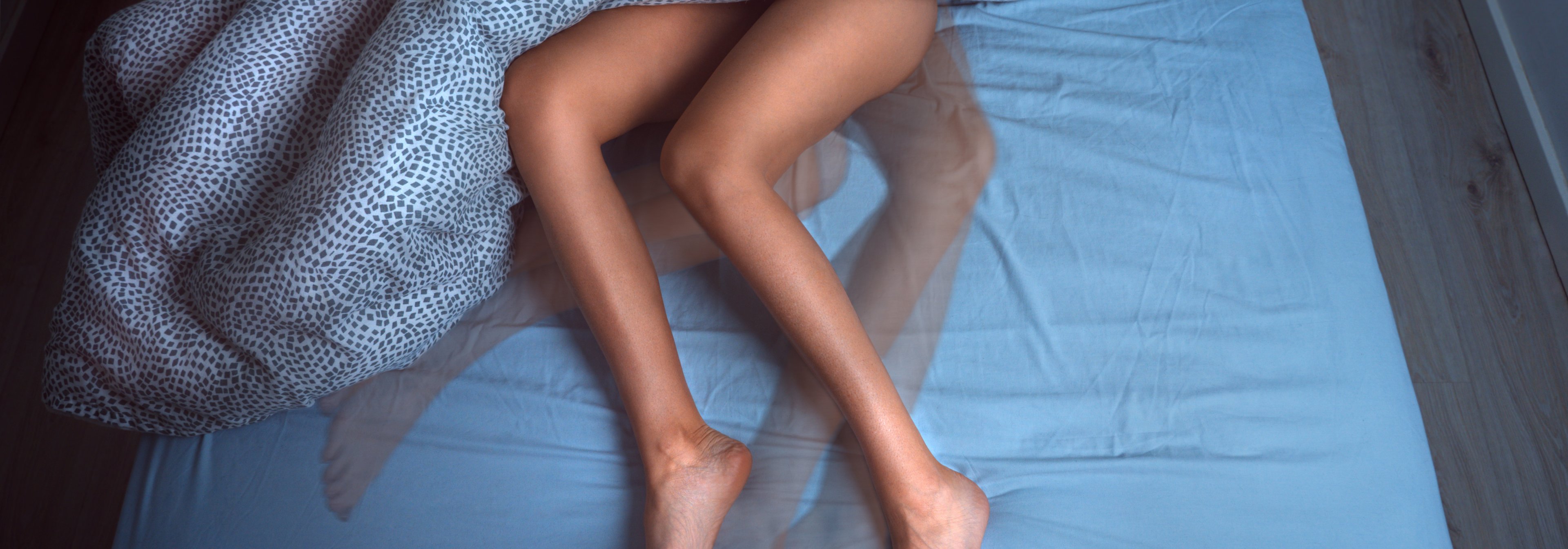
Typical symptoms of fear of insomnia
Symptoms of fear of insomnia can be recognized primarily by how much your thoughts and feelings revolve around falling asleep in the evening. Typically, the fear of insomnia manifests as recurring worries such as “What if I can’t sleep again tonight?” or a palpable tension as soon as it’s time to go to bed. If you regularly notice such patterns, you can ask yourself: Do these fears always occur in the evening? Do they intensify when you’re in bed? Are they accompanied by physical reactions such as a racing heart or restlessness? Honest self-reflection is the most important step in recognizing sleep anxiety. If uncertainty remains, talking to a mental health professional can help you better understand your own experiences and specifically identify sleep anxiety.
Anxiety at Night—Typical Symptoms
Anxiety often manifests differently at night than during the day—more subtly, more physically, and less tangible.
Take the test:
Do you recognize one or more of these symptoms in yourself?
- Inner restlessness when falling asleep or a “queasy feeling” in the stomach
- Heart palpitations, sweating, or trembling
- Racing thoughts with no clear beginning or end
- Sudden jolts while falling asleep or during the night
These symptoms are triggered because your brain is particularly sensitive to “danger signals” at night—even when there’s no real threat.
But why is that? At night, you experience your first moment free of external stimuli—as a result, your focus automatically shifts more inward and toward symptoms like a racing heart. Thoughts that you’ve suppressed during the day surface unconsciously.
In addition, the prefrontal cortex—your “rational thinker”—is less active, while the emotional center, the amygdala, reacts more readily to stress (Goldstein & Walker, 2014). This intensifies your anxiety response, even though it is objectively unfounded.
Sleep anxiety can manifest as both difficulty falling asleep and difficulty staying asleep. Restless sleep or a significantly reduced sleep quality can also be consequences of these anxiety states.
Recovery Blanket Summer
Available in multiple variants

Fear of falling asleep vs. nighttime panic attack
Have you ever experienced this? You’re asleep and suddenly wake up drenched in sweat. Your heart is racing, you can barely breathe, and your body is in shock. In addition to fear of falling asleep, there are also these kinds of nighttime panic attacks. But as frightening as these experiences are, they’re not medically dangerous, and with a little support, you can learn to cope with them better.
Panic Attacks During Sleep—Symptoms of Nighttime Panic
A panic attack during sleep, also known as a nocturnal panic attack, usually occurs suddenly, without a clear external trigger.
Take the quiz:
Have you ever experienced one or more of these symptoms at night?
Sudden heart racing or severe palpitations
Shortness of breath or the feeling of not being able to breathe
Sweating or chills
Dizziness, trembling, or lightheadedness
An intense feeling of danger or fear of death
If you’ve ever experienced a panic attack yourself, you know: It feels “real”—even though, medically speaking, there’s no physical emergency. The symptoms are caused by a false alarm from the autonomic nervous system: The body reacts as if there were an acute danger, even though objectively there is no threat. Studies show that about one-third of all people with panic disorder also experience attacks at night (Craske & Tsao, 2008).
This often leaves you with a feeling of unease—accompanied by the worry that it could happen again. It is precisely this anticipatory anxiety that can make future nights even more stressful.
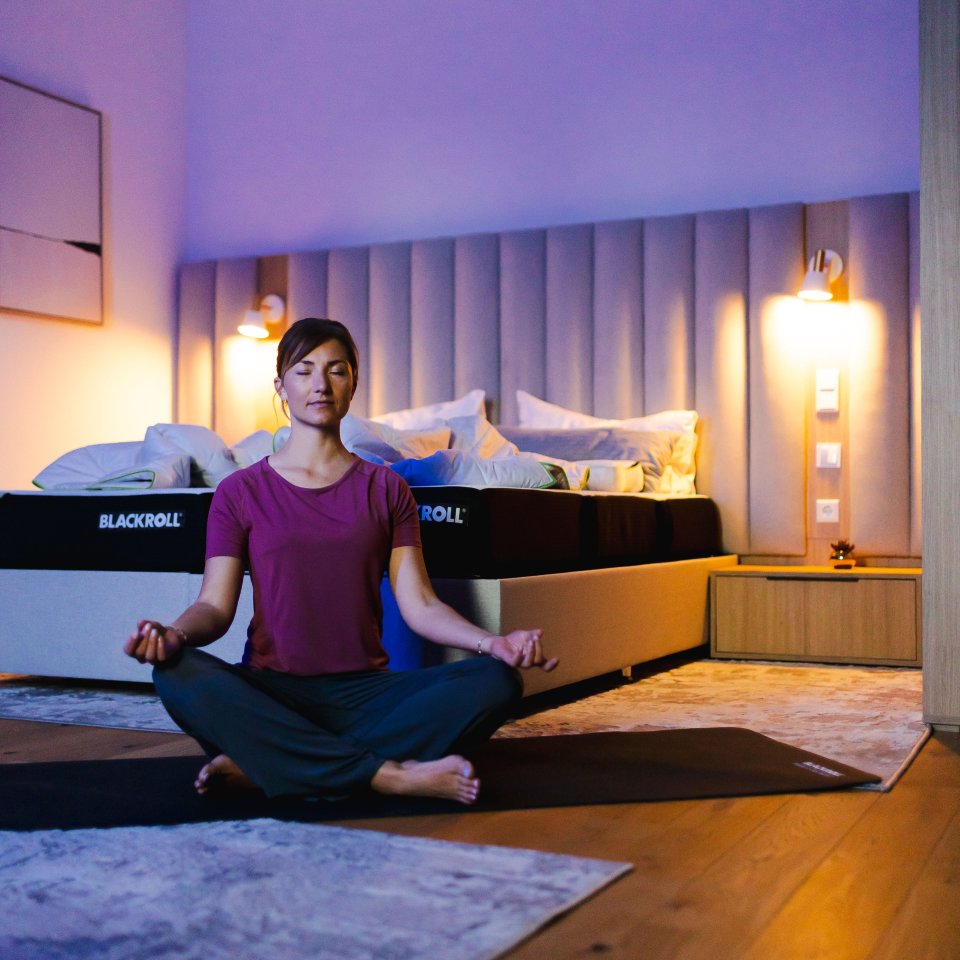
Establishing an Evening Routine



Sleep and Mental Health: Psychological Factors & Sleep
Your mental state plays a central role, especially when it comes to fear of falling asleep, because sleep and mental health are closely linked. Stress or persistent worries can intensify the fear of falling asleep and create a vicious cycle of tension and poor sleep. Often, it’s not just a single episode of insomnia, but the interaction between psychological stress and sleep disturbances that perpetuates the problem. That’s why it’s worth consciously paying attention to your own thoughts, feelings, and mental stress —because they’re often closely linked to the fear of insomnia and can be specifically addressed.
Anxiety at Night—What Can You Do?
If anxiety strikes you at night, one thing matters most: you can do something about it, so seek help.
Here are some initial tips:
1. Take the pressure off—you don’t have to do anything “right” right now
One of the biggest triggers of nighttime anxiety is the thought: “I have to calm down right now.” This expectation creates additional stress. Instead, try telling yourself: “It’s okay that my body is on high alert right now. This will pass.” This shift in perspective alone reduces inner tension.
2. Calm your body—don’t fight the whirlwind of thoughts
Instead of fighting your thoughts, shift your focus to your body:
Breathe slowly and deeply into your belly—for example, using the 4-7-8 breathing technique: Inhale for four seconds, hold your breath for seven seconds, and exhale for eight seconds
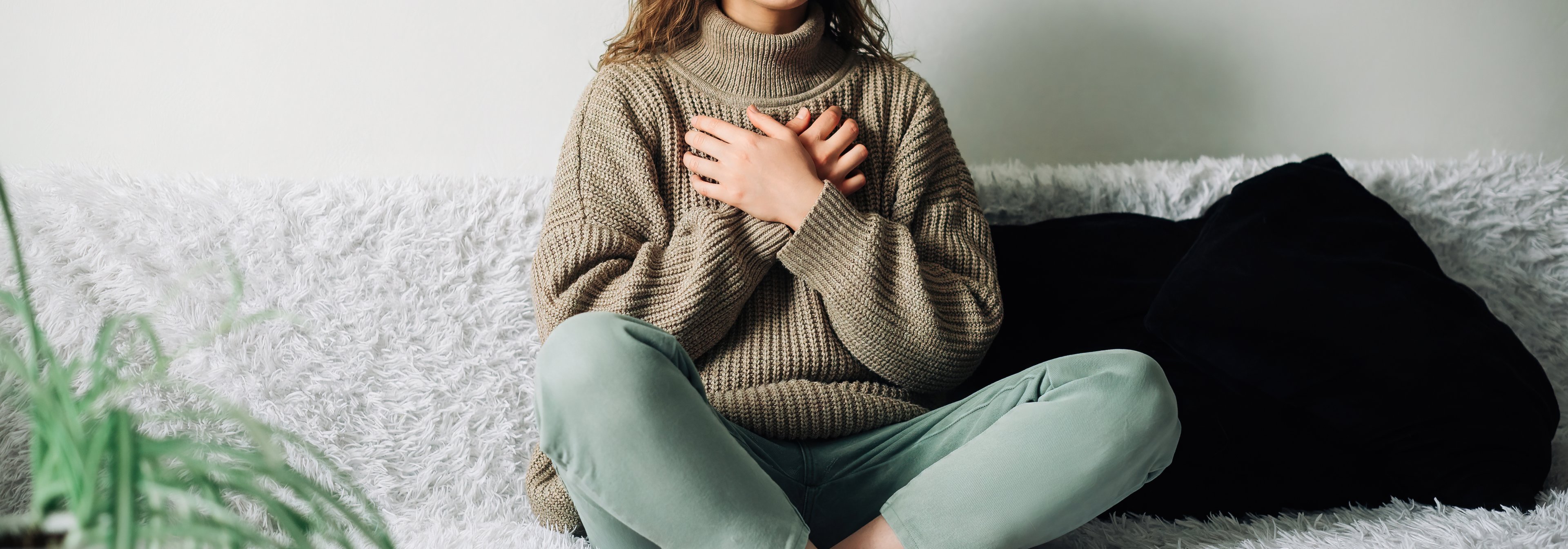
Place one hand on your heart or your belly—this activates a calming sense of body awareness.
If necessary: Stand up briefly, stretch, or walk over to the window—gentle movement helps relieve tension.
3. Establish an evening routine—but without the pressure to perform
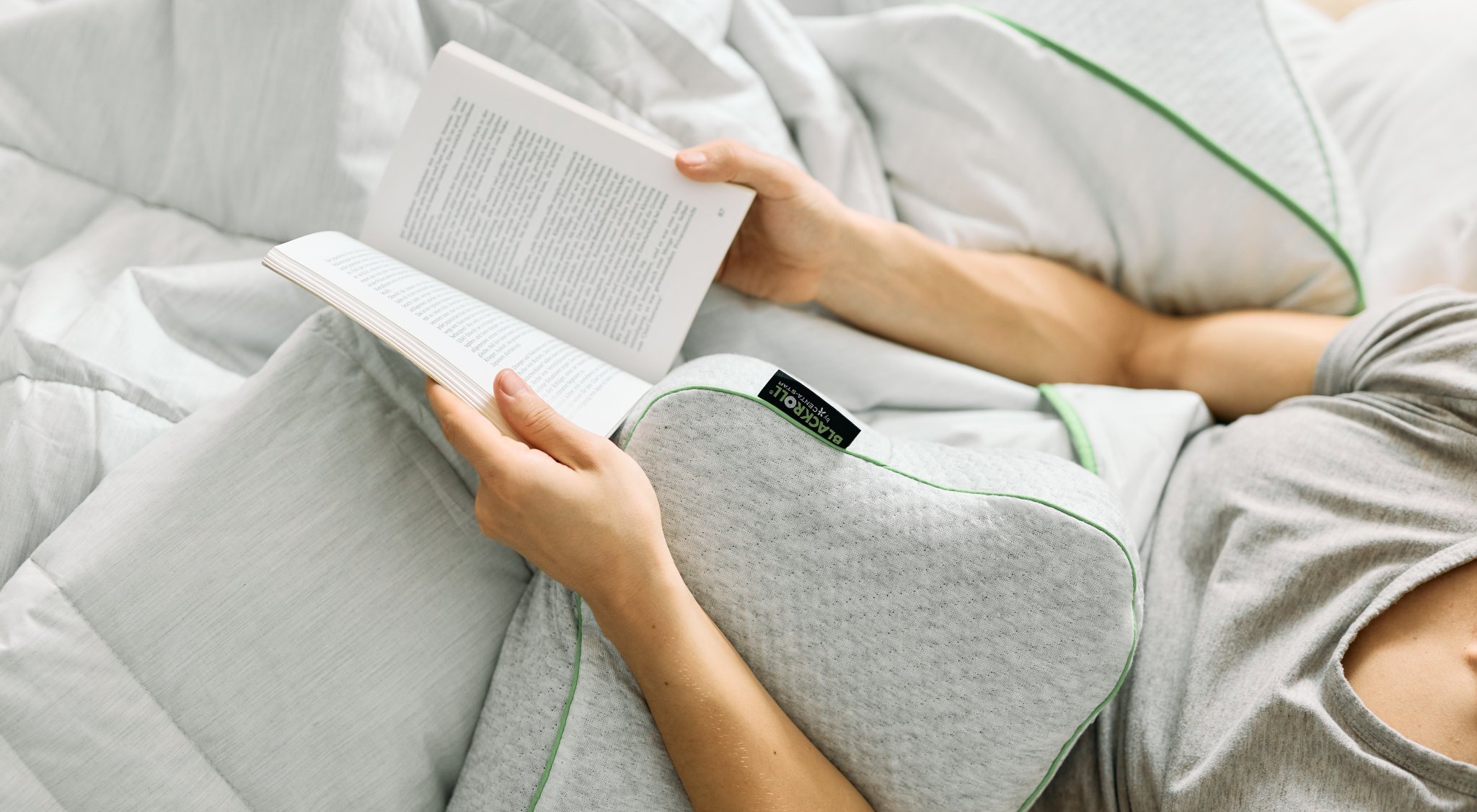
Proven relaxation techniques such as meditation, breathing exercises, or progressive muscle relaxation are particularly helpful before falling asleep—they help calm the body and specifically relieve inner tension. Treat your evening routine as a form of self-care; don’t set expectations that will put you under pressure again. Mindful routines—such as reading, using a hot water bottle, or listening to soft music—work better when you practice them without any expectations.
4. Lifestyle, Sleep Hygiene, & Nutrition—Small Effort, Big Impact:
Your lifestyle and diet directly affect your sleep and indirectly influence your fears about falling asleep. Caffeine, heavy dinners, alcohol, and a lack of exercise make it harder to fall asleep. A balanced diet, regular exercise, and mindful use of stimulants promote good sleep and provide a greater sense of security when going to bed. Even small changes in your daily routine can help you fall asleep more easily and create your first sense of success.


Practical Strategies & Tips for Overcoming Sleep Anxiety
So what should you do if the thought of going to bed already triggers unconscious anxiety and none of the usual sleep tips or relaxation techniques seem to help anymore? The key isn’t in “having to sleep better,” but in making long-term changes to how you manage your thoughts, feelings, and body.
Here are the most important tips for overcoming sleep anxiety:
1. Acceptance Instead of Resistance
Instead of thinking , “I have to sleep now!”, try telling yourself , “I’m just allowed to rest. Sleep will come when it comes.”
This takes away the fear of insomnia and calms your nervous system. You can train yourself to think this way, for example, using methods from cognitive behavioral therapy and with the support of sleep psychologists.
2. Evening routine? Yes—but without pressure to perform
Drinking tea, meditating, reading—all of these are only relaxing if you do them as an act of self-care, not with the goal of finally falling asleep.
Here’s a tip: Ask yourself in the evening, “What would be good for me right now?” —not, “What’s the best way to fall asleep?”
3. Wide awake in bed? Then get up for a moment
If you’ve been lying awake for more than 20 minutes, don’t toss and turn. Step out of the bedroom for a moment, read a few pages, or listen to some calm music—with the lights dimmed. This helps your brain learn that your bed is a place of rest.
4. No clock, no worrying
Checking the clock at night does nothing but cause more stress. If your thoughts are racing, focus on your body: feel your breath. This brings you back to the present moment.
6. Natural Remedies— No Magic Bullet
Herbal teas, essential oils, or soothing music can make your evening routine more pleasant and help you fall asleep. However, they are no substitute for professional treatment and have only a mild calming effect. There’s no miracle cure for sleep anxiety—natural remedies are merely a small aid for nighttime restlessness.
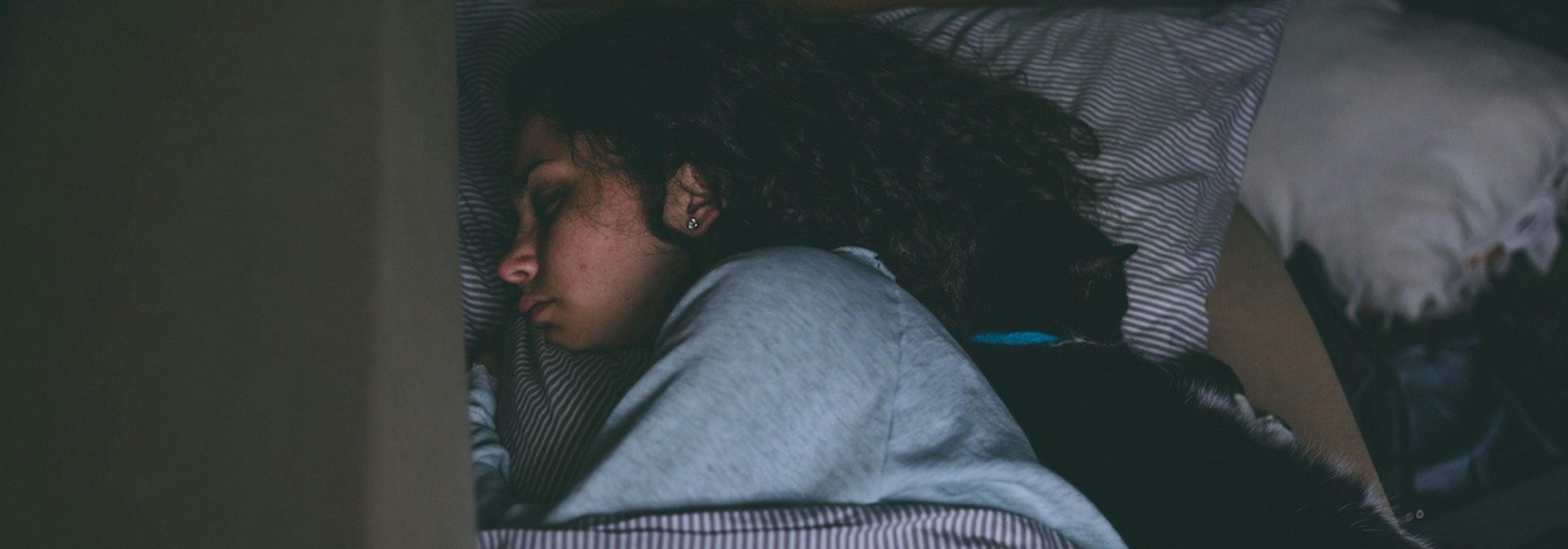
What to Do During a Nighttime Panic Attack—Strategies for Acute Episodes
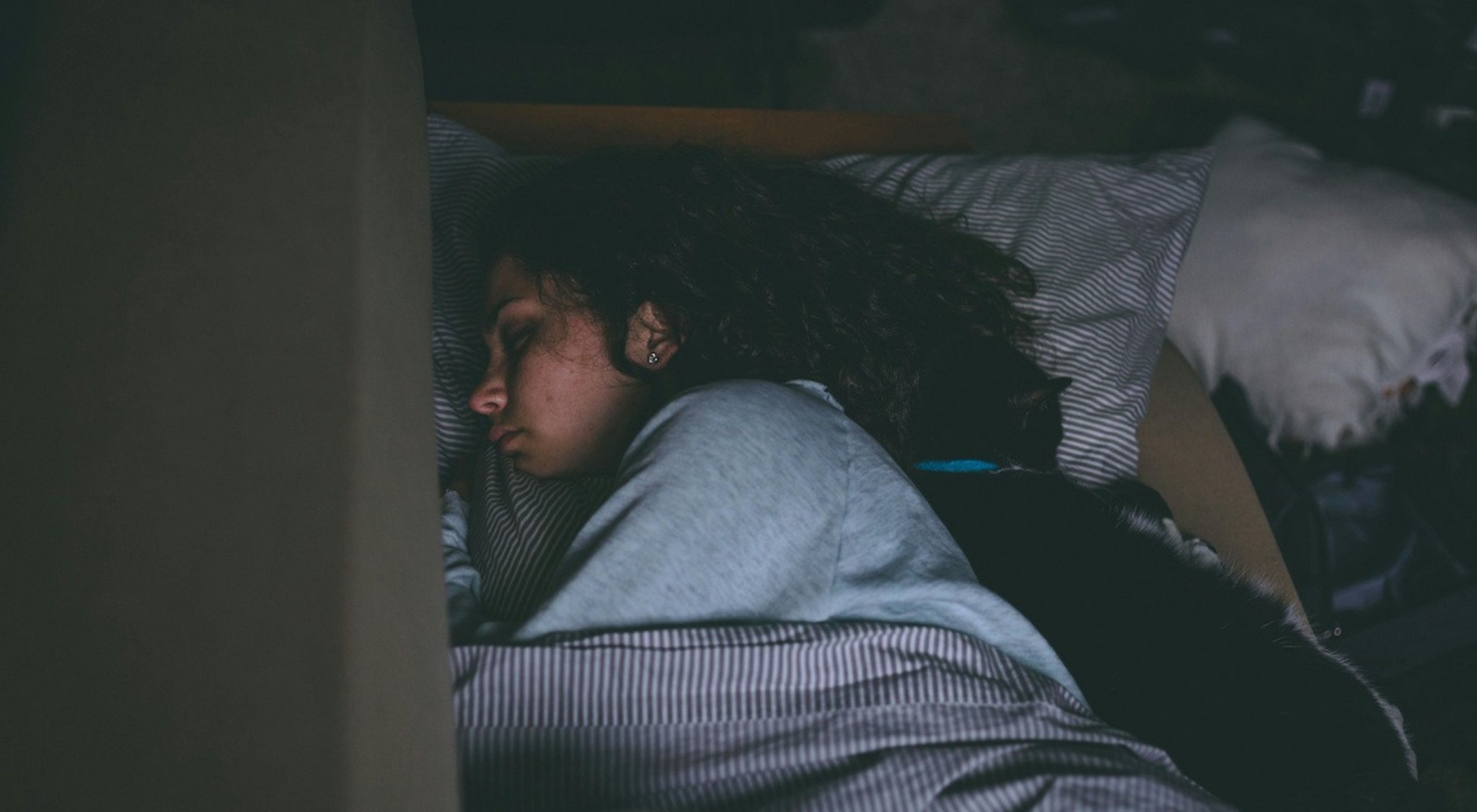
If you’re hit by a panic attack at night, the most important thing is to try to realize that your body is currently in a temporary state of alarm.
Here are a few tips for the moment:
1. Accept what’s happening—don’t fight it
The reflex to “push the panic away” is understandable, but it often makes it worse. Instead, consciously tell yourself: I’m feeling intense fear right now, but I’m safe. My body will calm down again.
2. Regulate your breathing
Breathe slowly and deeply—for example, using the 4-6 pattern: inhale for 4 seconds, exhale for 6 seconds. This breathing technique activates the parasympathetic nervous system, which is responsible for calming you down.
3. Distract yourself through sensory perception
Focus your attention on what your senses are perceiving. What do you feel? What do you see? What do you hear?
4. No overthinking, no self-diagnosis
Avoid searching the internet or self-diagnosing at this moment. Instead, seek long-term help by consulting experts.
5. Afterward: Gently return to calm
If possible, stay awake for a few more minutes and do something calming: read, listen to soft music, or simply sit quietly. This helps your body learn that the night is not a dangerous place.


When do you need professional support?
Seeking help is a sign of strength, not weakness. If you feel like you can’t make progress on your own, seek support. According to the German Society for Sleep Research and Sleep Medicine (DGSM), cognitive behavioral therapy for sleep disorders (CBT-I) is the first-line treatment for chronic insomnia. If you can’t or don’t want to wait for a therapy slot—and especially if you need help quickly—you can look into online programs based on CBT-I. Studies also support the effectiveness of such digital programs. Personalized support is key here.


FAQ - Frequently Asked Questions About Sleep Anxiety
Useful information
The physical symptoms are triggered by your brain identifying insomnia as a threat. In response to this interpretation, your body releases adrenaline, which causes the physical reaction you’re experiencing.
However, with sleep anxiety, both the individual’s sleep duration and the quality of deep sleep typically play a role. Sometimes, though, underlying medical conditions or psychological stressors are the root cause. For example, depression can also deeply disrupt the architecture of sleep. That’s why, in many cases, seeing a doctor is the best approach when dealing with sleep problems. If you’re already in therapy with a psychiatrist, they can also serve as a point of contact. Data from a sleep lab can additionally help provide objective evidence as to whether a medical evaluation is warranted—especially if sleep deprivation has been disrupting your rest and affecting your daily life for weeks.
People who are dealing with work-related stress or who are going through an emotionally stressful phase in their lives often feel an especially intense need to sleep. Many of those affected then turn to sleeping pills. However, this approach is only necessary in certain cases. They should always be used only in consultation with a doctor and only as a short-term solution. Otherwise, the problem is merely postponed, and you may fear that the anxiety about insomnia will return once you stop taking the medication.
If you feel that you cannot cope with your fear of falling asleep on your own, even with all the tips provided, the better option is treatment based on CBT-I, as recommended by the German Society for Sleep Research and Sleep Medicine.
Yes, sleep anxiety can be effectively treated with the right approach. When dysfunctional beliefs are addressed, the pressure to “have to sleep” is successfully reduced, and those affected develop good mindfulness routines, sleep anxiety can disappear completely. Depending on the severity, different measures may be necessary.
Conclusion—You can overcome the fear of not being able to sleep
The fear of falling asleep often feels overwhelming, and it may seem like none of the tips are helping. But you can learn to break through it.
The key is: You don’t have to change everything at once. Even small, conscious steps can make a big difference.
If you observe your thoughts more mindfully, take the pressure off, and establish new routines as an act of self-care, your body can gradually regain trust in sleep, and as a result, you can overcome your fear of insomnia. And if you realize you’re not making progress on your own: Seeking help from sleep experts and participating in systematic sleep training is not a sign of weakness, but a courageous step toward change. Because there are effective ways to get back to restful nights and regain your confidence in your sleep.
Sources & Studies:
Craske, M. G., & Tsao, J. C. (2005). Assessment and treatment of nocturnal panic attacks. Sleep Medicine Reviews, 9(3), 173–184. https://doi.org/10.1016/j.smrv.2004.11.003
German Society for Sleep Research and Sleep Medicine (DGSM). (2017). S3 Guideline on Non-Restorative Sleep/Sleep Disorders—Insomnia in Adults (AWMF Registration Number: 063/003). https://www.awmf.org/leitlinien/detail/ll/063-003.html
Dressle, T., Espie, C. A., Kyle, S. D., Freeman, D., Luik, A. I., Sheaves, B., & Ben-Zion, I. Z. (2022). Hyperarousal in insomnia disorder: Current evidence and potential mechanisms. Journal of Sleep Research, 31(1), e13928. https://doi.org/10.1111/jsr.13928
Goldstein, A. N., & Walker, M. P. (2014). The role of sleep in emotional brain function. Annual Review of Clinical Psychology, 10, 679–708. https://doi.org/10.1146/annurev-clinpsy-032813-153716