Migraines and Sleep: How Good Sleep Can Prevent Migraines

Maybe you’ve experienced this too: After a restless or far too short night, a throbbing headache sets in the next day—and if you’re prone to migraines, an attack is often inevitable. But why is that? What’s actually happening in your body—and what can you do to prevent it?
Sleep and migraines—two topics that are closely linked.
In this article, you’ll learn how poor sleep can trigger migraines and what you can do in your daily life to better manage both. Whether you’re affected yourself or want to help someone else—here you’ll find simple explanations and practical tips for everyday life.


Why does lack of sleep trigger headaches?
Too little or poor-quality sleep can quickly become a burden—not just on your energy levels the next day, but also on your head. Many people know the feeling of waking up after a short night with pressure in their head or even the onset of a migraine. But how exactly are lack of sleep and headaches related? And why does this affect migraine sufferers so frequently? The answer lies in the complex processes of your nervous system during the night.
Sleep is the most important time for your brain to regenerate
- While you sleep, your brain processes all the impressions and stimuli of the day.
- Nerve cells regenerate, inflammation is reduced, and the pain system is “reset.”
- This recovery process is in full swing especially during deep sleep phases—if these are missing, the risk of headaches increases.
What happens in the body when you don’t get enough sleep?
- The body reacts to too little sleep with stress: cortisol levels rise, your heart rate remains elevated, and your autonomic nervous system stays in “alert mode.”
- At the same time, the body’s natural pain control mechanisms are weakened—so you become more sensitive to stimuli and pain.
- Inflammatory processes also increase—which can raise the risk of migraine attacks.
- Studies show that even one night of poor or insufficient sleep can lower your pain threshold and trigger headaches.
Sleep Deprivation: Effects on the Body and Mind
How are sleep deprivation and headaches related?
- Headaches caused by sleep deprivation are among the most common complaints the next morning.
- Those affected often wake up with a dull pressure or sharp pain in their head—especially if their sleep was restless or too short.
- Especially for people with migraines, even minor changes in sleep patterns (e.g., going to bed later or getting up earlier) can trigger an attack.
Why do migraine attacks often occur at night or in the morning?
- The body is particularly susceptible to changes in the nervous system at night. If serotonin levels drop suddenly in the early morning hours, this can trigger a migraine attack.
- In the early morning hours (between 4:00 and 6:00 a.m.), changes occur in neurotransmitter (e.g., serotonin) and hormone levels (e.g., cortisol) that can trigger migraine attacks in susceptible individuals.
- Many people with migraines report headaches upon waking that become more severe as the morning progresses—often a sign that their night’s sleep was not restful.


Discover more items






Headaches after waking up
Do you wake up and feel an unpleasant pressure or throbbing in your head the moment you open your eyes? You’re not alone. Headaches upon waking are among the most common complaints for people who suffer from sleep problems or migraines.
Poor sleep—whether due to frequent waking, insufficient sleep duration, or a poor sleep environment —can directly lead to a migraine attack in the morning. Especially in the early morning hours, your brain is particularly sensitive to stimuli, hormonal fluctuations, and oxygen deprivation—factors that can also trigger headaches.
Possible causes of morning headaches:
- Restless or insufficient sleep
Your body cannot recover sufficiently at night. Especially when deep sleep phases are lacking, the risk of waking up with a headache increases. - Tension headaches caused by poor sleeping posture or teeth grinding
People who sleep with tense muscles in their neck or jaw often wake up with a throbbing headache—frequently in the forehead or back of the head. - Nighttime migraines caused by disrupted sleep cycles
For migraine sufferers, even a slight disruption in the sleep-wake cycle can be enough to trigger an attack—often during the night or immediately upon waking. - Fluctuating serotonin and cortisol levels
In the early morning hours, hormonal changes occur that influence pain perception—a potential migraine trigger.
What you can do:
- Make sure to stick to a regular sleep schedule—even on weekends.
- Make sure your bedroom is dark, quiet, and well-ventilated.
- Avoid large meals, alcohol, and screen time before bed.
- Pay attention to whether certain problems falling asleep or staying asleep repeatedly trigger morning migraine attacks.
Morning headaches aren’t just unpleasant—they can be an important warning sign from your body that something is wrong with your sleep. Especially if you suffer from migraines, it’s worth paying attention to the quality and regularity of your sleep. After all, if you understand and improve your sleep rhythm, you can not only reduce headaches upon waking but also significantly lower your risk of migraine attacks.


Standard
Available in multiple variants





The Most Common Migraine Triggers
Many people who suffer from migraines are looking for a clear cause for their attacks—but unfortunately, there often isn’t a single, definitive trigger. Instead, it’s usually a combination of factors—known as migraine triggers—that interact with one another and can set off an attack. Sleep often plays a particularly crucial role: Migraines at night or in the early morning hours are a well-known phenomenon. Here, you’ll learn which triggers are particularly common—and what you can do to avoid them.
Typical migraine triggers:
- Irregular sleep patterns
Going to bed too late, getting up too early, or a sudden shift between too little and too much sleep—all of these can disrupt the delicate balance of your nervous system. Many people experience migraine attacks at night or right after waking up if their sleep wasn’t restful. - Stress and emotional tension
Psychological stress—as well as the recovery phase that follows (e.g., on the weekend or during vacation)—is one of the classic triggers for migraines. - Hormonal fluctuations
The menstrual cycle plays a particularly significant role for women—here, too, lack of sleep can increase susceptibility to migraines. - Diet and fluid balance
Irregular meals, not drinking enough fluids, alcohol, and certain foods (e.g., cheese, chocolate, and foods containing histamine) are considered well-known migraine triggers. - Sensory stimuli
Flickering lights, loud noises, or strong odors (perfume, smoke) can trigger a migraine in sensitive individuals—especially if they are already sleep-deprived. - Weather Changes and Air Pressure Fluctuations
External factors such as sudden temperature changes or foehn winds are also considered possible triggers for migraine attacks.
Not every trigger automatically leads to a migraine—but the more factors that come together, the more likely an attack becomes. Sleep plays a key role here: People who sleep too little, too irregularly, or too restlessly make themselves more susceptible to many of the triggers mentioned. By observing your personal triggers and paying special attention to your sleep, you can learn to better understand migraine attacks—and prevent them in a targeted way.


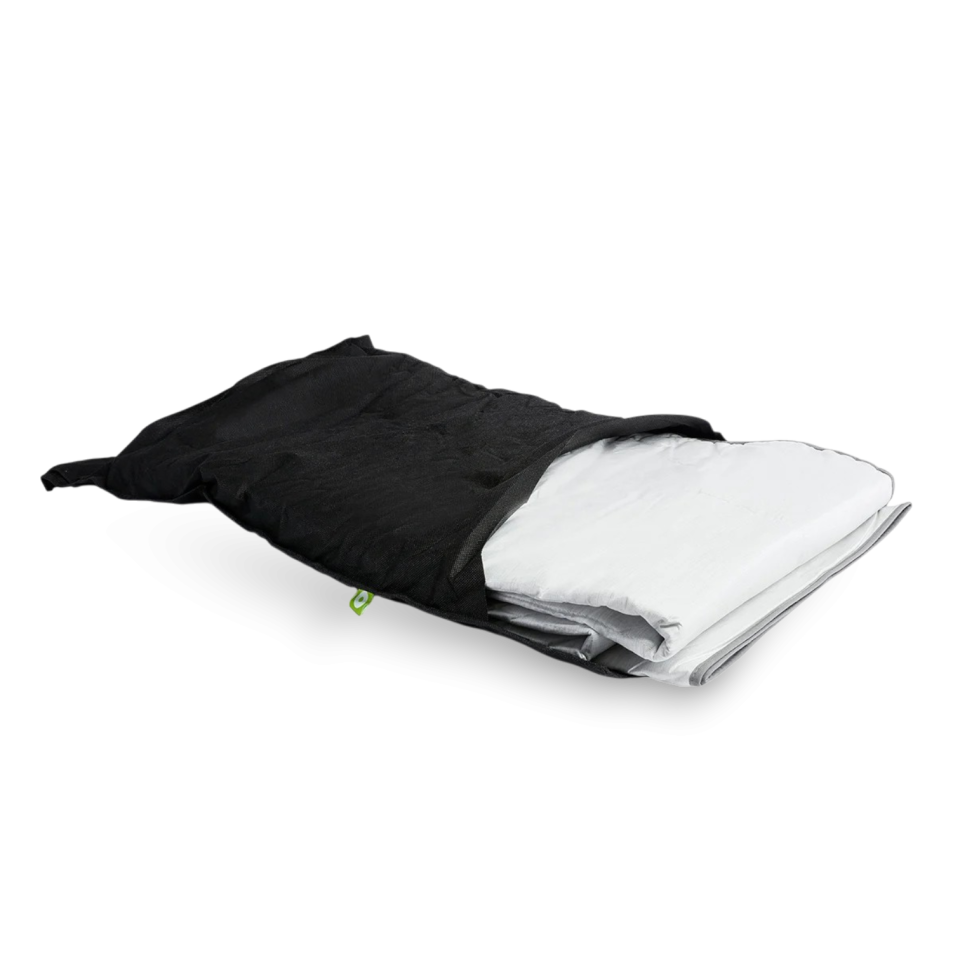
Recovery Blanket Summer
Available in multiple variants

Tips for Migraine Prevention
Migraines can’t always be completely prevented—but there’s a lot you can do to lower your risk of attacks. A healthy lifestyle that includes regular sleep, exercise, stress management, and mindful eating can help reduce migraine triggers. Even during an acute attack, there are ways to relieve symptoms.
What helps migraine sufferers during an acute attack?
- Retreat to a quiet, darkened room
- Cool compresses on the forehead or neck can relieve pain
- Relaxation techniques such as breathing exercises or progressive muscle relaxation help the nervous system calm down
- For medications such as triptans or pain relievers, the following applies: These should be used only after consulting a doctor to avoid medication-overuse headaches.
Migraines and Sleep in Children
Children often express migraines differently than adults—instead of headaches, they may experience stomachaches, nausea, irritability, or sleep problems. A structured daily routine with regular bedtimes and a calm evening ritual is especially important here.
Tips for parents:
- A consistent sleep schedule—even on weekends
- Sleep aids such as reading aloud or calm music
- Keep a sleep log to identify patterns and pinpoint triggers
When should you see a doctor?
- If migraine attacks occur regularly despite getting enough sleep
- If headaches after waking up become a persistent problem
- If your child is often exhausted, complains of pain, or has trouble relaxing
- If daily life is severely impacted or you’re unsure about triggers
With small but targeted changes in your daily routine, you can make a big difference—for yourself or your child. Pay attention to what works for you or your family, and seek support if you’re not making progress. Migraines are treatable—and good sleep is one of your best allies.


FAQ – Migraines and Sleep: Quick Answers
Migraines can be triggered by many factors—including lack of sleep, stress, hormonal fluctuations, certain foods, or changes in the weather.
This can be due to sleeping too long or too little, an uncomfortable sleeping position, or sleep disorders such as sleep apnea. Migraines can also occur immediately after waking up.
Yes—lack of sleep is one of the most common migraine triggers. The risk increases especially with irregular sleep patterns or frequent interruptions during the night.
Make sure to have a relaxing evening routine, reduce stress, and try gentle sleep aids like breathing exercises or lavender oil. In persistent cases, medical help may be advisable.
Regular bedtimes, a dark, quiet bedroom, and good sleep hygiene help many people with migraines. Exercise and mindfulness during the day also improve sleep quality.


Conclusion
Good sleep is one of the most effective ways to prevent migraines. Lack of sleep, a disrupted sleep rhythm, and poor sleep quality are among the biggest migraine triggers. With better sleep habits, regular bedtimes, and a little patience, you can make your daily life much easier and reduce the number of migraine attacks. Don’t be afraid to try new things—such as keeping a sleep log—and seek support if you’re not making progress on your own. After all, good sleep is the real key to fewer migraines!