Treating Psychological Sleep Disorders: Understanding Causes & Finding Help

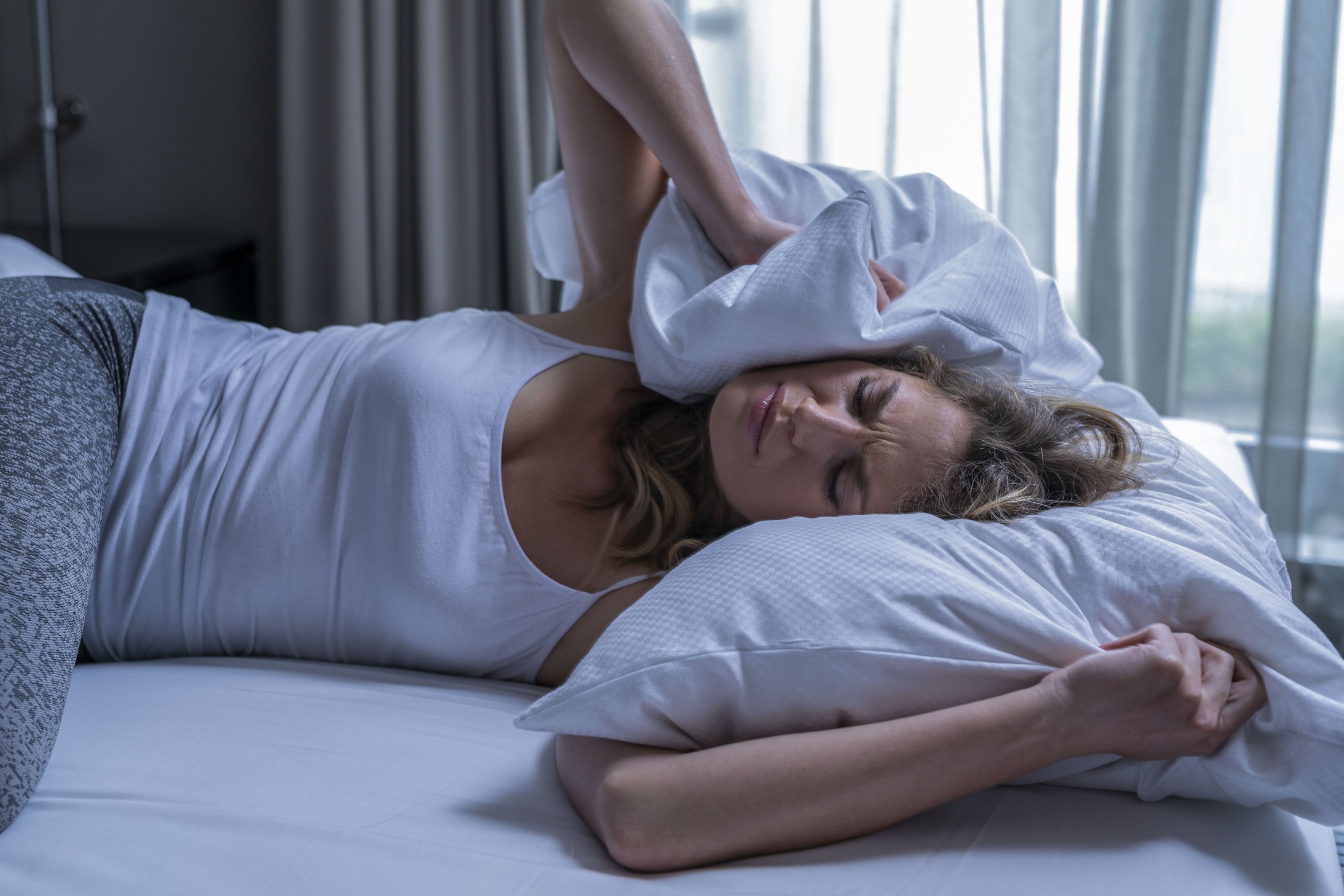
Everyone has a bad night’s sleep once in a while. However, anyone who suffers from persistent sleep problems or daytime sleepiness will sooner or later start asking themselves: Why can’t I sleep anymore?
Sleep disorders affect health, mood, and performance. They increase the risk of chronic diseases and, in the long term, reduce both quality of life and life expectancy. Many people affected initially look for the cause in physical factors: Is there a vitamin or mineral deficiency? Are hormones to blame? Or is there an as-yet-unknown physical illness behind the sleep disorder? What many people don’t know is that psychological processes are often the trigger for insomnia. In this article, you’ll learn how to recognize psychologically-induced sleep disorders and what solutions are available.


Effects of Sleep Deprivation on the Body and Mind
Sleep deprivation is not a harmless everyday occurrence. It has measurable consequences for both the body and the mind. Even just a few nights of insufficient or non-restorative sleep can lead to concentration problems, fatigue, irritability, and reduced performance. Physically, you may experience burning eyes, heavy eyelids, and headaches. If sleep deprivation persists over a longer period, the risk of serious health problems increases significantly: the immune system is weakened, inflammatory processes in the body increase, and metabolism becomes unbalanced. In the long term, this can contribute to conditions such as obesity, diabetes, or high blood pressure.
Mental health also suffers from chronic sleep deprivation. Studies show that persistent sleep deprivation can lead to mental health conditions such as depression, anxiety disorders, or even burnout.
Getting enough good-quality sleep is therefore not just an option, but a necessity. It is a key prerequisite for physical recovery, emotional stability, and cognitive performance. Anyone suffering from sleep problems should therefore take action.

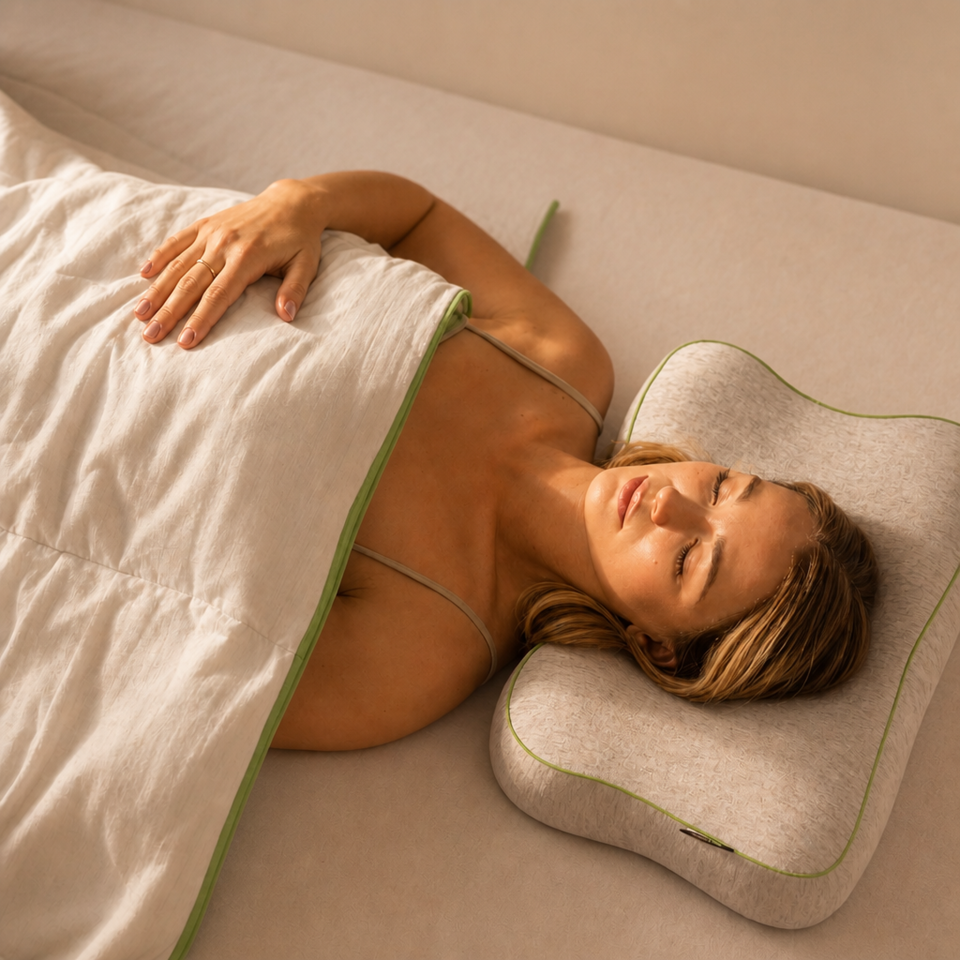

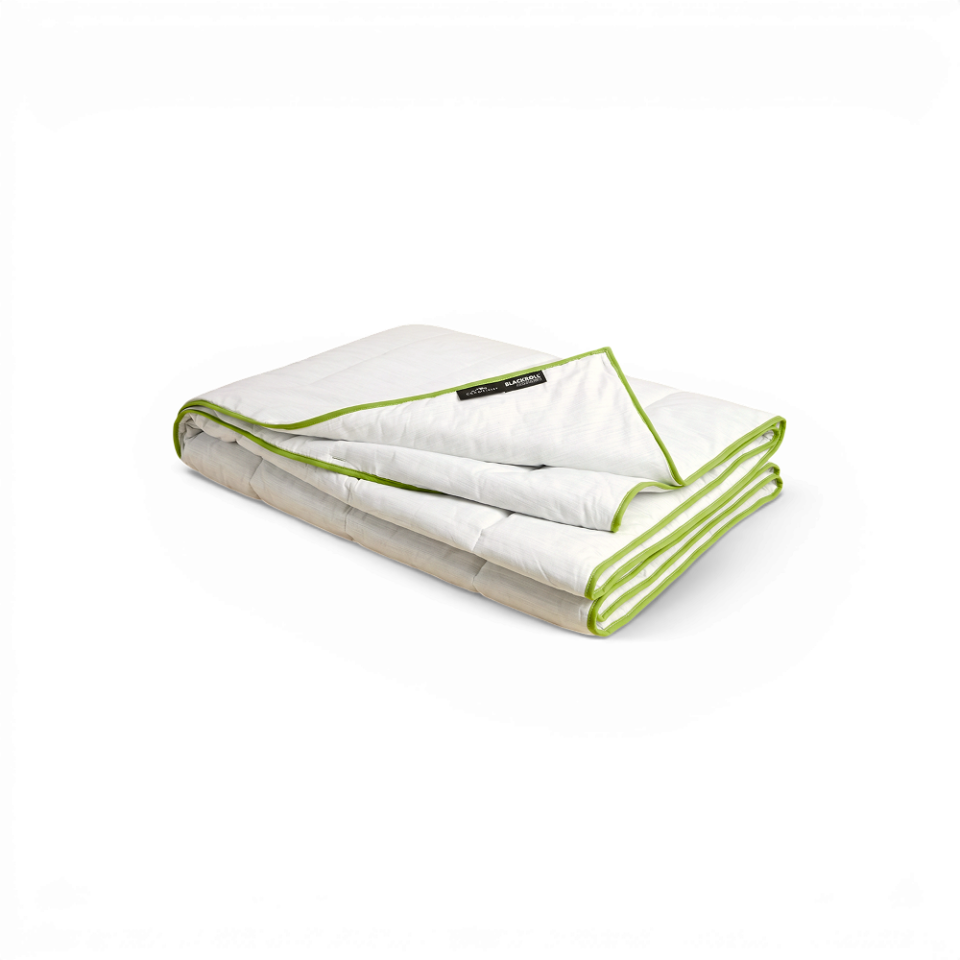
Recovery Blanket All Year
Available in multiple variants


Are there psychological causes behind my sleep disturbances?
Causes?
While physical causes such as hormonal imbalances, deficiencies, or various other pre-existing conditions can lead to poor sleep, the much more common triggers are psychological in nature. So-called “non-organic insomnia” accounts for the majority of all sleep disorders requiring treatment.
If you’ve been struggling with sleep problems for weeks or months and are also experiencing stress, emotional distress, or other psychological symptoms, it’s more likely that your sleep disorder is psychological rather than organic in nature.
Diagnosis: Psychological or Organic Sleep Disorder?
When diagnosing a sleep disorder, a distinction is made between organic and non-organic sleep disorders. This means that the sleep disorder can be either physical or psychological in nature. While they all lead to the same symptoms —ranging from difficulty falling asleep and staying asleep to waking up too early in the morning— they differ in their causes. It is therefore important to understand that the symptoms alone provide little insight into the origin of the sleep disorder.
When diagnosing a psychological sleep disorder, it is therefore important to first rule out physical causes such as sleep apnea or restless legs syndrome (RLS). Sleep apnea causes a significant reduction in sleep quality due to nocturnal breathing pauses, while RLS leads to unpleasant sensations in the legs. Specific life stages such as puberty, pregnancy, or menopause should also be taken into account. Hormonal changes during these life stages can lead to sleep problems that are classified as organic due to their physiological origin. Adolescents and women, in particular, are therefore at higher risk of developing a hormone-related sleep disorder.
If a physical examination suggests an organic cause, a detailed evaluation should be conducted in a sleep laboratory. Questionnaires on sleep behavior can be helpful for an initial assessment and evaluation. Additionally, a diagnostic consultation with specialists or a psychiatrist may be conducted.
Recognizing Psychological Causes
The following checklist will help you determine whether your sleep problem might also be non-organic insomnia:
You have trouble falling asleep or staying asleep, oryour sleep quality is poor
The problems occur at least three times a week
for a period of at least one month
You worry a lot about your sleep at night or even during the day and are afraid of the health consequences of sleep deprivation.
Your sleep problem has a significant negative impact on your daily life—for example, you may become irritable more quickly due to lack of sleep.
If several of these criteria apply to you, this may be an early sign that your sleep disorder is psychologically based. This is good news for treating your sleep disorder. If the cause is psychological, your sleep can be permanently improved even without taking medication or sleep aids. Even though one of the diagnostic criteria is a minimum duration of one month, it’s advisable to act as quickly as possible to successfully treat a sleep disorder. This can prevent the sleep problem from becoming chronic.
This requires identifying and specifically addressing the underlying causes. The range of possible psychological causes is broad. Often, various factors are interrelated and influence one another. It is therefore worth taking a closer look at the most common psychological triggers.
“When people hear the term ‘psychological sleep disorders,’ some assume it refers only to sleep disturbances associated with mental illnesses such as schizophrenia or mood disorders. What it actually encompasses, however, are problems that affect many of us: racing thoughts, stress, or difficulty unwinding.”
Sleep expert and health psychologist Leona Rudolph

Relaxation Exercises



Inner Restlessness and Sleep Disorders
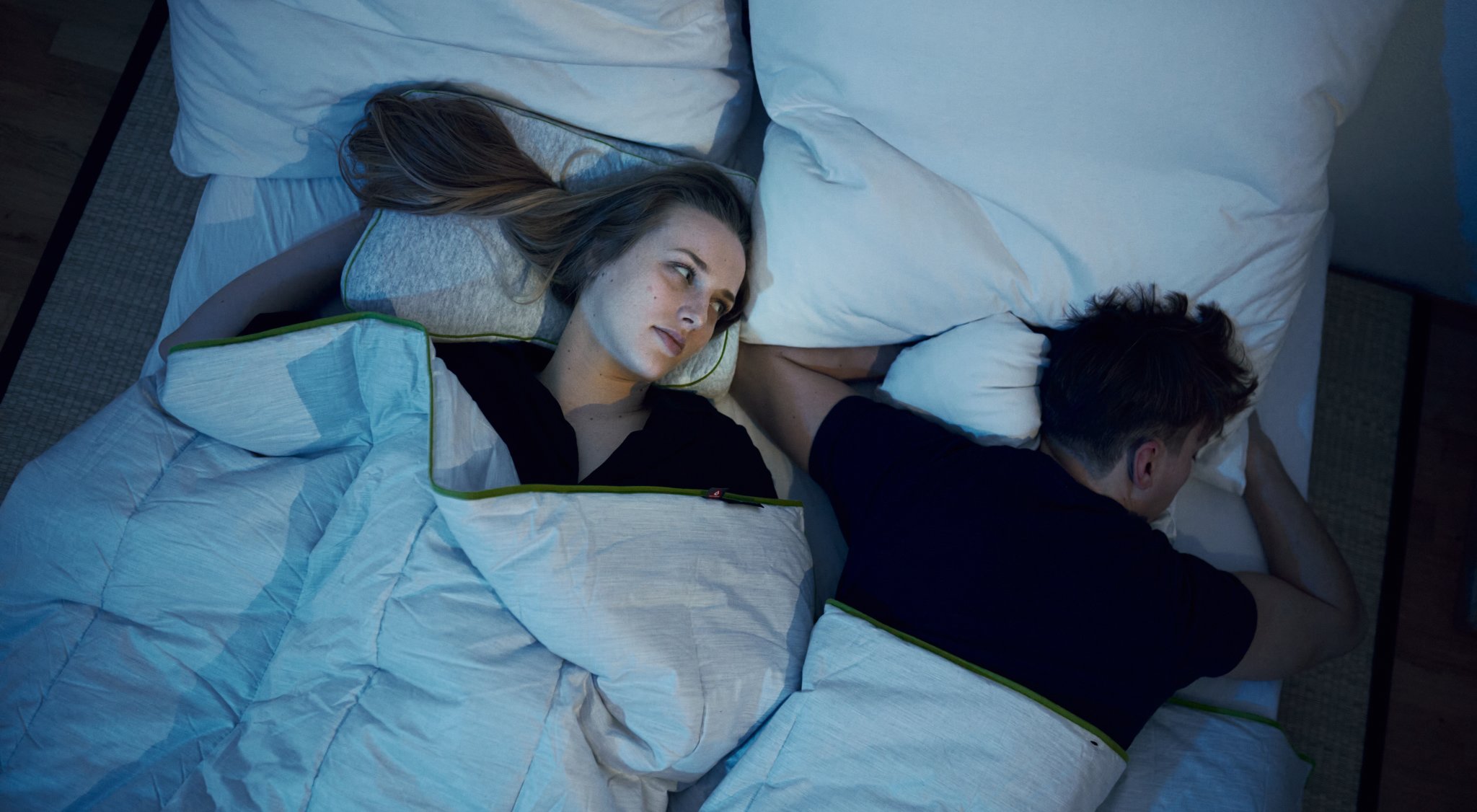
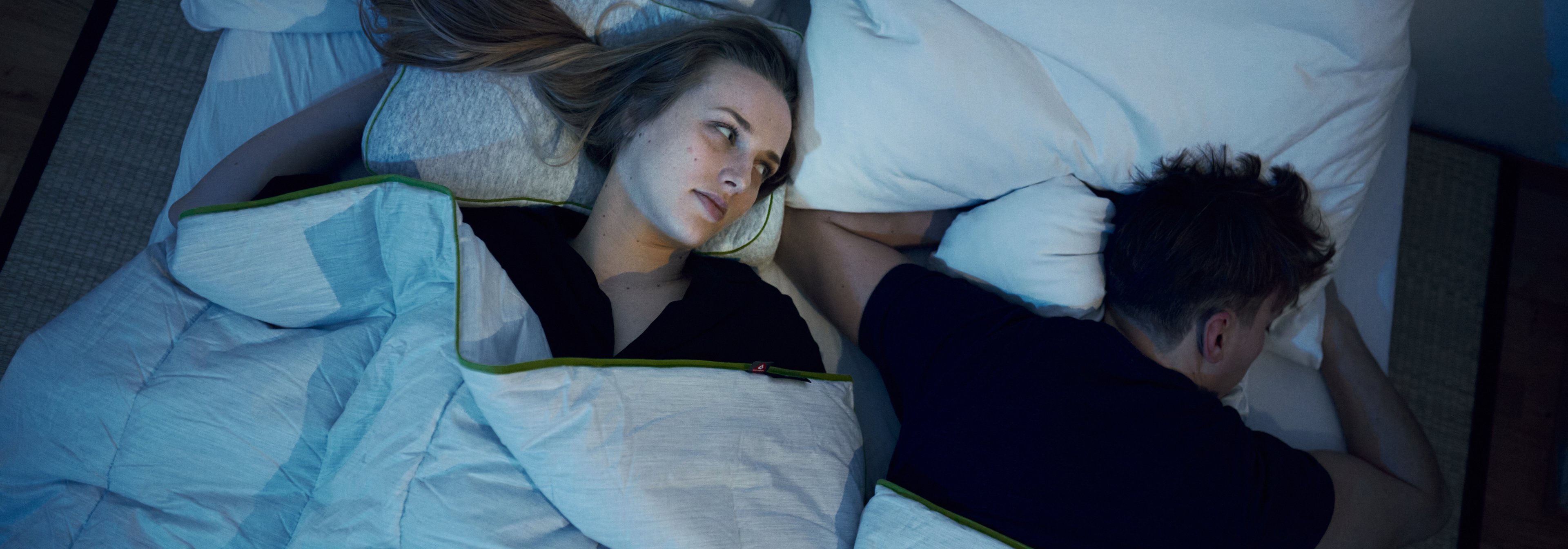
Our level of relaxation before falling asleep is crucial for a successful start to the night. Both physical and mental relaxation are essential for falling asleep and sleeping soundly . The process of mentally winding down doesn’t happen by flipping a switch. The brain needs sufficient time to process the day’s impressions and thoughts. The transition from active daytime mode to the evening state of rest is therefore where the problem begins for many people.
In our daily lives, which are often marked by hectic schedules and pressure to perform, this evening window of time for relaxation quickly slips down the list of priorities. The day’s unprocessed impressions then manifest as racing thoughts, nighttime rumination, inner restlessness, or physical tension—resulting in trouble falling asleep or staying asleep.

Sleep Disorders Caused by Stress
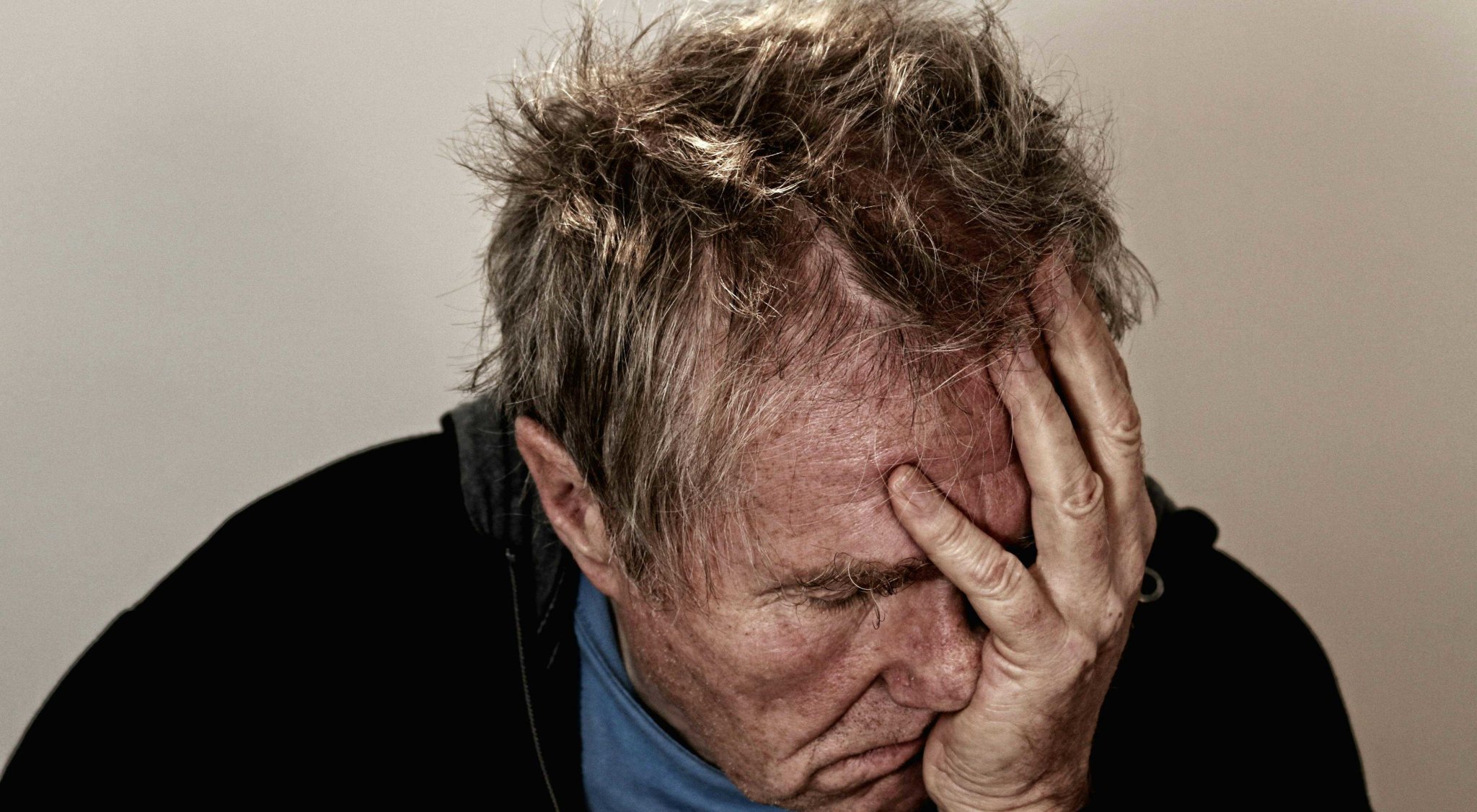
Stress is one of the most common triggers of psychological sleep disorders. The reason for this is that the detrimental effects of stress are not limited to a single mechanism—it disrupts our sleep on various levels through the same mechanism by which burnout also contributes to sleep disorders.
On the one hand, stress—through time pressures and performance expectations—leads to the described difficulties in unwinding when those affected no longer take the necessary time to wind down before going to bed. In addition, however, stress also has physical effects. If you’re stressed over an extended period, your body begins to release cortisol. Elevated cortisol levels then have a stimulating effect on your nervous system. You may feel jittery, physically tense, or simply unable to feel sleepy. The latter, in particular, is an important sign that it’s time to address your sleep problems.
Apart from that, the hormone cortisol also plays a role in our sleep-wake cycle, also known as the circadian rhythm. If our cortisol is dysregulated, this can primarily lead to a disruption of this natural rhythm. In many cases, difficulty falling asleep is then accompanied by trouble staying asleep or waking up too early in the morning. This also makes it impossible to catch up on sleep over the weekend.
Calming the Nervous System





Sleep Disorders Due to Psychological Stress
Not only work-related stress, but also emotional stress and life crises can lead to sleep problems. The reason is similar to that of work-related stress or a hectic lifestyle: intense negative emotions also hinder your ability to relax and activate your nervous system. As a result, your body is unable to enter the restful state necessary for sleep.
Typical emotional stressors that can trigger sleep disorders include the following:
- Family conflicts
- Financial worries
- Exam anxiety
- Caregiving situations
- Bereavement
- Relationship crises
- Traumatic experiences
Sleep Problems After a Breakup
Breakups are among the most life-altering experiences and thus represent an immense emotional burden. They not only trigger feelings of sadness but often also constitute a massive disruption to one’s self-worth, self-image, and life plan.
When a partner breaks up with you, it means rejection, the loss of a significant other, and a sudden loss of control all at once. This complexity of breakups can trigger emotional imbalance, which in turn disrupts sleep.
The consequences are not only difficulty unwinding and intense rumination; often, the loss of a relationship is also accompanied by the loss of a significant sense of security. This subconscious feeling can trigger a stress response in the body, which—like other types of stress—interferes with sleep.
“The pattern of psychologically induced sleep disorders is similar across most causes: they affect the ability to relax and thus prevent the most important prerequisite for healthy sleep.”
Leona Rudolph – Sleep Expert and Health Psychologist


I’m tired but can’t sleep
Depression is often associated with severe sleep problems. When depression causes sleep disorders, it usually involves difficulty falling asleep or staying asleep. In rare cases, it can also lead to what’s known as hypersomnia, an excessive need for sleep.
The relationship between depression and sleep disorders is not one-sided. Studies show that persistent sleep problems can also significantly increase the risk of developing depression. Sleep disorders and depression are therefore mutually reinforcing. That’s why it’s essential to seek solutions if you’re experiencing persistent sleep problems!


The fear of not being able to sleep
Anxiety disorders are also closely linked to sleep disturbances, although less frequently than with depression. In some cases , those affected are afraid of falling asleep, for example, due to nightmares. Most often, however, the issue is that worries and fears intensify when one lies quietly in bed without any other distractions. If those affected are unable to fall asleep for an extended period, the very state of not sleeping can also trigger new fears. This creates a vicious cycle that is difficult to break without help. The key here is to overcome the fear of insomnia.


Recovery Blanket Summer
Available in multiple variants


What Can You Do About Sleep Disorders? Sleep Therapy Based on CBT-I
Getting to the root of your own sleep problems is often the crucial first step toward improvement. Understanding which internal or external factors are affecting your sleep is key. The second step is finding the right support. What helps with insomnia?
According to the guidelines of the German Society for Sleep Research and Sleep Medicine (DGSM), cognitive behavioral therapy for insomnia (CBT-I) is the recommended first-line treatment for non-organic insomnia. CBT-I is thus preferred over approaches involving medications, which can potentially lead to dependence or side effects. Its effectiveness in bringing about lasting improvement in sleep disorders is supported by numerous studies (Trauer et al., 2015; van Straten, 2018).
A central component of CBT-I is the use of cognitive techniques to identify and resolve negative or obstructive attitudes and thought patterns (“I can’t sleep anyway”). The goal is to replace dysfunctional beliefs with more realistic and helpful thoughts that promote sleep.
This is supplemented by behavior-oriented methods, such as “stimulus control,” which helps reestablish the association between the bed and sleep. Measures to improve sleep hygiene—that is, habits that promote sleep—are also part of this approach. This is because it is often one’s own behaviors that perpetuate sleep disorders.
CBT-I is rounded out by relaxation techniques and sleep-promoting measures, such as progressive muscle relaxation or guided visualizations. These help reduce physical tension and calm the nervous system.
Through this combination of approaches, CBT-I offers a holistic approach to achieving lasting improvements in sleep, the effectiveness of which has been demonstrated in numerous studies. The duration typically ranges from a few weeks to a few months.


Sleep Restriction Therapy
Another noteworthy specialized approach within behavioral therapy is so-called sleep restriction. Here, the focus is not on attitudes toward sleep but solely on behavioral aspects. The time spent in bed is initially drastically reduced to build up nighttime sleep pressure and restore the body’s natural sleep-wake cycle. Because it involves an intentionally induced sleep deficit, sleep restriction therapy is a radical step that is associated, among other things, with significant daytime fatigue. It should therefore only be carried out under the supervision of an expert.
“When treating sleep disorders, it is very important to tailor the method to the individual. Not every technique is suitable for every person or every sleep problem. If applied incorrectly, bedtime restriction can lead to stress, which then does not make the sleep problem any worse.”
Quote from Leona Rudolph:


Medication for sleep disorders?
Although a behavioral therapy approach is clearly recommended as the “first-line treatment,” there are situations in which treatment with medication is advisable. In such cases, treatment should always be carried out in close consultation with appropriate specialists, as many prescription sleep medications have side effects and may carry a risk of dependence.
Self-Help for Sleep Problems: Sleep Tracking & Sleep Hygiene
If you want to improve your sleep, you should first gather information to get a realistic picture of your own sleep patterns. Keeping a sleep diary can be helpful here. Important data to record include your bedtime, your wake-up time, and any periods of wakefulness during the night. From this, you can calculate your average sleep duration to get a sense of how many hours you typically sleep. Most people need between 7 and 7.5 hours of sleep, though the optimal duration varies from person to person. It’s also worth noting how restful you subjectively found your sleep to be, how active you were the previous day, and what your mood was like. Your level of physical activity, caffeine intake, and alcohol consumption can also be helpful. This makes it possible to draw conclusions about which of your behaviors are beneficial or less beneficial for your sleep. You can easily record this data every morning with a pen and paper or on your phone.
To not only understand your sleep but also improve it, it’s important to practice good sleep hygiene. Be sure to keep the following tips in mind:
Avoid caffeine in the afternoon
Dim your lights in the evening and use warm light in particular
Use a blue light filter on screen-based devices in the evening
Avoid heavy meals too close to bedtime
In addition, you can develop your own evening routine consisting of one to three elements that help you wind down. If you tend to overthink, for example, keeping a “worry journal” might help. If you’re physically tense, you should try physical relaxation exercises. A regular evening routine like this helps your body switch into relaxation mode. Through consistent routines, your brain automatically associates certain actions with the upcoming sleep. This can especially help you fall asleep faster.
Common Sleep Myths: What Should You Avoid Trying?
Aside from helpful self-help tips, there’s also a lot of information circulating about treating sleep problems on your own that’s based on myths. However, caution is advised here.
The Alcohol Myth: “A glass of wine helps you fall asleep.”:
While alcohol may initially have a relaxing effect, it significantly disrupts sleep architecture and ultimately leads to restless, non-restorative sleep. Over-the-counter sleep aids, such as antihistamines, are also often used recklessly in place of prescription sleep aids to take advantage of their mild sleep-promoting effects. However, their effects are short-lived, superficial, and can sometimes lead to dependence. Therefore, they do not provide a lasting solution to a sleep problem.
The Myth of Catching Up on Sleep: “I’ll just make up for the sleep deficit I accumulate during the week over the weekend.”
Many people wonder to what extent a lack of sleep can be compensated for. While it’s possible to make up for individual nights of lost sleep, a chronically disrupted sleep rhythm cannot be corrected simply by sleeping in on the weekend. What’s crucial, rather, is establishing a long-term sleep routine and addressing the underlying causes.
The Myth of the Afternoon Nap: “If I slept poorly at night, I should treat myself to an afternoon nap.”
While a short nap can give you a short-term energy boost, it reduces your sleep drive for the coming night. So, if you sleep during the day, you generally risk having trouble falling asleep again in the evening. This creates a vicious cycle in which your sleep-wake cycle becomes increasingly disrupted.
If you want to effectively address your sleep problems on your own, focus instead on establishing good, long-term sleep hygiene, a bedtime routine, and addressing the root causes, rather than on short-lived, superficial solutions that merely mask the actual sleep problem.
Caffeine and alcohol? X





Help with sleep disorders: Where can you find it?
If you suffer from chronic sleep problems, seek help from experts. The first step should always be to consult your doctor or a sleep specialist to rule out any physical causes. If no organic findings are identified, CBT-I offers the best starting point. Here, you have several options to choose from:
Sleep Therapists, Psychotherapists, and Psychiatrists
While in-person psychological psychotherapy is the first choice, access to this option is unfortunately very limited. For one thing, due to the current shortage of psychotherapists in Germany, many therapists can only accept new patients after a long wait. On the other hand, psychotherapists specializing in sleep-related issues are, unfortunately, difficult for many people to find. As soon as medication becomes part of the treatment, a psychiatrist is the right person to consult.
Online Programs
A good alternative to in-person treatment could therefore be CBT-I as part of an online program, especially if it offers personalized psychological support. Studies have shown that online programs are particularly successful when they provide individualized care. The duration can vary, though longer programs generally lead to better outcomes.
These digital offerings often have a lower barrier to entry, can be flexibly integrated into daily life, and enable intensive support—in some cases even through daily communication via chat.
Participants in such online programs[1] describe their experiences as follows: “Behavioral therapy is the key to dealing with anxiety, including sleep anxiety. By changing negative thoughts and through relaxation exercises, mindfulness, and gratitude, you can get a lot under control. But you also have to be open to it and practice. ‘It helped me a lot.’”
Specialized centers, sleep labs, and psychiatry
Especially for an initial assessment, those affected can always turn to sleep medicine or psychological experts. If a psychological sleep disorder is diagnosed, cognitive behavioral therapy for insomnia is recommended in accordance with the guidelines.
Checklist: When should I see my doctor about my sleep problems?
If your sleep problems have persisted for several weeks, it’s definitely advisable to see your doctor to rule out any possible physical causes. This is especially true if the following apply:
If you don’t know the cause of your sleep problems.
If you suspect an organic cause based on other physical symptoms.
If you find your sleep problems to be a major burden.
If your mood is progressively worsening as a result of your sleep problems.


Conclusion
Psychologically-induced sleep disorders are more common than many people realize—and they do not automatically indicate a mental illness.
The key is to analyze your individual situation to understand the causes behind your sleep problem. Cognitive Behavioral Therapy (CBT-I) offers the best scientifically recognized solution, one that has been proven to help—provided it is properly tailored. That’s why a personalized approach is the key to success.
A psychological sleep disorder can therefore be resolved—with the right knowledge, the appropriate method, and professional support.
Discover more articles






Sources & Studies:
Harvey, A. G. (2002). A cognitive model of insomnia. Behaviour Research and Therapy, 40(8), 869–893.